





#1
#2
Black Friday has a disturbing origin story circulating online: some people claim the name comes from American human trafficking selling captured people at discounted prices. However, there is no historical evidence to support this claim. In reality, this practice ended in the United States in 1865, almost forty years before the date mentioned in the viral story.
The first known uses of the term refer to something else entirely. On September 24, 1869, financiers Jay Gould and James Fisk attempted to corner the American gold market by buying large amounts of gold and pushing up its price. Their plan failed, causing a financial panic.
People started calling that day Black Friday because the gold market crash led to a financial disaster for investors. The name was not related to holiday shopping, discounts, or Thanksgiving. Even before shoppers linked it to busy stores and bargain hunting, the term already had a negative meaning.
#3

#4
That negative meaning eventually became part of American shopping culture. By the 1950s, the Friday after Thanksgiving brought huge crowds to downtown Philadelphia as department stores started the Christmas shopping season. The city also got ready for the annual Army-Navy football game, which brought in more visitors and traffic.
Philadelphia police officers did not look forward to this busy day. The streets were packed with shoppers, football fans, and cars looking for parking. Officers had to work long hours managing traffic jams and crowded sidewalks, with almost no chance to take the day off. They started calling the tiring shopping day “Black Friday”.
#5
#6
One year, the district manager decided to "observe" our store during Black Friday. She stopped by my department in the thick of it to see how things were going on my end. It was insanely busy of course, but we had everything managed. She was carrying a piece of paper which she told me had some unadvertised markdowns for old inventory. This was news to me. She glanced at it, grabbed my phone, and made a store-wide announcement that we had JVC Digital Camcorders marked down to $49, regular price $199.
As she was making the announcement, I stood there with my jaw open. A sense of fear came over me. I knew the model that was just marked down, and we did have it in inventory. The problem was, we only had 4. The store was packed, and a fast-moving zombie horde of shoppers immediately swamped my department from all sides. As the horde swept over my department, I saw my district manager hightail it out of there.
I have never been in more fear for my life.
The nickname stayed, even though local store owners did not like it. They were concerned that a name linked to traffic problems and chaos might keep customers away from downtown shops. City officials tried to promote a friendlier name, Big Friday, but the original term ended up being used.
By the 1970s, people in Philadelphia knew the term Black Friday, but store owners still did not like its negative image. The name made shoppers think of traffic jams, crowded sidewalks, and tired police officers instead of fun holiday deals. Merchants wanted people to see the day as a chance to shop, not as a stressful event.
#7
#8
#9
Retailers later came up with a more positive story for the name. They started saying that Black Friday was when stores went from being "in the red," or losing money, to "in the black," or making a profit. This new meaning made the nickname sound better for business.
However, this explanation showed up in print much later than the nickname used by Philadelphia police. The first known mention linking Black Friday to store profits was in 1981. As the term spread across the country, the red-to-black story helped store owners turn an unwanted nickname into a well-known shopping tradition.
#10
...it wasn't even the last one.
#11
#12
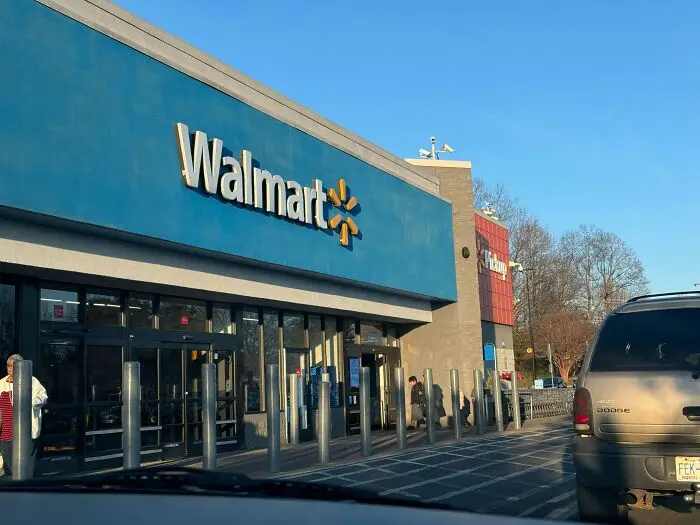
By the 1990s and early 2000s, Black Friday had become a big shopping event in America. Stores advertised special deals in Thanksgiving newspapers, and shoppers planned their purchases around short-term discounts. Some people even lined up outside stores before sunrise, hoping to get popular electronics, toys, and other items before they sold out.
The internet later changed how people shopped for the holidays. Cyber Monday became an online version of Black Friday, giving shoppers another chance to find deals after Thanksgiving weekend. Instead of waiting outside stores, people could look for sales on their computers and shop from home.
#13
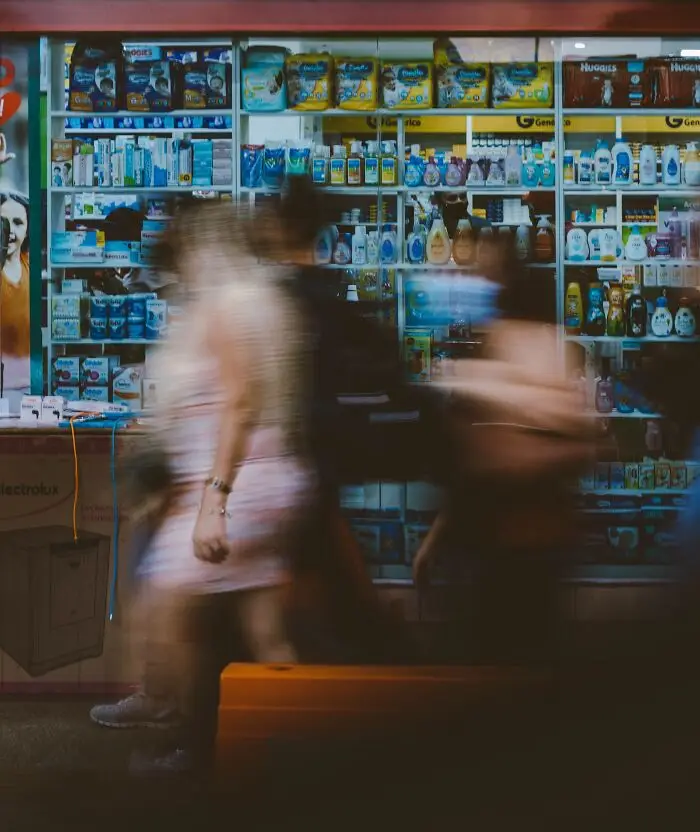
A couple years ago when the sale started there was a surge of people trying to get their stuff. One lady got knocked down and her pen went straight into her neck thankfully missing the jugular. The messed up part is no one tried to help they just walked over her to get their deal items.
An associate that saw it happen had to stand over top over her to protect her from getting trampled. When the ambulance crew arrived they had to literally shove people out of the way because no one would move.
People are terrible.
#14
#15

When I show up at 4AM, they manager tells me I'm working women's shoes today only.
Absolute madness.
The worst part is shoes salesmen get commission, but since I didn't have employee numbers I got only minimum wage. Losing out of hundreds of dollars extra pay.
This change sped up in 2020, when the pandemic led more people to shop online. That year, Black Friday online sales hit a record $9 billion in the United States, which was 22% higher than the year before. The event had become much bigger than just crowded stores, now including both physical shops, websites, and several days of deals.
Black Friday still brings many shoppers into stores each year, but retail workers often have a very different experience. Behind the big discounts are long work shifts and busy crowds that sometimes make bargain hunting go too far.
What do you think about these stories? Have you ever witnessed similar behavior while shopping on Black Friday?
#16
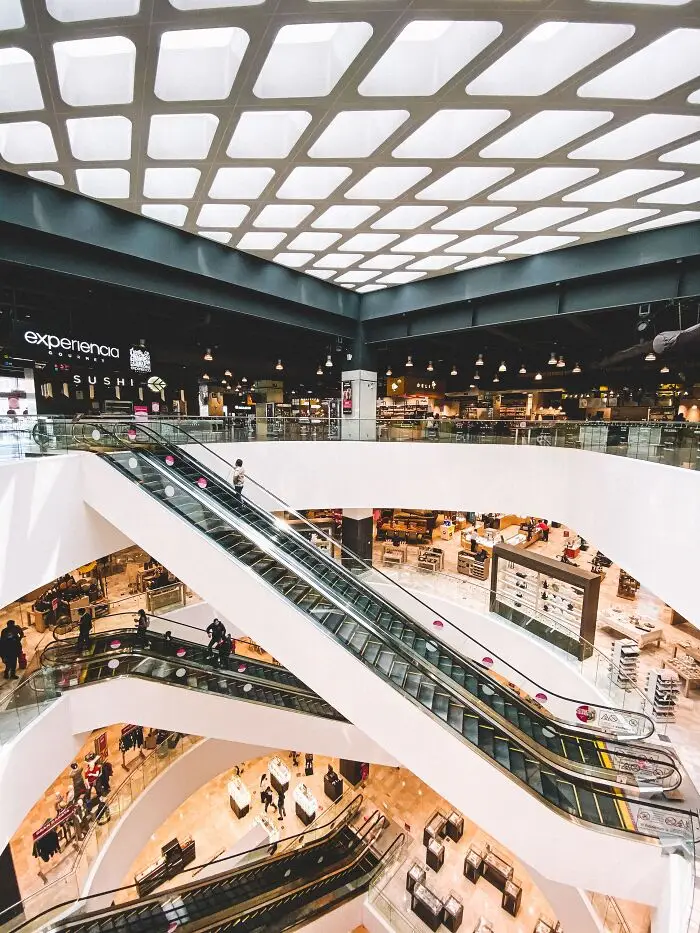
Black Friday at ASDA (British Walmart) there was these microwaves like 70% off and the store and was so busy you couldn’t move. There were empty shelves all along the aisle up to these microwaves and a guy laid down on the shelf and army crawled along the shelves grabbed a microwave and army crawled back with it.
#17
#18

Around the time I found myself alone, I noticed the stereo had become stuck on repeat, just playing the same song over and over. It was at least an hour before I was able to get away from the counter, and so that was the day I was forced to listen to some kind of generic “A Very Jazzy Jinglebells” some 30 times back to back.
#19
Edited for words.
#20
Apparently, someone decided it was fine to wander into the back storage room and start opening boxes to find what they wanted. Other customers saw this one j*****s do it, and then decided it was ok if they did too.
Myself and the other back of house guys were busy wrestling with a really obnoxious bed set, so when I made it to the other side of our back storage, I found like 8-10 people just taking cases off our bays and opening them, then tossing them aside if they didn't want it. They claimed there was nothing indicating they couldn't come back there. We have a two signs on the swinging door saying "Employees Only" and "Warning: Only authorized personal beyond this point!"