







A wise woman once said that well-behaved women seldom make history and it turns out that she might have been right. Depending, of course, on who you ask.
For centuries, women have had to fight for their rightful place in society. We don't hear much about those who simply sat down and obeyed the rules. It's often the fierce females, who dared to go against the grain, that might finally earn their flowers. But not always. There are many women who did remarkable things, and hardly ever get spoken about.
Thankfully, there's a community dedicated to honoring them. Women In World History has more than 570,000 followers, and shares photos and stories of women who changed the world in their own special ways. Bored Panda has put together a list of the page's best posts. From musicians, to models, doctors, whistle-blowers and extraordinary mothers, these just a few of the tales that deserve to be told.
#41
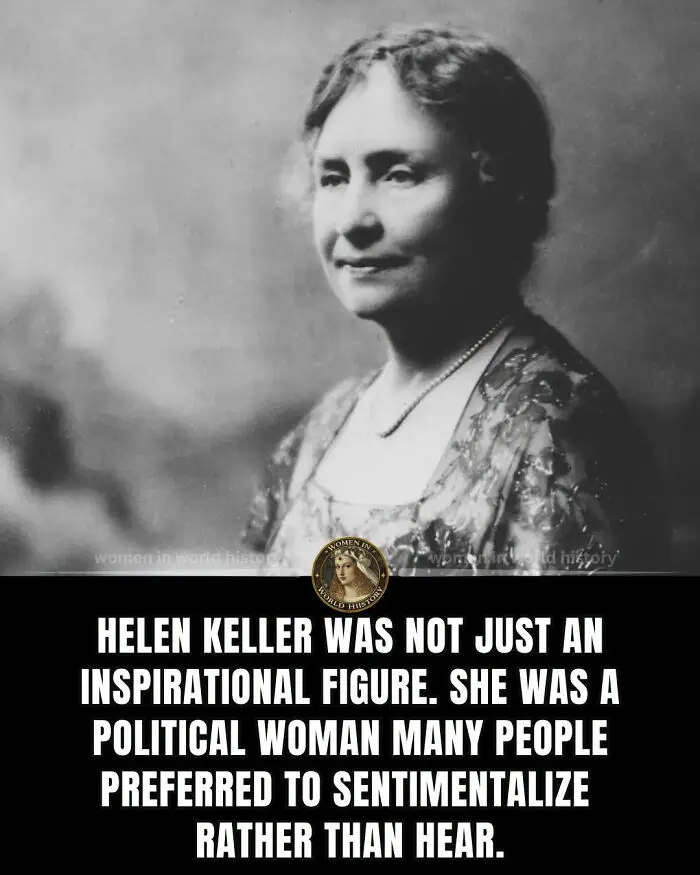
Helen Keller's birthday is often marked with the same familiar story: a little girl who overcame extraordinary obstacles with the help of her teacher, Anne Sullivan.
But that's only the opening chapter.
As an adult, Keller became one of the most politically outspoken women in America. She fought for women's suffrage, championed disability rights decades before the movement had a name, supported workers during brutal labor disputes, and openly embraced socialism. She argued that poverty, dangerous factory conditions, and inequality created disability just as surely as disease or accident.
Her political views shocked many of the same newspapers that had once celebrated her. Publications that praised her intelligence when she spoke about perseverance suddenly questioned her judgment when she criticized capitalism. Keller noticed the contradiction herself, pointing out that she was considered brilliant when people agreed with her and supposedly incapable of independent thought when they didn't.
She refused to soften her message. She wrote books, delivered speeches around the world, helped found organizations advocating for civil liberties, and spent decades insisting that disability was not simply a personal challenge but a social issue demanding justice.
History often remembers Helen Keller as an inspiring symbol of triumph over adversity.
She spent much of her life trying to be remembered as something far more dangerous: a woman determined to change the world, not just adapt to it.
Report
9points
#42
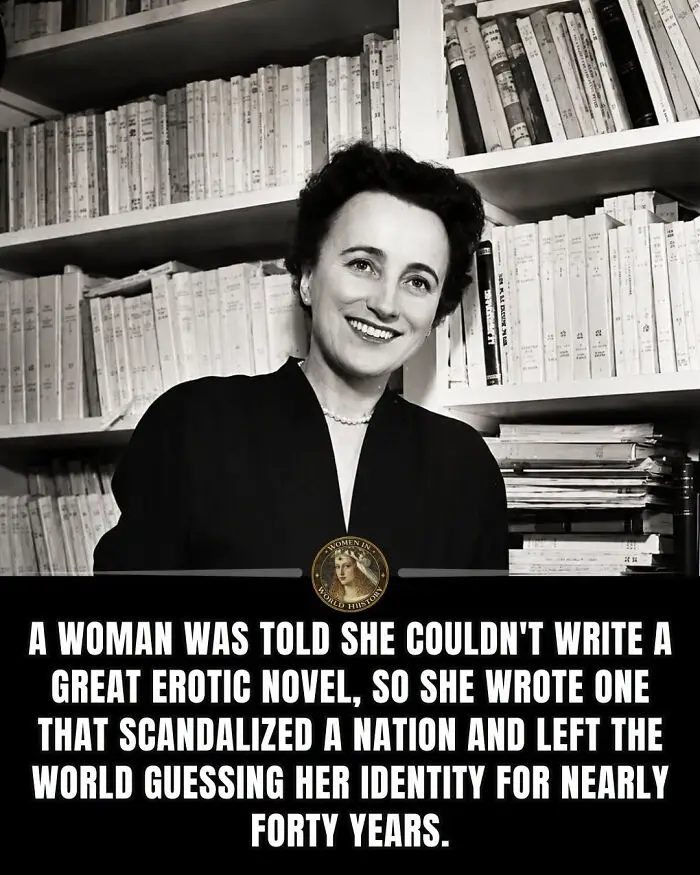
In the early 1950s, French writer Anne Desclos found herself in an unusual argument.
Her lover, publisher Jean Paulhan, admired the works of the Marquis de Sade and insisted that women were incapable of writing truly erotic literature. According to him, only men could explore desire, obsession, power, and surrender with sufficient intensity.
Desclos decided to prove him wrong.
Secretly, she began writing a novel unlike anything she had ever published. Working under the pseudonym Pauline Réage, she crafted the story of O, a woman who willingly enters a world of submission, devotion, and erotic discipline. The manuscript was originally intended as a private gift for Paulhan.
Instead, it became a literary sensation.
Published in 1954 as *Story of O*, the novel shocked readers across France. Some considered it art. Others considered it dangerous. The book's explicit sadomasochistic themes sparked outrage, drew enormous public attention, and quickly became one of the most controversial novels of the twentieth century.
The reaction grew so intense that French authorities pursued obscenity charges against the publisher. Debates erupted over censorship, morality, sexuality, and whether the novel degraded women or represented a radical expression of female desire.
Yet the greatest mystery surrounded its author.
For decades, nobody knew who Pauline Réage really was. Literary critics, journalists, and readers speculated endlessly. Some doubted a woman had written the book at all. Others assumed the mysterious author was actually a man hiding behind a female name.
The truth remained hidden for nearly forty years.
Only in the 1990s did Anne Desclos finally reveal that she had been Pauline Réage all along.
The woman who had been told women couldn't write erotic literature had responded by writing one of the most famous, controversial, and debated erotic novels ever published.
Not bad for a manuscript that began as an argument.
Report
9points
#43
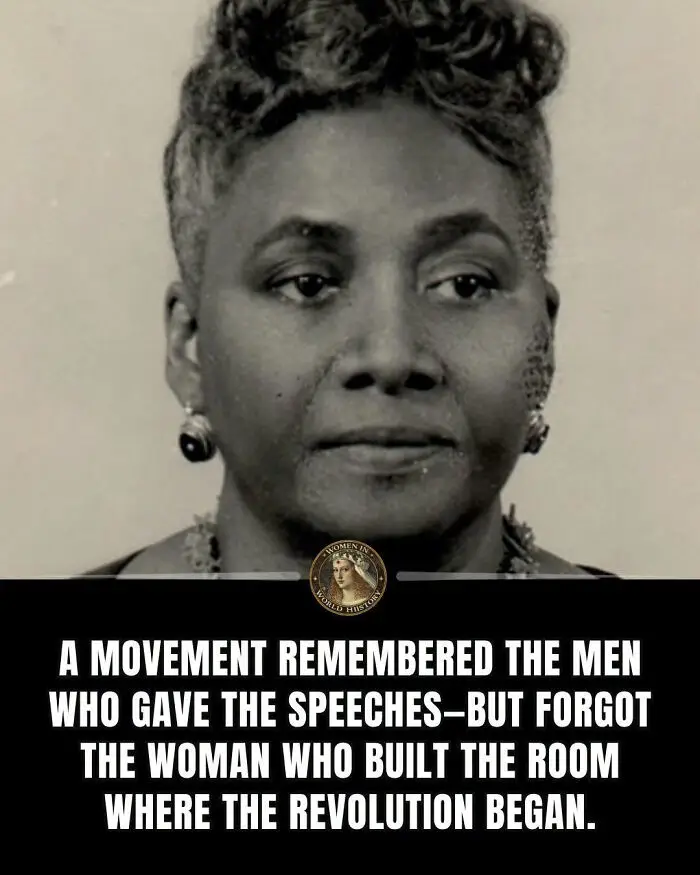
Paulette Nardal did not need a throne, a battlefield, or a famous last name to change history.
She had a living room.
Born in Martinique in 1896, Nardal became one of the first Black women from the French Caribbean to study at the Sorbonne in Paris. She arrived in a city that loved to call itself enlightened, while still benefiting from empire, colonialism, and the quiet humiliation of people it considered “subjects” rather than equals.
But Paulette saw something many others had not yet fully named.
Black people from Africa, the Caribbean, Europe, and America were being separated by language, geography, class, and colonial rule. Yet beneath those differences, there was a shared wound — and possibly a shared power.
So she helped create a space where that truth could breathe.
In the Paris suburb of Clamart, the Nardal sisters hosted a salon that became a meeting place for Black writers, students, musicians, and thinkers. There, conversations moved between Harlem, Martinique, Senegal, Haiti, and France. Ideas traveled across oceans. People who had been taught to see themselves as isolated began to see themselves as connected.
Paulette translated, wrote, edited, introduced, encouraged, and gathered. She helped bring the energy of the Harlem Renaissance into the French-speaking world. Before Négritude became famous through men like Aimé Césaire, Léopold Senghor, and Léon-Gontran Damas, many of its ideas had already been nurtured in rooms where Paulette Nardal was present.
And then history did what it so often does.
It remembered the men more loudly.
Nardal became a footnote in a movement she helped make possible.
That is what makes her story so powerful. She did not simply witness a Black intellectual awakening. She helped build the table where it began.
Sometimes history is not changed by the person holding the microphone.
Sometimes it is changed by the woman who opened the door.
Report
9points
#44
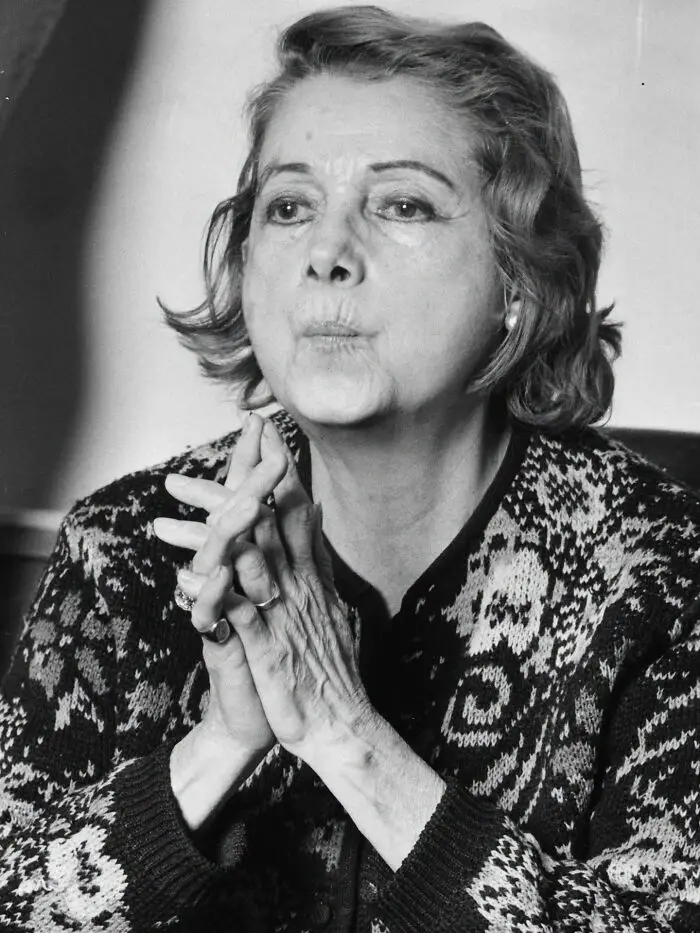
Most people know the Rose. Almost nobody knows the woman who may have inspired her.
Before she became linked forever to The Little Prince, Consuelo de Saint-Exupéry was already living a life that sounded like fiction. Born in El Salvador in 1901, she grew up in a family touched by politics, privilege, and upheaval. She studied art, developed a fierce independent streak, and moved through creative circles in Latin America and Europe at a time when few women traveled so freely between worlds.
Then she met the man who would make her immortal and drive her nearly mad.
When Consuelo married aviator and writer Antoine de Saint-Exupéry in 1931, they became one of literature's most turbulent couples. He was charming, brilliant, adventurous, and chronically unfaithful. She was artistic, passionate, unpredictable, and unwilling to quietly disappear into the role of a famous man's wife. Their marriage was filled with separations, reconciliations, dramatic arguments, love letters, and long absences as Antoine disappeared into the skies on dangerous flying missions.
Yet they never completely escaped each other's orbit.
When The Little Prince was published in 1943, readers met the Rose: beautiful, vain, fragile, demanding, beloved, and impossible to forget. Many biographers have pointed to Consuelo as the inspiration. Like the Rose, she could be difficult, theatrical, affectionate, and deeply vulnerable. Like the Little Prince, Antoine often seemed torn between devotion and escape.
The symbolism became even more striking because Consuelo loved roses and frequently appeared surrounded by flowers in photographs and paintings. Whether she was truly the Rose is still debated, but the connection became inseparable from her legacy.
Then came the story's heartbreaking final chapter.
In 1944, Antoine vanished during a reconnaissance flight over the Mediterranean. For decades, his fate remained one of aviation's great mysteries. Consuelo spent the rest of her life carrying the weight of a love story that had never really ended. Long after his disappearance, she continued creating art and writing, determined not to be remembered merely as someone's muse.
Report
9points
#45
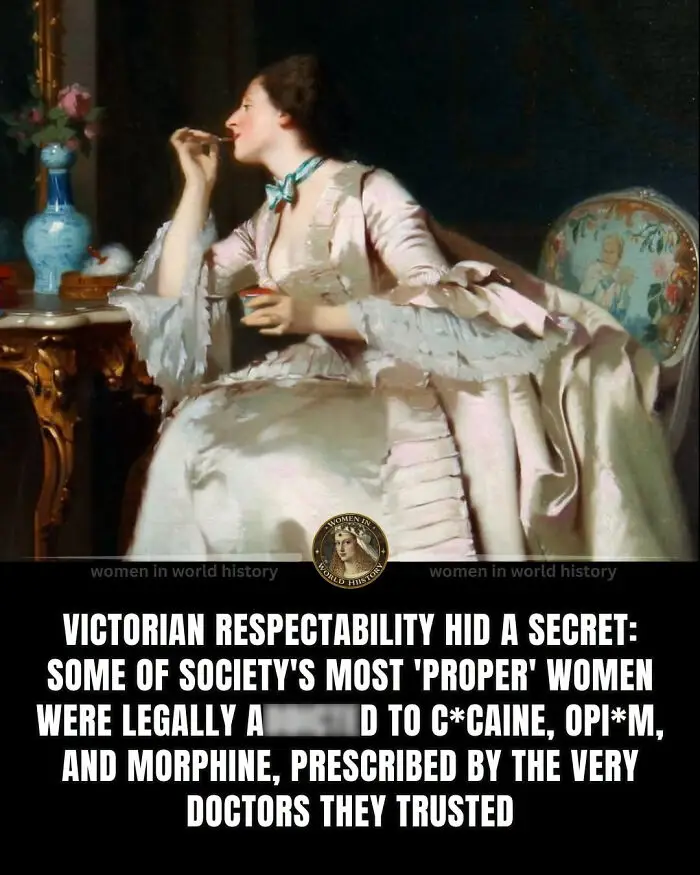
Many Victorians loved to imagine their age as the pinnacle of discipline, restraint, and moral virtue. Behind polished drawing-room doors, however, another story was unfolding. Respectable wives, devoted mothers, and society hostesses were quietly consuming c*caine, op*um, and morphine—not as rebels chasing scandal, but as patients following medical advice.
It rarely began with addiction. A sleepless night. Exhaustion after childbirth. "Female nerves." Melancholy. Menstrual pain. Anxiety. Almost any complaint could earn a prescription. Physicians praised these powerful d***s as modern miracles, pharmacies sold op*um-based remedies over the counter, and patent medicines often contained narcotics without clearly saying so on the label. Many women had no idea how dependent they were becoming.
Morphine became especially fashionable after the invention of the hypodermic syringe in the 1850s. Doctors believed injections were safer than swallowing op*um, convinced the drug would remain local to the pain. They were disastrously wrong. Dependence spread quickly, particularly among middle- and upper-class women who had the means to receive regular medical care. Some historians even referred to morphine addiction as a "respectable lady's disease."
Then came c*caine. By the 1880s it was celebrated as a scientific breakthrough. It appeared in tonics, wines, throat lozenges, and medical treatments, praised for lifting spirits and restoring energy. Newspapers ran glowing advertisements. Few questioned whether daily use might carry consequences.
The cruel irony is that many of these women were never viewed as addicts. They were considered obedient patients doing exactly what trusted physicians instructed. Their suffering was often hidden behind elegant clothing, carefully managed households, and impeccable social reputations. The very culture that celebrated feminine self-control also helped create a quiet epidemic that was rarely spoken about in public.
Report
8points
#46
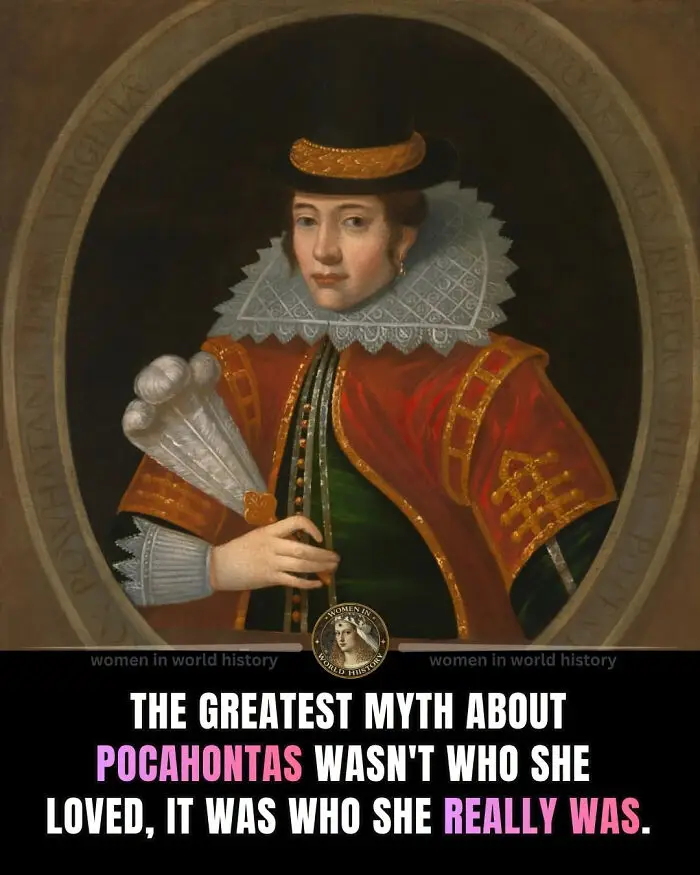
She was transformed into one of history's most recognizable women.
The strange part is that almost everything people think they know about her came later.
Her real name was **Matoaka**. "Pocahontas" was a childhood nickname, often understood to mean something like "playful one." Long before Hollywood turned her into the heroine of a love story, she was the daughter of Powhatan, the powerful leader of a confederacy controlling much of coastal Virginia.
Then the English arrived.
For centuries, the most famous version of her story claimed she threw herself across the body of Captain John Smith to save him from e*******n. Smith himself didn't tell that story until years later, after Pocahontas had become famous in England. Historians have argued ever since whether he misunderstood a Powhatan adoption ceremony, embellished the tale, or simply invented one of history's greatest colonial legends. What is clear is that there is no contemporary evidence for a sweeping romance between them.
The part that often gets overlooked is far darker.
In 1613, while she was likely still in her teens, English captain Samuel Argall lured her aboard his ship and kidnapped her. She became a political hostage, held for ransom while the English demanded corn, weapons, and prisoners from her father. During months of captivity, she was baptized as **Rebecca**, learned English customs, and married tobacco planter John Rolfe. Whether that marriage was an act of genuine affection, survival, diplomacy, coercion—or some complicated combination of all four—remains one of the most debated questions in early American history.
Then came the greatest performance of her life.
The Virginia Company took Rebecca Rolfe to England in 1616, presenting her as proof that Indigenous people could be "civilized" through English culture and Christianity. She was dressed in fashionable clothing, introduced to aristocrats, and displayed to investors whose money kept the struggling Jamestown colony alive. She wasn't simply a guest. She was living propaganda.
She even met John Smith again.
According to one account, she was furious that he had never informed her he was alive after she believed him dead. She reportedly called him "father," a Powhatan diplomatic term of respect that also reminded him their relationship had never been the romance later generations imagined.
Just months later, as she prepared to sail home, she became gravely ill and died in England at about twenty-one years old.
The woman remembered as Pocahontas left behind a legend. The woman who lived as Matoaka left behind a far more complicated story—one that says as much about the people who kept rewriting her life as it does about the life she actually lived.
Report
8points
#47
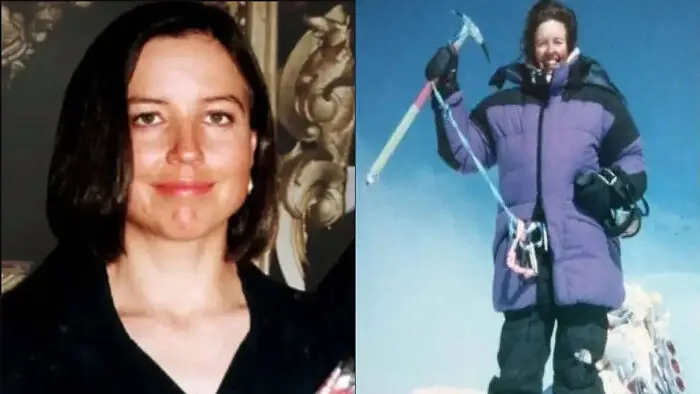
She had already achieved the dream.
The summit of Mount Everest was behind her. Home was below. Then, just a few hundred feet from safety, she slipped.
In May 1998, British climber Alison Hargreaves’ friend and fellow mountaineer Francys Arsentiev became the first American woman to reach Everest’s summit without supplemental oxygen. But the climb had taken too much from her. Exhausted, disoriented, and suffering from the effects of extreme altitude, she collapsed h**h on the mountain in what climbers call the “Death Zone,” where the human body slowly begins to shut down.
Her husband, Sergei Arsentiev, refused to leave her.
He climbed back into the thin air, hoping to bring her down. He never returned.
The next morning, two climbers, Ian Woodall and Cathy O’Dowd, found Francys alive. She could still speak. They gave her oxygen, held her hand, and stayed with her as long as they could. But above 26,000 feet, even the strongest climbers struggle to save themselves. Carrying another adult down Everest’s steep slopes without a large rescue team was virtually impossible. Forced to choose between one impossible tragedy and several, they eventually continued their descent.
For years, Woodall could not stop thinking about the woman he had left behind.
Eight years later, he returned to Everest with one purpose. He found Francys exactly where he had last seen her. Together with a small team, he moved her body away from the main climbing route, wrapped her in an American flag, and built a simple stone cairn so she could finally rest with dignity instead of becoming another landmark on the mountain.
The following year, Sergei’s body was discovered lower down the mountain, where evidence suggested he had fallen while trying to reach his wife.
Everest is often described as a place that reveals human strength. Stories like Francys Arsentiev’s remind us that it also reveals the impossible choices people make when love and survival collide.
Report
8points
#48
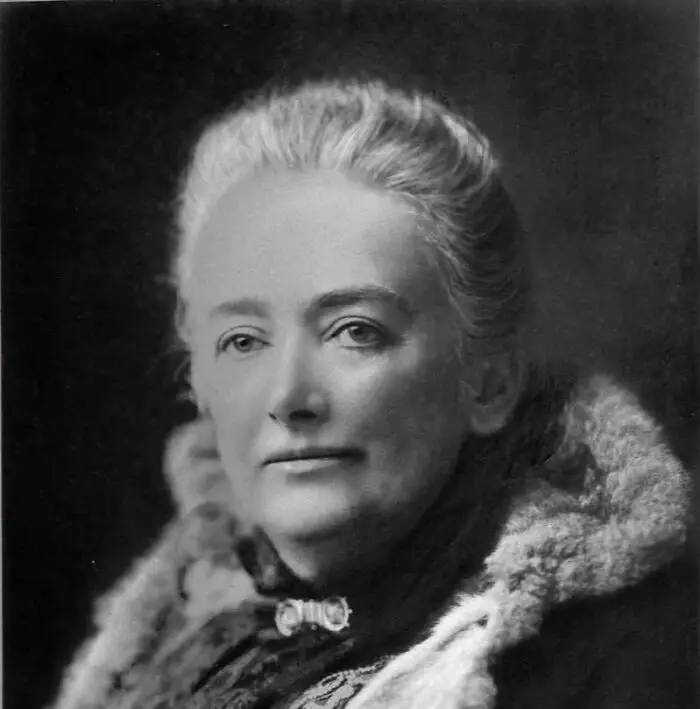
Amelia Edwards did not set out to become one of the founders of modern Egyptology.
She was already a successful novelist and journalist when a trip to Egypt in 1873 changed the course of her life.
Traveling up the Nile by hired houseboat, Edwards expected scenery and adventure. What she found instead was a civilization disappearing in plain sight.
Ancient temples were being dismantled for building materials. Tombs were being looted. Artifacts vanished into private collections. Across Egypt, priceless pieces of history were being damaged faster than scholars could document them.
Edwards was horrified.
Unlike many Victorian travelers who treated Egypt as an exotic backdrop, she paid attention. She sketched monuments, recorded inscriptions, took notes on archaeological sites, and observed the destruction taking place around her.
The result was *A Thousand Miles up the Nile*, published in 1877. Part travel narrative, part warning, the book became an international success and introduced countless readers to the importance of preserving Egypt's ancient heritage.
But Edwards did not stop at writing.
She spent the rest of her life lecturing, fundraising, and campaigning for serious archaeological research. At a time when few women were welcomed into academic institutions, she became one of the most influential voices promoting the study of ancient Egypt in Britain.
In 1882, she helped establish what became the Egypt Exploration Fund, an organization that supported excavations and helped preserve sites that might otherwise have been lost forever.
When Amelia Edwards died in 1892, she left much of her collection and resources to advance the study of Egypt. Her legacy extended far beyond her novels.
Many people explored Egypt during the nineteenth century.
Few helped convince the world that its past was worth protecting.
Because of Amelia Edwards, countless pieces of ancient history survived long enough for future generations to study, admire, and understand.
Report
8points
#49
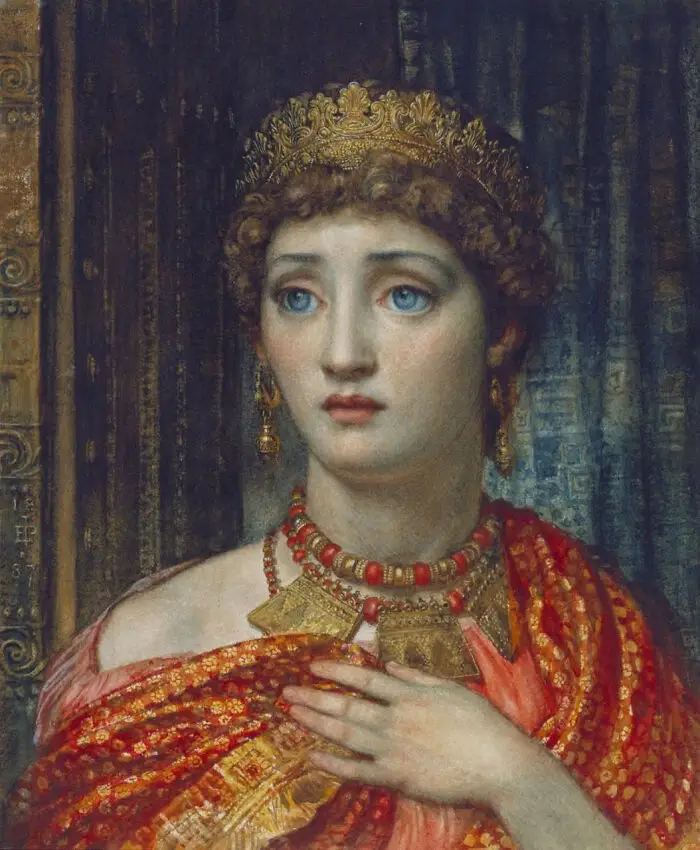
Most people know Helen as "the face that launched a thousand ships." What they don't realize is that ancient writers couldn't even agree on whether she was guilty of anything.
For centuries, Helen became the ultimate scapegoat.
According to the traditional story, she abandoned her husband, King Menelaus, and ran away with Paris of Troy, triggering a war that lasted ten years and left thousands dead. In later literature, she was blamed for burned cities, ruined kingdoms, and countless deaths. Some ancient authors portrayed her as vain, selfish, and dangerously irresistible.
But not everyone accepted that version.
One of the most fascinating defenses of Helen came from the sophist Gorgias in the 5th century BC. In his Encomium of Helen, he argued that she should not be blamed at all. If the gods compelled her, she was innocent. If she was abducted by force, she was a victim. If she was persuaded by speech, then language itself was powerful enough to overwhelm human judgment. And if she fell in love, who could resist the power of Aphrodite?
In every scenario, Gorgias concluded that Helen deserved sympathy rather than condemnation.
Then the story became even stranger.
Another tradition claimed Helen never went to Troy in the first place.
According to the poet Stesichorus and later the playwright Euripides, the real Helen spent the war safely in Egypt. The woman in Troy was merely a phantom, an image created by the gods. Greek and Trojan warriors spent ten years slaughtering one another over a woman who wasn't even there.
It's one of the oldest "fake news" stories in literature.
This version transformed Helen from a villain into a tragic figure whose reputation was destroyed by events beyond her control.
More than 2,500 years later, Helen remains one of the most debated women in Western literature. Was she a willing participant, a victim of divine manipulation, a political pawn, or simply a woman onto whom generations projected their fears about beauty, desire, and power?
Report
7points
#50
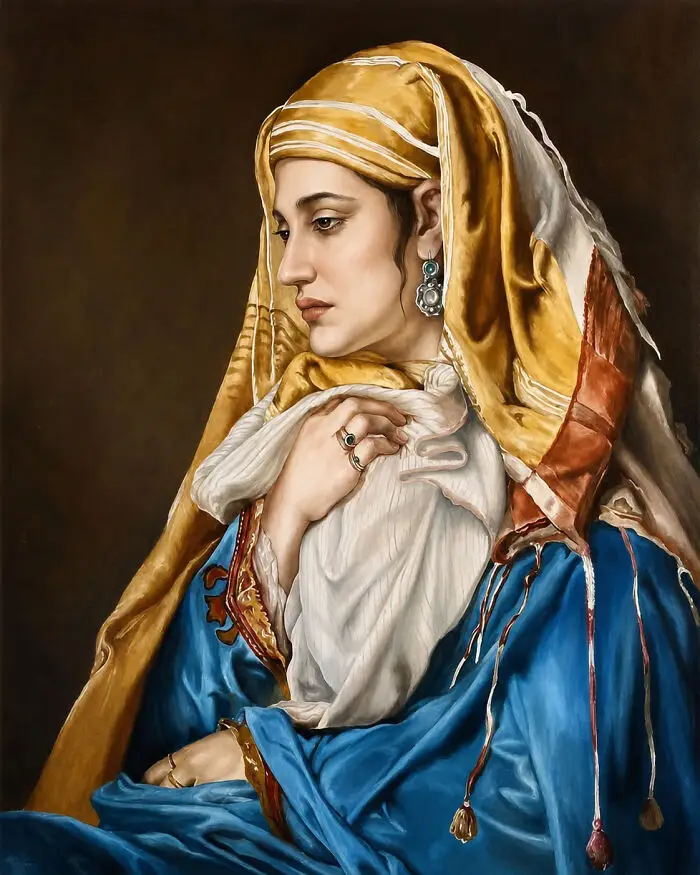
Fatima Al-Fihri was born into a wealthy and devout Muslim family in Kairouan, modern-day Tunisia, before moving to Fez, Morocco. Her family was well-respected, and her father was a successful merchant. After the deaths of her father and husband, Fatima inherited significant wealth. Rather than using her fortune for personal comfort, she devoted it to serving her community.
In 859 CE, Fatima established the Al-Qarawiyyin Mosque and its associated educational institution in Fez. The project began as a madrasa and gradually expanded into a major center of learning. Fatima oversaw the construction, reportedly fasting during the project as an act of spiritual devotion. Her initiative was not only to provide a place of worship but also to create a hub where people could pursue knowledge and intellectual growth.
The institution became known for its wide-ranging curriculum, which included theology, jurisprudence, mathematics, #astronomy, medicine, and philosophy. It attracted scholars and students from across the Muslim world and Europe. Over the centuries, it played a crucial role in preserving and advancing knowledge during times when learning centers in Europe faced decline.
The library at Al-Qarawiyyin is one of the oldest in the world. It contains a wealth of manuscripts, including rare works on Islamic law, science, and history. The institution became a model for later universities in the #Islamic world and Europe, influencing the development of academic traditions.
Report
7points
#51
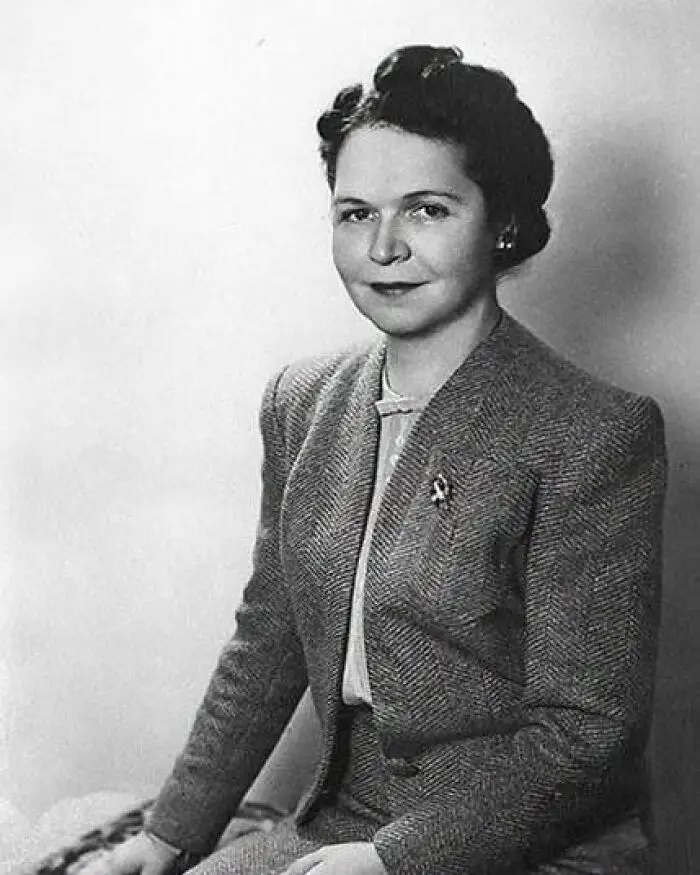
Her signature appeared on millions of pieces of American currency.
Most people never noticed.
In 1949, Georgia Neese Clark Gray became the first woman ever confirmed as Treasurer of the United States, breaking into one of the most visible yet least understood positions in the federal government. The office carried enormous symbolic weight. Every paper bill printed during her tenure bore her signature, meaning Americans handled evidence of her achievement every day without giving it a second thought.
Born in 1898 in rural Kansas, Georgia Neese Clark Gray did not begin her career in banking or government finance. She was a trained singer and musician who studied voice and performed professionally before moving into public life. Elegant, charismatic, and politically active, she became deeply involved in the Democratic Party at a time when women were still fighting for influence within national politics.
Her rise was unusual. Washington in the mid-20th century remained overwhelmingly male, particularly in positions connected to money, finance, and federal administration. Yet President Harry S. Truman selected Gray for one of the most recognizable financial offices in the country. The Senate confirmed her appointment in 1949, making history.
Many people assume the Treasurer controlled the nation's finances. In reality, the role was largely administrative and ceremonial by that period, but it remained highly prestigious. The Treasurer oversaw important functions involving the U.S. Mint, government accounts, and currency operations. Most importantly, the Treasurer's signature appeared directly on American paper money alongside that of the Secretary of the Treasury.
That meant Georgia Neese Clark Gray's name circulated through every corner of the United States. Farmers, factory workers, movie stars, soldiers, and shopkeepers all carried bills bearing the signature of a woman occupying a position no woman had held before.
Her achievement is often overlooked because it lacks the drama of an election victory or a courtroom battle. Yet it represented something quietly revolutionary: a woman stepping into one of the nation's most visible financial offices and leaving her name literally stamped onto the American economy.
Long before women regularly occupied top positions in government finance, Georgia Neese Clark Gray had already put her signature on history—and on the money in Americans' pockets.
Report
7points
#52
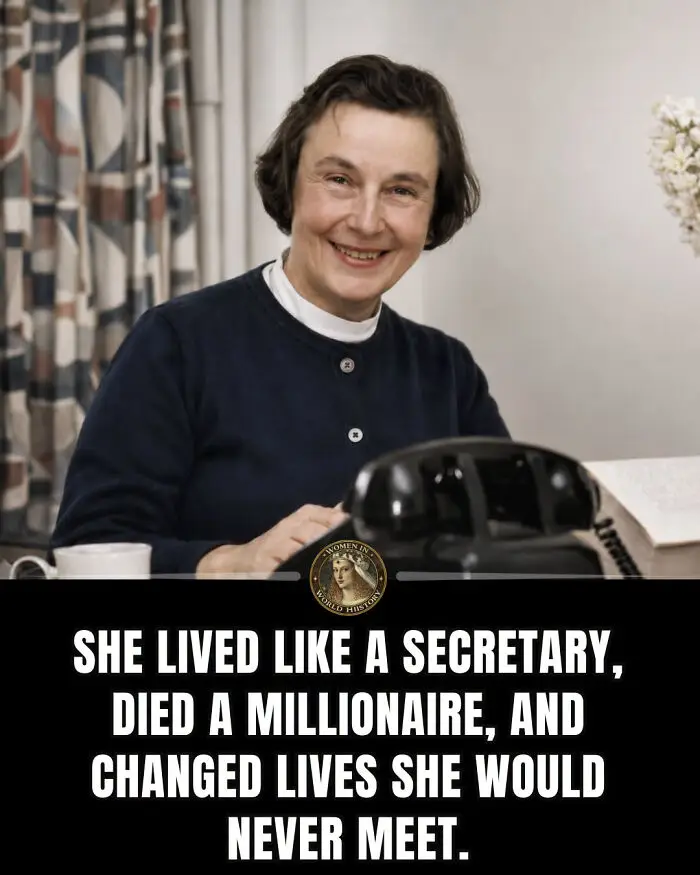
She never married. She never ran a company. She never earned a spectacular salary. Most of the people who knew Grace Groner would have described her as an ordinary woman living an ordinary life. Yet when she died in 2010, she left behind a fortune worth roughly $7 million.
Groner graduated from Lake Forest College during the depths of the Great Depression and spent most of her career working as a secretary at Abbott Laboratories. She lived in the same modest house for decades, drove used cars, clipped coupons, and was known for living carefully rather than extravagantly. There were no signs that she was secretly wealthy. No lavish lifestyle. No mansion. No luxury collection.
The story began in 1935 when she bought three shares of Abbott stock for about $180. It was not a life-changing investment at the time. She wasn't trying to become rich. She simply purchased the shares and held onto them.
Then she did something most people find surprisingly difficult: she left them alone.
As the decades passed, the company grew. The stock split repeatedly. Dividends were reinvested. While generations of investors chased the next big opportunity, Groner quietly kept her original investment. Year after year became decade after decade.
By the time she died at age 100, those three shares had grown into millions of dollars.
But the most remarkable part of the story came after her death.
Grace Groner had no children, and instead of leaving her fortune to distant relatives, she donated most of it to her alma mater, Lake Forest College. Her gift created scholarships that have helped countless students pursue an education they might not otherwise have been able to afford.
History is filled with dramatic tales of people becoming rich overnight. Grace Groner's story is the opposite. She became a millionaire so gradually that almost nobody noticed, including, in many ways, the woman herself.
Report
7points
#53
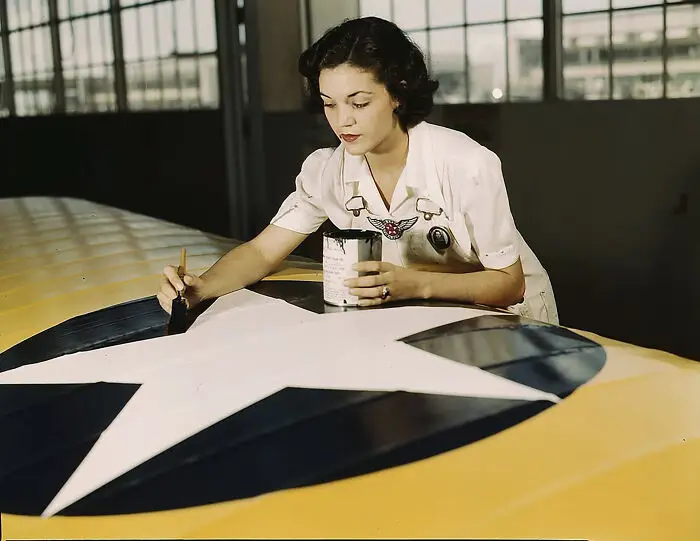
📷The photograph of Mrs. Irma Lee McElroy painting a U.S. military insignia onto an aircraft at Corpus Christi Naval Air Base in 1942 captures one of the most dramatic shifts in American society during the early years of the Second World War.
Before the war, McElroy worked as an office employee. Like millions of American women, she had been employed in clerical work, retail, teaching, or domestic occupations—jobs generally considered "appropriate" for women at the time. That changed almost overnight after the United States entered the war following the attack on Attack on Pearl Harbor.
As hundreds of thousands of men left for military service, the nation's factories, shipyards, and military installations faced an enormous labor shortage. The federal government launched an unprecedented recruitment campaign encouraging women to take industrial jobs. Although the iconic figure of Rosie the Riveter would become the symbol of this movement, the campaign represented millions of real women like McElroy whose names rarely entered the history books.
At Corpus Christi Naval Air Base, one of the U.S. Navy's largest aviation training centers, aircraft had to be assembled, repaired, repainted, and prepared for the thousands of naval aviators being trained for combat. Every aircraft carried the distinctive white star in a blue roundel—the American national insignia—which identified it to friendly forces and distinguished it from enemy aircraft. Applying those markings required careful masking, precise painting, and strict adherence to military specifications.
McElroy's job may seem simple in a single photograph, but it formed part of a vast production system that kept American naval aviation operating. Aircraft passed through dozens of skilled hands before ever reaching a pilot, and painters were responsible not only for insignia but also camouflage, protective coatings, and finishing work that helped preserve the aircraft in harsh coastal environments.
By 1943, women made up roughly one-third of the civilian workforce, with more than six million entering paid employment during the war. Many discovered they could master jobs previously reserved for men—from welding and riveting to aircraft maintenance and engineering support. While many were expected to surrender these positions when servicemen returned after the war, their wartime contributions permanently altered public attitudes about women's capabilities in industry.
Report
6points
#54
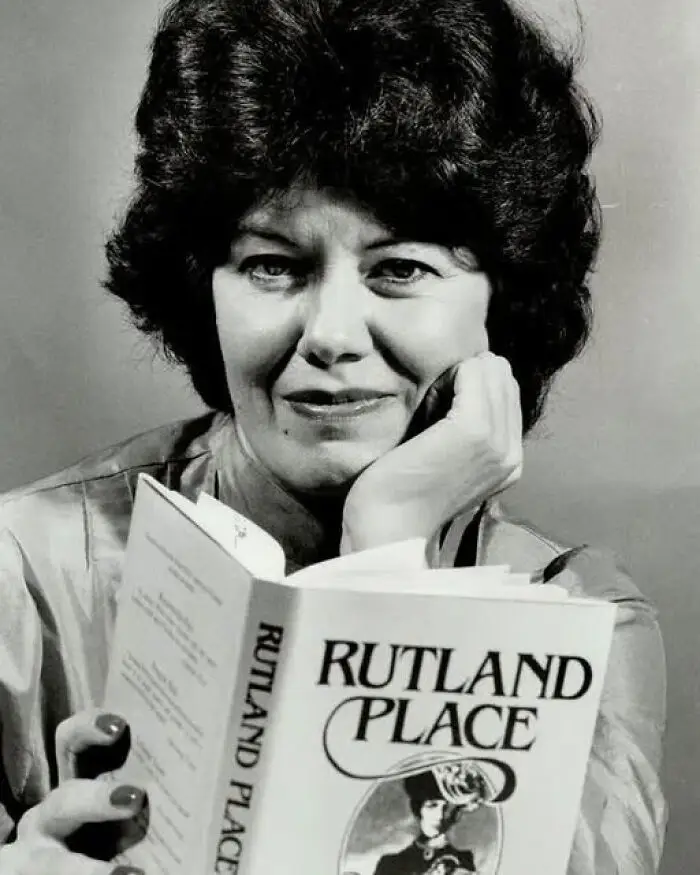
The dark and complex history of Anne Perry's life stands as one of crime fiction's most remarkable origin stories. Before she became a bestselling author known for her Victorian-era detective novels, Perry lived through a shocking true crime that would later cast a shadow over her literary career.
At the age of fifteen, when she was still known as Juliet Hulme, she and her closest friend Pauline Parker committed a brutal m*rder that shocked New Zealand society. The victim was Parker's mother, Honora Rieper, who the girls bludgeoned to death with a brick wrapped in a stocking during an afternoon walk in Victoria Park near Christchurch. The brutality of the crime was matched only by the girls' apparent lack of remorse - they emerged from the scene covered in blood but seemingly jubilant.
The m*rder arose from an intense teenage friendship that many described as obsessive. When Perry's family planned to move abroad, potentially separating the girls, they conceived the m*rder plot to stay together. Their relationship had become all-consuming, complete with elaborate fantasy worlds they had created together. The girls' families and authorities worried about the unhealthy nature of their attachment, but no one predicted it would end in violence.
The case caused a sensation in 1950s New Zealand and later inspired Peter Jackson's film "Heavenly Creatures." After serving five years in prison, Hulme changed her name to Anne Perry and eventually began writing crime fiction. Her novels, particularly the William Monk and Thomas Pitt series, explore themes of justice, moral responsibility, and the psychology of m*rder - subjects she understands from a uniquely personal perspective.
Perry remained anonymous for decades until a 1994 media revelation connected her past identity to her writing career. The disconnect between her violent teenage act and her later success as a mystery novelist creates an unsettling paradox. Her books display deep insight into both the perpetrators and investigators of crimes, perhaps informed by her experience on both sides of the justice system.
Report
6points
#55
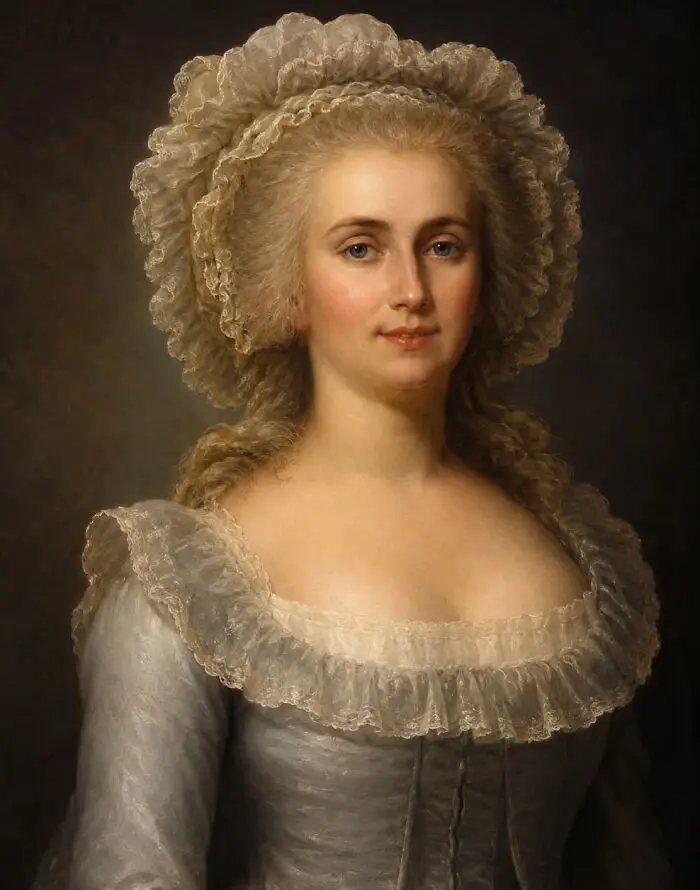
Most scandals begin with greed. This one began with a woman who understood something even more powerful: people will believe almost anything if it flatters their expectations.
Jeanne de Valois-Saint-Rémy claimed to be descended from the French royal house of Valois. The bloodline was real, but the privilege was long gone. Raised in poverty, she learned early that an impressive pedigree could open doors that money could not. She reinvented herself as the Comtesse de La Motte, moving through aristocratic circles with remarkable confidence.
Then she found the perfect target.
A spectacular diamond necklace—one so extravagant it had been created for a royal mistress—had become nearly impossible to sell after the death of King Louis XV. At the same time, Cardinal Louis de Rohan desperately wanted to regain the favor of Queen Marie Antoinette, who wanted nothing to do with him. Jeanne recognized an opportunity hidden inside two separate problems.
She convinced the cardinal that the queen secretly wished to reconcile and persuaded him that she wanted the necklace purchased in his name. Forged letters, carefully staged meetings, and an elaborate performance involving a woman disguised as the queen completed the illusion. Believing he was carrying out Marie Antoinette’s private wishes, the cardinal handed over the necklace.
The jewels disappeared almost immediately. Many of the diamonds were broken apart and quietly sold in London.
When the deception unraveled, France erupted. Marie Antoinette had never ordered the necklace, never met Jeanne as described, and never benefited from the scheme. Yet public opinion refused to separate fact from rumor. The trial became a spectacle, and the queen’s denials convinced many people only that she had something to hide.
Jeanne escaped prison, published sensational memoirs defending herself, and died in London after falling from a window in 1791 under circumstances that remain debated. By then, the damage had already been done. A fraud built on forged letters and impossible promises helped convince a nation that its monarchy could no longer be trusted—a reminder that public perception can reshape history long before the truth has a chance to catch up.
Report
6points
#56
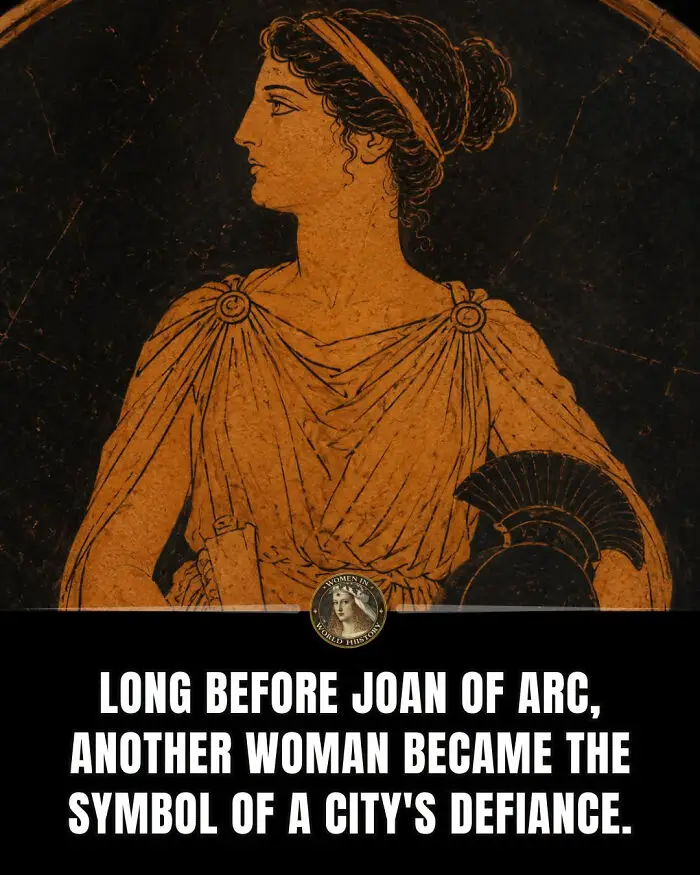
Few figures from ancient Greece stand at the crossroads of history and legend quite like Telesilla of Argos. Celebrated as one of antiquity's most respected lyric poets, she became famous not only for her verses but for a story that transformed her into a symbol of courage.
According to ancient accounts, Telesilla lived in the city of Argos around the early 5th century BCE. As the story goes, she had been in poor health when an oracle advised her to devote herself to poetry. She did—and soon gained a reputation for her talent, composing works that earned admiration throughout Greece.
But it was a crisis that secured her place in history. After a devastating military defeat left many of Argos's fighting men dead, the neighboring Spartans threatened the vulnerable city. Ancient writers claim that Telesilla stepped forward during the emergency, helping organize the city's defense. Women, elderly men, and even enslaved people were reportedly armed and positioned along the walls. When the Spartans arrived expecting an easy victory, they encountered a city prepared to resist. Whether deterred by the unexpected defenses or unwilling to risk heavy losses, the attackers withdrew.
The details remain debated by historians. Some view the tale as a patriotic legend embellished over time, while others believe it may preserve the memory of a real crisis in which Argive women played an extraordinary role. What is certain is that later generations embraced Telesilla as a civic heroine. Statues were erected in her honor, depicting her holding a helmet while surrounded by scrolls—a powerful image that united intellect and action.
More than 2,500 years later, Telesilla remains a fascinating reminder that history often preserves women in unexpected ways: as poets, thinkers, leaders, and sometimes as defenders standing between a city and disaster.
Report
6points
#57
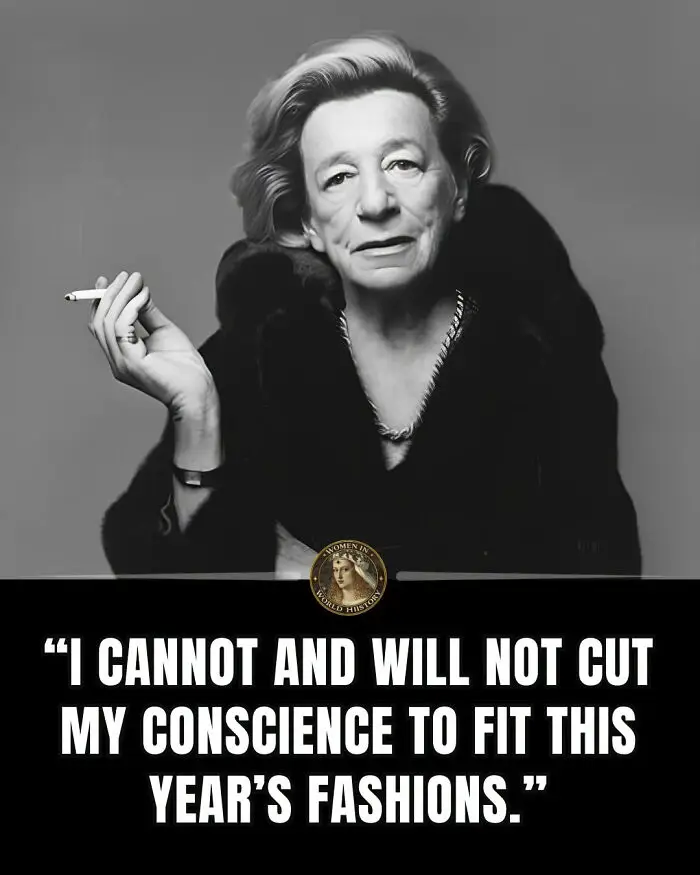
Lillian Hellman, born in 1905, refused to be a footnote in someone else’s story. Playwright, memoirist, and political firebrand, she remains one of the most divisive—and compelling—figures in American literary history.
Hellman’s Broadway breakthrough came at 29 with The Children’s Hour (1934), a searing drama about a lie that destroys two women’s lives. The subject? A false accusation of lesbianism. It was banned in Chicago, Boston, and London, but Hellman didn’t blink. She wrote blunt, morally charged plays like The Little Foxes and Watch on the Rhine, exposing greed, fascism, and Southern rot.
But her real drama unfolded offstage. Her long, stormy affair with detective novelist Dashiell Hammett was legendary—equal parts devotion and dysfunction. And then came the 1950s.
Summoned before the House Un-American Activities Committee, Hellman refused to name names. But unlike others who went silent, she delivered a now-famous open letter: “I cannot and will not cut my conscience to fit this year’s fashions.” She invoked the Fifth Amendment, avoiding prison but preserving her career. Critics would later question how many communist ties she truly hid, accusing her of selectively remembering her own past.
That ambiguity defines her. Her “memoirs”—An Unfinished Woman, Pentimento—were bestsellers but also flexible with facts. She famously wrote, “Old paint on a canvas… underneath it all, the original drawing still exists.” For Hellman, truth was never just fact; it was dramatic shape.
She died in 1984, still arguing. Was she a principled dissident or a master self-mythologizer? Perhaps both. Hellman understood that history belongs to those who tell it best. Love her or hate her, she refused to be small—and demanded we look just as unflinchingly at ourselves.
Report
6points
#58
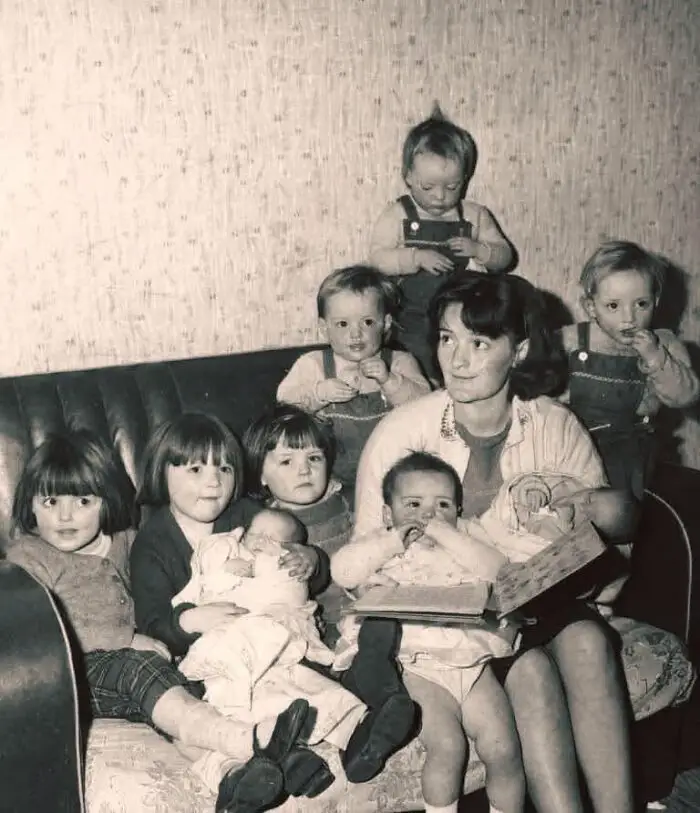
By the age of 25, most people are still figuring out what adulthood looks like. Mary Brocks was putting nine children to bed.
Living in Liverpool in 1963, Mary had already become the mother of an astonishing family that included both twins and triplets—a combination so rare that it drew attention far beyond her neighborhood. Every day was a carefully choreographed balancing act of meals, laundry, school, naps, tears, laughter, and the endless demands of raising a household that rarely knew a quiet moment.
Long before parenting influencers, smart devices, and endless advice columns, mothers like Mary relied on patience, determination, and an extraordinary capacity for love. This single photograph preserves more than a large family. It preserves a universal truth: no matter how crowded the house became, every child still deserved a story before bed.
Report
5points
#59
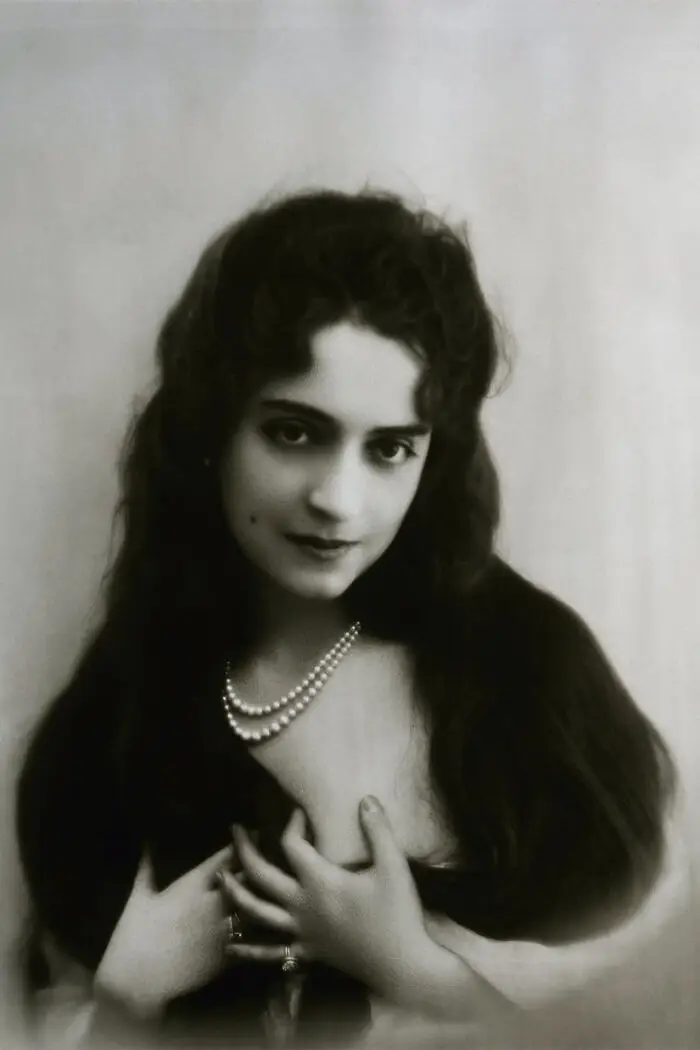
Before she became the woman at the center of one of the most notorious m*rder trials of the 1920s, Marguerite Alibert had already mastered a remarkable skill: reinventing herself.
She drifted through Paris under different names, moving effortlessly between worlds that rarely touched. To some she was a glamorous courtesan. To others she was an elegant companion with impeccable manners and powerful connections. Few people ever knew the full story, and that was exactly how she preferred it.
One of those connections would later become impossible to ignore.
Among the men captivated by Marguerite was the young Prince of Wales, the future King Edward VIII. Their affair was passionate enough that he wrote her intimate letters, never imagining they might one day become politically explosive. The romance faded, but the correspondence remained carefully preserved.
Then everything changed.
Marguerite married Ali Kamel Fahmy Bey, a wealthy Egyptian aristocrat, and within months their marriage unraveled into accusations of jealousy, possessiveness, and violence. In July 1923, inside London’s Savoy Hotel, gunshots shattered the silence. Fahmy was dead. Marguerite admitted firing the revolver but insisted she had acted to save herself.
What followed became an international spectacle. Society pages, newspapers, and courtroom galleries obsessed over every detail. Yet one mystery hovered over the proceedings: would the former prince’s love letters appear in court?
They never did.
Many historians believe influential figures worked quietly behind the scenes to ensure the correspondence remained hidden, sparing the British monarchy from a scandal that could have eclipsed the trial itself. Whether by legal strategy, political pressure, or simple caution, the letters disappeared from the courtroom drama.
The jury acquitted Marguerite after only a brief deliberation. She walked free while rumors continued to swirl for decades about what had been concealed, who had intervened, and how differently history might remember the case had every document been laid before the public.
Report
5points
#60
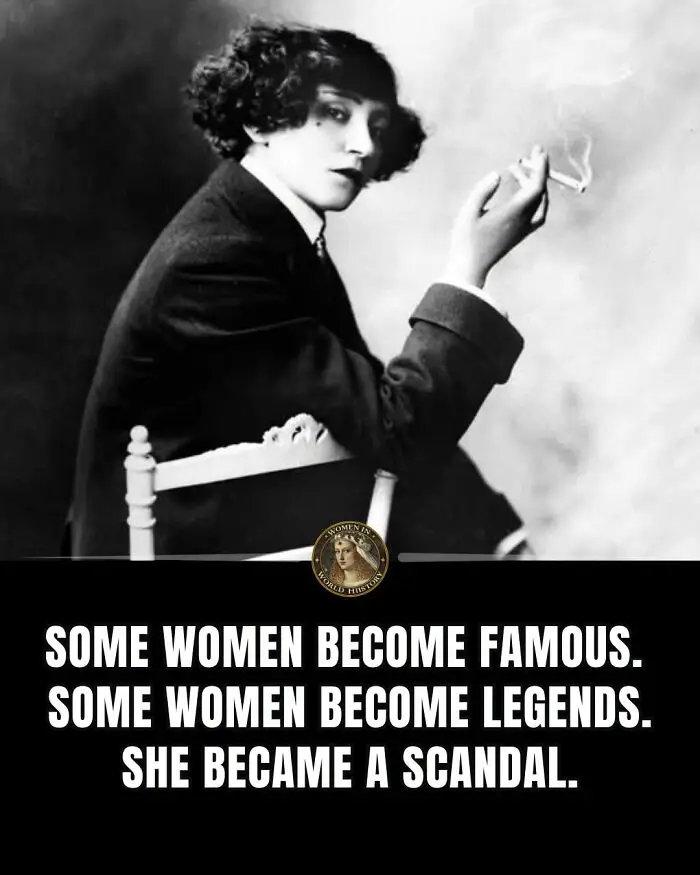
Colette spent much of her life refusing to stay inside the boundaries other people drew for her—and that is exactly why she remains one of the most fascinating and controversial women of modern French history.
Born Sidonie-Gabrielle Colette in 1873, she first became famous through the wildly successful Claudine novels. The books were initially published under the name of her husband, Willy, who often claimed credit for work she largely wrote herself. When their marriage collapsed, Colette faced a difficult choice: disappear into obscurity or reinvent herself.
She chose reinvention.
She became a music-hall performer, journalist, novelist, actress, and celebrity at a time when respectable women were rarely expected to be any of those things. Paris was captivated by her independence, her wit, and her refusal to hide her personal life. Her relationships with both men and women became public gossip, especially her romance with Mathilde de Morny, an aristocratic socialite known as "Missy." In 1907, the pair appeared together in the pantomime *Rêve d'Égypte* at the Moulin Rouge. When they kissed onstage, outraged spectators erupted into chaos. The scandal was so intense that authorities shut the production down after only a handful of performances.
Yet Colette kept writing.
Over the decades she produced some of France's most celebrated novels, including *Gigi*, which would later inspire the famous musical and film. Her work explored desire, aging, jealousy, independence, and the complicated realities of women's lives with an honesty that felt startlingly modern.
But Colette's story is not an uncomplicated one. Among the most troubling episodes was her affair with her teenage stepson, Bertrand de Jouvenel. The relationship began when he was around sixteen and she was in her late forties. While it generated enormous scandal at the time, it is now widely viewed as an exploitative relationship that raises serious ethical concerns.
By the time of her death in 1954, Colette had become one of France's most celebrated literary figures and the first French woman to receive a state funeral. Her legacy endures not because she was flawless, but because she was brilliant, influential, contradictory, and impossible to ignore.
Report
5points