







A wise woman once said that well-behaved women seldom make history and it turns out that she might have been right. Depending, of course, on who you ask.
For centuries, women have had to fight for their rightful place in society. We don't hear much about those who simply sat down and obeyed the rules. It's often the fierce females, who dared to go against the grain, that might finally earn their flowers. But not always. There are many women who did remarkable things, and hardly ever get spoken about.
Thankfully, there's a community dedicated to honoring them. Women In World History has more than 570,000 followers, and shares photos and stories of women who changed the world in their own special ways. Bored Panda has put together a list of the page's best posts. From musicians, to models, doctors, whistle-blowers and extraordinary mothers, these just a few of the tales that deserve to be told.
#61
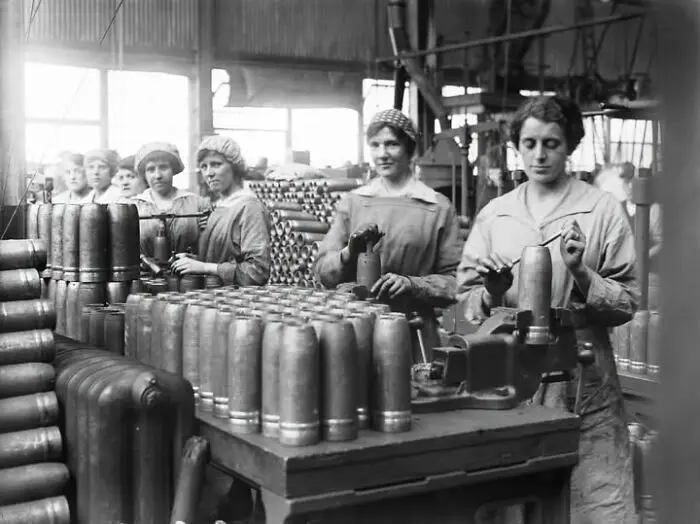
The war did not stop at the trenches. It reached deep into the factories of Britain, where thousands of women stepped into jobs they had long been told they could not do.
This photograph captures women working at the vast Woolwich Arsenal during World War I, one of the largest munitions factories in the world. As millions of men left for the front, Britain faced a severe labor shortage. Women answered the call, operating heavy machinery, assembling shells, loading explosives, driving vehicles, and performing skilled industrial work that had previously been reserved almost exclusively for men.
By 1918, nearly one million women were employed in munitions production across Britain. The work was dangerous. Exposure to toxic chemicals such as TNT often turned workers' skin and hair yellow, earning many the nickname "Canary Girls." Long shifts, industrial accidents, and the constant risk of explosions were part of daily life. Yet production continued on a staggering scale, supplying the ammunition that sustained the Allied war effort.
For many women, the experience was transformative. They earned wages, developed technical skills, and proved beyond doubt that they could perform complex industrial labor. The sight of women successfully running factories challenged long-held assumptions about gender and work.
When the war ended, many were expected to surrender their jobs and return to traditional roles. Yet something had changed. The war had demonstrated what women were capable of when given the opportunity. The effects rippled far beyond the factory floor, strengthening arguments for greater political rights and contributing to the momentum that led to expanded voting rights for women in Britain.
Report
5points
#62
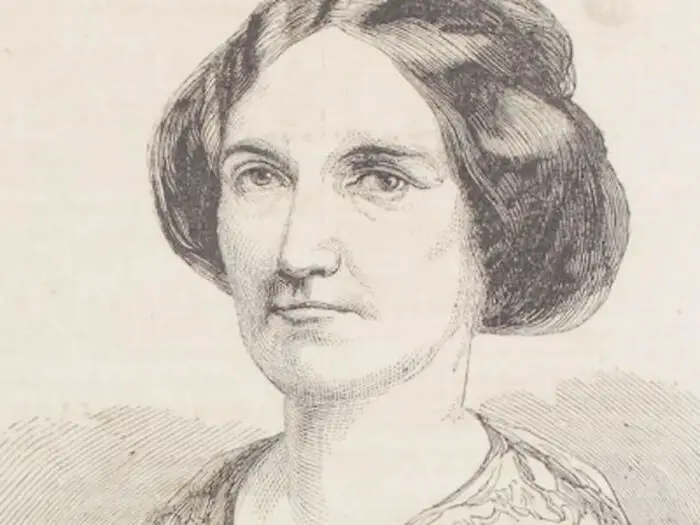
Few women in nineteenth-century New York understood the power of scandal better than Emma Augusta Cunningham. By the time her name filled newspaper headlines, respectable society had already decided she was guilty—not because a jury had spoken, but because she was a beautiful widow who seemed to prosper whenever wealthy men entered her life.
It began with Dr. Harvey Burdell, a successful Manhattan dentist with a fortune and a fashionable address. After Emma rented rooms in his house, rumors spread that the two were secretly engaged. Then, in January 1857, Burdell was found stabbed to death inside his own home. The crime scene was shocking. The gossip that followed was even worse.
Emma immediately claimed she was Burdell’s lawful widow and demanded a share of his estate. There was just one problem: no one could prove they had ever married. Witnesses appeared with conflicting stories. Mysterious letters surfaced that supposedly proved the romance. Critics insisted the documents were forged. Supporters argued powerful interests wanted to erase the relationship entirely. New York became obsessed with one question: was Emma an ambitious fraud or a woman being robbed of her rights?
Before the m*rder investigation had even settled, Emma found herself at the center of another sensation. She quickly married Burdell’s lawyer, Ebenezer N. Townsend—a decision that convinced many newspaper editors they had uncovered a conspiracy. The press painted the pair as calculating opportunists who had plotted everything from the beginning, even though hard evidence never lived up to the accusations.
The courtroom became packed with spectators eager for entertainment as much as justice. Every witness seemed to deepen the mystery rather than solve it. Allegations of forged documents, secret engagements, hidden motives, and whispered affairs swirled through the testimony. Yet when the trial ended, Emma Cunningham was acquitted. Burdell’s m*rder officially remained unsolved.
History remembers countless infamous m*rder cases, but Emma’s story reveals something just as fascinating: how quickly public opinion can become its own prosecutor, turning rumor into certainty long before the evidence ever catches up.
Report
4points
#63
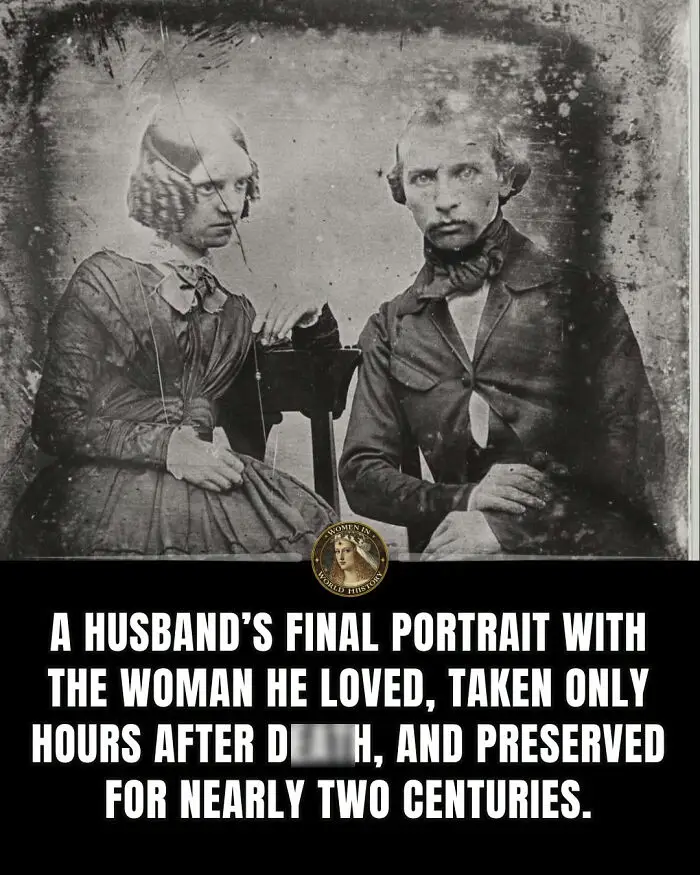
In 1850, German architect Carl Weber sat for a photograph beside his wife Emily. At first glance, it appears to be a formal Victorian portrait. The reality is far more haunting: Emily had died only hours earlier.
Today, images like this can feel unsettling, but in the nineteenth century post-mortem photography was a deeply meaningful act of remembrance. Photography was still new, expensive, and inaccessible to many families. For countless people, a photograph taken after death might be the only image they would ever possess of a loved one.
Emily was carefully posed upright, likely supported by hidden braces, dressed neatly and presented with dignity. Beside her sits Carl, his expression solemn and restrained. Victorian culture placed great importance on mourning rituals, and grief was often expressed publicly through clothing, jewelry, memorial objects, and photographs. Rather than being viewed as morbid, these images were cherished keepsakes that helped families preserve a final connection to those they had lost.
The photograph was created using the daguerreotype process, the first commercially successful form of photography. The technique produced remarkably detailed images on silver-coated copper plates, allowing moments like this to survive for generations.
More than 170 years later, the portrait remains a powerful reminder of how differently people once confronted death. In an age when mortality was a familiar part of everyday life, photographs were not only records of the living.
Report
4points
#64

How many people walked past it before she did?
That question may be the most remarkable part of this story.
In 2003, New York City social worker Elizabeth Gibson was walking through Manhattan's Upper West Side when she noticed a large, colorful painting leaning against a pile of garbage bags on the curb. Most people would have assumed it was unwanted junk. After all, someone had literally thrown it away.
But Gibson stopped.
She later said there was something about the painting that drew her in. It seemed to have a presence. A kind of power. She knew almost nothing about modern art, yet she couldn't shake the feeling that it mattered. So she did something unusual: she hauled the enormous canvas home.
At the time, she had no idea she was carrying a missing masterpiece.
The painting was Tres Personajes ("Three Characters"), created in 1970 by renowned Mexican artist Rufino Tamayo, one of the most celebrated artists in Latin American history. Even more astonishing, the work had been missing for sixteen years. In 1987, it disappeared while a Houston couple was moving homes. The painting vanished from storage and became one of the art world's unsolved mysteries. No one knew where it had gone. No one knew who had taken it. Eventually, it seemed destined to remain lost forever.
Yet somehow, after years of disappearing from view, the painting ended up abandoned on a Manhattan sidewalk beside bags of trash.
The story could have ended there. Someone else could have taken it. It could have been destroyed by weather. Sanitation workers could have hauled it away. Instead, it ended up in the apartment of a woman who refused to ignore her curiosity.
For four years, Gibson researched the painting. She contacted galleries, searched records, and followed every lead she could find. Then she stumbled across information about missing artworks and suddenly realized what she had been living with all along.
The painting hanging in her home was worth a fortune.
Once authenticated, *Tres Personajes* was returned and later sold through Sotheby's for $1,049,000. Gibson received a reward and a share of the proceeds for helping recover the missing masterpiece.
Report
4points
#65
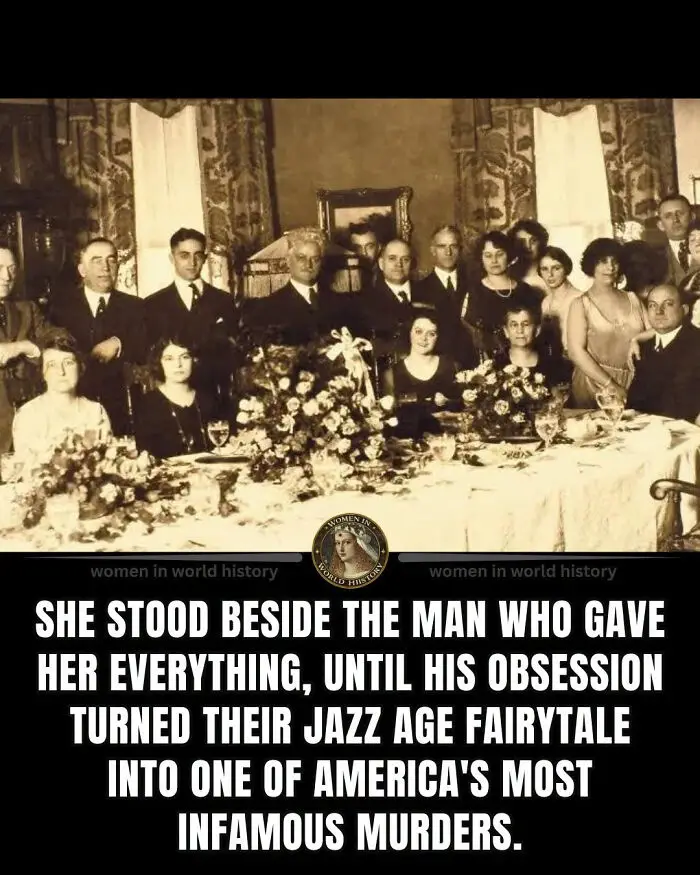
One of the most haunting photographs of the Prohibition era shows bootlegging king George Remus hosting a lavish dinner party at his Cincinnati mansion in the 1920s. Standing beside him is his wife, Imogene. Within a few years, he would m*rder her.
Imogene Remus was far more than a gangster's wife. Before marrying George, she worked as his legal secretary in Chicago. Their relationship began while he was still a prominent attorney, and after both divorced their spouses, they married in 1920.
When Prohibition took effect, George built one of the largest bootlegging empires in America, amassing an estimated $40 million fortune. The couple lived in the extravagant "Marble Palace," where their legendary parties featured orchestras, crystal chandeliers, and lavish gifts for guests.
To protect his wealth from government seizure, George placed much of his fortune in Imogene's name—a decision that would later prove disastrous.
In 1925, George was imprisoned for violating Prohibition laws. While incarcerated, he unknowingly revealed details of his finances to fellow inmate Franklin Dodge, an undercover Prohibition agent. After leaving government service, Dodge began a romantic relationship with Imogene. Together, they sold off much of Remus's empire and moved assets beyond his reach. Historians still debate Imogene's motives. Some believe she was escaping an increasingly controlling husband, while others argue she willingly helped dismantle his fortune. The truth was likely more complicated.
On October 6, 1927, as Imogene traveled to finalize their divorce, George chased down her taxi through Cincinnati's Eden Park. She fled on foot, but he caught up to her and shot her in broad daylight. She died later that day.
Despite numerous eyewitnesses, George Remus was found not guilty by reason of insanity after a trial that captivated the nation. He spent only a few months in a psychiatric hospital before being released.
The famous dinner-party photograph now serves as a chilling reminder that behind the glamour of the Jazz Age lay betrayal, obsession, and one of Prohibition's most infamous m*rders.
Report
3points
#66
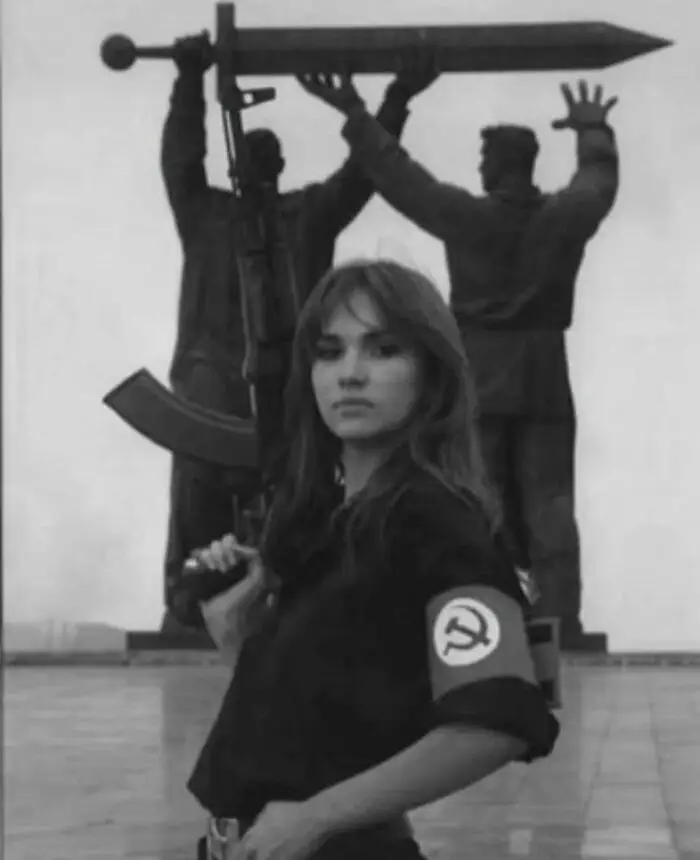
This photograph is one of the more striking images to emerge from post-Soviet Russia in the 1990s. At first glance, it almost looks staged for a film, but it captures a very real political movement born out of one of Russia's most turbulent decades.
The woman is a member of the National Bolshevik Party (NBP), a radical political organization founded in 1993 by novelist and political activist Eduard Limonov along with philosopher Aleksandr Dugin. The party combined seemingly contradictory ideas: Soviet nostalgia, revolutionary socialism, Russian nationalism, and an anti-Western worldview. Its members became known for provocative demonstrations, confrontational street politics, and deliberately shocking imagery.
The armband she wears bears the party's emblem—a hammer and sickle inside a white circle on a red background. The design intentionally echoed the visual language of N**i Germany while replacing the swastika with the Soviet symbol. The party claimed this was meant to symbolize a fusion of revolutionary traditions and to provoke public attention, though critics saw it as an embrace of extremist aesthetics. The symbolism made the movement controversial from its beginning.
The location is just as significant as the uniform.
Behind her stands the Home Front to Front Memorial in Magnitogorsk, an enormous Soviet war monument unveiled in 1979. The sculpture depicts a factory worker handing a giant sword to a soldier, symbolizing how Soviet industry armed the Red Army during World War II. Magnitogorsk itself was one of the Soviet Union's greatest steel-producing cities, supplying tanks, armor, and weapons throughout the war. The monument is one of three monumental sculptures aligned across Russia, representing the forging, raising, and lowering of the symbolic "Sword of Victory."
The year—1995—is equally important. The Soviet Union had collapsed only four years earlier. Russia was struggling through hyperinflation, unemployment, organized crime, political instability, and a profound identity crisis. For many young Russians, the promises of democracy and capitalism had not brought prosperity. Radical political movements on both the far left and far right attracted followers who felt alienated by the new order.
The National Bolshevik Party appealed particularly to disillusioned youth. Its members cultivated a rebellious image, blending military aesthetics, p**k culture, Soviet symbolism, and theatrical political protests. They became infamous for occupying government buildings, disrupting official events, and staging media-friendly demonstrations. In 2007, the Russian Supreme Court officially banned the party as an extremist organization.
Report
3points
#67
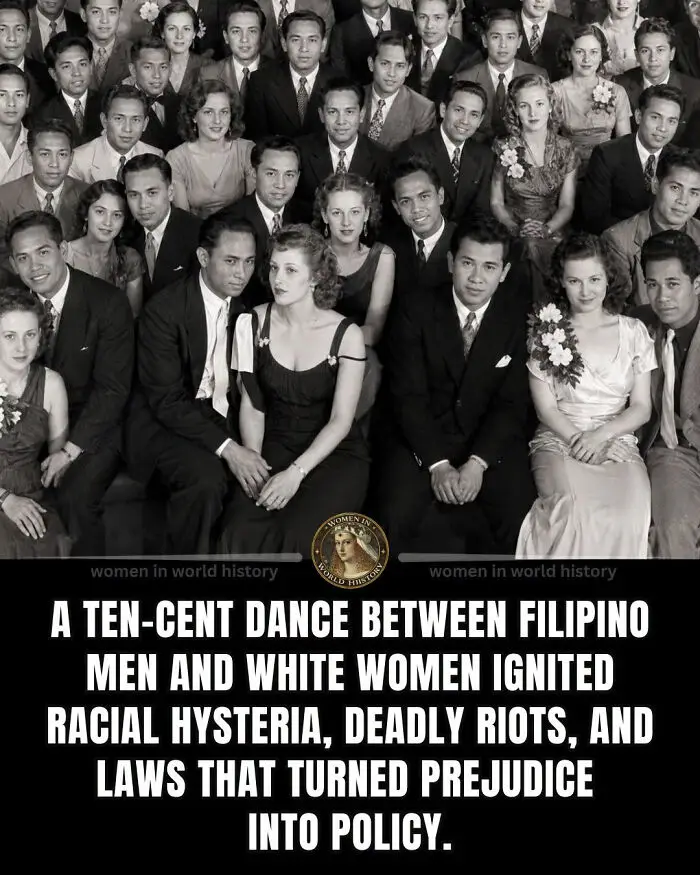
**restored photo** A ten-cent dance was enough to spark one of California's ugliest outbreaks of racial violence.
Night after night, young Filipino farmworkers finished exhausting days in the fields and headed to local taxi dance halls. For a dime, they could share a single song with a woman. It was one of the few places where these immigrants—most of them young, unmarried men who had crossed the Pacific as U.S. nationals after the American annexation of the Philippines—could escape backbreaking labor and feel briefly connected to ordinary life.
Then rumors began to spread.
Newspapers, politicians, and self-appointed guardians of "morality" claimed Filipino men were stealing white women. Ministers preached about racial purity. Local leaders warned that California's social order was under attack. The dance floor became something far larger than a place to hear music. It became a battlefield where fear, racism, and economic resentment collided.
The timing made everything even more volatile. The Great Depression had left thousands desperate for work. Filipino laborers, willing to accept low wages because they had few alternatives, became convenient scapegoats. White workers increasingly viewed them as rivals in the fields—and, even more explosively, as rivals for romance.
In January 1930, the tension finally erupted.
For five nights, mobs of hundreds of armed white men hunted Filipino communities through Watsonville, smashing homes, attacking workers, and dragging terrified men from their beds. Twenty-two-year-old farmworker Fermin Tobera was shot and k**led while hiding inside a bunkhouse. His m*rder became the defining tragedy of riots that soon inspired similar violence across California.
The attacks didn't end with broken buildings and shattered lives. They helped fuel laws banning marriages between Filipinos and white Americans, turning racial panic into state policy.
Looking back nearly a century later, it's unsettling to realize how something as ordinary as sharing a dance became the excuse for violence, and how easily fear can transform neighbors into targets.
Report
3points
#68
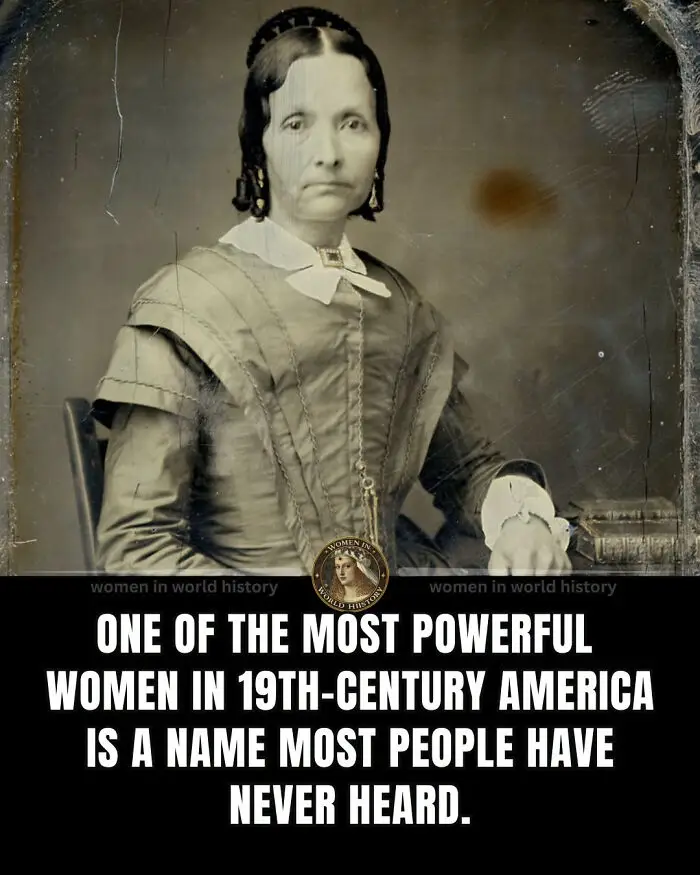
Long before American women could cast a ballot, one woman was quietly helping build an institution that would shape the lives of hundreds of thousands of women.
Eliza R. Snow became one of the most influential women in early Mormon history, though her name is far less recognized today than many of the men who surrounded her. A gifted writer, educator, and organizer, she was known throughout the faith as "Zion's Poetess," using her poetry and hymns to strengthen a growing religious movement. She also became one of the plural wives of Joseph Smith, a role that placed her at the center of one of the most controversial chapters in Latter-day Saint history.
After Smith's death, Snow emerged as one of the leading female voices in Utah. At a time when women in most of the United States had little formal political influence, she helped revive and expand the Relief Society, the women's organization of the Church. Under her leadership, it grew into a powerful network that encouraged education, organized charitable work, trained midwives, promoted women's healthcare, and gave women opportunities to lead long before leadership roles for women were common elsewhere.
Snow also traveled extensively throughout Mormon settlements, encouraging local women to organize, publish, learn, and serve their communities. She supported women's publications, advocated for greater educational opportunities, and helped establish institutions that gave women practical skills alongside spiritual instruction.
Her legacy remains deeply complex. Admirers view her as one of the architects of one of the largest women's organizations in the world and a pioneer of female leadership in the American West. Critics point out that her life was inseparable from the practice of plural marriage, an institution that continues to spark intense debate.
Whether celebrated or questioned, Eliza R. Snow's influence is impossible to ignore. She helped create a space where thousands of women found purpose, education, community, and leadership decades before American women won the right to vote. Few women of the nineteenth century left a footprint quite as large.
Report
3points
#69
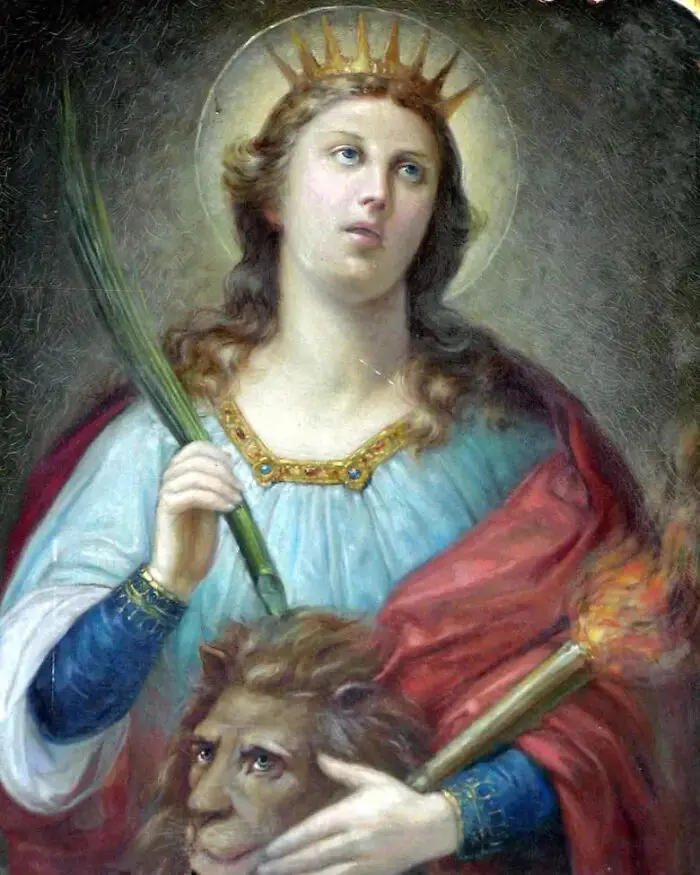
For centuries, pilgrims traveled across the Mediterranean to honor a woman who was never mentioned in the Bible.
Her name was Thecla.
According to early Christian tradition, Thecla was a young noblewoman living in Iconium during the first century. She was engaged to be married and expected to follow the path laid out for women of her status: marriage, children, and obedience to family expectations.
Then she heard the preaching of Paul the Apostle.
The message changed her life.
Captivated by his teachings, Thecla refused to marry her fiancé and declared that she would devote herself entirely to God. Her family was horrified. Her rejected fiancé was furious. Local authorities saw her behavior as scandalous and dangerous.
She was arrested and sentenced to be burned alive.
But according to the story, a sudden storm erupted before the flames could consume her, extinguishing the fire and allowing her to escape.
That was only the beginning.
Later, after continuing to preach and travel, Thecla was condemned again—this time to face wild beasts in a public arena. Crowds gathered to watch her die. Yet legend says the animals refused to attack her. A lioness reportedly defended her from other beasts, while a series of extraordinary events repeatedly spared her life.
Each failed e*******n only increased her fame.
As Christianity spread, Thecla became one of the most revered female saints in the ancient world. Churches were dedicated to her. Pilgrims visited shrines bearing her name. Stories portrayed her as a fearless woman who rejected social expectations, chose her own path, and survived every attempt to silence her.
Report
2points
#70
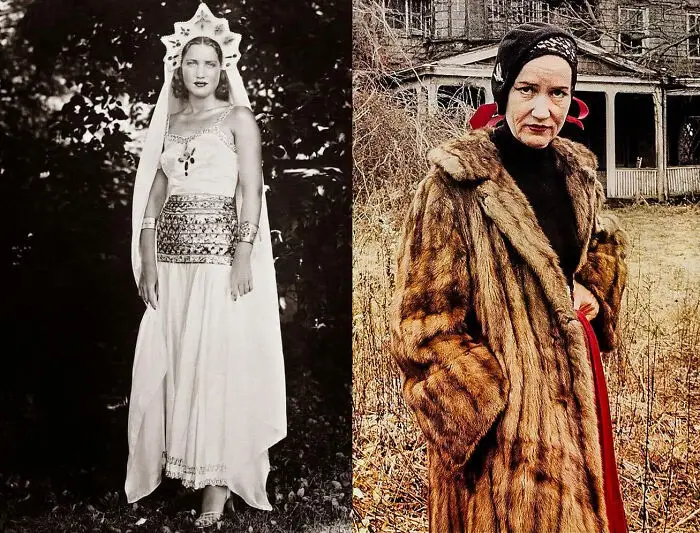
Edith Bouvier Beale, also known as "Little Edie," was an American socialite, fashion model, and relative of Jacqueline Kennedy Onassis. She is best known for her appearance in the 1975 documentary film "Grey Gardens," which showcased the eccentric and reclusive lives she and her mother, Edith Ewing Bouvier Beale, lived in their decaying mansion in East Hampton, New York.
Edith Bouvier Beale was born on November 7, 1917, in New York City. She was the daughter of Phelan Beale, a lawyer, and socialite Edith Ewing Bouvier Beale, who was the aunt of Jacqueline Kennedy Onassis. Edith grew up in a privileged and well-connected family, and she and her mother were known for their stylish and fashionable lifestyles.
However, as the years went by, the Beale family fortune declined, and Edith and her mother became increasingly isolated. They lived in Grey Gardens, their dilapidated mansion, which was infested with cats and in a state of disrepair. The documentary "Grey Gardens," directed by Albert and David Maysles, brought their unconventional and reclusive lifestyle to public attention.
The film depicted the daily lives of Edith Bouvier Beale and her mother, showcasing their idiosyncratic behavior, unique fashion sense, and their complex relationship. Despite their circumstances, Edith and her mother displayed a strong sense of individuality and resilience, which resonated with audiences.
After the release of the documentary, Edith Bouvier Beale gained a cult following and became an icon of eccentricity and unconventional style. Her fashion choices, such as headscarves, turbans, and layering of clothing, inspired many designers and fashion enthusiasts. Her distinctive style has been referenced in numerous fashion editorials, exhibitions, and even a Broadway musical adaptation of "Grey Gardens."
Edith Bouvier Beale remained in the public eye until her death on January 9, 2002, at the age of 84. Her legacy continues to captivate people who are intrigued by her unconventional lifestyle and unique sense of self-expression. The story of Edith Bouvier Beale and her mother serves as a reminder of the complexities of family dynamics and the enduring power of individuality.
Report
2points
#71
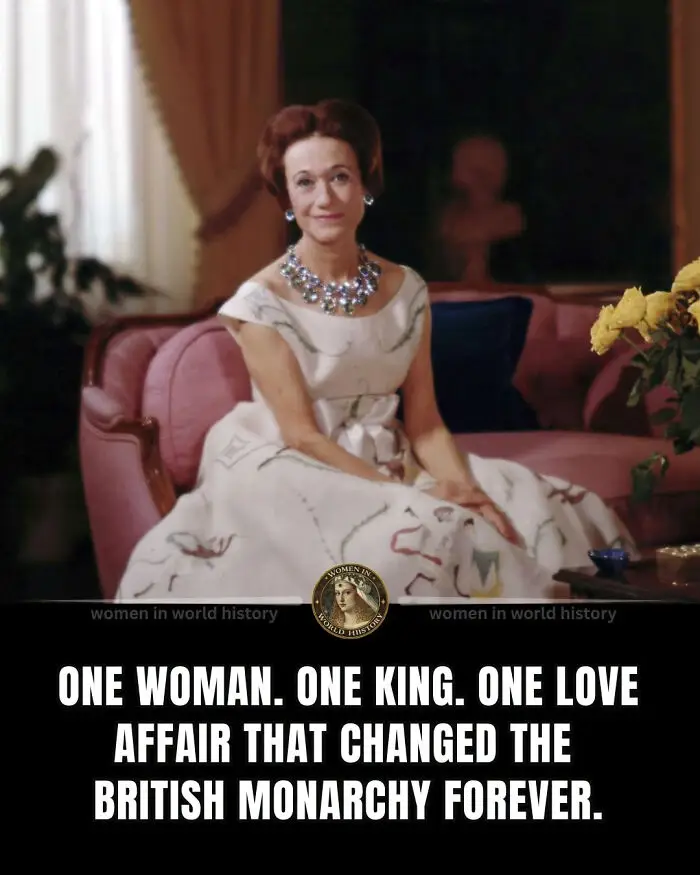
There are few people in modern history who managed to bring an empire to the edge of constitutional crisis without ever holding political office. Wallis Simpson did it simply by falling in love with the wrong man.
Or so the story goes.
Long before she became one of the most talked-about women on Earth, Wallis was an American socialite with impeccable style, razor-sharp wit, and two failed marriages behind her. To Britain's royal establishment, that alone made her unacceptable. A twice-divorced woman could never become queen. Yet the future king seemed unmoved by every warning placed in his path.
As Edward VIII's devotion deepened, whispers became headlines. Friends claimed he was utterly captivated by her. Critics insisted she was manipulative and ambitious. Others argued the opposite—that Wallis was horrified by the growing crisis and repeatedly urged Edward to abandon the relationship before it destroyed his throne. History has never fully settled the question.
The gossip only became more extraordinary. Rumors spread that she possessed an almost hypnotic influence over the king. Intelligence agencies collected files on her. Some even alleged she had inappropriate connections with senior N**i officials before the Second World War, accusations that remain fiercely debated by historians and are still surrounded by speculation rather than conclusive proof.
Then came the decision that stunned the world.
In December 1936, Edward chose love over the British Crown, becoming the first reigning monarch in modern British history to abdicate voluntarily. His brother became king, changing the course of the monarchy forever. The ripple effects would eventually place his niece, Queen Elizabeth II, on the throne decades later.
Edward and Wallis married in France in 1937 and spent the rest of their lives together, but acceptance never truly came. She was denied the style of "Her Royal Highness," remained an outsider to much of the royal family, and carried a reputation that shifted with every generation.
Report
1point