





In every generation, some women are trailblazers who set the standards of freedom, independence, and hope for their gender. These women are so brave that even the strictest rules and standards can't match their inner power.
This list, based on the ‘historywithwomen’ Instagram page, celebrates women in history who’ve done so much for our society without expecting much in return. Hopefully their sacrifices and stories can help inspire you today to make change in the world, society, and even your own life.
#41 Shirley Temple
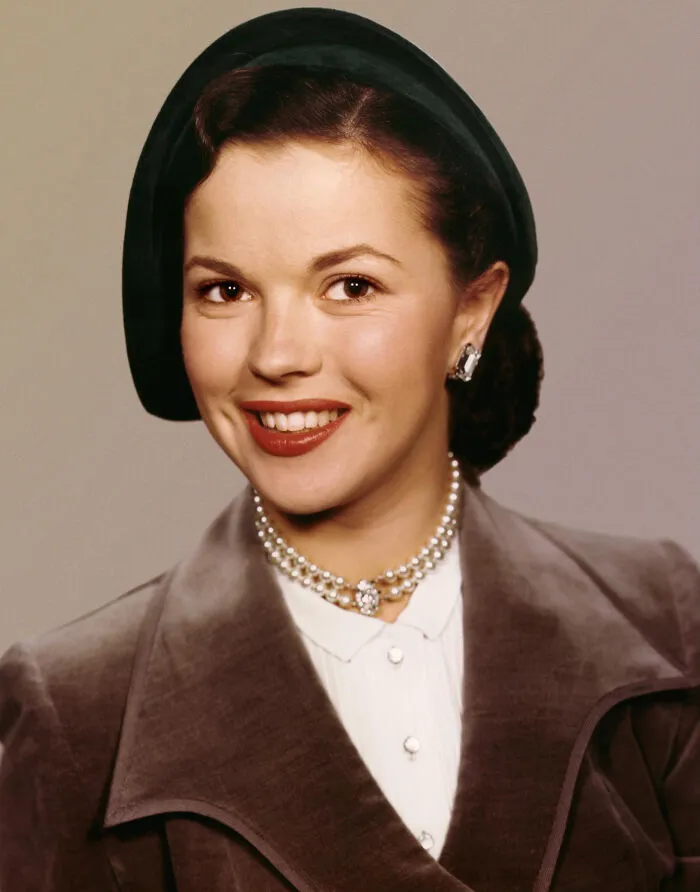
Shirley Temple was an American actress, singer, dancer, and diplomat.
She started her acting career and the tender age of 3, achieving international acclaim only two years later. The film that shot her to fame was Bright Eyes, a feature film designed specifically to showcase her talents. She was Hollywood’s number one box office draw as a child, being 1934 and 1938. As she grew into a teenager, her popularity and waned, and she retired from film at the age of 22.
In 1969, she started her diplomatic career. She was appointed to represented the United States of America at a session of the General Assembly of the United Nations. She was named United States Ambassador to Ghana and the then Czechoslovakia.
In her lifetime she received many awards and honours, including a Screen Actors Guild Lifetime Achievement Award. She is currently 18th on the list of greatest female American Screen legends.
Shirley Temple passed away in 2014, at the age of 85
Report
14points
#42 Alice Milliat
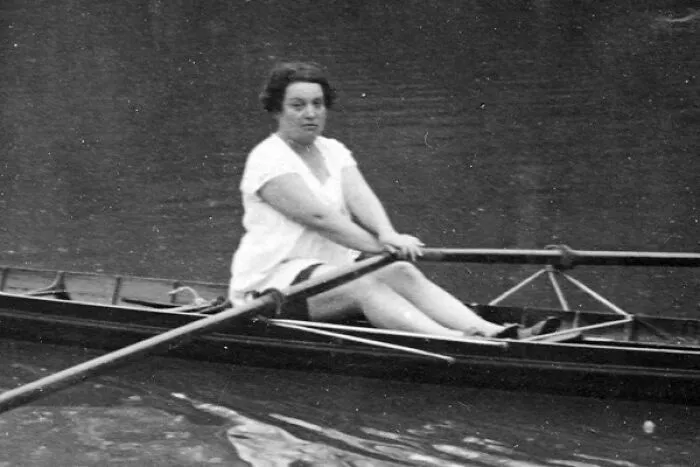
A French pioneer of women’s sports, Alice Milliat’s tireless campaigning ignited conversations that led to women’s inclusion in the Olympic Games.
A translator, but also a keen sportswoman, Alice requested in 1919 that the International Olympic Committee (IOC) allow women to compete in track and field events. The organization flatly refused.
In protest, Alice founded the International Women’s Sports Federation (IWSF) in 1921, a separate body to oversee women’s sports. The IWSF organized four Women’s World Games between 1922 and 1934, which were met with overwhelming popularity at the time.
Seeing the threat posed by continuing to exclude women from the main Olympic Games, the IOC reversed their original decision, choosing to include women’s athletics in the Olympics from 1928.
Although the IWSF collapsed in 1934, it prompted sporting organizations to increase recognition of women’s sports, a process that is still ongoing today.
Report
14points
#43 Virginia Apgar
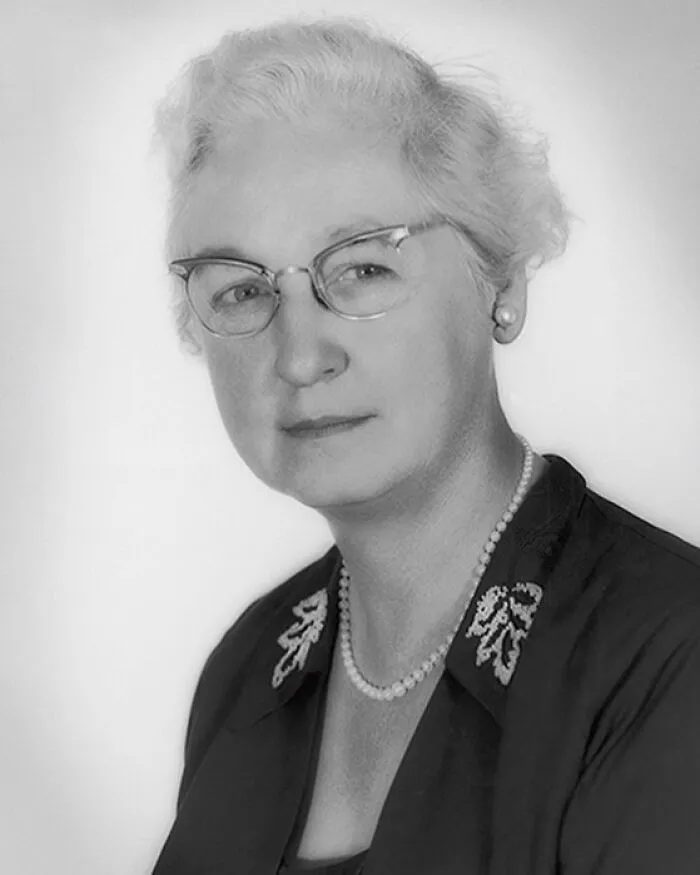
Virginia Apgar was a leading American medic, the first female board-certified anesthesiologist and first woman to become a professor at the College of Physicians and Surgeons.
However, the most important legacy that Virginia left for the world is the APGAR test for newborn babies. Developed in 1952, it stands for Appearance, Pulse, Grimace, Activity and Respiration, referring to the five things that every hospital in the world checks to verify the health of a newborn baby: skin color, heart rate, reflexes, muscle tone and breathing.
While she developed it to measure the effects of anesthesia on babies during childbirth, it was later adopted for all babies born in modern hospitals.
Before the introduction of the test, babies were not studied closely once they were born, meaning important problems could easily be missed. Virginia’s model has saved lives across the world.
Report
14points
#44 Ida B Wells-Barnett
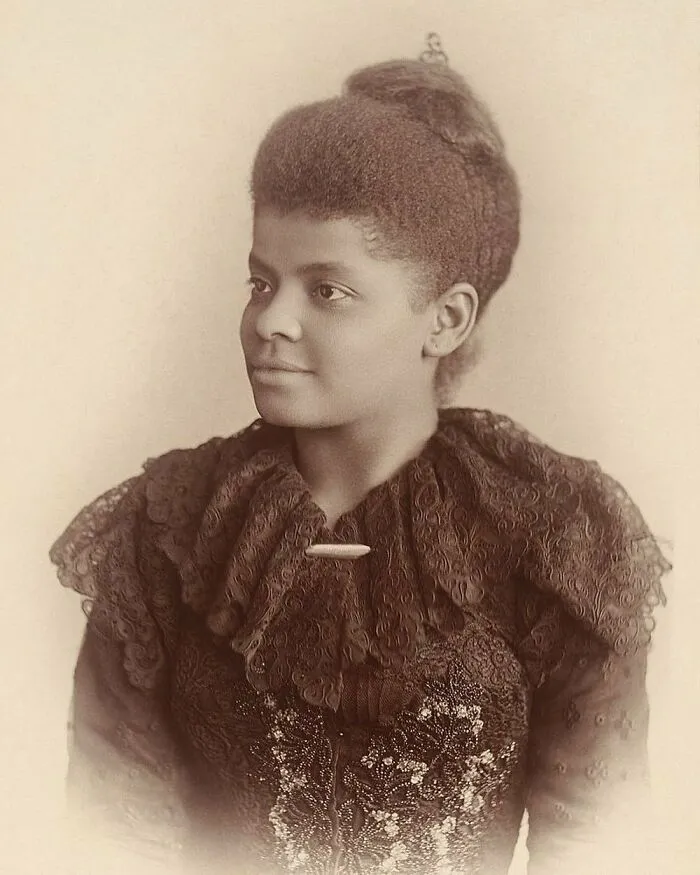
Born into slavery, Ida B Wells-Barnett was a journalist, activist and campaigner for African American rights.
Through her books Southern Horrors and The Red Record, she raised awareness of the increase in racially motivated lynchings after the end of the American Civil War.
Following the lynching of one of her friends, Ida began investigating instances of white mob violence, suggesting they were being used as a vehicle to enforce white supremacy and intimidate African Americans.
In 1892, Ida ran an exposé on racially motivated lynchings, which provoked such strong reaction that she was forced to flee Memphis, Tennessee, where she lived.
Along with other African American leaders, Ida led efforts to boycott the World’s Columbian Exposition in 1893, in protest at the exclusion of the black community from the fair.
Ida was present during the founding of the National Association for the Advancement of Colored People (NAACP), which to this day works to eliminate race-based discrimination in the United States.
Report
14points
#45 Katharine Graham
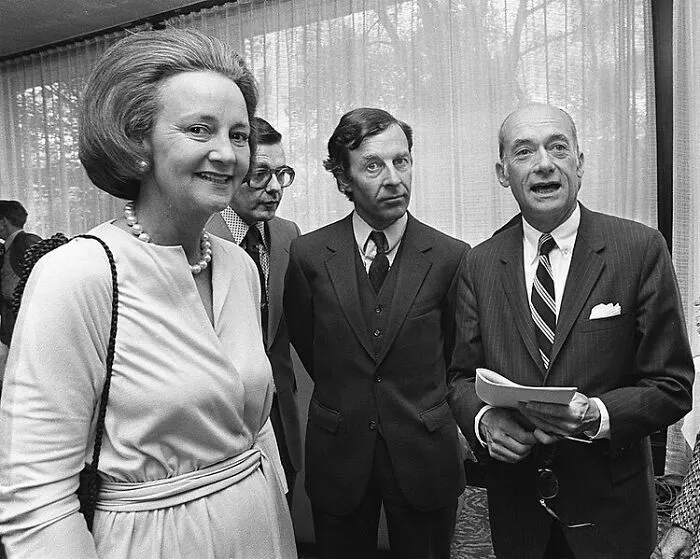
Publisher of the Washington Post, Katharine Graham, at a meeting of the Dutch Newspaper Press in 1975
Report
13points
#46 Virginia Woolf And Leonard Woolf
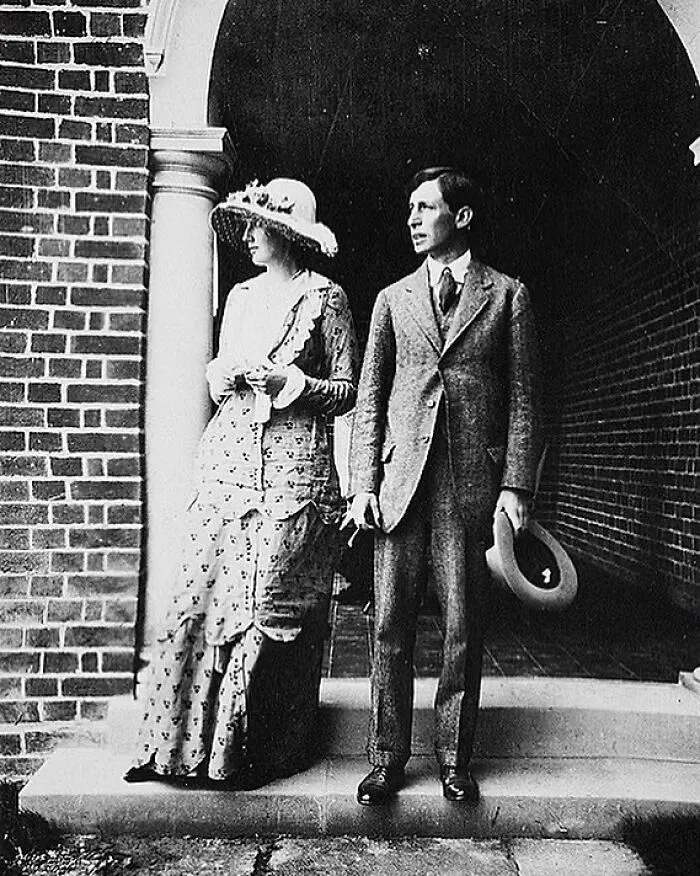
The engagement photograph of Virginia Woolf and Leonard Woolf, 23rd July 1912, taken at Dalingridge Place, Sussex.
Report
13points
#47 Katharine Douglas Smith
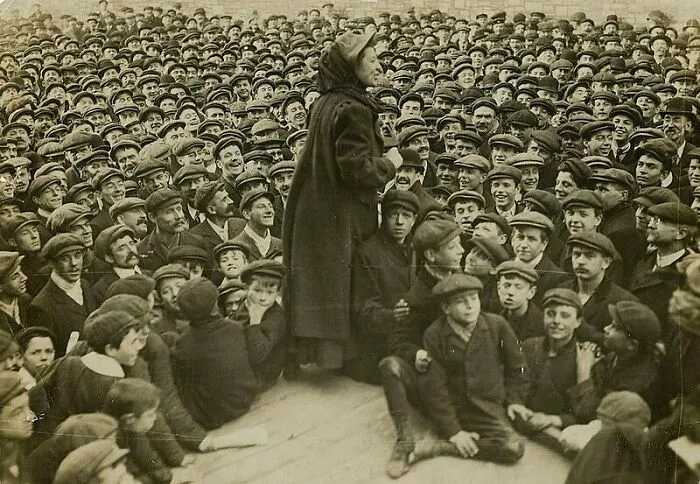
Katharine Douglas Smith, a member of the Suffragettes (WSPU), addressing a crowd of men in Portsmouth, circa 1910.
Report
13points
#48 Ella Fitzgerald
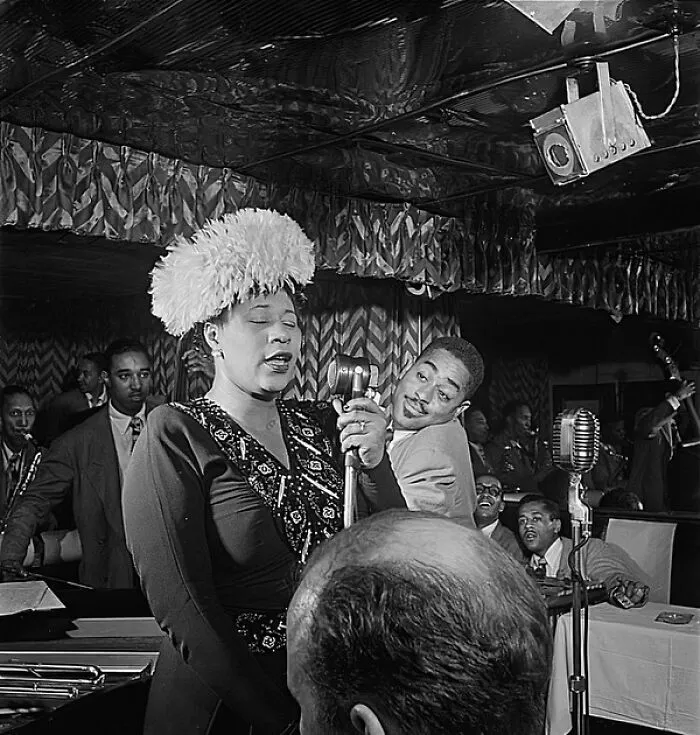
'Queen of Jazz’ Ella Fitzgerald with Dizzy Gillespie, Ray Brown, Milt Jackson, and Timme Rosenkrantz in New York, 1947.
Report
13points
#49 Jane Austen
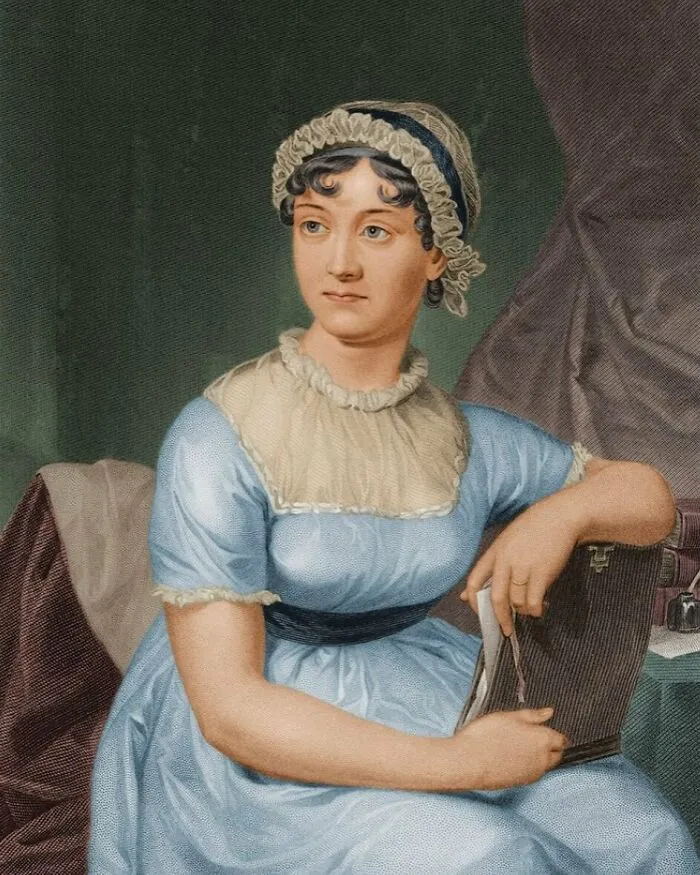
Known for writing Pride and Prejudice, Emma, and Sense and Sensibility, Jane Austen was a British novelist who wrote with wit, humour, and irony.
Since publication, her books have rarely been out of print. Her reputation took off after her death when they started to gain wider acclaim and popular readership.
She published her books anonymously, simply stating “By a Lady” on the front cover. It was only after she passed away that it revealed by her brother that she was the author of the novels
Her novels focus around the British landed gentry, exploring the dependence of women on marriage for social standing and economic stability.
Jane Austen passed away in 1817, at the age of 41.
To this day she is recognised as a great contributor and has earned acclaim among readers and literary critics.
“It isn't what we say or think that defines us, but what we do”- Jane Austen
Report
13points
#50 Millicent Fawcett
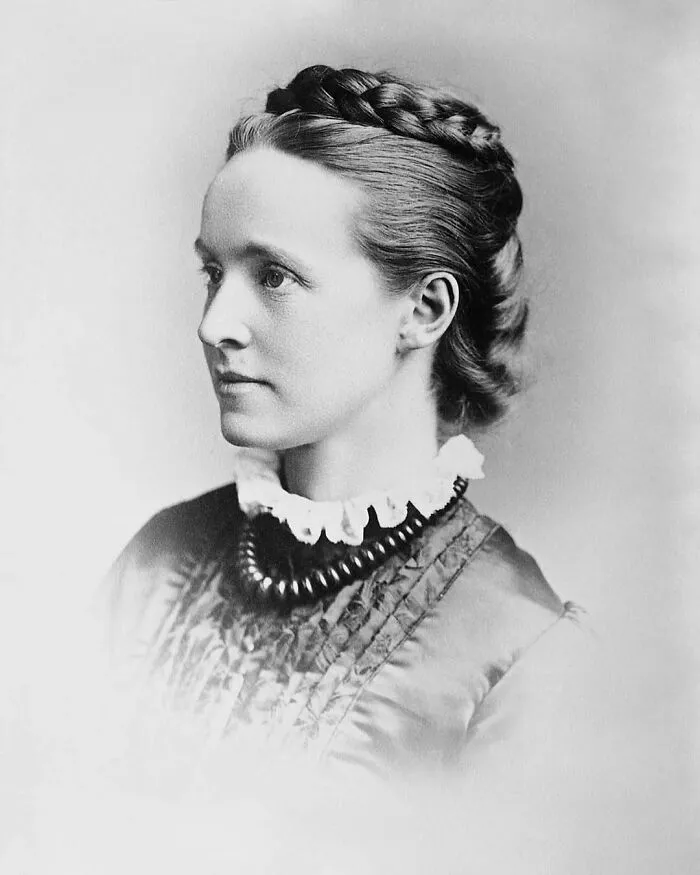
Millicent Fawcett was the leader of the National Union of Women’s Suffrage Societies (NUWSS), better known as the Suffragists.
Starting her political career at the age of 22, she took a moderate position, distancing herself and the Suffragists from the militant actions of the Suffragettes. She believed the Suffragettes were damaging the chances of women gaining the vote. The Suffragists had more support than the Suffragettes despite the publicity that the latter received.
At the break of the First World War, Fawcett paused the Suffragist activities to focus on the war effort. Originally she supported hospital services in training camps. However, funds were soon diverted to the government instead due to the risk of dividing the organisation due to the large number of pacifists in the Suffragists.
Fawcett also campaigned for issues other than women’s suffrage in Great Britain. For example, she campaigned for the rising of the age of consent to curb child mistreatement, to criminalise incest.
Millicent Fawcett passed away in 1929, at the age of 82.
In 2018, upon the centenary of the Representation of the People Act 1918, she was the first woman to be honoured with a statue in Parliament Square, London.
Starting her political career at the age of 22, she took a moderate position, distancing herself and the Suffragists from the militant actions of the Suffragettes. She believed the Suffragettes were damaging the chances of women gaining the vote. The Suffragists had more support than the Suffragettes despite the publicity that the latter received.
At the break of the First World War, Fawcett paused the Suffragist activities to focus on the war effort. Originally she supported hospital services in training camps. However, funds were soon diverted to the government instead due to the risk of dividing the organisation due to the large number of pacifists in the Suffragists.
Fawcett also campaigned for issues other than women’s suffrage in Great Britain. For example, she campaigned for the rising of the age of consent to curb child mistreatement, to criminalise incest.
Millicent Fawcett passed away in 1929, at the age of 82.
In 2018, upon the centenary of the Representation of the People Act 1918, she was the first woman to be honoured with a statue in Parliament Square, London.
Report
13points
#51 Grace Hopper
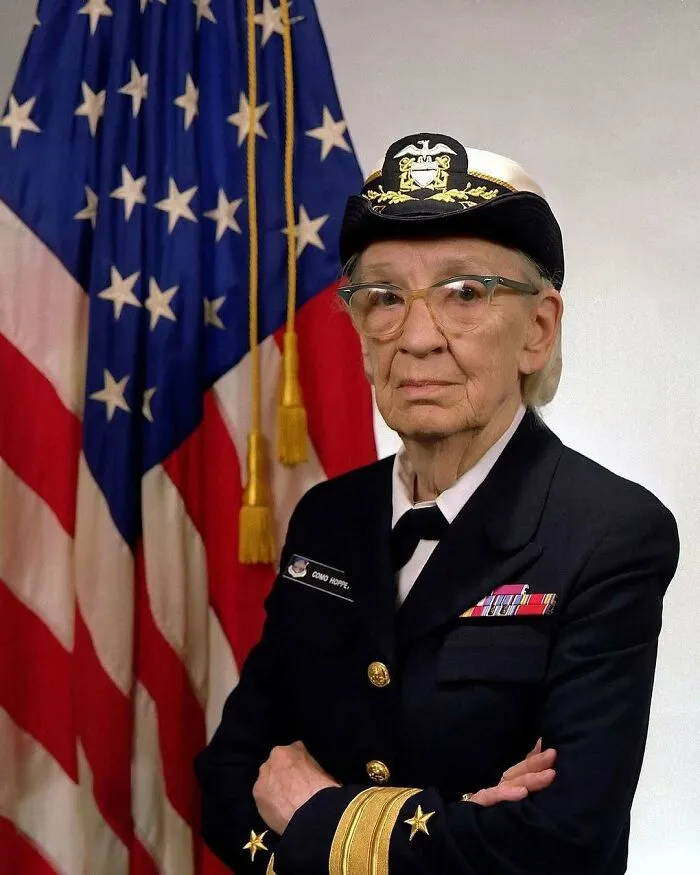
Grace Hopper was a computer scientist and a member of the US Navy. She was a pioneer in computer programming, with her theory and programming languages being extended to become high level programming languages still being used today.
She graduated with a PhD in Mathematics from Yale University. She tried to join the Navy during the Second World War, however was rejected due to her age.
She began her computing career in 1944, working on the Harvard Mark I computer and many other computers and programs.
Report
13points
#52 Pocahontas
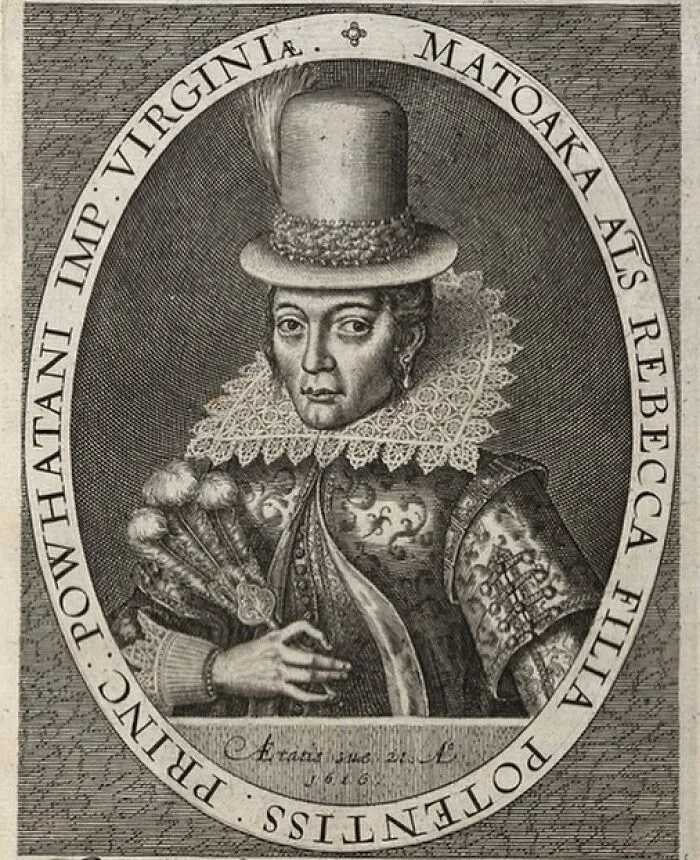
Pocahontas was a Native American woman notable for her association with the colonial settlement at Jamestown, Virginia. This portrait was engraved by Simon de Passe in 1616.
Report
12points
#53 Louisa May Alcott
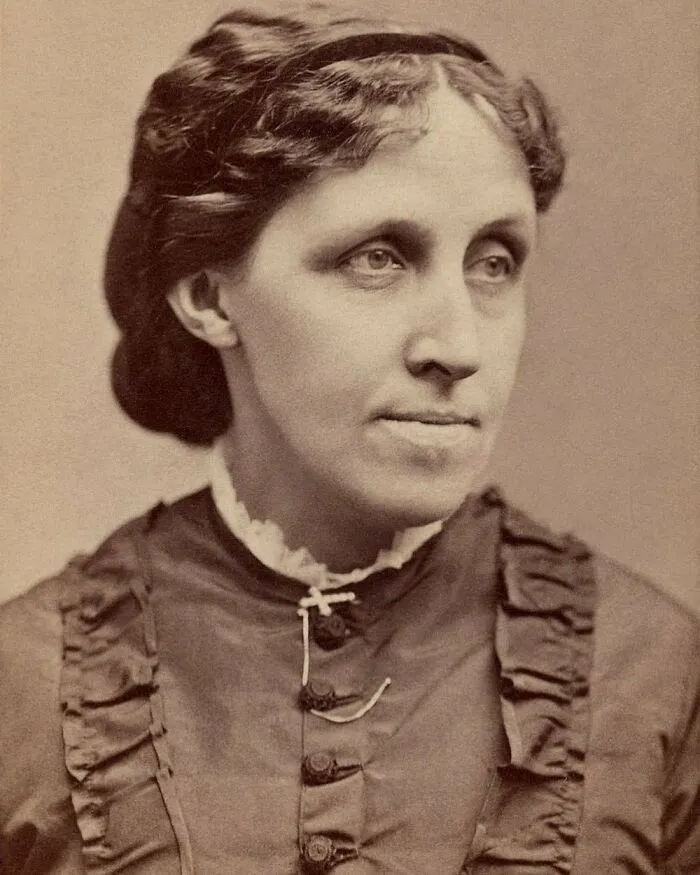
A novelist from New England, Louisa May Alcott shaped the future of American literature by introducing strong, educated heroines in her books.
A supporter of women’s rights and suffrage movements, Louisa contributed to several publications during her life in support of this and chose strong female characters to feature in her fiction.
When her publisher asked her to write a novel for young women, Louisa produced her most famous work, the autobiographical Little Women (1868), telling the story of the young tomboy, Jo March. Little Women was the first book to feature a young, female protagonist with an unconventional spirit.
Louisa’s work helped to challenge the conventional image of women in the 19th Century, helping young women at the time to dream of a non-traditional life.
Report
12points
#54 Frida Kahlo
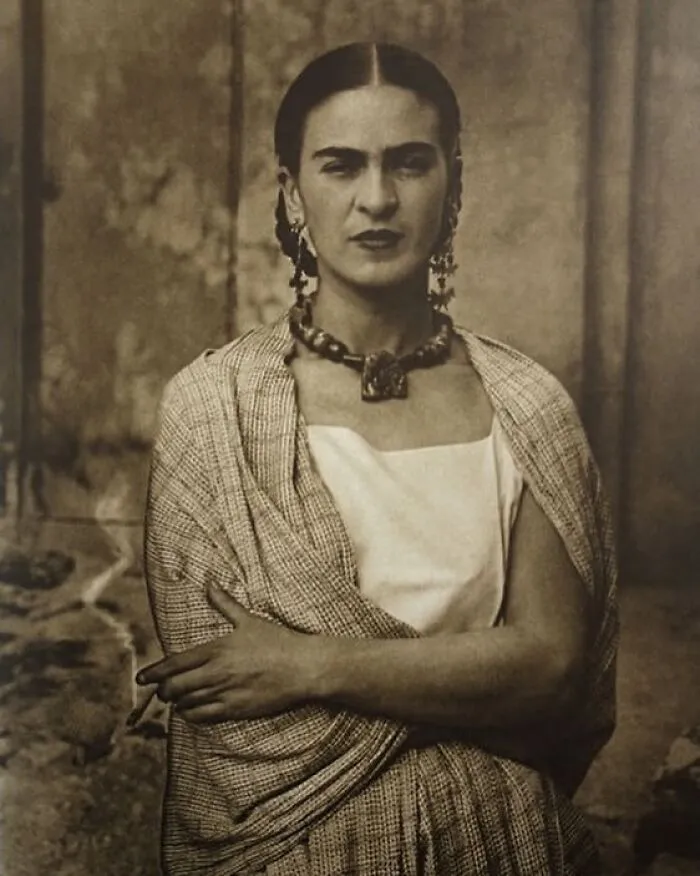
Frida Kahlo photographed by her father, Guillermo Kahlo, in 1932.
Report
11points
#55 Rosalind Franklin
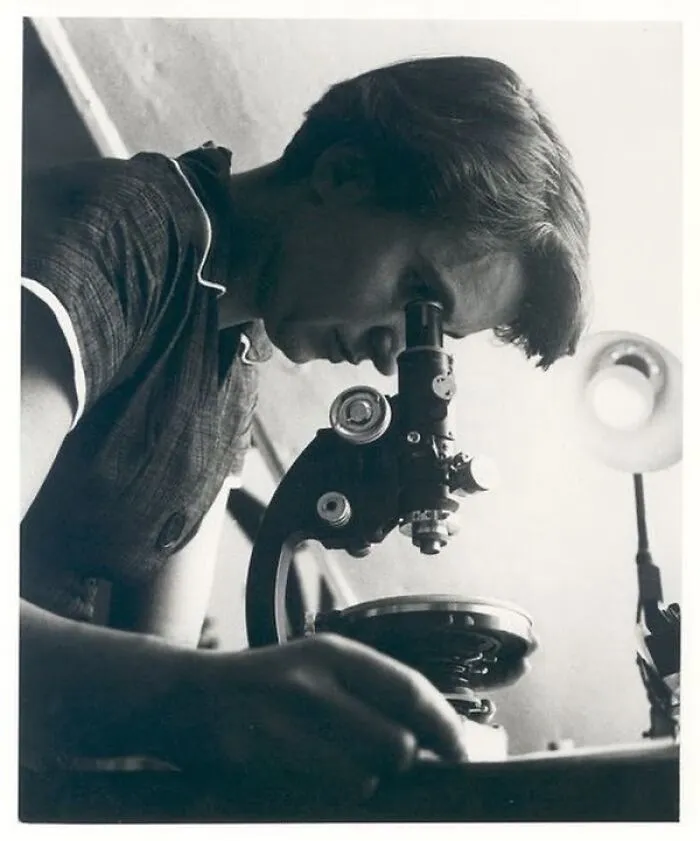
Rosalind Franklin at work in 1955. Her work was central to the understanding of the molecular structure of DNA, RNA, viruses, coal, and graphite.
Report
11points
#56 Emily Dickinson
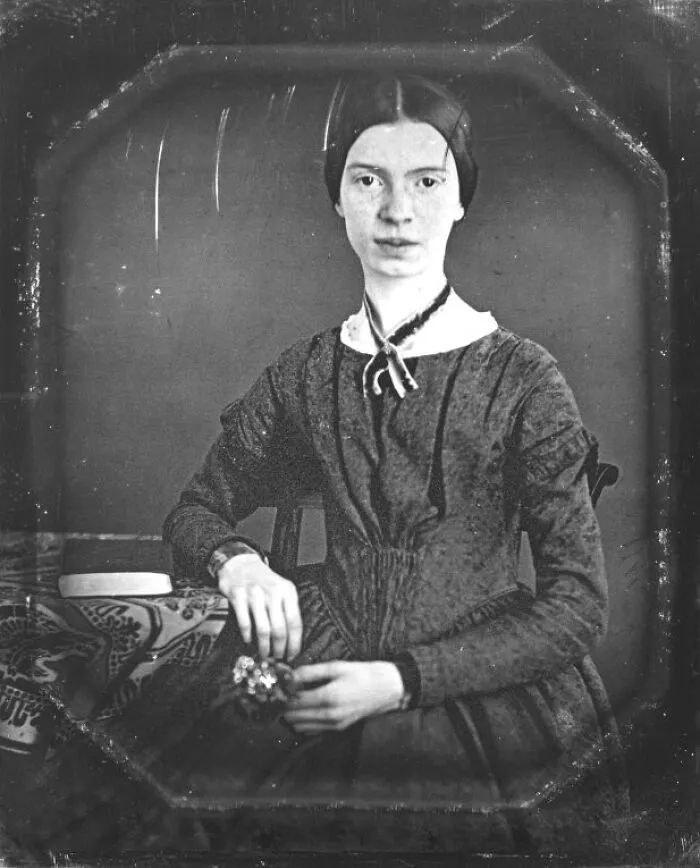
Emily Dickinson was an American poet, now regarded as one of the most important figures in American poetry.
She is thought to have lived most of her life in insolation, reluctant to greet guests or even leave her bedroom. Most of her relationships with friends and family relied solely on correspondence.
She wrote nearly 1,800 poems, however only 10 were ever published. For the era, her poems were unique, containing short lines, slant rhymes, and unconventional punctuation. The themes of her poetry dealt with death and immortality, society, spirituality, and nature.
Her work remained unknown to the public until after her death, when her sister discovered her cache of poems, with her first collection being published posthumously in 1890.
Emily Dickinson passed away in 1886, at the age of 55.
“Hope is the thing with feathers that perches in the soul - and sings the tunes without the words - and never stops at all” - Emily Dickinson
Report
11points
#57 Althea Gibson
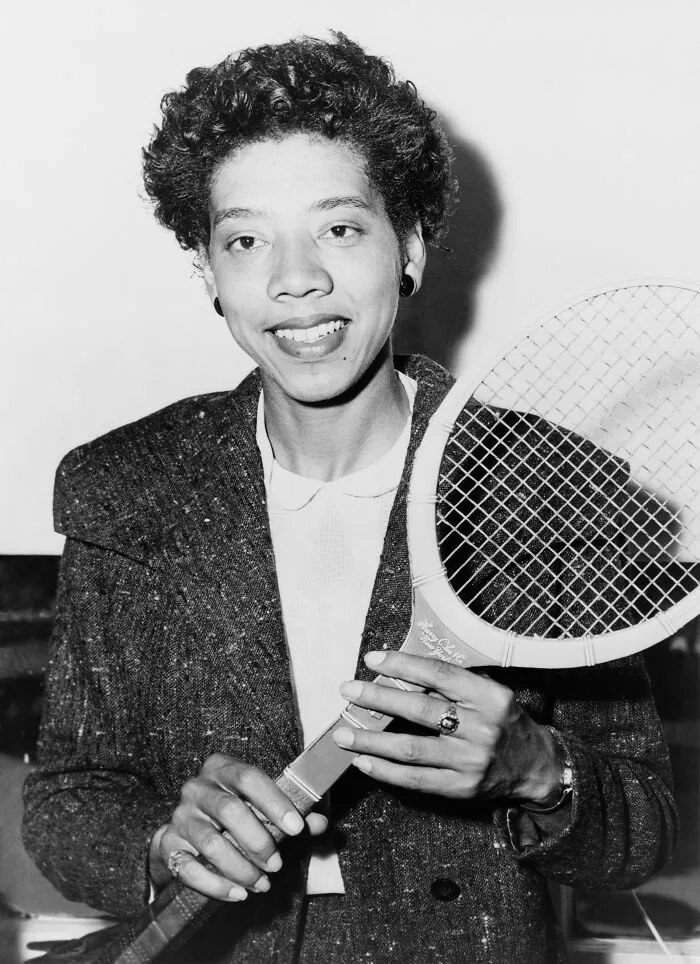
Althea Gibson was an American sportswoman. She played professional tennis and golf, being one of the first black athletes to cross the colour line of international tennis.
She won many titles, being the first African American to win a Grand Slam title in 1956. In total, she won 11 Grand Slam tournaments: five singles, five doubles, and one mixed double. She was inducted into the International Tennis Hall of Fame and the International Women’s Sports Hall of Fame.
In the 1960s, she became the first African American to compete in the Women’s Professional Golf Tour.
Having achieved so much at a time where prejudice and discrimination was widespread in the sporting world and overall society, Gibson’s legacy will never be forgotten.
Althea Gibson passed away in 2003, at the age of 76.
Report
11points
#58 Huda Sha’arawi
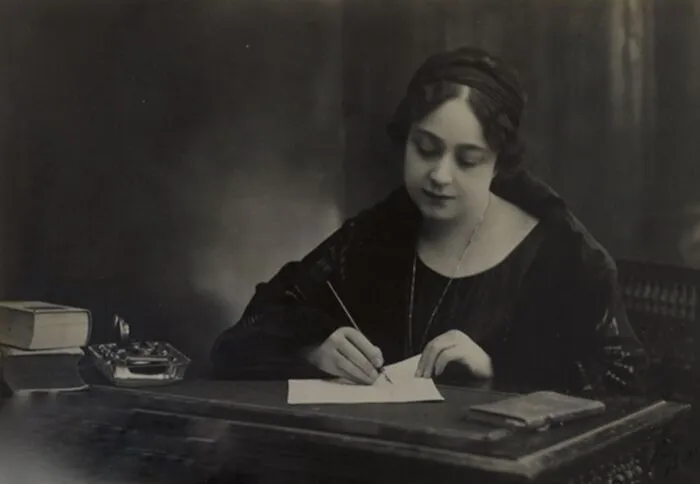
Huda Sha’arawi was a pioneering Egyptian feminist, suffragette and nationalist. She also founded the Egyptian Feminist Union.
In the Egyptian Revolution of 1919, she was a leader of the protesters. It was a female led protest for fighting for Egyptian independence from Great Britain, and the release of male nationalist leaders.
She viewed the system of women being confined to the house or harem very backward. She resented the restrictions on women and started organising lectures for women, bringing them into public for the first time. With help, Sha’rawi established a women’s welfare society to help raise money for poor women in Egypt.
Throughout her life she was involved in philanthropy, opening the first philanthropic society run by women in Egypt, in 1909. She argued that a women-led social service was important to widen women’s horizons and challenge the views on women at the time.
Huda Sha’arawi passed away in 1947, at the age of 68.
Report
11points
#59 Zelda Fitzgerald
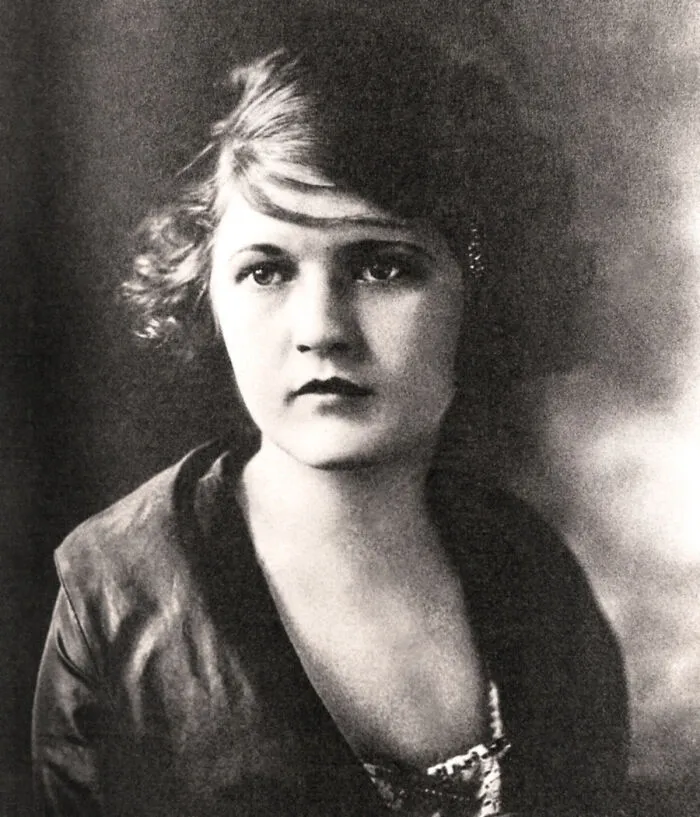
Zelda Fitzgerald was an American novelist and painter, famously married to F Scott Fitzgerald.
She was noted for her high spirits and beauty, with both her and her husband being symbols for the Jazz Age.
As they entered high society, their marriage started to be damaged by alcohol, infidelity, and recriminations. She kept extensive diaries which provided F Scott Fitzgerald material for his novels, sometimes to the point of plagiarism. Despite this, Ernest Hemingway accused Zelda for her husband’s declining literary success.
She was diagnosed with schizophrenia. She was living within specialist clinics, apart from her husband when he died in 1940.
Zelda Fitzgerald passed away in 1948, in a fire at the hospital she was staying in, at the age of 47. She was posthumously admitted to the Alabama Women’s Hall of Fame in 1992.
Report
11points
#60 Mary Mahoney
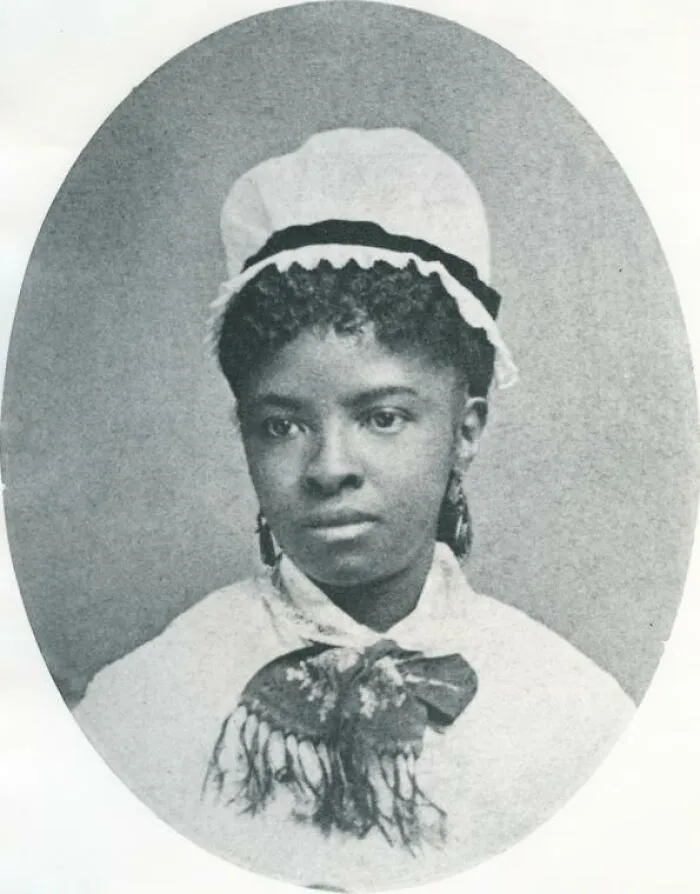
Mary Mahoney was the first African American to study and work professionally as a trained nurse in the United States of America. She graduated in 1879, being the first African America to graduate from nursing school in America.
She worked tirelessly to improve access to education and nursing practices, working to eliminate racial discrimination in the nursing profession.
After retirement she continued to fight for minorities, becoming one of the first women to register to vote in Boston.
Report
11points