




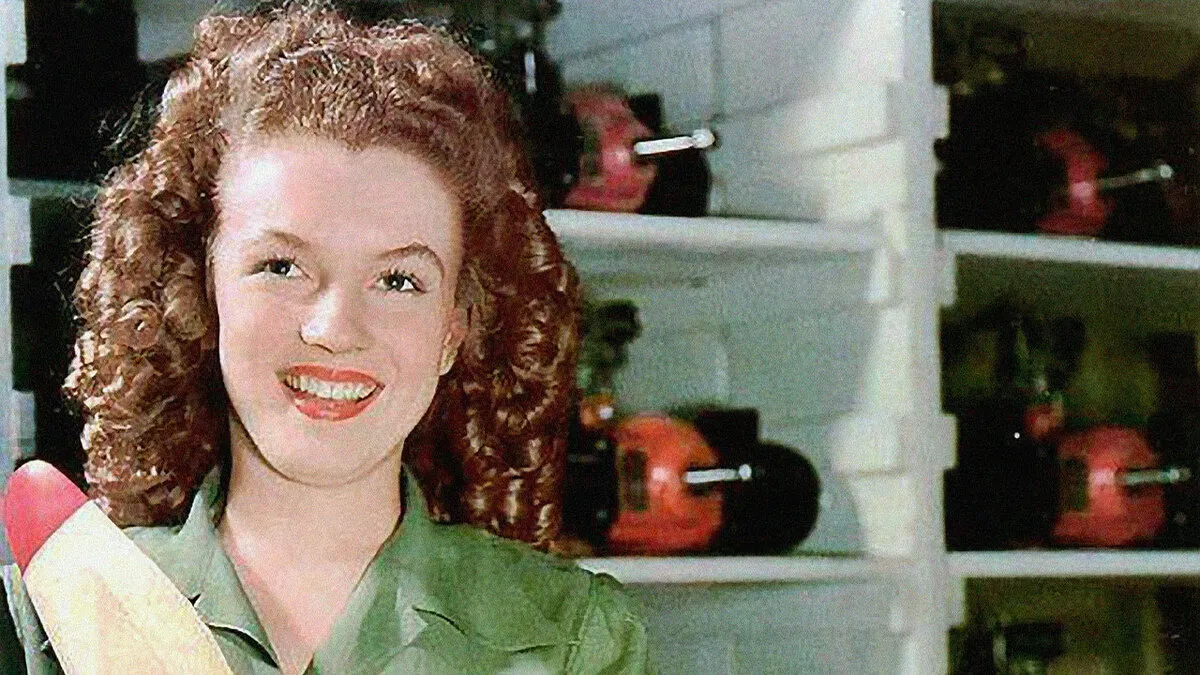


In every generation, some women are trailblazers who set the standards of freedom, independence, and hope for their gender. These women are so brave that even the strictest rules and standards can't match their inner power.
This list, based on the ‘historywithwomen’ Instagram page, celebrates women in history who’ve done so much for our society without expecting much in return. Hopefully their sacrifices and stories can help inspire you today to make change in the world, society, and even your own life.
#61 Elizabeth Blackwell
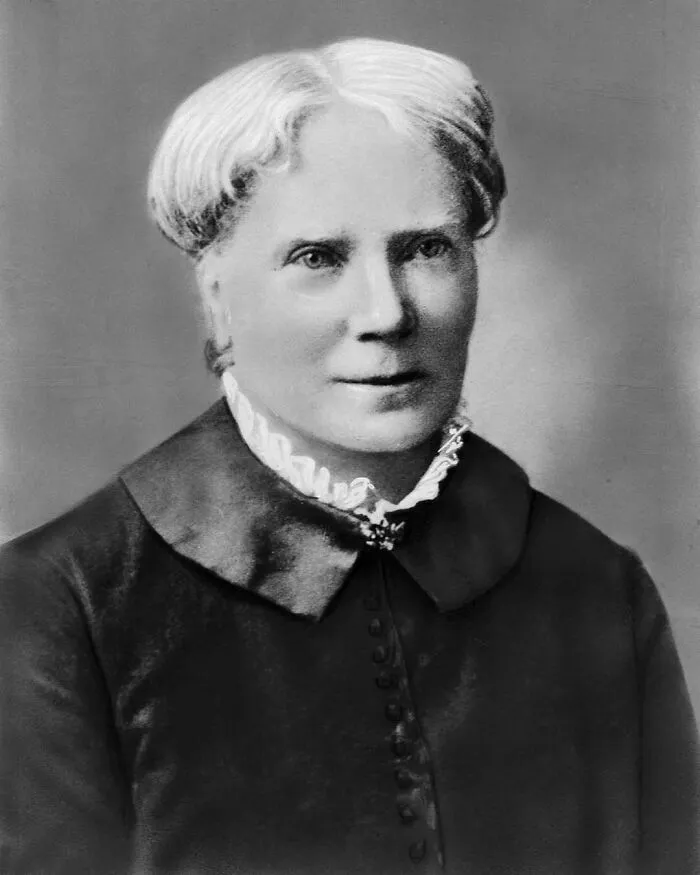
Elizabeth Blackwell was a physician and the first woman to receive a medical degree in the United States of America. She faced prejudice due to being a woman throughout her education, and only one medical school, the Geneva Medical College, accepted her application, where the male students voted for her to be able to study there.
Since then, Blackwell became influential and played a vital role in social awareness and moral reform, whilst also pioneering for women in medicine.
In 1868, Blackwell opened her own medical school in New York City. In the 1870s she continued expanding the medical profession for women, influencing over 400 women in the United Kingdom to pursue the career.
Elizabeth Blackwell passed away in 1910, at the age of 89.
Since then, Blackwell became influential and played a vital role in social awareness and moral reform, whilst also pioneering for women in medicine.
In 1868, Blackwell opened her own medical school in New York City. In the 1870s she continued expanding the medical profession for women, influencing over 400 women in the United Kingdom to pursue the career.
Elizabeth Blackwell passed away in 1910, at the age of 89.
Report
11points
#62 Mary Harris Jones
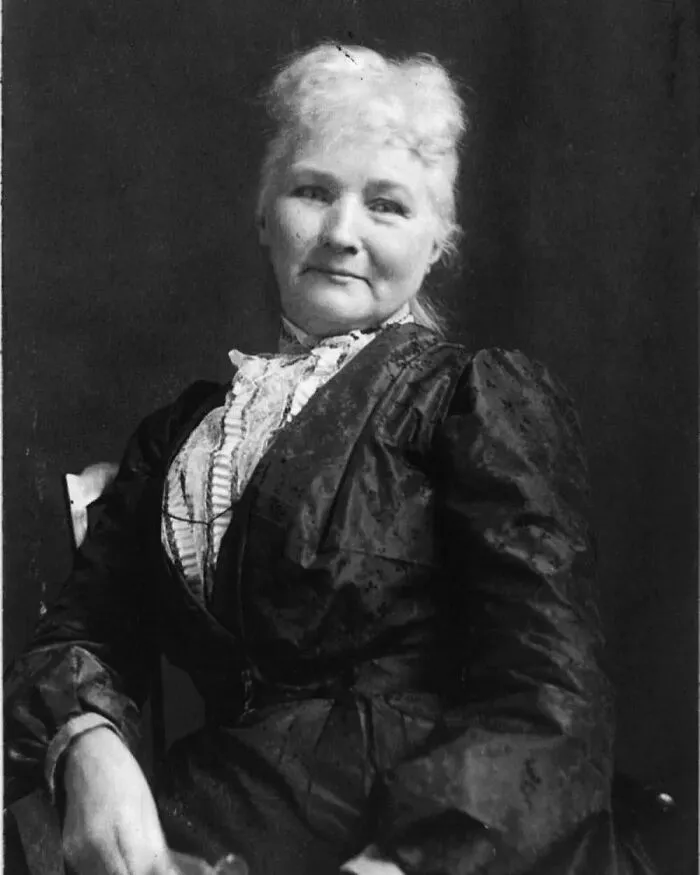
The most famous female labor activist of the 19th Century, Mary Harris Jones spent over forty years organizing and participating in strikes to help workers in the fight for labor rights.
Originally from Ireland, she moved to Toronto, Canada with her family at age 5. After settling in Chicago and starting a family, she suffered two great losses: her husband and four children in 1867 due to yellow fever, and everything she owned in the Great Chicago Fire of 1871.
To cope with her grief, she sought solace at Knights of Labor meetings and, while there, found an outlet for her passion. Shocked at the number of working poor during industrialization, low wages, long hours and lack of health insurance, she helped to organize strikes, starting with the Great Railroad Strike of Pittsburgh in 1877.
Throughout the late 19th Century, Mary took part in and led hundreds of strikes, organizing the workers to make the most impact on the authorities. As a great orator, she helped industrial workers raise the profile of their poor labor rights.
As she aged, she showed no signs of slowing, with her still organizing miners well past her 90th birthday.
Report
11points
#63 Beulah Louise Henry
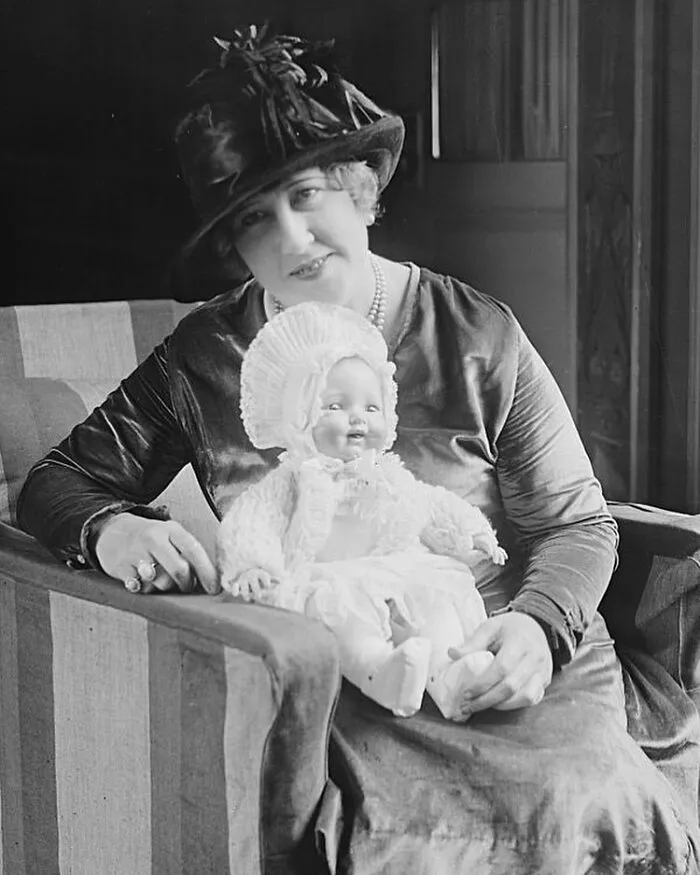
Nicknamed “Lady Edison” for all the inventions she created, Beulah Louise Henry was the most prolific female innovator of the 1920s, with around 110 inventions to her name.
Self-educated and from Memphis, Tennessee, she attributed her powerful sense of creativity to the process of teaching herself. She proved that women could succeed as engineers without formal training.
The range of Beulah’s inventions is huge, ranging from a vacuum-sealed ice cream freezer, to children’s toys. Creating modifications to sewing machines and typewriters was the source of many of her inventions.
The Journal of the Patent Office Society, which granted all 49 patents applied for during her career, named her “America’s leading feminine inventor”.
Beulah was inducted into the National Inventors Hall of Fame in 2006 for her contributions to technological innovation.
Report
11points
#64 Florence Nightingale
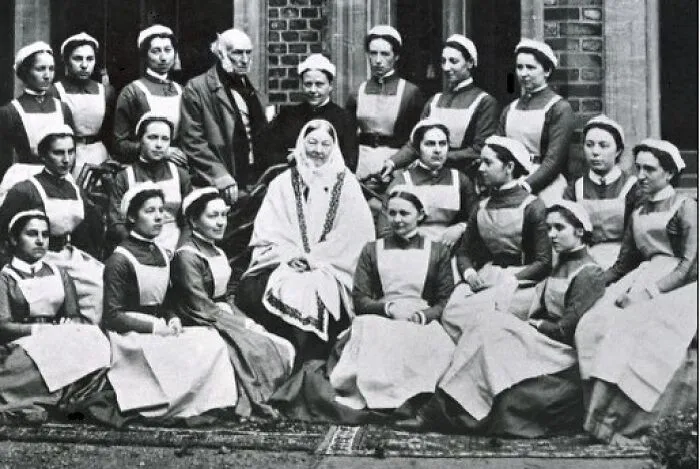
Florence Nightingale outside Claydon House, Buckinghamshire, in 1886, with her graduating class of nurses from St. Thomas’ Hospital
Report
10points
#65 Susan B Anthony
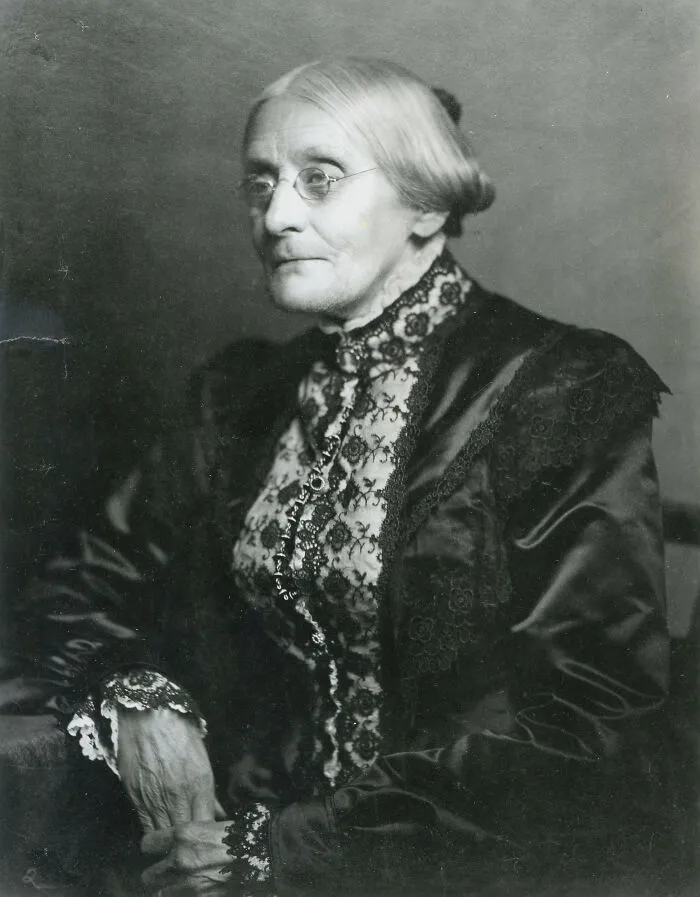
Susan B Anthony was an American social reformer, campaigning for women’s rights and suffrage.
She was born into a Quaker family committed to social equality. At the age of 17 she started to collect anti-slavery petitions, and in 1856 became the New York State agent for the American Anti-Slavery Society.
In 1852, alongside Elizabeth Cady Stanton, she founded the New York Women’s State Temperance Society. Further, in 1863, they together founded the Women’s Loyal National League. They conducted the largest petition drive at the time in the United States, collecting over 400,000 signatures supporting the abolition of slavery.
In 1869, they founded the National Woman’s Suffrage Association, after having published The Revolution, a woman’s rights newspaper. In support of women’s suffrage she travelled extensively, making up to 100 speeches a year.
She celebrated her 80th birthday at the White House by the invitation of President William McKinley.
She was the first woman to be depicted on US coinage in 1979, when her portrait was used on dollar coins.
Susan B Anthony passed away in 1906, at the age of 86.
Report
10points
#66 Sojourner Truth
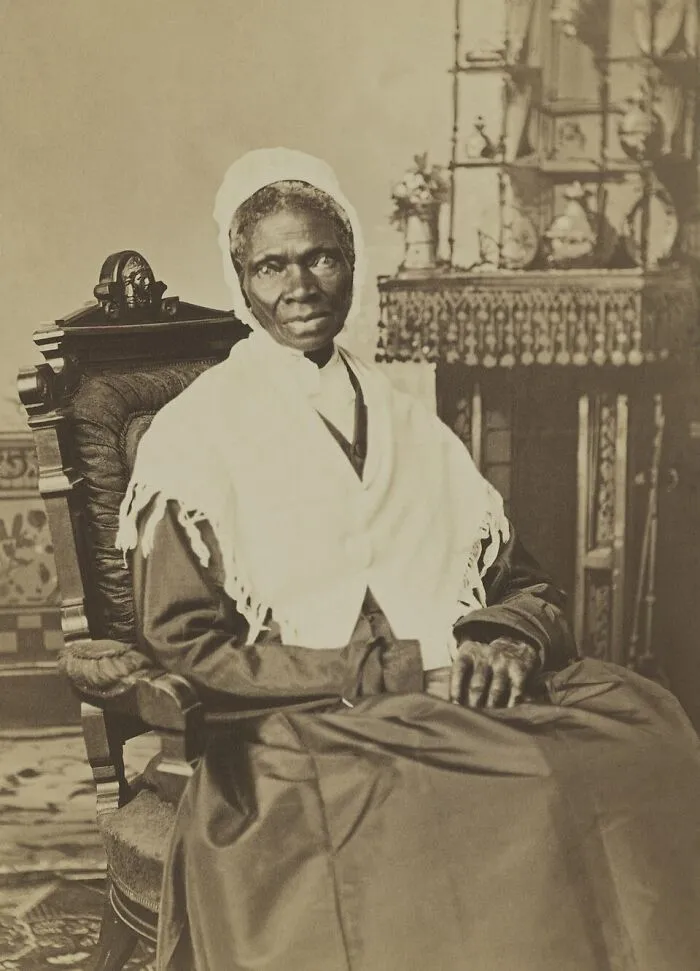
Sojourner Truth was an American abolitionist and activist for women’s rights. She was born Isabella Baumfree, but gave herself the name Sojourner Truth in 1843 after a calling from God to leave the city and go to the countryside.
She was born into slavery in New York. In 1826, she escaped into freedom with her infant daughter. In 1828, she went to court to recover her son, and became the first black woman to win that type of case against a white man.
Her most famous speech was delivered in 1851 without preparation. During the Civil War it became known under the title “Ain’t I a Woman?”, which was a rewritten version by someone using a southern dialect.
During the Civil War she helped recruit black troops for the Union Army. After the war, she tried to get land grants from the federal government for formerly enslaved people, however was unsuccessful.
She continued to fight for women and African Americans until she passed away in 1883, at the age of 86.
Report
10points
#67 Edith Cowan
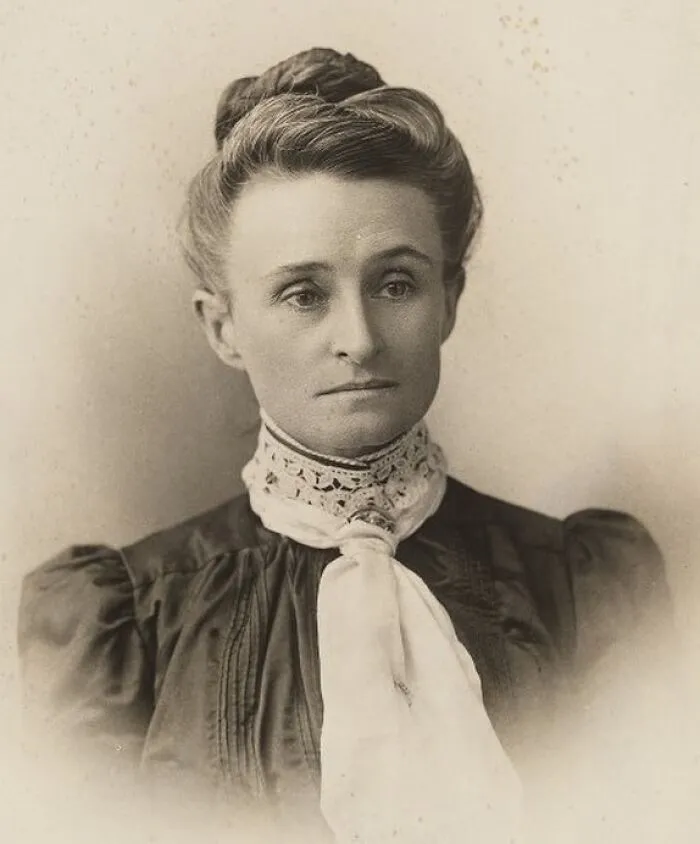
Edith Cowan was an Australian social reformer, working for the rights of women and children. She is most famously known for being the first Australian woman to serve as a Member of Parliament, being the Member of the Legislative Assembly of Western Australia for West Perth.
She was one of the founders of the first woman’s social club in Australia, the Karrakatta Club, in 1894. She was also a key supporter of the women’s suffrage movement, with women being granted the right to vote in Western Australia in 1899.
She was a leading advocate for public education and children’s rights, being one of the first women to serve on the local board of education. She helped to find the Children’s Protection Society in 1906. The society’s lobbying resulted in creating the Children’s Court.
Edith Cowan passed away in 1932, age 70.
"Women are very desirous of their being placed on absolutely equal terms with men. We ask for neither more nor less than that”- Edith Cowan
Report
10points
#68 Elizabeth Hamilton
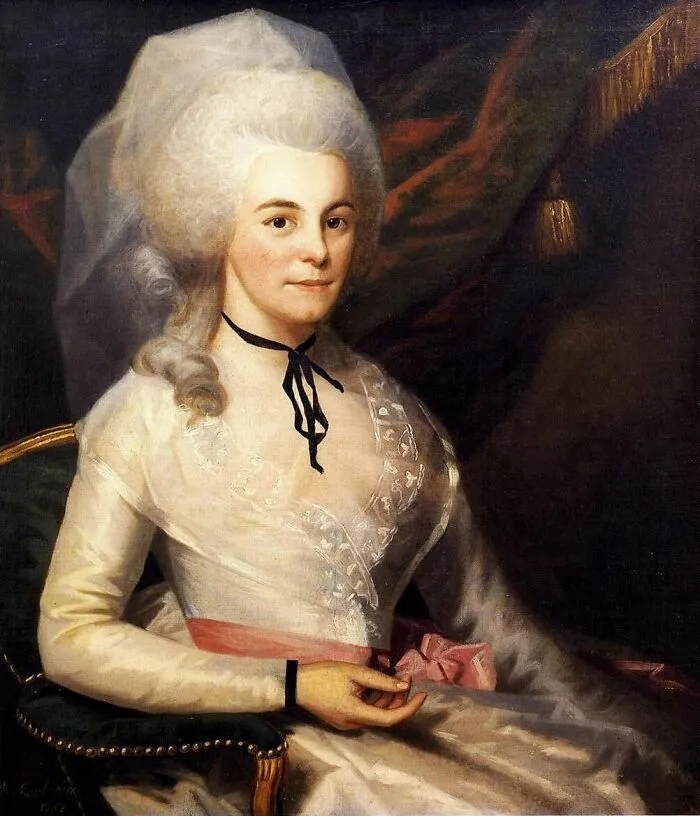
Elizabeth ‘Eliza’ Hamilton was a philanthropist and socialite, married to Alexander Hamilton, a founding father of the United States of America.
She was born into one of the wealthiest and most influential families in New York City.
In 1806, alongside others she founded the Orphan Asylum Society. In her roles within the society she raised funds, collected needed goods, and oversaw the care of over 700 children. She worked within the society for 42 years.
After her husbands death she continued to defend his work to critics, dedicated to protect his legacy.
Eliza passed away in 1854, at the age of 97.
Report
10points
#69 Angela Burdett-Coutts
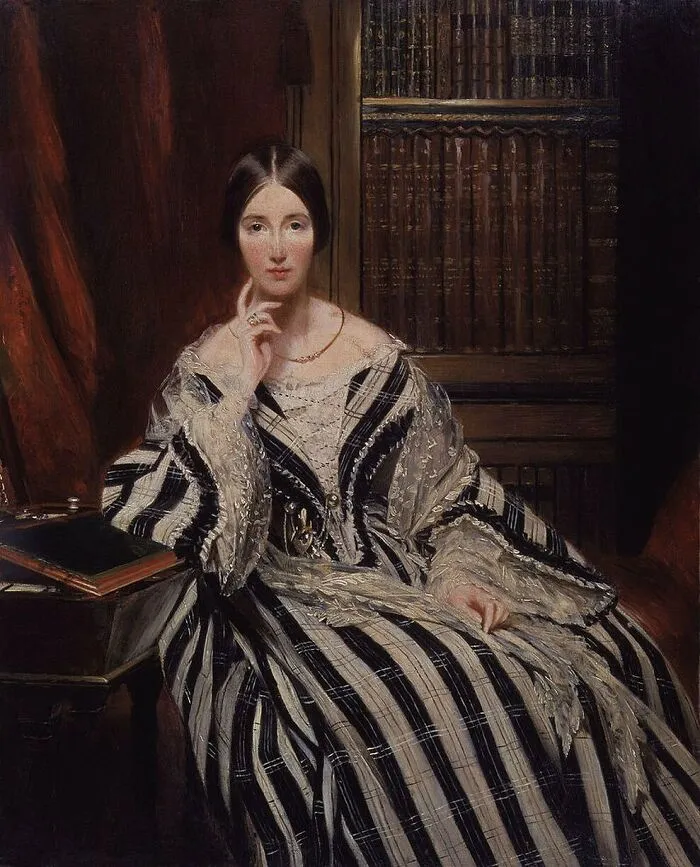
Described by the British bank, Coutts, as “one of the most radical philanthropists of her time”, Angela Burdett-Coutts generously and unvaryingly used her personal fortune to help those less fortunate than herself.
As the granddaughter of banker Thomas Coutts, she inherited a huge sum of money on his death, but because 19th-century social conventions dictated that she was unable to enter the business world, she shifted her focus to philanthropic projects.
Angela’s complete philanthropic portfolio is diverse and generous. Just a fraction of her projects include the following: building homes for the poor, installing a source of fresh water in London, funding scholarships at prestigious education institutions, supplying equipment to Florence Nightingale to improve nursing hygiene, supporting army hospitals in South Africa, financing the construction of London hospitals, supplying lifeboats to the British authorities, and funding relief efforts during the Great Potato Famine of Ireland.
Angela was granted a peerage in 1871 by Queen Victoria for her efforts in philanthropy.
Report
10points
#70 Sacagawea
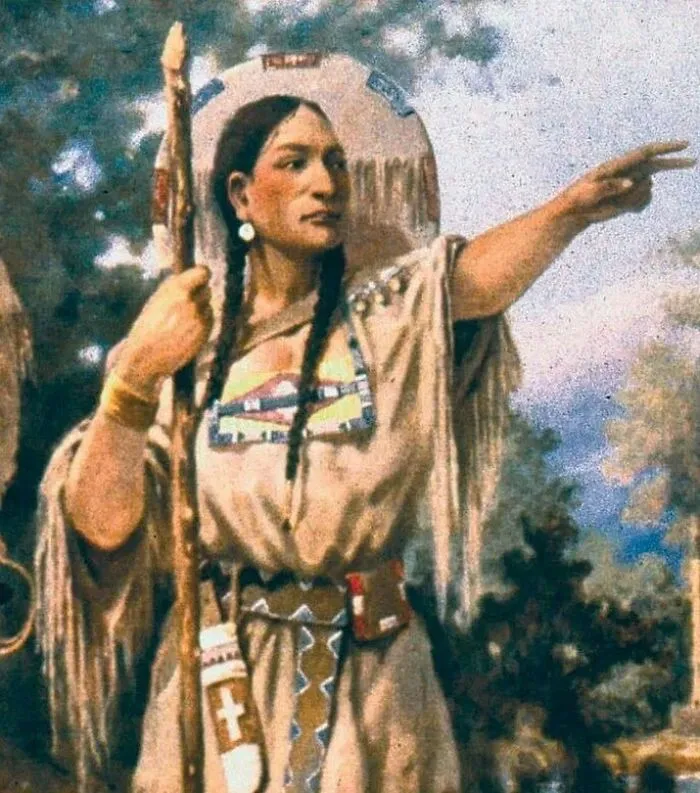
Sacagawea - This daughter of a Shoshone chief is credited with making huge contributions to the success of the Lewis and Clark expedition, which took place between 1803 and 1806.
After being captured and sold to a French-Canadian settler at the age of 12, Sacagawea was invited to join the Lewis and Clark expedition as a Shoshone interpreter a few years later.
With substantial survival skills, including the ability to identify edible plants, she helped lead the expedition to its success. A woman travelling with her newborn child, Sacagawea acted as a symbol of peace to the native tribes, as well as the conduit between explorers and the indigenous population.
Through Sacagawea, the Corps of Discovery was able to cooperate peacefully with tribes to cross the Rocky Mountains. This led them to make useful advancements in mapping the Upper Missouri and confirming overland access to the Pacific, travelling to places that had never been seen before by settlers.
The expedition also produced many important zoological and botanical discoveries, noting dozens of previously unencountered species.
Sacagawea’s contribution to the exploration of the United States led her to feature on a dollar coin minted in 2000.
Report
10points
#71 Claudia “Lady Bird” Johnson
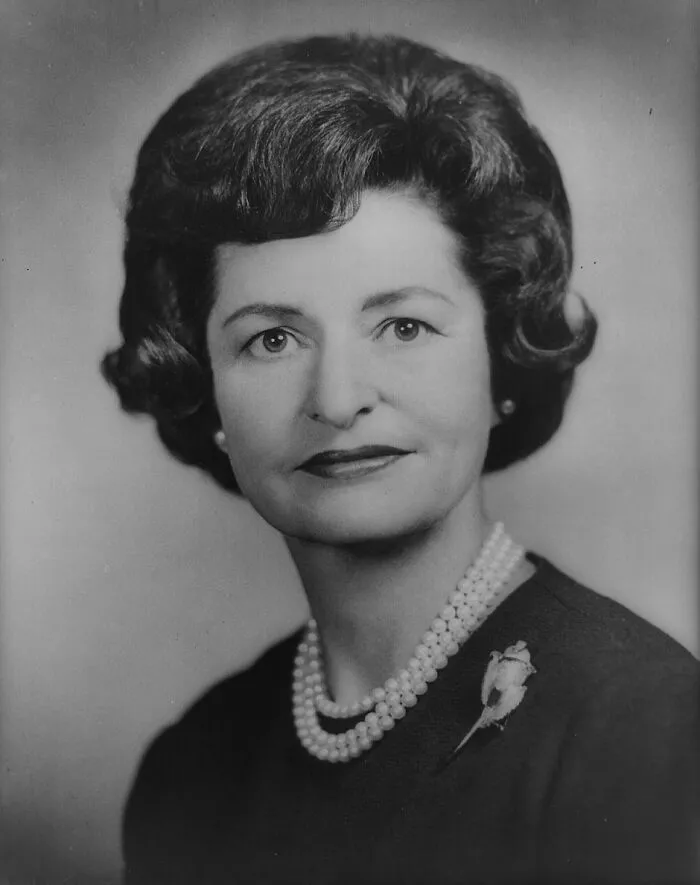
Claudia “Lady Bird” Johnson, circa 1962, during her time as the Second Lady of the United States of America, being the wife of the Vice President at the time, Lyndon B Johnson.
Report
9points
#72 Katharine Graham
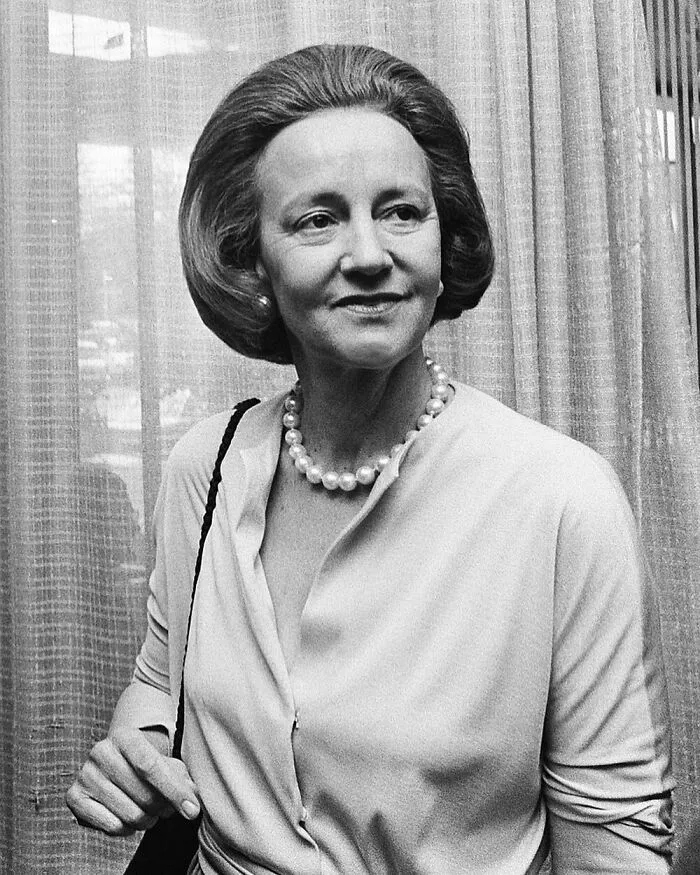
A journalist and business executive, Katharine Graham was the first female publisher of a major American newspaper. During her leadership of the Washington Post Company, she transformed the newspaper into one of the leading periodicals in the US.
Her father, a publisher, bought the Washington Post in 1933, with Katharine joining the editorial staff a year later. While she stepped away from active involvement in running the paper to raise a family, she and her husband later purchased the company from her father.
Following her husband’s death in 1963, Katharine assumed the role as president of the Washington Post Company. During her leadership, she encouraged a culture of aggressive investigative journalism, overseeing the publishing of Pentagon Papers and coverage of the Watergate scandal that ultimately caused President Richard Nixon to resign from office.
She assumed the position of CEO of the Washington Post Company in 1972, a post she held until 1991, becoming the first female CEO of a Fortune 500 company.
Report
8points
#73 Women On The Committee On Arrangements For The National Woman’s Christian Temperance Union
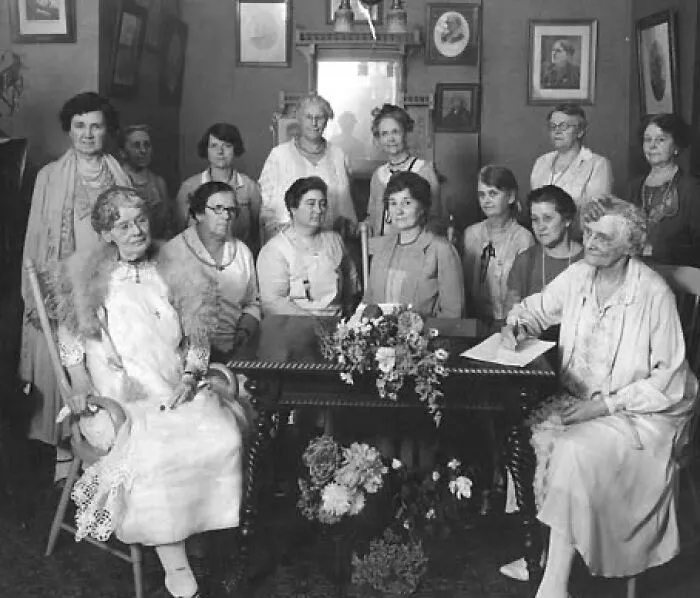
Women on the Committee on Arrangements for the National Woman’s Christian Temperance Union (WCTU) in 1924. At its founding in 1874, the stated purpose of the WCTU was to promote and create a sober society and pure wold through abstinence, purity, and evangelical Christianity. The WCTU perceived alcohol to be a cause and consequence of larger societal issues.
Report
5points
#74 Yumqas Of The Mamalelekala
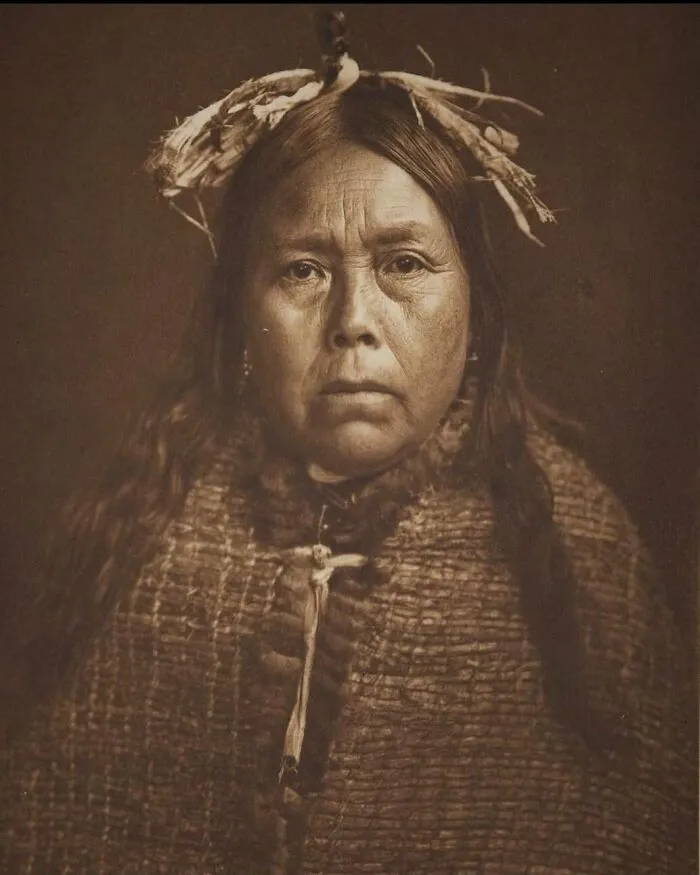
Yumqas of the Mamalelekala which are part of the Kwakwaka’wakw, Indigenous peoples of the Pacific Northwest Coast. Photographed by Edward Sheriff Curtis in c.1915.
Report
4points
#75 Coco Chanel
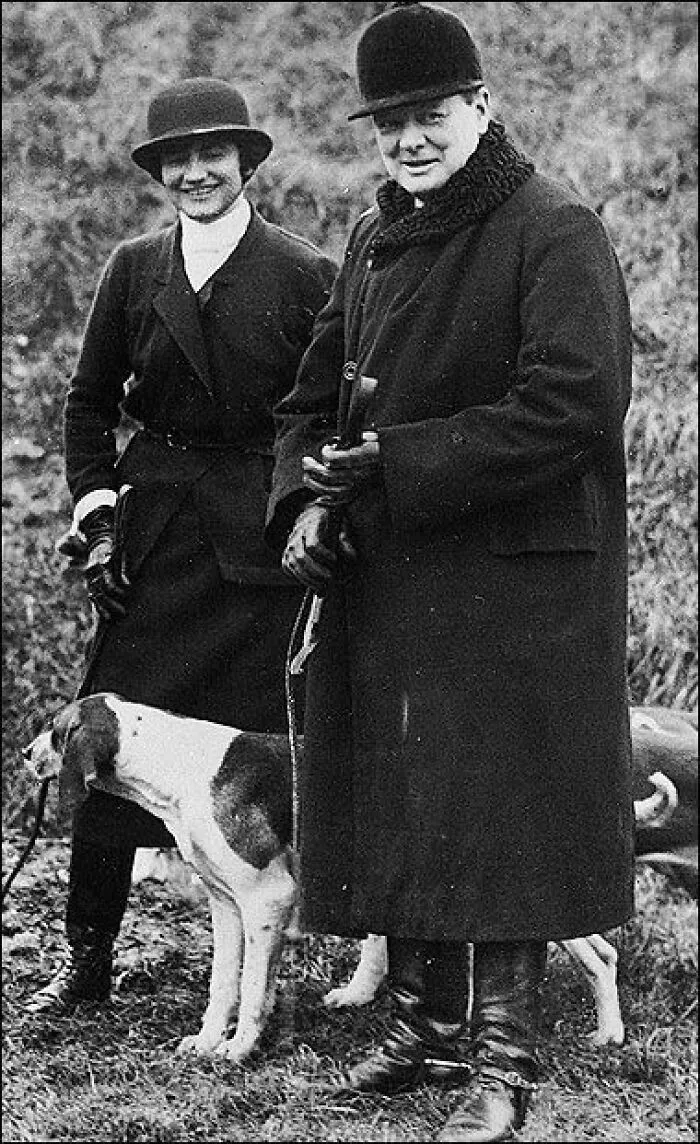
Coco Chanel alongside Winston Churchill in 1921, after she entered into the highest level of British aristocracy allowing her to create associations and relationships with elite members of society.
Report
-3points
#76 Mother Teresa
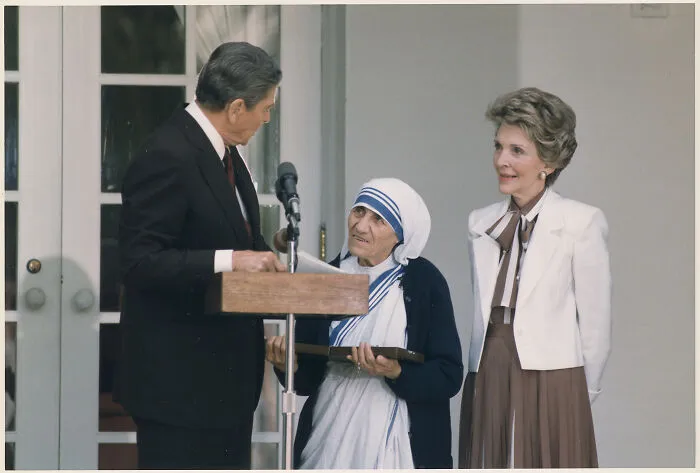
Mother Teresa being presented with the Medal of Freedom by President Ronald Reagan at a ceremony in the Rose Garden of the White House, on 20th June 1985.
Report
-9points