

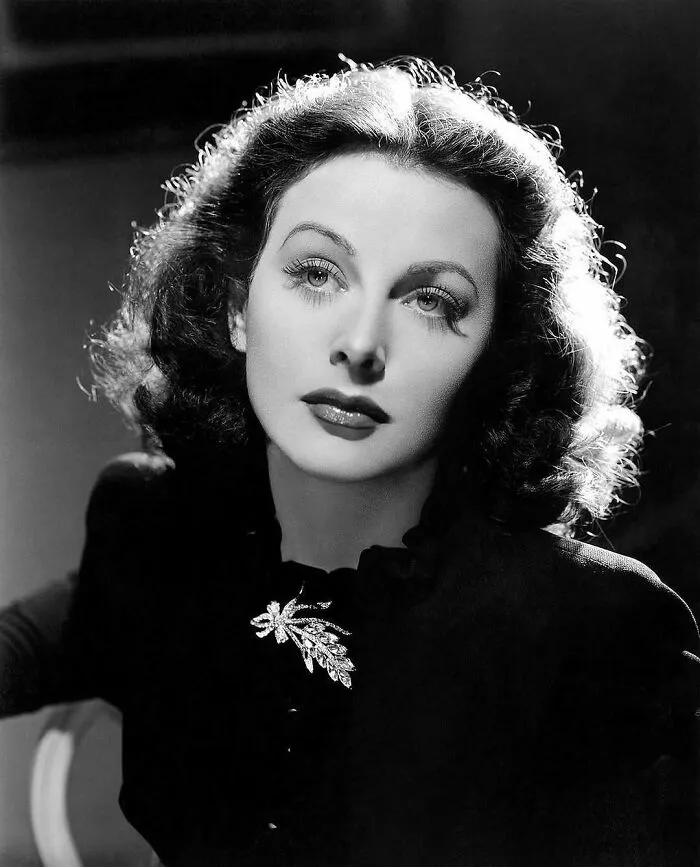
#21 Hedy Lamar
When people think about feminism or inequality, it can feel radical, but UN Women explains that supporting women is about speaking up and not sweeping problems under the rug. If you notice someone behaving in a misogynistic way, it can help to confront them and clear the air so that they know what they said wasn’t right.
Another useful step is to split roles and responsibilities, as research shows that women still do twice as much unpaid household labor. Making things equal at home and in the workplace can help all women feel safe, cared for, and heard.
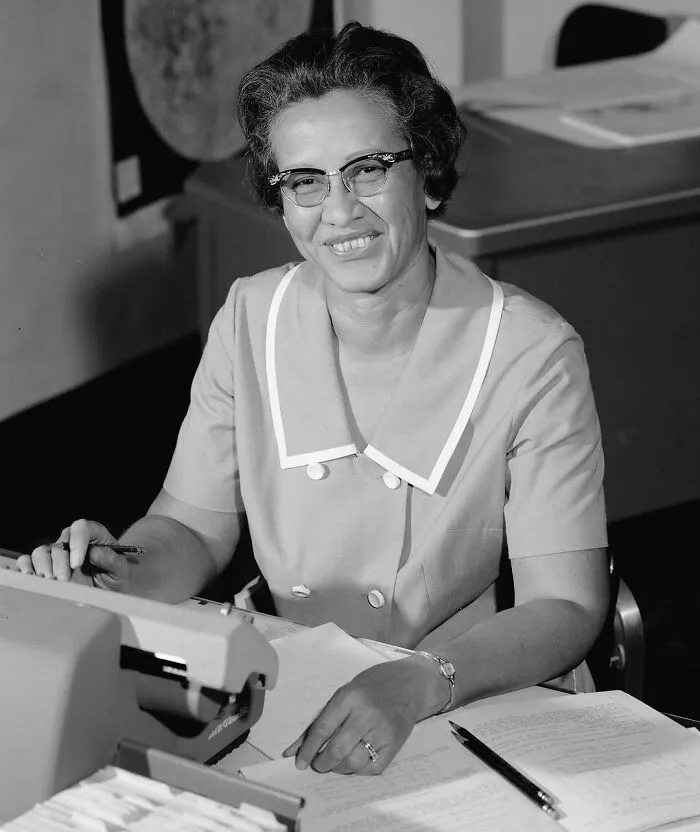
#22 Katherine Johnson
#23 Sojourner Truther
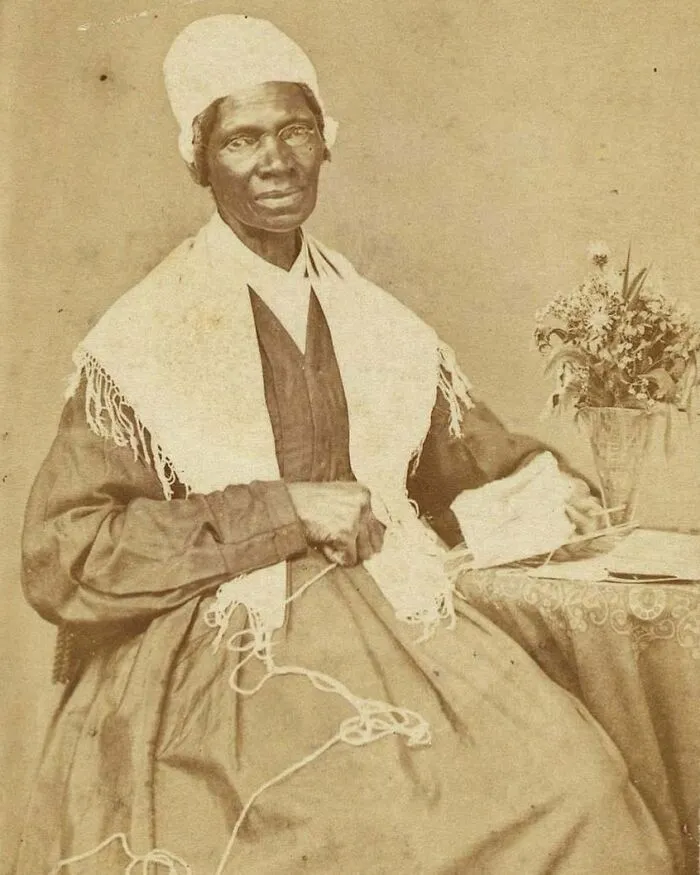
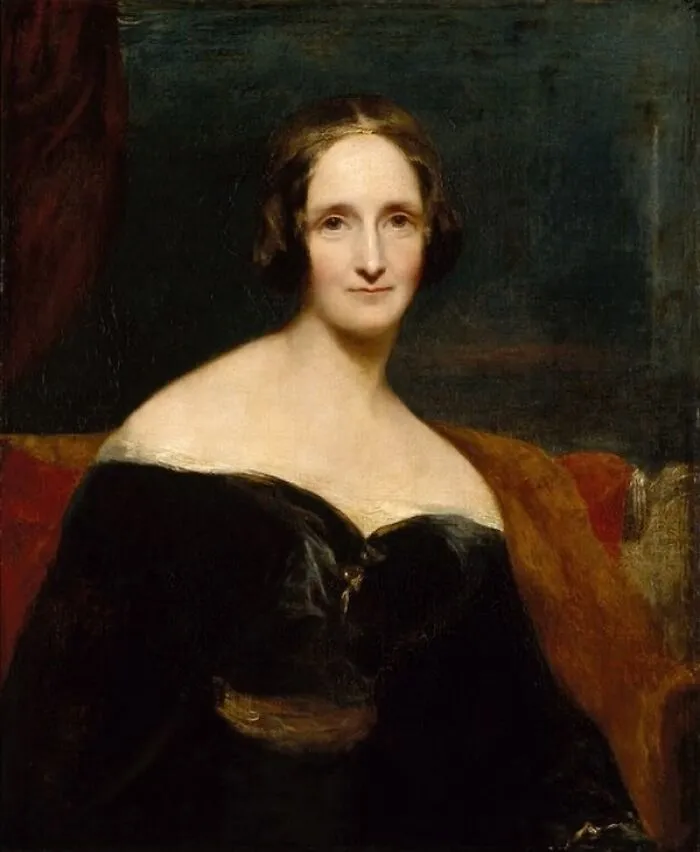
#24 Mary Shelley
These women in history had the courage to do amazing things that some of us might still balk at today. It’s therefore important to keep their legacy going by standing up for women’s rights and not pushing things under the rug, which is the only way to change the present and go down as a legend in history.
We’d love to know which of these women is your favorite and why. Do share your thoughts in the comments below.
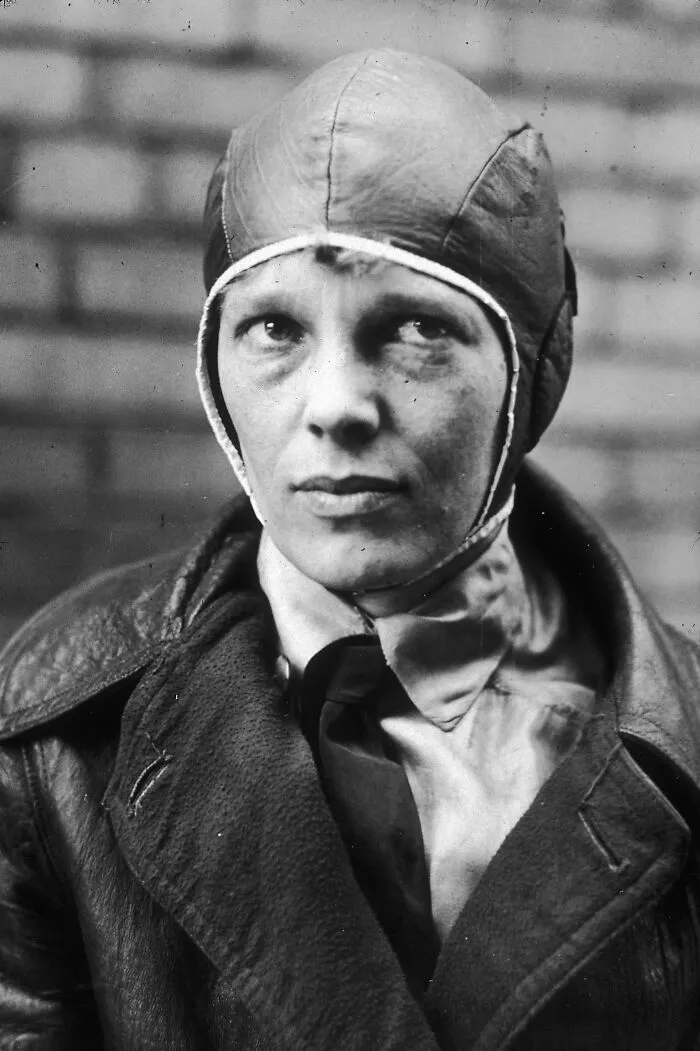
#25 Amelia Earhart
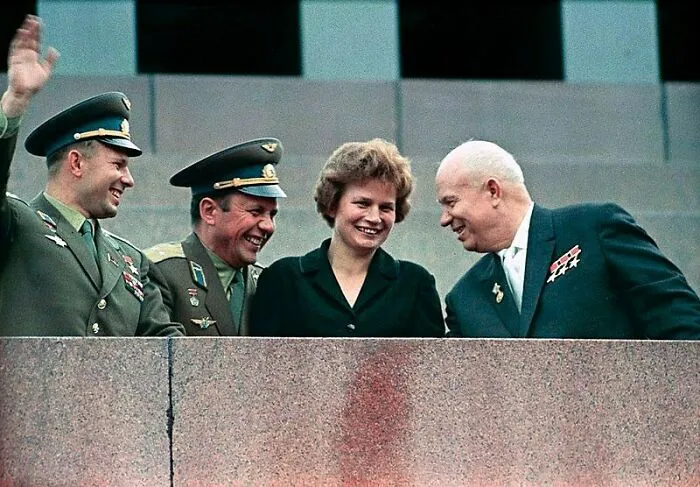
#26 Valentina Tereshkova
#27 Jeanette Rankin
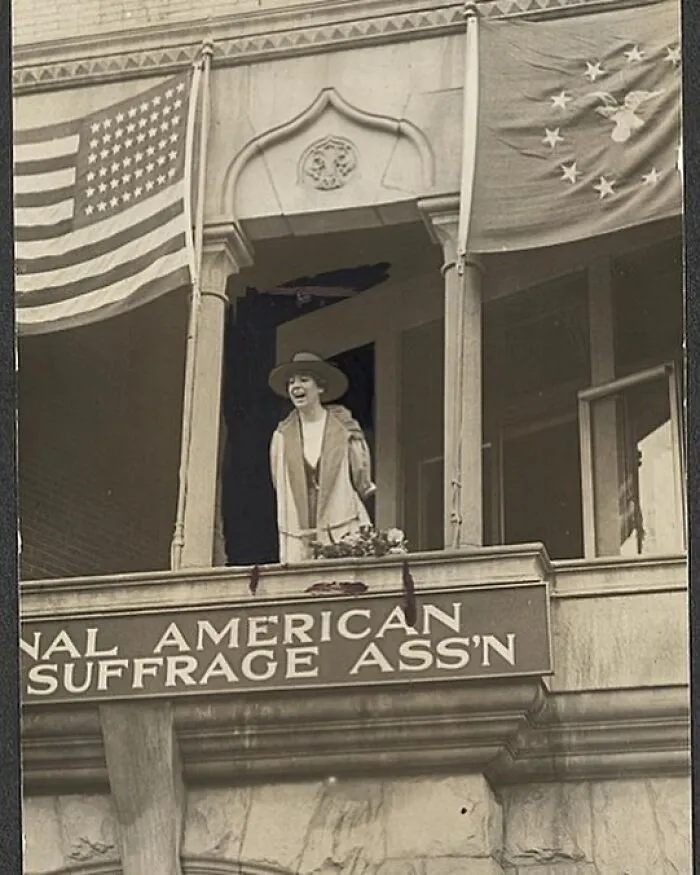
#28 Betty Friedan
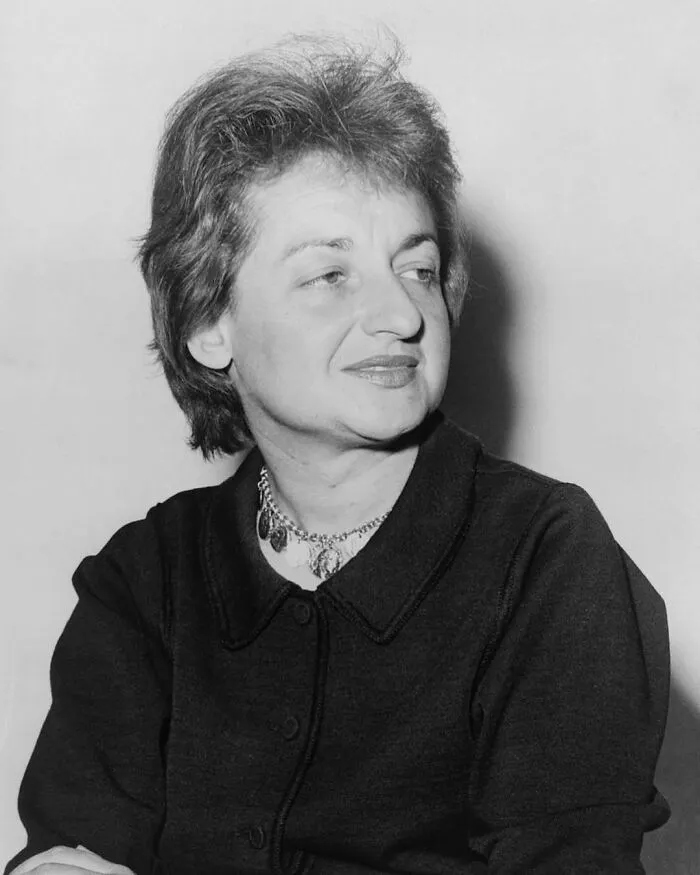
#29 Nelly Bly
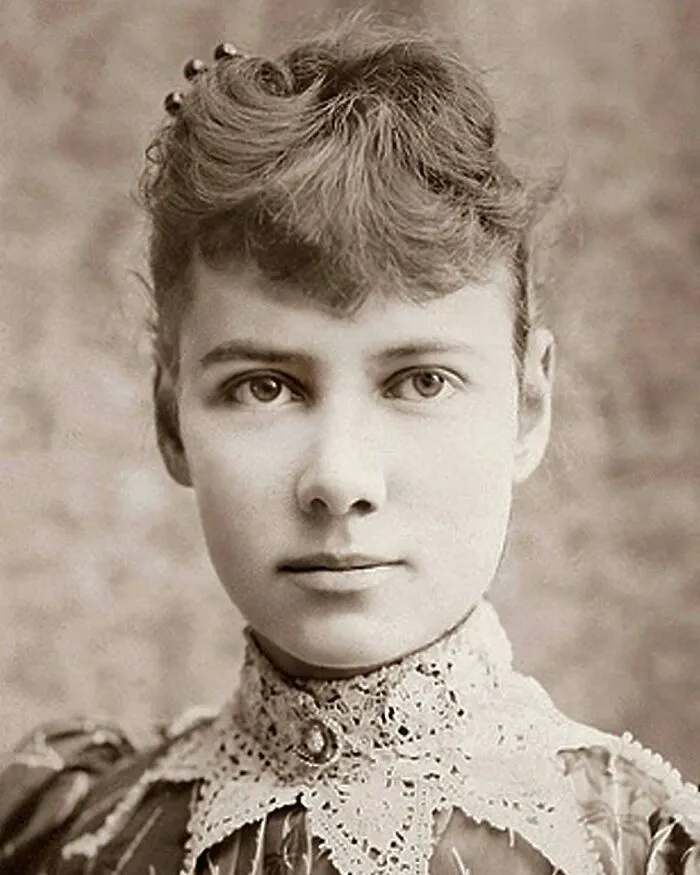
#30 Melitta Bentz
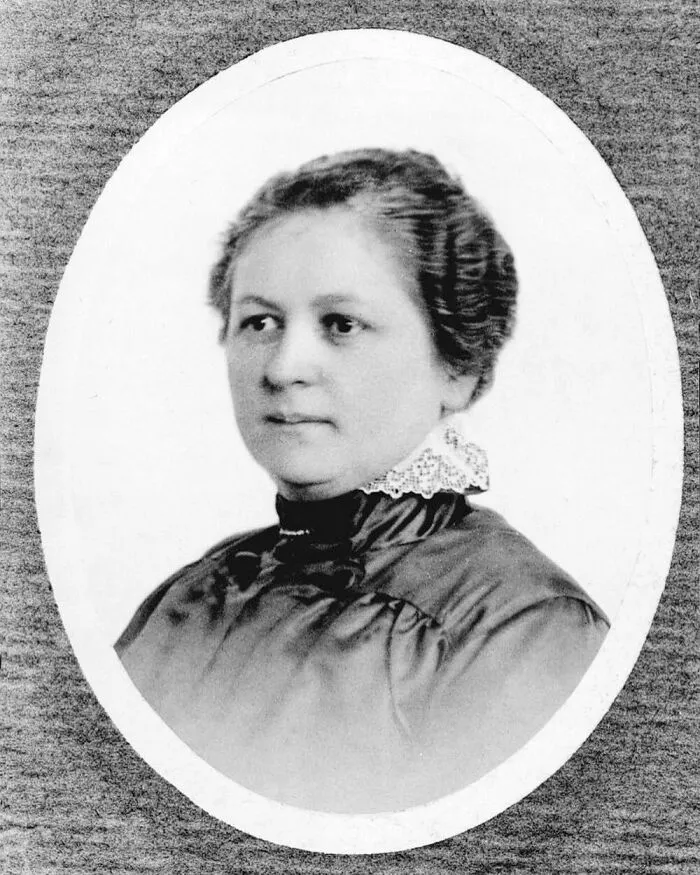
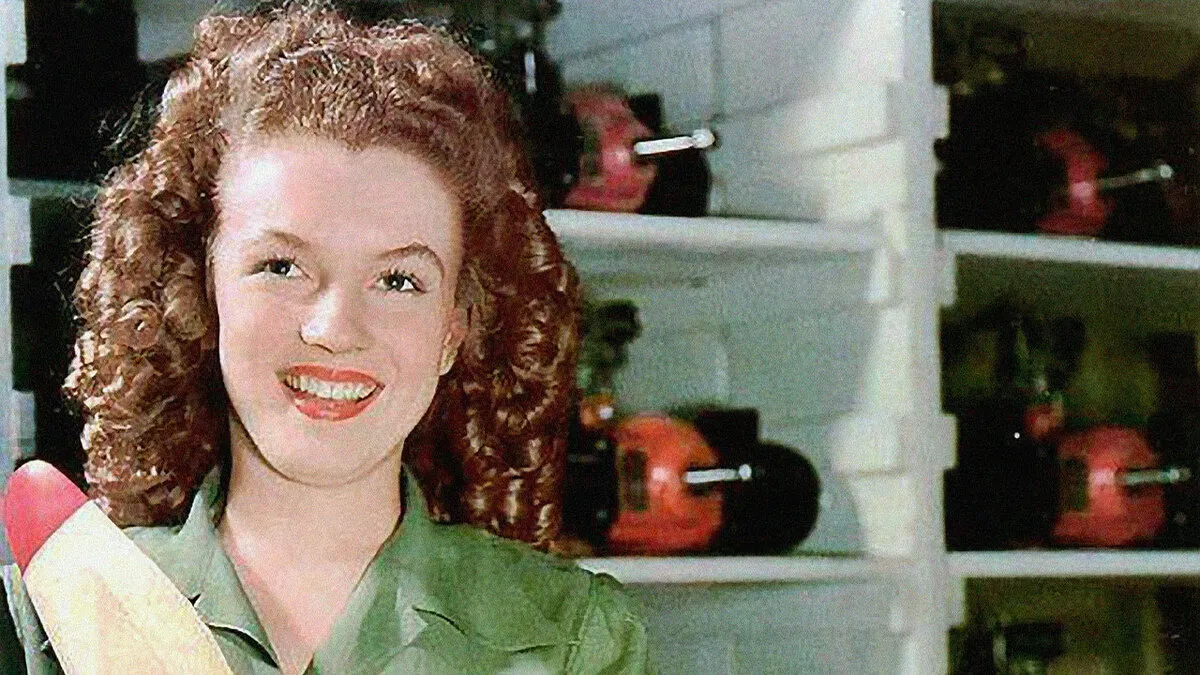
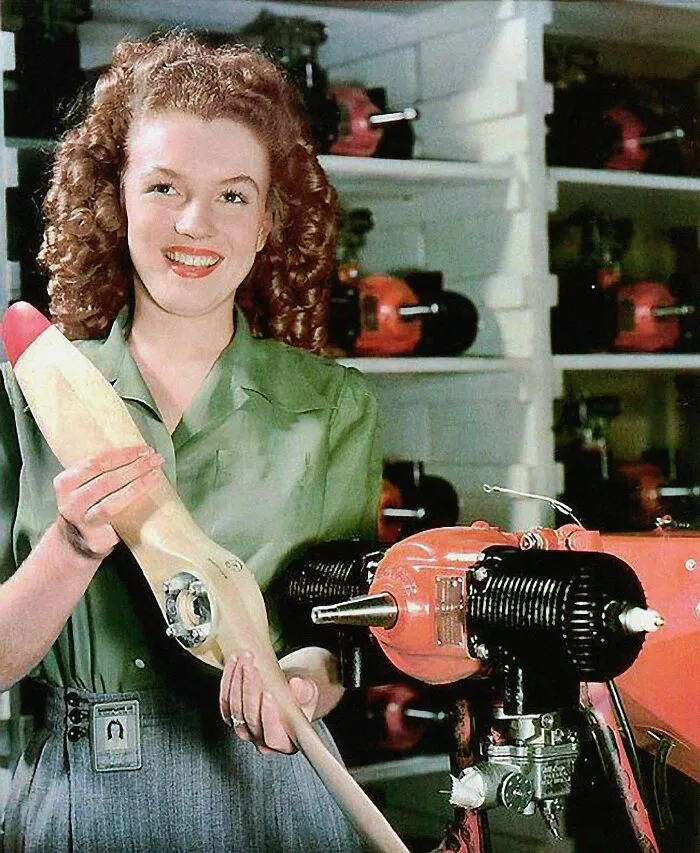
#31 Marilyn Monroe
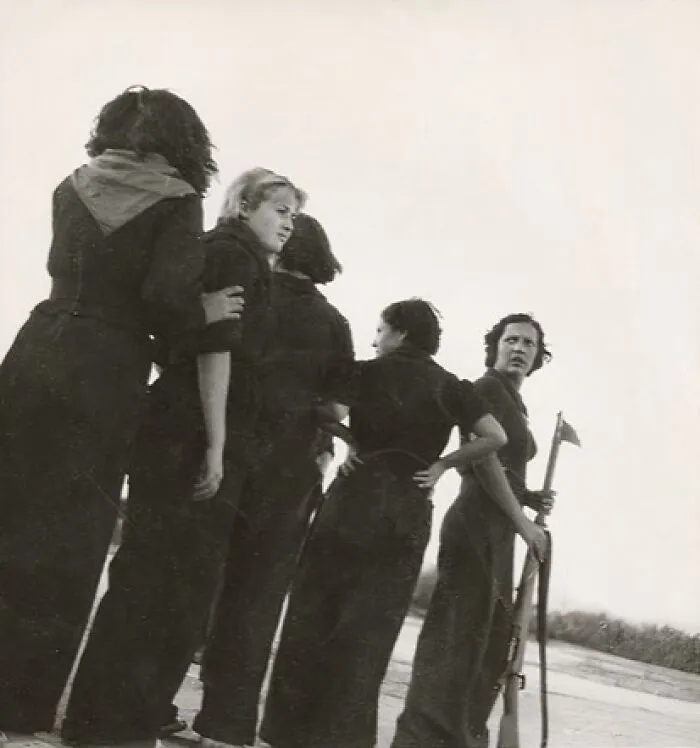
#32 Republican Militia Women
#33 Mary Wollstonecraft
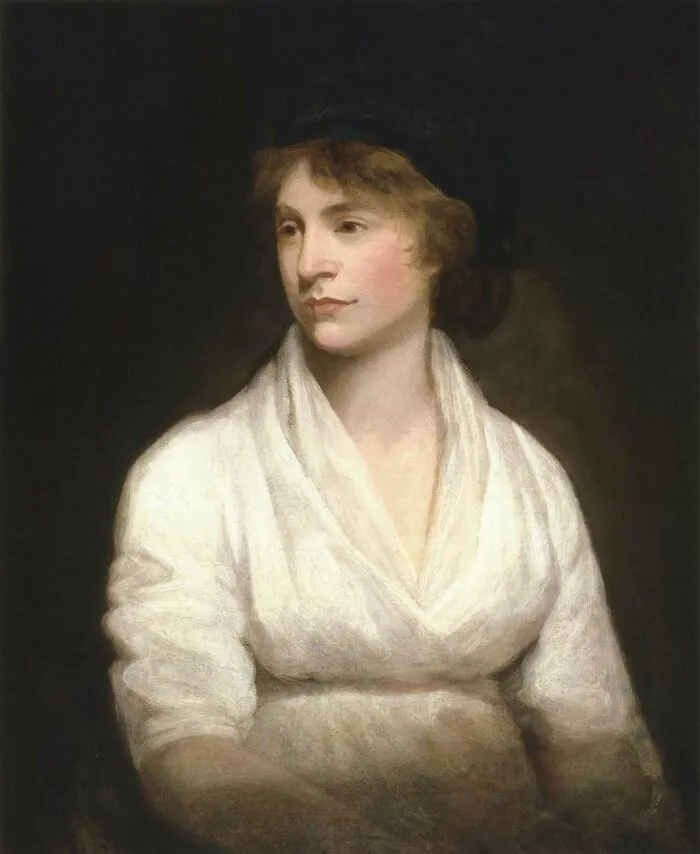
She is best known for writing ‘A Vindication of the Rights of Woman’ (1792), in which she argues that women are not naturally inferior to men, but appear so due to a lack of education. She suggests that men and women should both be treated as rational beings, and social order founded on reason.
After her passing, a memoir of her life was released that tarnished her reputation for nearly a century. Upon the turn of the twentieth century and the emergence of the modern feminist movement, her teachings and views became increasingly important.
Her daughter was Mary Shelley, the author of ‘Frankenstein’.
Mary Wollstonecraft passed away in 1797, at the age of 38.
#34 Indira Gandhi
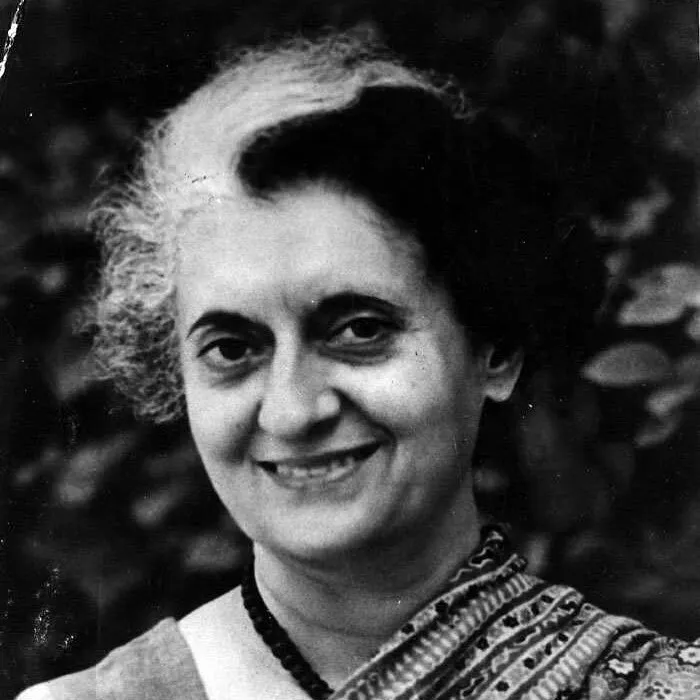
Her father Jawaharlal Nehru, first Prime Minister of India, had attempted to unify into one nation the fragmented cultural, ethnic and religious tribes that had existed together as British India.
When Indira gained power in 1966, she was confronted with the same problems, and struggled to sanction dissidents without taking an authoritarian approach. Despite this, she established many social reform programs and led India to a stunning victory over Pakistan in the Bangladesh War, so she received widespread support by most of the population.
After being thrown out of office in 1977, Indira took office for the second time in 1980, until her assassination in 1984. Indira's life was taken by her own Sikh bodyguards, which sparked four days of riots, leaving over 8,000 Indian Sikhs dead in revenge attacks.
Indira’s son, Rajiv, succeeded her as prime minister.
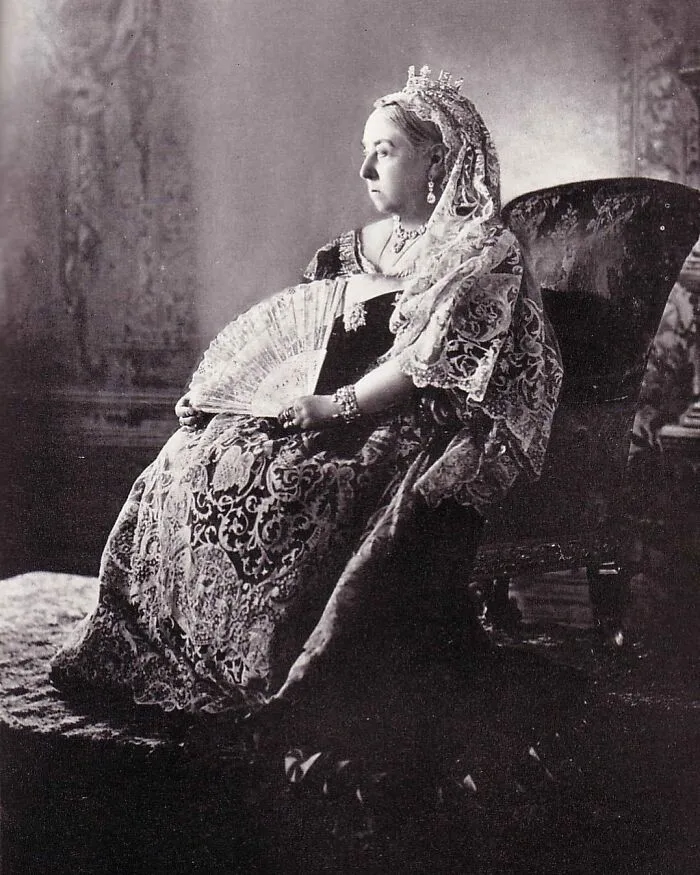
#35 Queen Victoria
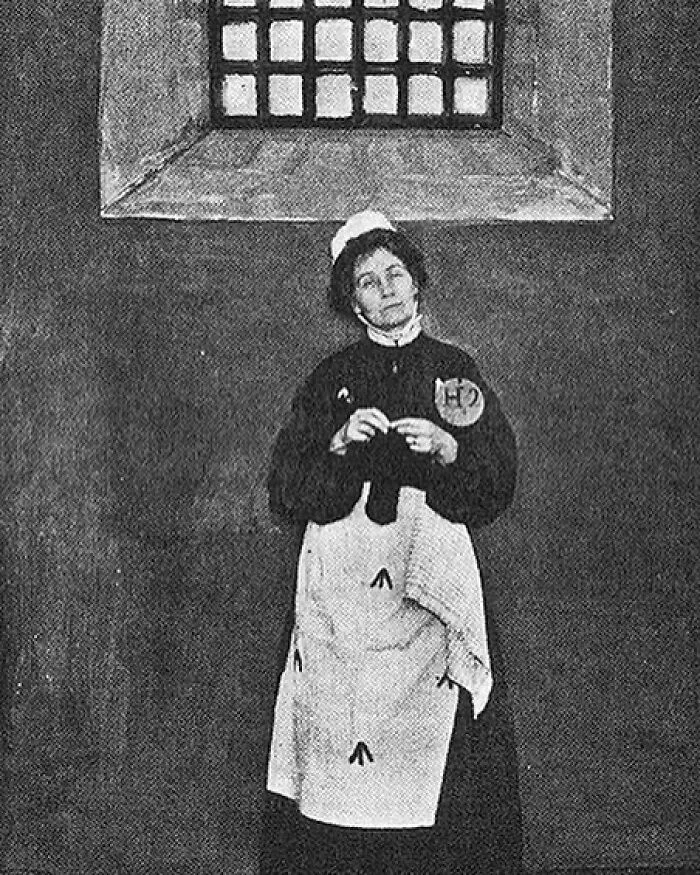
#36 Emmeline Pankhurst
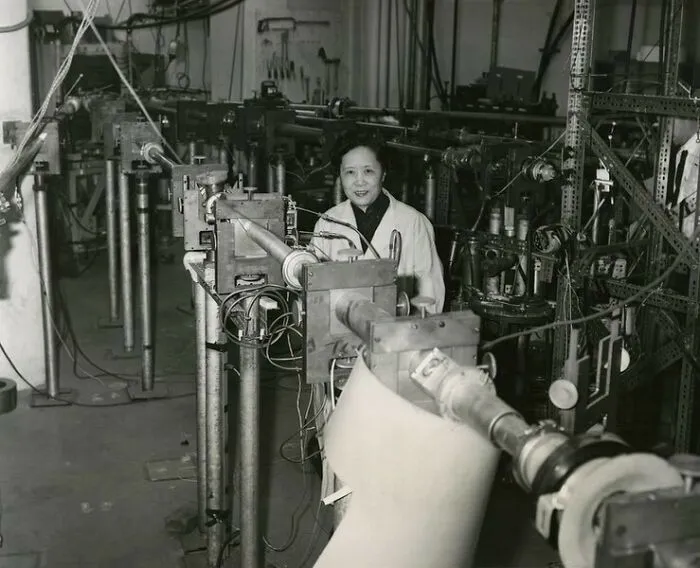
#37 Chien-Shiung Wu
#38 Female Munition Workers

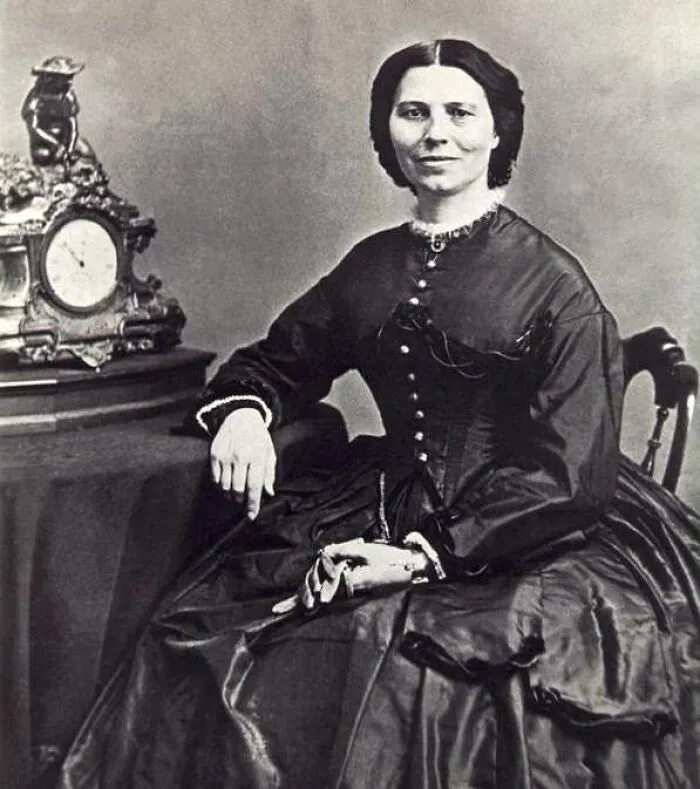
#39 Clara Barton
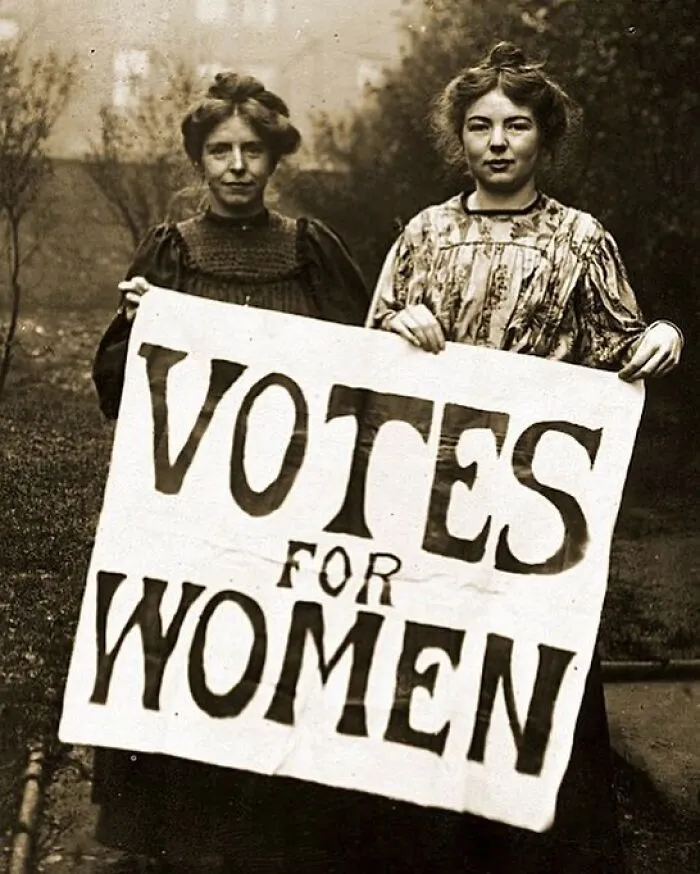
#40 Annie Kenney And Christabel Pankhurst