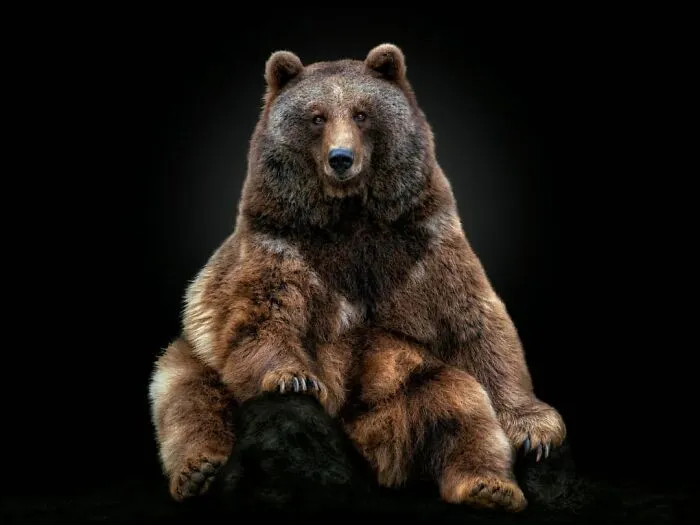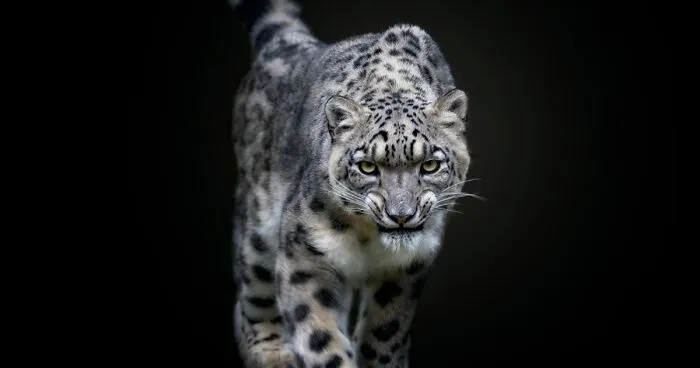


Most people say that they love animals and would not want to hurt them in any way, however, the statistics of the damage done to nature and its residents in the past years say otherwise.
This Peruvian photographer named Pedro Jarque Krebs, captivated by the diversity in the animal kingdom, got inspired to photograph species in a unique way. By photographing animals from a close range, he aims to raise awareness about the devastating loss of animal populations, which have declined by 60% over the past 50 years. Through his photographs, Krebs sought to break down the barriers between humans and other species by capturing intimate moments, giving dignity to the animals, and reminding us that we are not the central focus of the universe, but rather a small part of the intricate ecosystem that we must strive to protect.
We invite you to get closer to these wild animals by looking through Pedro's photos of them. And for more of this photographer's pictures on Bored Panda, see part 1.
More info: Instagram | pedrojarque.com
#41 Leopard
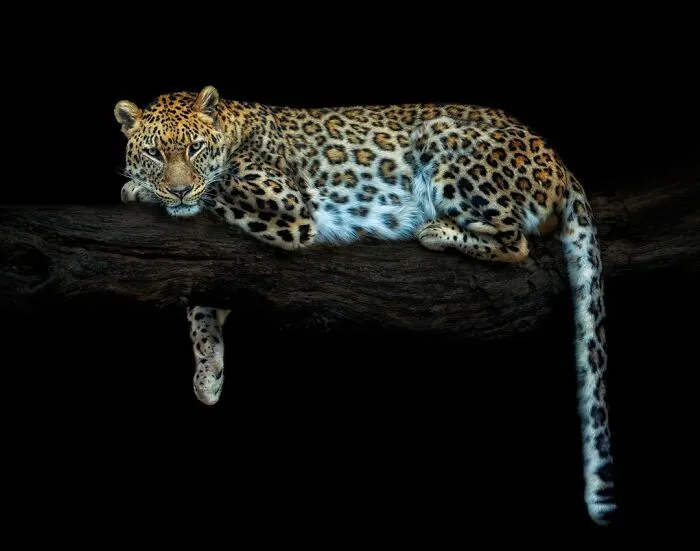
Today May 22 is the day of biodiversity. To celebrate it I share this photo of a magnificent leopard. This feline is considered one of the "big five". Solitary and territorial, it hunts at night and sleeps during the day. Its hearing is 5 times more powerful than human hearing.
Report
34points
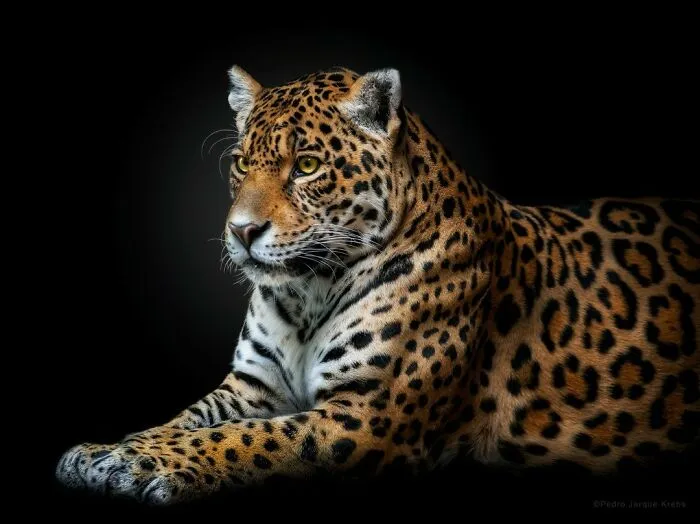
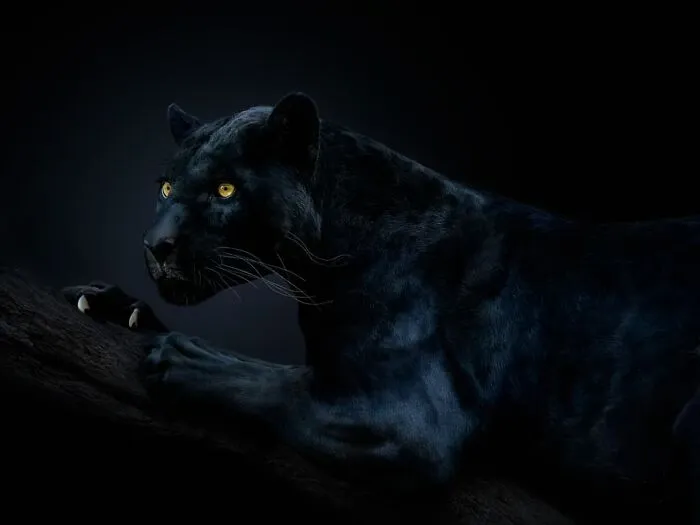
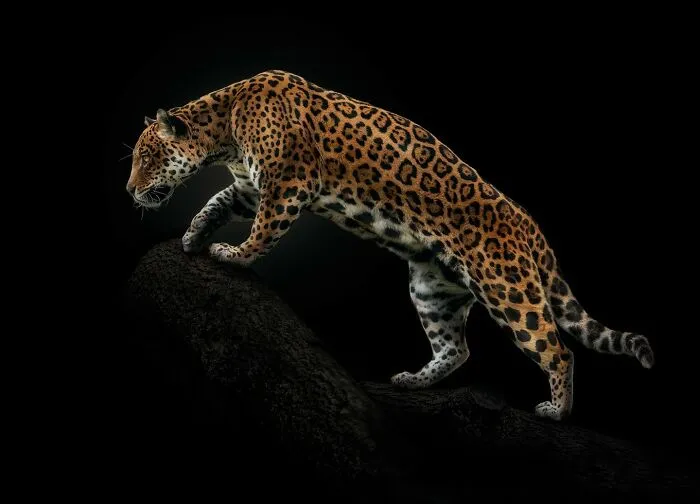
#42 Jaguar
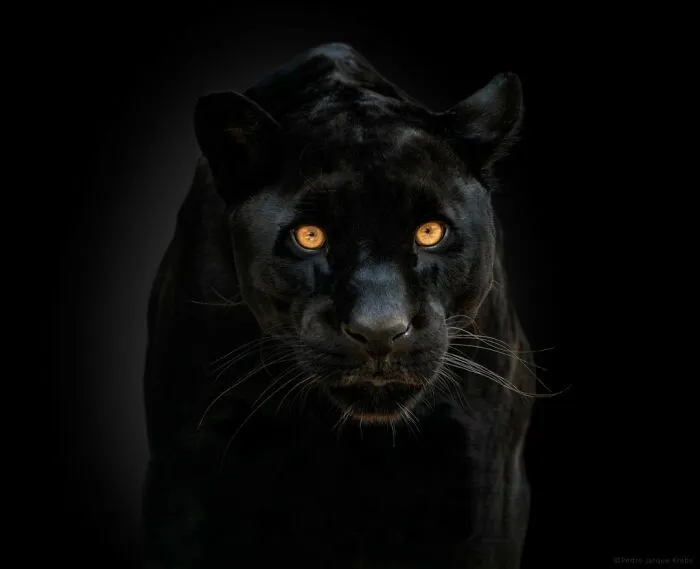
Black panthers are jaguars (or leopards) with melanism, the opposite of albinism, i.e. an excess of black pigment. In this case, it is a jaguar (Panthera onca). In Peru, it is known as otorongo, a word of Quechua origin that means jaguar. It is the largest feline in the Americas.
Report
34points
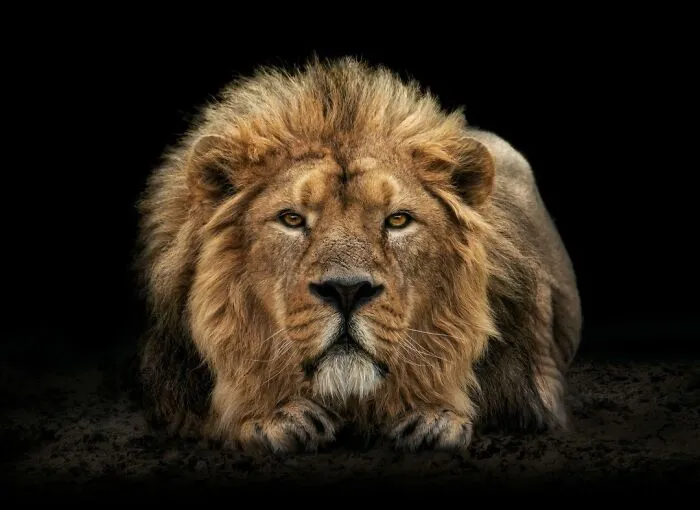
#43 White Lioness
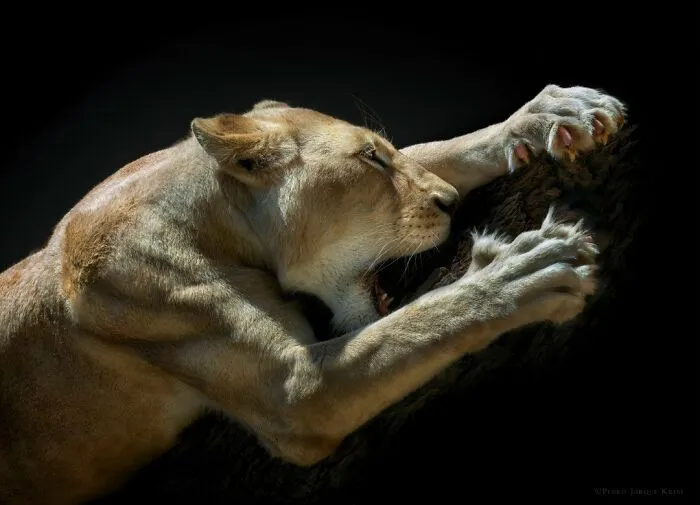
There are 300 white lions in the world and they owe their color to a rare genetic mutation. Female lionesses can weigh 180 kg and measure up to 2.5 meters standing on their hindlegs. They are extremely powerful. Here we see a lioness sharpening her claws and training for the hunt.
Report
34points
#45 Toucan
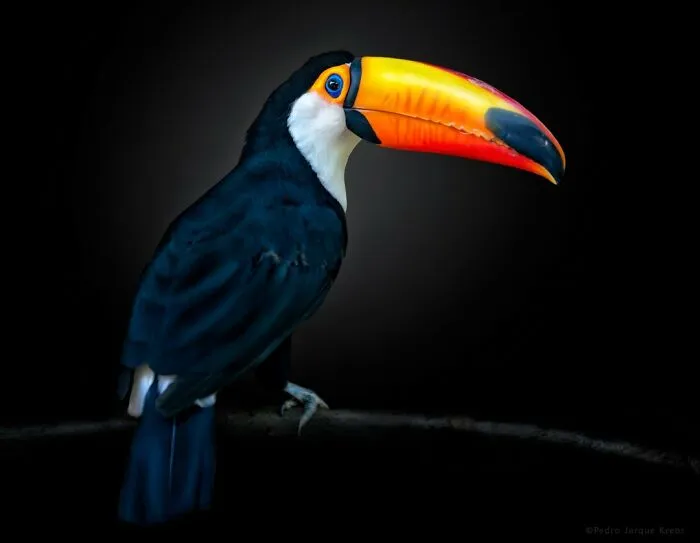
In the indigenous mythologies of South America, the toucan is considered a sacred animal that serves as a messenger, because it is said to master all animal languages. It is also a link between the material and spiritual worlds. Its totemic function is communication.
Report
33points
#47 Seahorse
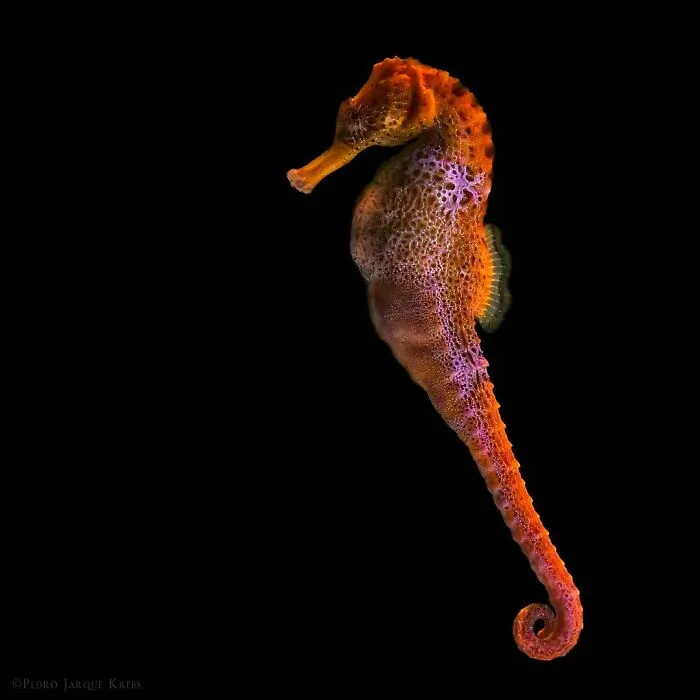
This wonderful animal has amazing characteristics. They have the ability to change color to protect themselves from predators since they are not very good swimmers. The males are the ones who carry the pregnancy and can have up to 2000 offspring in each litter. And in spite of this great prolificacy, it is in danger of extinction. The man, of course, is its main predator.
Report
33points
#48 Spanish Fighting Bull
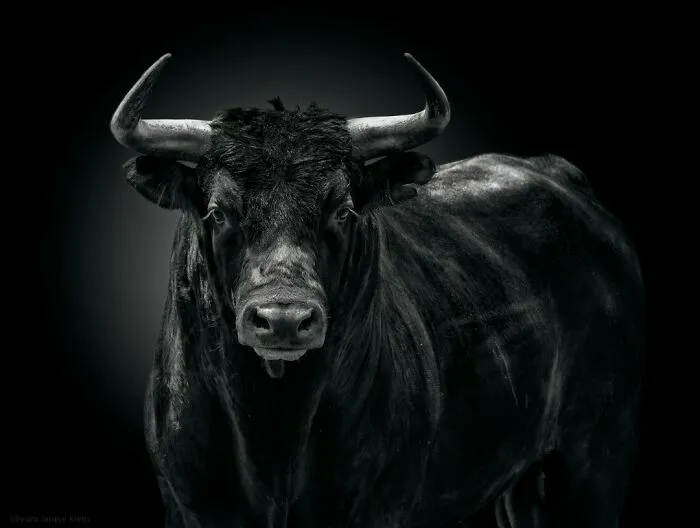
Fighting bulls are a breed of cattle specially bred for bullfighting. Today there is a great ethical debate about the prevalence of this ancient tradition that is considered to be decadent as we move forward in recognizing a consciousness in animals. According to the Cambridge Declaration on Consciousness, (2012), most animals, including birds, possess near human-like levels of consciousness. Although they lack a neocortex, their neural networks allow them to manifest conscious behaviors, such as pain, pleasure, and fear, and even to recognize themselves in a mirror and to dream.
Report
32points
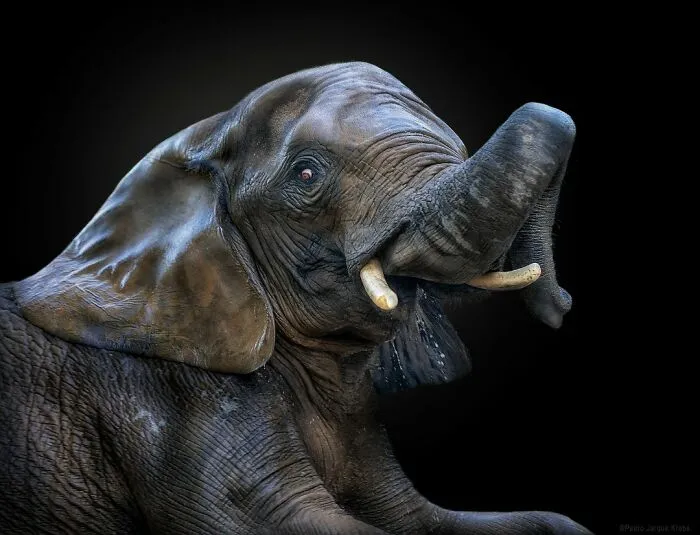
#51 Wolfs
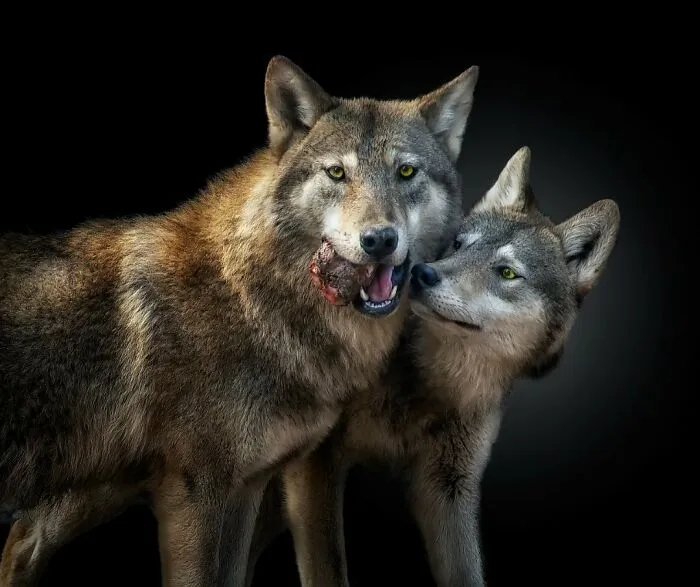
A young wolf waits impatiently for an adult in his pack to leave him a small piece of his prey.
Report
31points
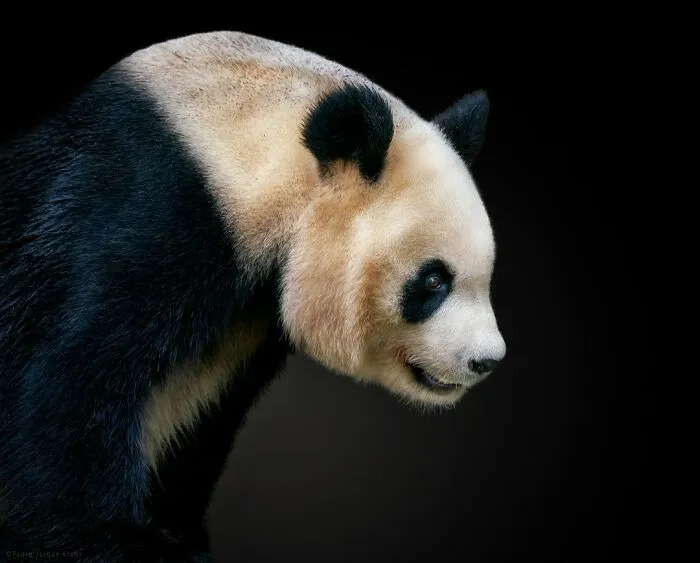
#54 Giant Panda
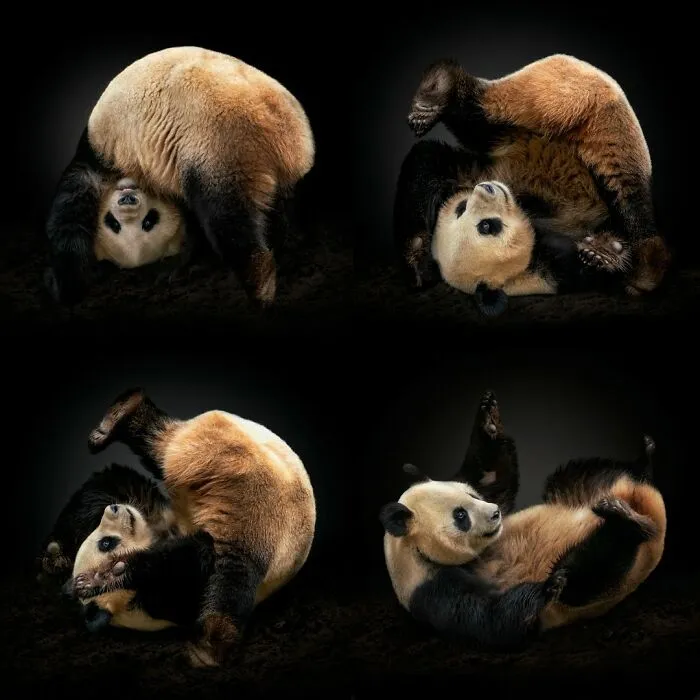
Tumbling is a common behavior in panda bears. They can mean several things, from a simple moment of fun to the announcement of the fertile period in females that only lasts 48 hours. In these photos, it was the female in heat. As part of an important international conservation program, the female was inseminated and it will not be possible to know if gestation occurred until the birth, which can take place between 3 and 6 months later. The survival of this species depends on the success of these conservation programs.
Report
29points
#56 Scarlet Ibis
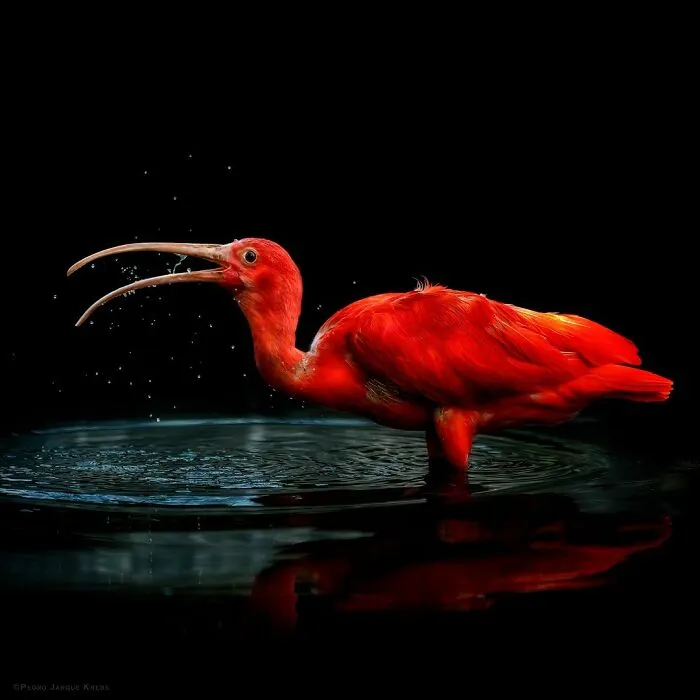
This beautiful bird is native to South America. Like the flamingos, the bright red color of the scarlet ibis comes from the pigments in the crustaceans it feeds on.
Report
28points
#57 Bornean Orangutan
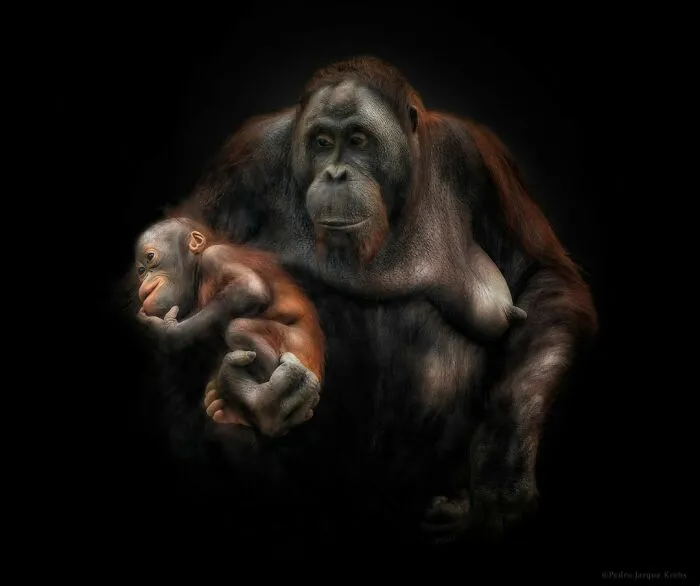
Orangutans have a gestation period of 9 months, like humans. Females have only one offspring and take care of them without the collaboration of the male. For the first 7 years, the baby will not be separated from its mother.
Report
28points
#58 Indian Rhinoceros
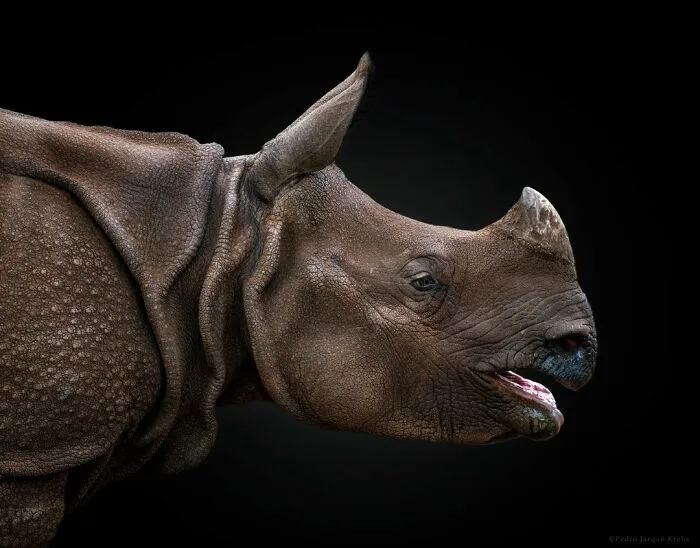
Asian rhinos are distinguished from African rhinos mainly because they have only one horn instead of two, and because of their armor-like skin. Having been hunted by poachers for decades, their population has been seriously threatened. Currently, there are protection programs that have been relatively successful.
Report
28points
#59 Scimitar Oryx
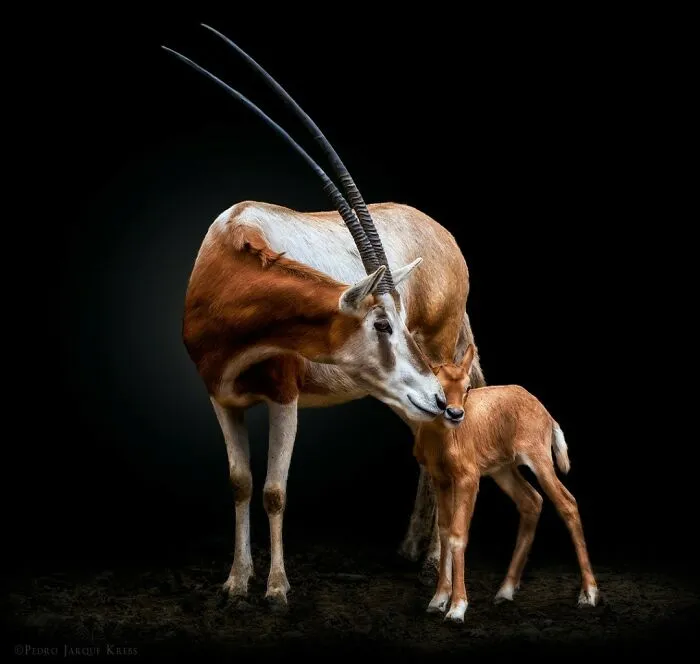
You are looking at an extinct animal. The scimitar oryx was declared extinct in the wild in the year 2000 due to excessive hunting. Now there are only about 2500 specimens left in captivity. Unfortunately, it is the fate of many iconic species, such as lions, elephants, rhinoceroses, giraffes, and a long, etc. We would all like to see them in the wild, but today their only chance of survival is in captivity. That's how sad our world is, and it's not getting any better.
Report
28points