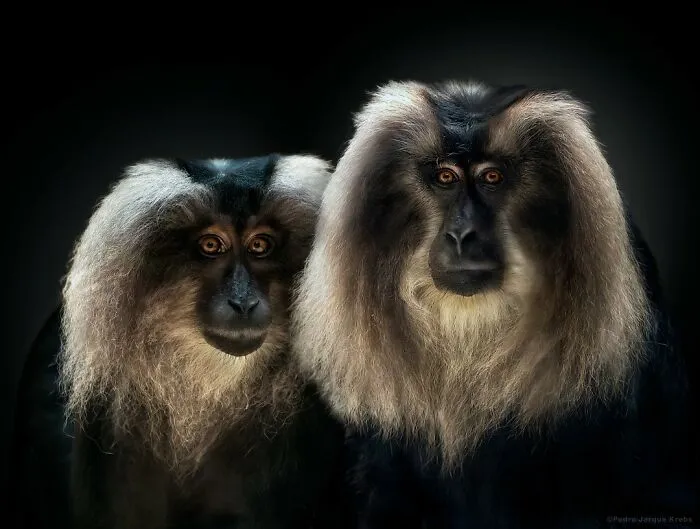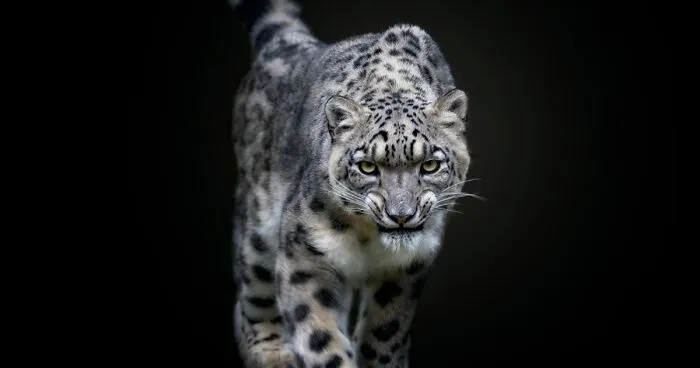


Most people say that they love animals and would not want to hurt them in any way, however, the statistics of the damage done to nature and its residents in the past years say otherwise.
This Peruvian photographer named Pedro Jarque Krebs, captivated by the diversity in the animal kingdom, got inspired to photograph species in a unique way. By photographing animals from a close range, he aims to raise awareness about the devastating loss of animal populations, which have declined by 60% over the past 50 years. Through his photographs, Krebs sought to break down the barriers between humans and other species by capturing intimate moments, giving dignity to the animals, and reminding us that we are not the central focus of the universe, but rather a small part of the intricate ecosystem that we must strive to protect.
We invite you to get closer to these wild animals by looking through Pedro's photos of them. And for more of this photographer's pictures on Bored Panda, see part 1.
More info: Instagram | pedrojarque.com
#61 Giraffe
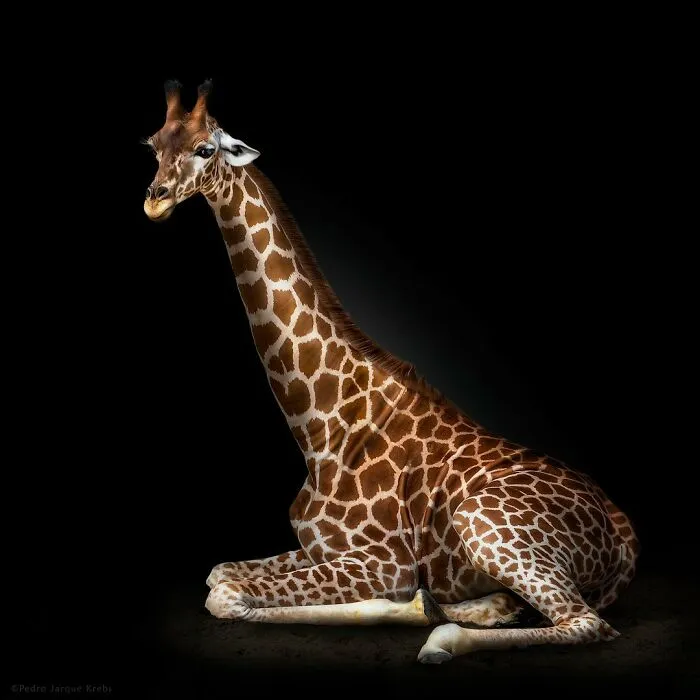
Baby giraffes weigh between 60 and 80 kg at birth and measure almost 2 meters. As soon as they are born, they are ready to walk and face a world full of dangers. Within a few hours, they can even run. The gestation period goes from 400 to 460 days and the mother's care extends a little more than a year. Giraffes can live 20 to 25 years in freedom. Giraffes hardly ever sleep. They only sleep between 10 minutes and 2 hours a day, and do so standing up.
Report
28points
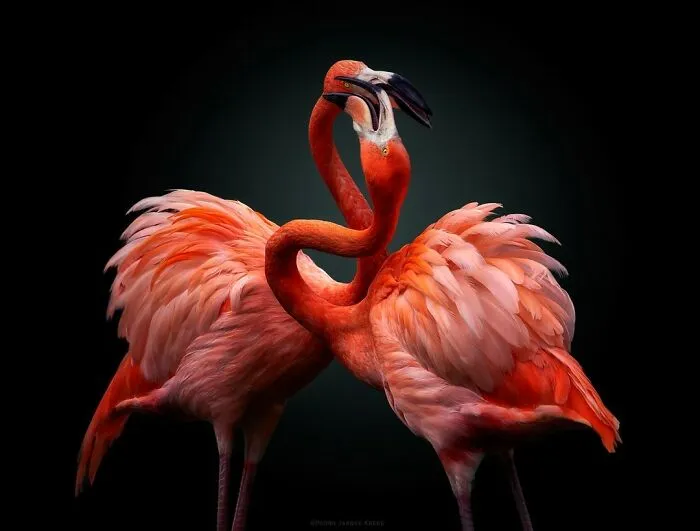
#65 Golden-Headed Lion Tamarin
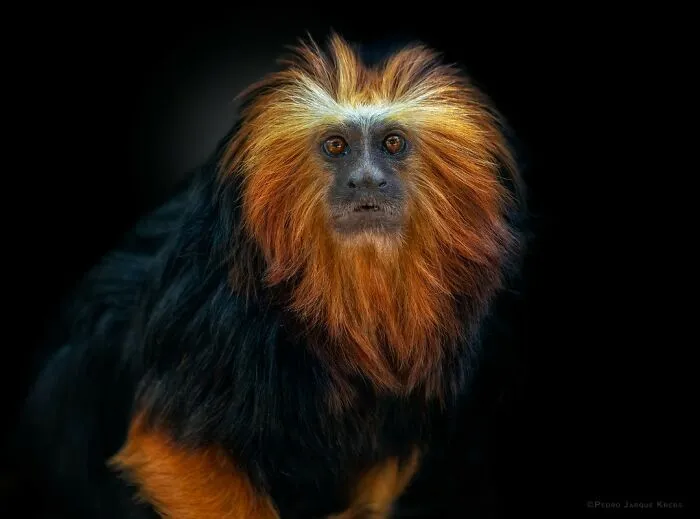
This monkey, endemic to a small region of the Bahia rainforest in Brazil, is threatened due to the destruction of its habitat. It is estimated that there are about 6,000 specimens left in the wild.
Report
27points
#68 Mantled Guereza Or Eastern Black-And-White Colobus
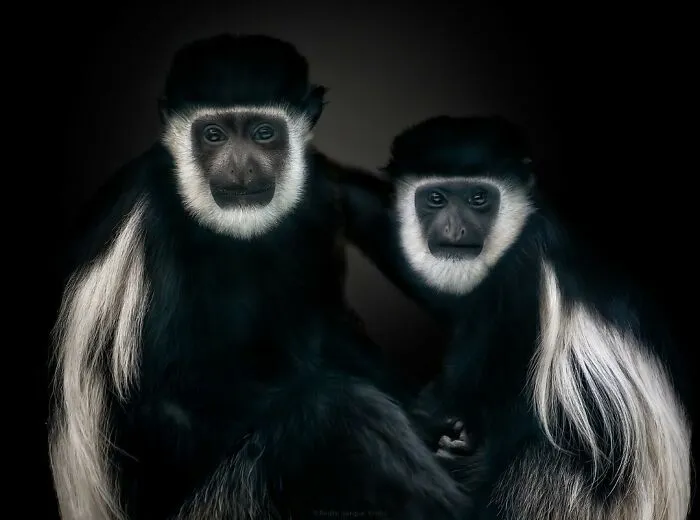
Jane Goodall discovered that chimpanzees also sporadically ate meat hunted by themselves, especially from colobus, sometimes using spears or tools to hunt them. But they are not easy prey. They carry out most of their activities in the treetops and rarely come down from them. They have an impressive black and white coat that characterizes them, and they lack thumbs, a natural adaptation to their tree life.
Report
24points
#72 Gorilla
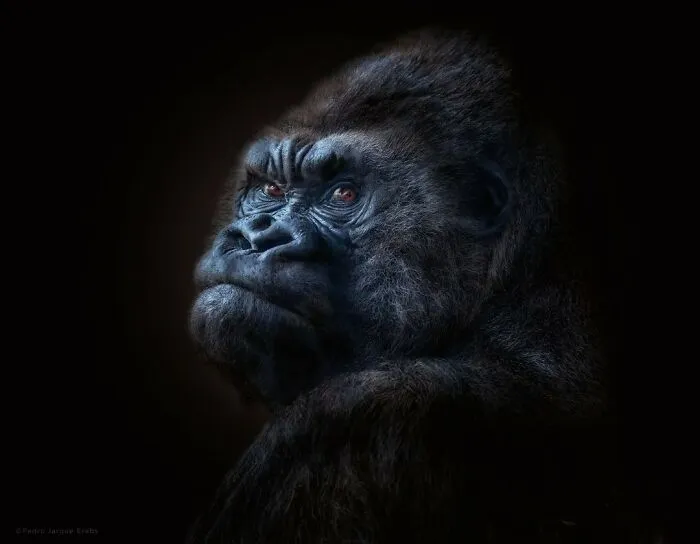
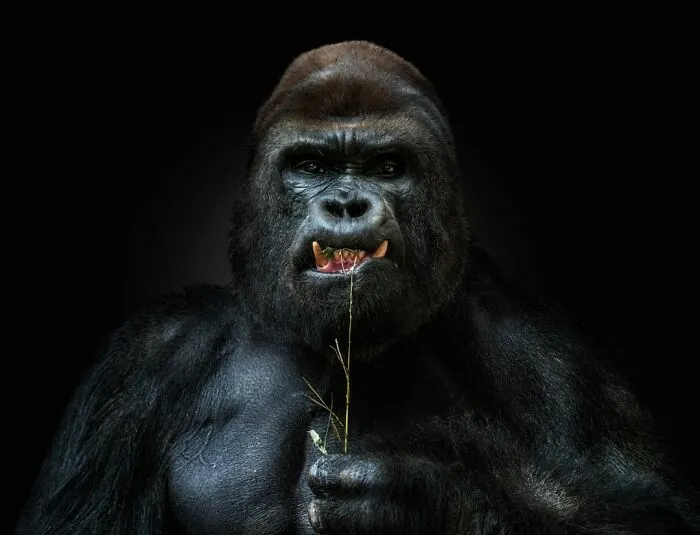
Gorillas, chimpanzees, and orangutans are the genetically closest animals to humans. But there is a paradox. Chimpanzees share 99 percent of our DNA, meaning that there is less than a one percent difference between us, but gorillas and humans share part of that one percent that differentiates us from chimpanzees. Scientists are therefore curious to find what exactly it is that makes us Homo sapiens. Is the thing that gives us a reason and abstract thought really so genetically insignificant? The extinction of the gorilla may mean we will never know the secret.
Report
22points
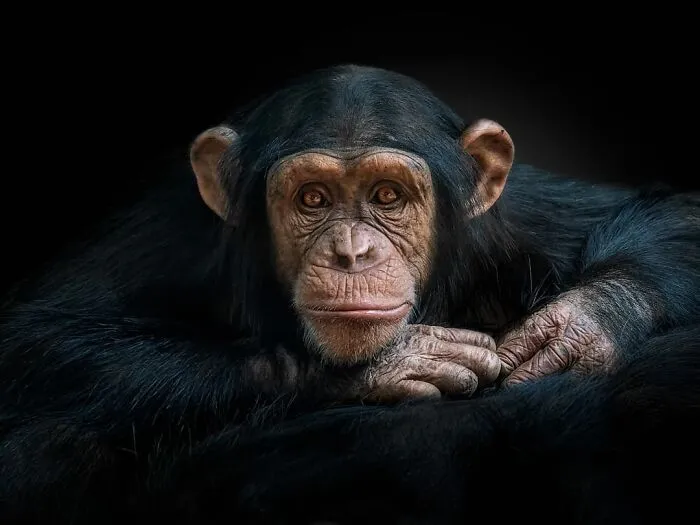
#74 Chimpanzees
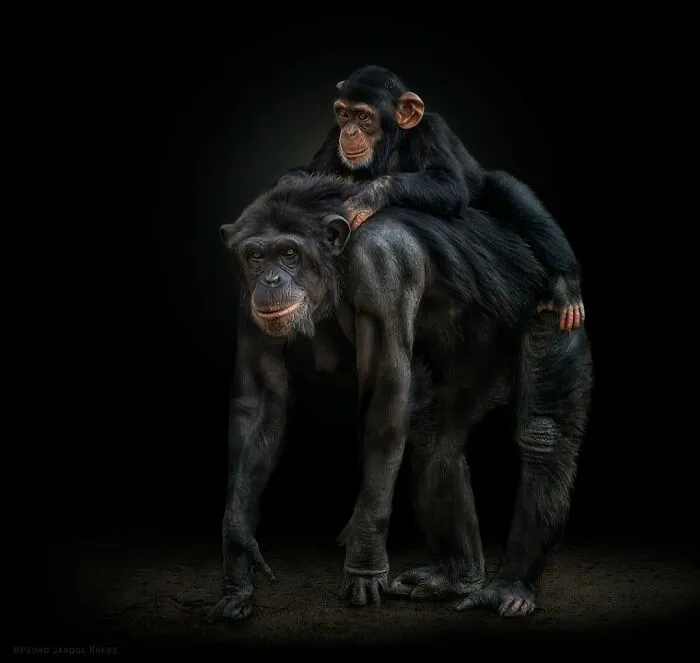
According to scientific studies, prolonged breeding would benefit intelligence. A chimpanzee's childhood lasts approximately 4 to 6 years, but they will stay close to their mothers until they are 9 years old. This allows them to acquire the necessary knowledge to achieve their later independence, although in many cases they will maintain the bond with their mother throughout their lives.
Report
19points