

Most people say that they love animals and would not want to hurt them in any way, however, the statistics of the damage done to nature and its residents in the past years say otherwise.
This Peruvian photographer named Pedro Jarque Krebs, captivated by the diversity in the animal kingdom, got inspired to photograph species in a unique way. By photographing animals from a close range, he aims to raise awareness about the devastating loss of animal populations, which have declined by 60% over the past 50 years. Through his photographs, Krebs sought to break down the barriers between humans and other species by capturing intimate moments, giving dignity to the animals, and reminding us that we are not the central focus of the universe, but rather a small part of the intricate ecosystem that we must strive to protect.
We invite you to get closer to these wild animals by looking through Pedro's photos of them. And for more of this photographer's pictures on Bored Panda, see part 1.
More info: Instagram | pedrojarque.com
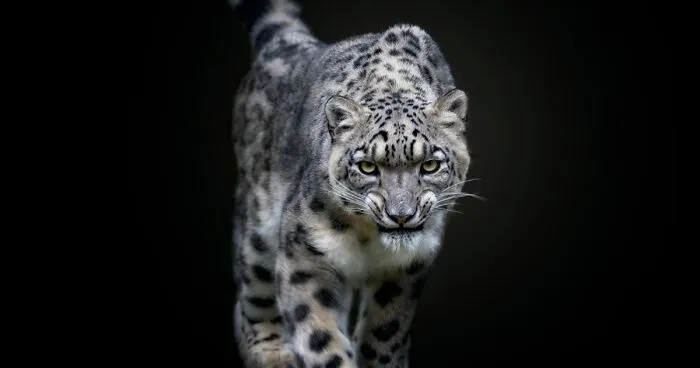
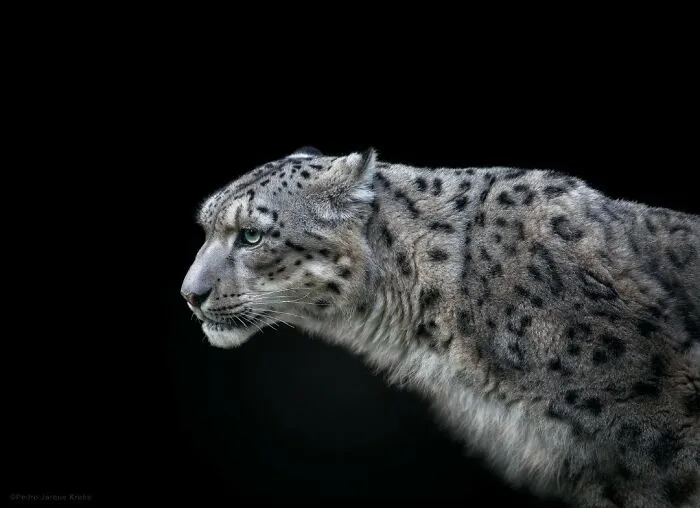
#22 Snow Leopard
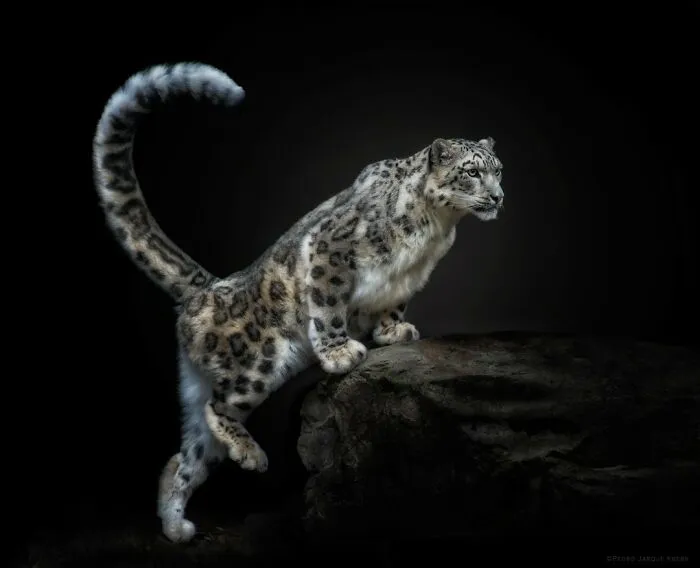
Snow leopards have a long, fluffy tail measuring about 1 meter that serves a dual function, balancing their movements in the mountains and as a protection from the cold. In the 1990s it was on the verge of extinction, but conservation programs have managed to recover part of this feline whose current population is around 5,000 specimens in the wild.
Report
47points
#23 White Lion
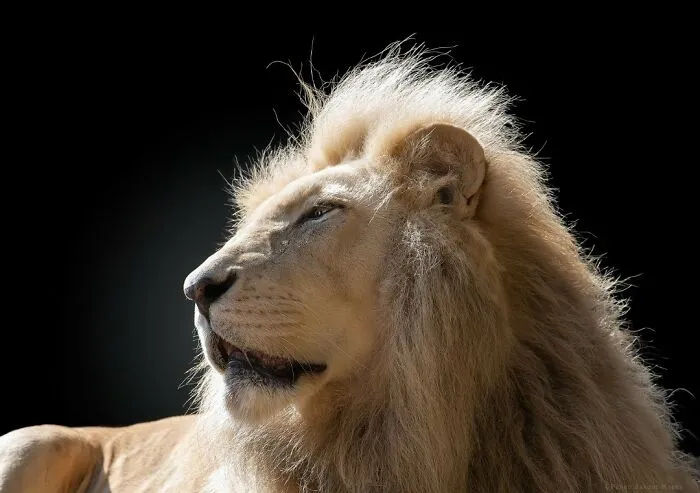
This unique variation in the color of the lion is due to a rare genetic mutation. There are an estimated 300 white lions worldwide, and less than 13 in the wild, as their color does not help them camouflage for hunting. It is a symbol of divinity and good luck in Timbavati, South Africa, where they originate, and seeing them in the wild is very unusual.
Report
47points
#24 Baby Gorilla
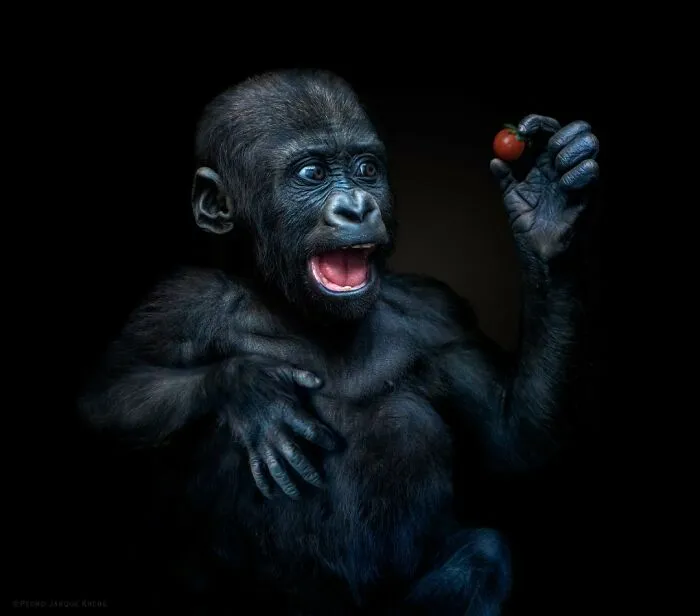
Gorillas are mainly herbivores, although they may occasionally eat some insects. Their diet consists mainly of plant leaves, roots, fruits, berries, and fungi. They have to ingest large quantities to satisfy their energy needs, so they spend most of the day eating.
Report
47points
#26 Grey Crowned Cranes
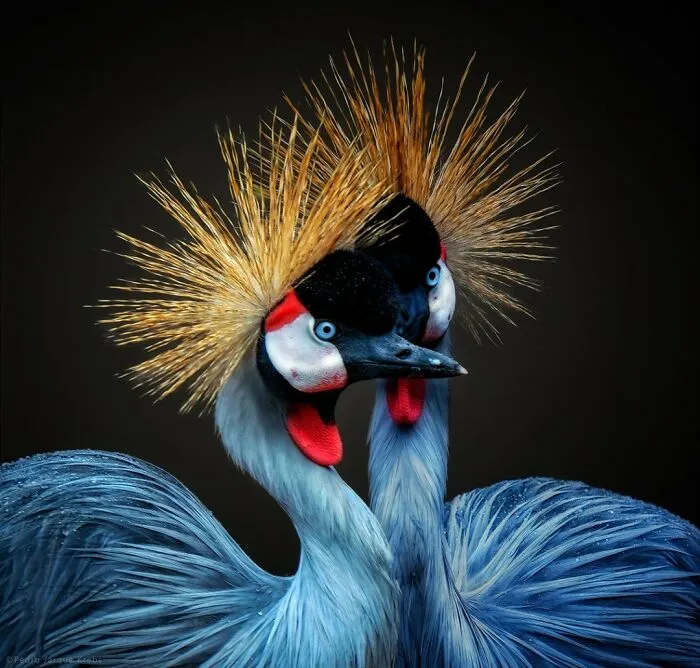
The Grey Crowned Crane is considered a symbol of longevity and wealth in Rwanda. Coveted by wealthy people who want it as a pet, this species is a victim of its beauty. In the last 45 years, its population has fallen by 80%. According to greek mythology, the flight of a crane inspired the god Hermes to invent the Greek alphabet. And in Taoism, this bird represents longevity and immortality.
Report
44points
#27 A Battle Between Flamingos
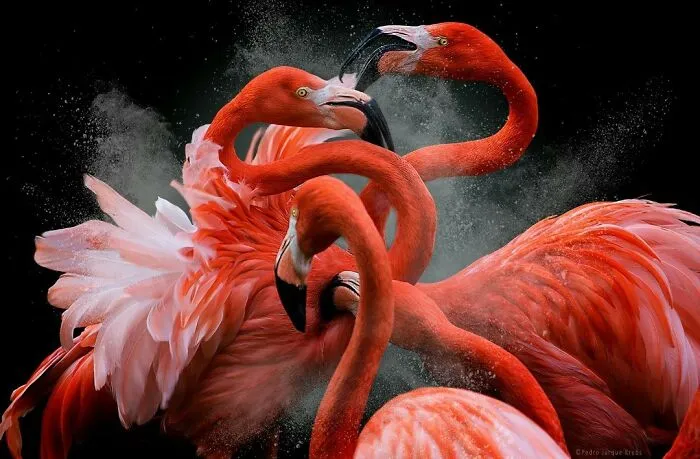
The rivalry for the females' attention causes the males to unleash all their weapons. This photo was awarded the title of Best Photographer of the year in 2018.
Report
43points
#28 Brown Bear
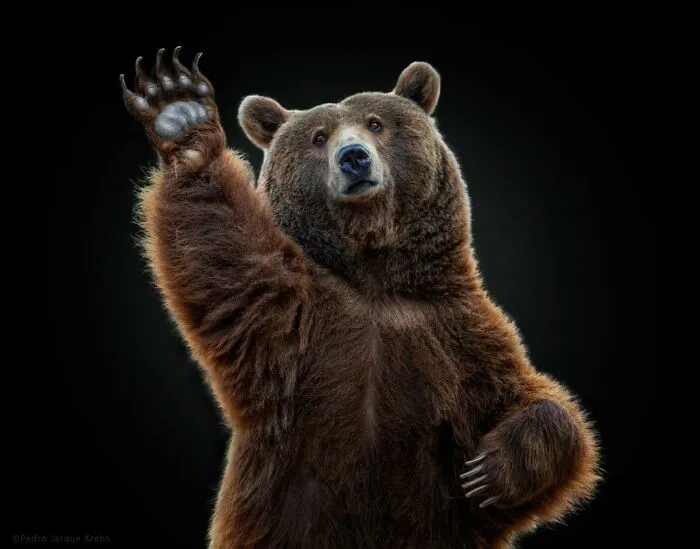
More than 1 million living species could be extinct in a few decades, according to the latest UN report. This is an unprecedented decline. This loss is a direct consequence of human activity. If we do not react urgently, the accelerated loss of biodiversity will become a threat to our own survival.
Report
43points
#29 Flamingo Checking Its Egg During Incubation
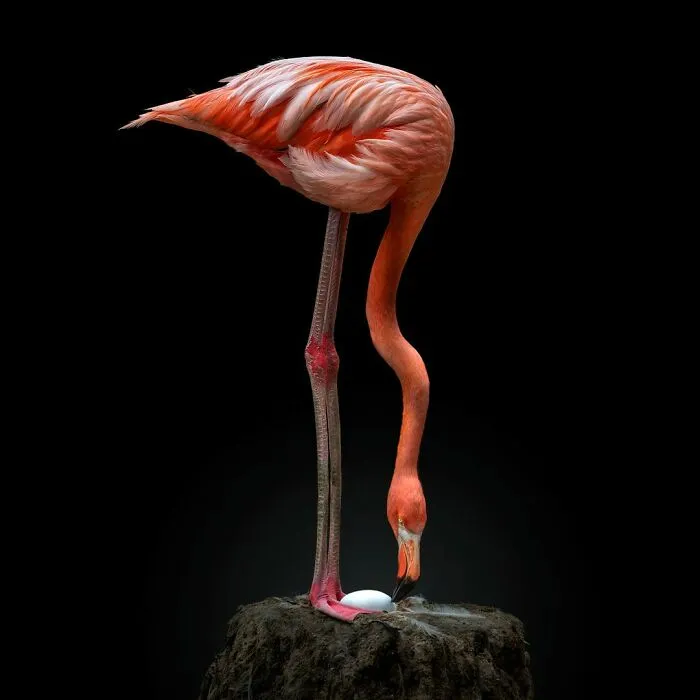
Flamingos are monogamous. Between May and August the female lays an egg in a volcano-like nest she has built in the mud, and both parents take turns incubating it. Once hatched, both parents will care for the chick until it reaches maturity, which can take up to six years.
Report
40points
#30 Bornean Orangutan
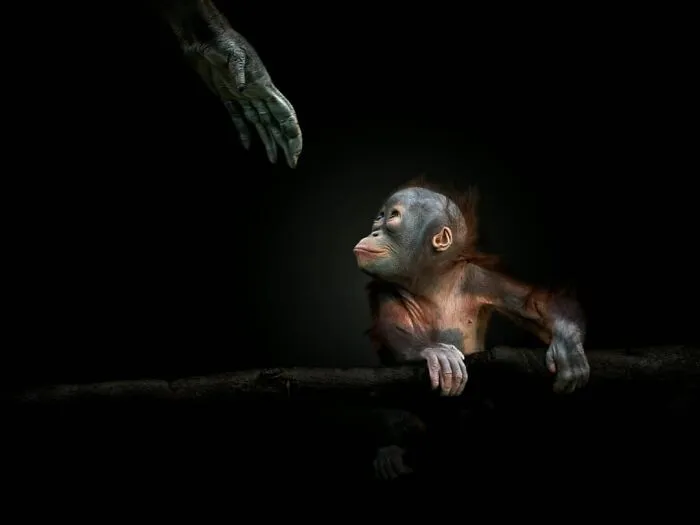
In orangutans, motherhood is not an instinctive behavior, but a learned one, so socialization is fundamental from an early age, in order to be able to apply what they have learned in the future. That is why it is very important that the orangutans spend as much time as possible with their family, which can last until they are 8 years old when they reach sexual maturity.
Report
40points
#32 Chimpanzee
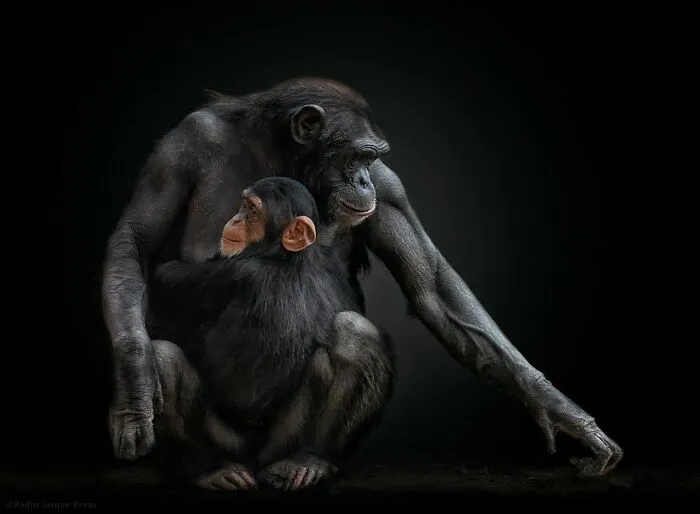
A recent study has found that we share around 99 percent of our DNA with chimpanzees, making them our nearest relatives. From a genetic perspective, this makes them almost identical to us. There are researchers who propose to have them included in the genus Homo, i.e., humans, a source of great controversy for the scientific community. It is estimated that around 200,000 remain in the world and are on the red list of endangered species.
Report
38points
#33 Zebras
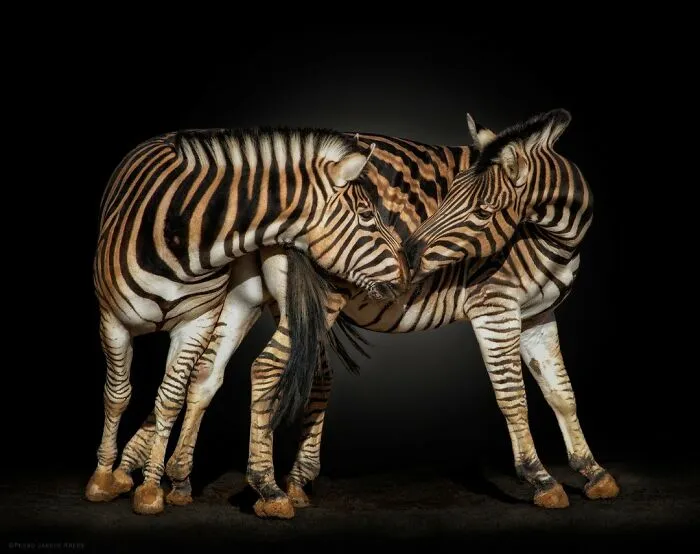
Are zebras white with black stripes, or black with white stripes? Studies have concluded that in their fetal stage, their pigmentation is totally black, which they later lose in the areas where the white stripes appear. In this case, they have acquired a beautiful orange dye after several days of rain in which the zebras have spent their time wallowing in the mud.
Report
38points
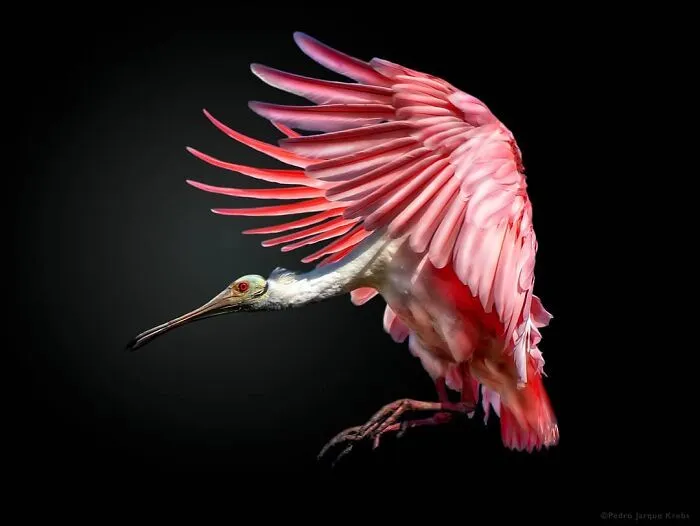
#35 Gorilla
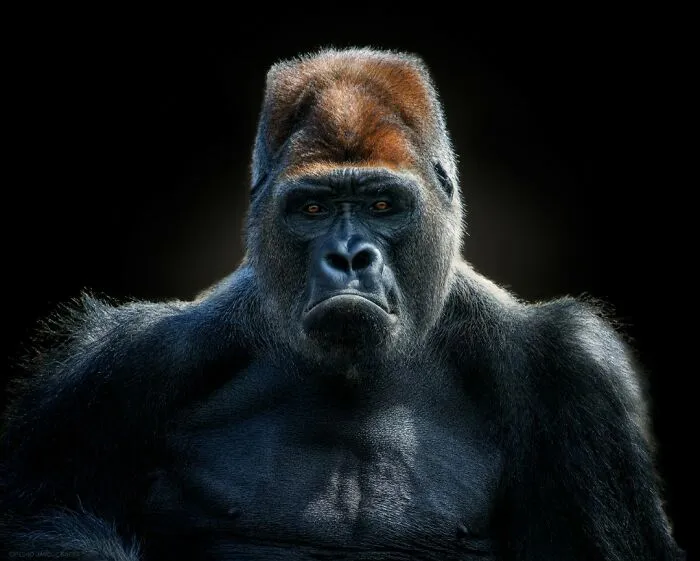
There are only 2 main species of gorillas, the western and the eastern ones. In this photo, it is a male western silverback gorilla. There are between 80 and 100 thousand left in the wild and they are on the red list of endangered species.
Report
36points
#36 De Brazza's Monkey
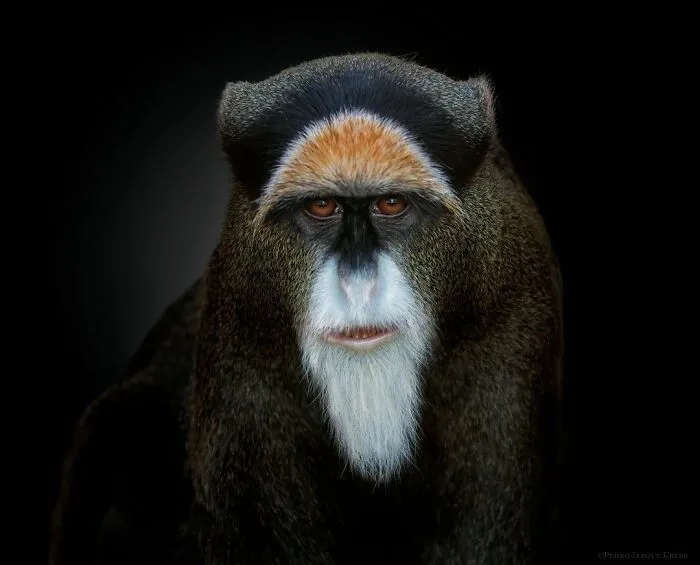
The white beard of these primates serves to give the appearance of a large menacing mouth to deter predators, although that penetrating gaze may be enough.
Report
36points
#37 Mandrill
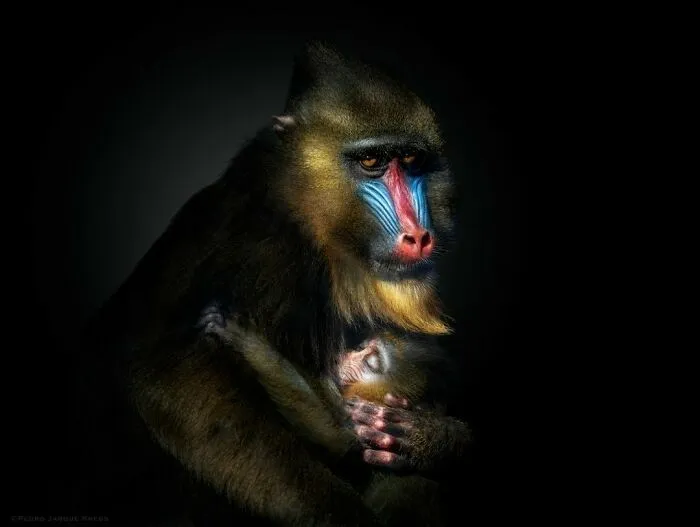
The madrill is one of the most colorful mammals. It is a social animal that lives in large groups composed of numerous females (up to 20) and their offspring, led by a dominant male. Their territory is limited to a small region of West Africa and it is an endangered species.
Report
35points
#38 Arctic Wolf
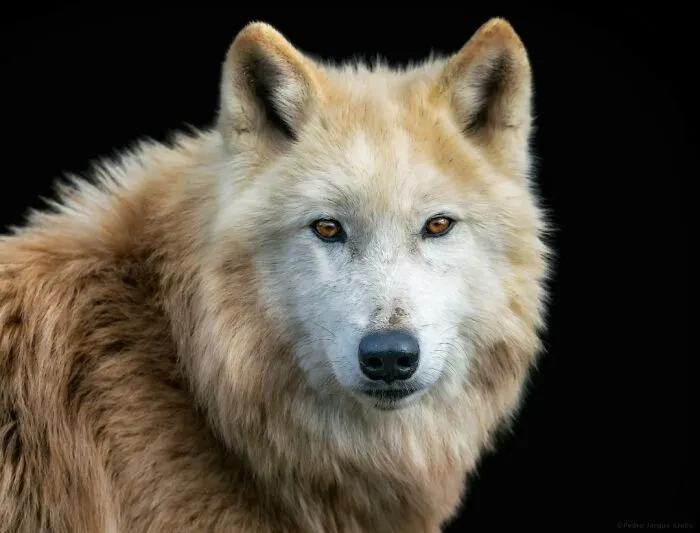
After several days of rain, the white coat of this arctic wolf has been dyed red. The Arctic wolf is one of the largest known wolf species. It lives in very remote and icy regions of Alaska and the north of North America and is characterized by its white fur. Despite inhabiting regions little frequented by humans, it is also endangered, particularly as the result of climate change and habitat loss.
Report
35points