

#1
#2
One lady gave me a Photo of myself she had taken of me on the porch the year before! She would take each kids picture and hang them on a bulletin board the next year. If you came you got your photo!
#3
Brits plan to spend about $940 million on Halloween this year, while Americans are taking the holiday to a new level with a staggering $13.5 billion budget, according to National Retail Federation estimates.
According to a recent survey, about 74% of Americans plan to participate in Halloween celebrations this year.
Kids’ costumes alone will account for $1.5 billion in sales this year — over 4.6 million kids plan to suit up as Spider-Man, with another 2.3 million opting for other superhero outfits.
Let’s explore how it became such a widely celebrated tradition in the United States.
#4
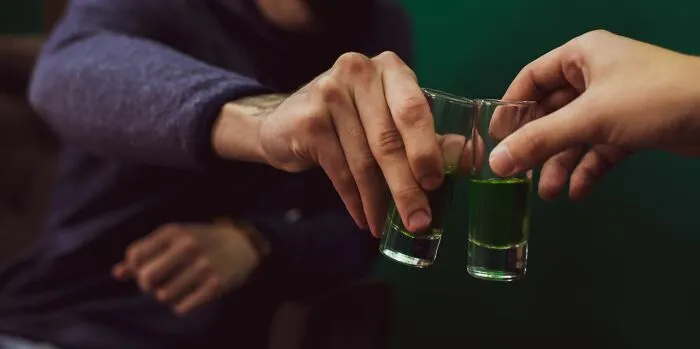
Financial business gave him candy and then asked me if i wanted an adult treat and had a basket full of nips, I grabbed a peppermint schnapps.
#5
#6
Halloween’s roots trace back more than two millennia to Samhain, an ancient Celtic festival that marked the New Year on November 1. People believed that the barrier between the living and the departed grew thin the night before, letting spirits, fairies, and demons roam the physical world freely.
To cope with these unseen visitors, early Europeans developed unique customs that laid the foundation for modern trick-or-treating.
“Our archives are full of stories that are as chilling as they are captivating. Masks were worn, fires were lit and stories of ghosts, fairies, and even the devil were shared to entertain, warn, or protect the household,” said Victoria Millar, curator at the Ulster Folk Museum.
#7
#9
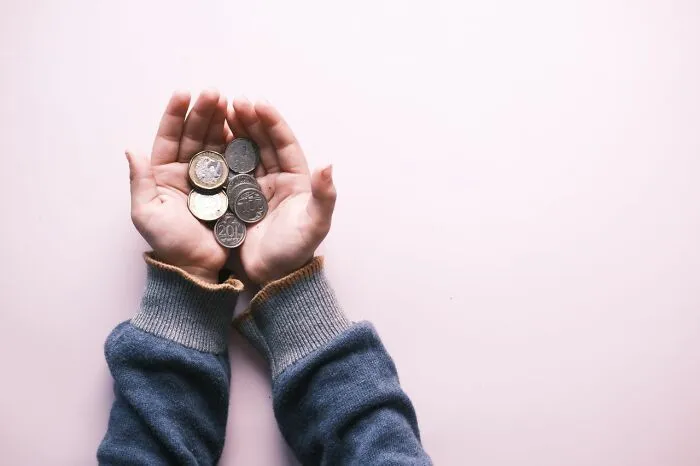
Research shows that in 16th-century England, the poor traveled from door to door on All Souls’ Day. They begged for food in exchange for prayers for deceased relatives — a practice known as “souling.” Instead of chocolate, these early beggars received “soul cakes,” small baked treats stamped with a cross.
At the same time, another precursor was taking shape across the Atlantic. During the 18th and 19th centuries, communities in the eastern US and Canada practiced “belsnickling” around Christmas. People in costumes went door to door, performing short acts or small tricks for food and drinks. Some even playfully scared young children before asking whether they had been well-behaved enough to deserve a reward.
#10
My own kid got “Scentsy” wax melts with a lady’s business card a few years in a row.
#11
#12
Also I've gotten raisins (but jokes on them I like raisins).
Halloween as we know it began taking shape in North America during the 19th-century Irish and Scottish immigration. Standard offerings to neighbors were grounded in nature rather than sugar, tracing back to the Roman harvest festival honoring Pomona, the goddess of fruit trees. People handed out fresh apples, nuts, and homemade baked goods, while kids also got homemade taffy at holiday parties.
Some people still follow this tradition today by handing out apples instead of candy.
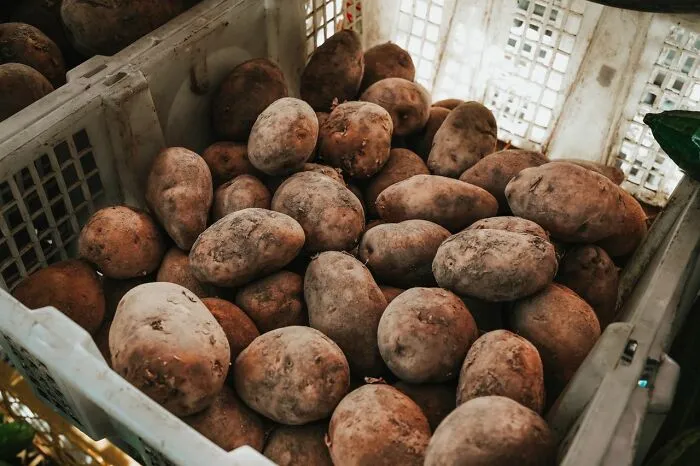
Around this time, Americans would also carve jack-o’-lanterns out of potatoes and turnips.
#13
#14
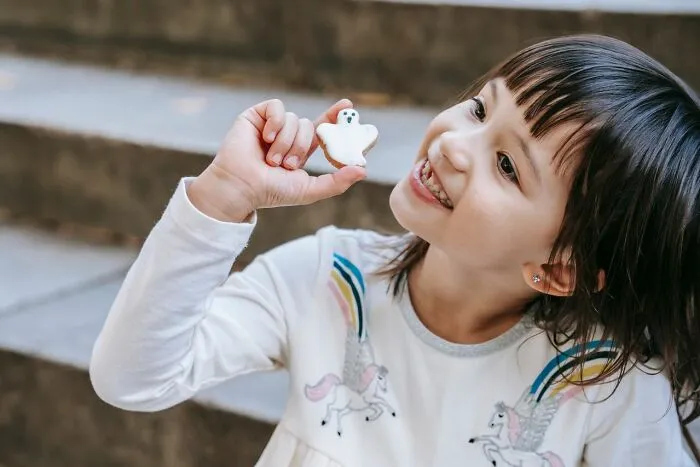
It was our first loose cookie on Halloween.
#15
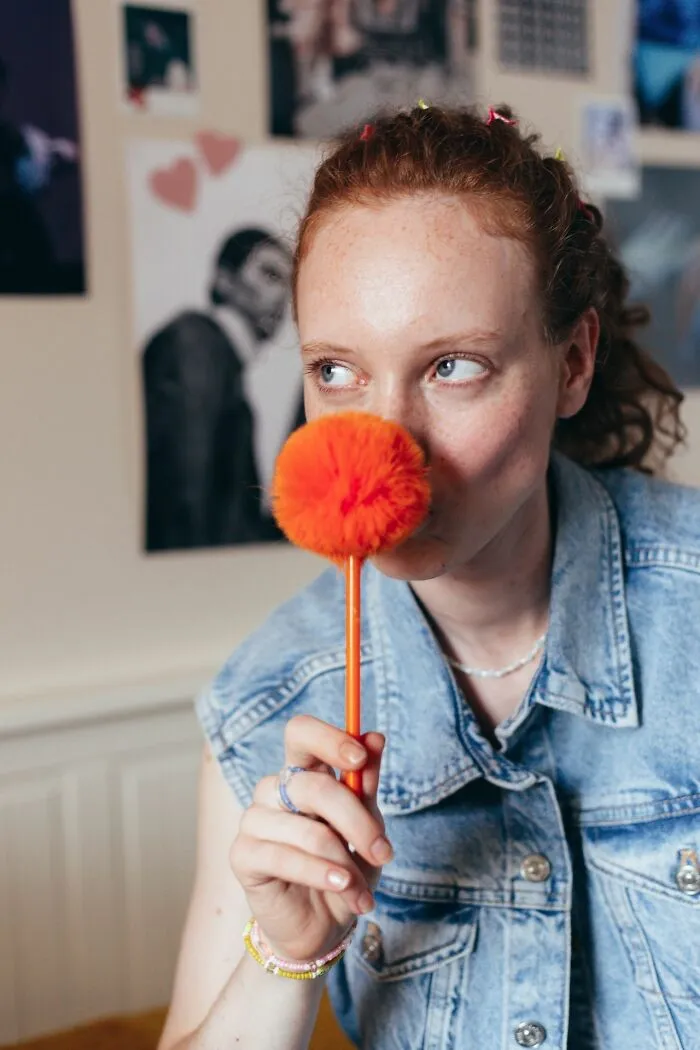
The post-war suburban boom in the US created tight-knit neighborhoods where children could safely walk from house to house. At the same time, candy companies realized that mass-produced, individually wrapped sweets were far more convenient and hygienic for homeowners than fresh fruit or baking goods.
Soon, Halloween became a cherished American tradition and a booming multi-billion-dollar industry.
“In America, Halloween found an open commercial slot. It sits in the retail calendar between back-to-school and Christmas, with no competing holiday. Candy makers, retailers and pop-up chains built an entire ecosystem around it,” says Koen Pauwels, professor of marketing at Northeastern University.
#16
#17

#18
Candy’s no surprise the undisputed king of Halloween. Nearly everyone celebrating — about 96% of shoppers in the US — plans to stock up on sugary treats. Estimates suggest Americans plan to spend about $4.1 billion on candy this season.
According to the National Retail Federation, overall Halloween spending is set to shatter records, crossing the $10 billion mark as families go all-out for the holiday.
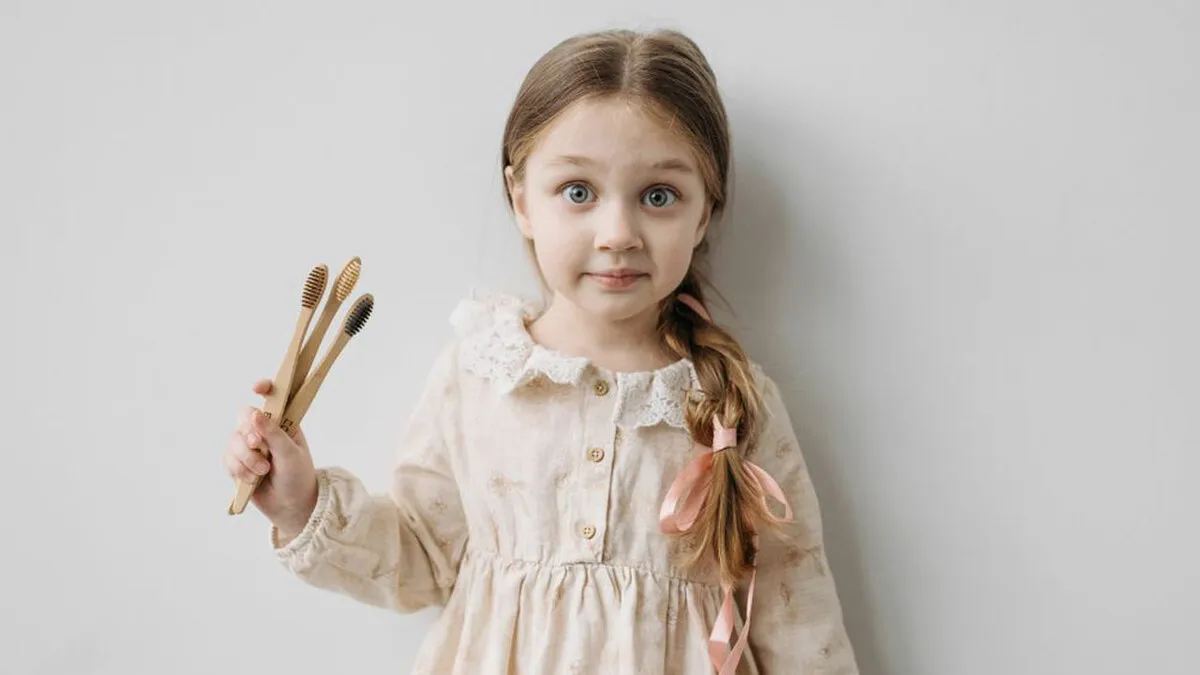
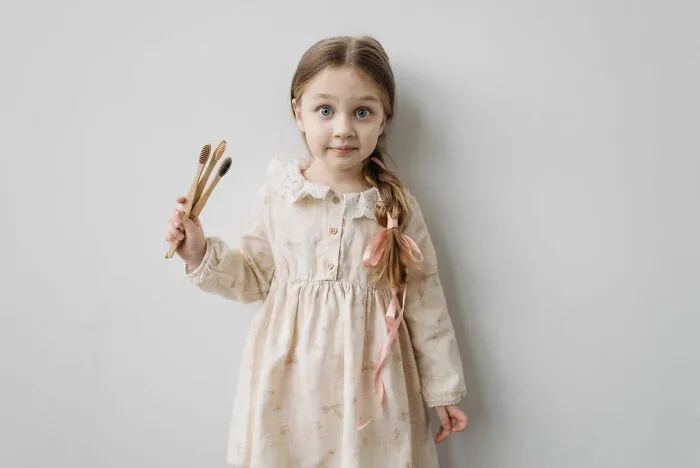
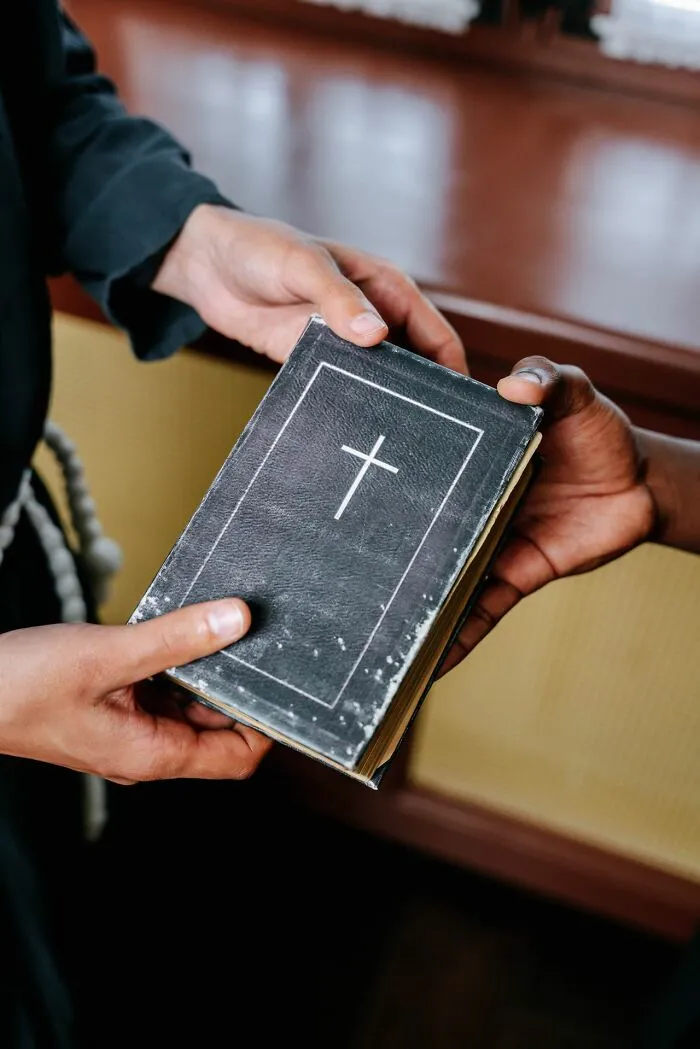
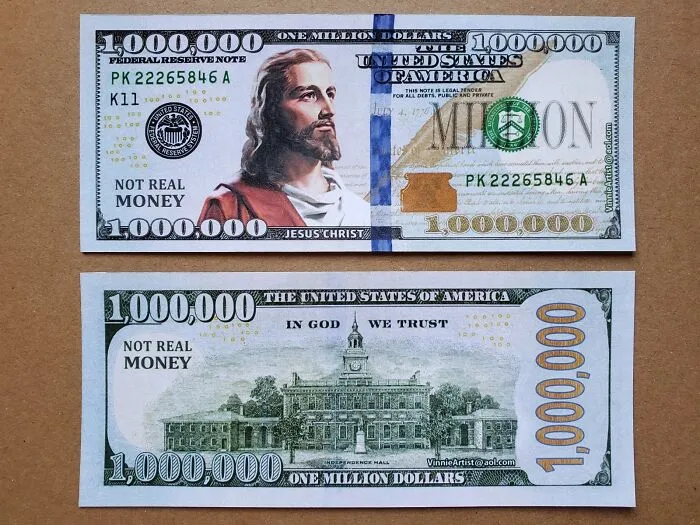
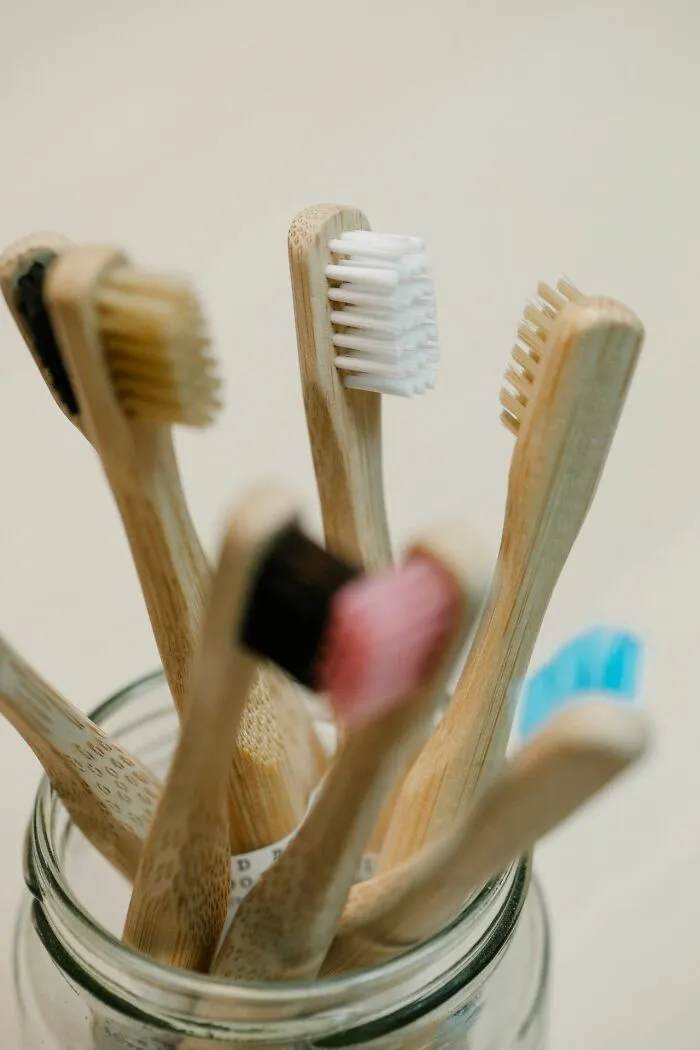
Yet, even with billions of dollars flowing directly into delicious chocolates and fruity chews, some households clearly missed the memo and decided to splurge on toothbrushes, Bibles, and cough drops instead.
#20