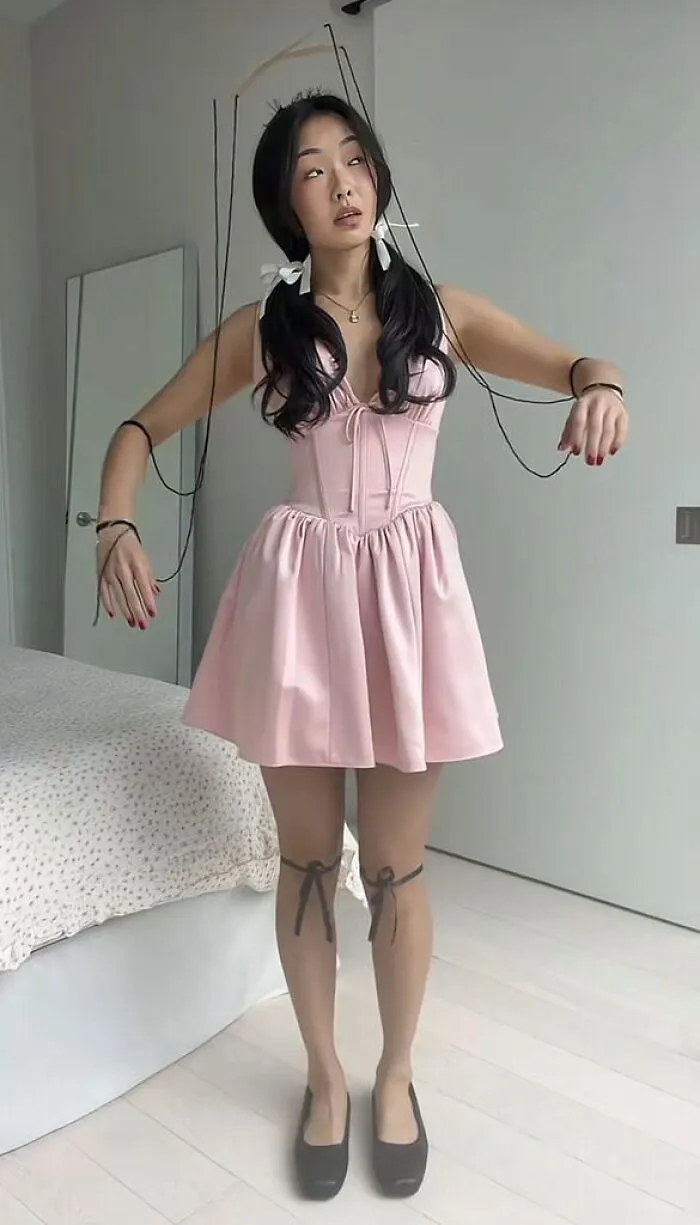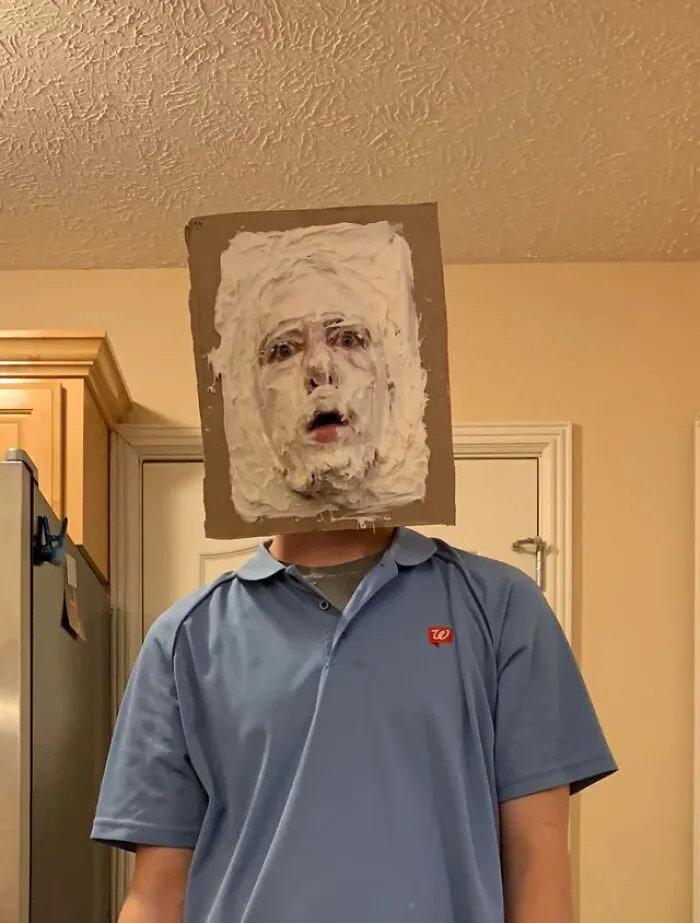


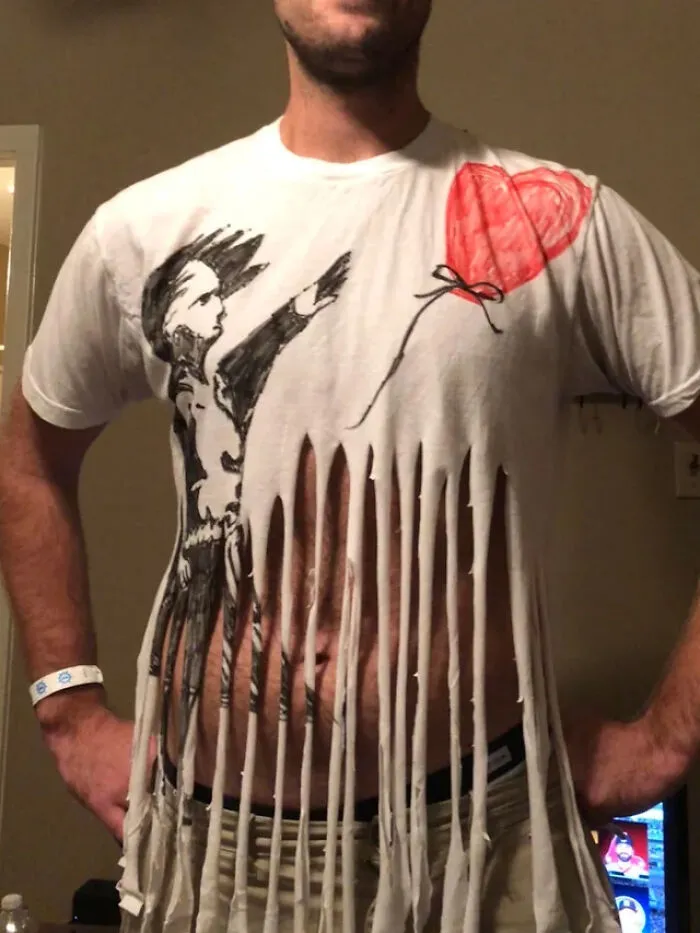
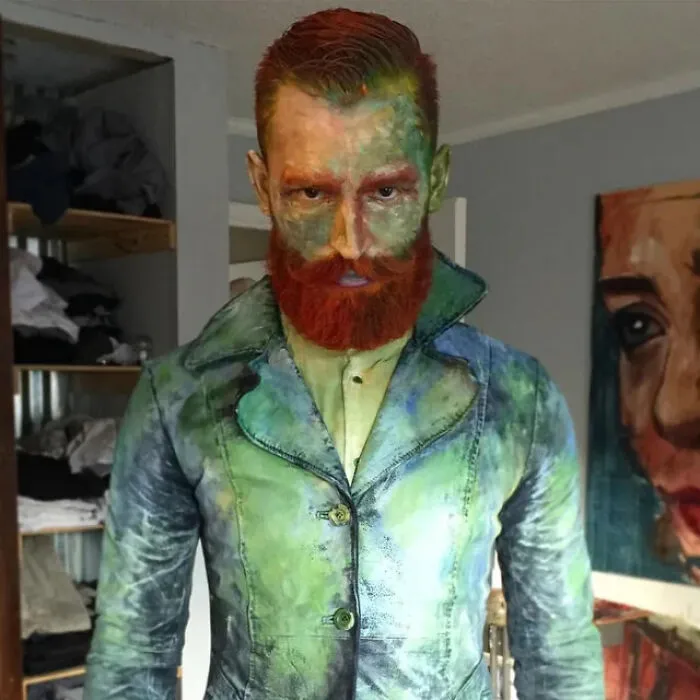
#3

Creativity can become more difficult when time is running out because pressure often encourages people to choose familiar solutions instead of exploring new ideas. According to Psychology Today, intense deadlines can limit creative thinking by narrowing attention and leaving less room for experimentation.
Everyday responsibilities can also leave people mentally exhausted, making it harder to come up with something original. However, a deadline can sometimes help people stop overthinking and focus on producing something rather than chasing perfection. This explains why some last-minute Halloween costumes can turn out surprisingly clever, even when their creators have very little time to prepare.
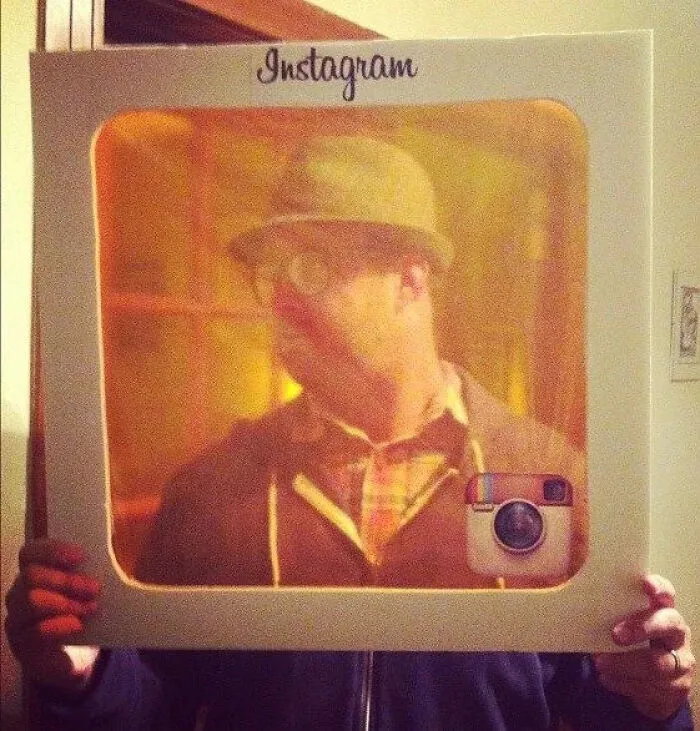
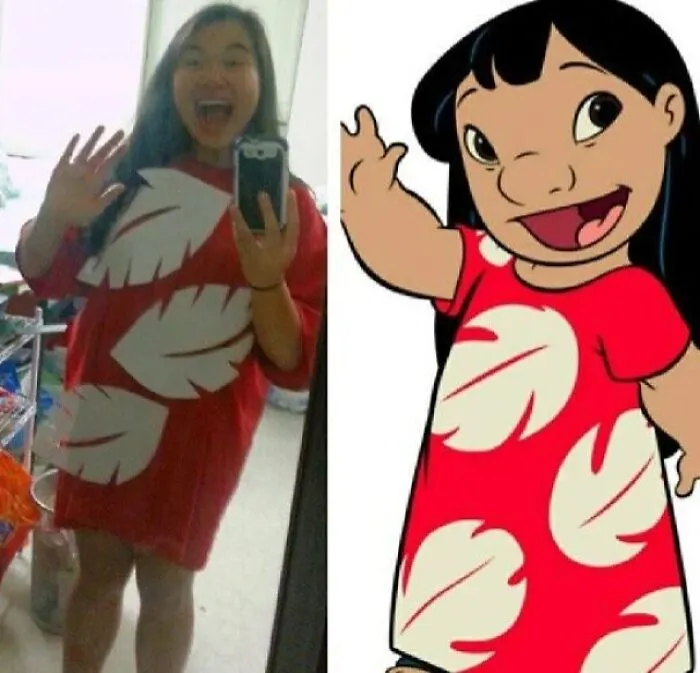

Limited time and resources can also encourage people to look at ordinary objects differently. When there is no opportunity to buy elaborate accessories or carefully construct an outfit, items already at home can become useful costume materials. A cardboard box, an old bedsheet, or a few pieces of clothing might be enough to bring an amusing idea to life.
Instead of trying to create something flawless, people can focus on one clever detail that makes their costume stand out. Sometimes, working with restrictions leads to unexpected combinations that would never have occurred to someone with a detailed plan.
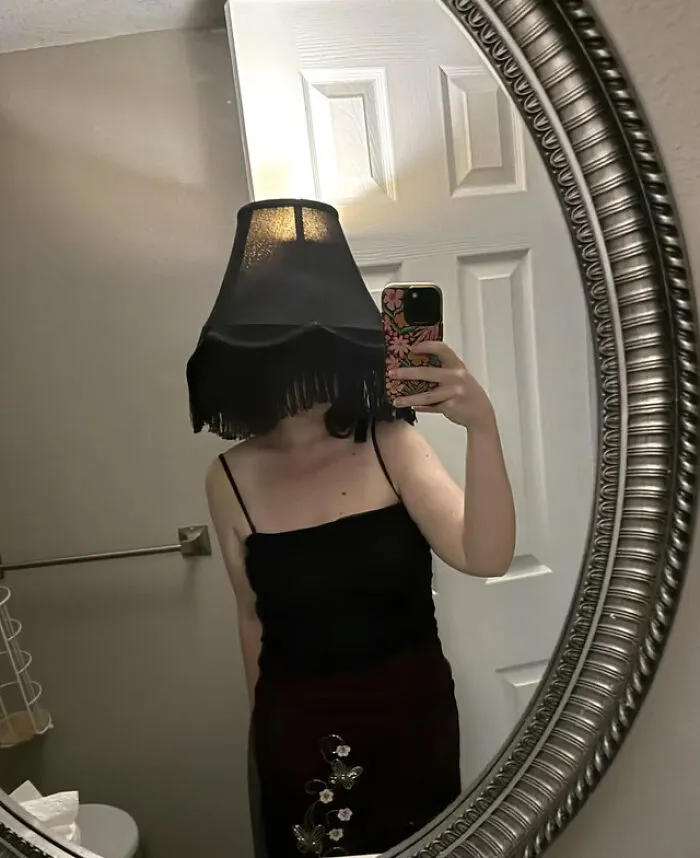

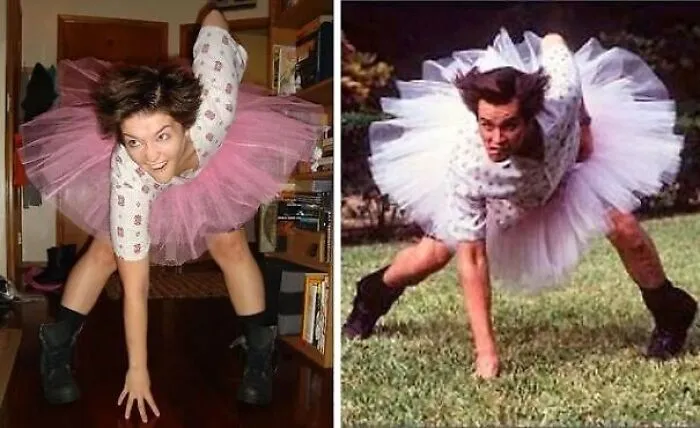
Product Design Psychology distinguishes between effort and ingenuity, explaining that working harder does not always produce better results. Effort involves the energy invested in a task, while ingenuity means finding clever ways to solve problems and use available resources.
Someone might spend hours assembling an elaborate costume, while another person creates something equally memorable with a few everyday items. The difference often comes down to finding the right approach rather than simply putting in more work. Still, even a brilliant idea requires some effort to turn it into a finished costume.

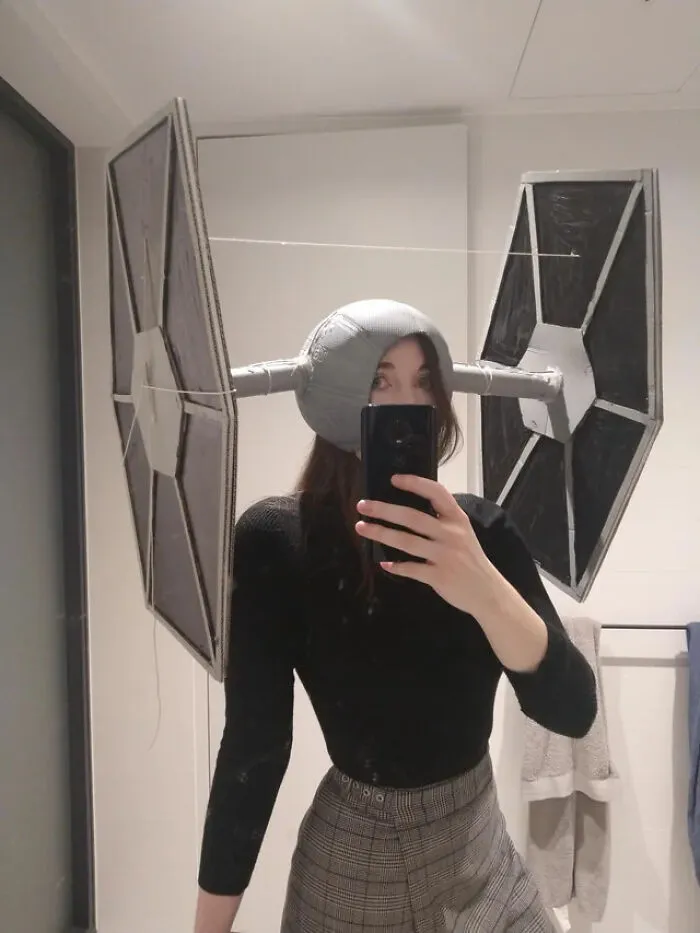
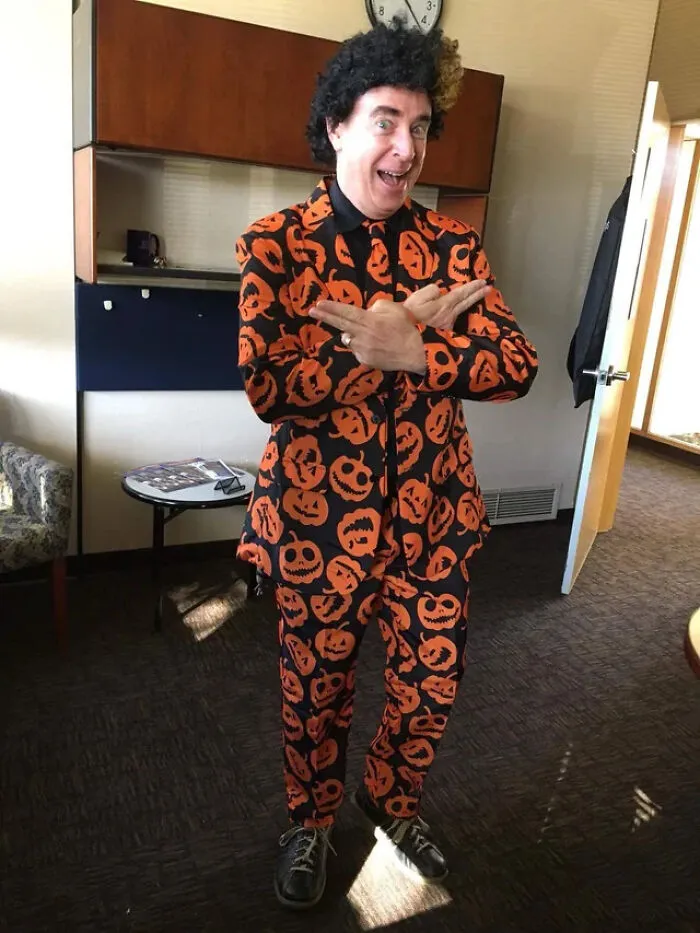
Homemade costumes are appealing for several reasons, including originality, affordability, and the satisfaction of creating something personally meaningful. NBC Chicago highlights how people can express their interests and humor through handmade outfits rather than relying on mass-produced designs.
Using clothes from the wardrobe, thrifted finds, cardboard, and leftover craft supplies can also help keep costs down. Even when several people choose the same theme, their costumes can look different because each person brings their own ideas to the process. For those preparing at the last minute, this approach makes it possible to come up with something entertaining without spending much money.


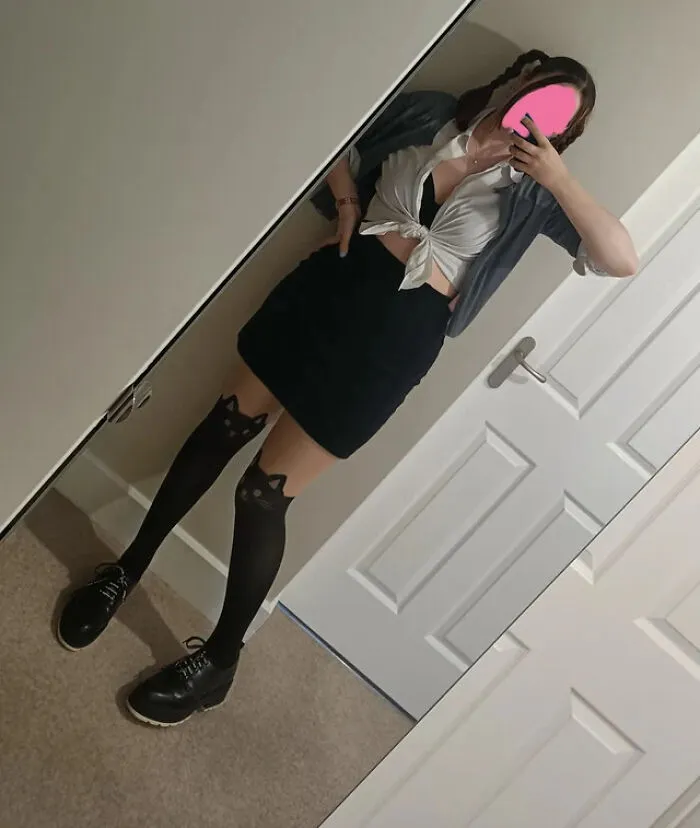
Reusing everyday materials can also make costume creation a more sustainable choice. Instead of buying an outfit that might only be worn once, people can repurpose old clothing, packaging, and other household items. Making costumes can even become a shared activity, with friends or family members exchanging ideas and helping each other put outfits together.
The process offers an opportunity to experiment, solve small problems, and enjoy the experience beyond the finished result. Sometimes, the funniest costumes emerge from these improvised attempts because their creators make the most of whatever they have available.
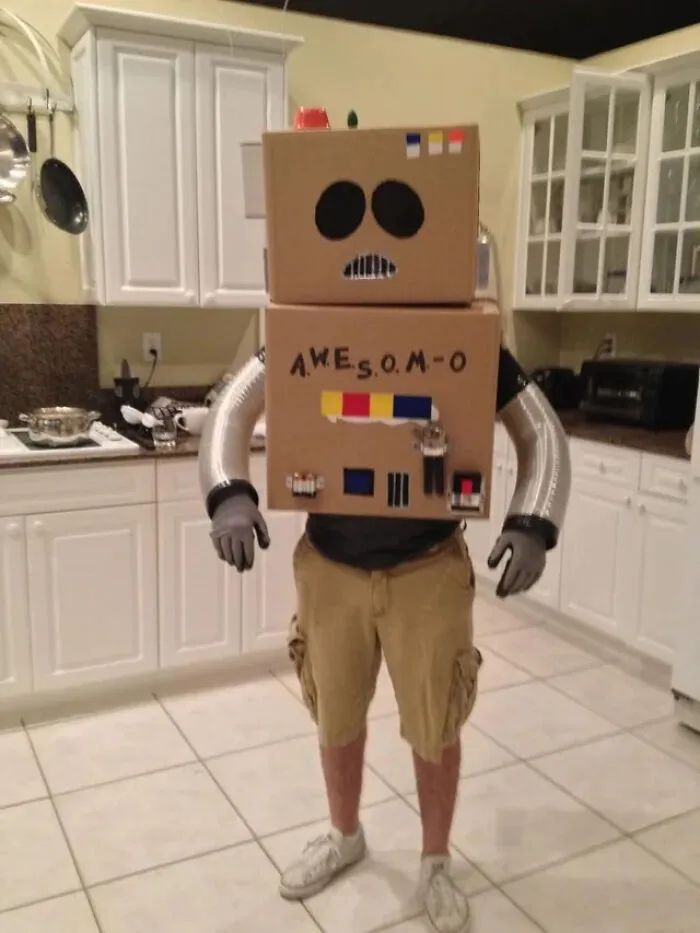
#17
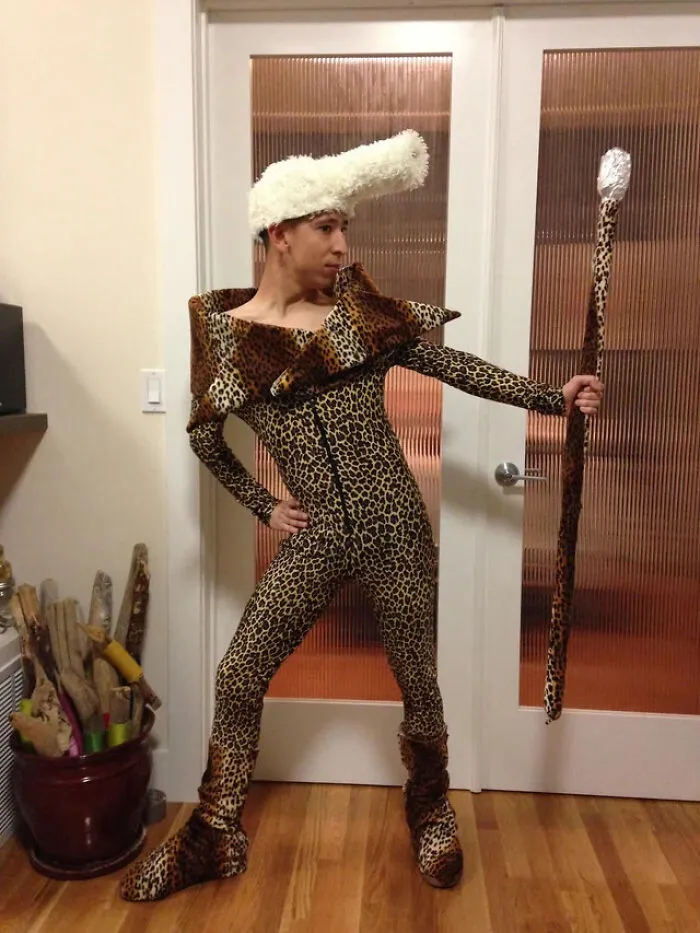

Halloween also gives people an opportunity to express parts of their personalities that may not be as visible in everyday life. NYU News explores how costumes, makeup, and performance allow people to experiment with their interests, humor, and imagination.
Dressing as a favorite film or television character can reveal something about the stories someone enjoys, while an original creation can reflect their personal tastes. The holiday also makes room for exaggerated, unusual, or deliberately silly looks that might feel out of place at other times.
Even a simple last-minute outfit can become a personal statement when it reflects the wearer's sense of humor or creativity.