


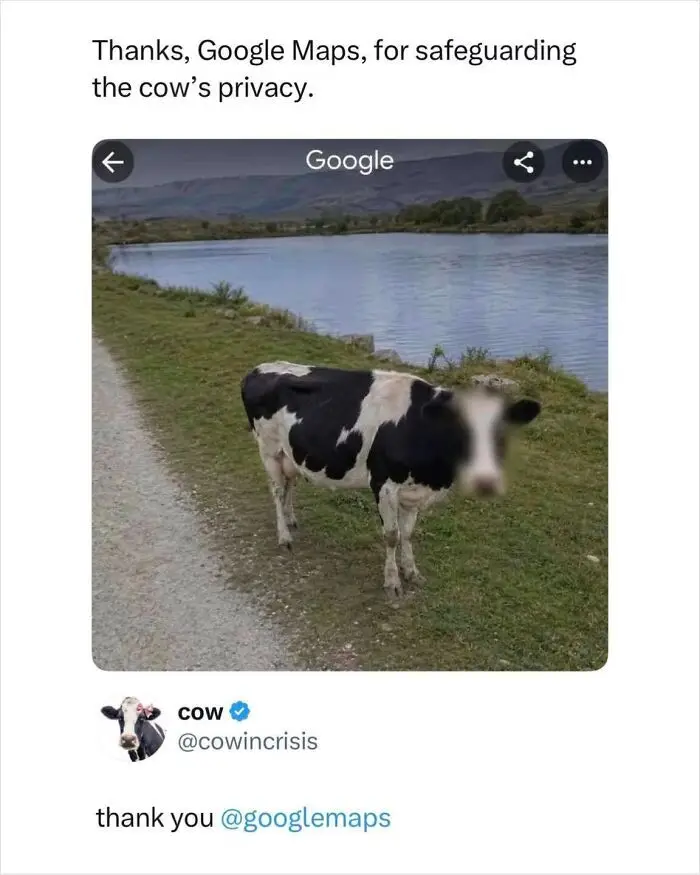


Humor often comes from the unexpected, especially when something completely contradicts what people would normally expect to see. According to Psychology Today, absurd humor works by creating a mismatch between what the mind anticipates and what actually happens.
People naturally try to make sense of situations, so when they encounter something bizarre or illogical, the sudden confusion can trigger laughter. The important part is that the situation still feels harmless, allowing people to enjoy the ridiculousness rather than perceive it as a genuine threat. This is one reason why an ordinary image paired with a completely unrelated caption can become unexpectedly funny.
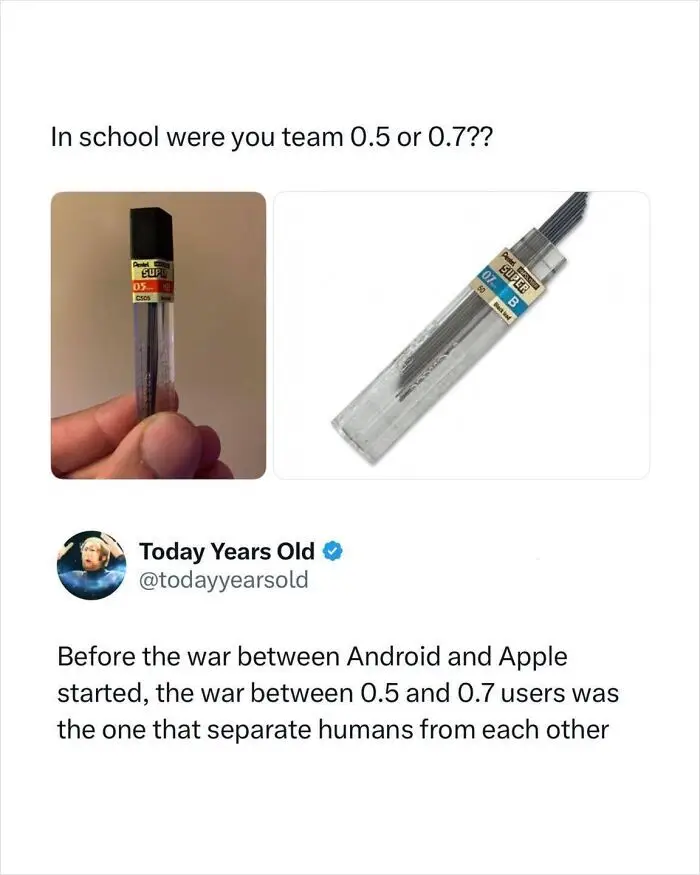


Unlike conventional jokes, which often build toward a punchline that explains the humor, absurd comedy does not always offer a clear resolution. Sometimes, the more difficult something is to make sense of, the more entertaining it becomes. The incongruity theory of humor helps explain this reaction, as it suggests that people find amusement in situations that challenge their expectations.
Another explanation, known as the benign-violation theory, suggests that something can be funny when it breaks an established rule or social expectation without causing actual harm. A harmless mishap, for instance, might make people laugh, while the same situation could become upsetting if someone were seriously injured.

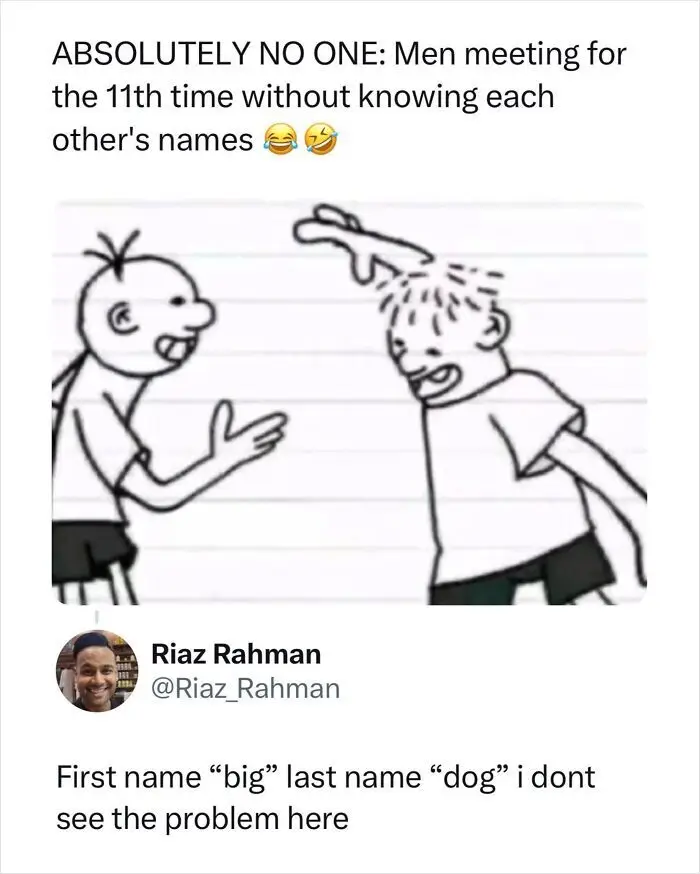
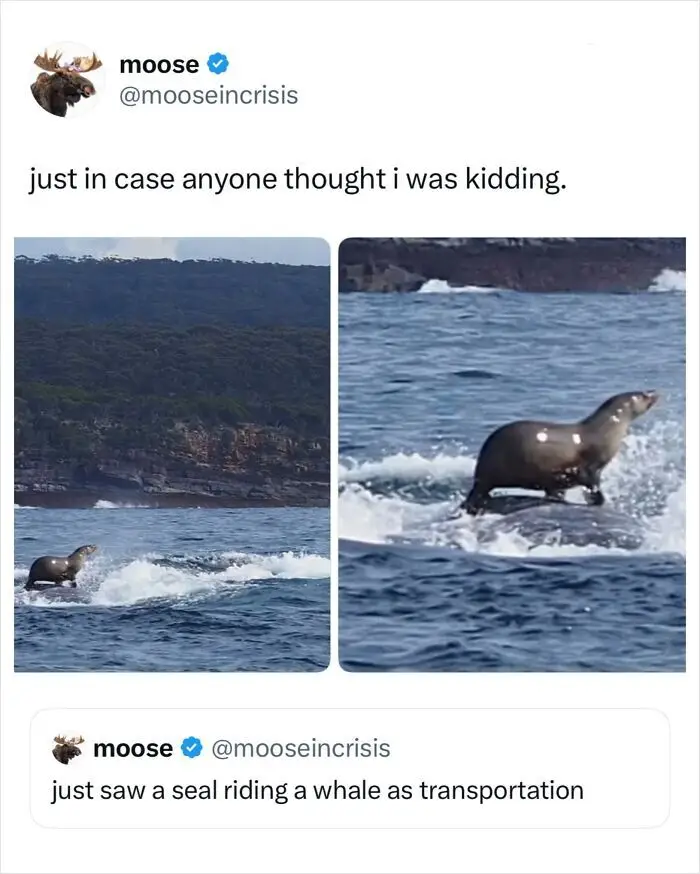
Humor also becomes more enjoyable when it connects people through shared experiences and references. Bustle explores how inside jokes and familiar references can create a sense of belonging, allowing people to recognize that they have something in common.
This is particularly relevant to online humor, where a single image, phrase, or recognizable situation can communicate an entire thought without requiring much explanation. When someone understands a joke that might seem completely random to another person, it creates a small moment of connection based on their shared sense of humor.

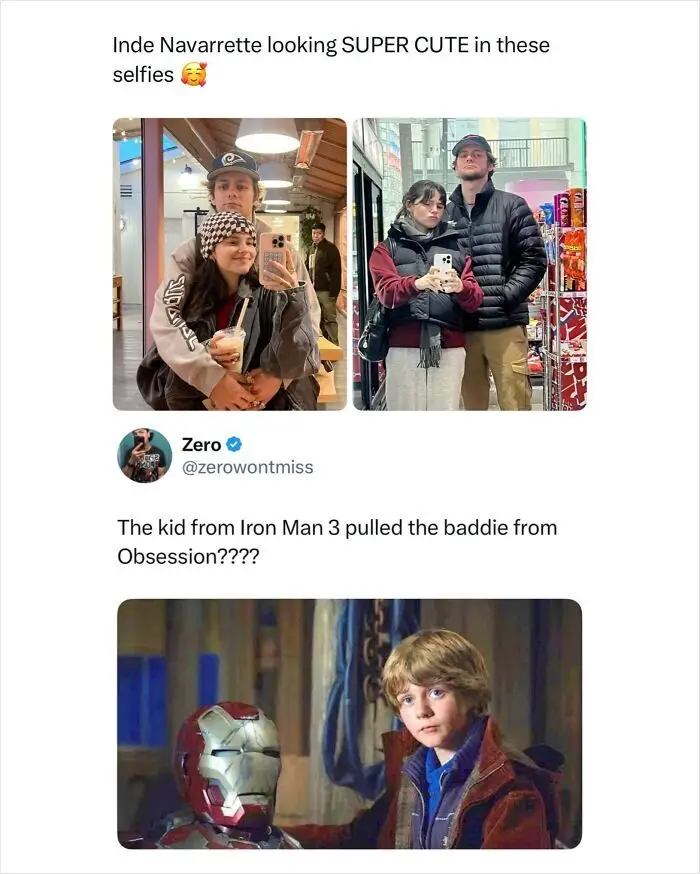

These shared references can also carry memories and emotions that make a joke more meaningful to the people involved. A particular meme might remind friends of an embarrassing experience, an ongoing joke, or a conversation they still find amusing. Consequently, the laughter is not always about the content itself but also about the memories associated with it.
Sharing unusual jokes can strengthen social connections because it gives people another opportunity to revisit those experiences. It also requires a certain level of trust, as people are generally more comfortable making strange or slightly embarrassing jokes around those they believe will understand them.



The appeal of unusual humor extends beyond personal relationships, as the internet has made randomness and absurdity a recognizable part of online entertainment. The BBC explores how unexpected content can capture attention by interrupting the predictable patterns people encounter while scrolling through social media.
Most online posts follow familiar formats, but something completely bizarre can make viewers pause and reconsider what they are seeing. This element of surprise is often what makes nonsensical content so entertaining, particularly when there is no obvious explanation for why something is funny in the first place.



There is also something refreshing about humor that does not take itself too seriously. Online spaces are filled with carefully presented content, recognizable trends, and posts designed to communicate a particular message. Random and absurd jokes offer a different experience because they do not always need to make sense or serve a purpose beyond entertaining someone.
People can enjoy them without having to analyze every detail or look for a deeper meaning. Social media also allows these jokes to evolve as users recreate familiar formats, add their own interpretations, and turn even the strangest ideas into recognizable running jokes.