

#1

#2
#3

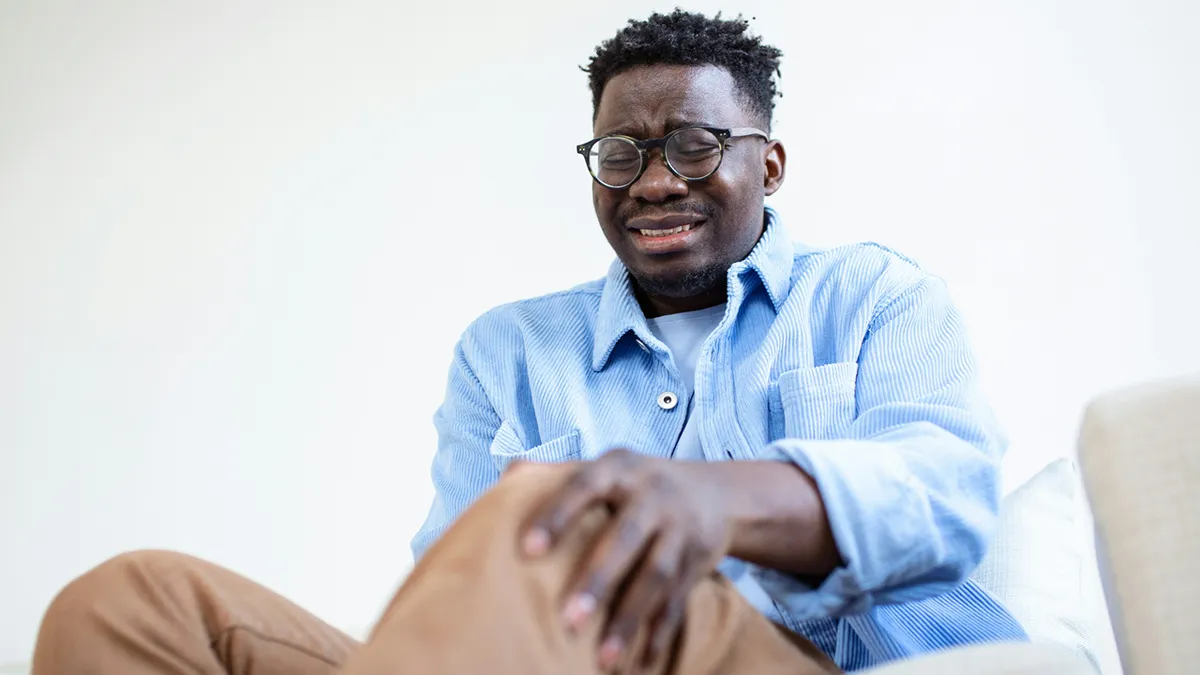
Knowing how to look after your health involves more than simply recognizing when something feels wrong. According to the Centers for Disease Control and Prevention (CDC), health literacy is the ability to find, understand, evaluate, and use health information to make informed decisions.
However, many people reach adulthood without developing these skills because schools, families, healthcare providers, and the media don't always explain medical information consistently. Someone can have an advanced education and still struggle to understand a prescription label, interpret a medical recommendation, or distinguish reliable advice from misinformation.
Healthcare information can also be filled with unfamiliar terminology, making it difficult to process, especially when someone is already worried or stressed.
#4

#5

#6

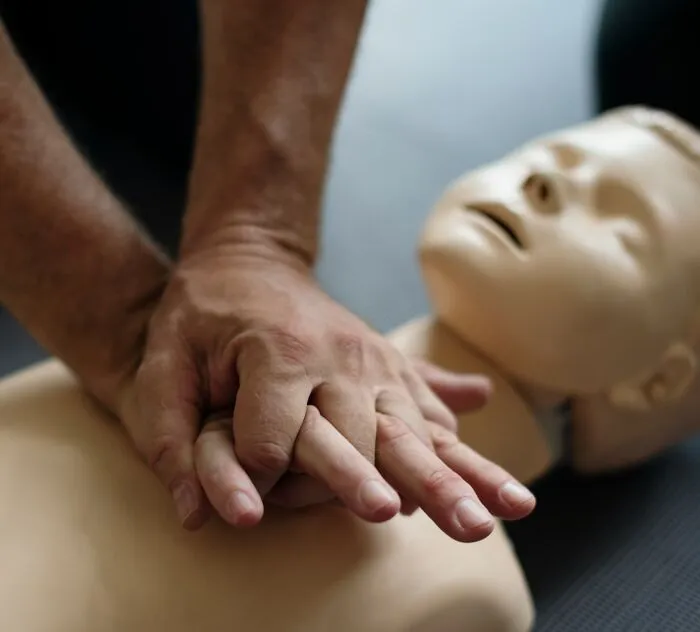
One reason for these knowledge gaps is that traditional education often prioritizes scientific concepts over practical health skills. Students might learn about cells, organs, and the digestive system without necessarily being taught how to recognize concerning symptoms, understand medication instructions, or decide when to seek medical attention.
Families also pass down beliefs and habits that aren't always medically accurate, while access to reliable information can vary depending on someone's income, education, language, and circumstances. On top of that, medical guidance changes as new research becomes available, meaning something people learned years ago might no longer be relevant.
This makes understanding personal health an ongoing process rather than something people can simply finish learning in school.
#7

#8

I always wondered why I was so wildly hungry. Trying to restrict calories made it harder to sleep and cope emotionally.
#9

Even with modern medicine's remarkable progress, there is still plenty we don't fully understand about the human body. University of Washington Medicine explains that scientists have become highly knowledgeable about individual organs, cells, genes, and diseases, but understanding how all these systems interact remains considerably more complicated.
Medical advances have made it possible to develop vaccines, antibiotics, organ transplants, and targeted cancer treatments. Yet knowing how a particular body part works doesn't mean doctors can always predict how it will behave in every individual. For example, two people with similar injuries might have very different recovery experiences, and researchers are still investigating why certain conditions develop in some people but not others.
#10

#11

#12

One particularly fascinating area of discovery is the relationship between the human body and the trillions of microorganisms living inside it. These microbes form an ecosystem that influences various bodily processes, including digestion and immune function.
Scientists are also continuing to investigate how the gut communicates with the brain and how these interactions might influence mental and neurological health. The brain itself remains another complicated subject, with questions surrounding consciousness, memory, and certain psychiatric conditions still being explored.
All this demonstrates that even though people live with their bodies every day, there are plenty of processes happening beneath the surface that they might never have considered. It also explains why medical knowledge continues to evolve, sometimes changing what people previously believed about their health.
#13
#14

All of those pretty, expensive shoes I can’t wear anymore.
#15
And sometimes those fingers can reach ACROSS your abdomen to the opposite side of you to grab the egg.
Another area where people often discover gaps in their knowledge is reproductive healthcare. ABC News highlights that many adults wish they had received more practical education about their bodies, personal boundaries, contraception, fertility, menstrual health, and sexually transmitted infections.
It covers the physical, emotional, and social aspects of relationships and intimacy, rather than focusing exclusively on reproduction or pregnancy prevention. Unfortunately, school lessons can sometimes be limited to basic biology, abstinence, or disease prevention because these subjects are culturally sensitive. As a result, people may enter adulthood without understanding important aspects of their reproductive health or knowing where to turn when they have questions.
#16

#17

#18

You can have your fallopian tubes removed while keeping your ovaries, which may significantly reduce your ovarian cancer risk without triggering surgical menopause.
It’s called a bilateral salpingectomy, and I wish more women knew it was an option worth discussing with their doctor.
Comprehensive education can also help people understand consent, recognize healthy relationship boundaries, and make informed decisions about their wellbeing. Knowing how contraception works, understanding fertility, and recognizing changes in menstrual health can all be useful throughout adulthood.
Equally important is knowing that certain symptoms deserve medical attention rather than being dismissed out of embarrassment or uncertainty. People should feel comfortable discussing intimate health concerns with qualified professionals and asking questions when something isn't clear.
After all, being able to access healthcare is only part of the equation; understanding the information being provided and feeling confident enough to act on it are just as important.
#19

#20