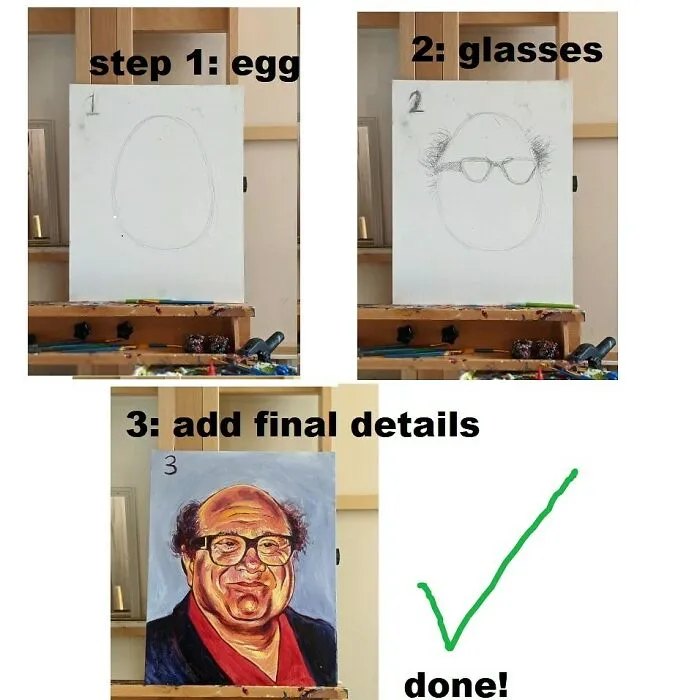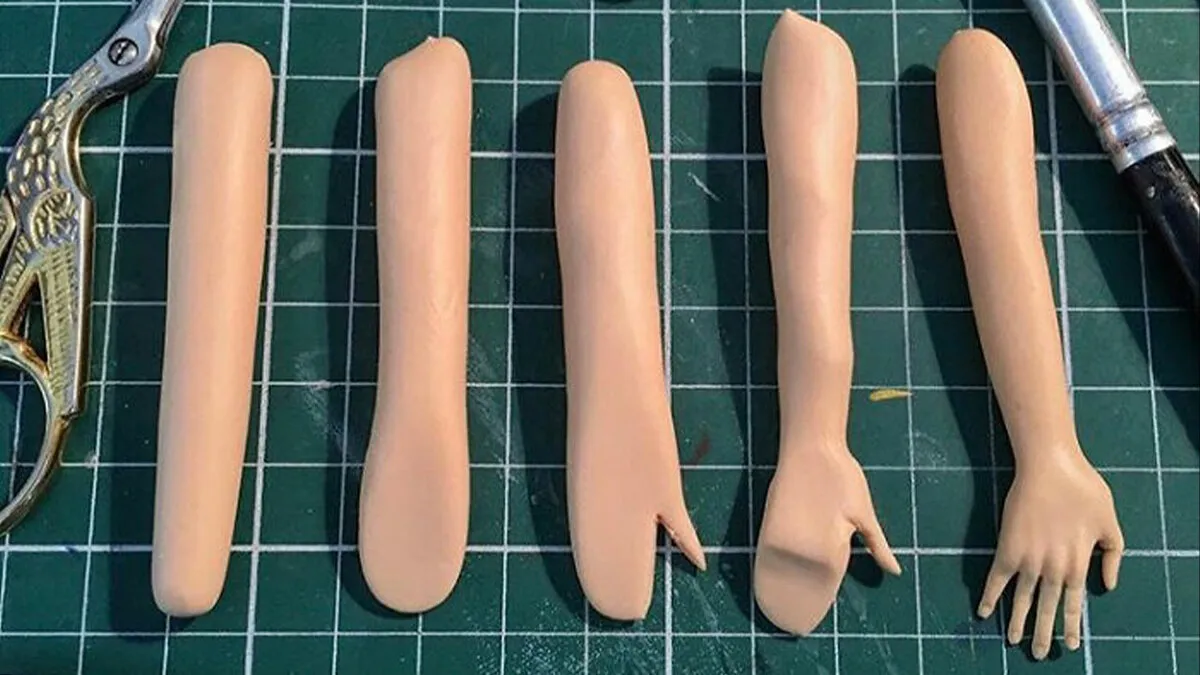


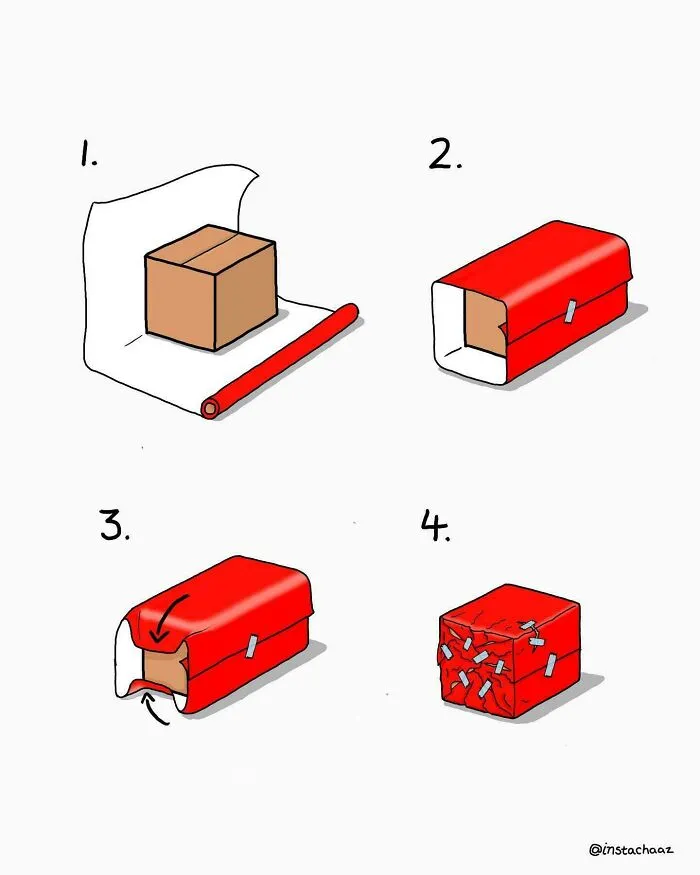
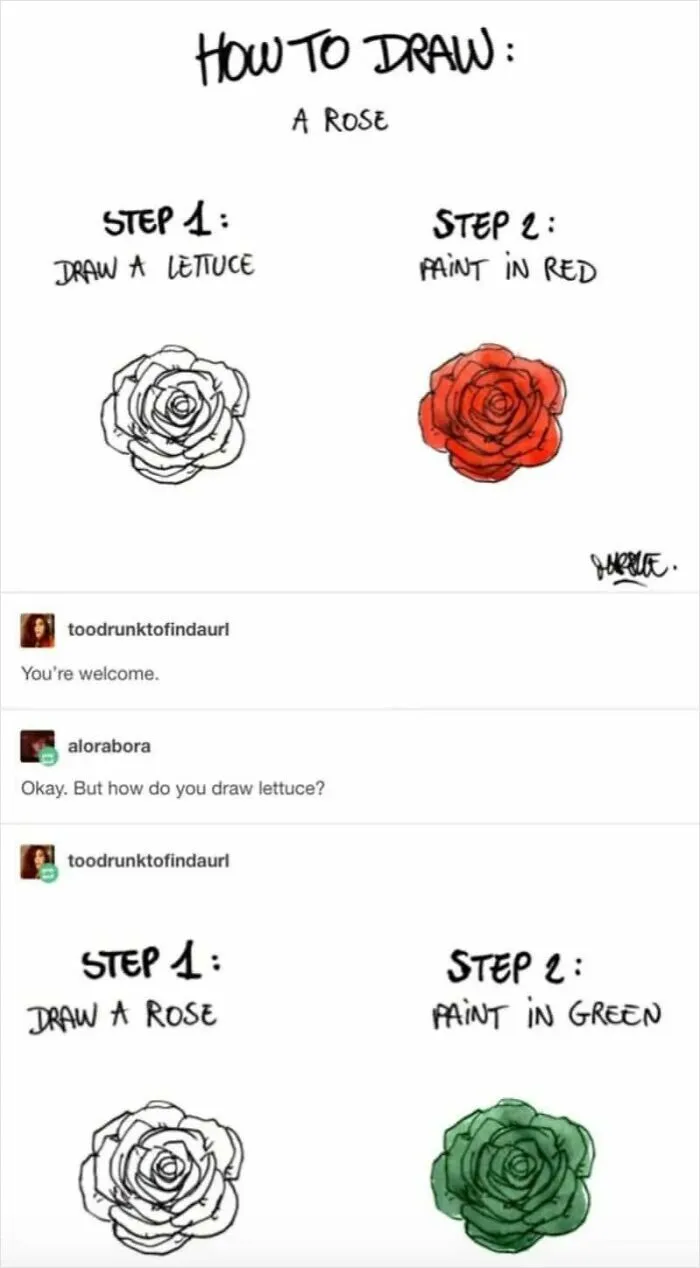
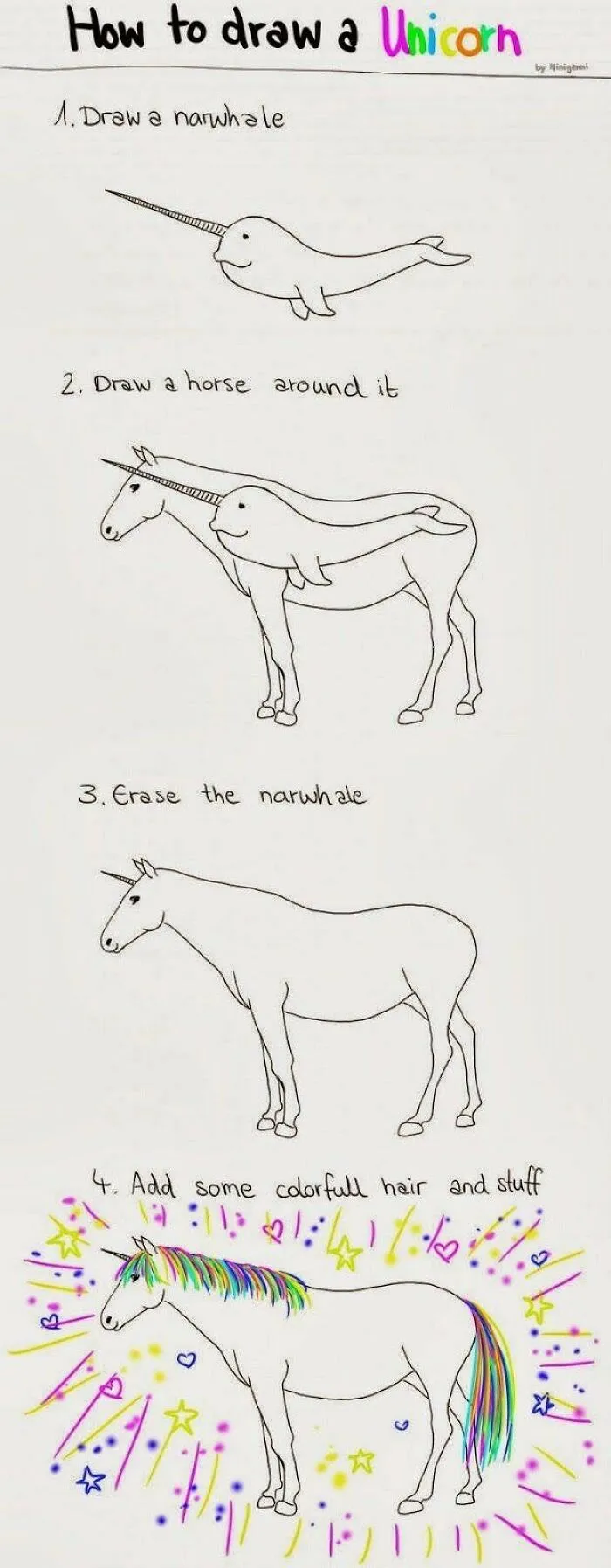
Psychology Today explains the "curse of knowledge" as a cognitive bias that makes it difficult for people with expertise to imagine what it is like to encounter something for the first time. Once a process becomes familiar, its terminology, logic, and sequence can feel obvious, so the person explaining it may forget which parts were once confusing. That can be a problem when instructions are written by someone who knows the subject inside out.
They may use jargon without explanation, skip steps that seem self-evident, or assume the reader already understands the basic concepts needed to follow along. The result can be an instruction that makes perfect sense to its creator while leaving everyone else wondering where they were supposed to start.
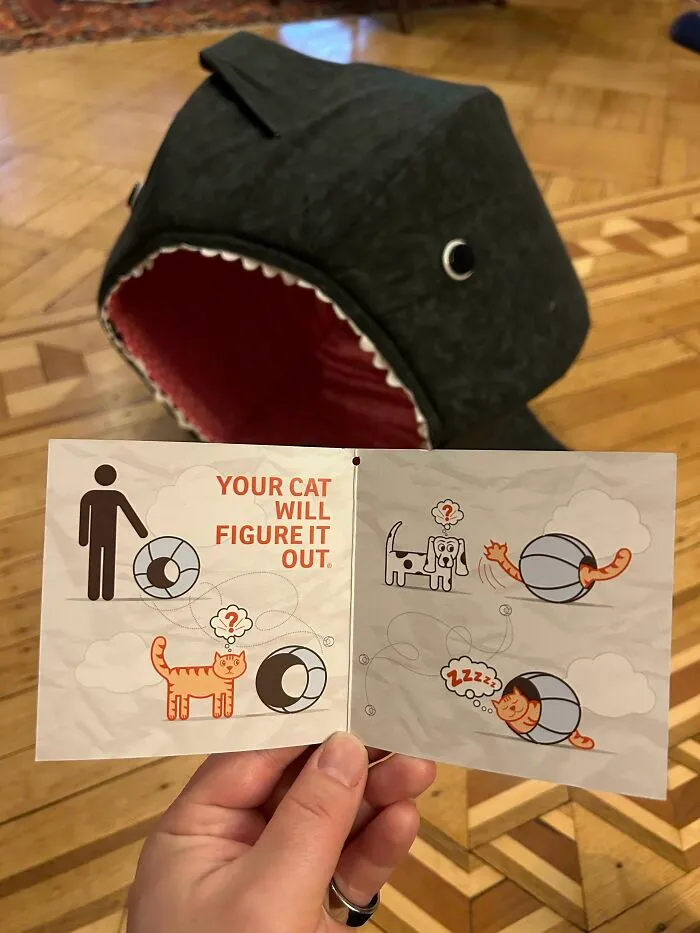

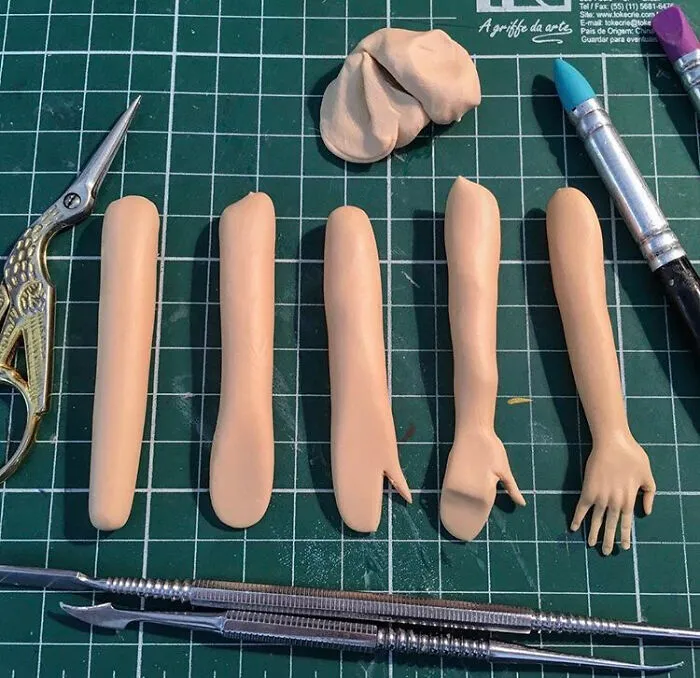
That gap between expert knowledge and beginner knowledge helps explain why some instructions feel strangely incomplete. A person who already knows how something works can mentally fill in missing information without even noticing it is absent. Someone encountering the task for the first time cannot do the same.
A manager may assume a new employee understands workplace terminology, a recipe writer may forget to explain a basic technique, or an instruction manual may refer to a component by a name the user has never heard before. What looks like a small omission to the person writing the directions can become a major obstacle for the person trying to follow them.

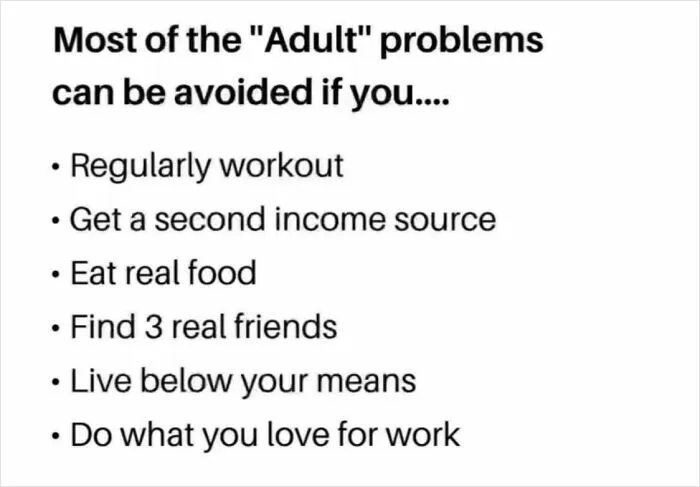

Another problem comes from vague language, which ReachLink notes can sound precise while quietly leaving the most important details unstated. Words such as "steps", "improve", "succeed", or "move on" suggest that there is a clear process, but they do not necessarily explain what the goal actually involves.
Even something as simple as telling someone there are "steps" to completing a task can make it sound like a neat staircase from beginning to end, when the real process may involve choices, conditions, different outcomes, or exceptions. This is especially noticeable in instructions that use phrases like "do it properly" or "attach it securely". The reader is left with the responsibility of deciding what those terms mean.
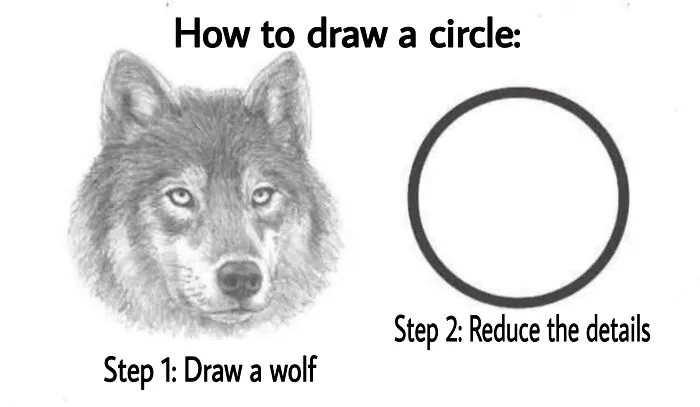


The problem becomes even more obvious when an instruction is technically correct but too vague to be useful. If someone is told to continue a task "until it is ready", for example, they still need to determine what "ready" looks like, how they are supposed to recognize it, and what to do if the result does not match their expectations.
That can turn a straightforward task into a guessing game. Good instructions need to replace assumptions with information that a person can actually act on, such as what to look for, what order to follow, what result to expect, and what to do if something goes differently.

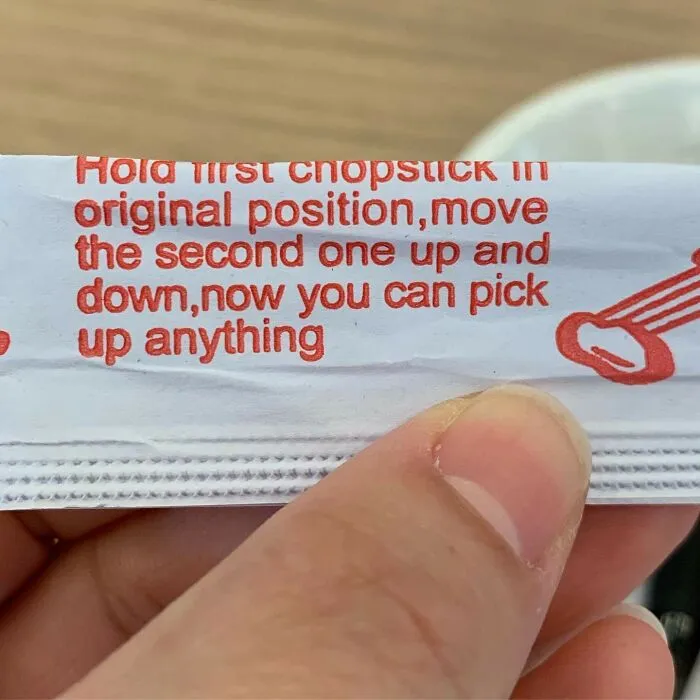

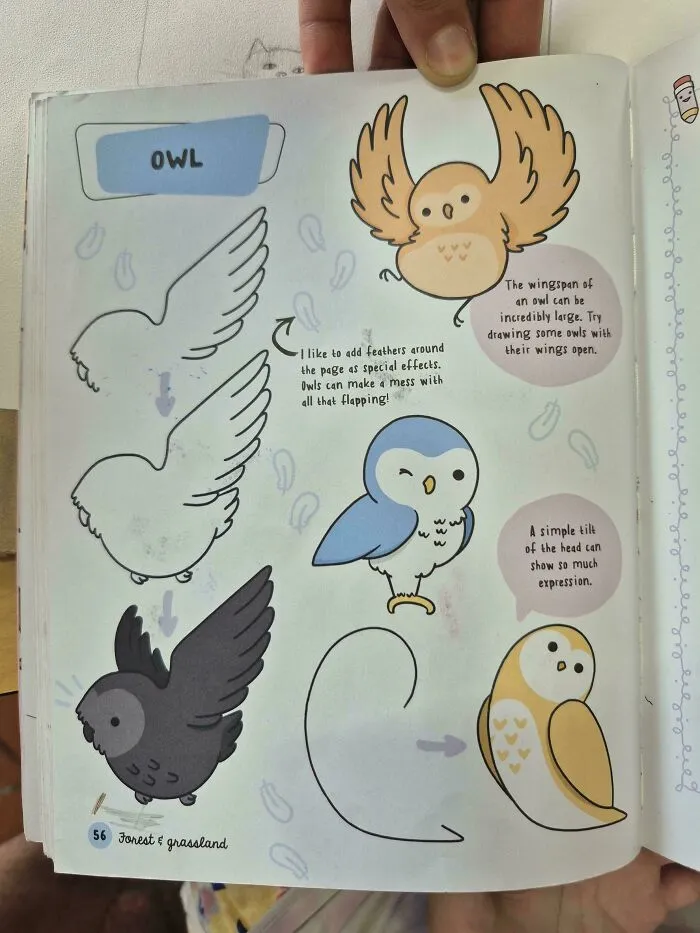
The same principle applies when instructions rely heavily on diagrams and other visuals. Teacher Magazine points out that a diagram does not automatically make an explanation clearer. A visual only helps when the reader can identify where to begin, understand what the different elements represent, and recognize what action should happen next. A cluttered diagram, unclear symbol, confusing reading order, or collection of decorative details can make the visual another puzzle to solve.
This is particularly troublesome when the diagram shows where something belongs but never makes clear how it should move or be attached. Instead of eliminating the need for explanation, the picture can simply create another set of questions.



Clearer instructional diagrams therefore need to guide the reader through the task rather than merely display information. Numbered steps, obvious starting points, consistent symbols, nearby labels, directional arrows, and short action sentences can all help establish what should happen next. A useful visual also needs to account for what a beginner does not know.
A creator may immediately recognize a particular shape, symbol, or component because they work with it regularly, while a first-time user sees several nearly identical objects and has no way of knowing which one matters. Testing an instruction with someone unfamiliar with the process can reveal these blind spots surprisingly quickly.