





It’s easy to feel like the entire world is just a non-stop loop of heavy headlines, political noise, and stressful global conflict. But staying informed shouldn’t have to mean constantly draining your mental battery.
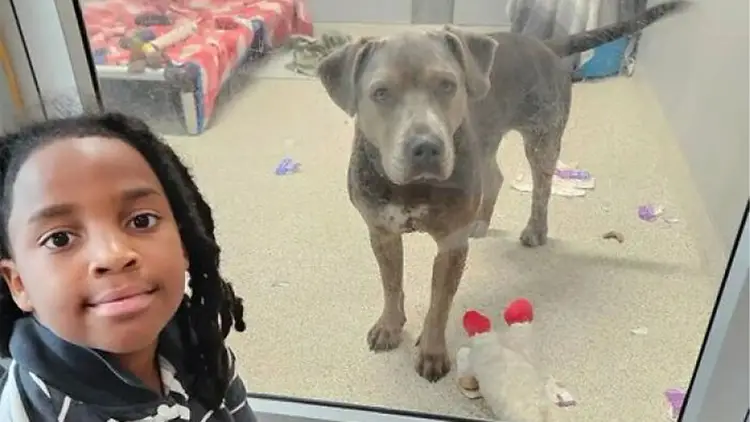
You should also know that an incredible 11-year-old recently logged 100 volunteer hours simply reading stories to shelter animals to keep them calm. Or that a Golden Retriever once decided to follow a Google Maps snapper around, casually photobombing over 1,000 street-view photos.
For a much-needed dose of positivity, we took a deep dive into @WolfofX — an account with some of the most heartwarming stories from around the globe.
Stop the doomscrolling and read these wholesome wins and acts of pure kindness that will most likely restore your faith in humanity.
#21
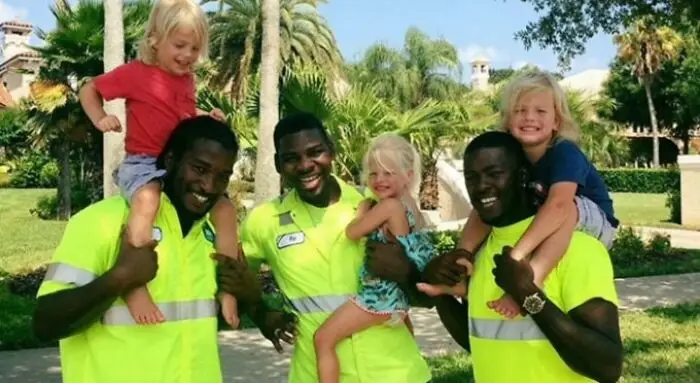
In an Orlando neighborhood, a set of triplets formed an unexpected friendship with their sanitation workers, Chad, Rob, and Andrew.
Every Tuesday and Friday, the children would rush outside to greet the crew, excitedly waving, sharing hugs, giving high-fives, and sometimes bringing them snacks.
What started as a simple garbage collection route became a special bond built on kindness, consistency, and genuine human connection.
The sanitation workers became familiar faces the children looked forward to seeing each week, while the kids brightened the crew's day with their enthusiasm and affection.
Their heartwarming friendship is a reminder that some of life's most meaningful relationships can grow from the simplest everyday moments, proving that kindness has the power to turn routine encounters into lasting memories.
Report
46points
#22
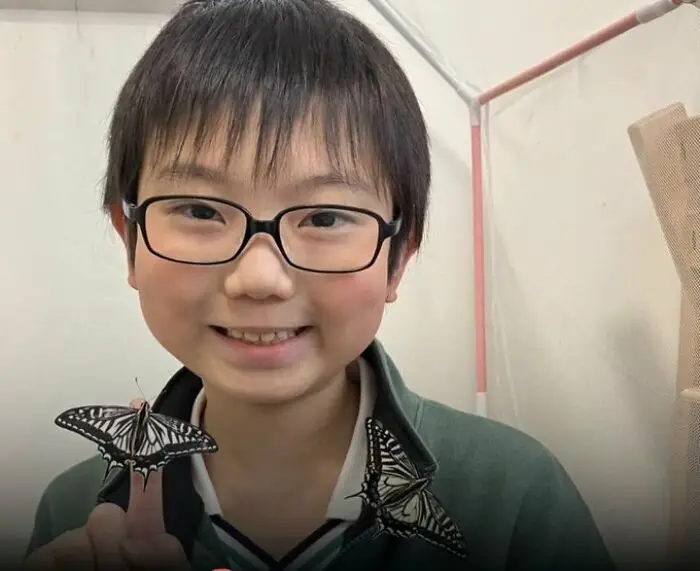
When Jo Nagai was eight years old, he had a question about the swallowtail butterflies he raised at home in Kobe, Japan.
After caring for them as caterpillars and releasing them as butterflies, Jo noticed that some seemed to remain near him instead of immediately flying away.
He began wondering whether they remembered him.
In 2022, while still in second grade, Jo wrote a four page handwritten letter to Martha Weiss, an entomologist at Georgetown University in the United States. Years earlier, Weiss and her colleagues had shown that moths could retain certain learned associations from their caterpillar stage even after metamorphosis.
Jo wanted to know whether swallowtail butterflies could do the same.
With Weiss offering guidance from thousands of kilometers away, Jo began designing experiments at home using Asian swallowtails, Papilio xuthus.
He trained caterpillars to associate the smell of lavender with an unpleasant electrical stimulus. Then he waited.
The caterpillars formed chrysalises.
Eventually, butterflies emerged.
Jo placed the adult butterflies in a Y shaped testing apparatus where they could choose between different paths. Many of the butterflies that had been conditioned as caterpillars avoided lavender even though their bodies had undergone the enormous transformation of metamorphosis.
But Jo wasn't finished.
He bred the butterflies and tested their descendants, even though those younger generations had never received the original conditioning.
The numbers caught the attention of the scientists following his work.
Among the conditioned parental generation, 70.9 percent avoided lavender.
Among their offspring, it was 64.8 percent.
Among the grandchildren, 60 percent.
For comparison, the avoidance rate among wild, unconditioned butterflies was 51 percent.
The effect appeared to weaken with each generation, but Jo's results raised an intriguing possibility that a learned behavioral response could somehow influence descendants. Epigenetic changes are one possible explanation, although proving the exact mechanism will require larger studies, independent replication and further biological evidence.
Jo's work eventually took him far beyond the experiments he had started at home. He met Weiss in person at the International Congress of Entomology and discussed his research with professional scientists.
In March 2026, his research was listed at the 73rd Annual Meeting of the Ecological Society of Japan in Kyoto under the title "Epigenetic Transmission of Learned Larval Memory across Generations in Papilio xuthus."
Report
46points
#23

In August 2010, a bus carrying students was traveling through the mountains of Dalaguete, Cebu, when hot water from its radiator splashed onto the driver and burned his legs.
He lost control.
The bus rolled toward a ravine roughly 500 feet deep. But before it could go over the edge, something stopped it.
A pine tree.
About 35 years earlier, a local man named Epimaco Amancio had planted that tree while working as an area caretaker. He originally planted trees along the roadside to help protect his farmland below from falling debris.
He could never have known what one of them would eventually do.
Now 98 years old, Amancio heard about the accident and made his way to the scene. There he found the bus resting against the tree he remembered planting decades earlier.
The passengers made it out alive. Contemporary reports placed the number aboard at 32, while the driver suffered burns.
Photographer Tonee Despojo captured Amancio standing near the scene with a wide smile.
A tree he planted for an ordinary reason 35 years earlier had been standing in exactly the right place when a bus full of people needed it most.
Report
45points
#24
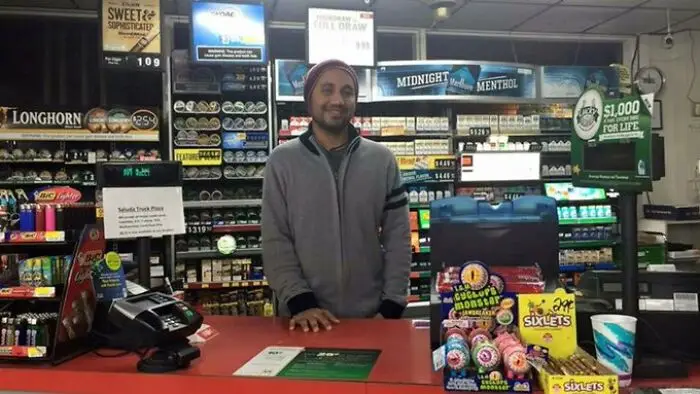
During a dangerous ice storm in North Carolina, gas station owner Hitesh Patel was supposed to close at 10 p.m. Instead, he kept his store open all night so stranded travelers would have a warm and safe place to stay.
Among those sheltering inside were a young mother traveling with four children and other motorists who could no longer safely drive on the icy roads.
One traveler later shared the story online, saying they would have been freezing in their car if not for Patel's kindness.
Sometimes the people who make the biggest difference are the ones who quietly choose to help when others need it most
Report
45points
#25
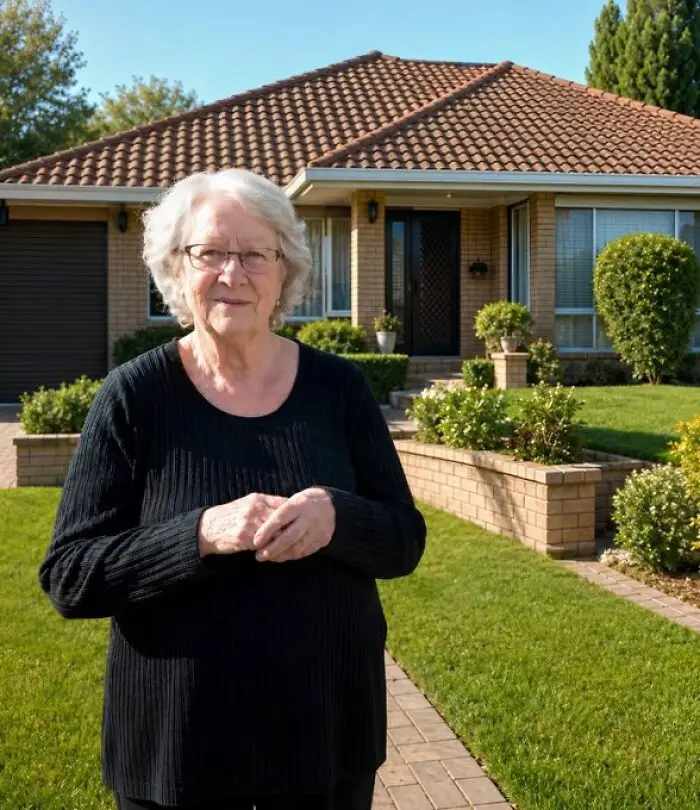
For 23 years, Jane Sayner called the same house in St Albans, Melbourne, home. She wasn't the owner. She was the tenant. Month after month, year after year, she paid her rent on time and treated the property as if it were her own.
The owners lived overseas, so Jane became the person they trusted completely. She looked after the house, handled many small repairs herself instead of bothering the landlords, and quietly cared for the property for more than two decades. Over the years, the relationship grew beyond that of landlord and tenant. It became a genuine friendship built on trust and respect.
When the owners eventually decided they no longer wanted to keep the house, they made an extraordinary decision. Rather than putting it on the market, they transferred ownership directly to Jane.
There was no legal obligation and no agreement promising her the property after a certain number of years. It was simply a remarkable gesture from owners who believed the person who had faithfully cared for their home for 23 years deserved to have it become her own
Report
45points
#26
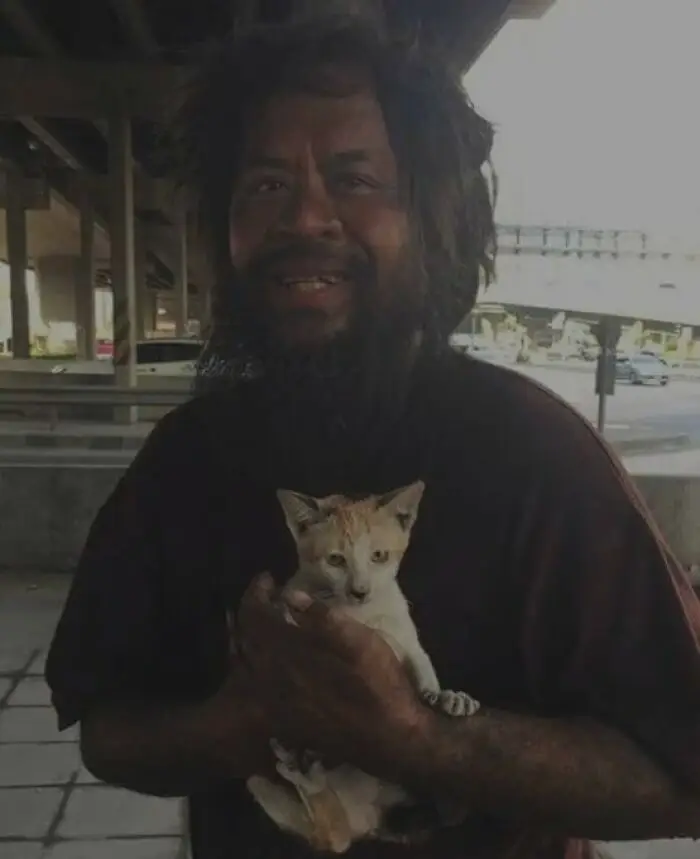
In 2017, a homeless man known as Loong Dum could often be found near Mo Chit in Bangkok, Thailand, pushing a small cart and selling bags of limes.
Each bag cost 20 Thai baht.
But beside the limes was a handwritten sign explaining why he was selling them. A portion of what he earned would be used to buy food for stray cats.
Loong Dum had very little himself. Before selling limes, he survived partly by collecting discarded bottles. Yet around the Five-Way Lat Phrao area, he had taken responsibility for dozens of stray cats.
When reporters found him in June 2017, he said he could sell around 500 to 600 Thai baht worth of limes on a good day. Some of that money went straight back to the cats.
Then someone photographed him and his little handwritten sign.
His story spread across Thailand.
People began searching for his cart just to buy his limes. Others brought food for the cats, and some offered the animals permanent homes. By the time he was interviewed, the dozens of cats he once cared for had been reduced to 11 as more found families.
Loong Dum still had no permanent home of his own.
But because people stopped beside one small lime cart in Bangkok, several of the cats he had been feeding finally did.
Report
44points
#27
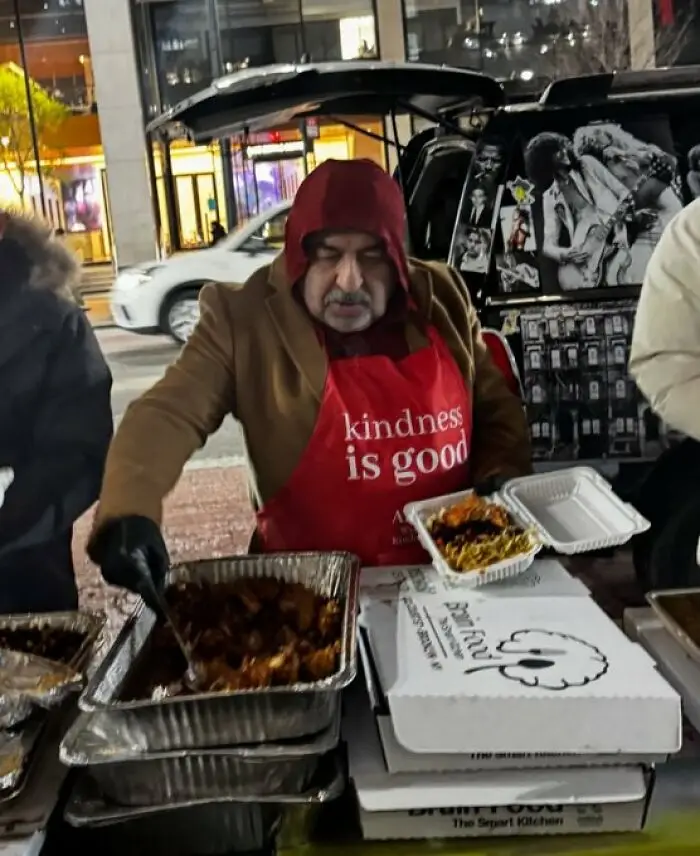
When Ali Riza Doğan arrived in New York from Turkey, he barely spoke English and knew almost nothing about the city.
Just days after starting work as a dishwasher, he got lost on his way home. It was the middle of winter. With no phone, no familiar faces, and nowhere to go, he found an unlocked building and spent the night sleeping in its heated hallway, hoping morning would come quickly.
That single night stayed with him long after his life changed.
Years later, Ali opened Ali Baba Mediterranean Cuisine in Manhattan. Success gave him something he never had that night, a warm place where people could feel safe.
Now, whenever freezing temperatures hit New York, he keeps the heated entrance of his restaurant open so people experiencing homelessness have somewhere warm and dry to rest. Every Wednesday, he and his team also prepare and hand out free meals to around 100 to 150 people, along with sleeping bags for those facing another night outside.
Ali has often said he never forgot what it felt like to be cold, alone, and unsure where he would sleep. That memory became the reason someone else doesn't have to face the same night by themselves.
Report
43points
#28

When Destiny Smith left church one day in September 2024, the last thing she expected was for a 97 year old stranger to crash into her car.
The damage was minor. But instead of worrying about the vehicle, she walked over to make sure the elderly driver was alright.
His name was Jim.
As they spoke, Destiny learned that Jim lived alone. He had no children, very little support, no driver's license, and no insurance. When she asked who looked after him, his answer was simple.
"Nobody."
She couldn't stop thinking about that conversation.
A few days later, she went back to check on him. Then she visited again. She brought him meals, sat with him, listened to his stories, and what began as concern for a stranger slowly became a genuine friendship.
Determined to help, Destiny contacted a social worker and connected Jim with local services. Soon, home health aides and nurses were visiting regularly, giving him the support he had been missing for so long.
Their friendship continued to grow. They celebrated birthdays together, shared meals, laughed like family, and when Destiny later told Jim she had moved just two minutes away, he couldn't hide his joy.
As Jim's health declined, he was eventually moved into a nursing home where he could receive full time care. Destiny continued checking in through his family and remained part of his life.
Report
42points
#29
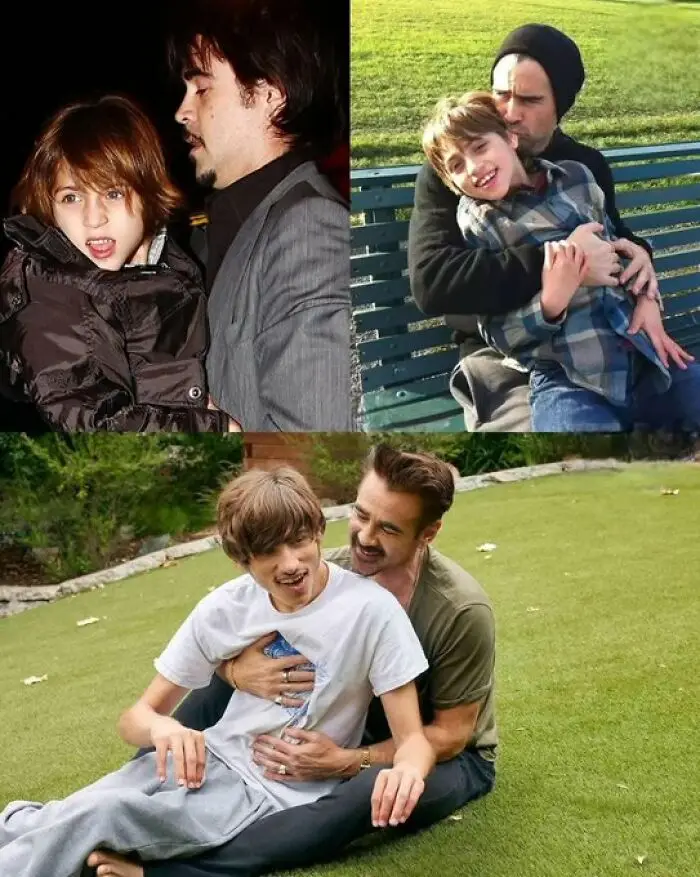
Colin Farrell remembers watching his son James take his first steps.
James was nearly four years old.
He had spent years crawling, pulling himself up against furniture and working relentlessly toward something most parents expect to happen naturally. When he finally walked on his own, Farrell later described the moment as overwhelming.
James was born in 2003 and was initially believed to have cerebral palsy. He was later diagnosed with Angelman syndrome, a rare neurogenetic disorder that can severely affect speech, movement and development.
James is nonverbal, but Farrell has always been careful not to measure his son's life by the things he cannot do.
Instead, he watched the effort behind everything James learned.
Walking. Feeding himself. Communicating with the people around him. Small everyday things could require years of patience and determination.
As James grew older, another concern began weighing on his father.
What would happen when he became an adult?
Many of the educational and support services available to people with intellectual and developmental disabilities change dramatically once they reach adulthood. Farrell began thinking not only about James's future, but about families facing the same uncertainty.
In 2024, he launched the Colin Farrell Foundation to advocate for adults with intellectual disabilities and help create greater opportunities for inclusion, independence and meaningful lives.
It was also one of the rare occasions Farrell spoke so openly about his son.
James was 20 at the time, approaching an age when his parents would increasingly have to make decisions about his future without being able to ask him exactly what he wanted.
Farrell knew he would not always be there to protect him.
So when he was asked what he hoped the future would look like for his son, his wish wasn't complicated.
“I want the world to be kind to James.”
More than twenty years after becoming his father, that concern has grown beyond one family.
Farrell is still acting and making films. He never abandoned Hollywood for his son.
What James changed was something deeper.
He gave his father a reason to use the life and platform he already had to help build a world where people like his son could have a place in it long after their parents were gone.
Report
40points
#30

Erling Haaland and his father Alfie reportedly paid around 134,000 USD for an extremely rare 1594 book about Norway’s medieval kings and Viking-era rulers.
Instead of keeping it privately, they donated it to Bryne Library so the public can see it for free.
Instead of keeping it privately, they donated it to Bryne Library so the public can see it for free.
Report
40points
#31
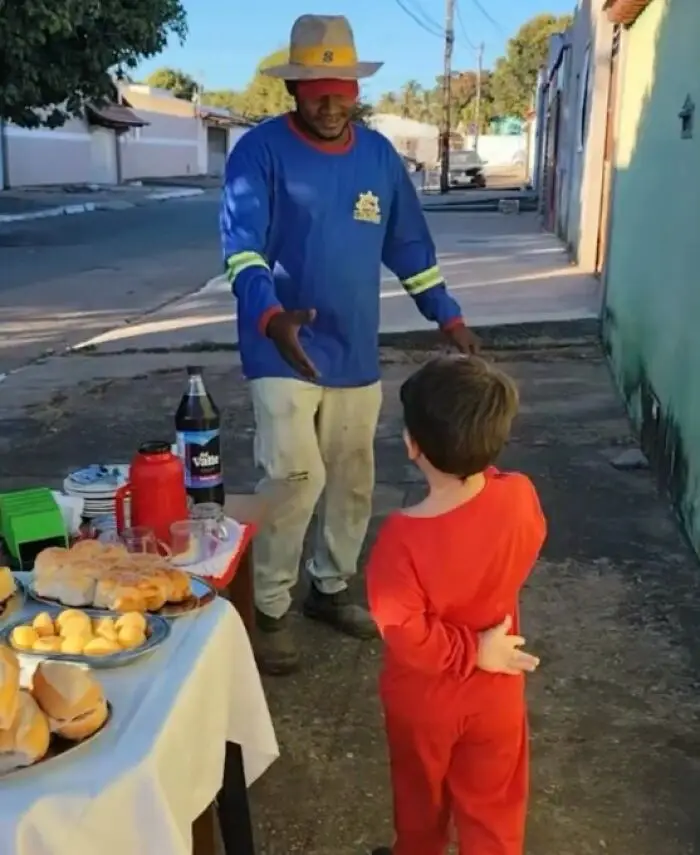
Davi Teles had been fascinated by garbage trucks for as long as his mother could remember.
Whenever the sanitation crew came down his street in Padre Bernardo, Brazil, the little boy would rush outside to see them. Even before he could properly speak, he would wave as the workers passed.
So when Davi's third birthday arrived in July 2025, his family decided to celebrate it with some of the people he was always happiest to see.
They set up a breakfast table outside and waited for the garbage truck to arrive on its usual route.
There was bread, cake, juice and other food waiting for the crew.
Davi was excited all morning. But when the truck finally appeared and the workers walked over to him, all that excitement suddenly turned into shyness.
The sanitation workers stopped their route and joined him for breakfast. They talked with him, hugged him and posed for photos while celebrating his third birthday together.
Then they gave Davi one more surprise.
They let him climb aboard the garbage truck he had spent so much time watching from the street.
His mother later thanked the workers for the affection they had always shown her son and for taking the time to make his birthday special.
She said that although it was Davi's birthday, the family felt as though they were the ones who had received a gift.
For Davi, the people he had spent so many mornings waving to from a distance had finally stopped their truck, sat at his table and celebrated right beside him.
Report
39points
#32
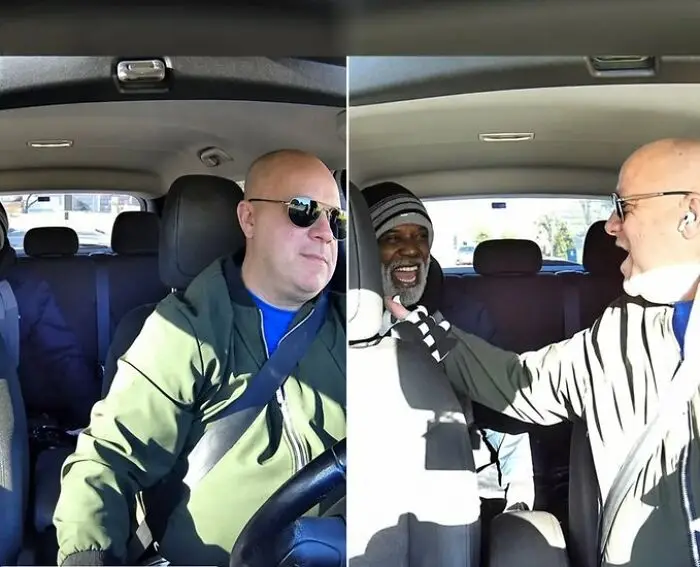
In January 2024, 51-year-old Danny Blanton was driving for Uber in Texas when he decided to accept one last ride before calling it a day.
The passenger was 60-year-old John Johnson.
At first, neither man recognized the other. They made ordinary small talk as Danny drove toward UT Southwestern Medical Center in Dallas. But after listening for a while, John noticed something familiar about his driver's voice.
He asked him his name.
When Danny answered, John realized exactly who was sitting in front of him. Danny looked into the rearview mirror, turned around, and suddenly recognized John too.
More than 20 years earlier, the two had worked together at a Dallas nightclub called Phenomenon. Danny was a bartender and John was the head of security. They became good friends, but after leaving the club, their lives went in different directions and they eventually lost contact.
Neither could even remember who left the nightclub first.
For more than two decades, they didn't see each other.
Now they were sitting in the same car because John had requested an Uber and Danny happened to accept it.
Danny's dashcam captured the moment they recognized each other, laughing and shaking hands as the years between them seemed to disappear.
During the rest of the drive, they caught up on their lives and remembered people they had known together. Before Danny dropped John off, they exchanged phone numbers.
This time, they stayed in touch and later met again.
Danny wasn't even supposed to be driving much longer that day. He had simply decided to take one final passenger.
That passenger turned out to be an old friend he hadn't seen in more than 20 years.
Report
38points
#33
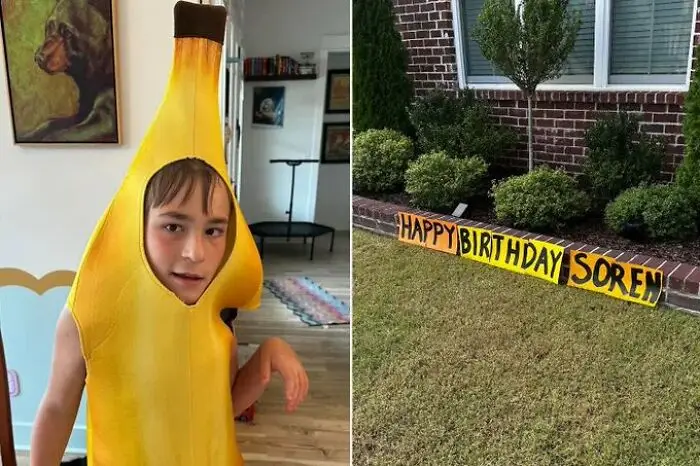
A mother asked if a few neighbors would let her 11-year-old son with autism go trick or treating for his birthday, and 83 families turned their homes into surprise candy stops to make his dream come true.
Report
38points
#34
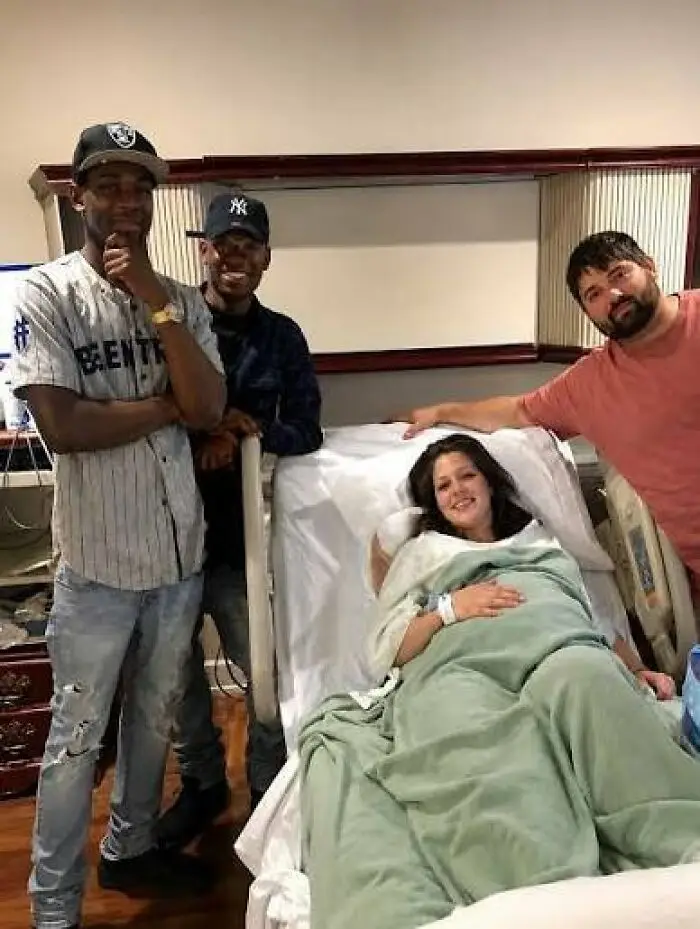
In March 2016, Mark and Lindsey Lashley were at a hospital in Bainbridge, Georgia, waiting for the birth of their son, Cason.
As relatives exchanged updates through a group text, one message accidentally went to a number that no longer belonged to the family member they thought they were contacting.
It reached two brothers, Deorick and Dennis Williams.
At first, they simply replied to say someone had the wrong number. But the family kept sending updates, and soon the brothers received a photo announcing that Cason had been born, weighing 7 pounds 11 ounces.
Instead of ignoring the messages, they decided to do something completely unexpected.
They asked what hospital room the family was in and told them they were coming.
Not empty handed either.
Deorick and Dennis arrived with diapers, baby bottles and pacifiers for a newborn they had never met, belonging to a family they had never known before that day.
For a moment, everyone in the room was stunned that the two strangers from the accidental text had actually shown up.
Then they welcomed them in.
They took photos together, met little Cason and became part of a birth story none of them had planned.
One wrong phone number had somehow brought two strangers to Room 130 with gifts in their hands, simply because they wanted to share in someone else's happiness.
Report
37points
#35
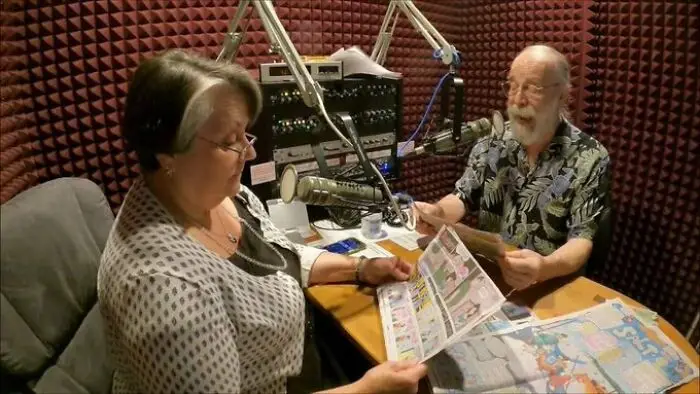
WRBH 88.3 FM in New Orleans is a non-commercial radio station that reads newspapers, magazines, and books aloud for blind and print-impaired listeners. It has been doing this for over 40 years.
Report
37points
#36
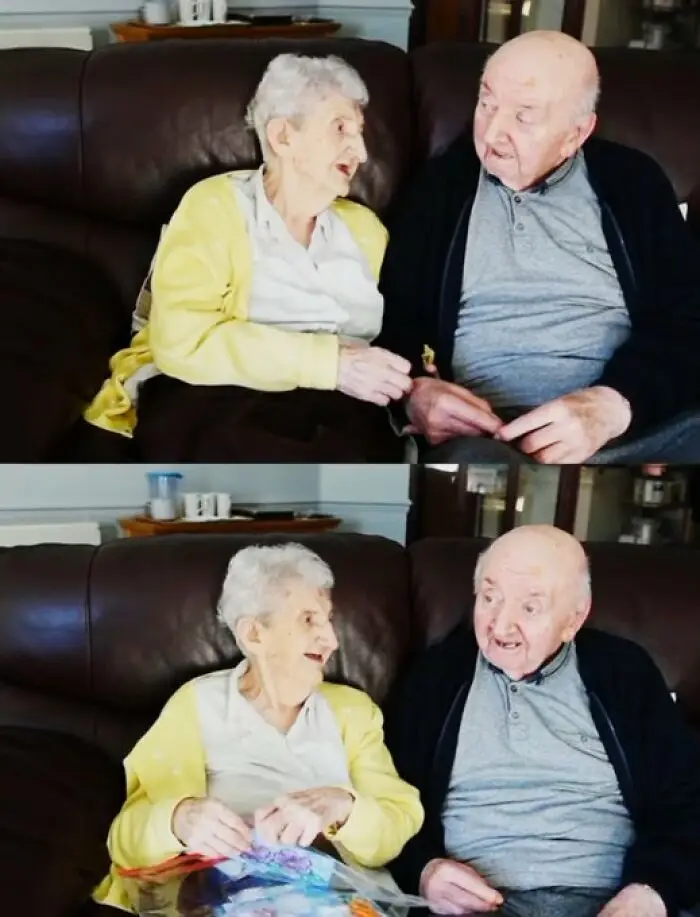
For most of his life, Tom Keating had lived with his mother.
He never married, and even as the decades passed, the two remained together at their family home in Liverpool, England.
Then, in 2016, things had to change.
Tom was 80 years old and needed additional care, so he moved into Moss View Care Home in Huyton. For the first time after spending so much of their lives under the same roof, mother and son were living apart.
Ada Keating was 98.
A little over a year later, she decided she didn't want that separation anymore.
Ada moved into the same care home as her son.
It was an unusual sight even for the staff. A 98-year-old mother and her 80-year-old son, both residents of the same home, settling back into routines that had been part of their lives for decades.
Every morning, Ada would visit Tom and tell him she was heading downstairs for breakfast.
Every evening, she would go to his room again just to say goodnight.
They drank tea together, played games and watched television, including Emmerdale.
And when Ada occasionally went out to the hairdresser, Tom would wait for her to return. When she came back through the doors, he would greet her with his arms open for a hug.
Tom was 80, but some things hadn't changed. Ada could still tell him to behave himself.
Before retirement, Ada had worked as an auxiliary nurse, while Tom had been a painter and decorator. She had spent much of her life caring for others, and nearly a century after she was born, she was still looking out for her eldest son.
When asked about it, Ada explained it in a way only a mother really could.
"You never stop being a mum."
At 98 years old, she proved she meant it by moving home just so she could be beside her 80-year-old boy again.
Report
36points
#37
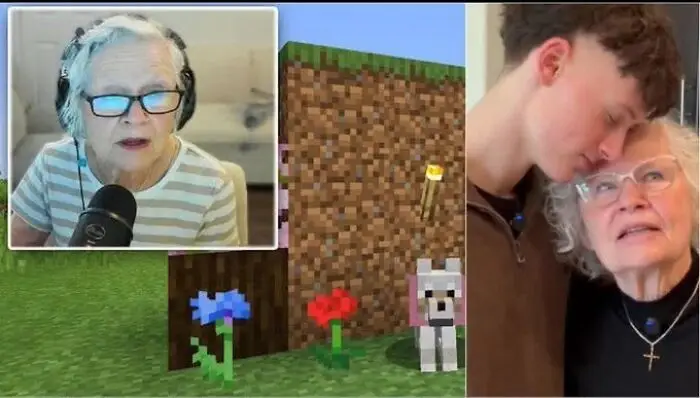
Sue Jacquot never expected to become a Minecraft creator at 81.
The Arizona grandmother first learned the game from her grandsons, Austin and Jack. It wasn't about views or subscribers. Minecraft was simply another way for her to spend time with them.
Then life changed.
In 2024, her 17-year-old grandson Jack was diagnosed with a rare and aggressive form of sarcoma. Along with the fear of what he was facing came the enormous cost of treatment.
Sue looked at the game her grandsons had taught her and wondered if it could help.
In late 2025, she started a YouTube channel called GrammaCrackers and began uploading videos of herself playing Minecraft. She was still learning the game, making mistakes and figuring things out as she went.
But she had a purpose behind every video.
Sue pledged the advertising revenue from her channel toward Jack's medical expenses and shared the family's fundraiser with her viewers.
People started finding her videos.
Then thousands more arrived.
Within roughly two months, the 81-year-old grandmother had gained around 360,000 subscribers after uploading only about a dozen Minecraft videos. By January 2026, more than 48,500 USD had also been donated through the family's fundraiser.
Jack even joined his grandmother during a livestream, where Sue proudly showed him around the Minecraft world she had been building.
Then came the update everyone had been hoping for.
After undergoing treatment, Jack was reported cancer-free and later described as being in remission.
Sue kept playing.
What began as an grandmother learning Minecraft so she could spend a little more time in her grandsons' world became something neither of them could have imagined, with hundreds of thousands of strangers eventually joining her there too.
Report
35points
#38

Brian Sweeney's voicemail to his wife Julie (Jules) from flight 175 on 9/11.
"Jules, this is Brian. Listen, I'm on an airplane that's been hijacked. If things don't go well, and it's not looking good, I just want you to know I absolutely love you. I want you to do good, go have good times. Same to my parents and everybody, and I just totally love you, and I'll see you when you get there. Bye, babe. I hope I call you."
Life is so full of tragedy. Be kind. Take nothing for granted ❤️
Report
34points
#39

When 5-year-old Brian Kelly’s father, Dan, was deployed to Syria with the U.S. Air Force in 2017, Brian didn’t just miss having his dad at home. He missed the ordinary things they used to do together.
Especially yard work.
Brian loved following his dad outside, helping mow the lawn, trim bushes and tackle whatever needed doing around their home in Belleville, Illinois. It was their routine, and after Dan left for a six-month deployment, that routine suddenly disappeared.
Then Brian noticed his neighbor, Dean Cravens, working outside.
One day, he walked over and knocked on Dean’s front door. He wanted to know if he could help.
Dean said yes.
And Brian kept coming back.
For roughly six weeks, he knocked on Dean’s door virtually every day. They bagged grass clippings, used the leaf blower and worked around the yard together. Dean never seemed too busy for him.
Eventually, it became about much more than mowing lawns.
Dean, an IT worker and father of three daughters, began playing basketball, golf and catch with Brian too. They spent hours together doing the kind of simple “dad activities” Brian had been missing.
Brian’s mother, Barbara, knew exactly why her son kept showing up at the neighbor’s house. He missed his father deeply. Dean wasn’t trying to replace Dan. He was simply giving a little boy some of the normalcy he needed while his dad was thousands of miles away.
Dean’s daughter Molly eventually shared photos of the unlikely pair in June 2017, and their friendship reached people far beyond their neighborhood.
Six months after leaving home, Dan finally returned from his deployment.
Brian had his dad back.
And the neighbor who had quietly filled those afternoons with yard work, basketball and games of catch could finally hand the job back to him.
Dean said that if Dan ever had to leave again, he would be there for Brian.
The lawn work may have started with one little knock on a neighbor’s door, but Dean kept answering it until Brian’s dad came home.
Report
34points
#40
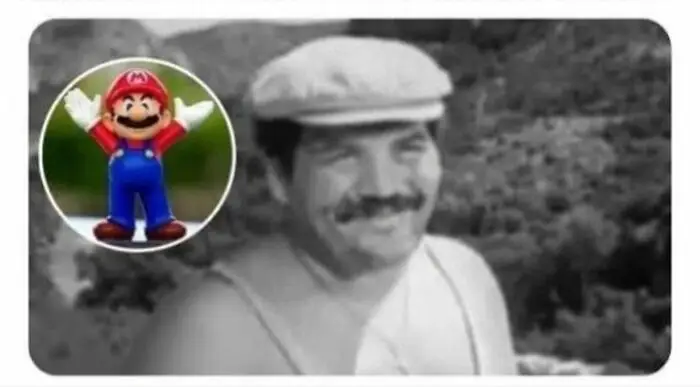
Super Mario is named after real-life businessman Mario Segale, who was renting out a warehouse to Nintendo.
After Nintendo fell far behind on rent, Segale did not evict them but gave them a second chance to come up with the money.
Nintendo succeeded and named their main character after him.
After Nintendo fell far behind on rent, Segale did not evict them but gave them a second chance to come up with the money.
Nintendo succeeded and named their main character after him.
Report
33points