

#1
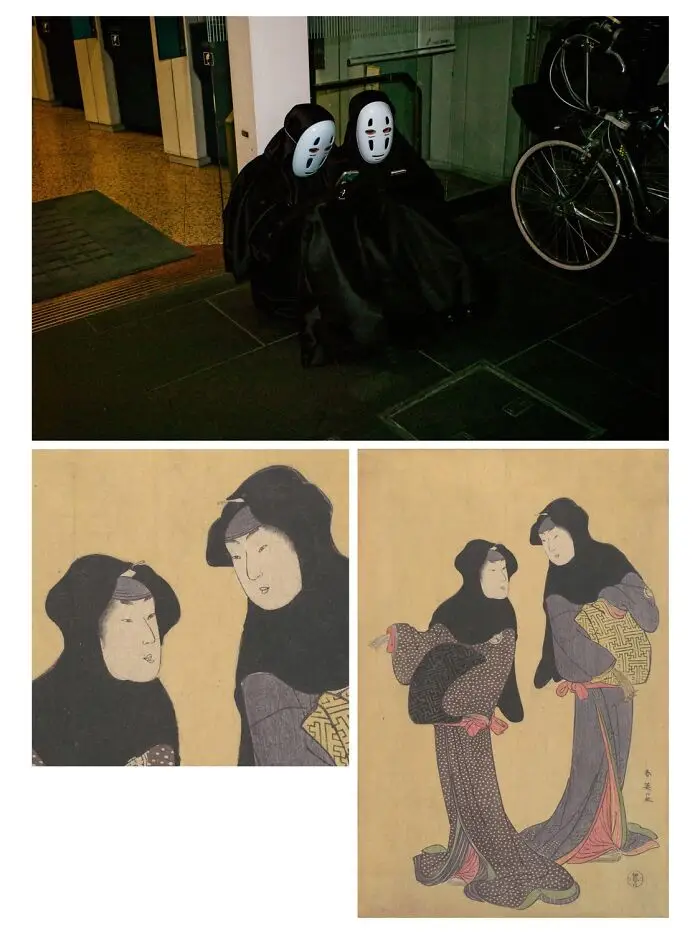
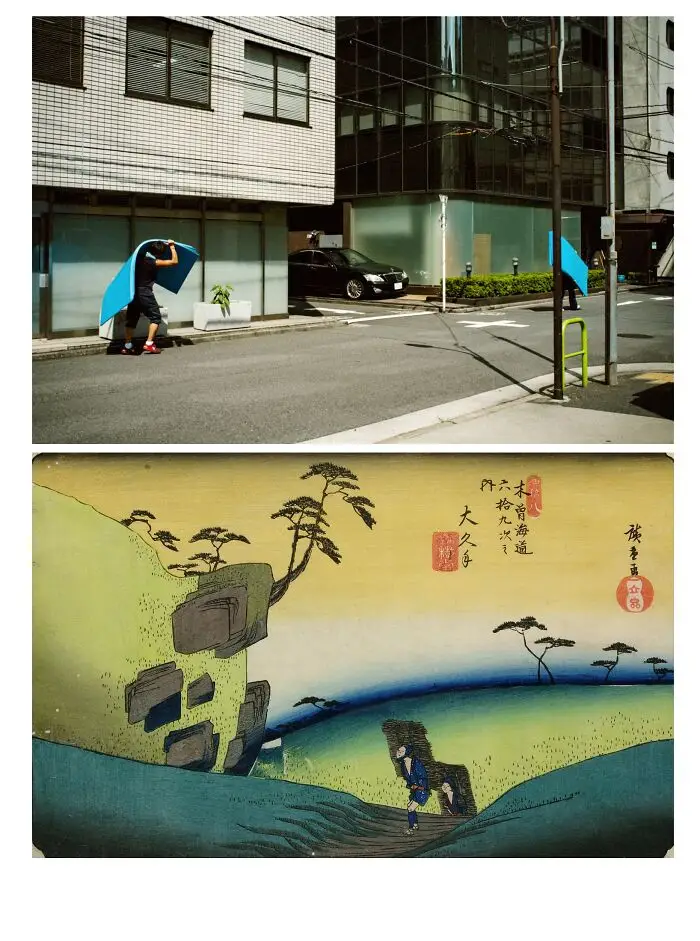
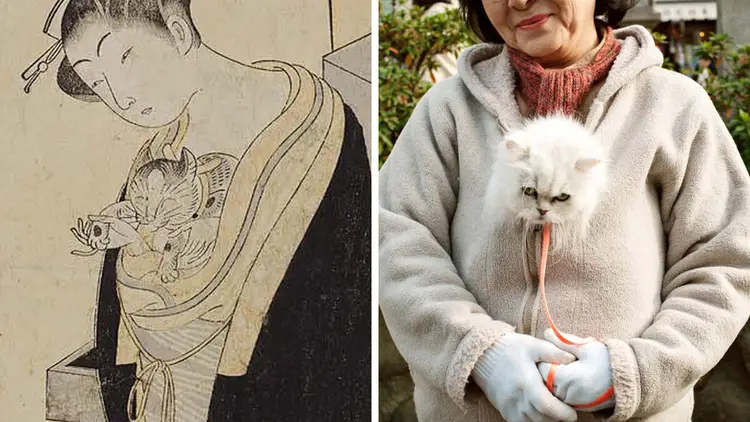
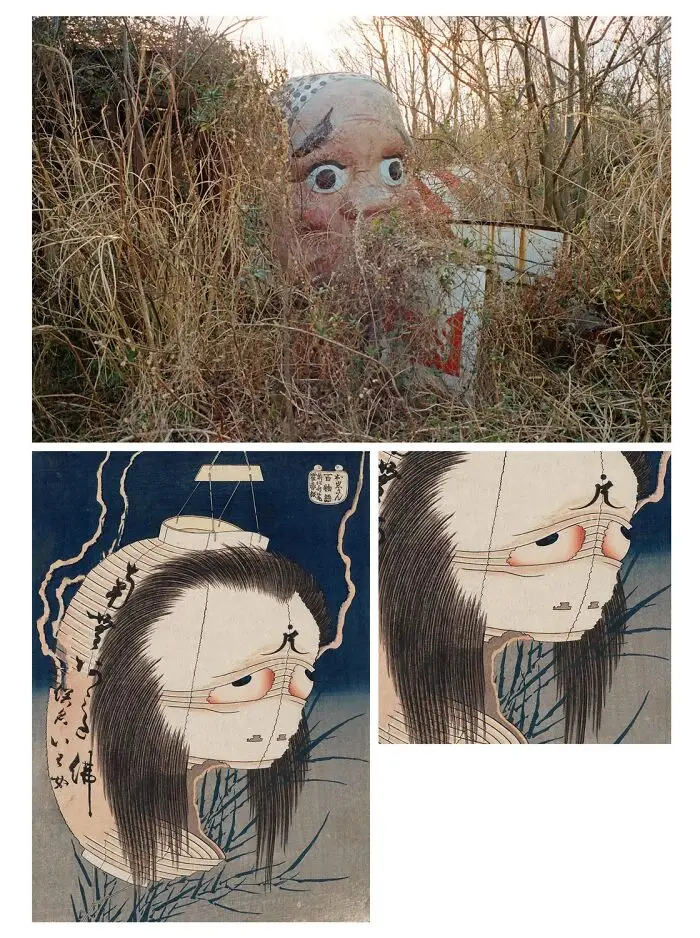
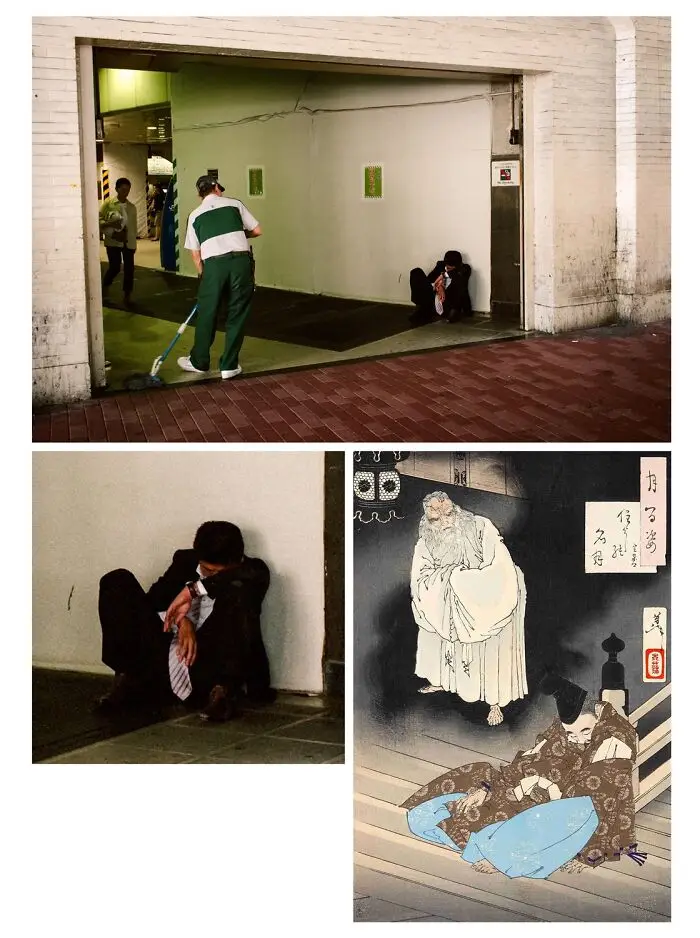
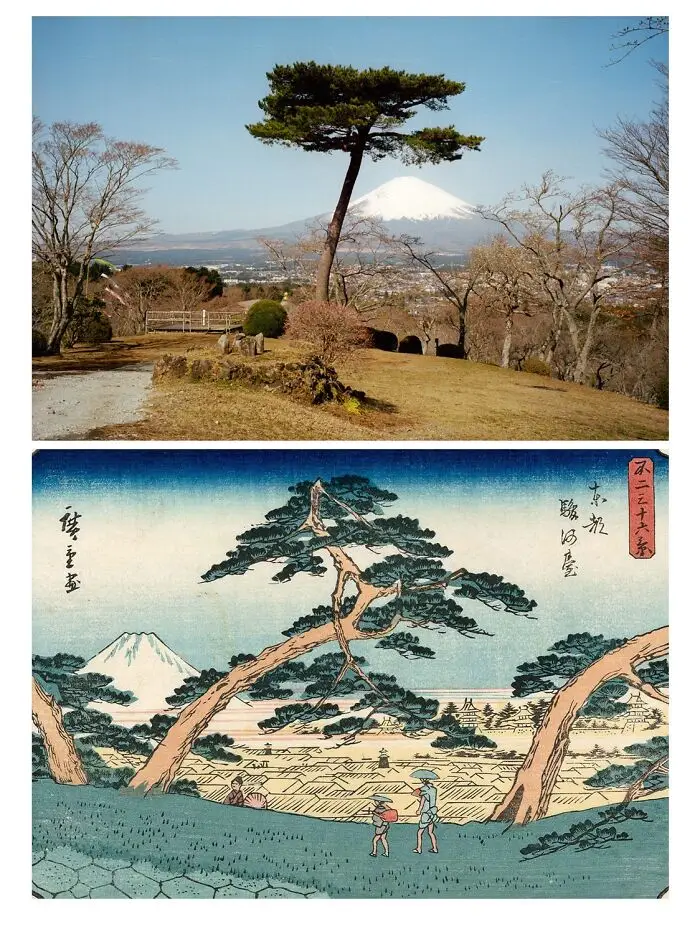
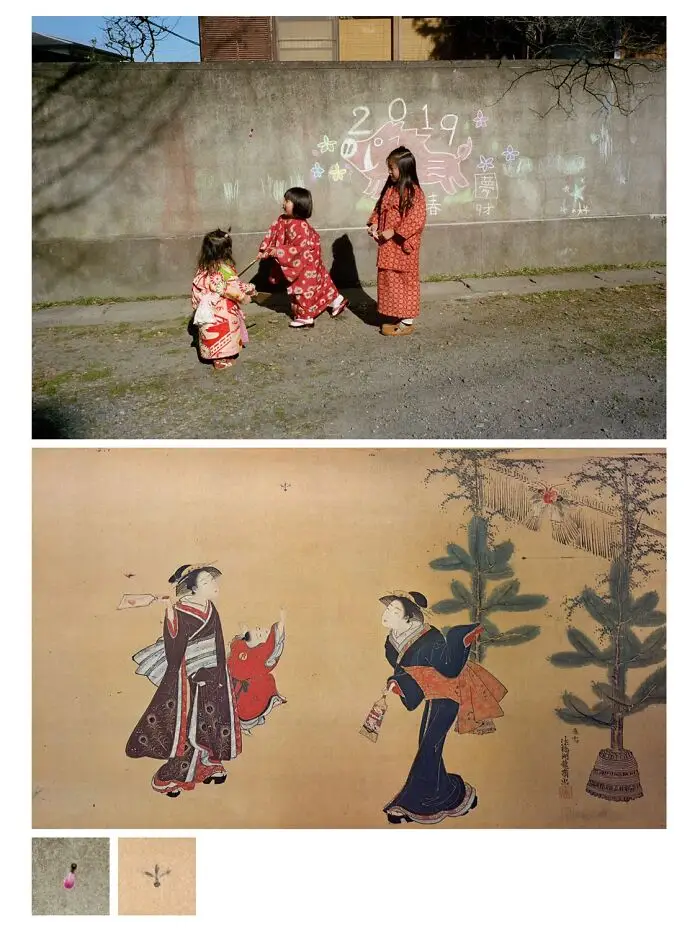
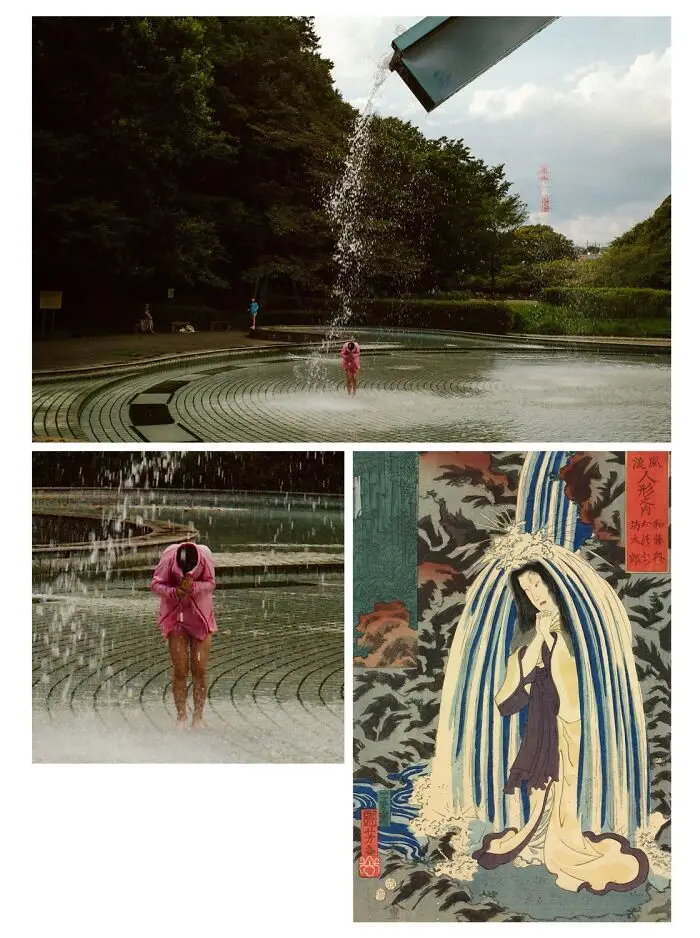
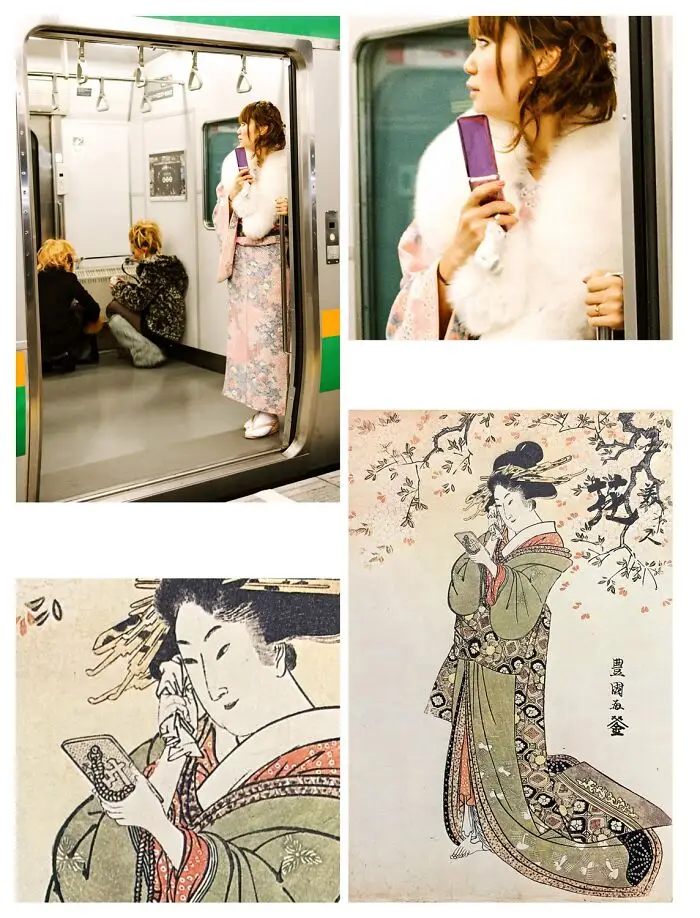
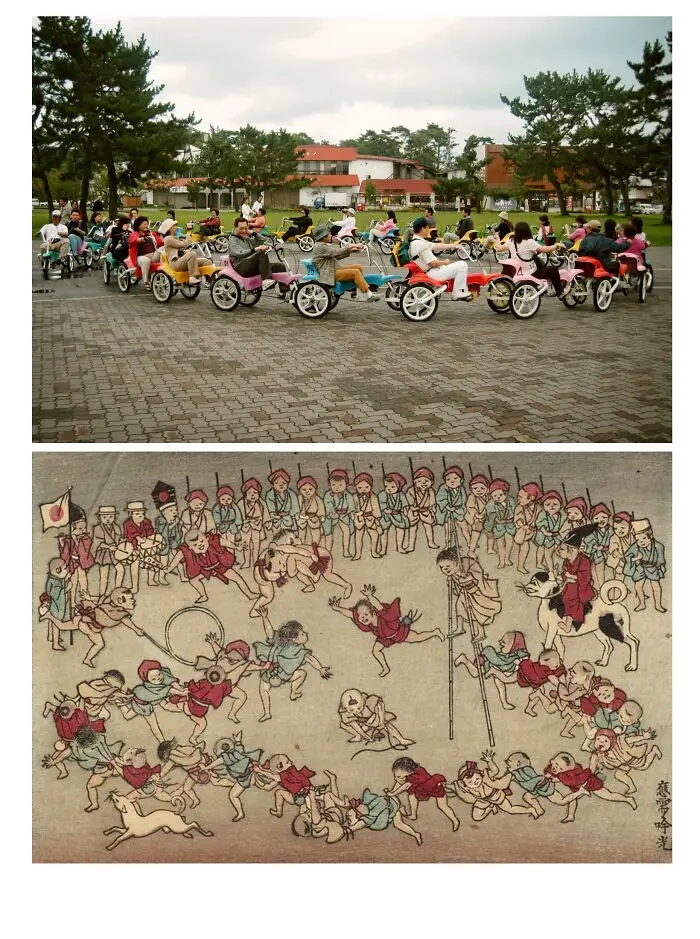
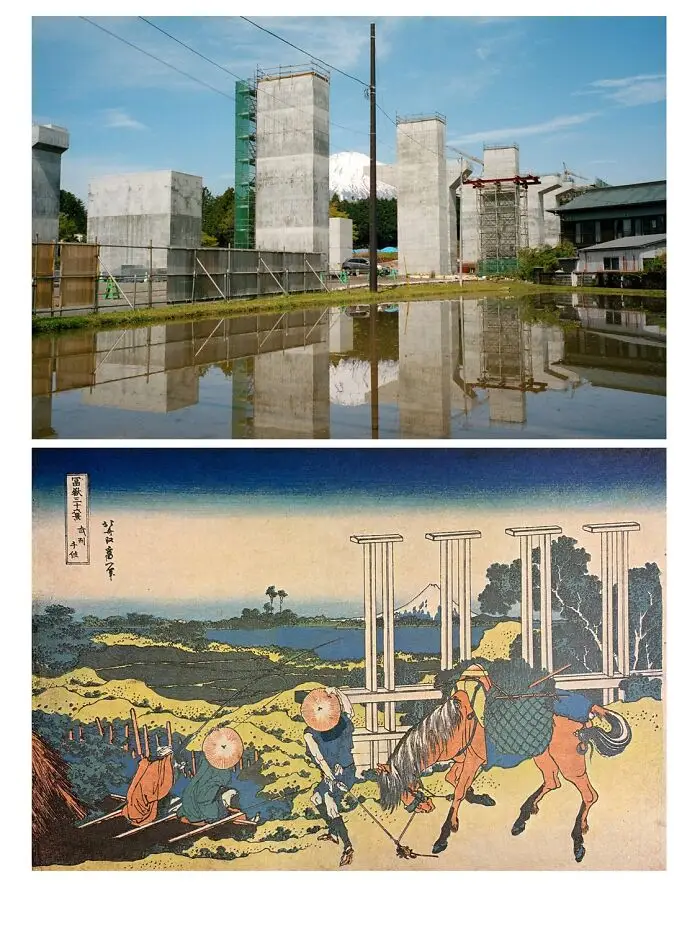
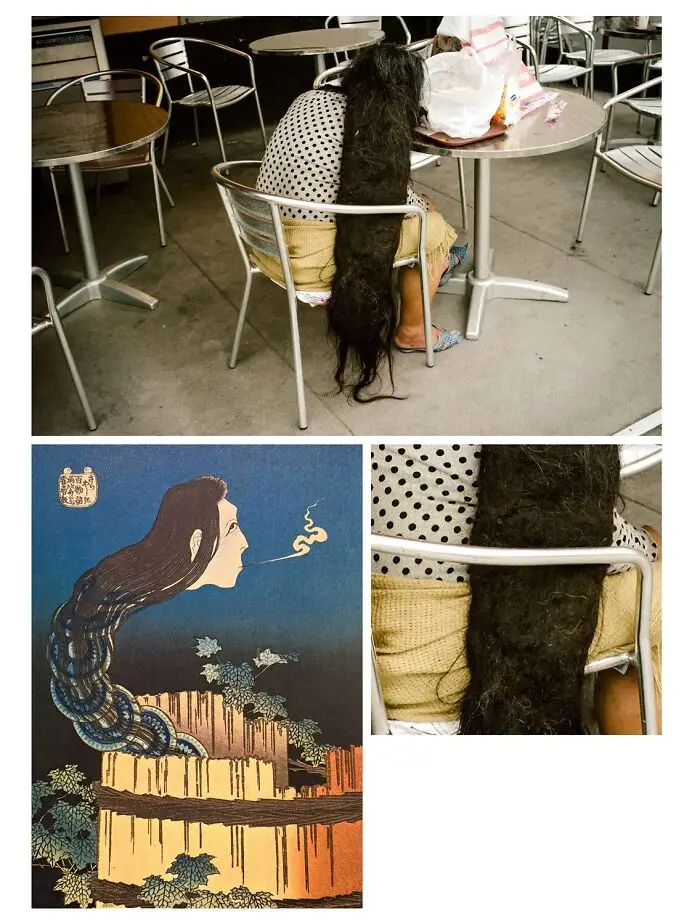
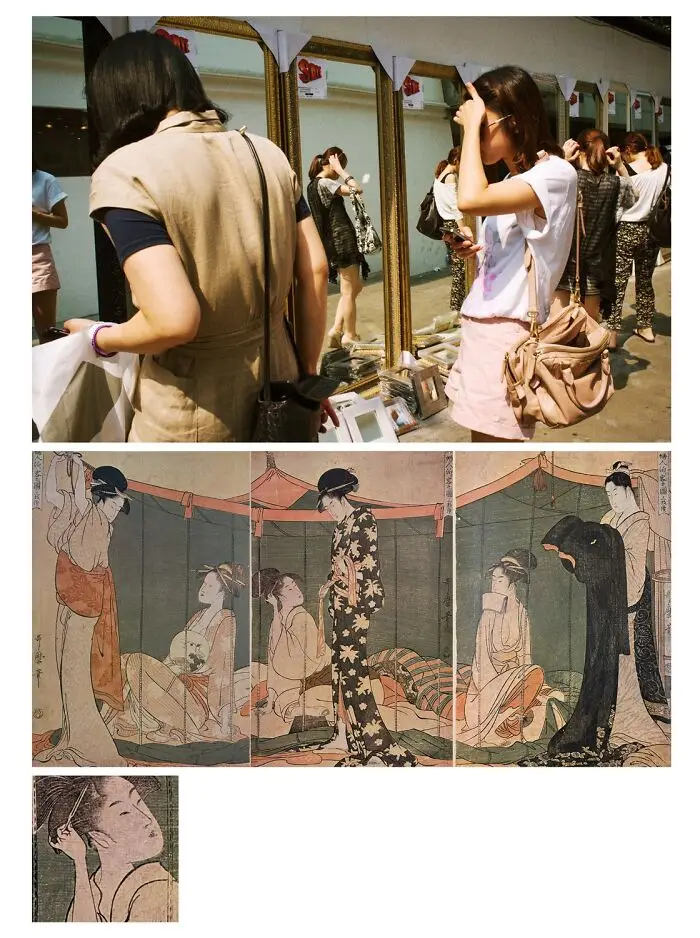
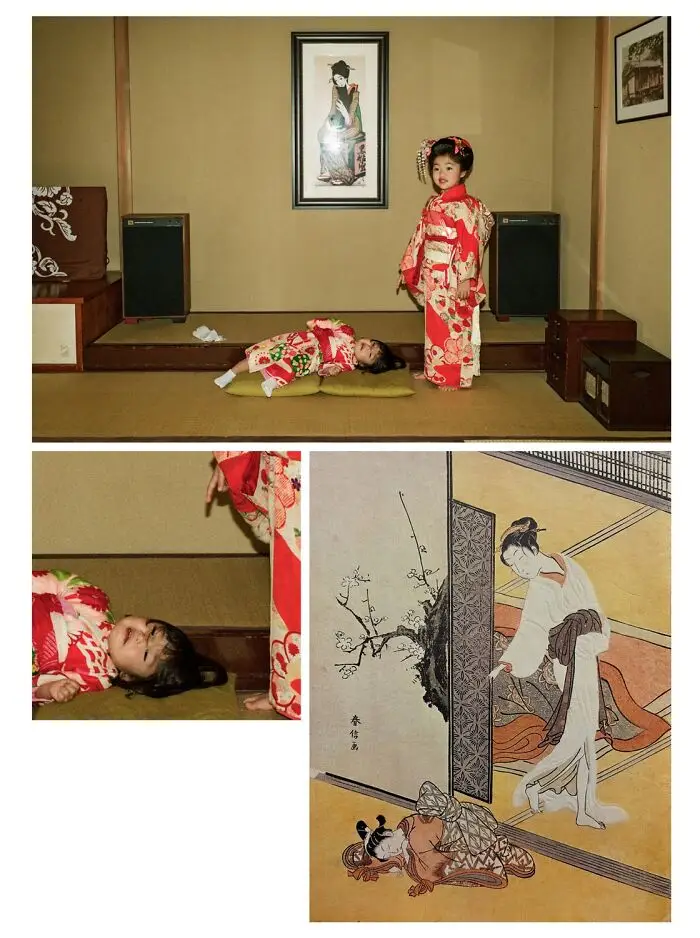
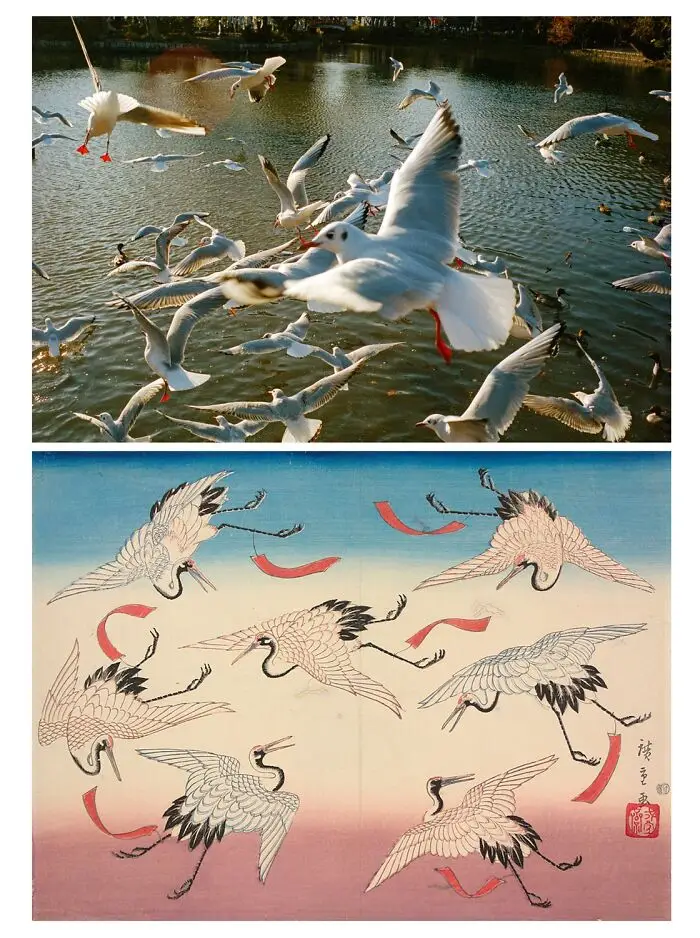
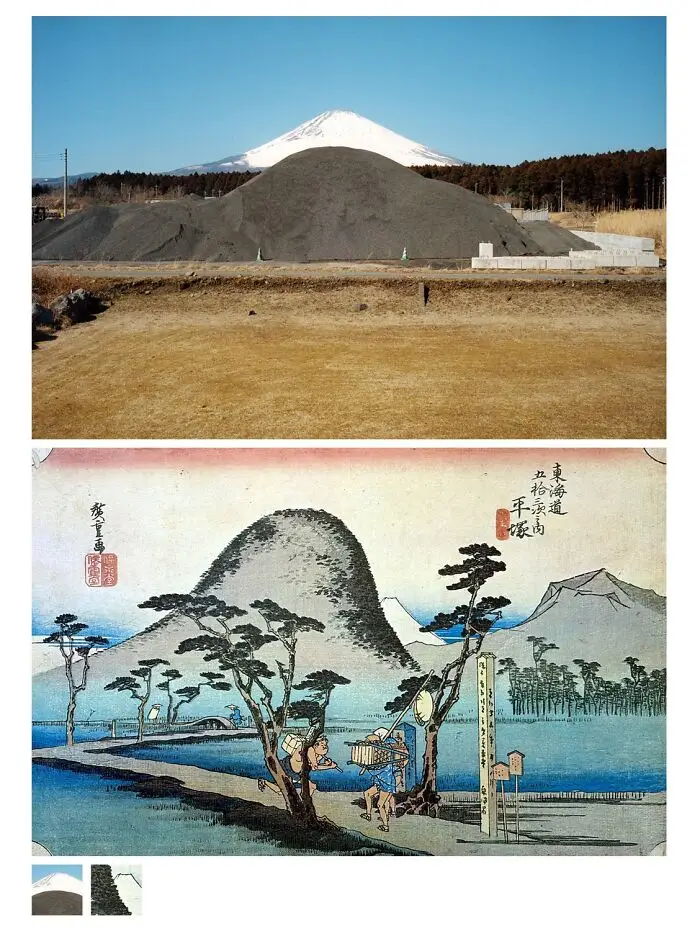
Bored Panda first asked Noguchi what inspired him to create “Ukiyo-shashin/Ukiyo-e” and how the idea for bringing together his photographs and traditional Japanese prints originally came about: “Ukiyo-e are pictures of the everyday life of their time. ‘Ukiyo’ is the very world that people actually lived in. I have always photographed the same thing: the living figures of the people I have encountered, just as they are. I have loved ukiyo-e and painting from Japan and beyond, since I was a child, and ukiyo-e lies at the base of my photographs, especially in their compositions. Now, some twenty years into my work, I decided to make that root public. I wanted people to notice anew that the scenes and gestures in the photographs I have taken already existed in woodblock prints from two hundred years ago, and that the present and the past are one continuous ground. This project, ‘Ukiyo-shashin/Ukiyo-e,’ was born from that. Its statement is a single line: ‘To chronicle an era, and pass it on.’”
#2
#3
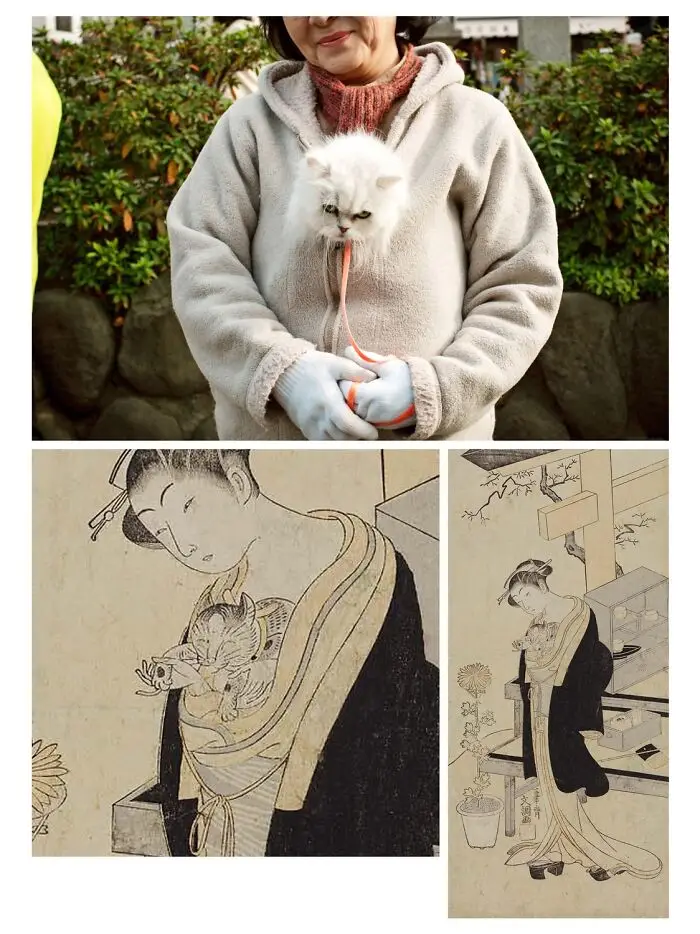
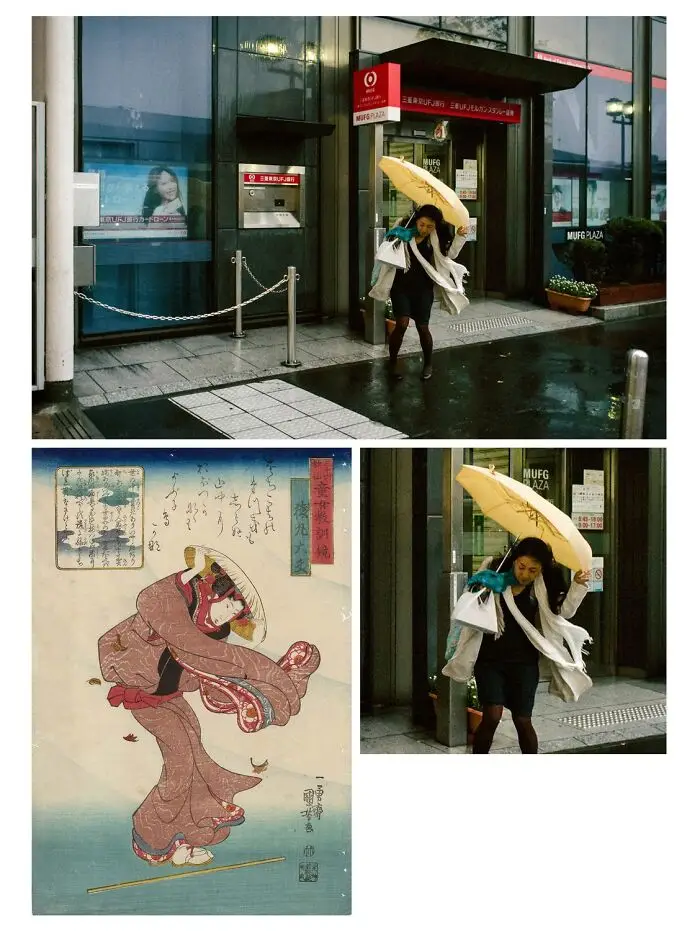
We were also curious about his approach to street photography and how he captures everyday scenes that seem to reflect the spirit and visual style of traditional ukiyo-e art: “I do not go out looking for scenes that resemble ukiyo-e, and I never stage anything. I photograph my family, my town, and the people I meet from inside their lives, not from outside them. When I release the shutter naturally before a scene in front of me, the worlds of ukiyo-e and other works I have seen in the past may be projected over it, semi-transparent, like a filter. So the resemblance to ukiyo-e appears naturally. It is there before I am conscious of it. I came to realize that people's everyday gestures may in fact have hardly changed at all. If we suppose that I am searching for pairs with ukiyo-e, what I search for is not a match of surface subjects or scenes, but the inner structure: gesture, scene, composition, and within the frame, the feelings that people have left there.”
#4
#5
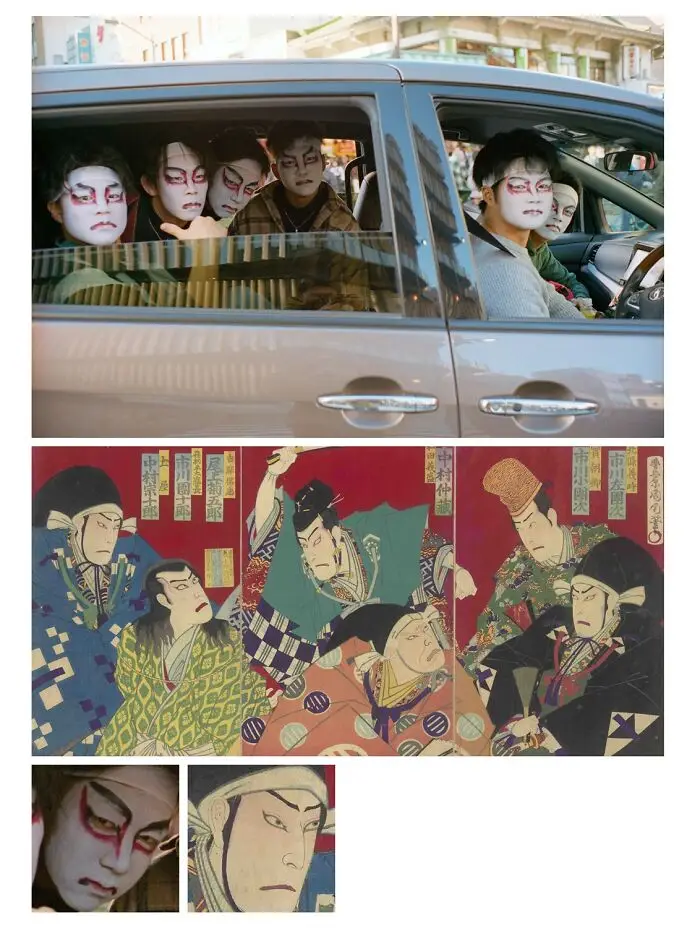
Next, we asked Noguchi whether he had encountered any particular challenges while putting the project together and if there was a photograph or comparison that held special meaning for him: “I do not photograph in order to build this project, so there is no difficulty in putting it together. But there may be a slight embarrassment, as if I were opening, one by one, the secret drawers inside my head and sharing them with others. One pair expresses what I want to say particularly well: my photograph of the mikoshi carried by men at the Ikaho festival, watched over gently by the okami, the women who run the inns there, paired with Kuniyoshi's ‘Soma no Furudairi.’ Their subjects and themes could hardly be more opposite: a festival procession, and a haunted house with a skeleton monster. Yet inside, both are scenes in which women have gone on to watch over and protect a place and its history, while the men, as if entrusting themselves to that, show their own way of life. And both are built on the same three-part composition. Through this combination, I would be glad if people noticed that I am looking not only at the surface charm of the everyday life of the street, but at something much deeper.”
#6
#7
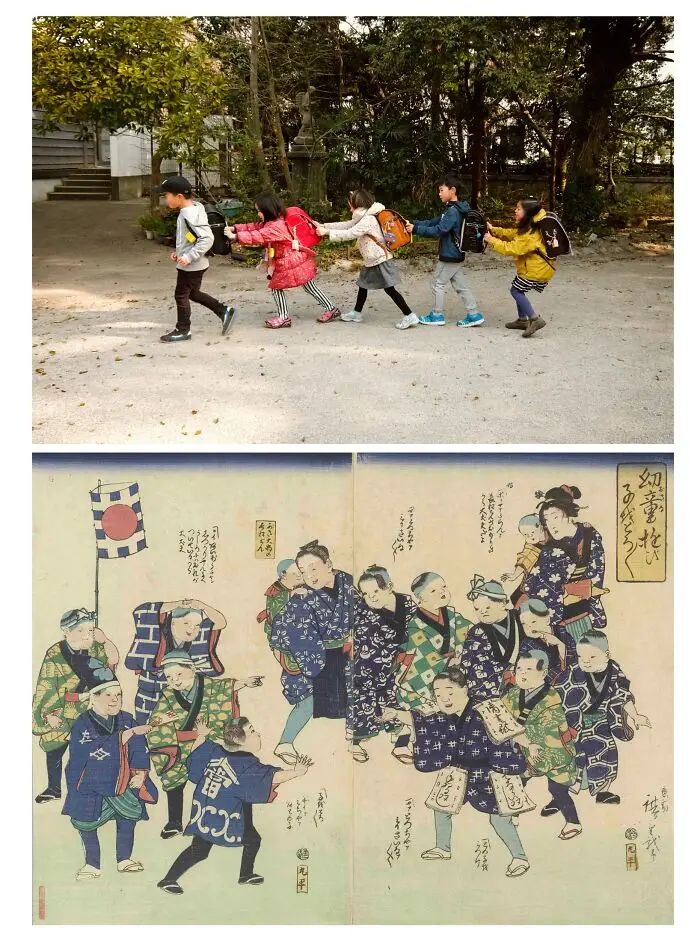
Finally, we wanted to know what Noguchi hopes viewers around the world will discover about Japanese culture through these comparisons between contemporary photography and traditional art: “I hope people feel that Japanese culture is not something frozen in the past. A mother carrying her child on her back, children walking in a line holding on to each other, people working, people playing, people celebrating. These movements have continued without interruption from the Edo period to today. By looking at contemporary street photographs and ukiyo-e at the same time, I would be glad if readers could feel the connection of time from their own past to the present, and hope for what lies ahead, and above all, feel the preciousness of their own daily lives, and of the daily lives of the others they have been involved with, even if only slightly, and look at them a little more carefully.”
#8
#9
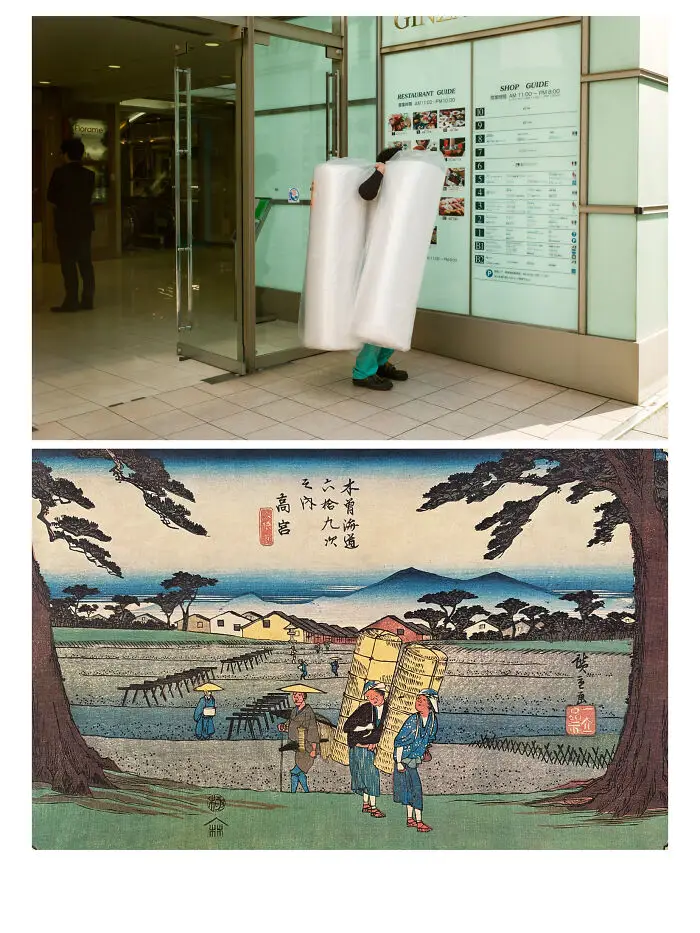
From Shin Noguchi's personal collection.
#10
#11
#12
#13
#14
#15
#16
#17
#18
#19
#20