

Grandparents are often a source of steady support and unconditional love. In adoptive families, that bond carries even more weight, giving kids a sense of belonging and community.
So when a pair of grandparents made a careless remark in front of all three of their adopted grandkids, the fallout was immediate. The comment left the children deeply hurt, pushing their mom to cancel the family’s upcoming Thanksgiving plans.
Her sudden decision didn’t sit well with the rest of the relatives, though. Unsure if she had gone too far, the mom turned to the internet to ask if she was in the wrong. Read the full story below to find out what the grandparents actually said and how people online reacted.
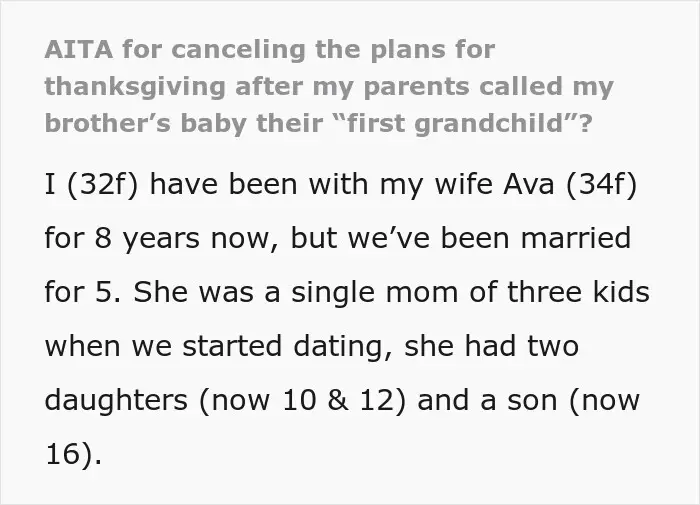
A woman's parents made some hurtful remarks targeted at her kids during a family get-together
It prompted her to immediately cancel the upcoming Thanksgiving plans
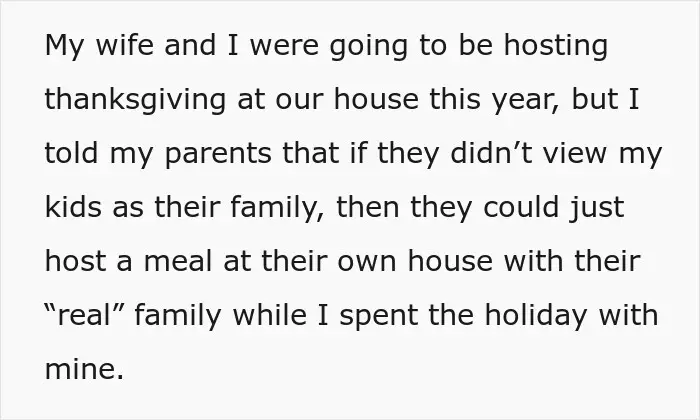
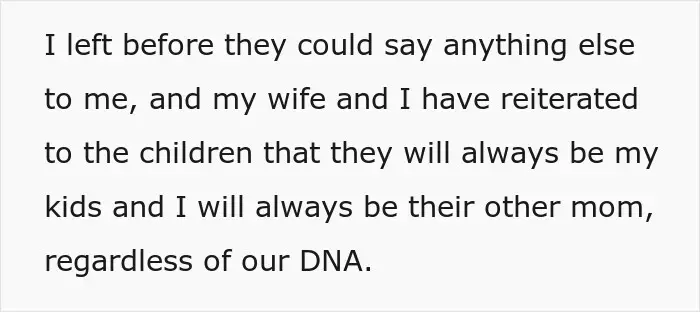
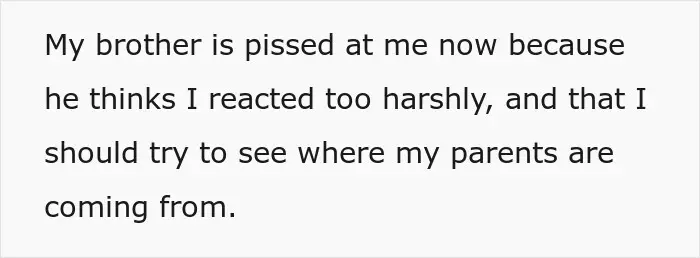
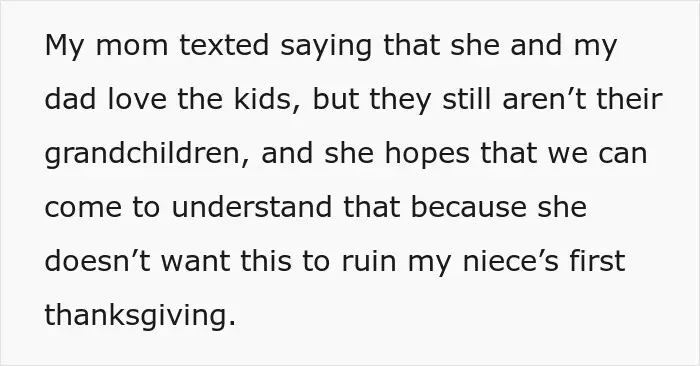
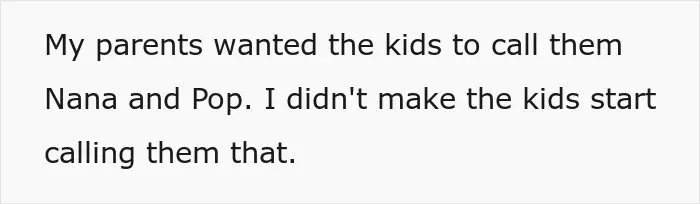
It takes a lot more than shared genes to make a real family
As adopted children grow, their ties to aunts, uncles, cousins, and grandparents shape how safe and accepted they feel. Because adopted kids often carry deeper emotional and developmental needs, steady support from the wider family matters even more.
A 2015 University of Leicester study found that when relatives welcome an adopted child with open arms, the whole family forms stronger emotional bonds.
Not every family member embraces this change, though. Some relatives cling to old ideas about bloodlines or treat step-kids and adopted children like outsiders. That lack of acceptance takes a real toll.
A 2017 study found that when adoptive parents absorb social judgment, it can lead to depression and tension at home. Many people still misunderstand why parents adopt, and the media often paints them unfairly as either “heroes” or “desperate.” To cope, many adoptive parents — especially outside big cities where judgment runs higher — turn to close friends and other social support systems instead of relying on blood relatives.
At the root of this bias is the false belief that biology creates deeper love. Yet research shows that DNA controls very little of a child’s true personality, and sharing genes never guarantees a close bond.
There is a myth that “parents can’t love an adopted child as much as they would a biological child… (But the reality is) love and attachment are not the result of nor guaranteed by biology. The intensity of bonding and depth of emotion are the same, regardless of how the child joined the family,” says Dr. Abbie Goldberg, associate professor of Psychology at Clark University.
Ultimately, neither giving birth nor adopting is better than the other — both are real, meaningful ways to build a family.
When relatives refuse to budge, parents need to prioritize their kids
Needless to say, parents should never force children into spaces where they feel unwanted. Holiday traditions and family guilt should also not come before a child's emotional safety.
Experts suggest that identifying triggers early and skipping painful family gatherings are healthy choices when relatives cross the line.
Healthy grandparenting means following the parents’ lead rather than undermining them. “I think it’s fair for parents to largely state what they want, and most of the research on grandparenting shows that it works better when grandparents do accede to parents’ wishes, that they’re in the background and able to step in where and when it’s needed, but the impetus is on grandparents to respect parents and what they feel is safe or not safe in terms of their households,” says Dr. Matthew Mulvaney, an associate professor and parenting researcher at Syracuse University.
If relatives refuse to apologize or change hurtful behavior, cutting back contact can become a necessary last resort.
“You’re breaking trauma cycles because you’re modeling healthy behavior for others who are watching, like your kids or your friends,” psychologist Dr. Chivonna Childs explains.
Still, parents should prepare for pushback when they draw that line. “When you go no-contact, it’s usually because that person’s already crossed your boundaries. So, them not adhering to a no-contact request is something you need to be ready for,” Dr. Childs adds.
Standing up to your own family is never easy. Yet a young child cannot defend themselves against adult cruelty, which makes prioritizing your kids even more important.
At the end of the day, this pre-Thanksgiving drama reminds us that family is built on love and respect, not just shared DNA.
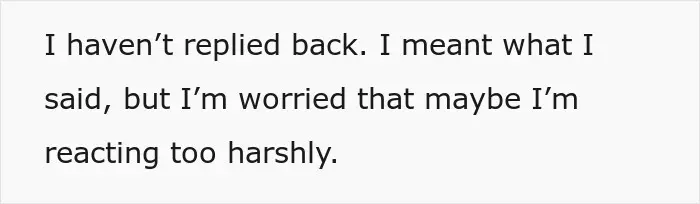
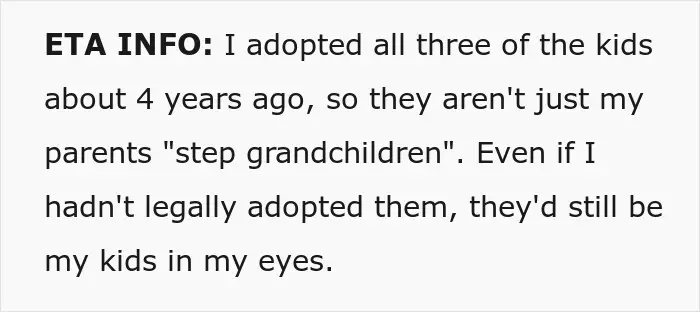
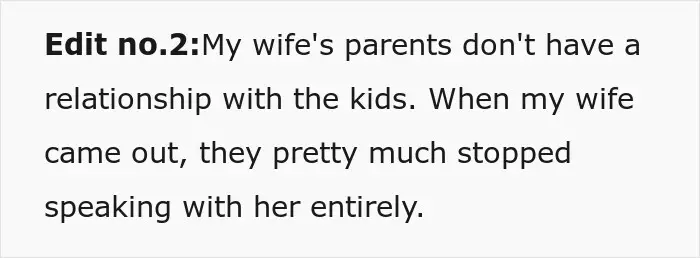
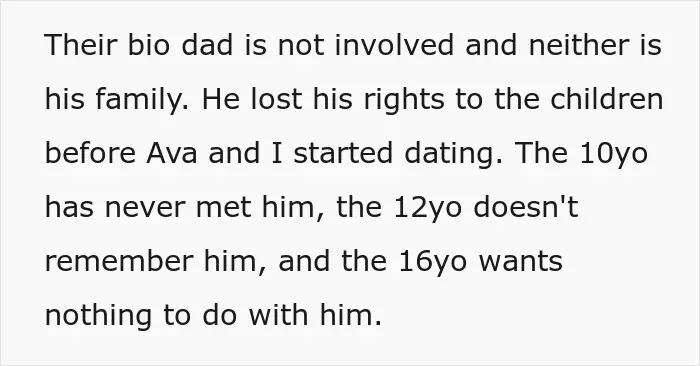
The woman gave some more info in response to the comments
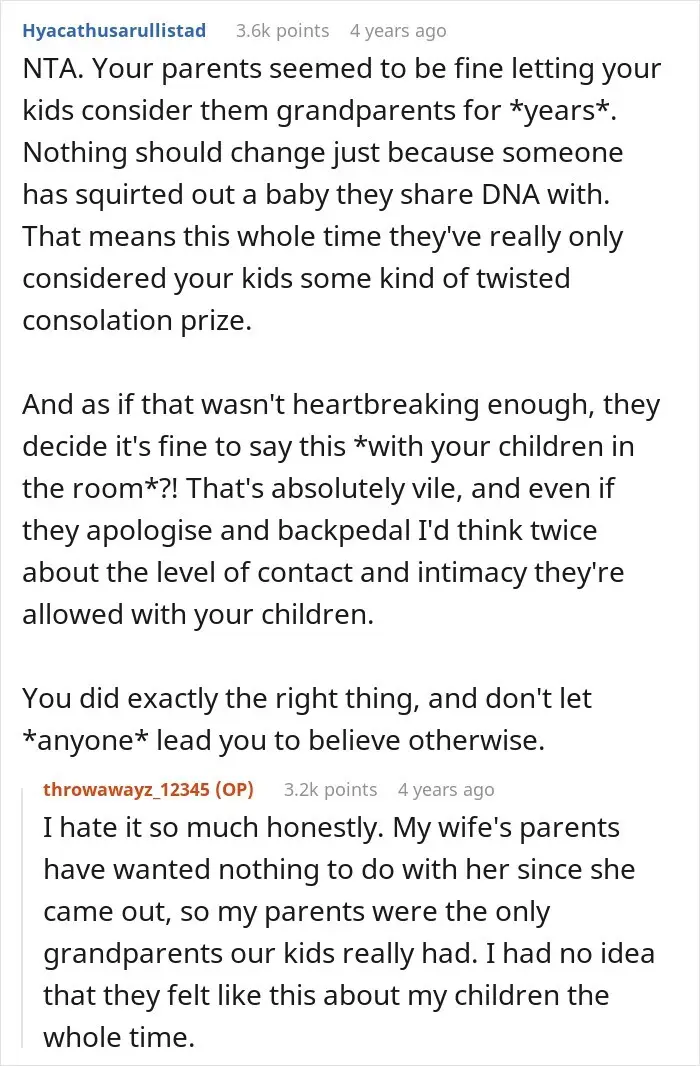
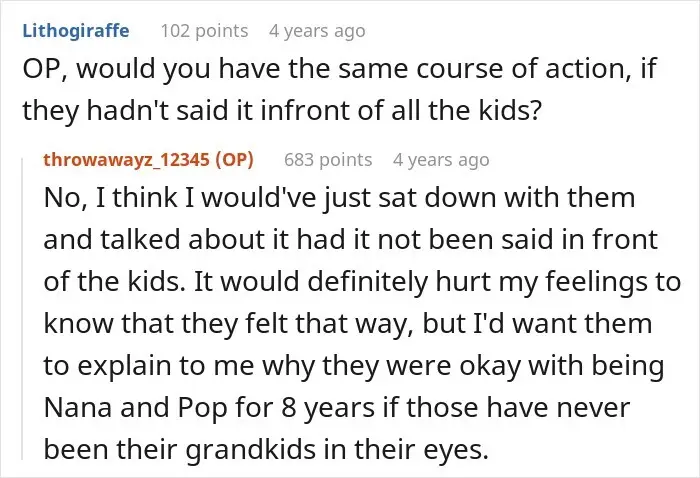
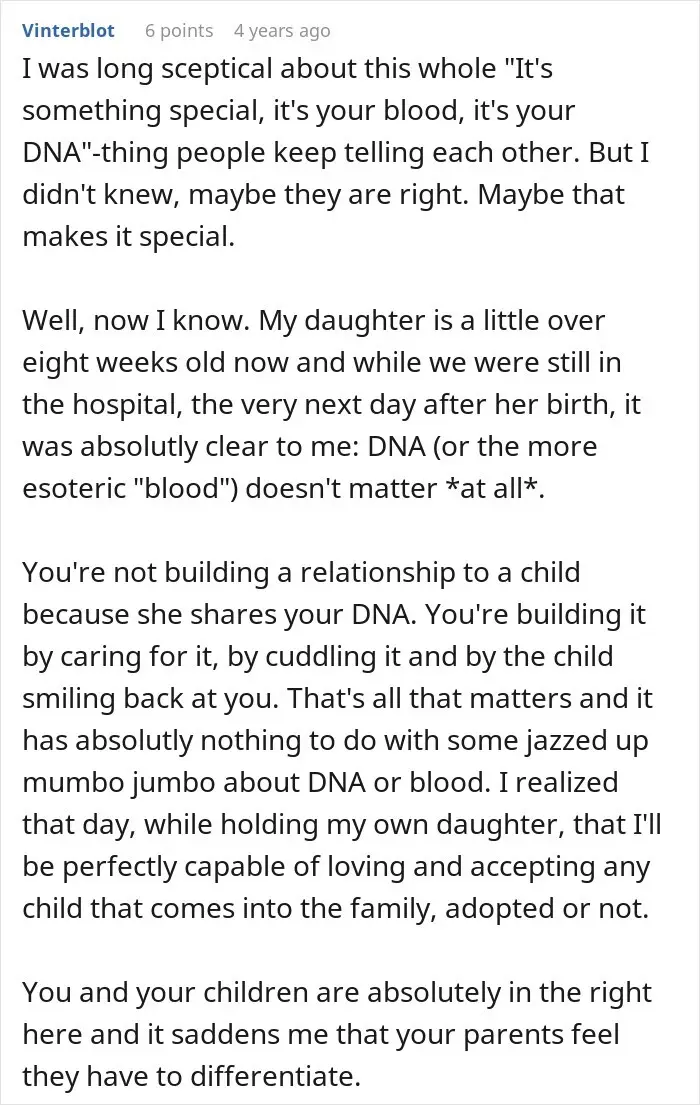
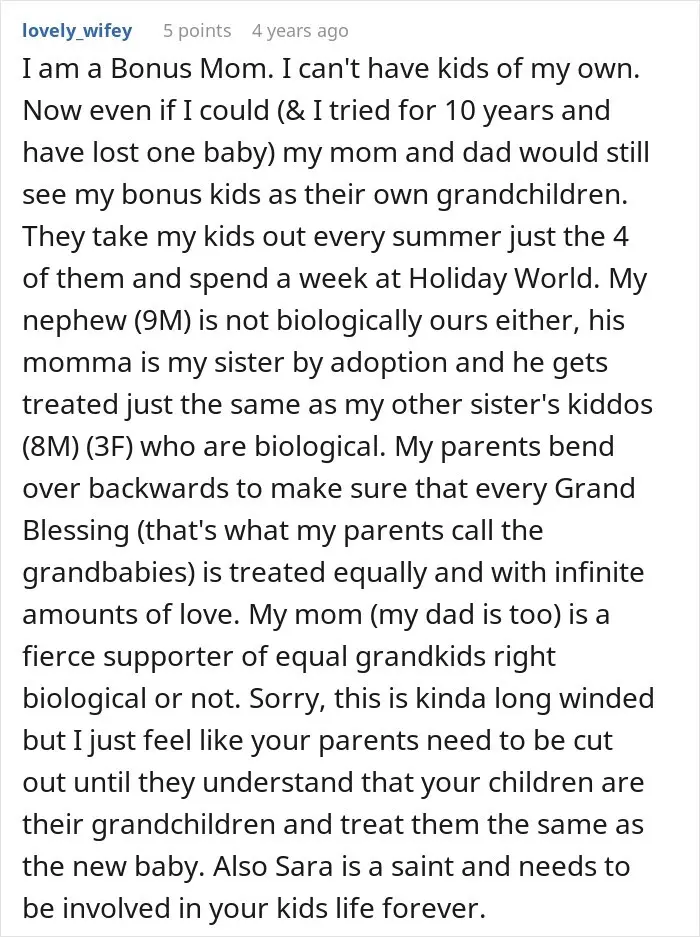
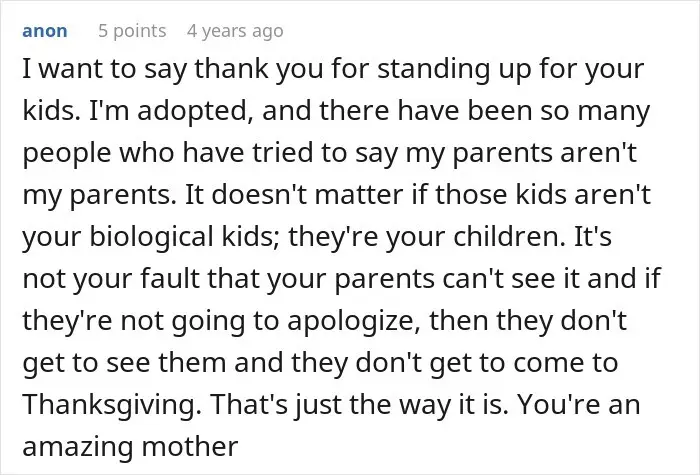
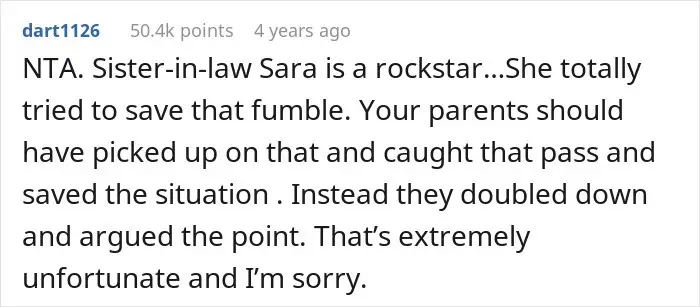
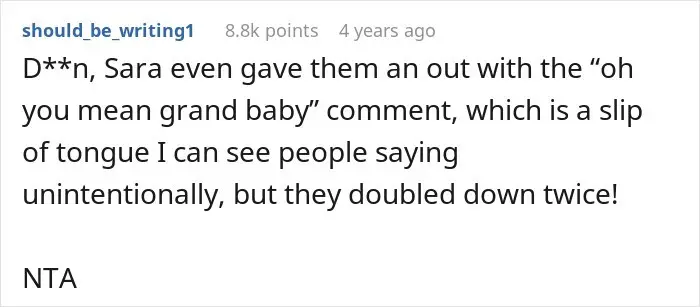
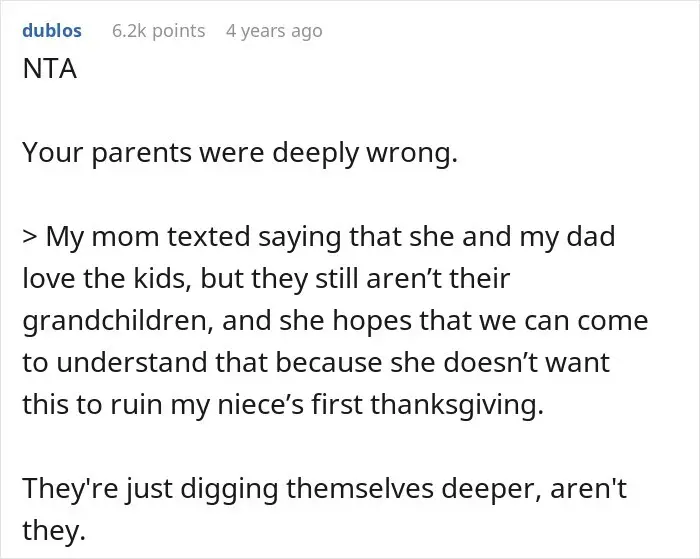
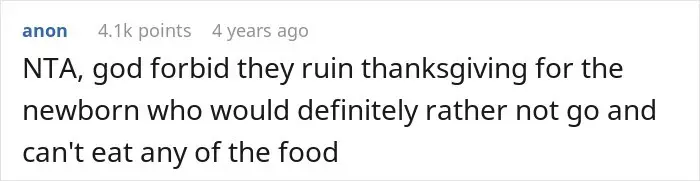
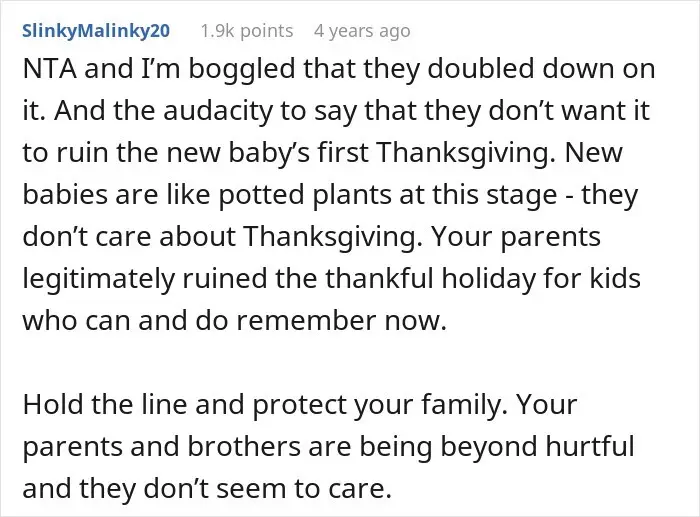
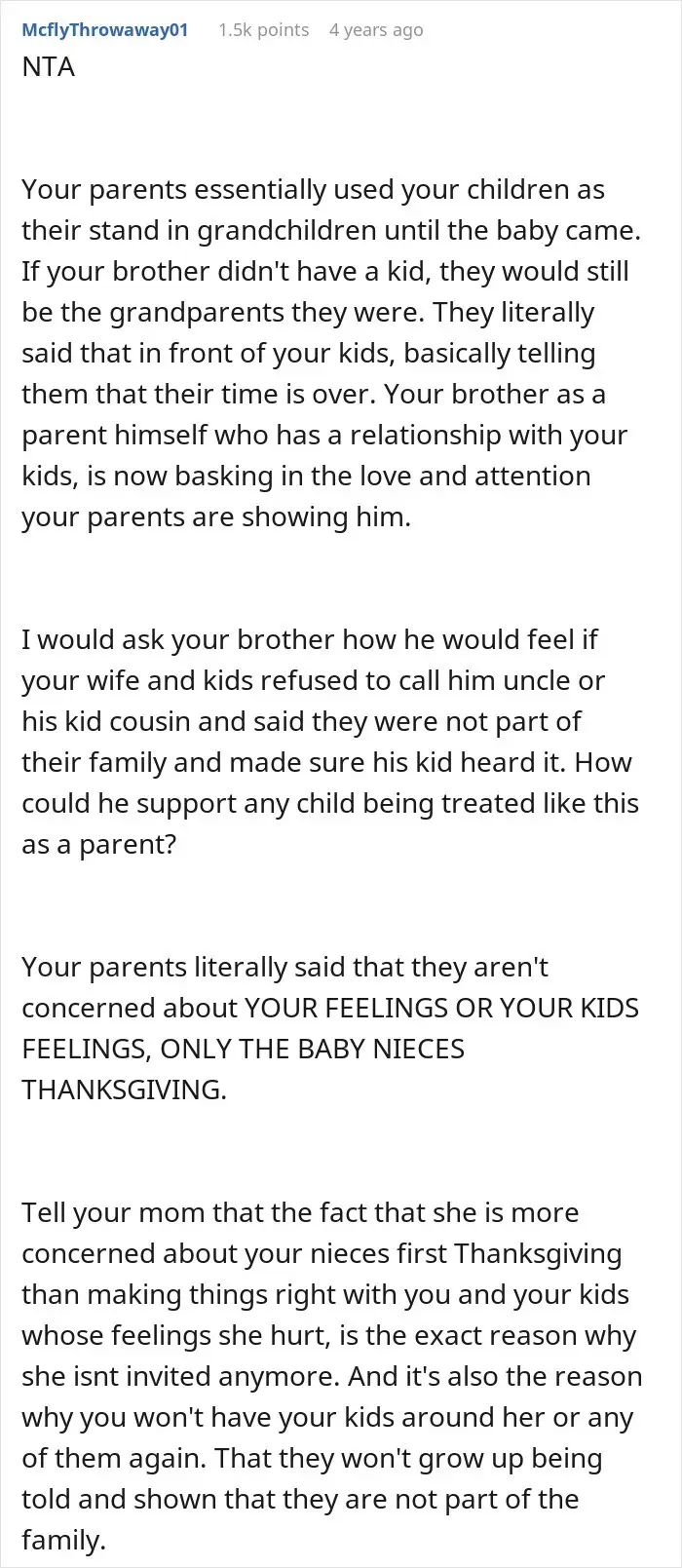
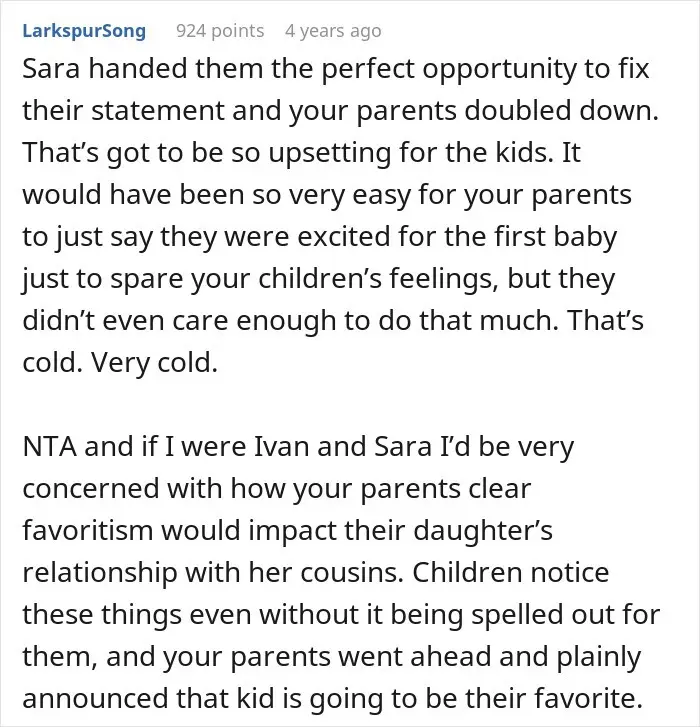
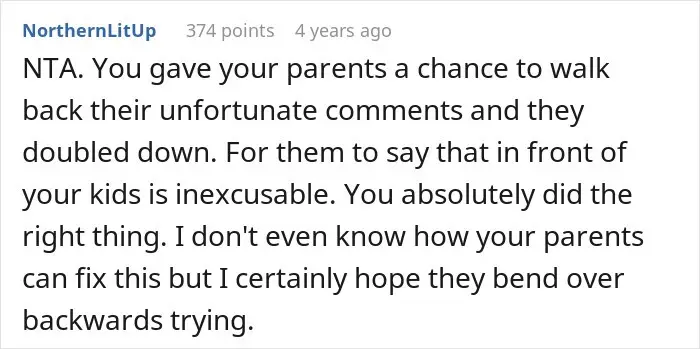
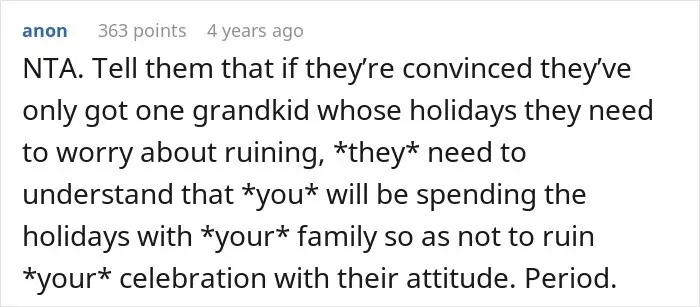
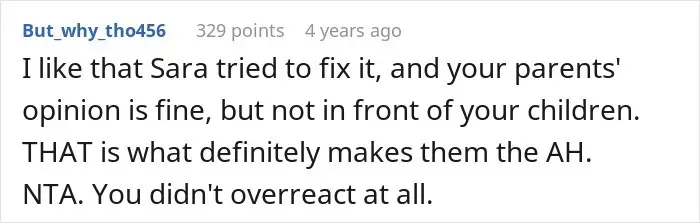
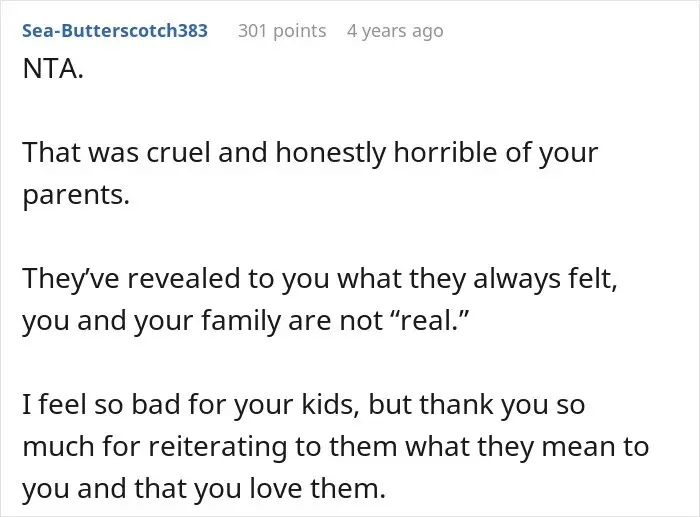
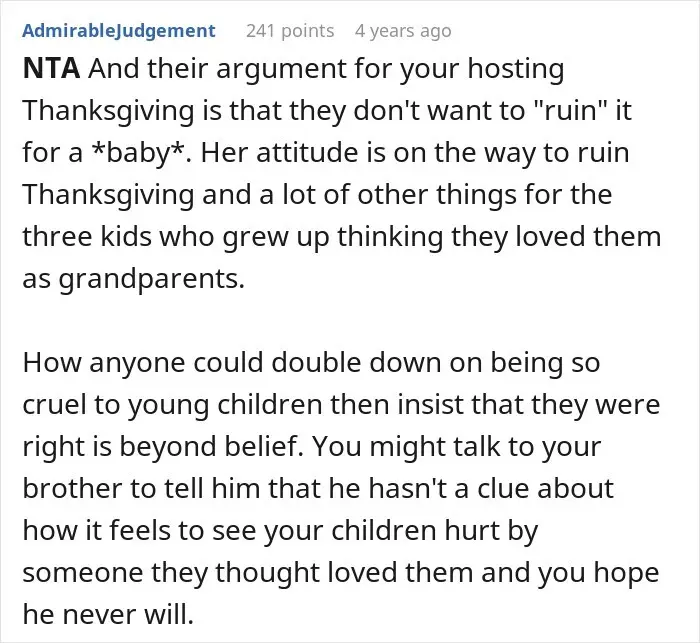
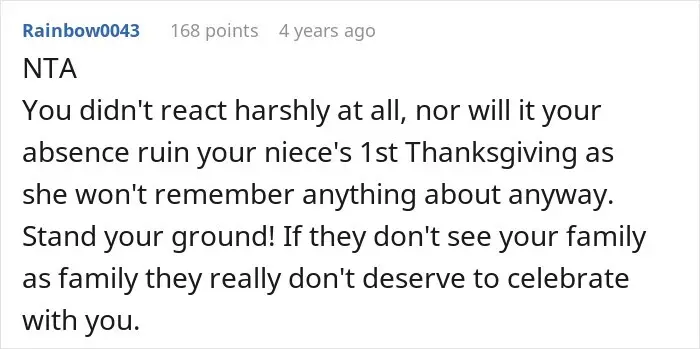
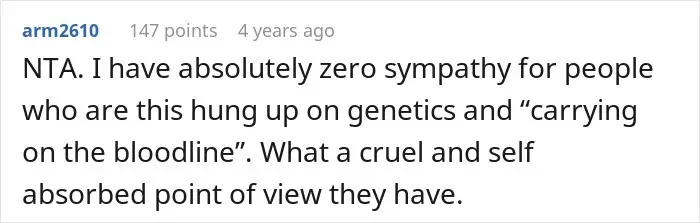
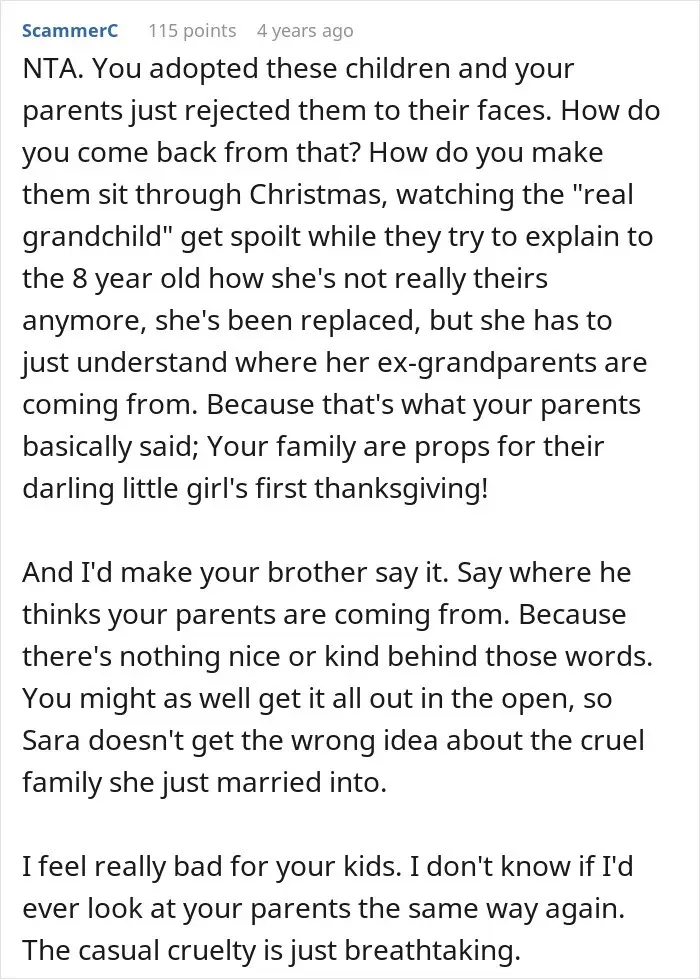
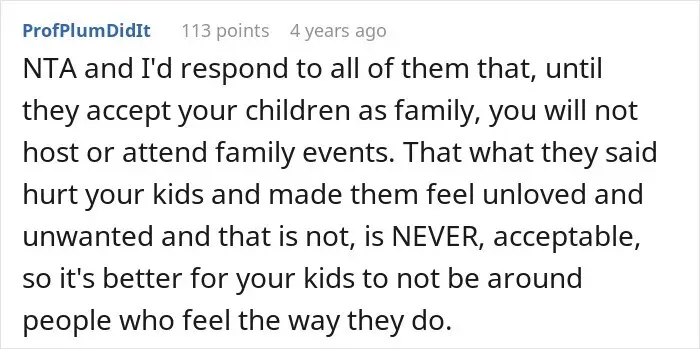
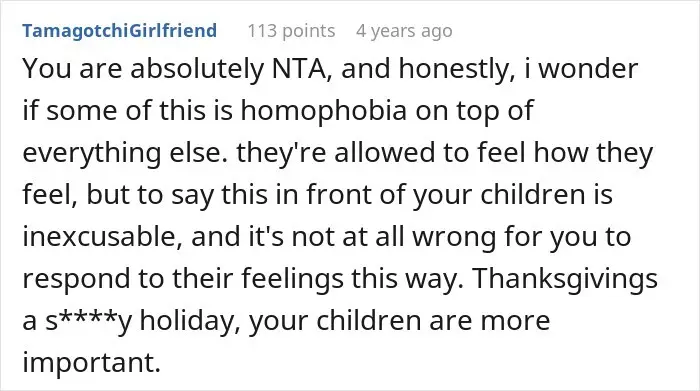
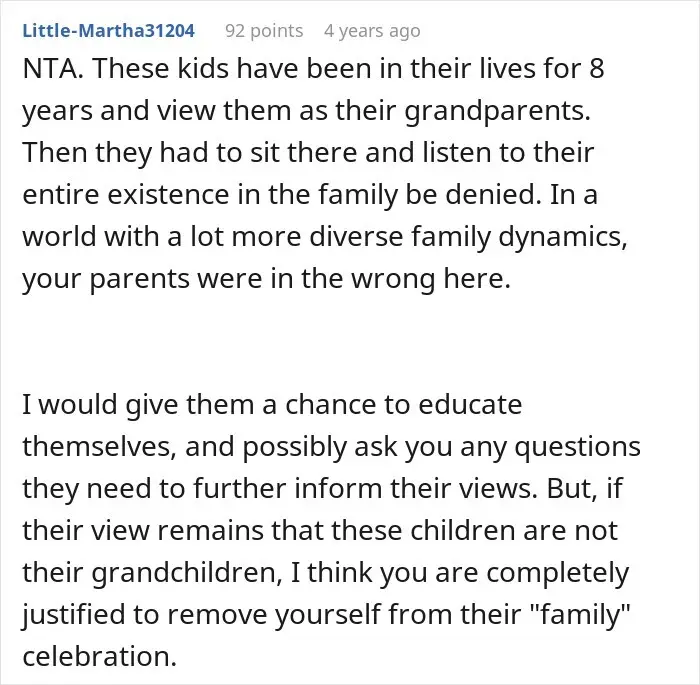
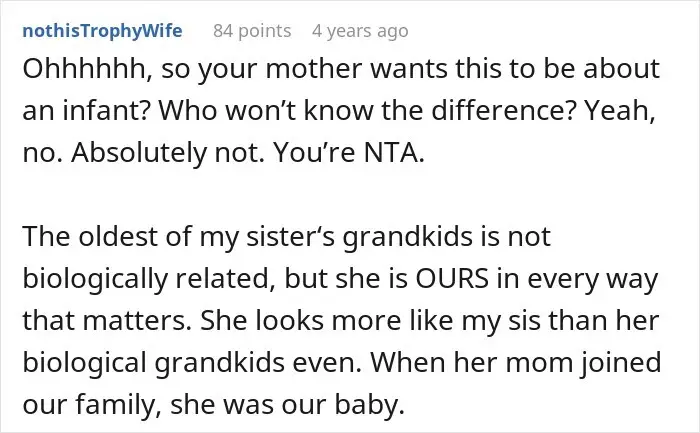
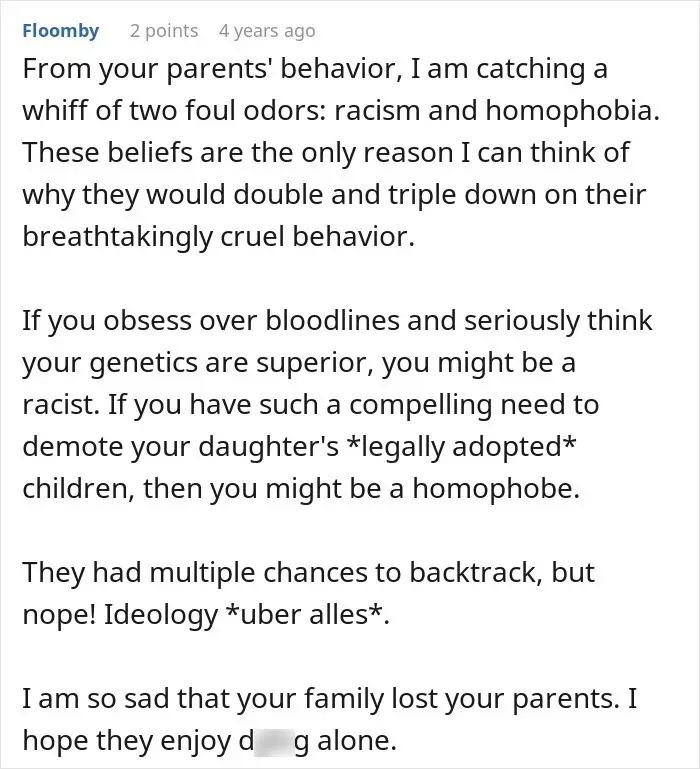
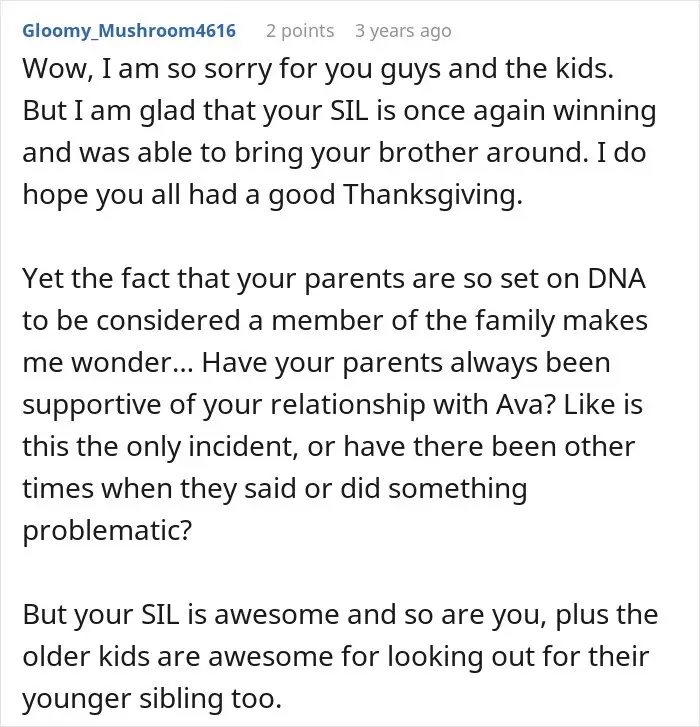
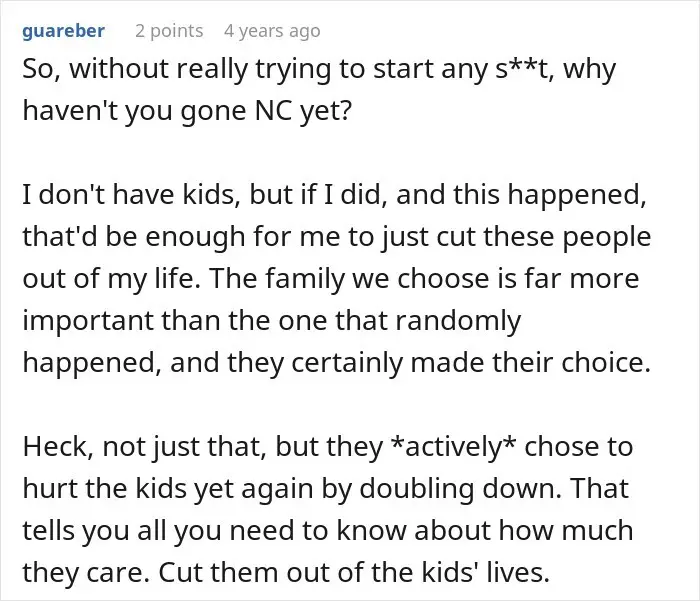
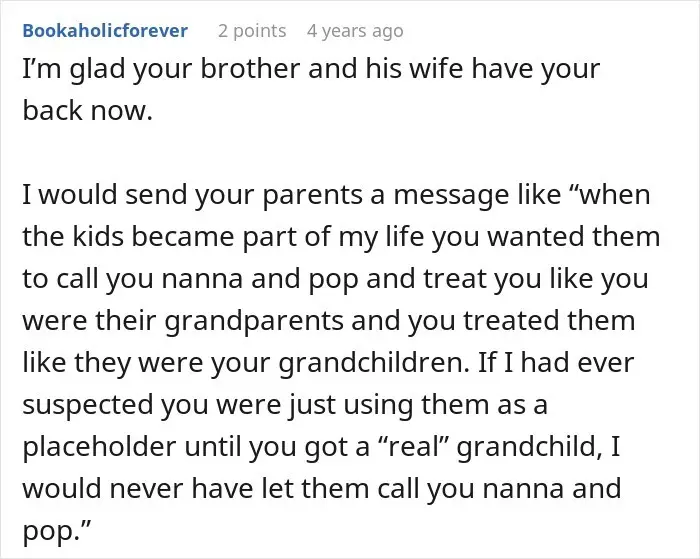
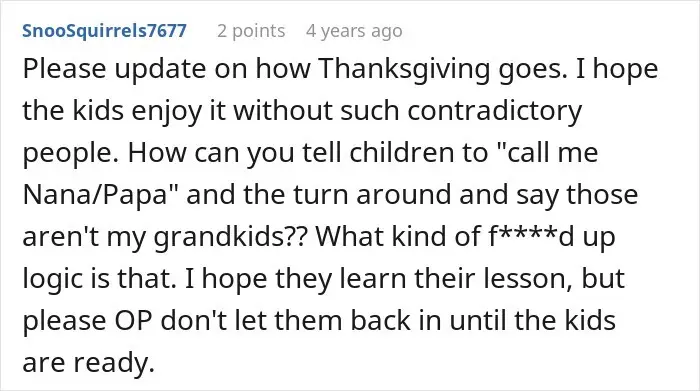
Most people in the comments supported the woman's decision

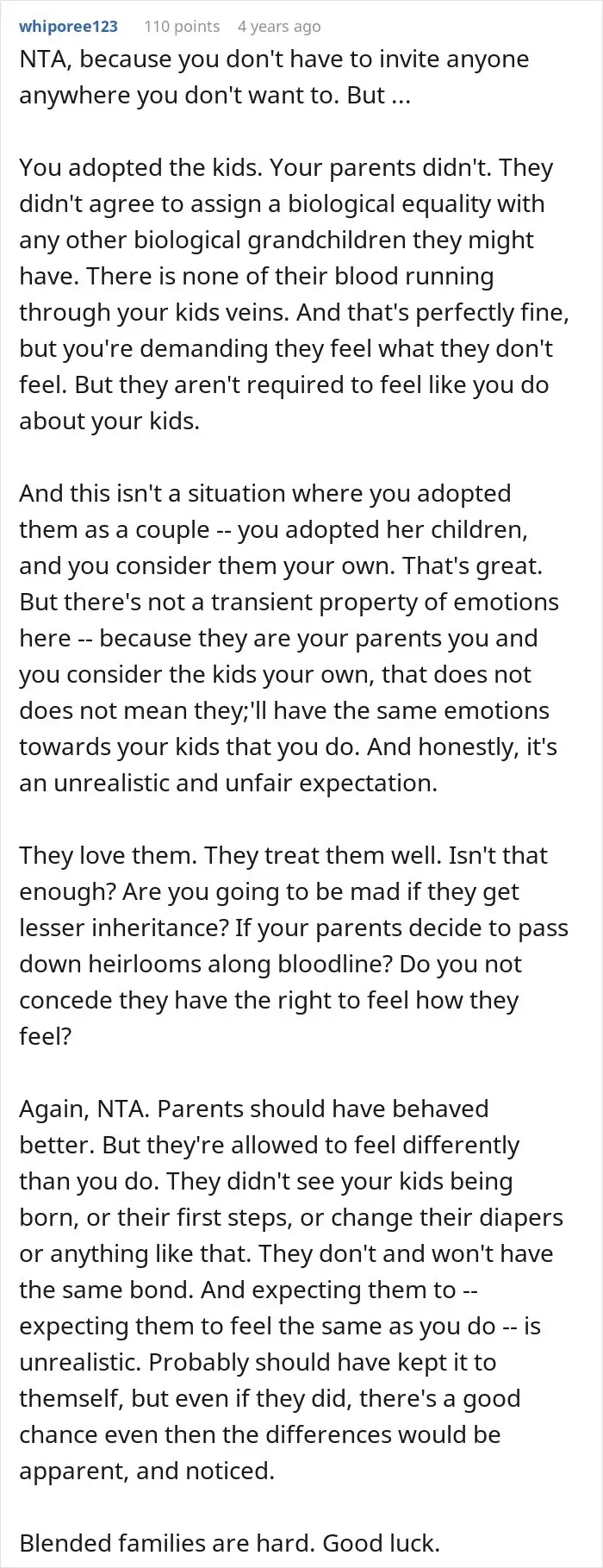
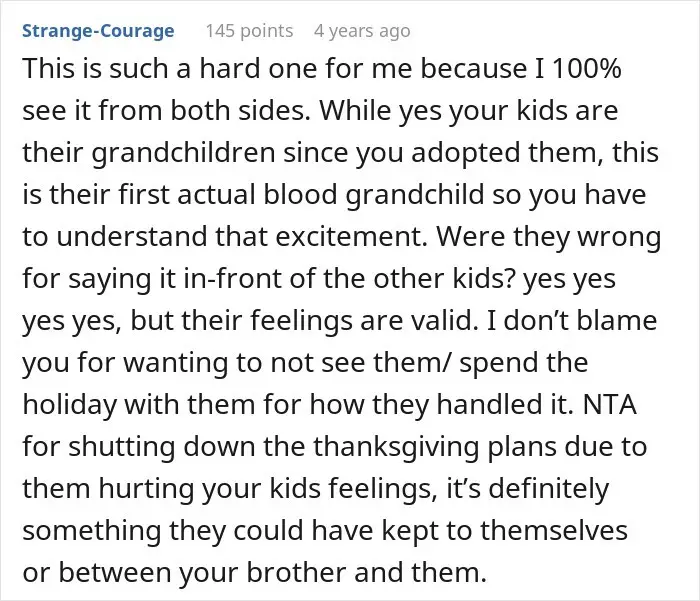
Some netizens couldn't make up their mind about who was in the wrong
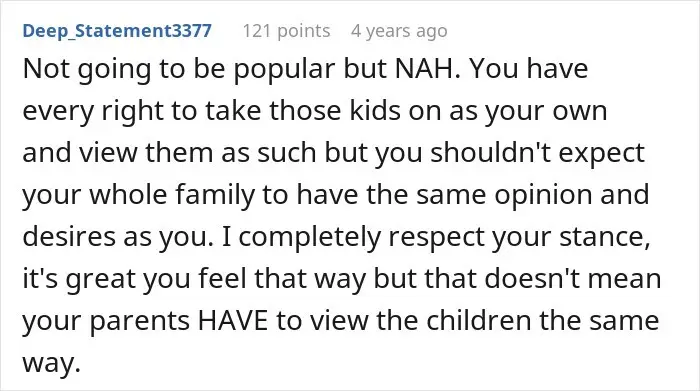
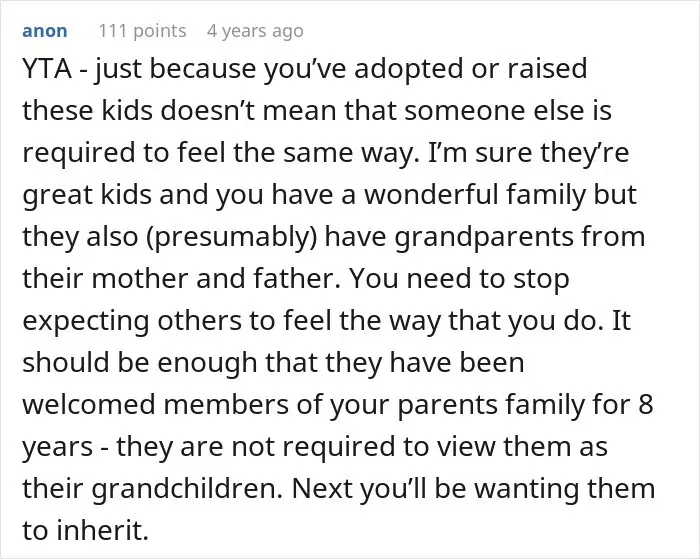
There was even one who took the grandparents' side
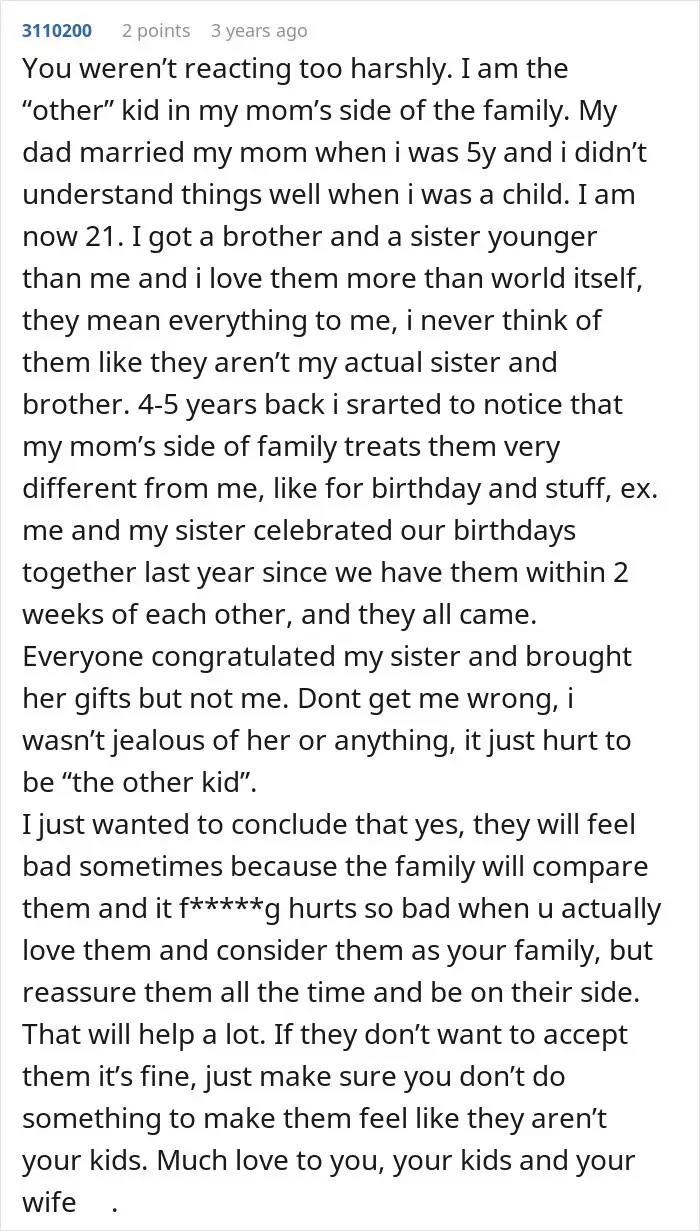
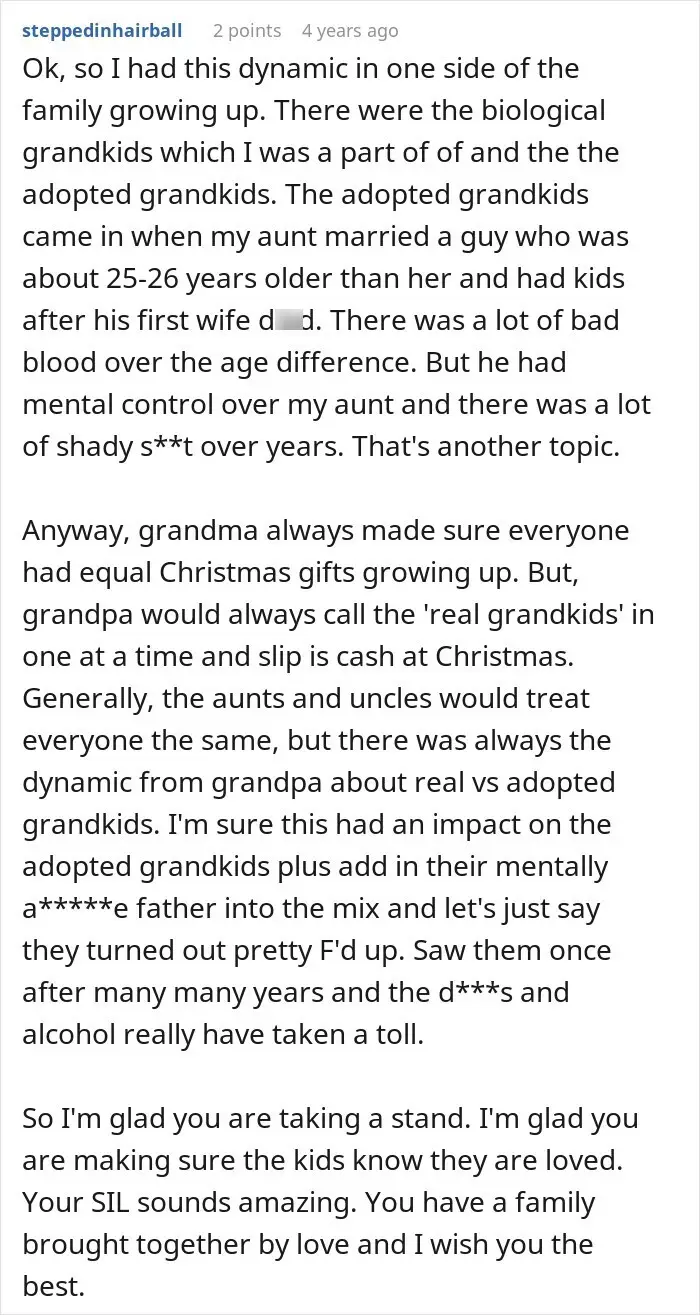
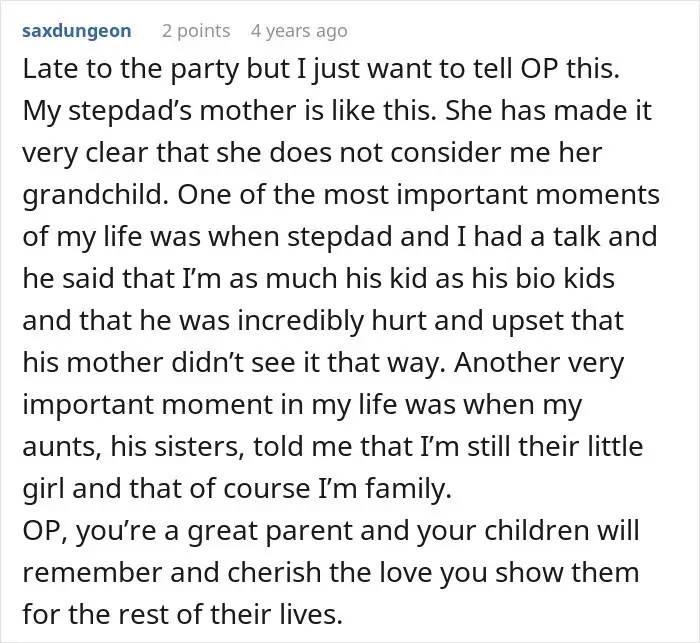
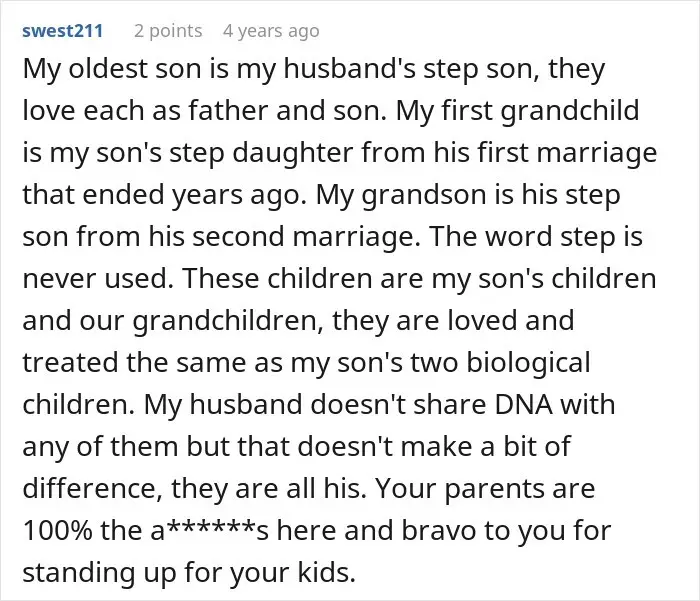
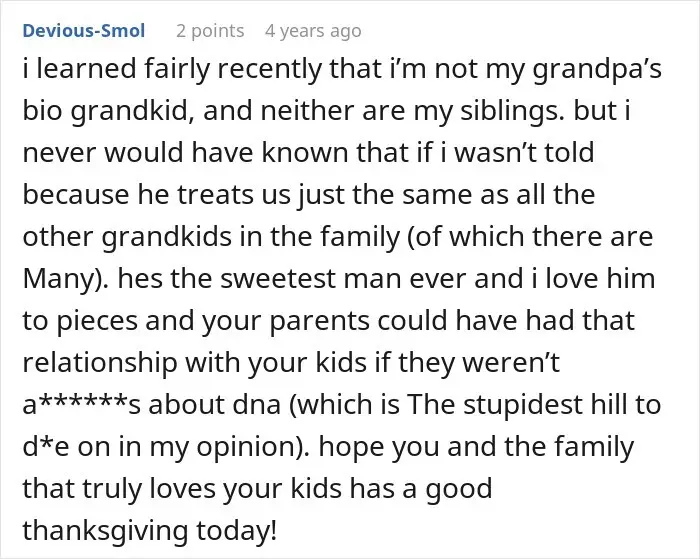
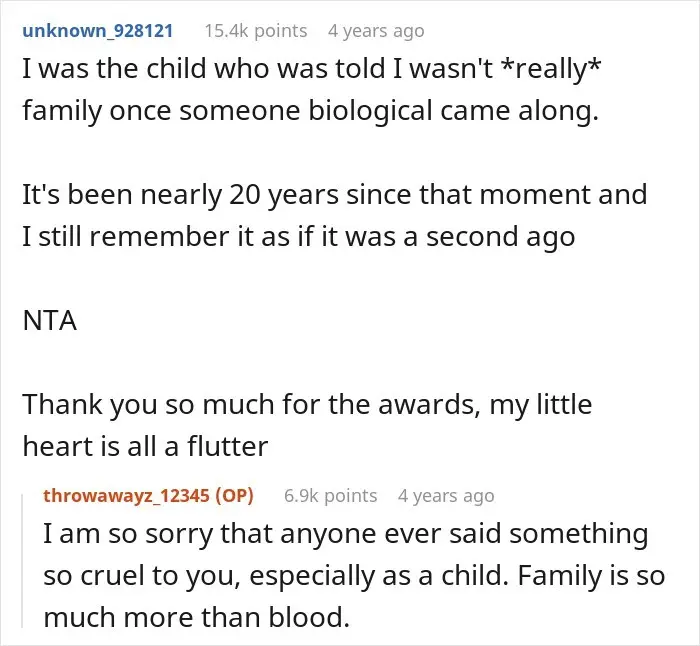
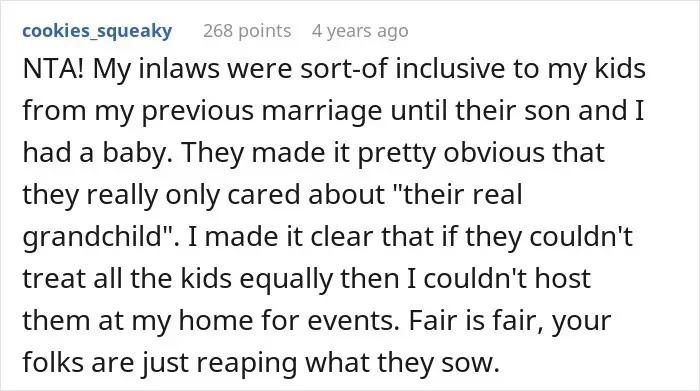
Others opened up about similar experiences in their own families
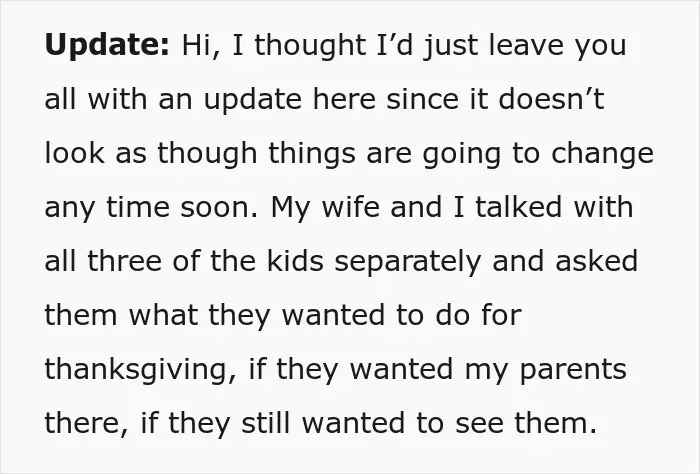
The woman said she gave her parents another chance to make amends
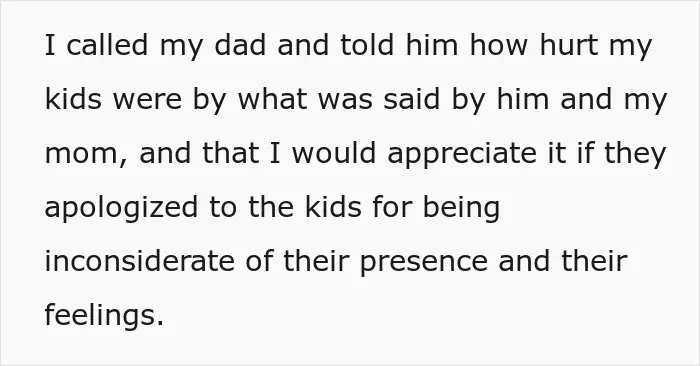
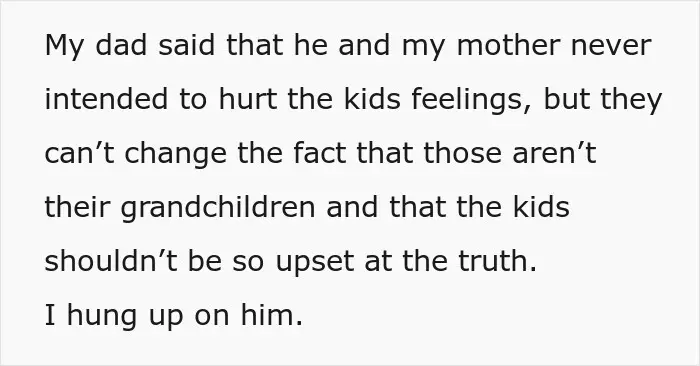
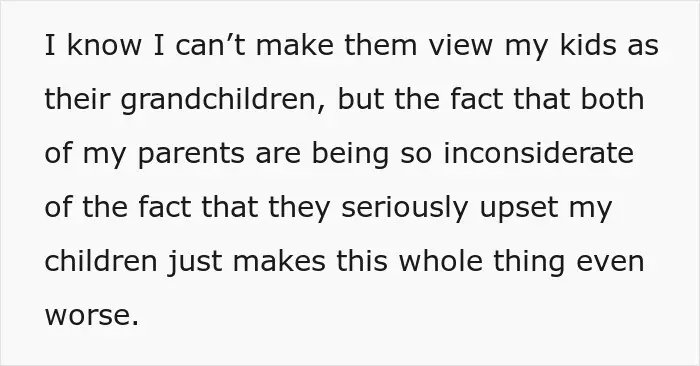
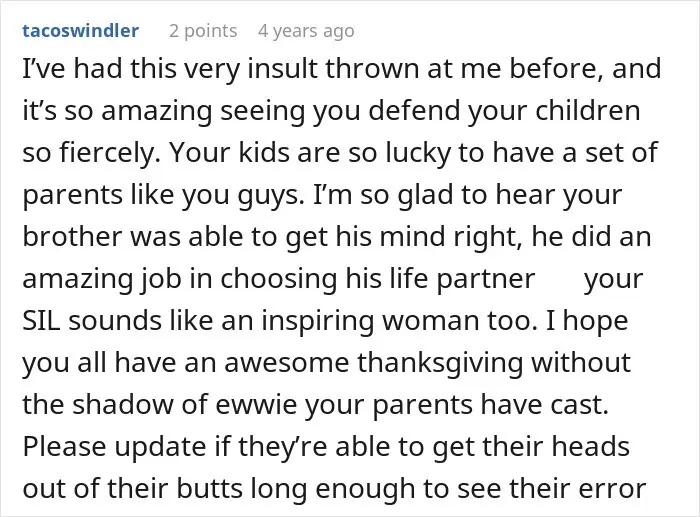
The internet chimed in with honest opinions and a little bit of outrage against the grandparents
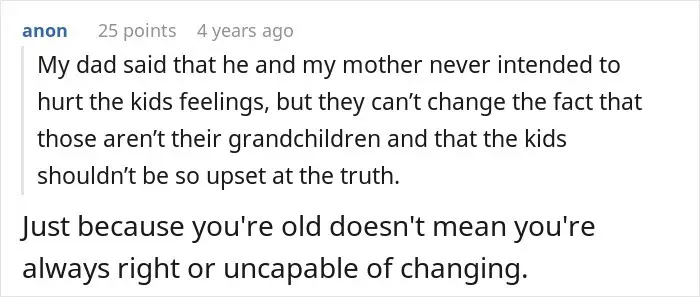
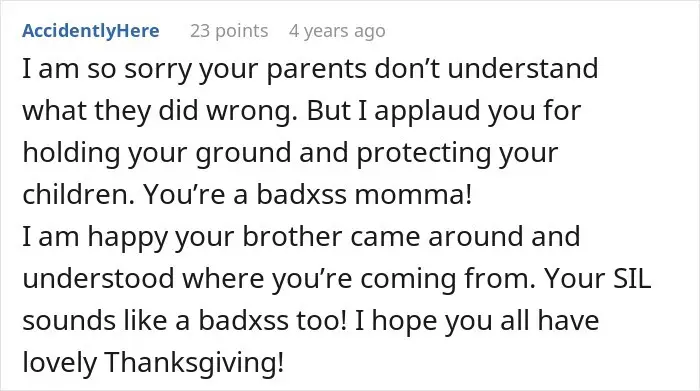
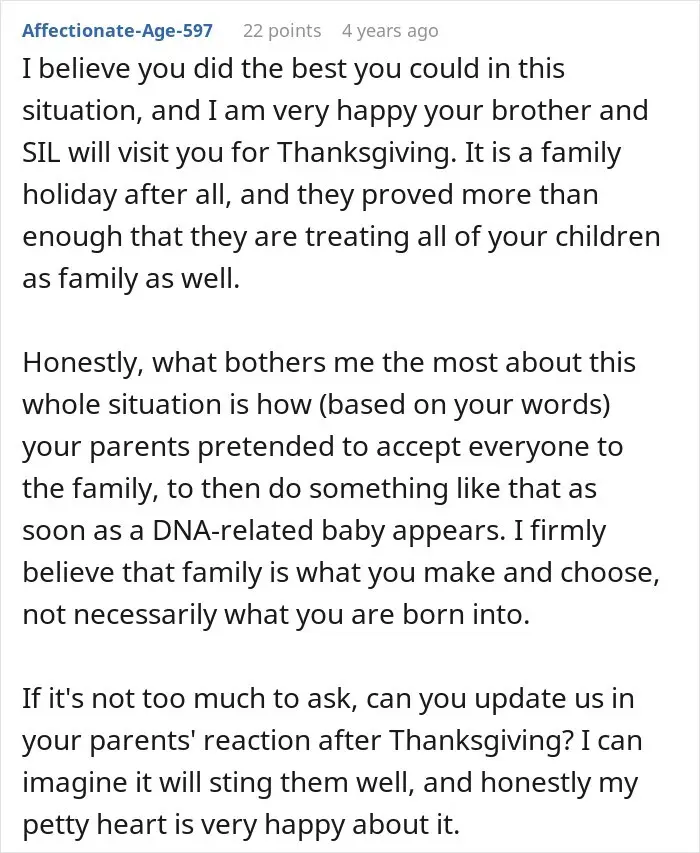
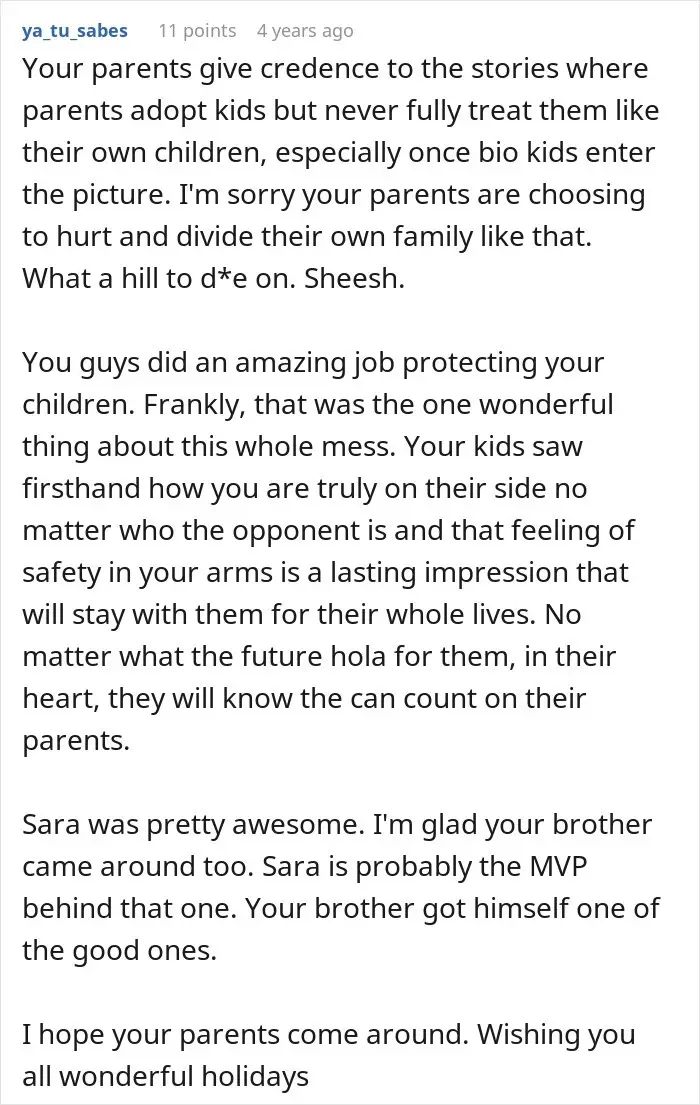
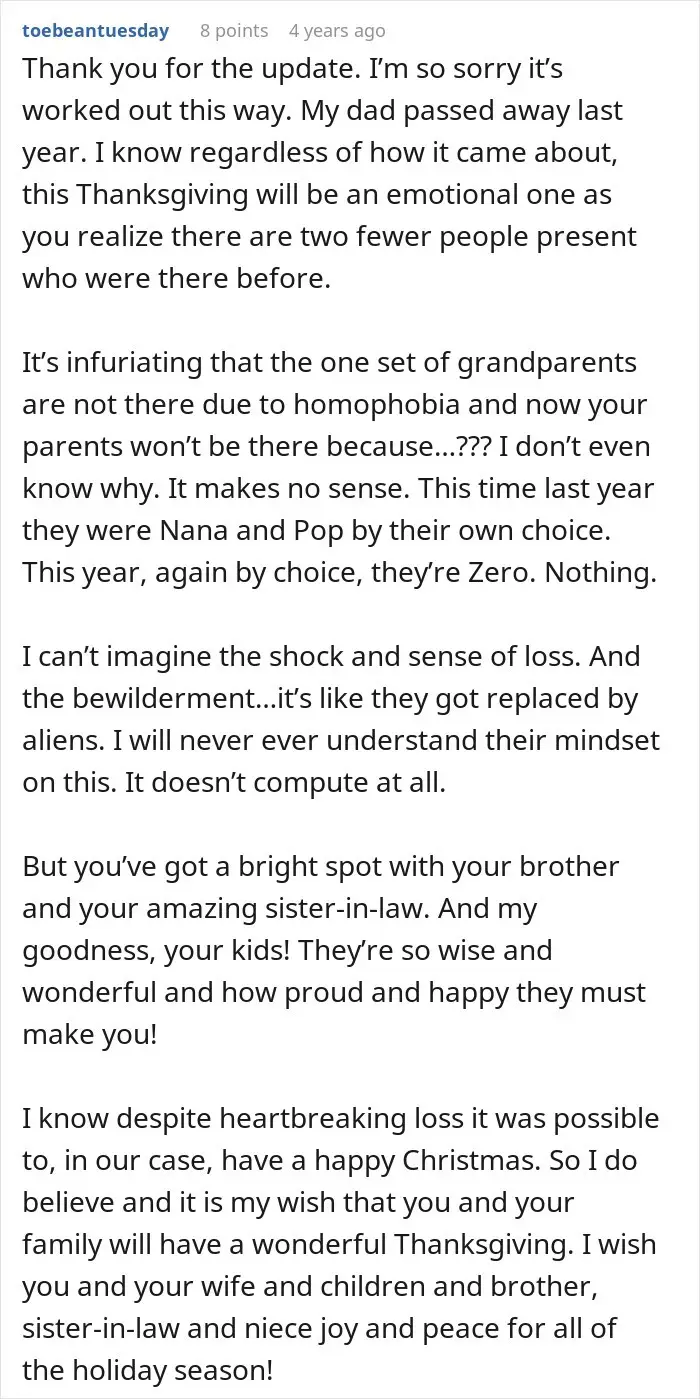
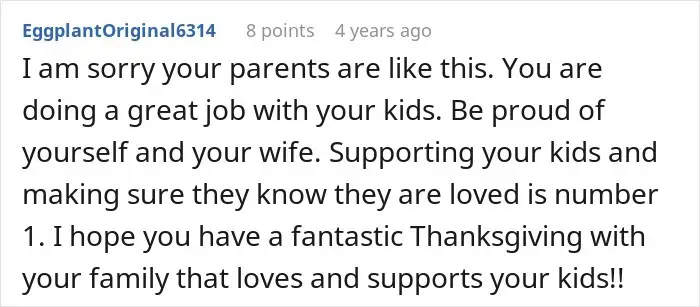
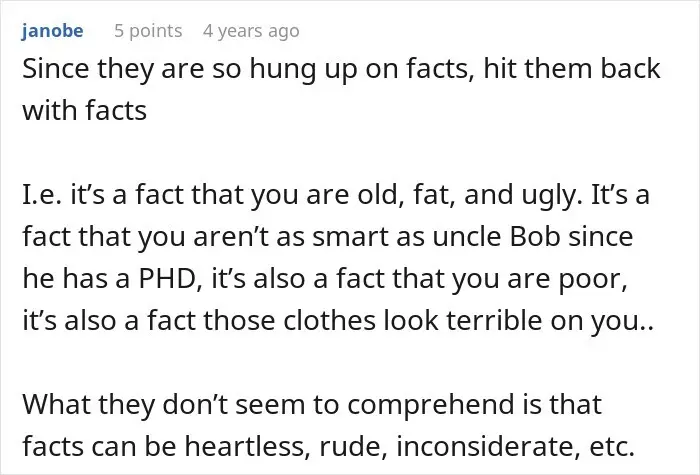
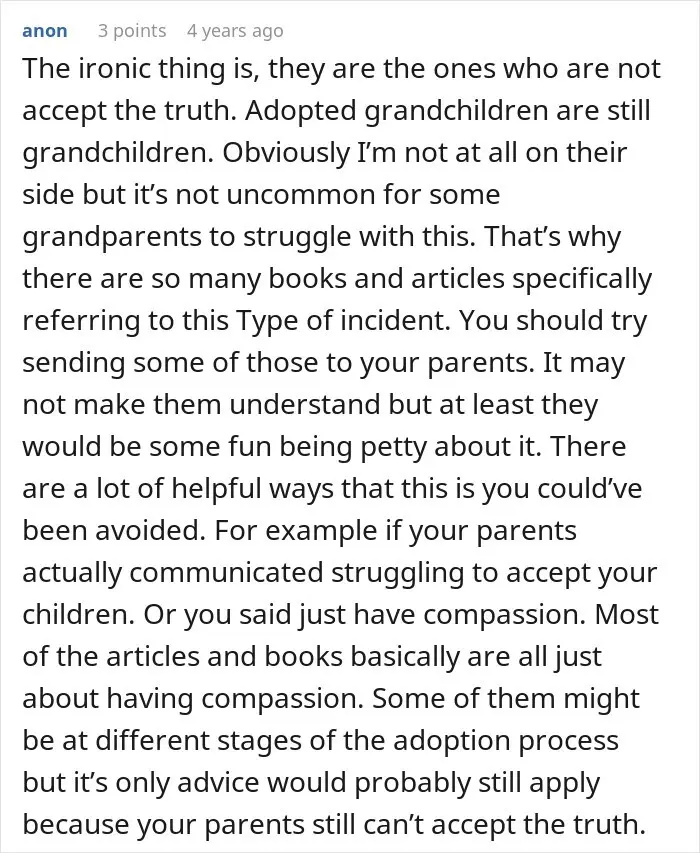
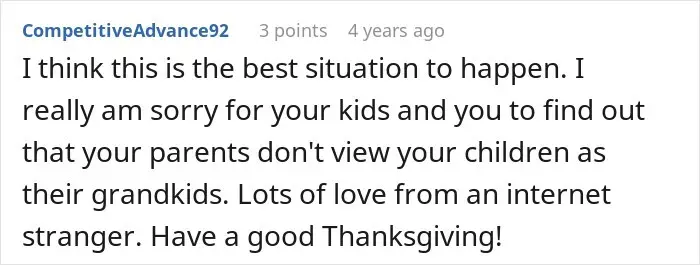
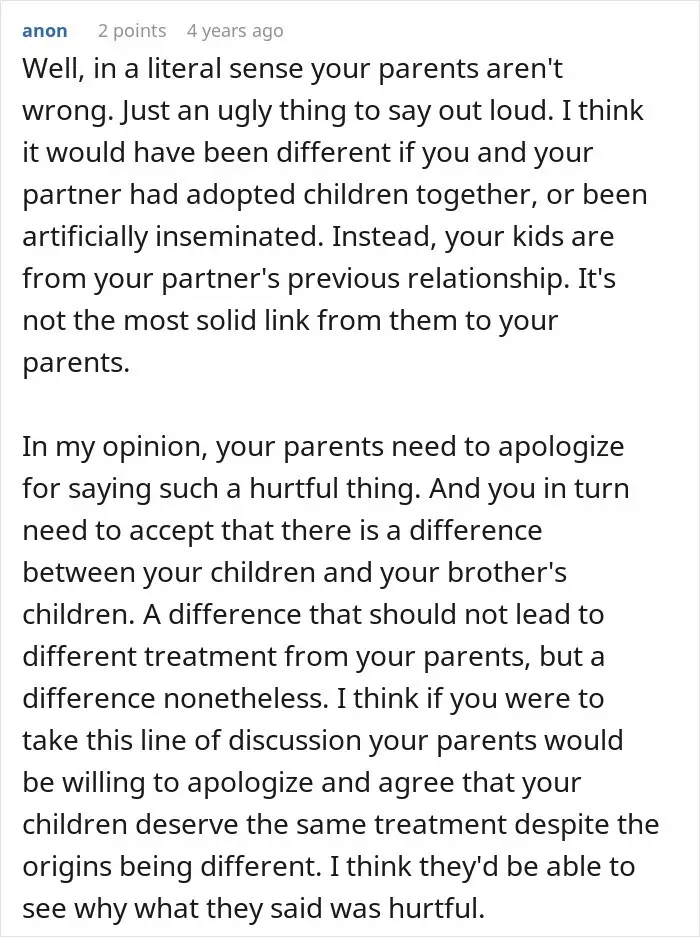
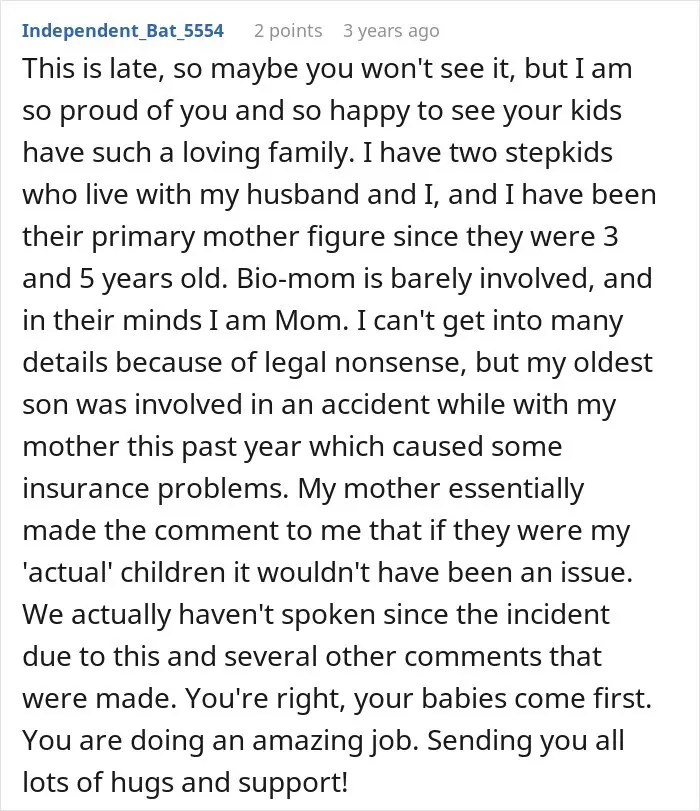
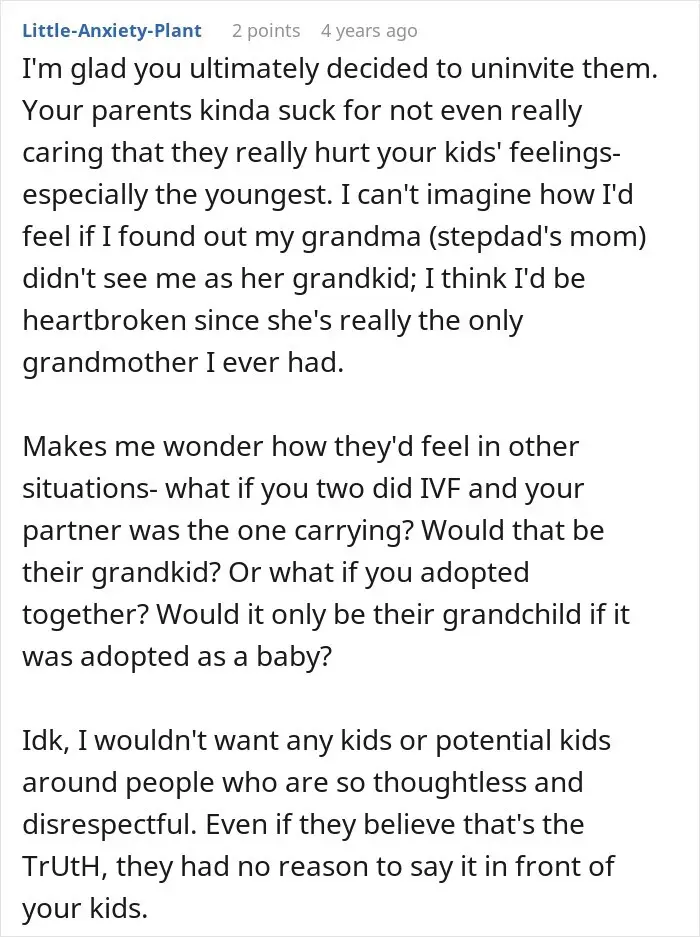
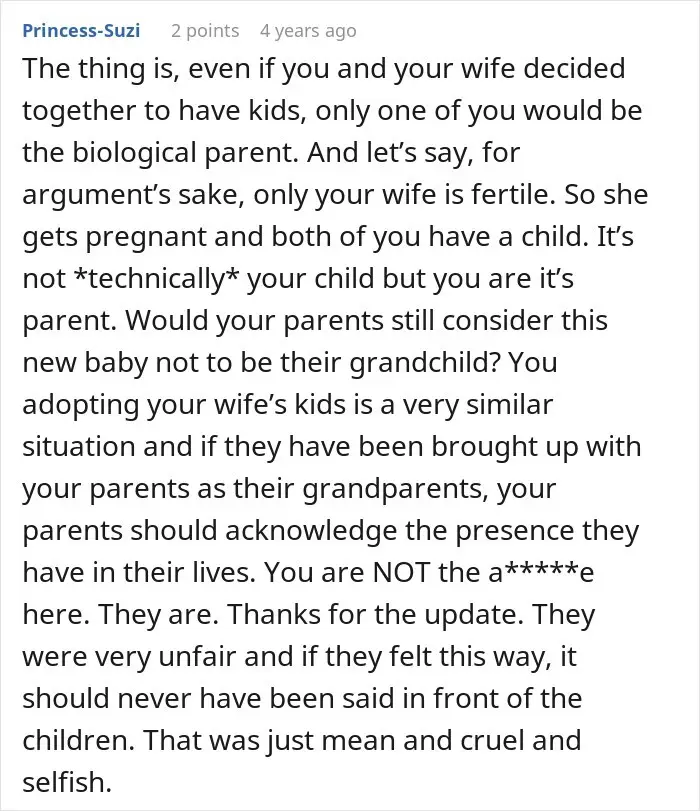
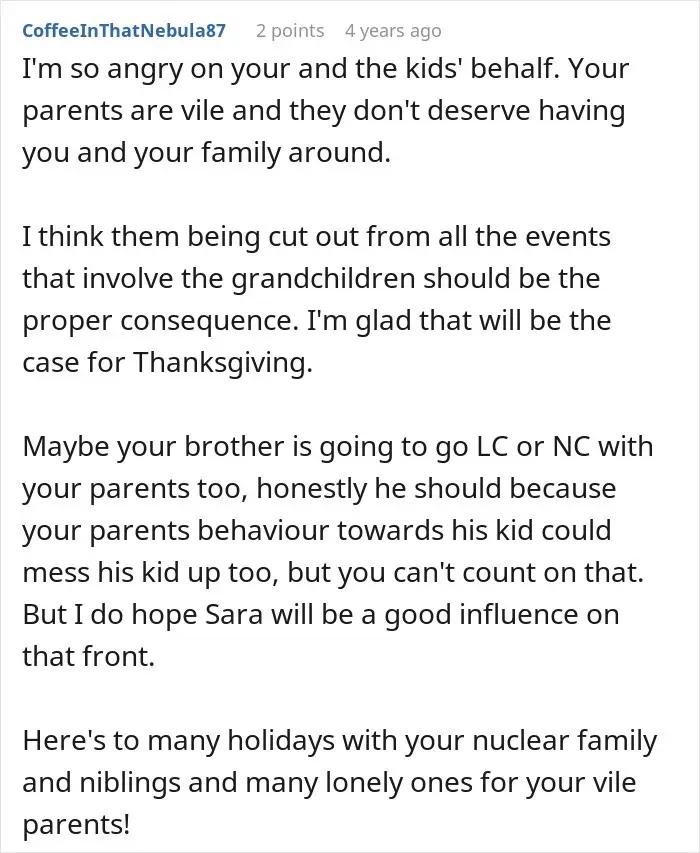
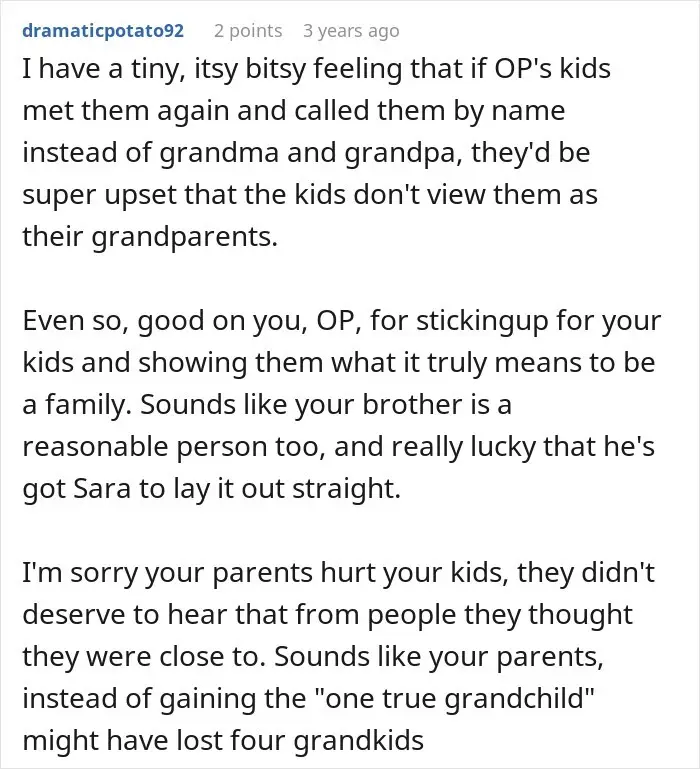
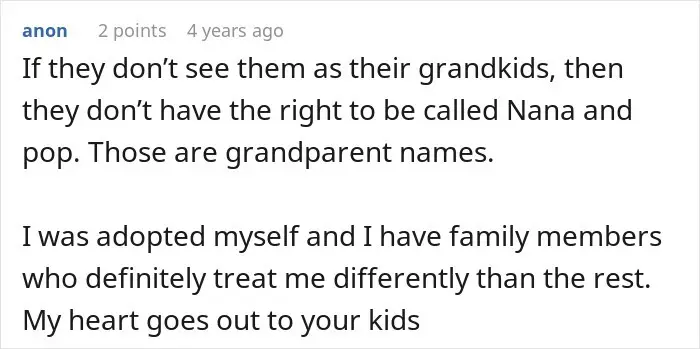
Some more people related to her situation and shared similar family stories