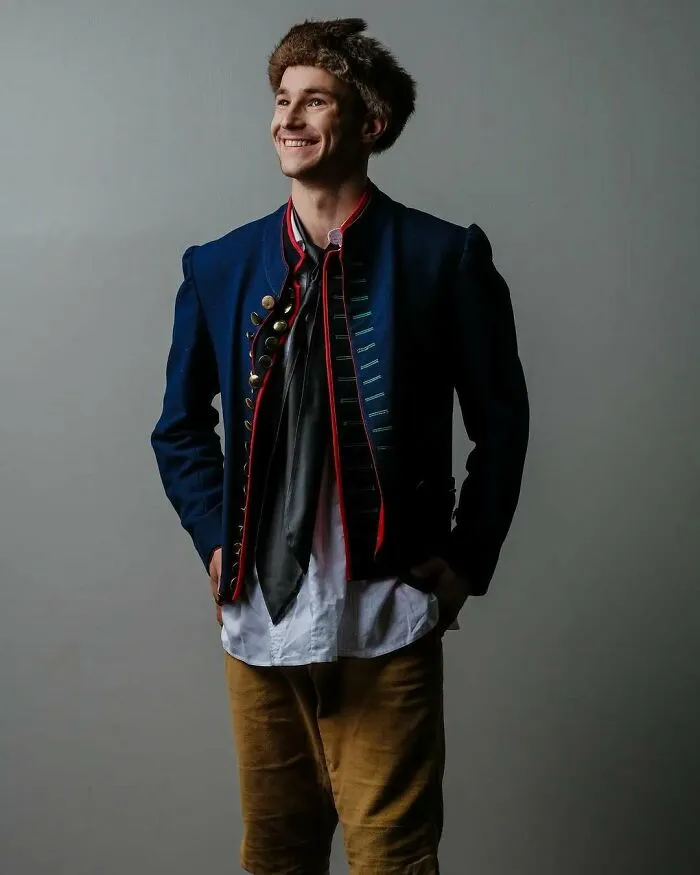
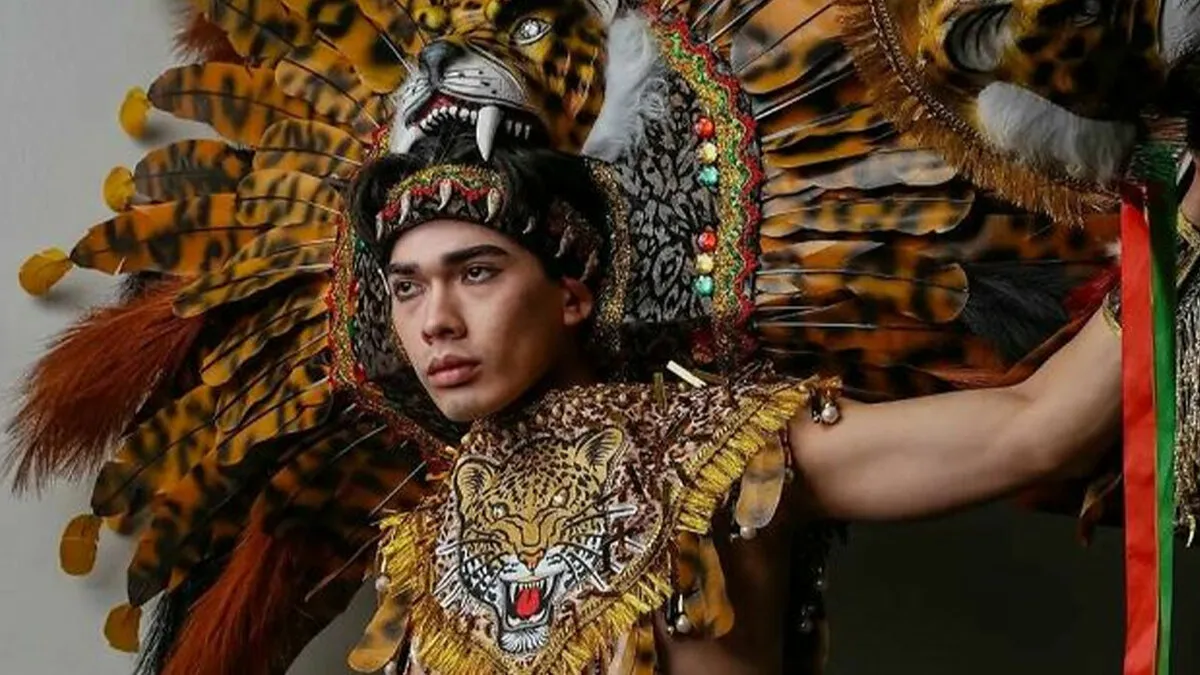


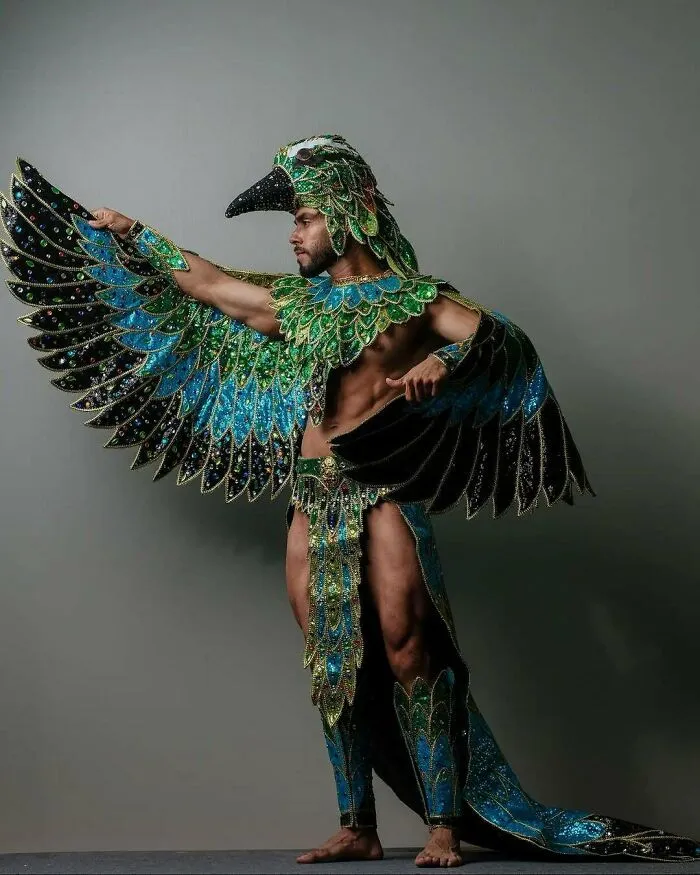
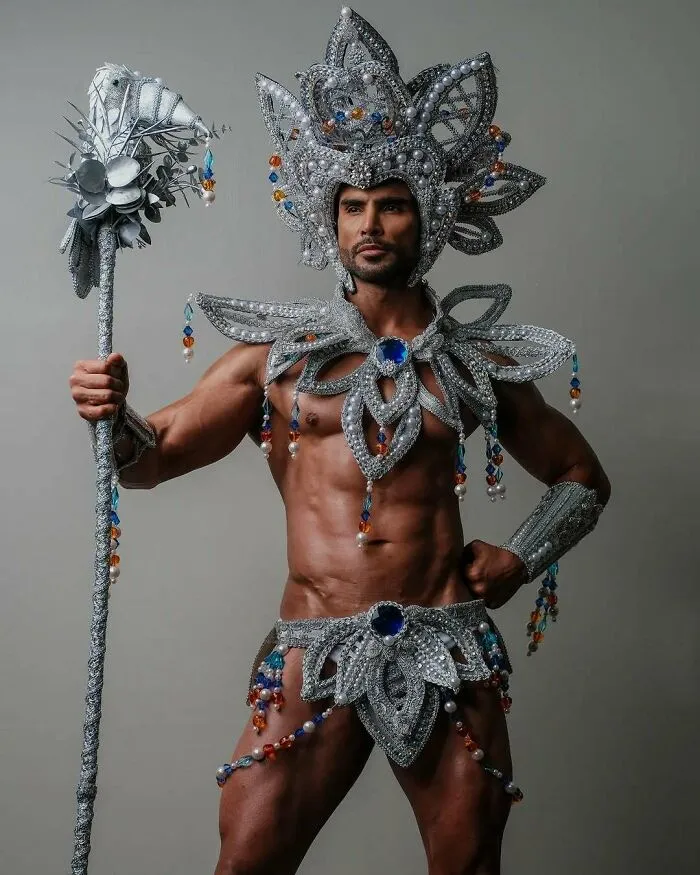
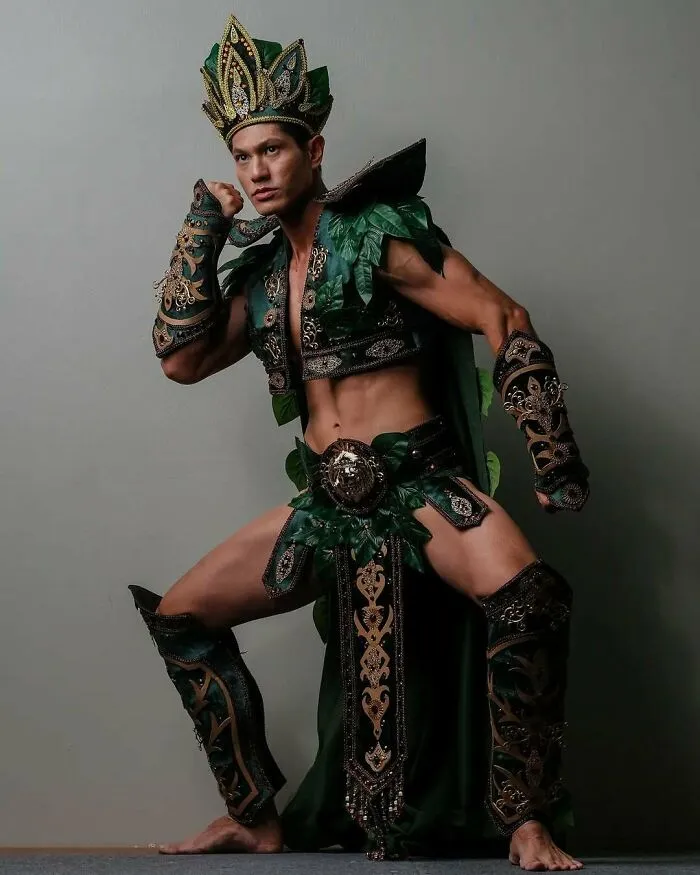
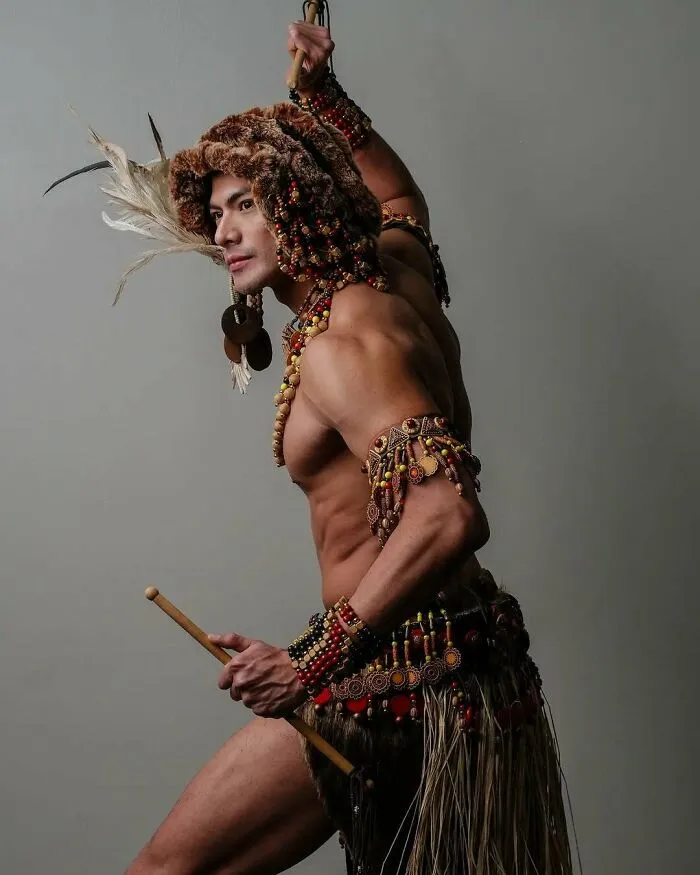
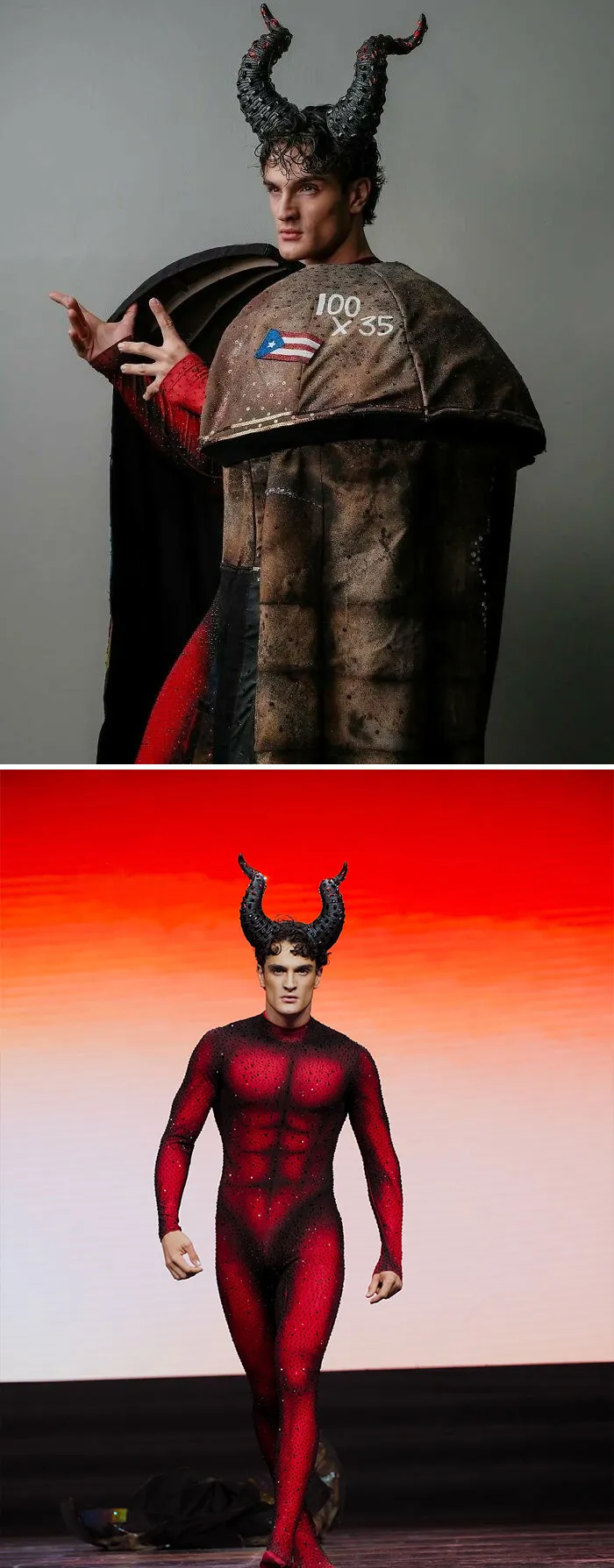
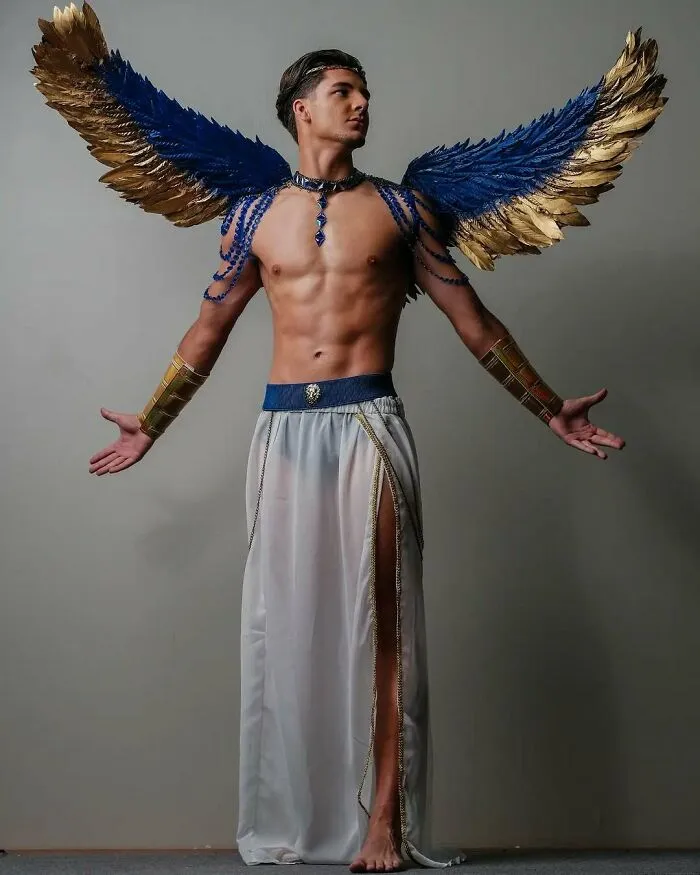
The Mister International 2026 competition saw contestants showcase their intelligence, charisma, leadership, and physique through various segments. In addition to personal statements and in-depth interviews, the competition included a costume portion. The competing men were encouraged to display national pride, confidence, and creativity in their costume design.
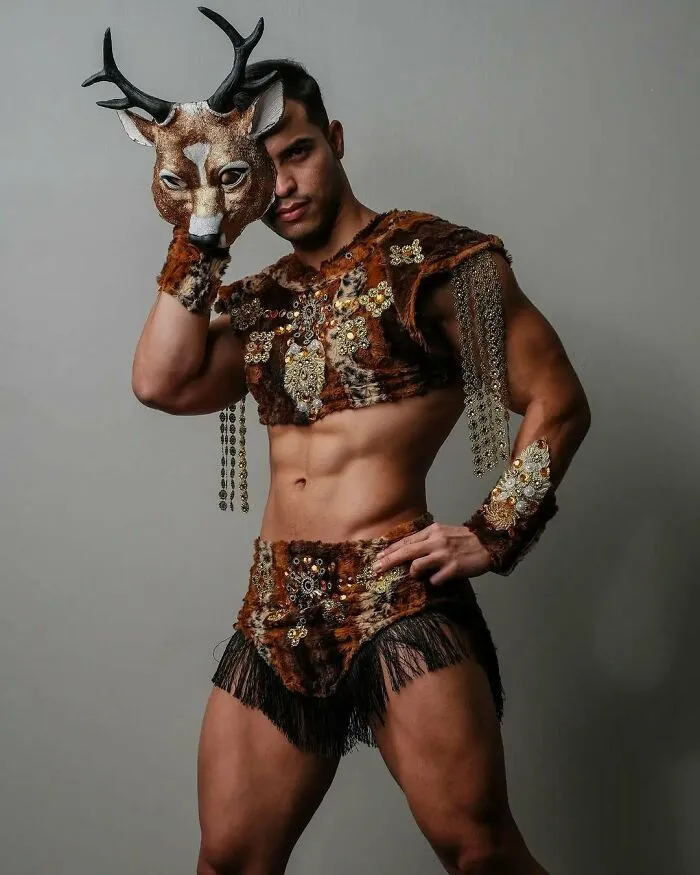
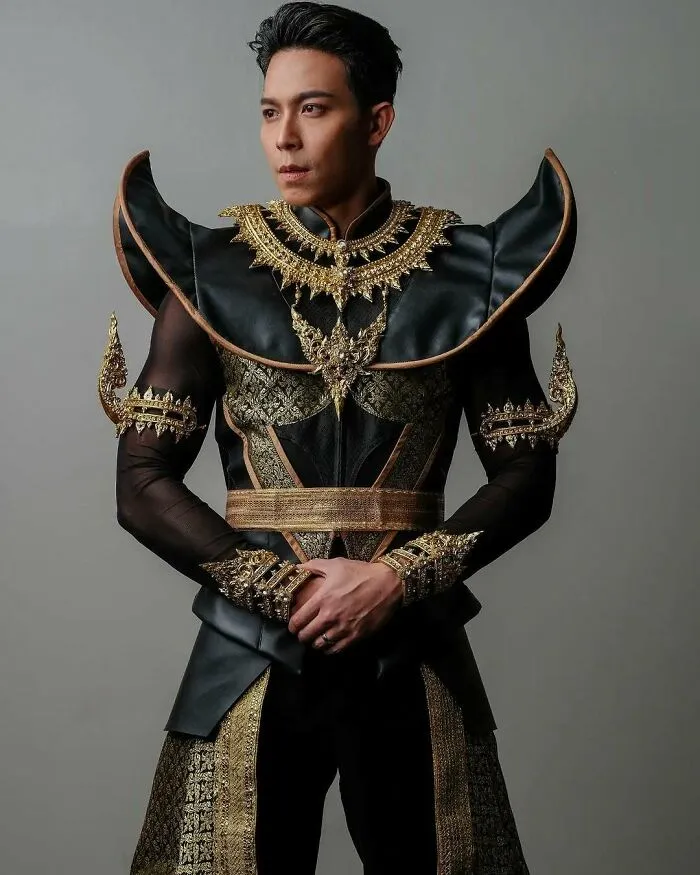
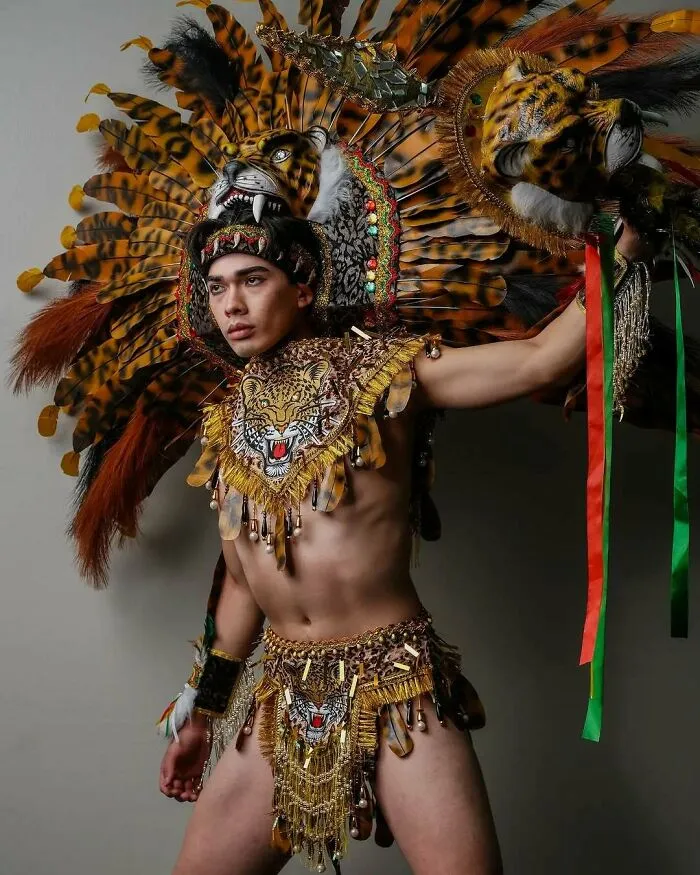
Fashion researcher Sofia Anna Dolin says modern men’s runway fashion helps resist toxic masculinity. In her view, the fashion industry of the previous century saw men mostly for their physical strength and practicality. Athletic bodies were promoted, and emotions were meant to be suppressed. This view of masculinity still holds today, though perhaps not as strongly, as much progress has been made over the years.
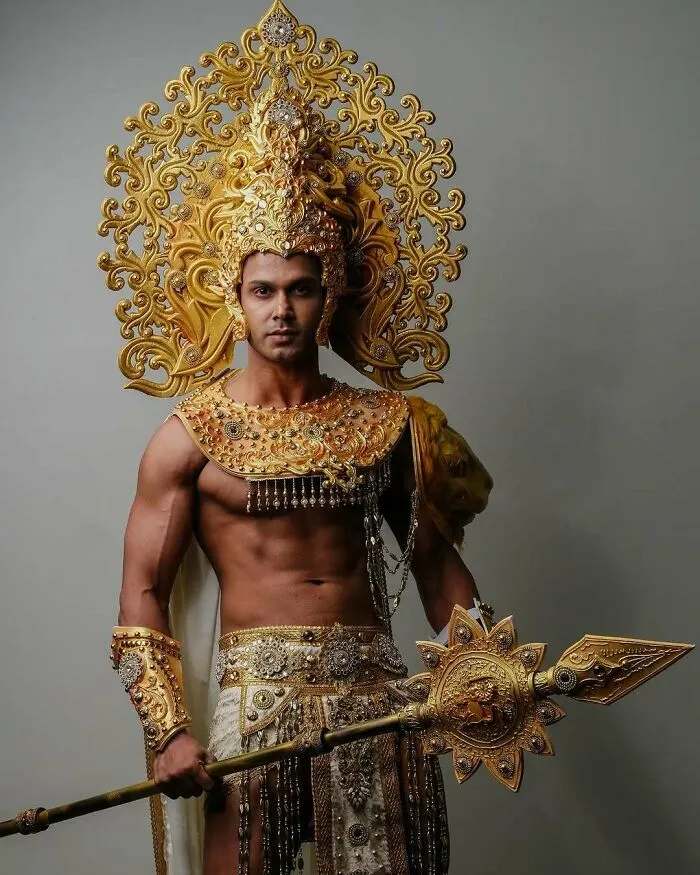
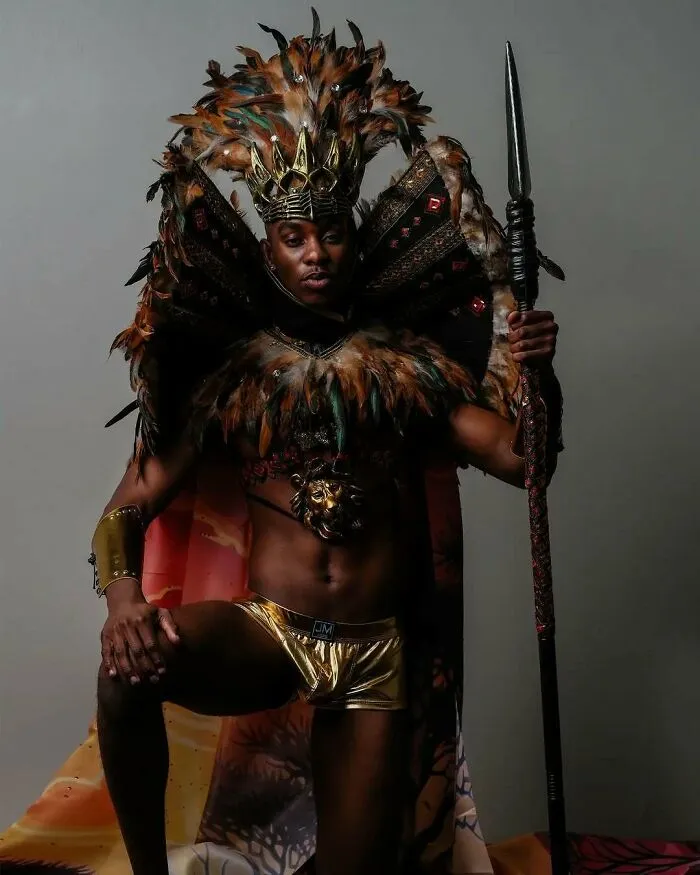
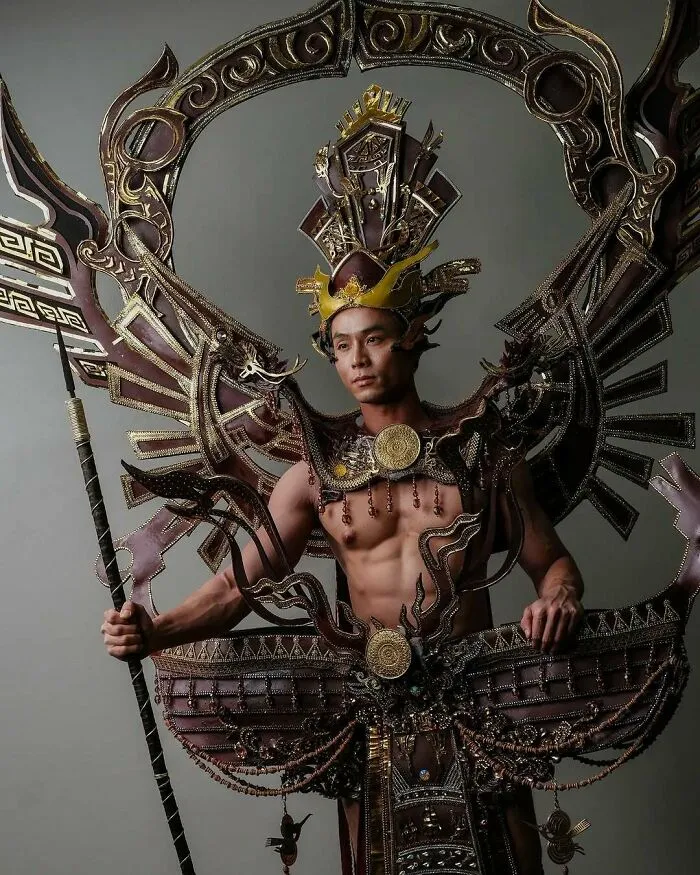
Dolin explains that contemporary fashion lets men embrace a more inclusive perspective of masculinity. One that encourages both physical and emotional openness. More and more male fashion models embrace softer silhouettes, textures, and physical touch in runway fashion and high fashion photography. It emphasizes intimacy, which popular culture often either suppresses in men or displays in dominating ways, rather than allowing room for weakness and fragility.
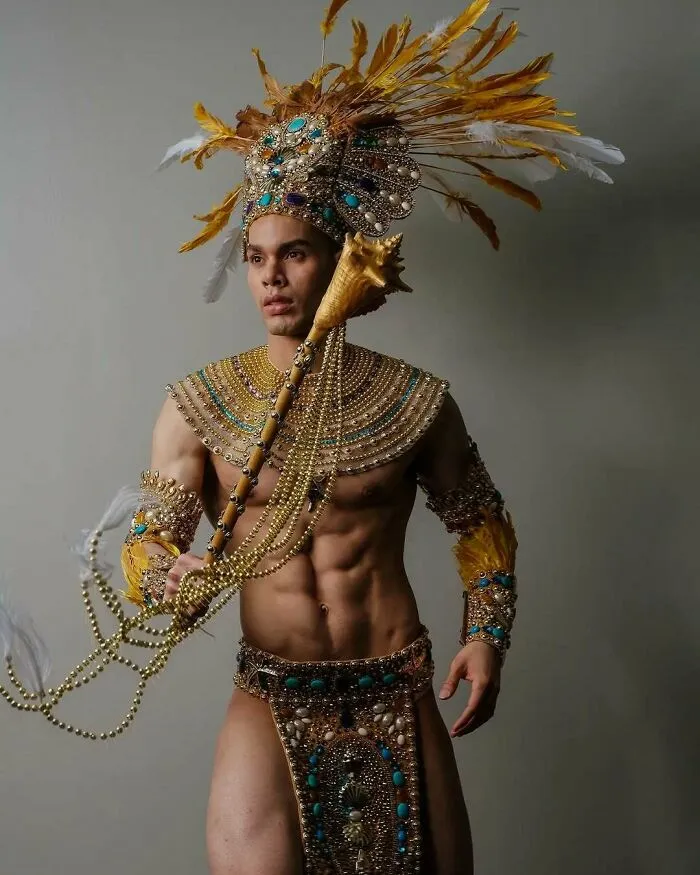
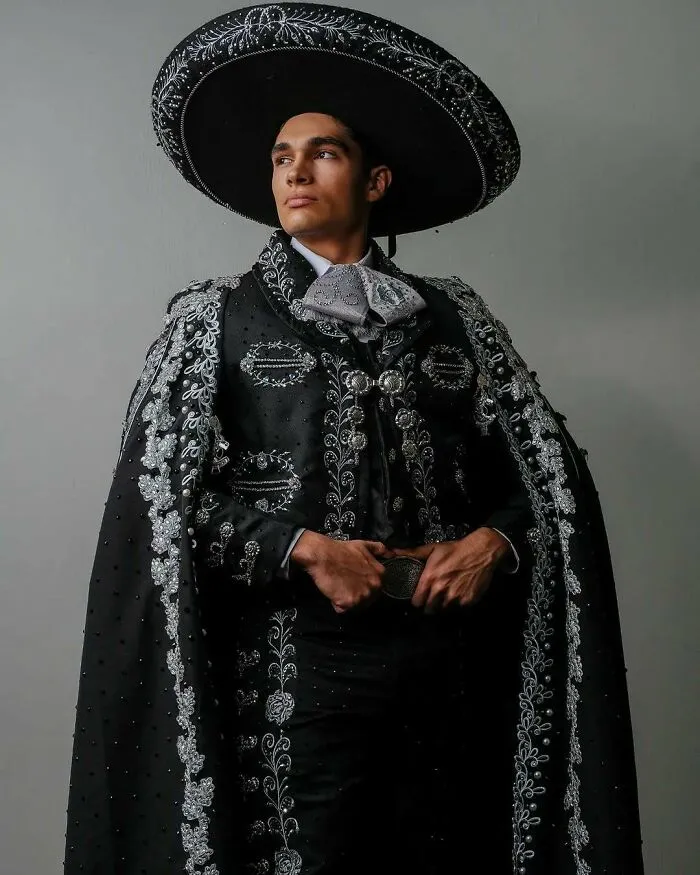
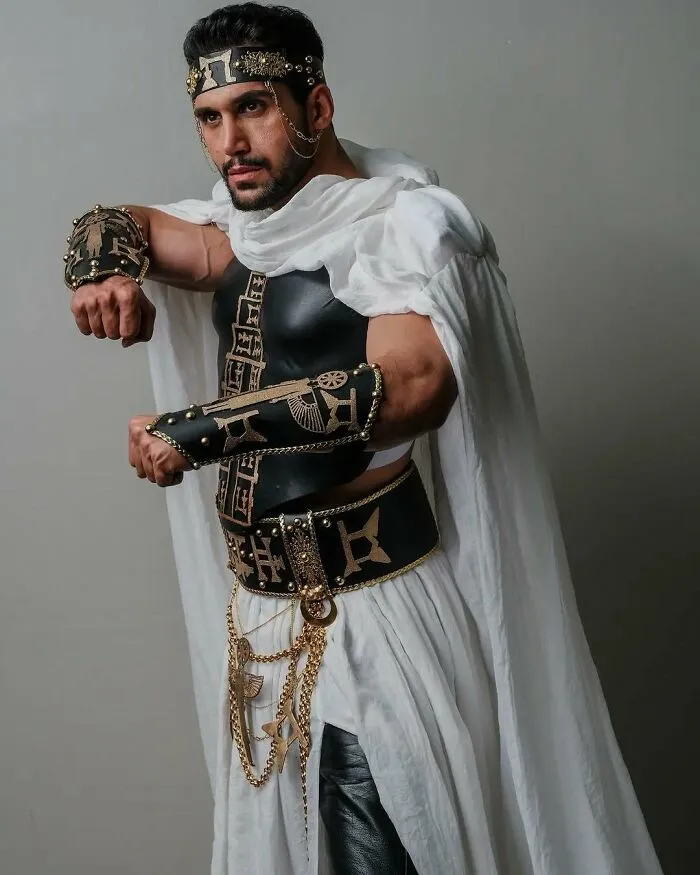
Some of the trends Dolin sees in modern men’s runway fashion also appear in Mister International costume designs. Playful characters bring the contestants closer to human emotions and their national roots. Softer textures, forms, and extravagant silhouettes break the mold of pure practicality and step into the realm of confidence and display. The visually striking costumes trend towards rejecting pure physical strength and accepting a broader interpretation of what it means to be a male leader. However, the need to display a muscular physique still seems prevalent in the pageant.
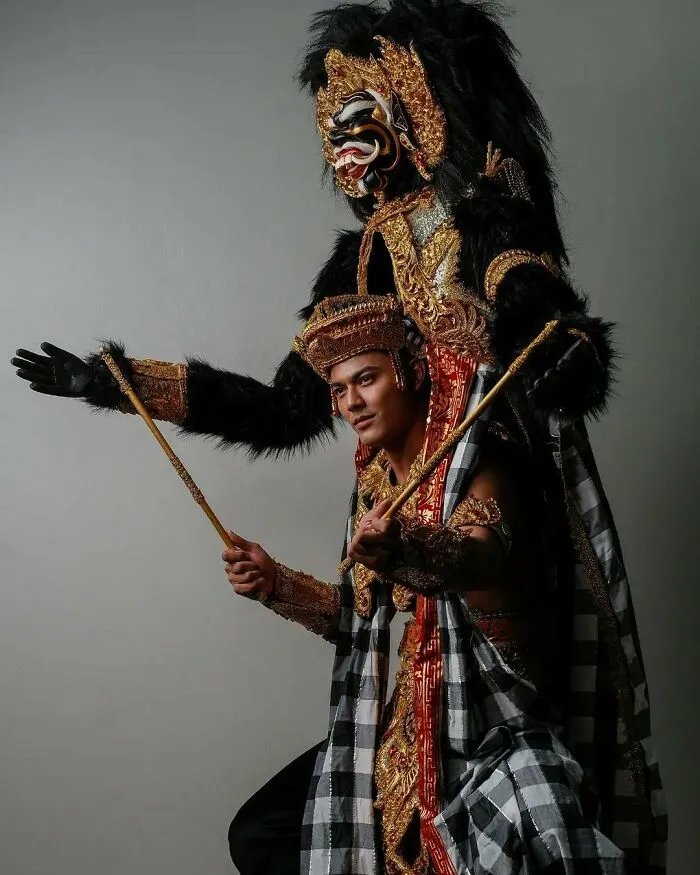

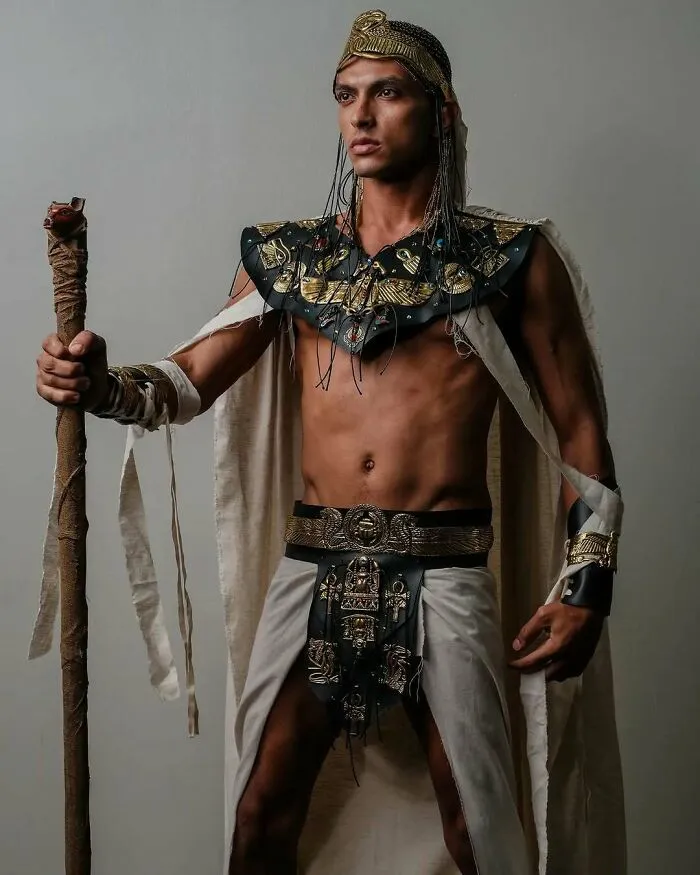
Sociologist Muhammad Alhada Fuadilah Habib takes a more negative view of Mister International. The researcher says the pageant shows masculinity from a one-dimensional standpoint. He argues that global capitalists created the pageant to drive sales and promote products under the guise of wider acceptance and progress. Research suggests that general audiences who watch the competition see body care products as more necessary for becoming better-looking by traditional standards. Additionally, audiences see good looks as essential for promotions at work and attracting potential partners.
Habib’s view highlights the economic practicality of Mister International and questions who profits from shaping standards of male beauty. He discards the creativity on display. One might argue, however, that no event of such size would be possible without financial sponsorship. Some could think the pageant exists to sell products, but it’s more likely that sales are necessary to make the pageant possible in our capitalist world in the first place.