




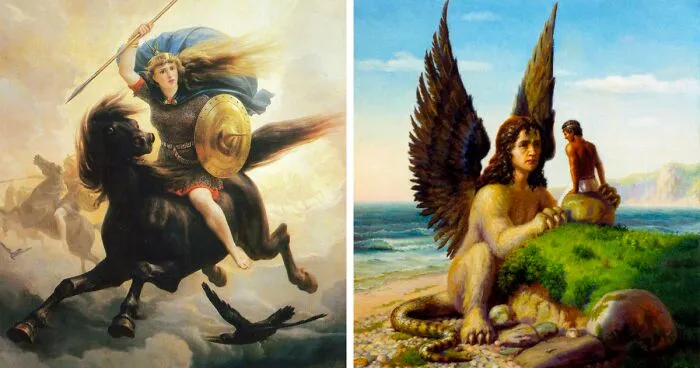

People who are dating to marry, those who still read paper books, or use pen and paper to write out their notes aren't mythical creatures, although this part of humankind is ostensibly going extinct. Speaking of fictitious, legendary creatures, the mind often wanders to Greek and Roman lore. However, numerous cultures and ancient civilizations have featured various magic creatures that are still being talked about and occasionally mentioned today.
Just like 'Phoenix' isn't solely a city name in Arizona, neither is the term 'unicorn' exclusively referring to a startup company. The many unique words and names in today's dictionary derive from fantastical creatures, often mythical animals or deities from the past. And while many may have heard of such Greek mythical creatures like the Minotaur, Gorgons, and mermaids, there are plenty more no less popular mythical creatures and legendary monsters that allegedly roamed the lands, inhabited the seas and soared the skies.
Below, we've compiled a lengthy (yet not complete) list of mythical creatures that will surely spark your interest in lore and human history. Has any mythical creature on the list originated from your country? Or perhaps you believe that some legendary creature may still be residing among us? Let us know!
#41 Echidna
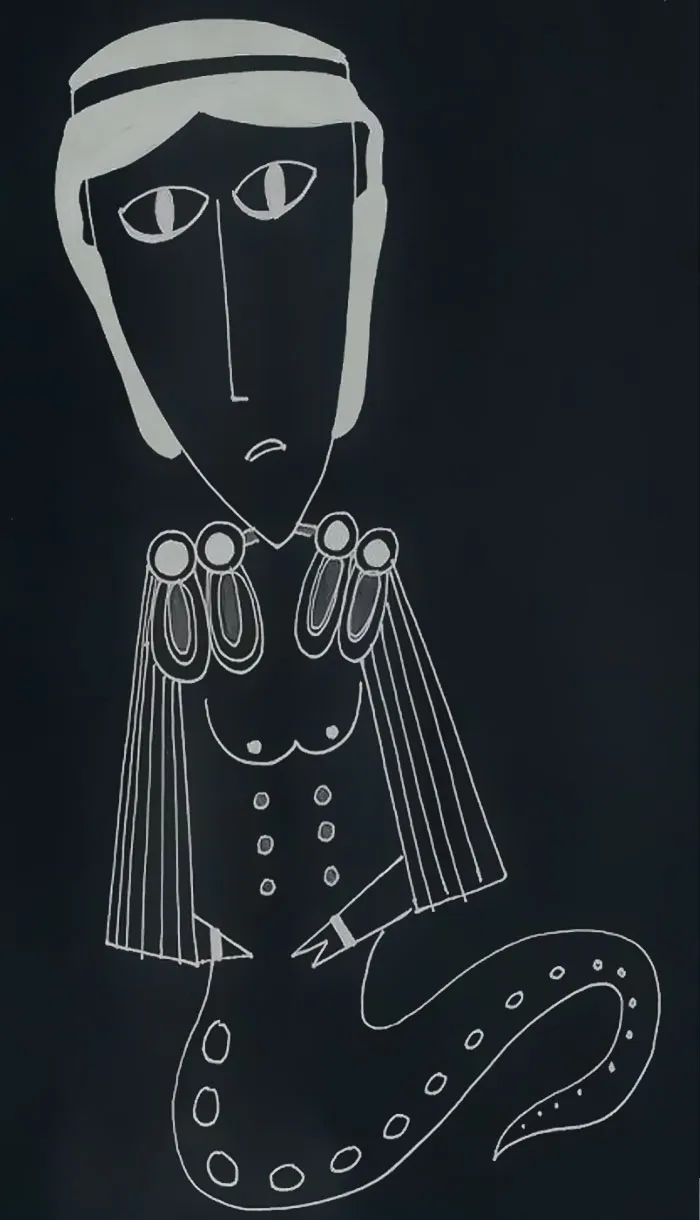
Greek mythology's "mother of all monsters," Echidna, was a hybrid of a snake and a woman. She had a serpentine tail and the head and breast of a woman. She most likely stood for the earth's distortions, including rot, filth, fetid streams, illness, and disease. Echidna was Typhoeus’ wife, a huge storm giant with many heads who battled Zeus for the throne of heaven. Together, they gave birth to many terrifying mythical creatures that tormented the earth, including the Chimera, Cerberus, Hydra, Sphinx, and Hesperian Dragon.
Report
15points
#42 Gullinbursti
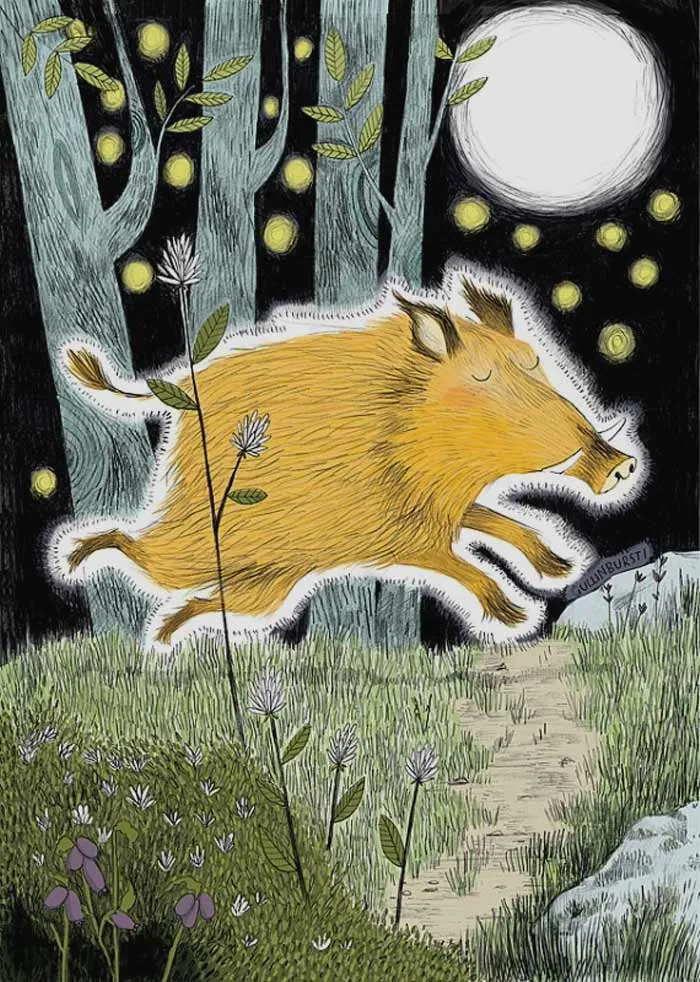
In Norse mythology, this boar is dubbed Gullinbursti. Gullinbursti, the god Freyr's attribute, is also frequently referred to as his pet. Gullinbursti was often depicted on the helmets and shields of warriors. Gullinbursti was probably more of a luck symbol than a shield. As a deity of abundance, Freyr may have been invoked to bestow great loot upon warriors. Given how ferocious boars are known to be, Gullinbursti might have also been a representation of bravery. It was reported that Gullinbursti, which in Old Norse means "Golden Mane" or "Golden Bristles," shone so brilliantly that it could light up even the darkest night. Gullinbursti was faster than any horse and could run through the air and over water.
Report
15points
#43 Khnum
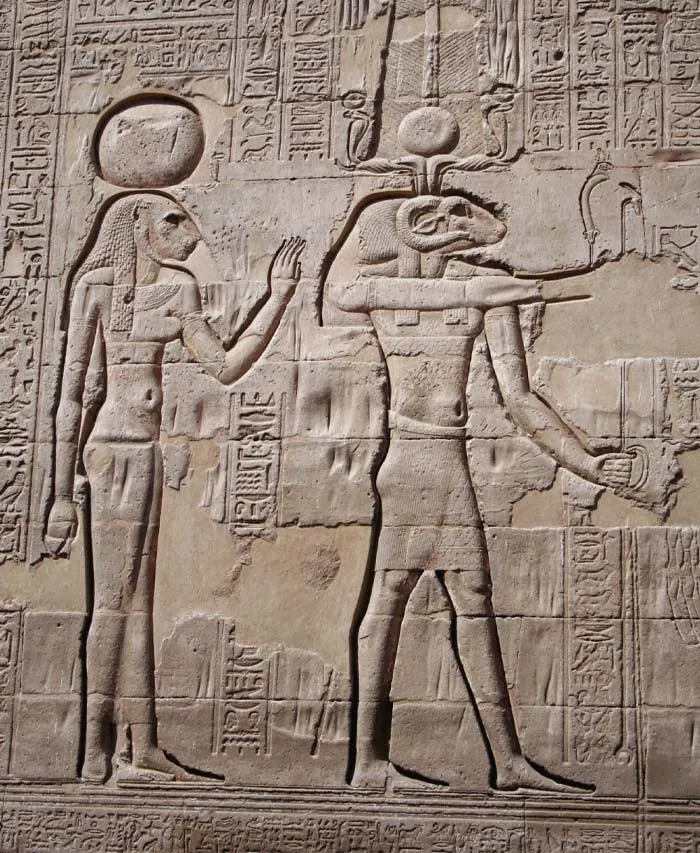
The ram god of Egypt was called Khnum. Khnum, also known by the spelling Khnemu, was one of the first gods the Egyptians are known to have worshiped. Khnum was regarded as the source of the Nile River and was connected to water, fertility, and procreation. Each year, after the Nile overflowed and the waters subsided, the ground was left covered with rich, fertile silt that aided in the growth of the Egyptians' crops. The waters gave the land life. The Egyptians also employed silt, a compound made of clay and water, to produce pottery. The Egyptians thought that Khnum created and gave life to humanity in the same way as he delivered fertile clay to the lands around the Nile. According to legend, Khnum sculpted human children's bodies out of clay on his potter's wheel before putting them inside their mothers' wombs.
Report
15points
#44 Mermaid
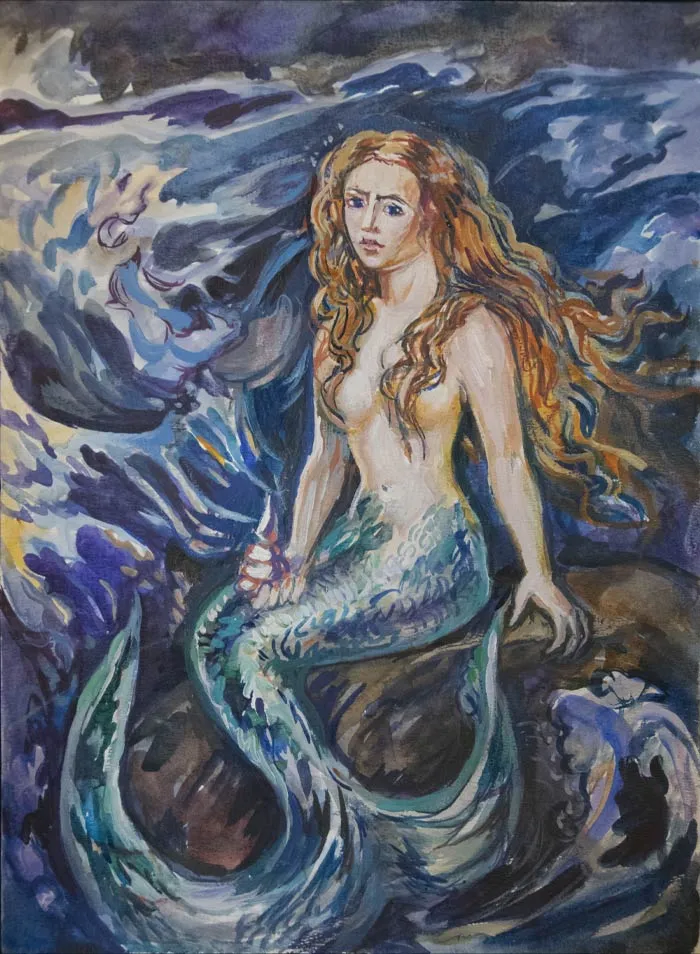
Legendary aquatic beings known as mermaids had the head, arms, and torso of a female human and the tail of a fish. The male equivalents are called "mermen." Mermaids can be represented as being pleasant and helpful, sneaky and playful, or even destructive and territorial, depending on the tale or setting. Appearance-wise, mermaids are typically portrayed as extremely attractive. They resemble a fish with fins and a spreading tail from the waist down while appearing above the waist as a pretty young woman. Allegedly, the long-haired beauties adore singing and combing their hair. They occasionally use their melodies to entice sailors to the rocks or draw handsome young men to their underwater dwellings. Unsurprisingly, the human typically drowns as a result of this. Thus, sailors are generally advised to stay away from them. Mermaids are believed to have a lengthy lifespan, yet some myths claim they are soulless. However, despite some of the bad things that mermaids are accused of, they can occasionally offer luck to people by curing them or fulfilling their wishes.
Report
15points
#45 Nian
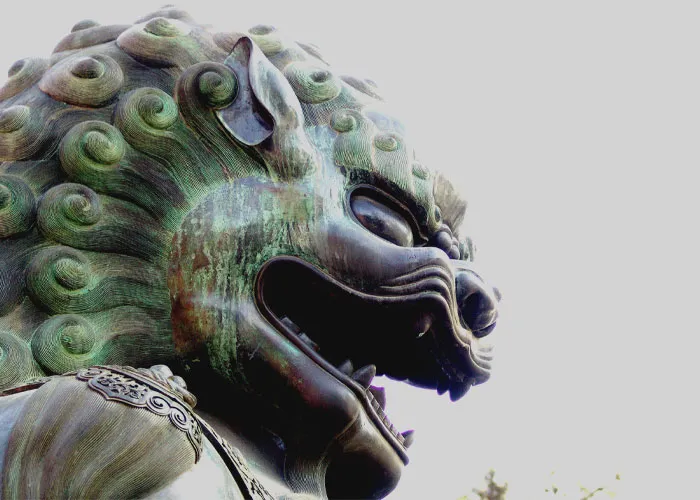
Nian was a vicious beast that lived in ancient China long ago. It had a horn on its head that resembled a lion's and could be deployed to attack prey. It mainly resided at the bottom of the ocean. It only came ashore on the final day of the lunar year to devour humans and animals. To escape being eaten, residents would lock the livestock gate tightly on that day of the year and eat early. Then, one year, an elderly man with silver hair visited one of the villagers and assured him that he would drive the vicious beast away. But none of the locals believed him since they were all too terrified. As expected, Nian entered the village. As it prepared to slaughter and consume its prey, bright flares and firecrackers emerged. Nian trembled and was hesitant to move forward. Then the elderly guy appeared on the scene dressed in all red, which incited the beast into a rage. It sprinted away in fear. The villagers learned the old man was a celestial entity who had come to aid them after discovering their homes and cattle were in good condition. Also, he revealed to them three "weapons" they could use to chase Nian away: "items that are red in color," "bright lights," and "firecrackers." Since then, on the last day of the year, people have hung red lanterns, put up red couplets, and lit firecrackers while keeping the lights on and staying up late to shun Nian. As time went on, this practice was practiced in practically every region of China. As a result, it evolved into one of the most significant Chinese festivals: Lunar New Year's Eve.
Report
14points
#46 Khepri
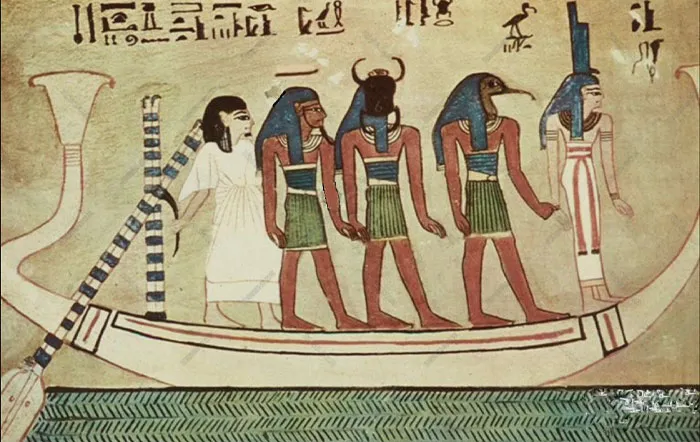
In ancient Egyptian mythology, Khepri is a solar god associated with the scarab beetle, which rolls dung balls across the ground as a symbol of the forces that propel the sun through the sky. Khepri was essentially believed to be a subordinate of the more powerful sun god Ra. Khepri and another sun god, Atum, were sometimes viewed as forms of Ra. Khepri represented the early sun, Ra the midday sun, and Atum the evening sun. Khepi was portrayed as either a scarab beetle with a human head or just as the insect itself.
Report
14points
#47 Fenghuang
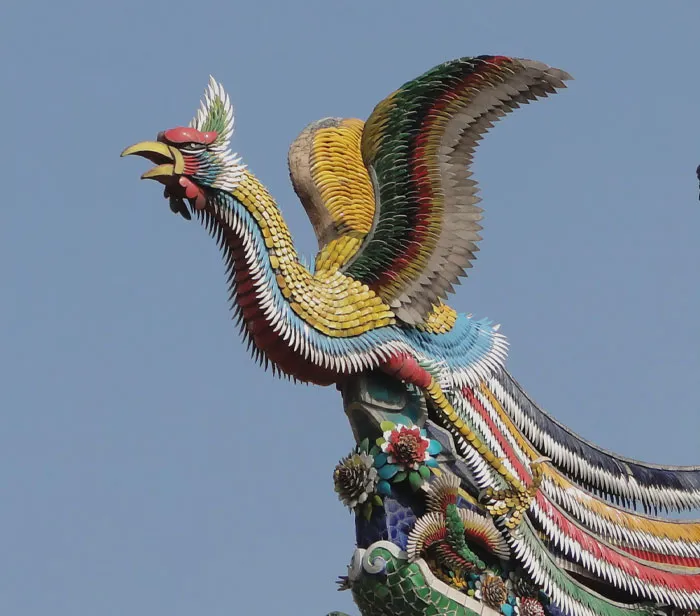
The Phoenix is also known as Fenghuang in China. Like its western cousin, it is a mythical bird that lives forever and symbolizes the element of fire. In ancient China, the appearance of the Fenghuang was taken as a portent that a new emperor was about to ascend to the throne. The Chinese Phoenix, however, is assumed to symbolize harmony. In Chinese mythology, the male Phoenix is known as Feng, and the female is known as Huang. The Fenghuang is now more frequently depicted as a female, partnered with the masculine dragon, as gender differences are no longer as strongly emphasized as they once were. A typical representation of the Chinese Phoenix shows it using its wings and talons to fight a snake. As per tradition, the Fenghuang has a rooster's beak, a fowl's forehead, a swallow's face, a snake's neck, a tortoise's back, a goose's breast, a fish's tail, and a stag's hind legs. Today, however, the Fenghuang is most often shown as a fusion of many birds, typically the mandarin duck's body, a pheasant's head, a peacock's tail, and a parrot's beak.
Report
14points
#48 Garuda
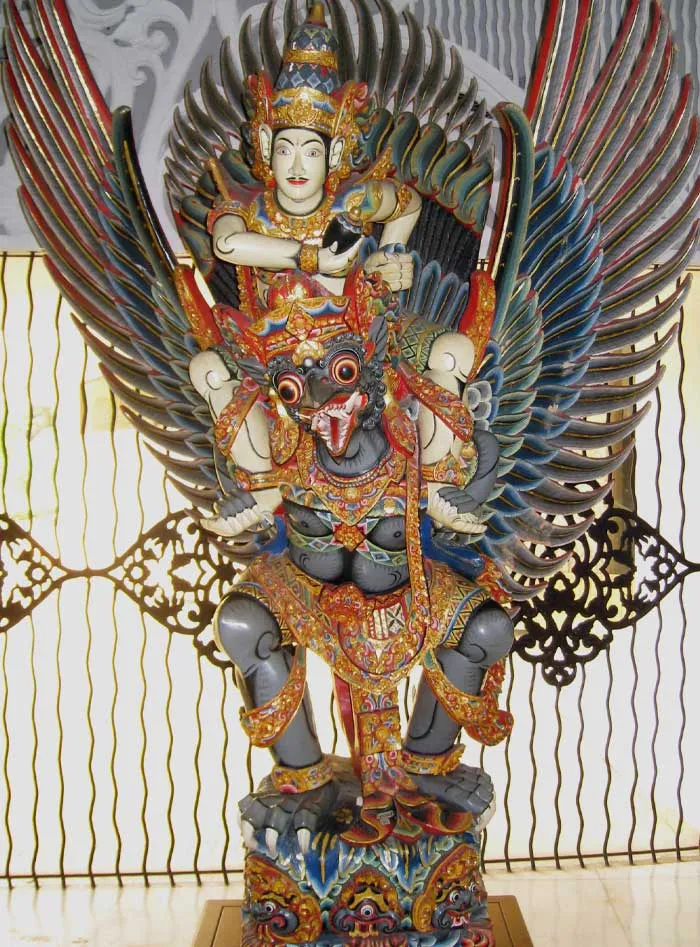
Hindu mythology describes a bird called Garuda as having traits of both humans and eagles. Garuda is the nemesis of all snakes and symbolizes birth and heaven. Garuda only had his wings in Indian art as he eventually took on more of a human shape over time. But he still has the enormous talons and vicious-looking beak of a raptor in Cambodia. Initially, the mythical beast featured a man's torso and arms and an eagle or vulture's wings, head, beak, and talons. His face is white, his wings are red, and his body is gold.
Report
14points
#49 Bigfoot
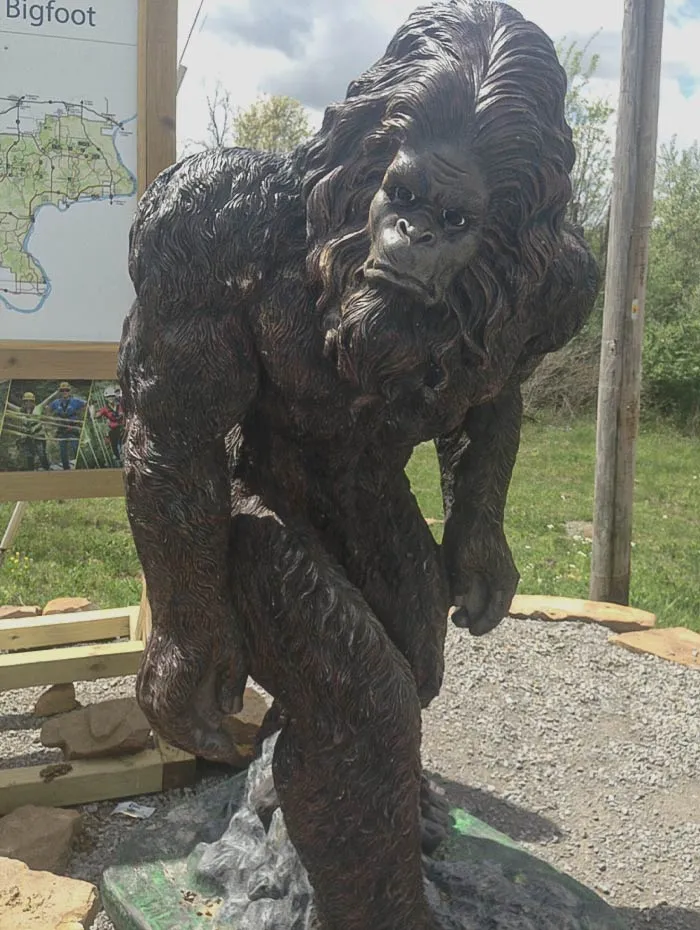
The stories of Bigfoot have been told worldwide and predate written history. There are rumors about seven-foot-tall, hairy men haunting the forests in North America, mainly in the Northwest, occasionally frightening campers, lumberjacks, hikers, and other outdoor enthusiasts. Although Bigfoot is typically associated with the mountainous Western region of North America, Bigfoot is recognized by many different names in many different cultures. The Salish Sasquits gave rise to the term Sasquatch. At the same time, the Algonquin of the continent's north-central region called it a Wendigo. The Ojibway of the Northern Plains thought the Rugaru appeared during troubled times and believed the hairy being was a warning message, asking humankind to change its ways. Other cultures also have legends about a giant creature that resembles a man but has unique abilities and traits.
Report
14points
#50 Lamia
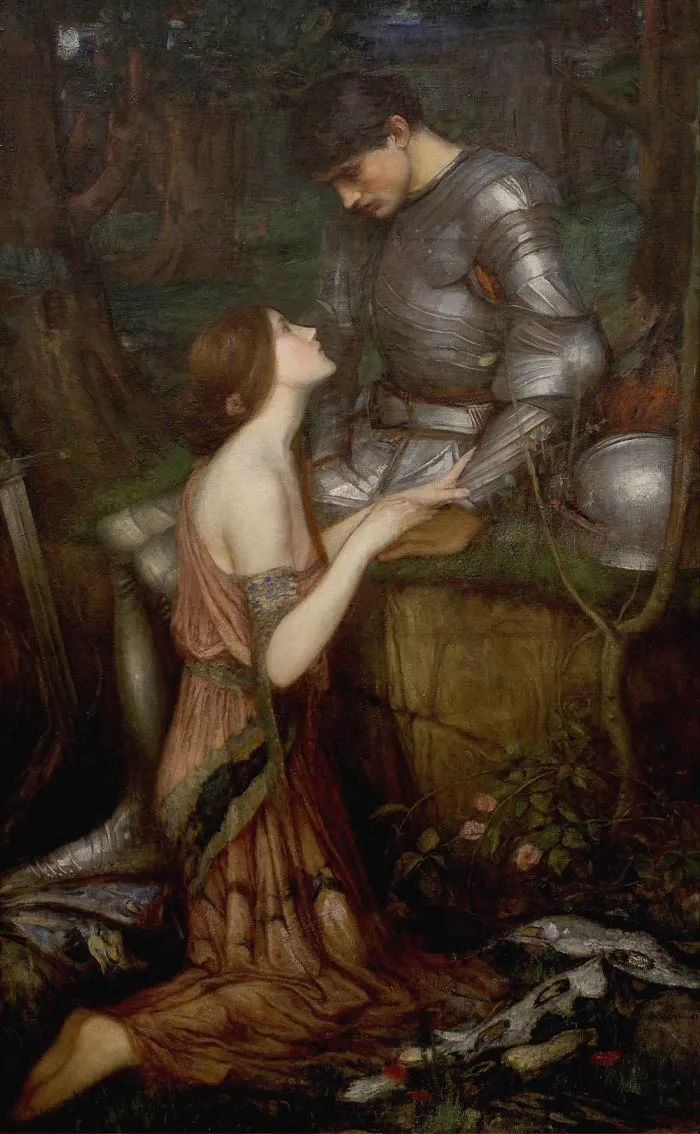
Lamia was a night-haunting daemon or a child-eating sea monster. She was Poseidon's daughter and gave birth to the monsters Scylla and Acheilus, the Shark. Initially, Zeus loved Lamia when she was still the queen of Libya. When his envious wife Hera found out about their relationship, she kidnapped Lamia's children, and the mother, driven insane by grief, tore out her own eyes. After that, Zeus changed her into a monster, enabling her to wreak retribution by devouring other people's children. Lamia was frequently referred to as a bogeyman, a night-haunting devil that preyed on youngsters.
Report
14points
#51 White Horse
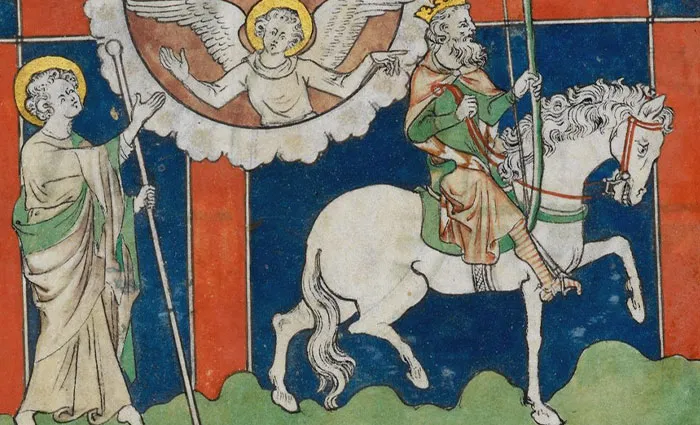
White horses have a special significance in the mythology of various cultures around the world. There are a variety of interpretations for them, including the sun chariot, warrior heroes, fertility, and an end-of-time savior. Different religious and cultural traditions referred to both white horses and the more common grey horses with white hair coats as "white." White horses have long been associated with mythology as being endowed with unique abilities, transcending the realm of the ordinary by having wings (like Pegasus from Greek mythology) or horns (the unicorn). The white horse may appear in myths with seven heads (Uchaishravas) or eight feet (Sleipnir), occasionally in groups or singly, as part of its legendary dimension. Divinatory white horses also foretell the future or provide dire warnings.
Report
14points
#52 Grootslang
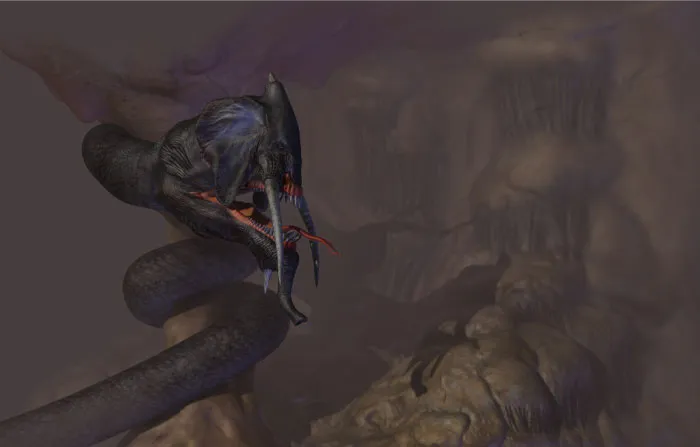
Grootslang, an animal hybrid from African mythology, is thought to have originated as a single monster before the gods divided it into two creatures, an elephant and a snake. When the rest of Grootslang's body is shown, the animal resembles a hideous puppet controlled from the inside by a snake big enough to devour an entire building, even though it is initially easy to mistake one for an elephant. A Grootslang is 20 feet tall, has forearms the size of mountain ranges, and skin that resembles plate armor. It has six deadly tusks that can pierce bone and flesh with ease. Although it has an elephant-like face, it can unhinge its lower jaw like its serpentine ancestors to devour its meal. A slight chance exists for a human to convince or bribe the beast and avoid meeting a lethal fate. A collection of gems does not guarantee protection, and a particularly vengeful Grootslang is just as likely to break their word after accepting the gift.
Report
13points
#53 Kelpie
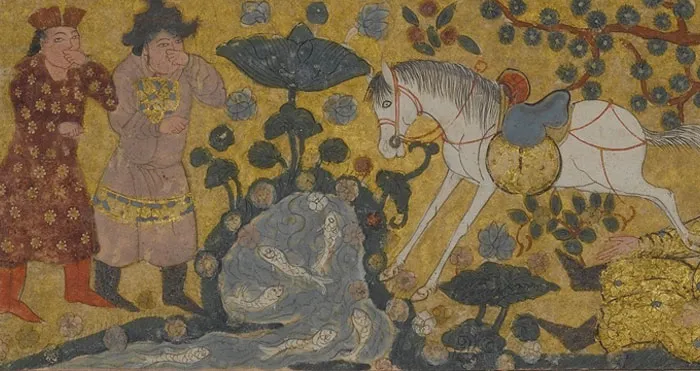
From Scottish mythology, the Kelpie is a water-horse ghost with the ability to change its shape. It lives in Scotland's lakes and pools. It is said to resemble a horse but can transform into a human and is known to enjoy drowning its victims. It is said to adore human liver in some tales. The term "kelpie" is described by historian Douglas Harper as "the Lowland name of a demon in the shape of a horse." The mythological Kelpie is typically depicted as a robust and beautiful black horse that lives in Scotland's deep rivers and streams and preys on any humans that come into contact with it.
Report
13points
#54 Arachne
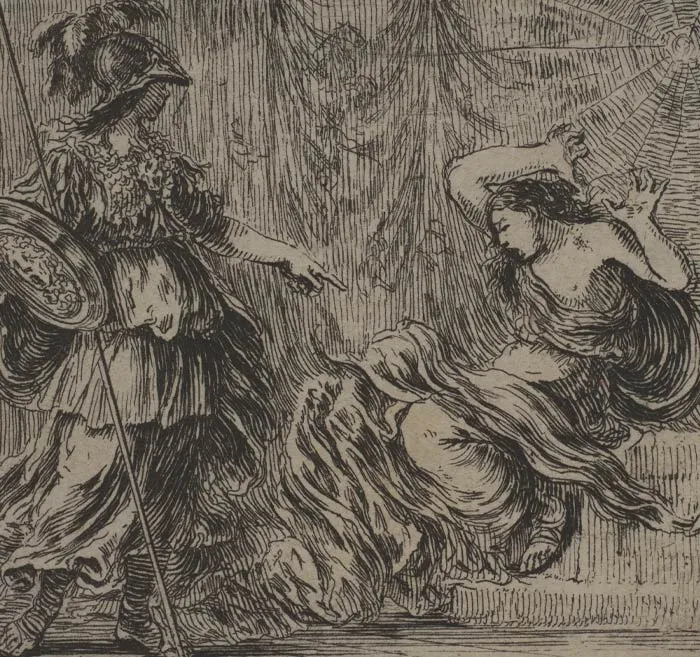
According to Greek and Roman mythology, Arachne was a Lydian mortal woman. She was an excellent weaver who, depending on the retelling, claimed to be more skilled than either the Greek goddess Athena or the Roman goddess Minerva. The goddess Athena had taught men how to build tools, while Arachne taught women how to weave. Arachne used this skill to assert herself as the best weaver - better than the goddess of arts and crafts herself. She suggested that a competition should be held to determine the better weaver.
Report
13points
#55 Thoth
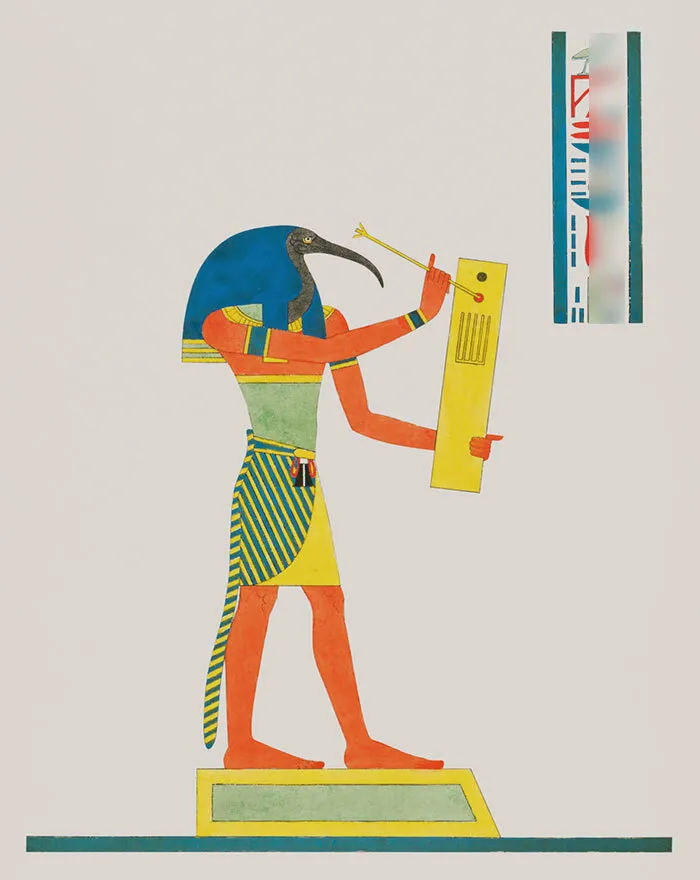
One of the more notable gods in the Egyptian pantheon was Thoth. He was frequently shown in artwork as a man with the head of an ibis or baboon, which were sacred to him. Thoth is commonly depicted holding the key to the Nile, which represents life, in one hand, and a rod, which indicates power, in the other. He was Ra's oldest son. In Egyptian mythology, Thoth fulfilled various significant responsibilities, including preserving the cosmos and serving as one of the two gods who stood on either side of Ra's boat. In later Egyptian history, Thoth was strongly linked to the practice of magic, the invention of writing, the development of science, and justice for and judgment of the dead.
Report
13points
#56 Amphisbaena
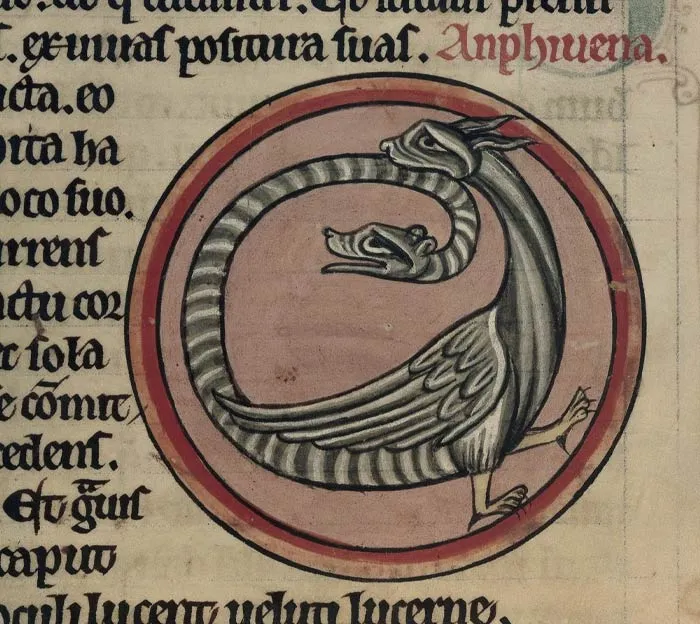
Amphisbaena, also known as the Mother of Ants, is a mythical serpent with a head at each end that eats ants. Greek legend states that the Amphisbaena emerged from the Gorgon Medusa's blood that dripped from her head as Perseus flew over the Libyan Desert holding it in his grasp. Drawings from the Middle Ages and afterward generally depict it having two or more scaled feet, particularly chicken feet and feathered wings. Others have both "necks" of identical size, so it is impossible to tell which is the rear head. Some even picture it as a horned, dragon-like creature with a serpent-headed tail and short, round ears. Amphisbaena's eyes are also frequently described as glowing like candles or lightning.
Report
13points
#57 Jörmungandr
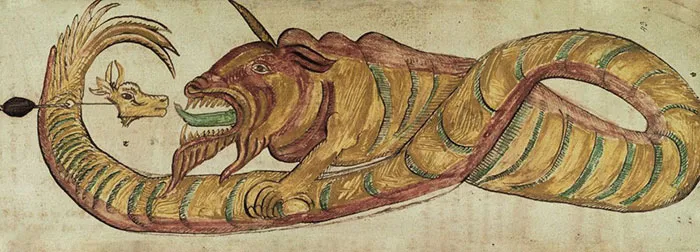
In Norse mythology, Jörmungandr is a dreaded monster, a worm-like creature that inhabits Midgard. It is one of Loki and Angrboða's three offspring; the other two are Hel and Fenrir. Before growing to its extreme size, Jörmungandr was once much smaller and could be held in the hands. When Jörmungandr threatened the world, Odin flung it into the sea. There Jörmungandr learned to survive and grew so large that it encircled the entire planet and could bite its own tail.
Report
13points
#58 Uridimmu
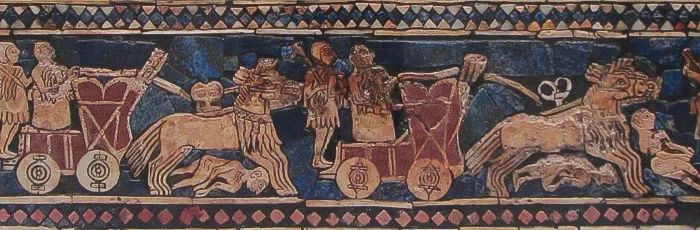
Uridimmu, which means "Mad/howling Dog," was a fabled being from ancient Mesopotamia that took the form of a dog-man with a human head and may have first appeared during the Kassite era. He is shown with a horned tiara, standing tall and clutching a stick with a lunar crescent at its tip. His look was essentially the polar opposite of Ugallu's, with a human head in place of an animal head and an animal body in place of a human body. He appears in later iconography as the god Utu's attendant alongside the similar anthropomorphic figure Kusarikku, also known as "Bull-Man."
Report
13points
#59 Nandi
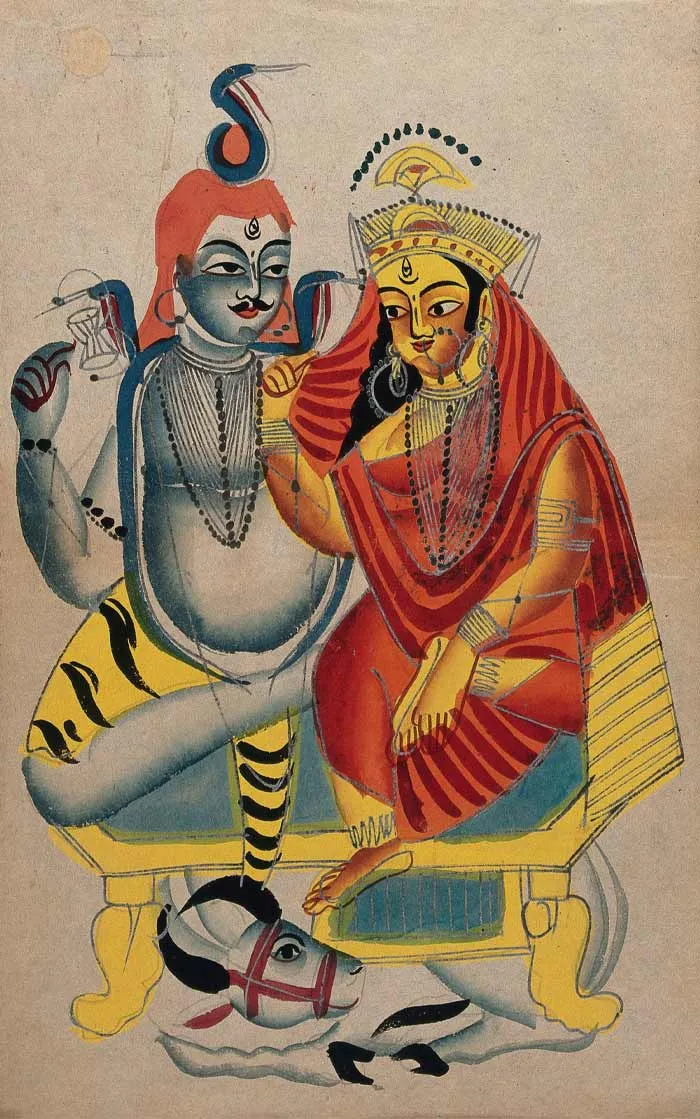
The sacred bull of Shiva, one of the most revered Hindu gods, is called Nandi, which means "giving delight" or "supplying joy." Shiva destroys the world when it turns evil to usher in a more favorable shift. Shiva's animal manifestation, mode of transportation, and most fervent devotee is Nandi. Hindu deities rode on sacred animals known as vahanas, or mounts. The link between Shiva and Nandi in Hindu texts and art may be traced back to very early Indian history when dairy production was the most important industry, which explains the significance and reverence of the cow and bull. The energy or personality of their deity is symbolized by or complemented by vahanas. The bull's white color stands for truth and justice. The genitalia of the Nandi image may be touched for benediction by passing temple visitors to encourage fertility. Usually, there would be a statue of Nandi at a Shiva temple.
Report
13points
#60 Aries
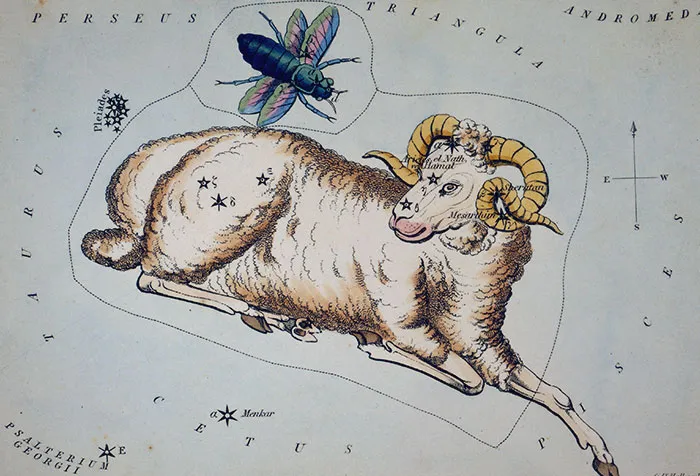
Greek mythology associates Aries with the golden ram that saved Phrixus and carried him to Colchis, where he offered the ram as a sacrifice to the gods. Phrixus was a Boeotian king's son. Helle was a twin sister to him. Ino, the stepmother of the kids, despised them and wanted to get rid of them, so she devised a strategy to ensure that the wheat crops failed to bring the country to the verge of famine. Ino paid off a man sent to Delphi to deceive and claim that the Oracle there demanded the king's children be sacrificed if they didn't want the populace to go starving. A ram with wings and golden fleece saved Phrixus and Helle. Their true mother, the cloud nymph Nephele, was the one who sent the ram. It flew east to Colchis while carrying both kids. However, only Phrixus made it back alive as Helle lost her life in the Dardanelles after falling off the ram. In honor of her, the passage was later dubbed the Hellespont or sea of Helle. King Aetes of Colchis welcomed Phrixus and accepted the Golden Fleece from him. The king gave Phrixus his daughter Chalciope's hand in exchange.
Report
13points


