




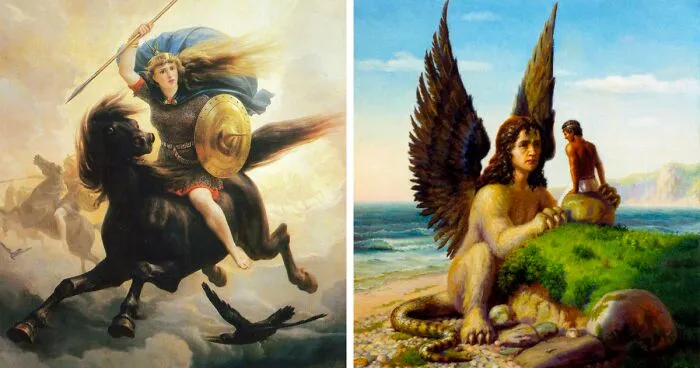


People who are dating to marry, those who still read paper books, or use pen and paper to write out their notes aren't mythical creatures, although this part of humankind is ostensibly going extinct. Speaking of fictitious, legendary creatures, the mind often wanders to Greek and Roman lore. However, numerous cultures and ancient civilizations have featured various magic creatures that are still being talked about and occasionally mentioned today.
Just like 'Phoenix' isn't solely a city name in Arizona, neither is the term 'unicorn' exclusively referring to a startup company. The many unique words and names in today's dictionary derive from fantastical creatures, often mythical animals or deities from the past. And while many may have heard of such Greek mythical creatures like the Minotaur, Gorgons, and mermaids, there are plenty more no less popular mythical creatures and legendary monsters that allegedly roamed the lands, inhabited the seas and soared the skies.
Below, we've compiled a lengthy (yet not complete) list of mythical creatures that will surely spark your interest in lore and human history. Has any mythical creature on the list originated from your country? Or perhaps you believe that some legendary creature may still be residing among us? Let us know!
#21 Owlman
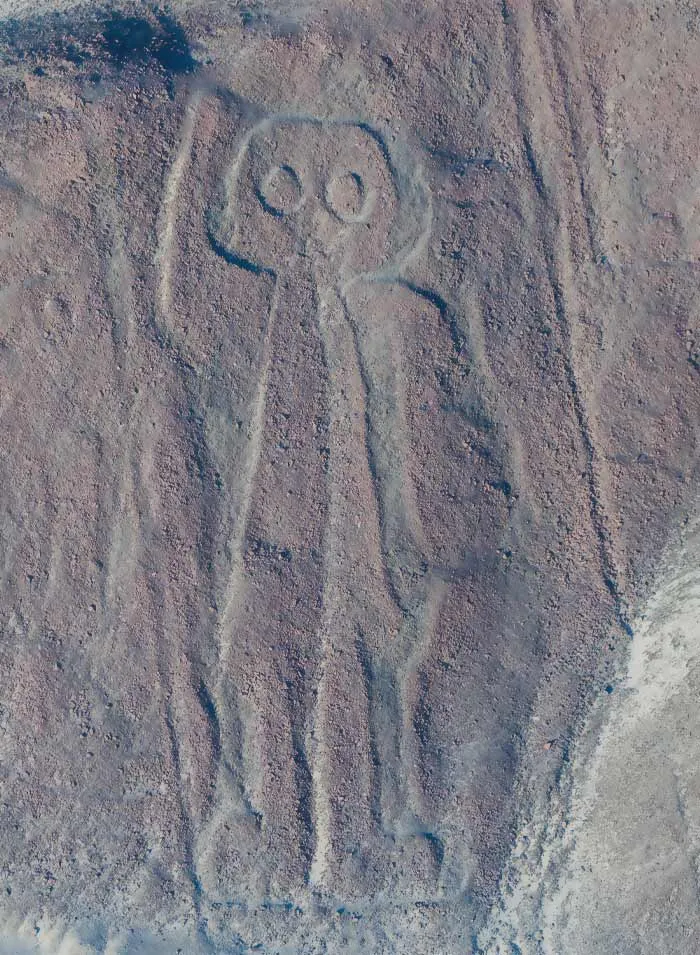
The Owlman, frequently related to Mothman but actually a Eurasian eagle-owl, is the subject of Cornish folklore and is a supposed owl-like monster allegedly spotted near the village of Mawnan, Cornwall, UK, in the middle of 1976. Owlman was allegedly a "feathered bird-man" that frequented church towers. He is also depicted as having luminous eyes, black talons, and the features of "a big owl with pointed ears, as big as a man."
Report
18points
#22 Bunyip
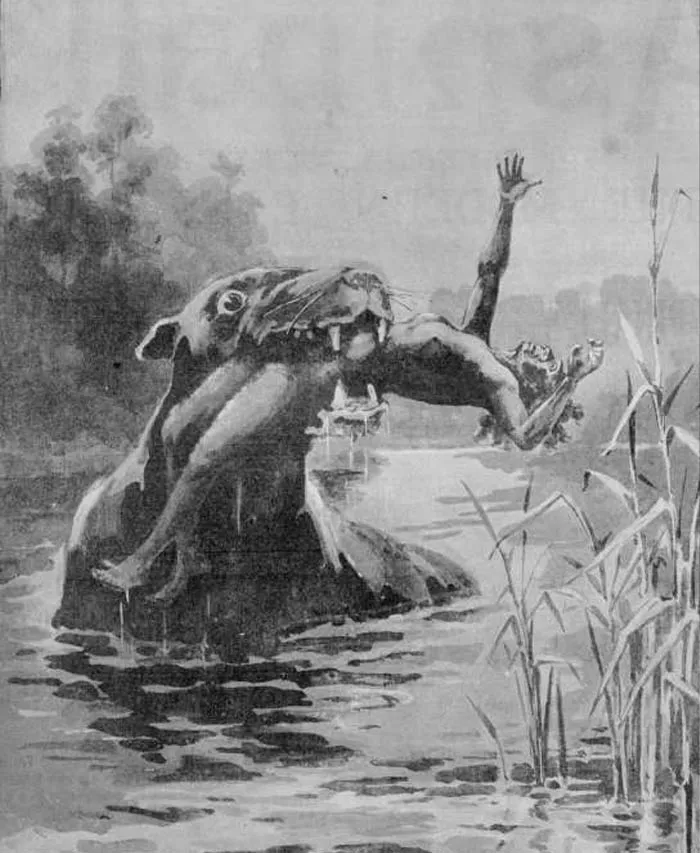
In Australian Aboriginal folklore, the Bunyip is a fabled monster claimed to live in the interior of Australia's reedy swamps and lagoons. The amphibious creature was described as having a round head, an elongated neck, and a body resembling an ox, a hippopotamus, or a manatee. Some reports even gave it a human shape. This strange monster has been described as having feathers, fins, tusks, claws, beards, a duck bill, a horse tail, one enormous eye, and a stomach-mouth. Being huge enough to be a man-eater is the only aspect of its appearance that spectators seem to agree on. According to the fable, the Bunyip made booming or roaring noises and preferred eating women and children more than other prey. Interestingly, a small group of cryptozoologists still hold on to the numerous fossils and sightings of Australia's watery monster, even though most Australians now think the beast is solely mythical.
Report
18points
#23 Yeti
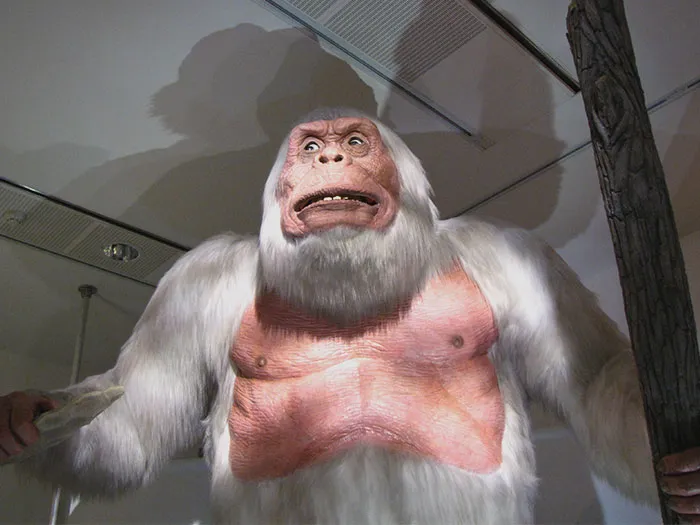
Folklore from Nepal describes the Yeti as an "abominable Snowman" who resembles an ape, stands higher than the ordinary person, and dwells in the Himalayas, Siberia, Central Asia, and East Asia. Since the 1920s, stories of a ferocious, hairy beast wandering the Himalayas have caught the attention of climbers in Nepal, inspiring many of them to go in search of it. However, Russian lore has a different name for the being. The Chuchuna, according to Russian tradition, is a being that resides in Siberia, characterized as six to seven feet tall and covered in ebony hair. Native stories from the nomadic Yakut and Tungus tribes define it as a man with a well-built body who looks Neanderthal-like and is wearing pelts. It also has a white patch of fur on its forearms. There are reports that it occasionally eats human flesh.
Report
18points
#24 Loch Ness Monster
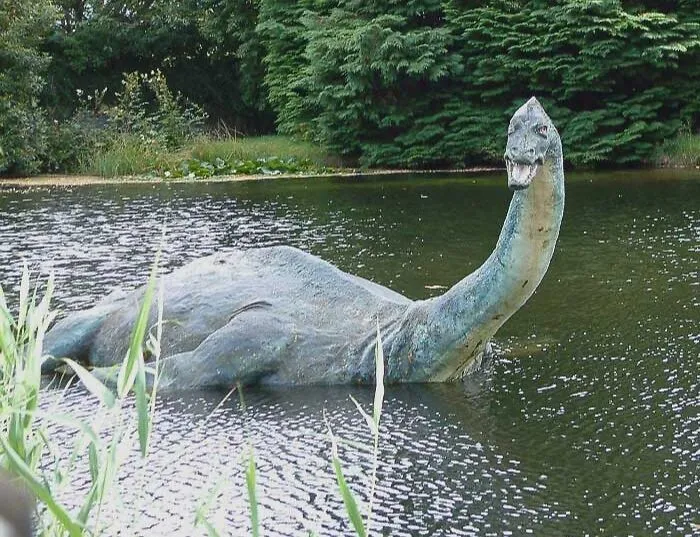
According to Scottish folklore, a monster called the Loch Ness Monster, also affectionately referred to as Nessie, lives in Loch Ness in the Scottish Highlands. It is frequently described as being large, long-necked, and having one or more protruding humps. Since the monster came to the world's attention in 1933, there has been a fluctuating interest and belief in it. Its presence has only been substantiated anecdotally through a few doubted sonar readings and pictures.
Report
18points
#25 Faun
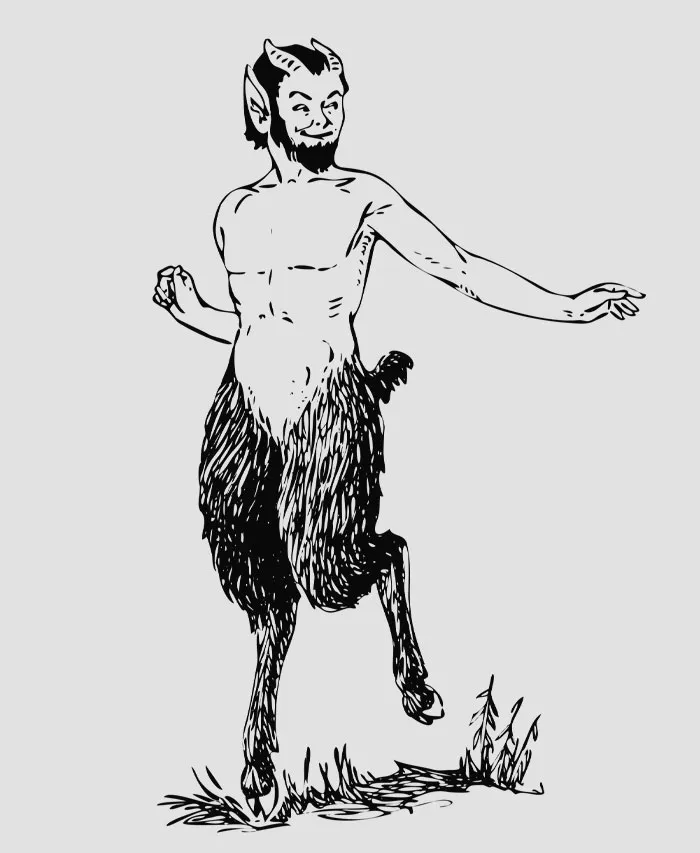
A Faun is a hybrid of human and goat origin from Greek and Roman mythology. The name comes from the Italic deity of forests, fields, and herds known as Faunus, who was linked to the Greek god Pan as early as the second century BCE. Fauns in Roman mythology were originally smaller-sized genii spirits that lived in rural areas and were subordinate to the god Faunus. They were primarily male and had hooves on both ends of their bodies. By the Renaissance, fauns were portrayed as bipedal beings with the head, torso, and arms of a human and a goat's horns, legs, and tail. They were also frequently portrayed as having pointed ears. Fauns often served as symbols of fertility and peace.
Report
18points
#26 Ichthyocentaurs
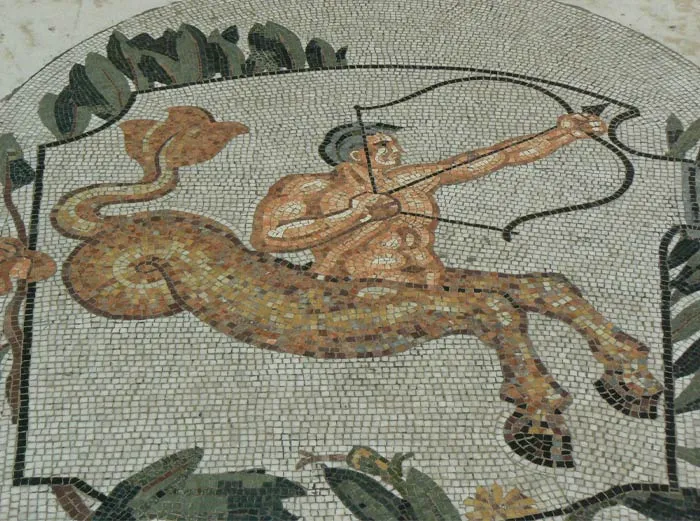
The origins of the Ichthyocentaur are found in Greek mythology, legend, and folklore. Aphros and Bythos, the first known Ichthyocentaurs, were the children of the Titan god Kronos and the goddess nymph Philyra. Apparently, they were not only half-brothers of Zeus and the other older six Olympian gods but also of the sage centaur Chiron. Apart from the fact that they witnessed Aphrodite's birth from the sea froth of Ouranos' castration and that they assisted the young love goddess in reaching the coast of Cyprus, little is known about their activities. Numerous legends state that they have been immortalized among the stars in the constellation Pisces as a reward for their benevolent deeds.
Report
18points
#27 Chinese Dragon
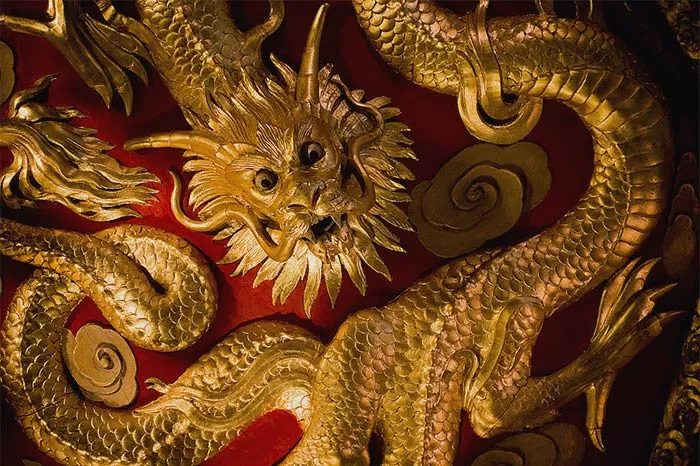
Contrary to popular belief, the mythical Chinese dragon wasn't always out for blood. In ancient China, dragons weren't typically responsible for natural disasters and other tragedies. Instead, Chinese people frequently perceived dragons as powerful, sage, and kind. Although the origin of dragon mythology is unknown, the emblem has been used since 3000 BCE. One hypothesis holds that the fabled Chinese dragon emerged from long-ago totem worship. Ancient people may have made dragons by fusing the traits of many animals, including tigers, snakes, eagles, and carp. According to a different theory, the legendary pre-dynastic Chinese ruler known as the Yan emperor was born due to an encounter with a dragon. Yandi, therefore, had more authority than the majority of rulers. Together, he and Emperor Huang Di overcame their adversaries, united China, and, following legend, founded Chinese civilization. Many Chinese eventually began to believe that Yandi was one of their ancestors, which implied that they were also dragons' descendants as time passed.
Report
17points
#28 Makara
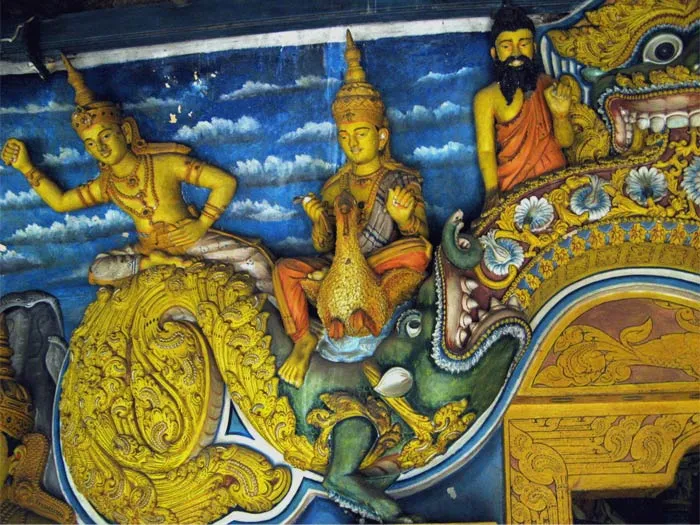
A mythic sea creature called Makara is often featured in Hindu mythology. It is typically defined as having the frontal half of a terrestrial animal, such as an elephant, crocodile, or deer, and the back portion aquatic, usually a fish or a seal. The Makara is the most frequently repeating creature in Hindu and Buddhist temple imagery. It also often appears as a gargoyle or spout tied to a natural spring. Makaras are considered guardians of doorways and thresholds, protecting royal rooms and temple entryways.
Report
17points
#29 Kurma
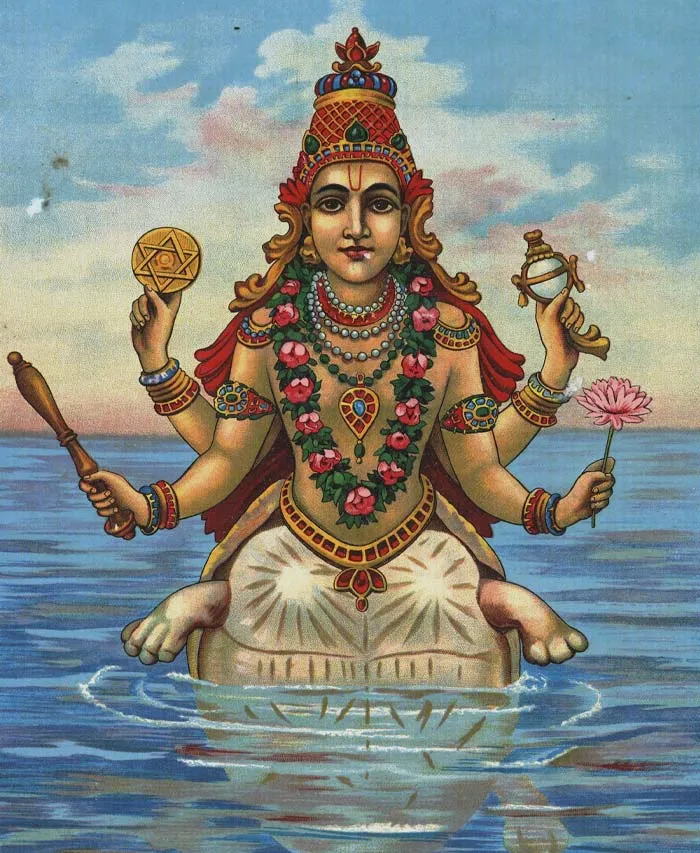
Kurma is the second incarnation of Vishnu, the preserver god in the Hindu Trimurti (trinity), who emerged as a gigantic turtle during the Satya Yuga to save the earth from oblivion. The mythical Mount Mandara, which the gods (and demons) used as a churning rod to stir the primordial milk ocean and acquire the fabled nectar of immortality, was thought to have its foundation built on his gigantic back.
17points
#30 Fenrir
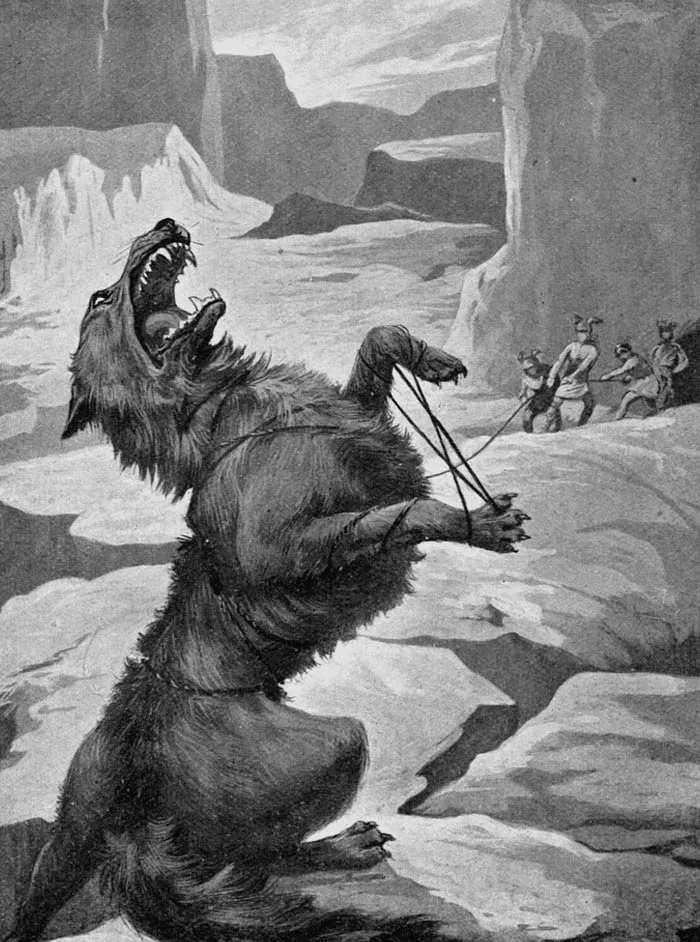
Fenrir, one of Loki's three children with a giantess named Angrboda, has a crucial but brief part in Norse mythology. The Norse sagas have only one significant tale about Fenrir, a wolf of extraordinary size and strength. Still, this tale depicts valor for one deity and death for the rest. Fenrir turned out to be one among the many precursors to Ragnarök, the Norse world's end. As with any story, Fenrir's tale begins in Snorri Sturluson's Prose Edda with his improbable and terrible birth. The sir of Asgard gathered to discuss what to do with these three extremely dangerous beings - all of whom were predicted to contribute to the destruction of the Norse world in the future - when Fenrir and his other siblings - the great serpent Jörmungandr and the dark-haired woman Hel - were born. While Jörmungandr was banished into the sea, where he would dwell until the end of time, Hel was taken to Niflheim, a world comparable to the Christian concept of Hell. However, Fenrir presented a much more complex issue. While Hel and Jörmungandr could be exiled, Fenrir snowballed in size. Eventually, Fenrir became a jötunn (giant) among wolves. It was decided that Fenrir needed to be imprisoned to shield the sir from his enormity and the awful outcome they knew would one day occur.
Report
16points
#31 Siren
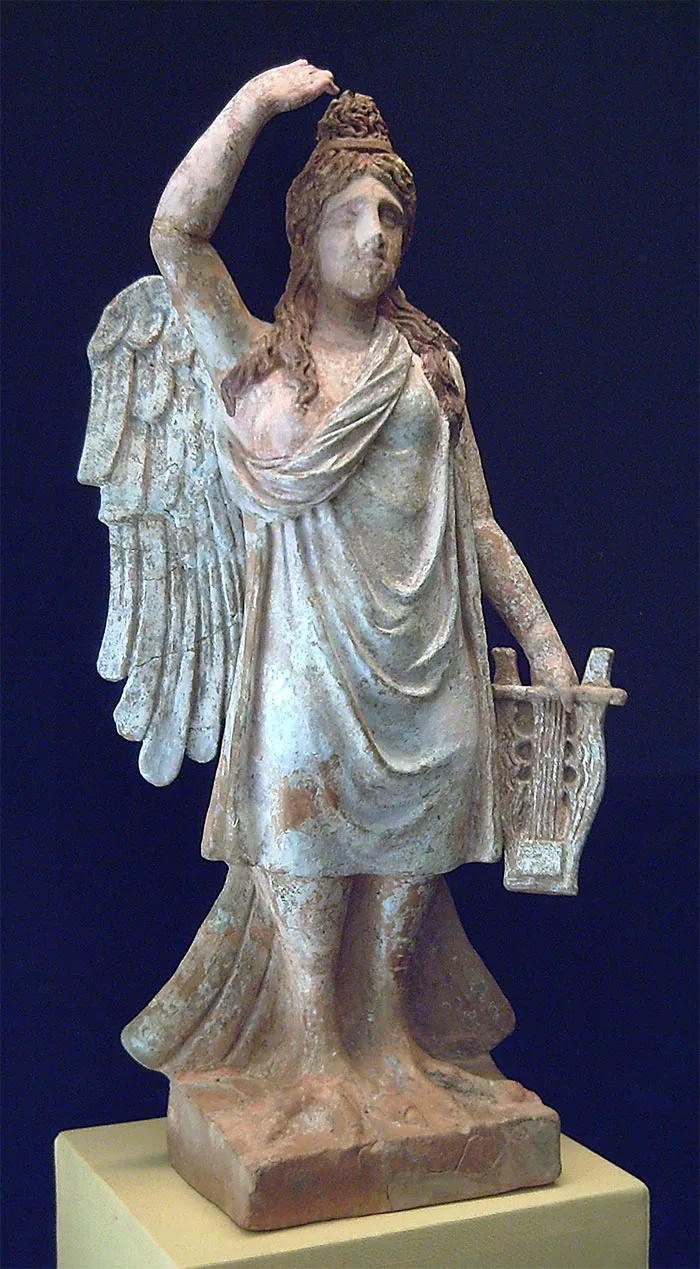
The Sirens, half-birds, half-beautiful women, are singing enchantresses who could entice passing sailors to their islands - and ultimately to their death. If anyone survived their singing, they were doomed to perish. The Sirens were the daughters of the river god Achelous and a Muse. According to a legend, they were once Persephone's handmaidens, and Demeter gave them bird forms to aid in the search when she was covertly taken by Hades. They eventually gave up and relocated to Anthemoessa, an island known for its flowers. Later, Odysseus successfully sailed by while his troops blocked their ears with wax. Because the Sirens were so distraught to see a man hear their song and still escape, they hurled themselves into the sea and drowned.
Report
16points
#32 Wendigo
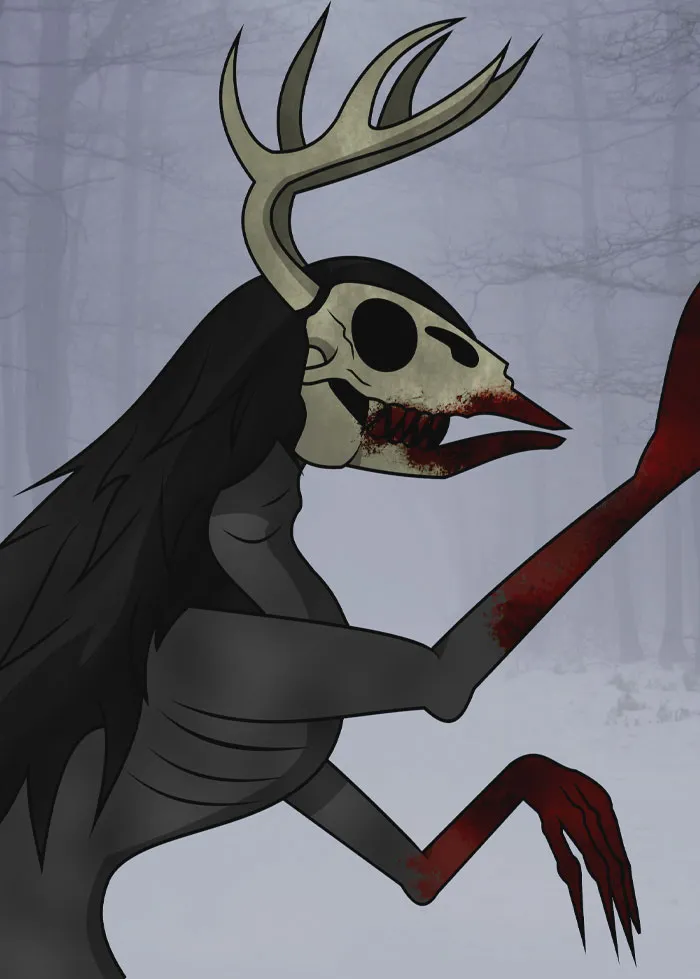
The Great Lakes region, the woodlands of central areas of Canada, and Minnesota's north woods are considered home to the malevolent wendigo. Windigo, Witigo, Witiko, and Wee-Tee-Go roughly translate to "the evil spirit that devours mankind," and all refer to the same mythological creature. The Algonquian Ojibwe, Eastern Cree, Saulteaux, Naskapi, and Innu peoples have long had knowledge of this beast. They have described them as giants several times bigger than people. Although depictions can differ wildly, the belief that the wendigo is a malevolent, cannibalistic, supernatural monster is shared by all of these tribes. Legend has it that a Wendigo is created every time a human turns to cannibalism to survive. This used to happen more frequently when Native Americans and settlers got stuck in the harsh winter and ice of the northern woods. Any survivors, sometimes left alone for days, may have felt forced to eat the corpses to survive. According to some legends, persons who exhibited extreme gluttony or greed may likewise be possessed by a wendigo. So the myth was a way of promoting moderation and unity.
Report
15points
#33 Minotaur
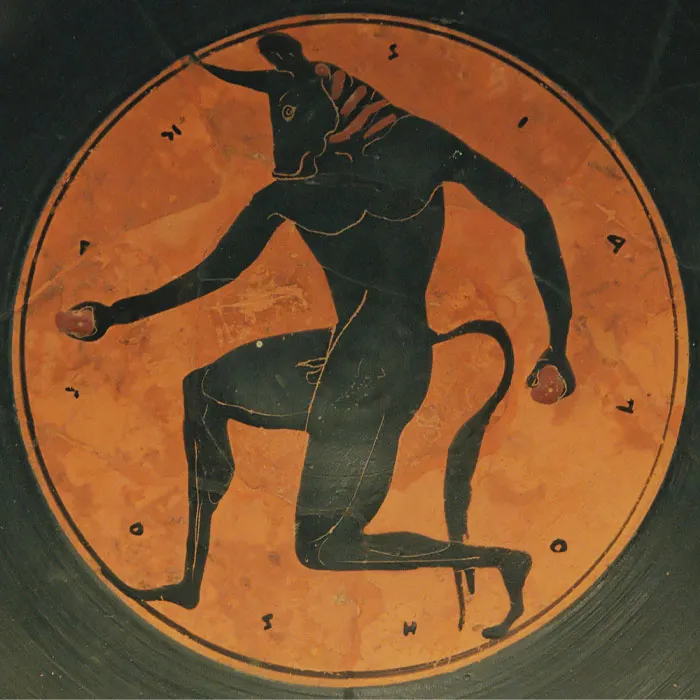
Greek mythology describes the Minotaur as a bull-headed creature that was the offspring of Crete Queen Pasiphae and a bull. The beast lived in the twisting labyrinth where it was regularly offered a sacrifice of children and young women to sate its cannibalistic appetite. The hero Theseus eventually slew the beast.
Report
15points
#34 Ra
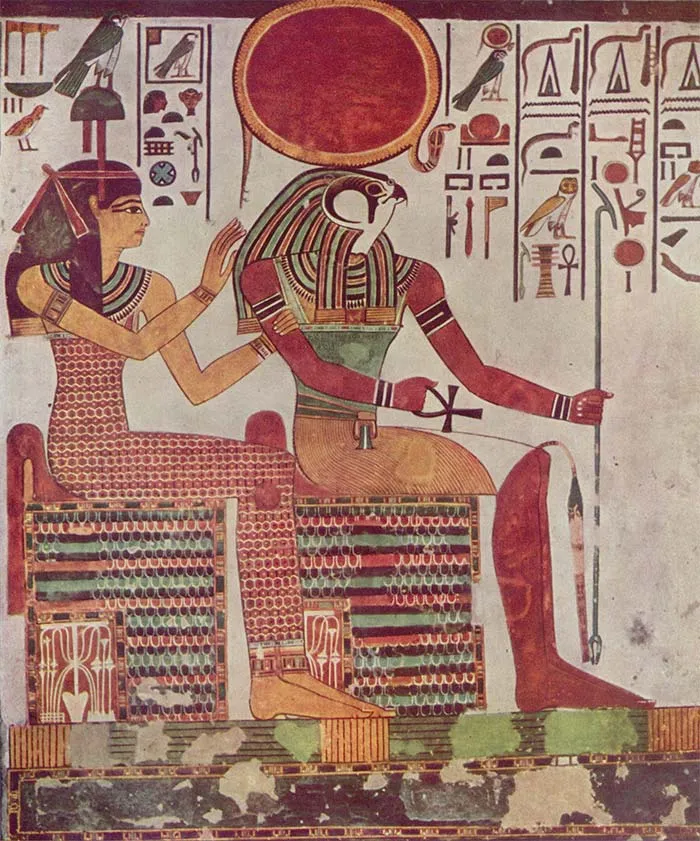
The sun god of ancient Egypt was called Ra. He was regarded as the supreme ruler of the sky, the earth, and the underworld. Many believed that he was somehow related to the hawk or falcon. Legend says that Ra was thought to have called into existence each form of life by uttering their respective hidden names. On the other hand, Ra's tears and sweat were used to create a human. According to one myth, Ra sent his eye as the goddess Sekhmet to punish mankind for their plot against him. She was tamed when she became bloodthirsty by drinking beer colored red. Ra's appearance was described in several different ways. The most typical image was a man with a falcon-like head, a solar disk on top, and a coiling serpent wrapped around the disk. Other notable ones are a man with a ram's or beetle's head. Along with other full-bodied animals, Ra was also shown as a ram, beetle, phoenix, heron, serpent, bull, cat, or lion. In literature, Ra is sometimes depicted as an aged king with a golden complexion, silver bones, and lapis lazuli hair.
Report
15points
#35 Thunderbird
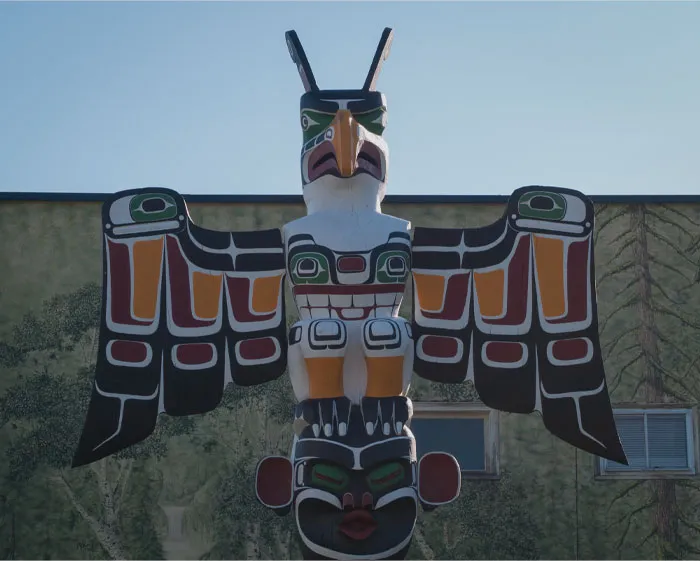
The Thunderbird is a familiar figure in Native American mythology in both the United States and Canada. The gigantic supernatural bird served as a symbol of strength and power that defended people against evil spirits. It was known as the Thunderbird because of its enormous wings flapping like the sounds of thunder and the lightning that would occasionally flash from the bird's eyes. Rain and storms, which could be either beneficial or destructive, were also brought by the Thunderbirds. The rain was beneficial after periods of drought. Still, sometimes the rain was damaging, especially followed by violent gusts, flooding, and lightning-sparked fires. Numerous legends claim that the bird was so enormous that it could hold a whale in its talons. The tallest mountains were supposedly their home, and they lived up there in the clouds.
Report
15points
#36 Tanuki
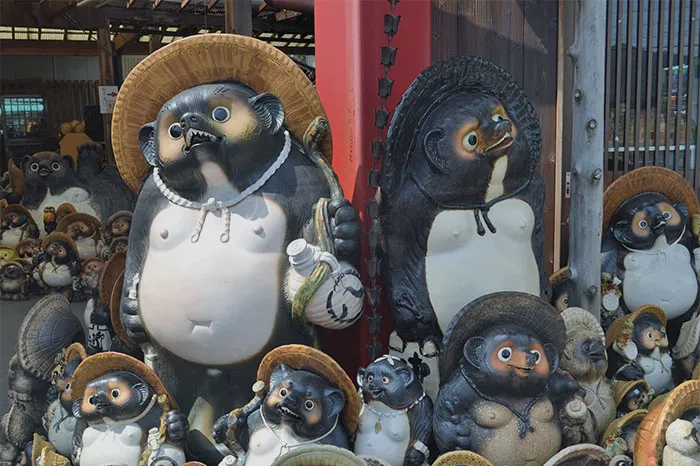
Tanukis, also known as Japanese raccoon dogs, have a history of magic and mischief. These tiny critters are full of tricks and surprises, yet they rarely cause harm to humans. Some argue that they lack the intelligence to concoct hazardous schemes. One of the most well-known tales about the tanuki is that it can transform into a gorgeous woman and use that form to mislead unsuspecting bystanders. Tanuki can change themselves, but they can also change other things, like pebbles into gold or feces into food. Unsurprisingly, raccoon dogs resemble a hybrid between a raccoon and a little dog. Despite being tiny animals, they may appear chubby due to their long, puffy fur. Their eyes are covered by a black fur mask, giving them the appearance of a trickster or a bandit. They have short, fluffy tails and canine-like paws.
Report
15points
#37 Hippocampus
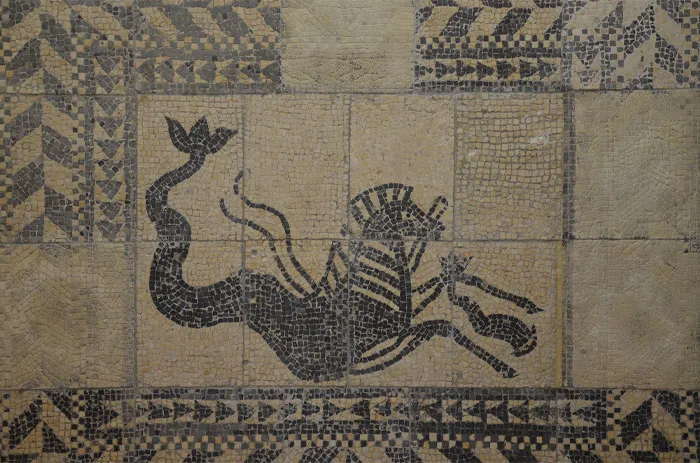
Hippocampi (plural form of Hippocampus) were horses with a fish tail and were frequently linked to sea-dwelling deities. They were known for their extreme loyalty and devotion to the gods. The hues of various seahorses varied; some were blue, and others were green. Hippocampi were said to have been formed from the sea's wave crests. It was also believed that the weather and the water are under the power of the hippocampi. They were also believed to be immortal. Also, they could transform their fish tails into human legs if they wanted to. The hippocampi are also renowned for their strength, speed, and jumping abilities. These creatures also had powerful bites, although they tended to escape rather than attack and engage in combat. Apparently, they are swift and assertive in the water but sluggish and clumsy on land.
Report
15points
#38 Namazu
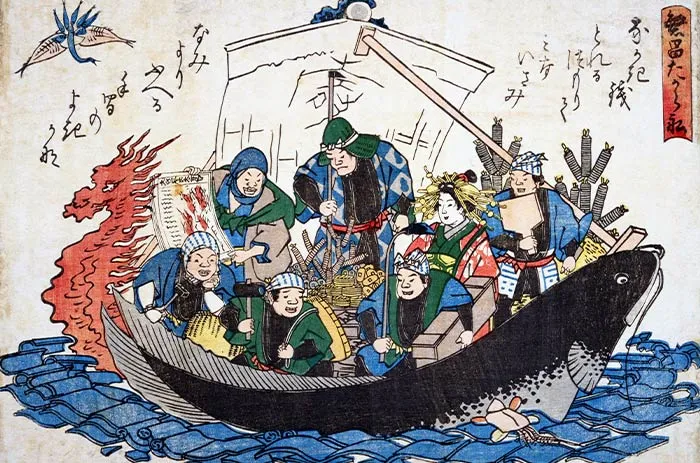
The Great Ansei earthquake of 1855, which had a magnitude of 7.0 and devastated Edo (modern-day Tokyo), inflicted over 7000 casualties, and the theory that enormous catfish were to blame quickly gained ground. In Japanese mythology, the Namazu were said to dwell in underground burrows underneath Japan and were controlled by the thunder god Kashima with a huge boulder known as the kaname-ishi. According to legend, the Great Ansei earthquake happened after Kashima left town and Ebisu, the god of commerce and fishing, took over. Unfortunately, Ebisu nodded off while at work, allowing the catfish to thrash their fins freely on the underbelly of the landmass, producing catastrophic earthquakes. Following the quake, catfish gained widespread dread as monsters. However, some social segments, primarily working-class people, such as construction workers and roofers who benefited from the earthquake, started to glorify the Namazu.
Report
15points
#39 Sobek
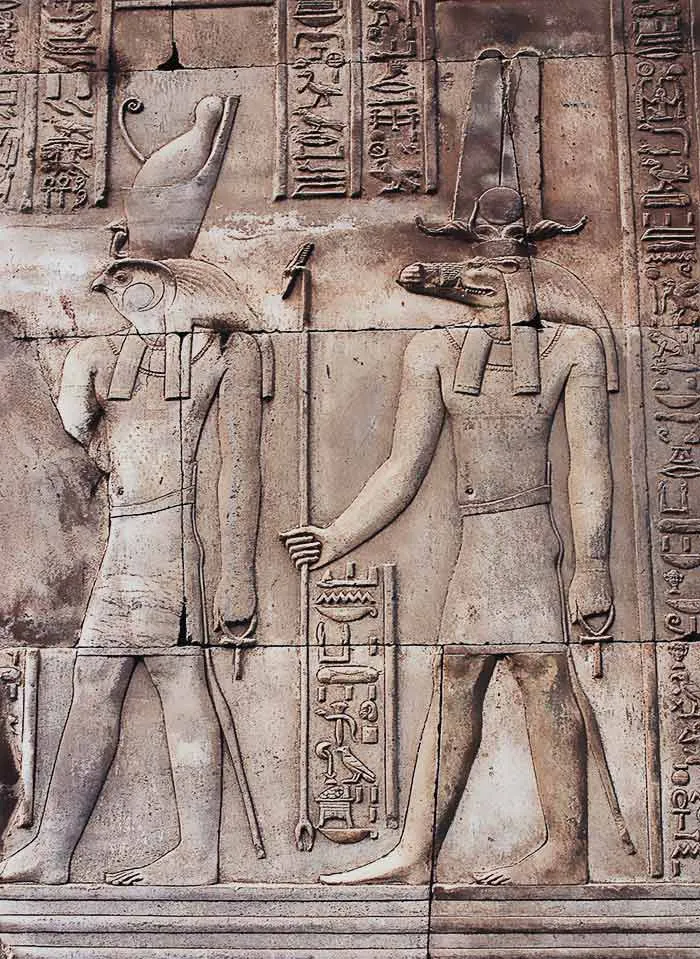
As the God of the Nile River, water, war, strategy, military prowess, protection, pharaonic authority, fertility, and crocodiles, Sobek was a greatly venerated deity in Ancient Egypt. His primary place of worship was in Crocodilopolis. He is frequently shown as the child of Set, the chaos deity, and Neit, the goddess of hunting. He was revered by the Egyptians as a means of protection when they were on boats in the waters. The crocodiles in the pools at the temples in Crocodilopolis were revered and cared for. Sobek held holy most reptiles, including crocodiles, snakes, and turtles.
Report
15points
#40 Apep
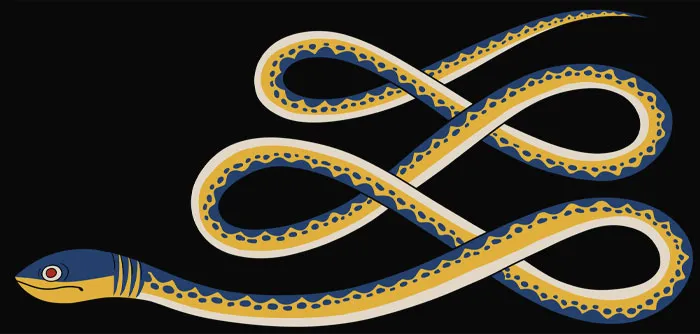
In Egyptian mythology, Apep, also known as Apophis in Greece, was a god of chaos. He was the main nemesis of Maat, who was the goddess of truth, justice, balance, and order, and was typically represented as a serpent. Apep stood for the true embodiment of chaos, making it impossible to harm him. He repeatedly failed in his incredibly nefarious attempts to seize the throne of the gods. However, solar eclipses were the outcome whenever he had brief periods of prosperity. Initially, he was Ra's umbilical cord. Since Apep is the only true incarnation of chaos, anyone who attempted to get close to him usually ended up slain or disfigured physically, mentally, or spiritually. Typically, Apep was portrayed as enormously big or so big that he dwarfed the gods.
Report
15points


