






The past is far more interesting and bizarre than you think. In reality, it's much more nuanced and captivating than what you probably learned back in school. It’s humbling to realize learning never stops, and we could all use some extra lessons.

#42
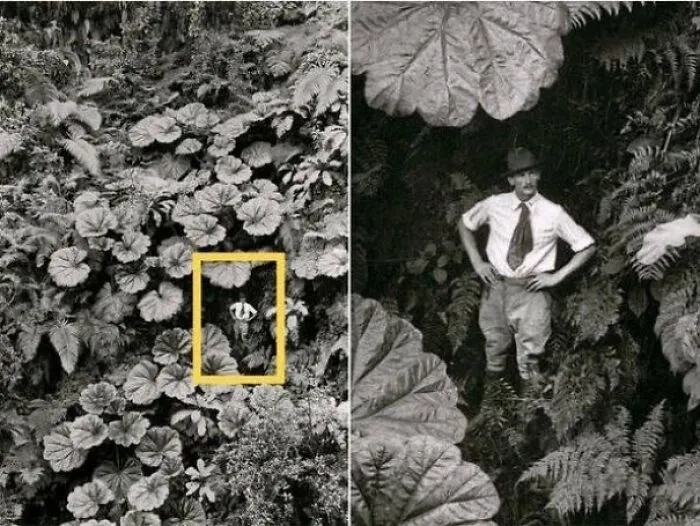
Giant vegetation near volcanoes. The Hawaiian island of Maui.
"The human figure gives a clear idea of the size of the green giant growing in a narrow gorge on the slope of the extinct volcano Haleakala," says the February 1924 issue of National Geographic.
"The human figure gives a clear idea of the size of the green giant growing in a narrow gorge on the slope of the extinct volcano Haleakala," says the February 1924 issue of National Geographic.
Report
4points
#43

One of the earliest photographs showing a Native American with a wolf.
Report
4points
#44
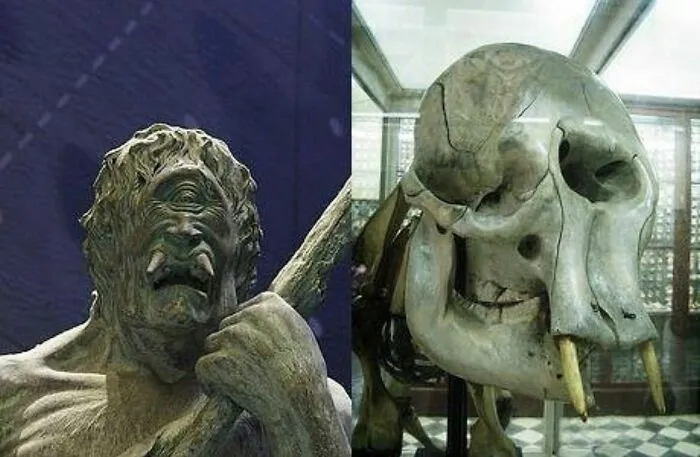
Skulls of Pleistocene dwarf elephants are found in coastal caves of Italy and Greek islands, most likely, they inspired the ancient Greeks to create legends about cyclopes.
Report
4points
#47
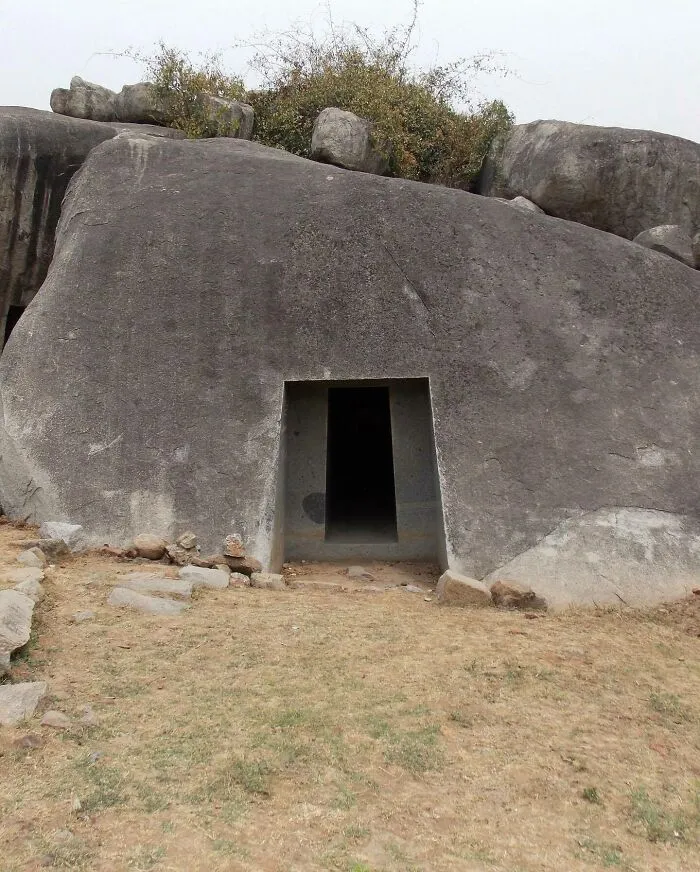
India. Nagarjuni, cave 2. The amazing quality of surface treatment. WOW
Report
4points
#48
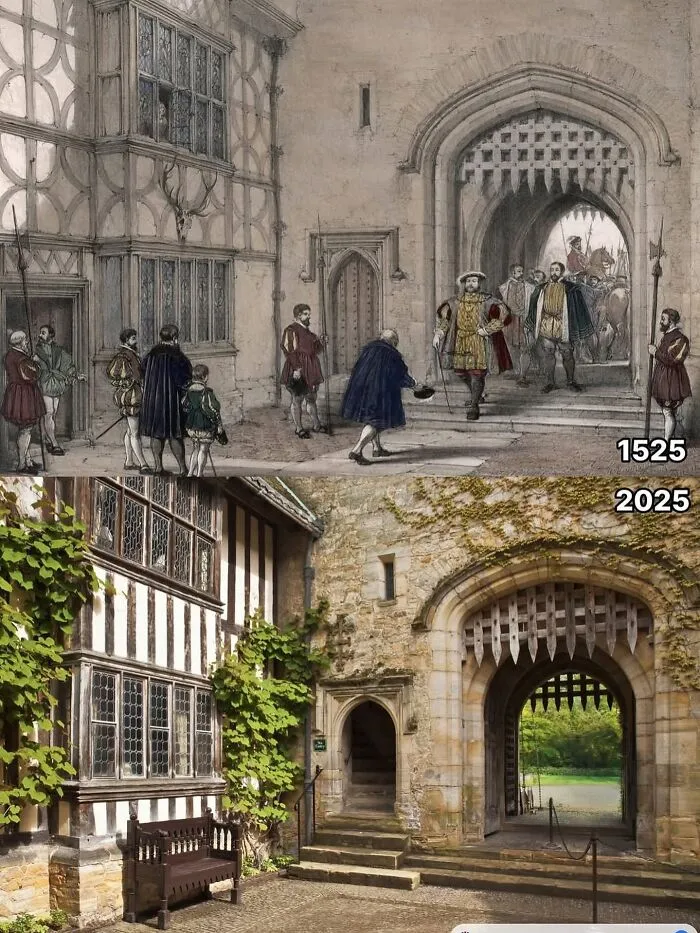
A 19th-century engraving by Joseph Nash depicts Henry VIII arriving at Hever Castle in Kent. The castle was the childhood home of Anne Boleyn, whose charm first caught the King’s attention within its walls. Their relationship set in motion the events that led to England’s break from the Catholic Church and transformed the nation’s monarchy and faith. Built in the 13th century and later home to the Boleyn family from 1462 to 1539, Hever Castle was where Anne spent her early years. After her father’s passing, it passed briefly to the King and then to his fourth wife, Anne of Cleves.
Report
4points
#49
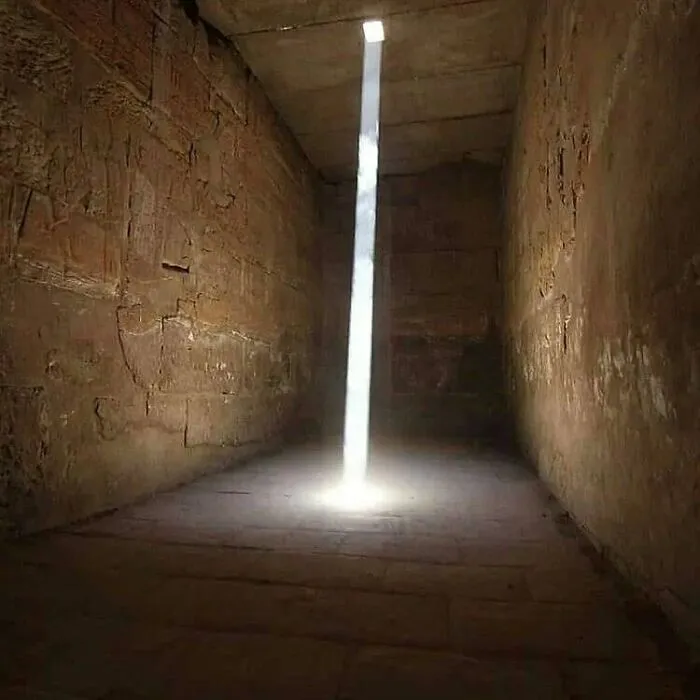
Light penetrates into the inner sanctuary of Amun-Ra in the temple of Ramesses in Karnak, Egypt.
Report
4points
#50
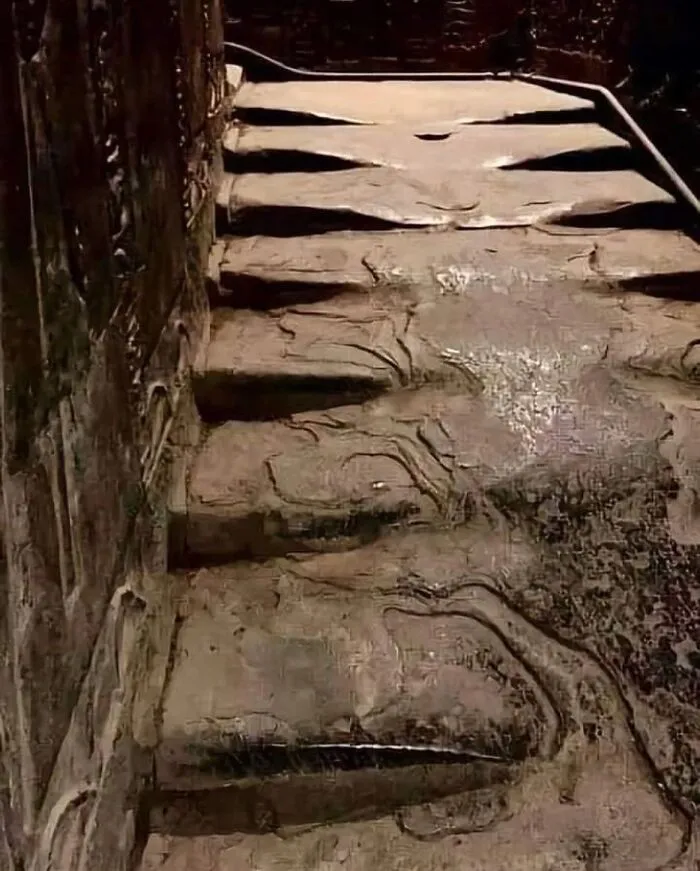
The staircase to the Temple of Hathor is a complete mystery to archaeologists. The steps of the staircase of the Temple of Hathor, located in Egypt, are completely melted, which science cannot explain in any way, since they are built of solid granite. Upon closer examination of the staircase steps, it becomes clear that their damage could not have been caused by erosion or normal wear and tear
Report
4points
#51
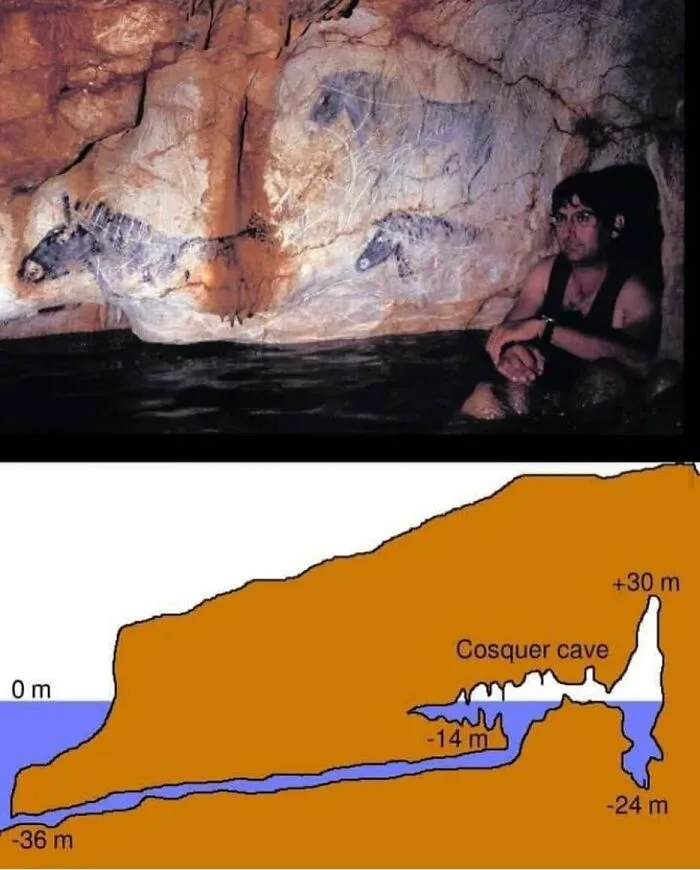
The Cosquer cave is a Palaeolithic decorated cave, located in France, that contains numerous cave drawings dating back as far as 27,000 years BP. The cave has more than 200 parietal figures and is also the only decorated cave whose entrance opens under the sea.
Report
4points
#52
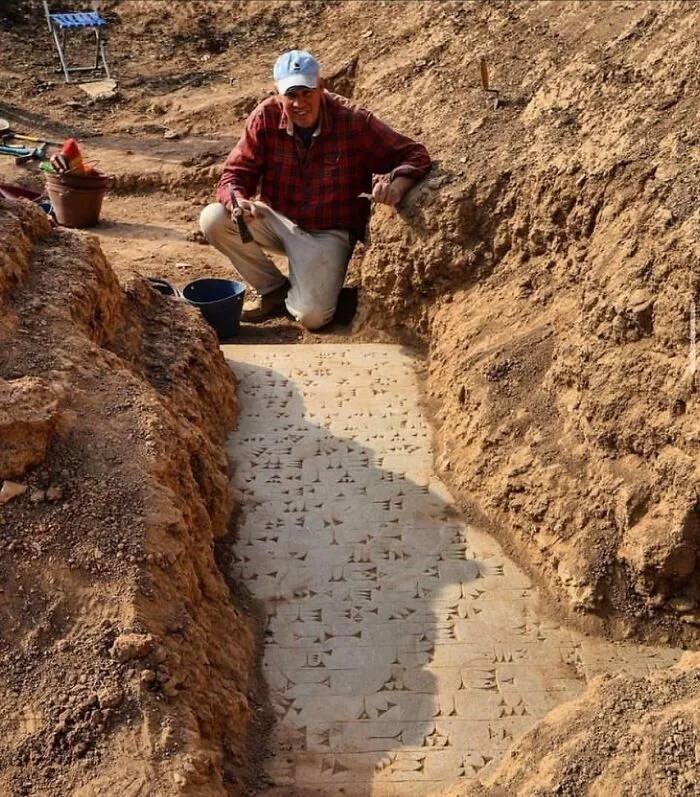
At Nimrud, excavations uncovered an inscribed door threshold of Assyrian king Adad-Nerari III. Assyriologist John MacGinnis provides scale.
Report
4points
#53
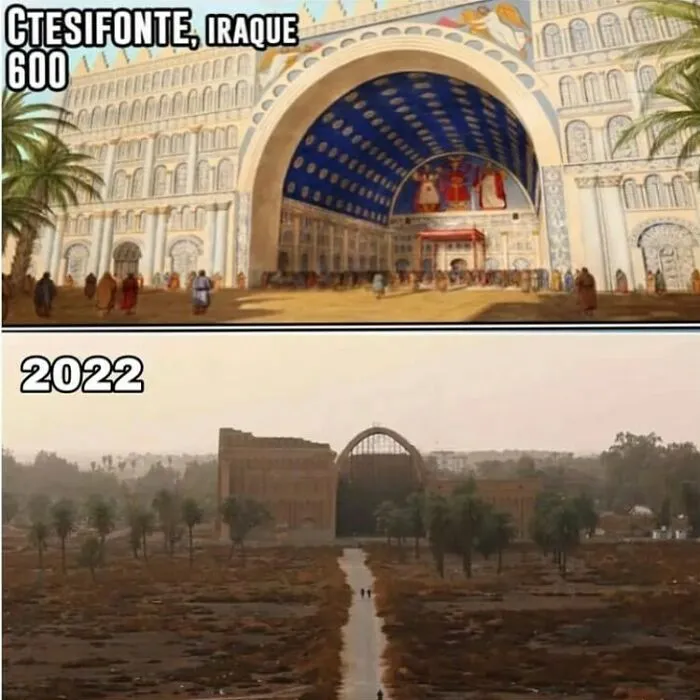
Ctesiphon was one of the main cities of Mesopotamia, it was the capital of the Parthian empire and later of the Sassanid one.
Report
4points
#54
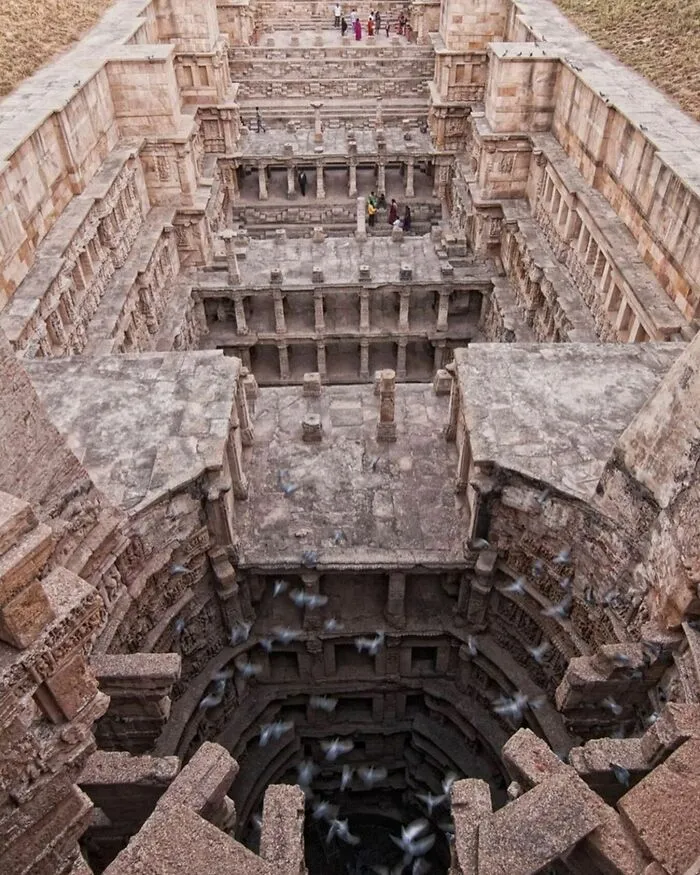
Unique well Rani-ki-Vav (Rani-ki-Vav), India.
Rani-ki-Vav is an underground stepped well located in Patan, Gujarat, India. The length of the well is 64 m, width 20 m, depth — 24 m. The stepped stairs are located on the east side, the water sources are on the west side. It is one of the largest examples of Gujarati step wells.
The name "Rani-ki-vav" translates as "The Well of the steps of the queen".
It is generally believed that the well was built by Udayamati, the widowed Queen Bhimdeva I (1022 — 1063 AD) in memory of the king. Bhimdev was the son of Mularaj, the founder of the Solanki dynasty in Patan. The well was later flooded by the nearby Saraswati River and was lost until the late 1980s, when it was discovered and excavated by archaeologists. During excavations, magnificent carvings and statues of the well were found in pristine condition.
Under its last step, which descends to the water, a 30-meter secret passage leading to the city of Sidhpur was discovered. Most likely, it was built in case of war, for the evacuation of the rulers of Patan.
In June 2014, "Rani-ki-vav" was included in the UNESCO World Heritage List.
Rani-ki-Vav is an architecture of great cultural significance for India. Today, Rani ki Vav is an important tourism destination in Gujarat.
Report
4points
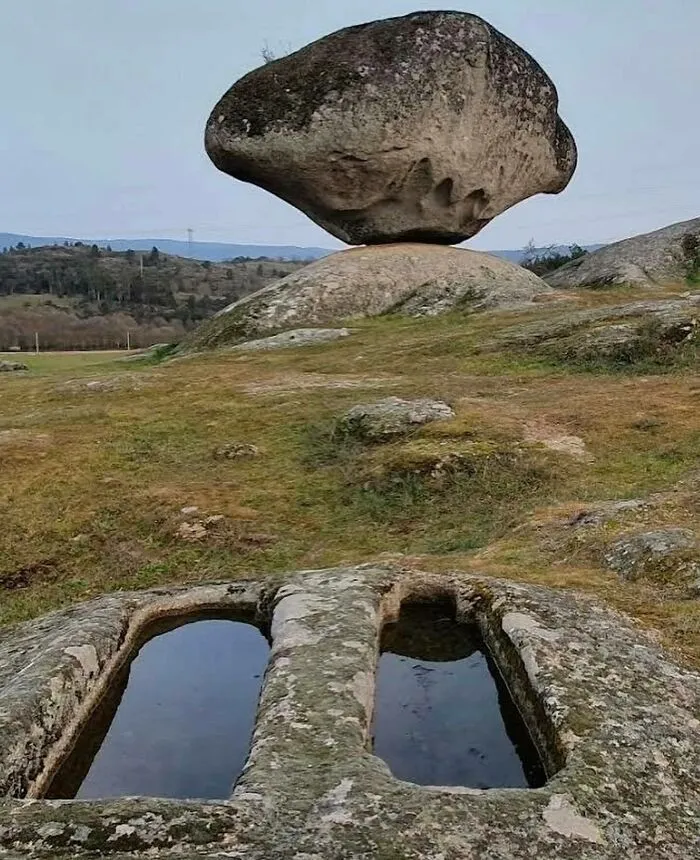
#56
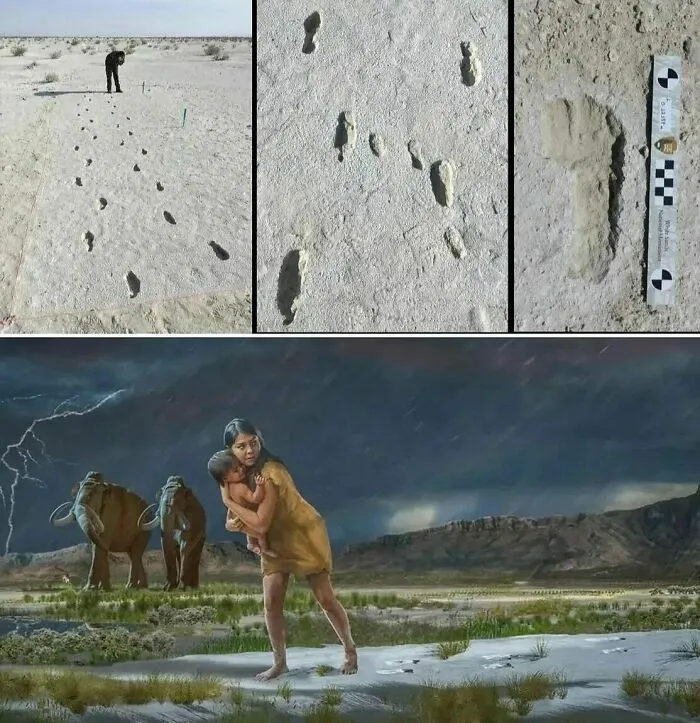
This very ancient chain of human footprints stretches for 1.5 km in White Sands National Park, USA. The footprints were left by a young girl (or a teenage boy) who went on a dangerous journey 13,000 years ago, carrying a 2-year-old child in her arms. These people were walking along the shore of the lake that has dried up now, the first chain of tracks was hurried, the man was moving at a speed of about 6 km / h, at times he lowered the baby to the ground, then picked him up again and hurried, often slipping.
The second chain goes in the opposite direction, the girl is no longer in a hurry, the steps are more confident, there are no traces of the child. Scientists do not know what the order of events was, whether she came for the child, with whom she then hurriedly left, or vice versa, hurriedly gave someone the baby and went back. In any case, the journey was very dangerous and desperate, the footprints of people crossed the footprints of saber-toothed cats, wolves and huge mammoths of Columbus.
The second chain goes in the opposite direction, the girl is no longer in a hurry, the steps are more confident, there are no traces of the child. Scientists do not know what the order of events was, whether she came for the child, with whom she then hurriedly left, or vice versa, hurriedly gave someone the baby and went back. In any case, the journey was very dangerous and desperate, the footprints of people crossed the footprints of saber-toothed cats, wolves and huge mammoths of Columbus.
Report
4points
#57
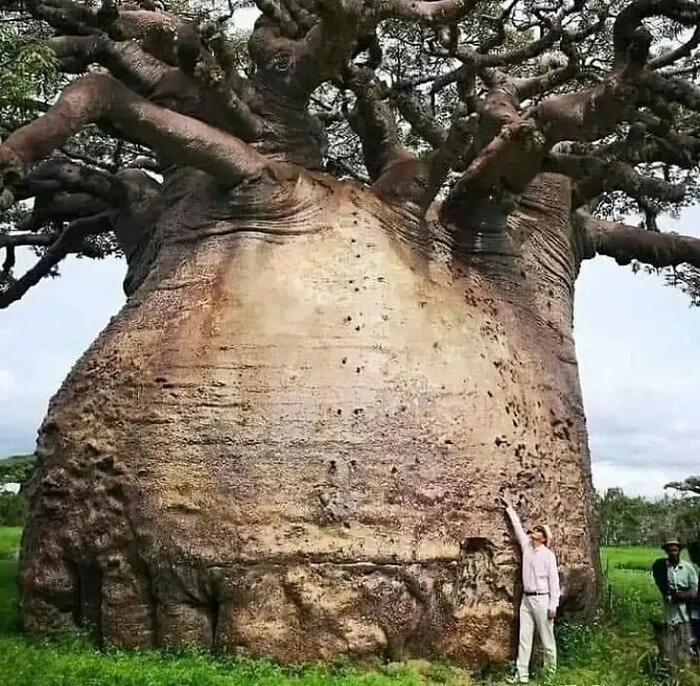
Baobab: Iconography of the "GB of Life" The majestic baobab is an icon of the African continent and is at the center of many African traditional and folk remedies. The baobab is a prehistoric species that predates humanity and the division of continents more than 200 million years ago.
Indigenous to the African savannah, where the climate is extremely dry and windy, it is a symbol of life and positivity in a landscape where nothing else can thrive. Over time, baobabs have adapted to their environment, they are succulent, which means that during the rainy season they absorb and store water in their large truck, which allows them to produce fruit rich in nutrients in the dry season, when all the places are dry and dry.
Thus, it became known as the "Tree of Life". Baobabs grow in 32 African countries. They can live up to 5,000 years, reach 30 meters in height and 50 meters in the ocean. Baobab trees can provide shelter, food and water for animals and humans, which is why many savannah communities have made their homes near bao trees.
Report
4points
#58
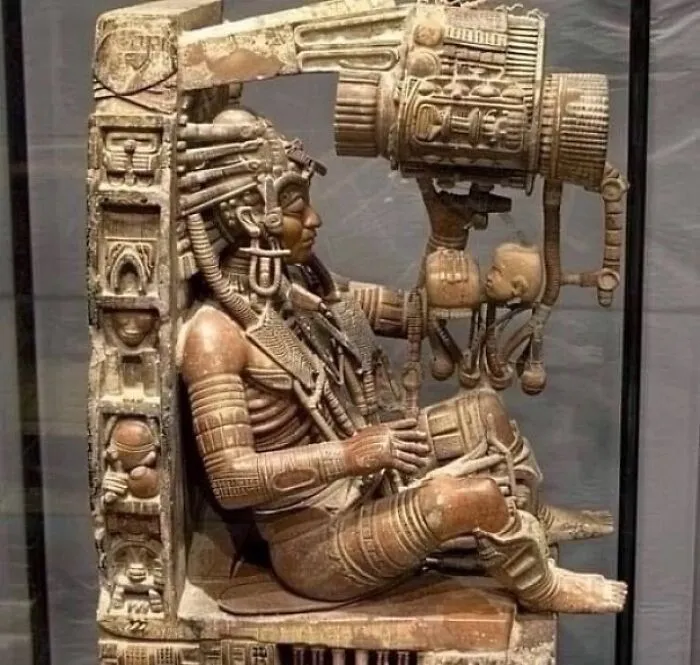
The mysterious astronaut Maya Palenque has captured the imagination of many scientists and enthusiasts. This figure, depicted on the lid of the sarcophagus of Pacal the Great in Palenque, has sparked discussions about extraterrestrial links with the Maya civilization.
Could this intricate carving really depict an ancient astronaut piloting a spaceship, suggesting a deeper connection with beings beyond our world? Or is it a flight of people’s imagination?
Could this intricate carving really depict an ancient astronaut piloting a spaceship, suggesting a deeper connection with beings beyond our world? Or is it a flight of people’s imagination?
Report
3points
#59
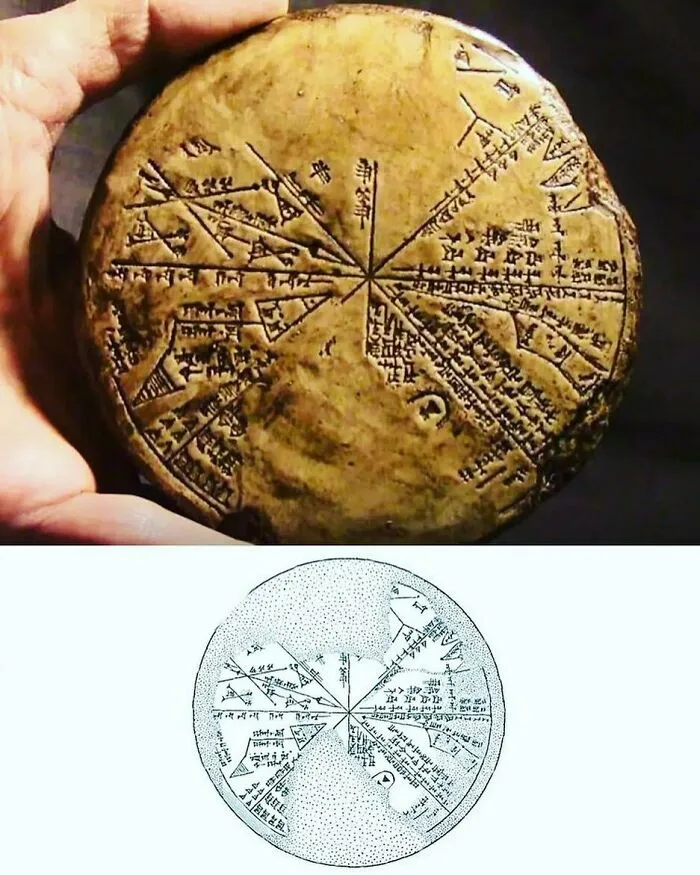
The artifact, which is kept in the British Museum, is a round clay tablet found in the library of King Ashurbanipal in Nineveh, Iraq. Initially, this artifact was identified by archaeologists as a find of Assyrian origin. According to Sitchin and other scientists, this would be evidence of high technology and possible contacts with extraterrestrial civilizations in ancient times. presenting the landing map of the god Enlil. It's actually an astrolabe: a star map is depicted on the table, and modern studies of Moderna archaeoastronomy have made it possible to understand how it was connected, in particular, with the sky that could be observed from Mesopotamia in 650 BC. The shapes identify the constellation known today as Gemini, then the Pleiades and two triangles mark the bright stars of Pegasus. Thus, the find dates back two and a half millennia after the Sumerians and about 600 years after the decline of the worship of Enlil in favor of Marduk, the Babylonian God, again replaced by Assur, the Assyrian God.
Report
3points
#60
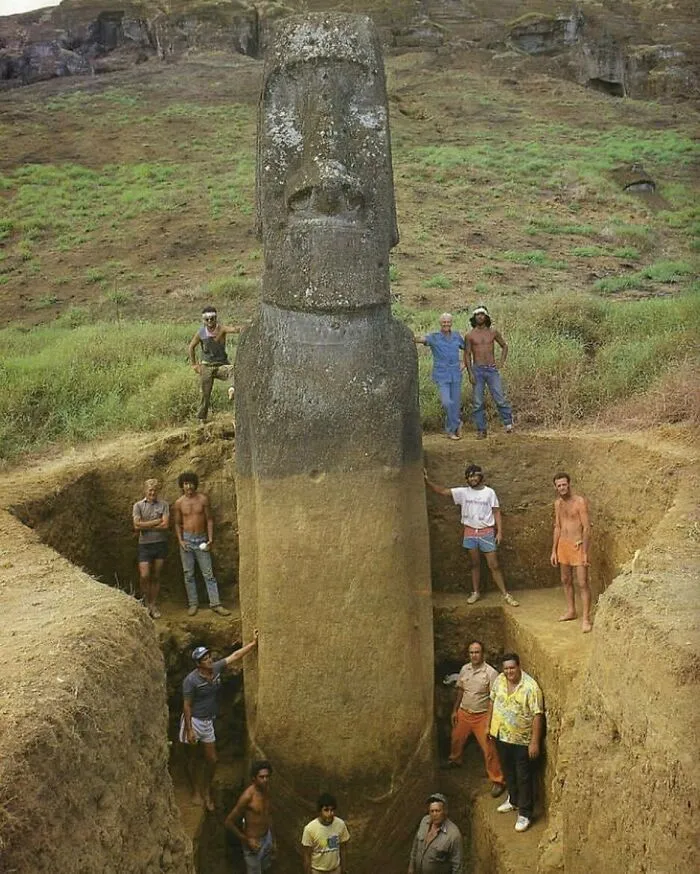
A Moai statue unearthed during excavations on Easter Island. Approximately 1000 statues, the largest of which is 10 meters long and weighs 82 tons
Report
3points