



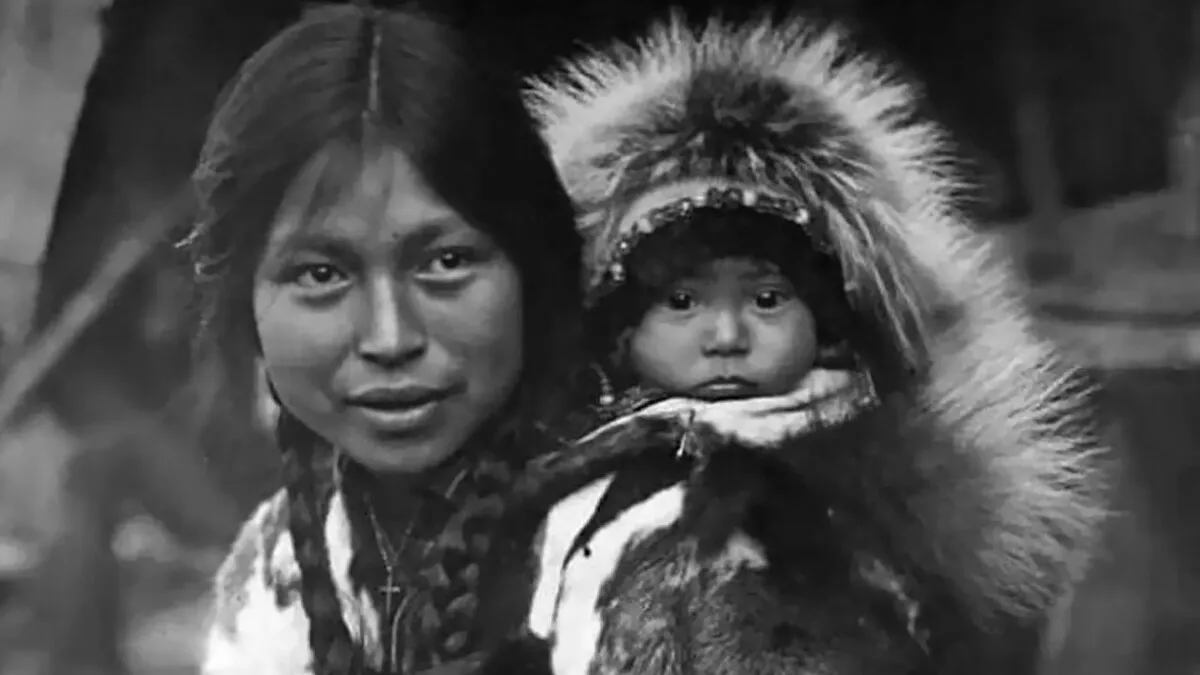


The past is far more interesting and bizarre than you think. In reality, it's much more nuanced and captivating than what you probably learned back in school. It’s humbling to realize learning never stops, and we could all use some extra lessons.
#21
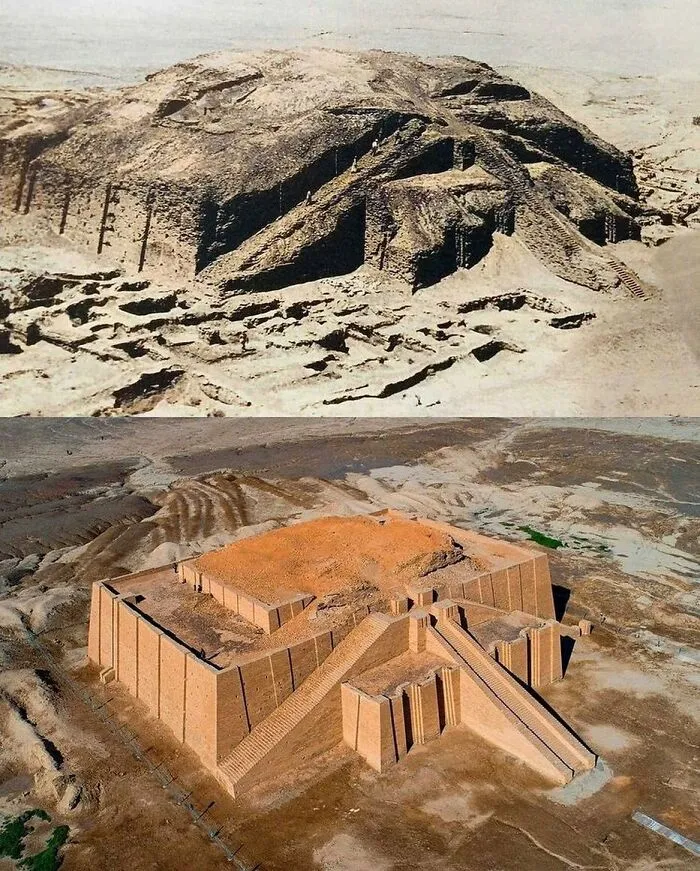
Before and after the excavation and restoration of the 4000-year-old Great Ziggurat. It was erected around 2100 BC in honor of the Moon God Nanna, the patron saint of the city-state. Today it is located on the borders of Iran.
Report
7points
#23
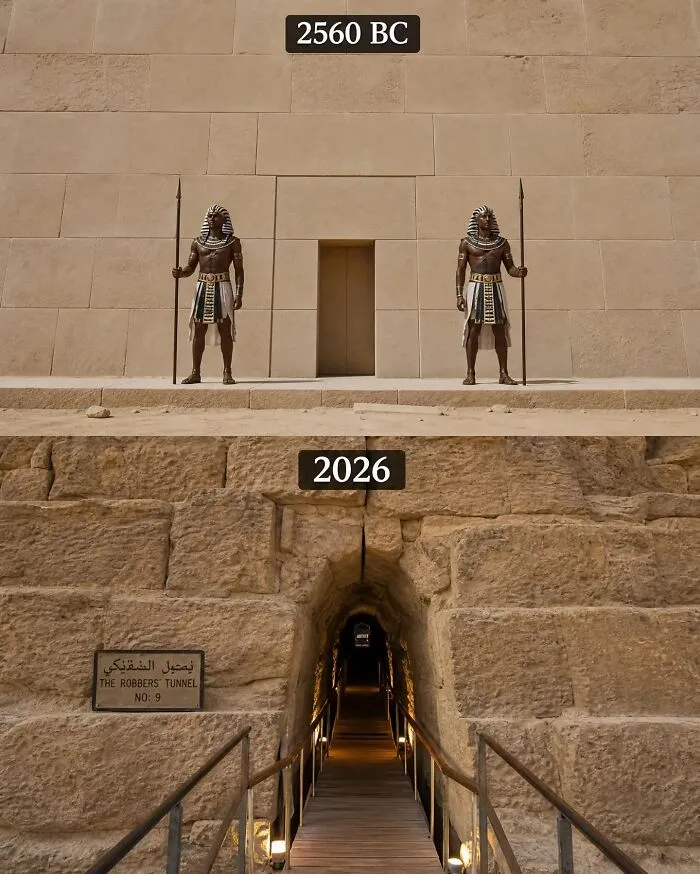
The Giza Pyramids The Giza Pyramids were built during the Old Kingdom period of Egypt (approximately 2580-2500 BC), in the 4th Dynasty. The largest pyramid (the Great Pyramid) was built for Pharaoh Khufu (Cheops).
The pyramids next to it were built for his son Khafre (Kefren) and his grandson Menkaure (Mikerinos). These pyramids were designed as tombs for the pharaohs and were completed with the advanced engineering knowledge of the time and the labor of tens of thousands of workers.
Today, they are among the most iconic ancient structures in the world and are a symbol of Egypt. They have a history of approximately 4500 years in total.
Report
7points
#24
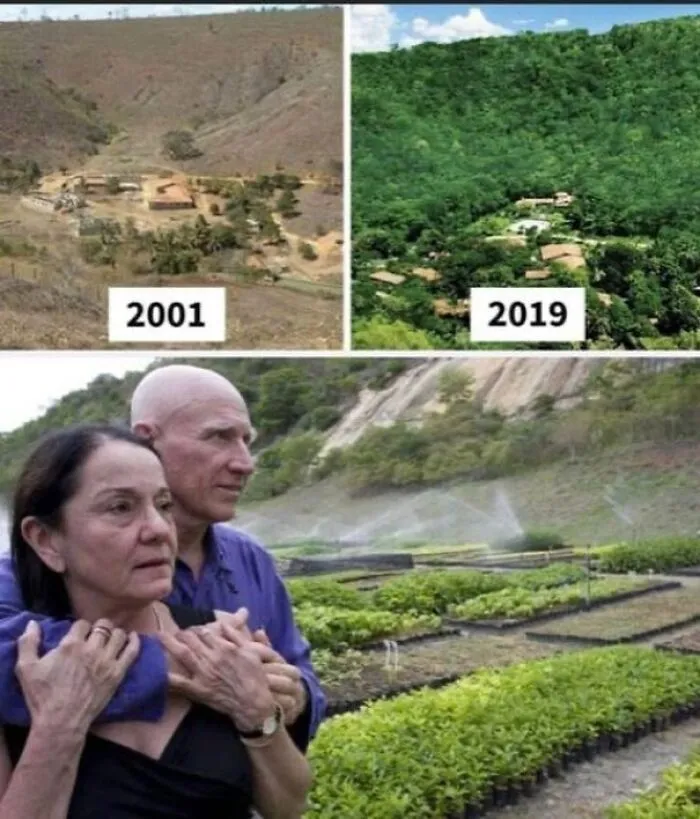
A couple from Brazil planted 2 million trees over 18 years, bringing back 172 species of birds, 33 mammals, 15 amphibians, 15 reptiles and 293 species of plants.
Report
6points
#25
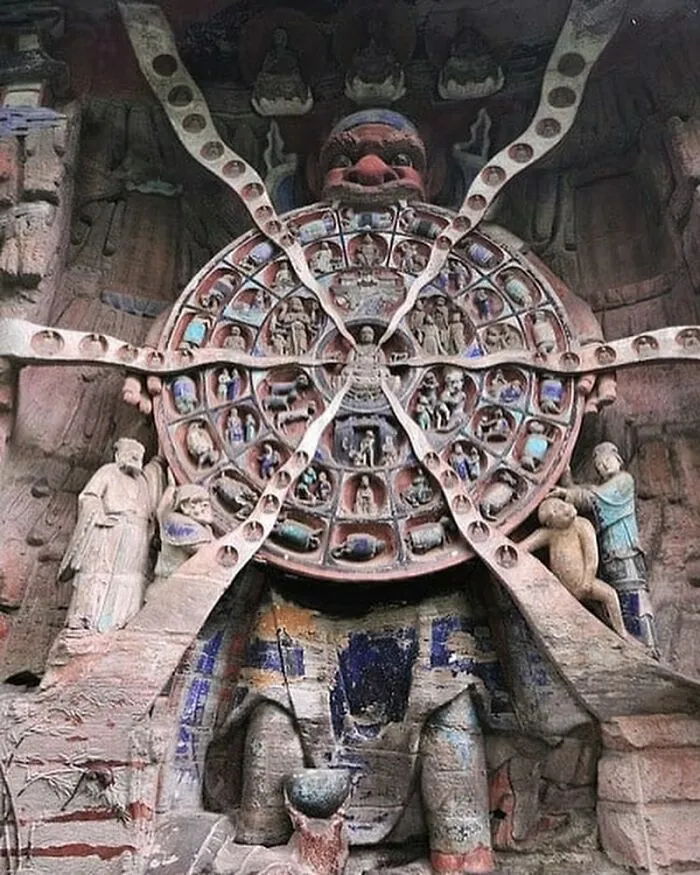
Bas-reliefs of the Northern Mountain (Beishan), China
The bas-reliefs of the Northern Mountain (Beishan) are located two kilometers from Dazu.
The most impressive bas-relief on the Northern Mountain is the Wheel of Samsara.
At the outer ring of the wheel, a snake is visible at the bottom, which then turns into a sheep, then into a horse and further, further, further at the very top a man. But he behaved, apparently, not like a human being and then the reverse process of turning into all kinds of animals went on, again everything ends with a snake.
Report
6points

#28
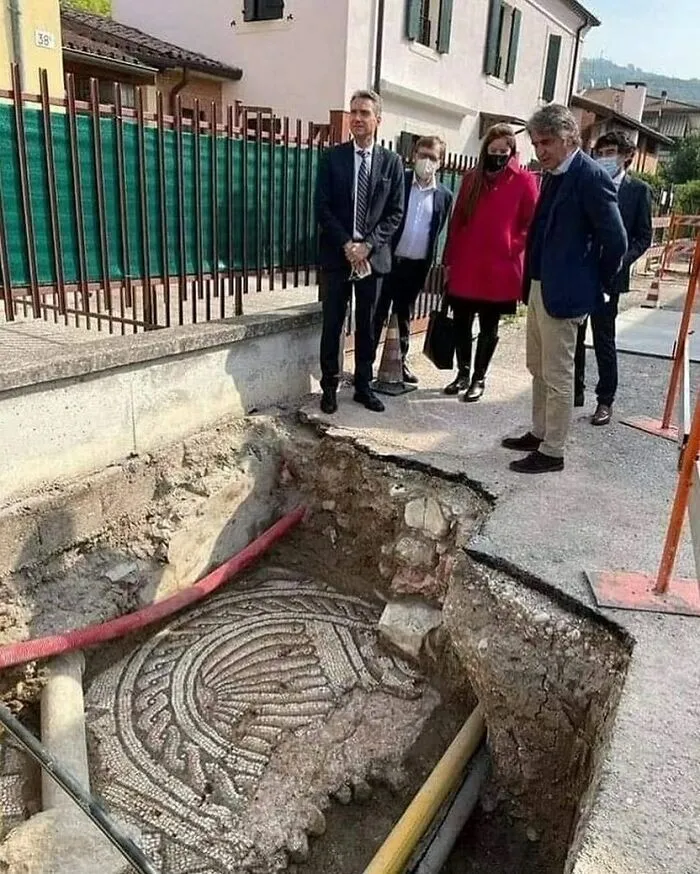
Roman mosaic floor of the 4th - 5th century AD, Montorio, Verona, Italy.
Report
5points
#29
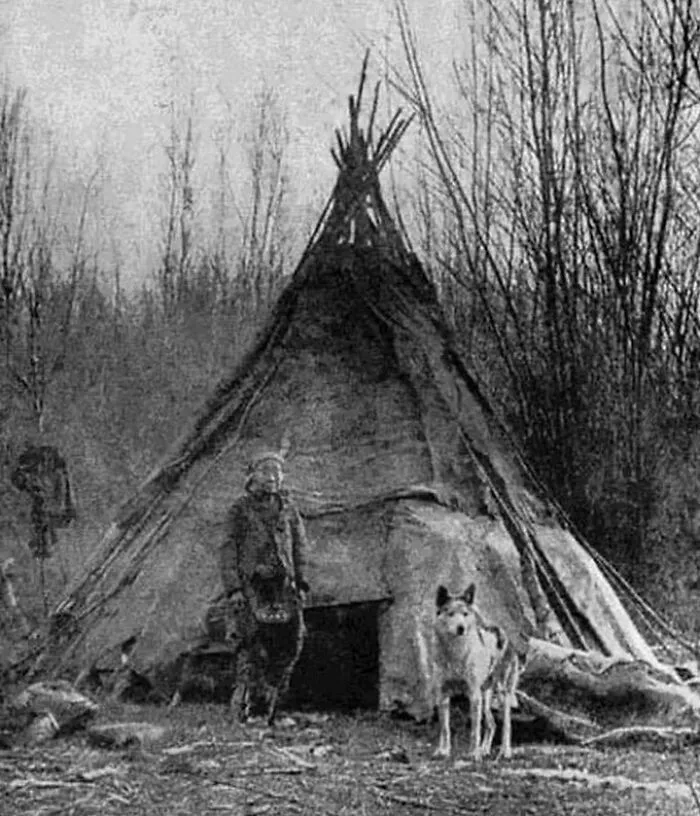
One of the earliest photographs showing a Native American with a wolf.
Report
5points
#30
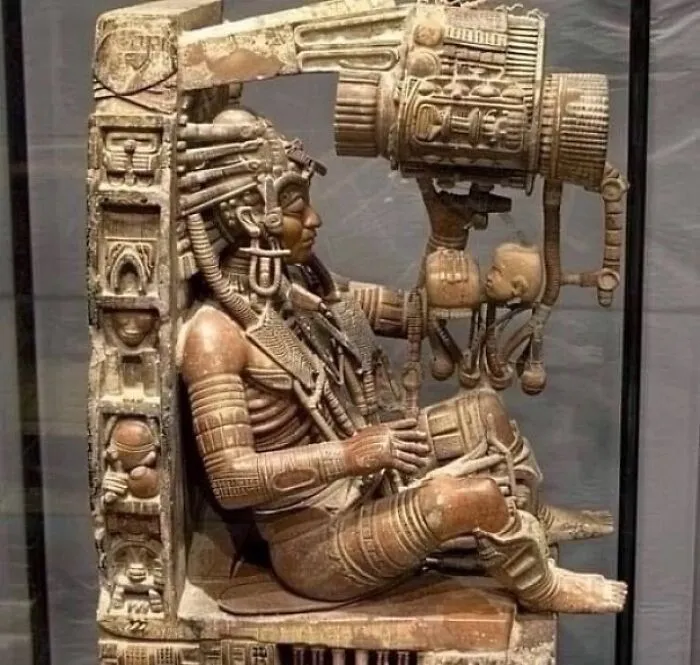
The mysterious astronaut Maya Palenque has captured the imagination of many scientists and enthusiasts. This figure, depicted on the lid of the sarcophagus of Pacal the Great in Palenque, has sparked discussions about extraterrestrial links with the Maya civilization.
Could this intricate carving really depict an ancient astronaut piloting a spaceship, suggesting a deeper connection with beings beyond our world? Or is it a flight of people’s imagination?
Could this intricate carving really depict an ancient astronaut piloting a spaceship, suggesting a deeper connection with beings beyond our world? Or is it a flight of people’s imagination?
Report
5points
#31
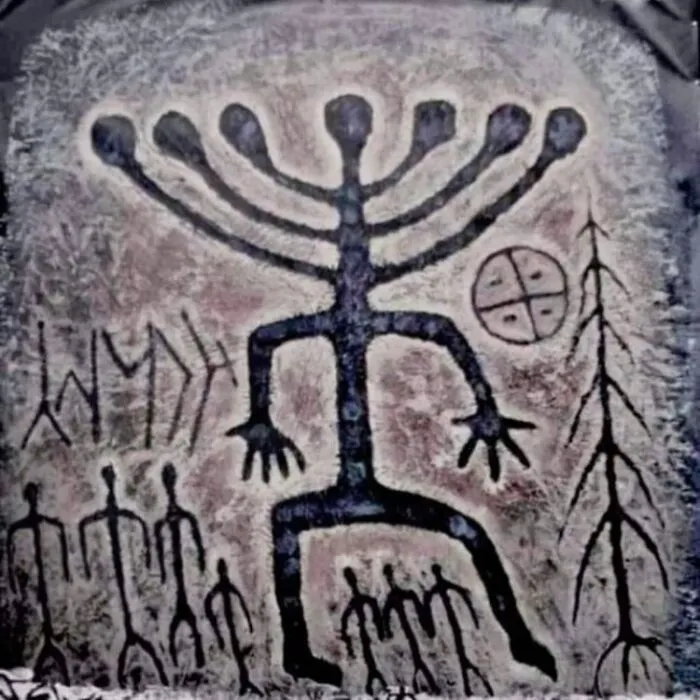
This mysterious seven headed petroglyph originates from Khakassia in Russia, and dates back to around 5000 BC
Report
5points
#32
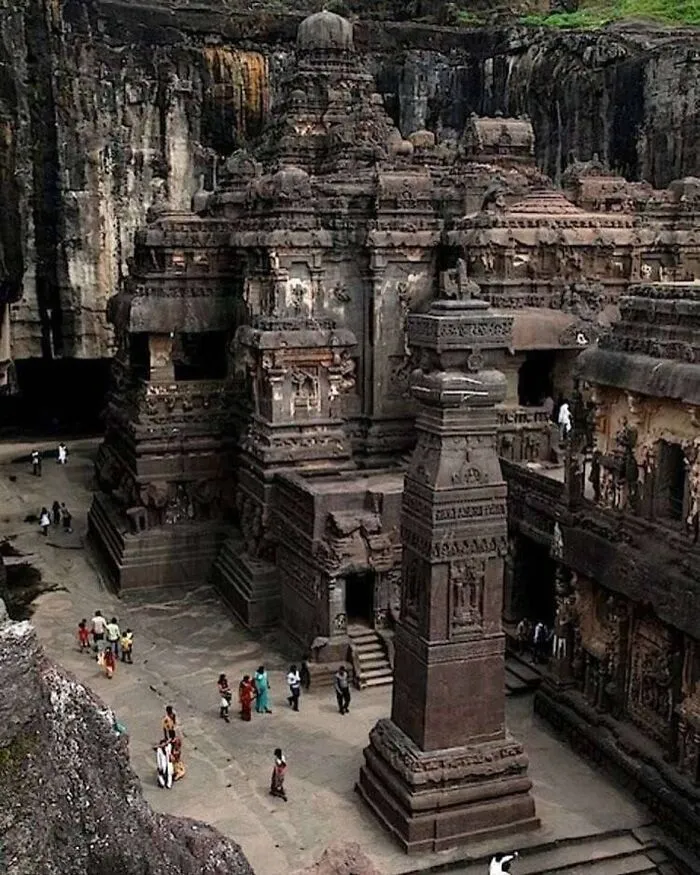
It is not built, but carved into a monolithic rock from top to bottom.
Report
5points
#33
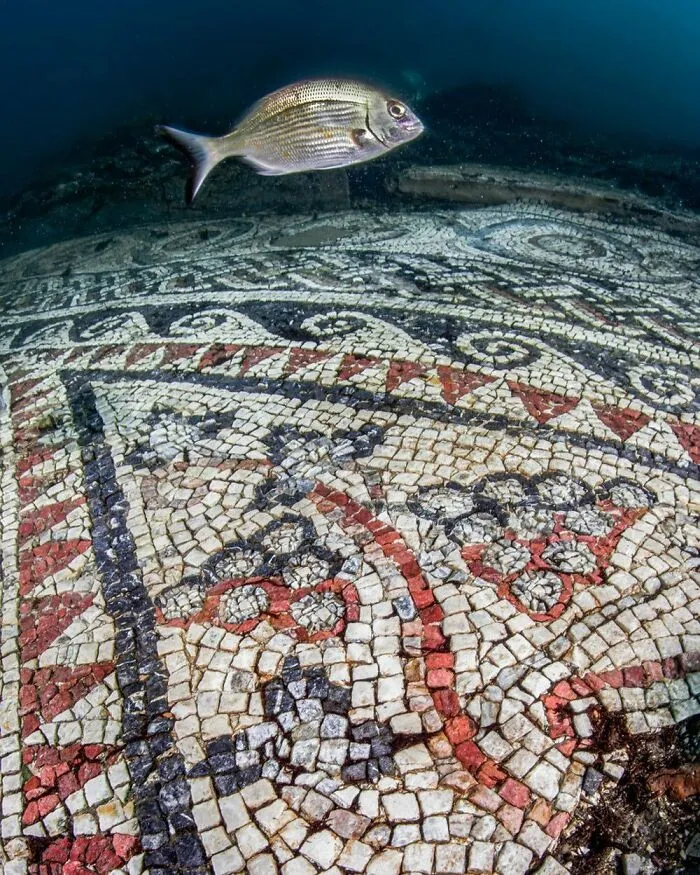
This is a fantastic photo of a mosaic (and a beautiful fish) that was discovered a few months ago in the flooded ruins of the Roman city of Baiae.
Report
5points
#34
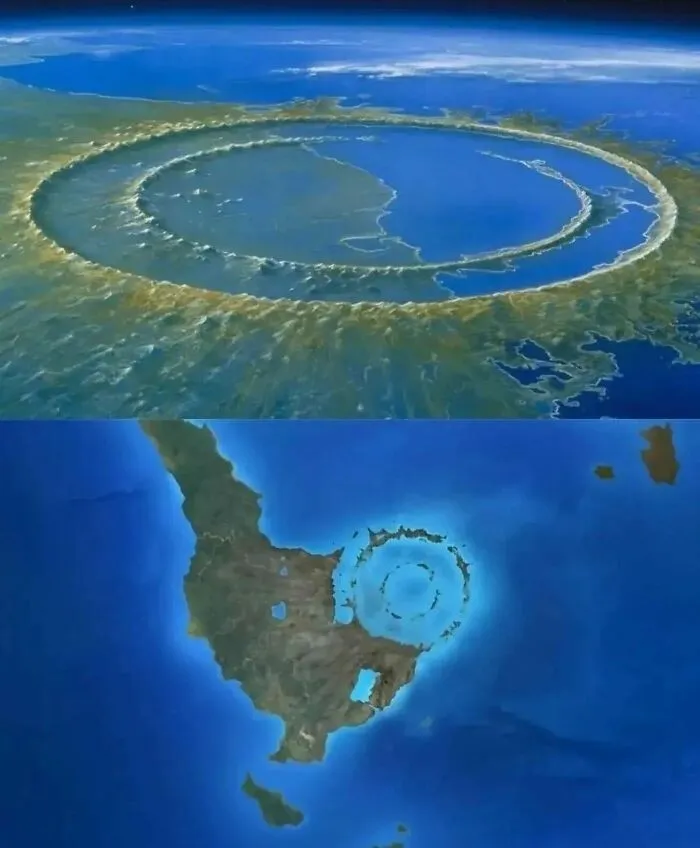
Chicxulub crater was formed when a large asteroid (10 km in diameter) crashed into the Earth.
Many scientists believe that this event caused the extinction of the dinosaurs.
Many scientists believe that this event caused the extinction of the dinosaurs.
Report
5points

#37
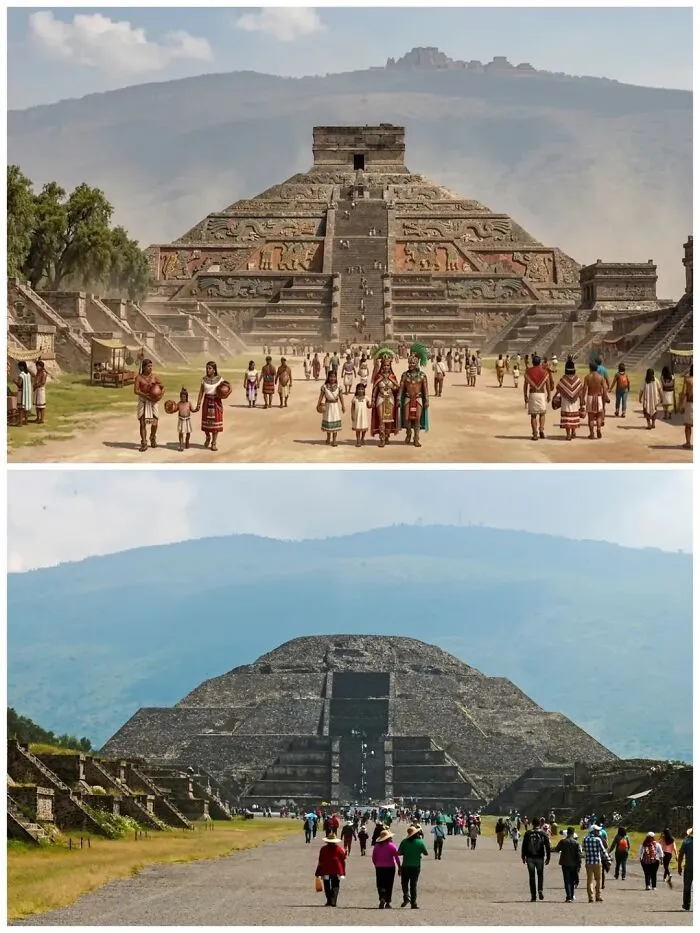
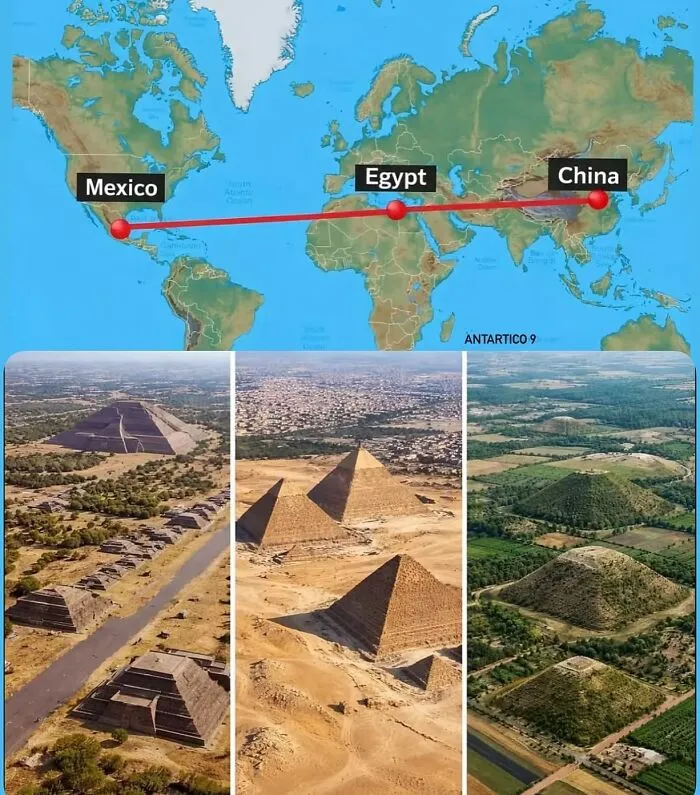
The Pyramid of the Sun: Between Past and Present, the Third Largest Pyramid in the World After the Great Pyramid of Giza in Egypt It is one of the largest and most important archaeological sites in the ancient city of Teotihuacan, located in Mexico, about 40 kilometers northeast of Mexico City.
It is the third largest pyramid in the world after the Great Pyramid of Giza in Egypt and the Great Pyramid of Cholula in Mexico. It stands approximately 65 meters tall, with a base extending over 220 meters on each side. Construction: The pyramid was built around 200 AD using limestone, earth, and local materials. It is distinguished by its stepped design, which was once covered with a layer of plaster (gypsum) painted with vibrant designs.
Cultural Significance: The exact name of the civilization that built it is unknown (it predates the Aztec civilization by centuries), but the Aztecs named it the «Pyramid of the Sun» when they later discovered the abandoned city and believed it to be the birthplace of the gods. Archaeological discoveries: Scientists discovered a tunnel extending beneath the pyramid leading to cavernous chambers, believed to have been used for ritual purposes related to sun or ancestor worship.
Report
5points
#38
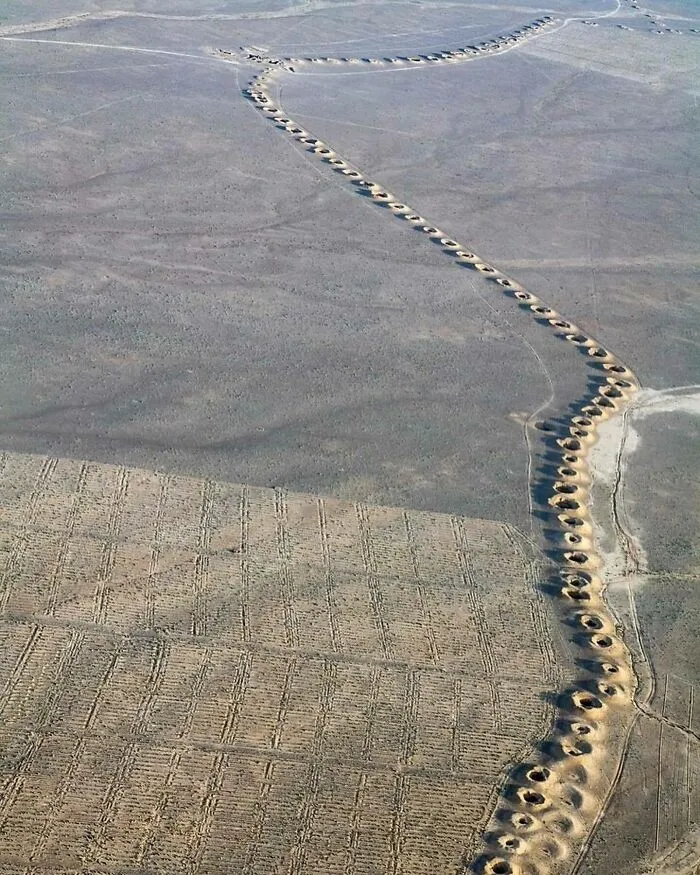
3,000 years ago, the underground canal "Kariz" was built on the territory of modern Iran. It was needed to transport water over long distances. The canal supplied water to villages and farms that simply would not survive here in a dry hot climate.
Kariz is one of the reasons for the rise of Persia in the region. After all, the water allowed for a large harvest.
These characteristic holes are necessary for maintenance.
The holes were needed to allow oxygen to enter the tunnel. The workers who were manually digging the canal needed air.
The tunnel goes under a thick layer of soil. This is necessary to reduce evaporation losses. Compared to open water – for example, in an aqueduct, it was possible to transport water much further through kyariz.
The builders of kyariz received a lot of money for their work. This craft was inherited.
A huge plus of the channel is that it is resistant to natural disasters. Neither a flood nor an earthquake can destroy it.
Report
5points
#40
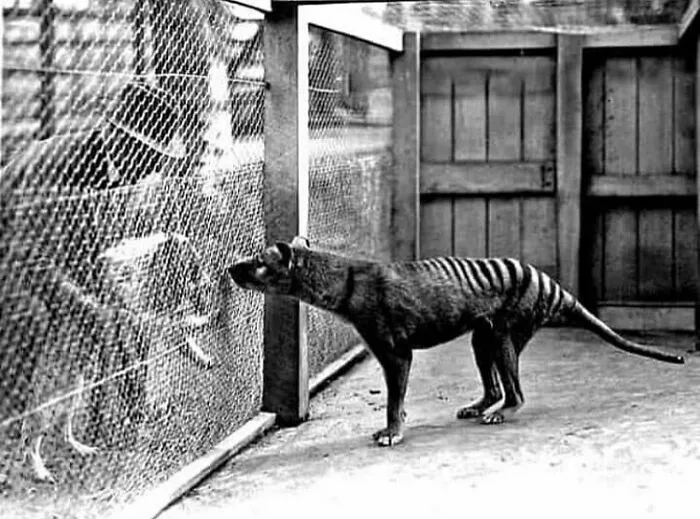
The last captive Thylacine interacting with Arthur Reid (the curator of the zoo) and his dog.
The photo was taken in 1933 at the Hobart Zoo (QD)and was originally a postcard.
The thylacine (Thylacinus cynocephalus), now extinct, is one of the largest known carnivorous marsupials, evolving about 4 million years ago. The last known live animal was captured in 1933 in Tasmania. It is commonly known as the Tasmanian tiger because of its striped lower back, or the Tasmanian wolf because of its canid-like characteristics. Various Aboriginal Tasmanian names have been recorded, such as "coorinna", "loarinna", "laoonana" and "lagunta", while "kaparunina" is used in the constructed language of Palawa kani. The species was native to Tasmania, New Guinea, and the Australian mainland.
The thylacine had become extinct on the Australian mainland before British settlement of the continent, but it survived on the island of Tasmania along with several other endemic species, including the Tasmanian devil. Intensive hunting encouraged by bounties is generally blamed for its extinction, but other contributing factors may have been disease, the introduction of dogs, and human encroachment into its habitat.
The modern thylacine probably appeared about 2 million years ago, during the Early Pleistocene.
Report
5points