



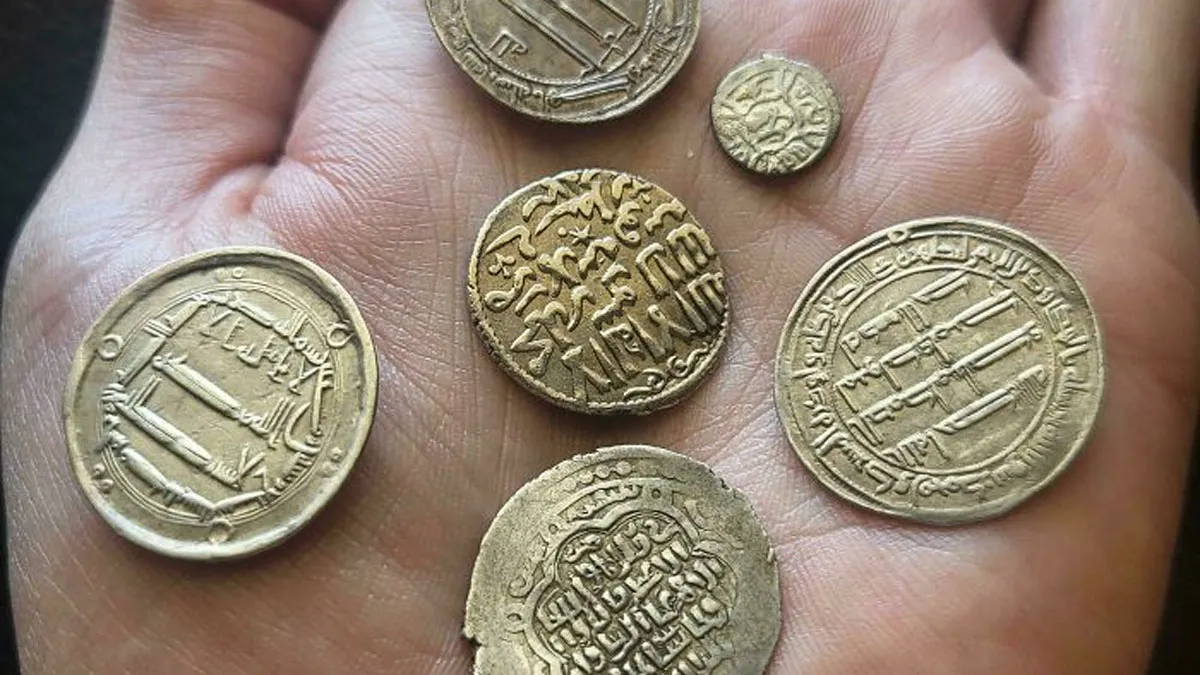



When many people think of medieval history, a pretty grim picture comes to mind. At best, we picture knights, castles, and grand tournaments. At worst, it’s poverty, plagues, and tankards of stale ale. Yet the period, lasting roughly from around 500 to 1500, was far more complex—and often far more colorful—than popular culture gives it credit for.
That’s exactly what r/MedievalHistory is here for, celebrating medieval history “in all its shapes and colors.” We’ve gathered some of their most fascinating recent posts below. From remarkable art and artifacts to astounding architectural wonders, they might just make you see the Middle Ages in a whole new light.

#22 I Found This Amazing Medieval Gravestones In Local Ruins Of A Monastery
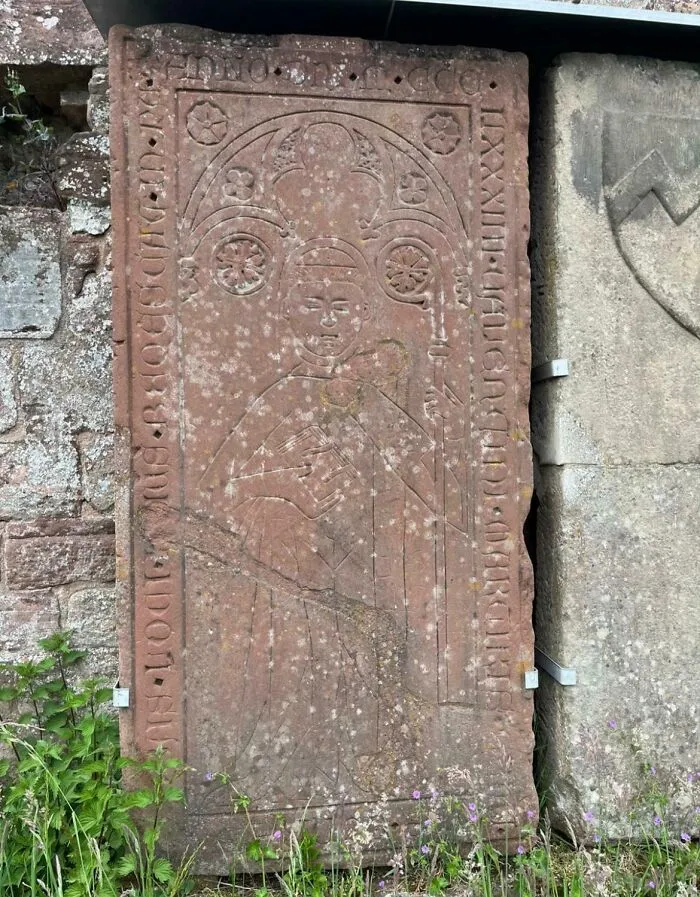
Just thought this was cool and wanted to share
Report
24points

#25 The Żuraw Crane In Gdańsk And Its Role In Medieval Port Engineering
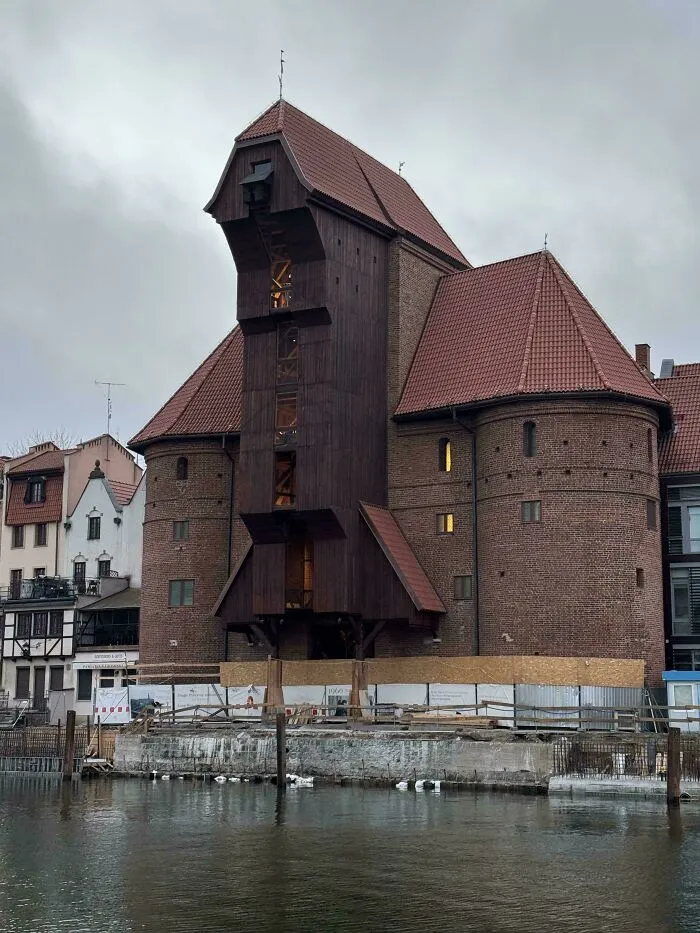
The Żuraw crane in Gdańsk, Poland, dates to the 15th century and is one of the largest surviving medieval port cranes in Europe. It functioned both as a cargo-lifting device and as part of the city’s fortifications.
Unlike later mechanical cranes, the Żuraw relied on large human-powered treadwheels. Workers walking inside these wooden wheels generated the force needed to lift heavy goods, often several tons.
From what I understand, similar treadwheel cranes were used across medieval Europe, particularly in port cities involved in long-distance trade networks such as the Hanseatic League.
I’d be interested in any sources or further reading on how efficient these cranes were compared to other lifting technologies of the period.
• Encyclopaedia Britannica – “Crane (machine)”
Report
22points
#27 Eleanor Of Aquitaine's Vase Given To Her Husband Louis Vii For Their Wedding
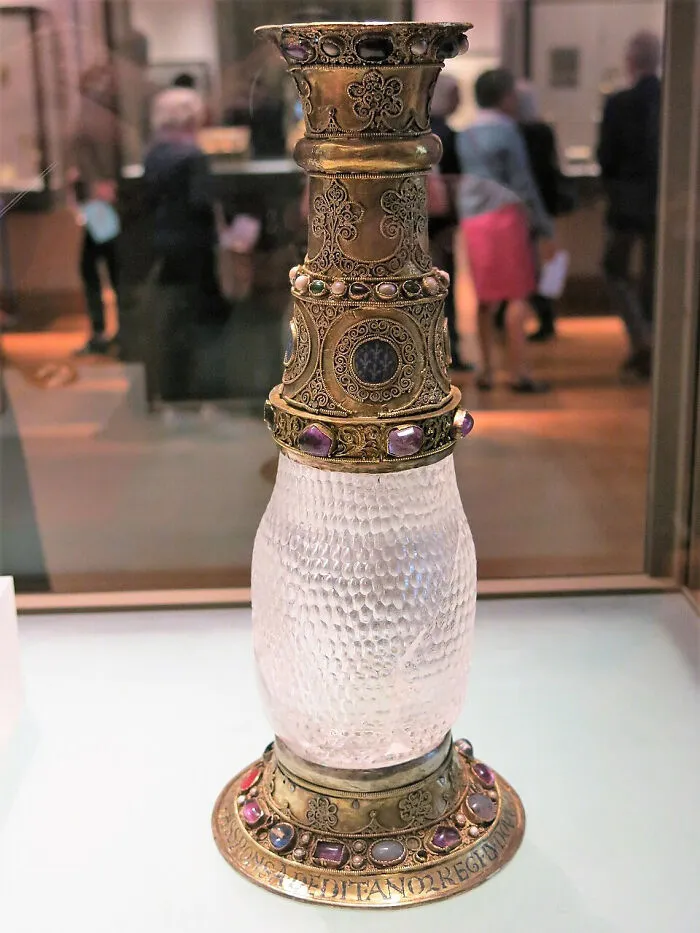
This is a vase owned by Eleanor of Aquitaine which she gave as a wedding present to her first husband King Louis VII of France in 1137.
Report
21points
#28 Oldest Inn In England, The Old Trip To Jerusalem Dating For 1189, Nottingham. Above Is The Castle Walls

Report
20points
#29 Beautiful Medieval Paintinged Ceiling (Rare To Survive In UK), Winchester, UK

Report
19points

#31 Cuman Admixture In The Kingdom Of Hungary

I read that the Cumans settled the in the Kingdom of Hungary to avoid Mongol invasion. I'm curious as to how Cuman modern day Hungarians are today, as well as any other parts that the Cumans settled.
Thanks for reading!
Thanks for reading!
Report
18points
#32 Authentic Crusader Era Silver Seal Ring With Cross & Symbols (12th–14th Century)
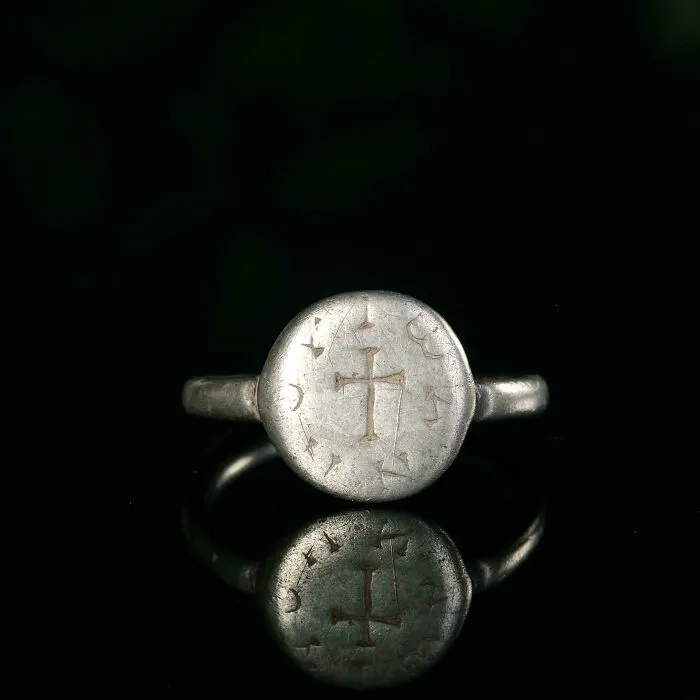
Greets everyone, since you all liked the last ring I shared, I thought I’d post another special piece from my collection. This is a genuine Crusader-period silver seal ring, dating to the 12th–14th century. The bezel shows a central Latin cross surrounded by symbolic letters and a crescent. Rings like this were likely worn by knights or clerics, serving both as personal devotion and as a functional seal.
Report
18points
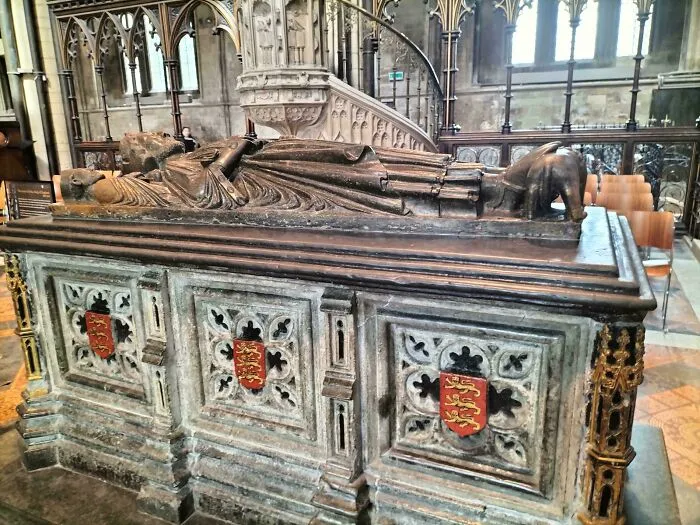


#36 My 15th Century Bronze Merchant Seal Ring Showing A Fleur De Lis
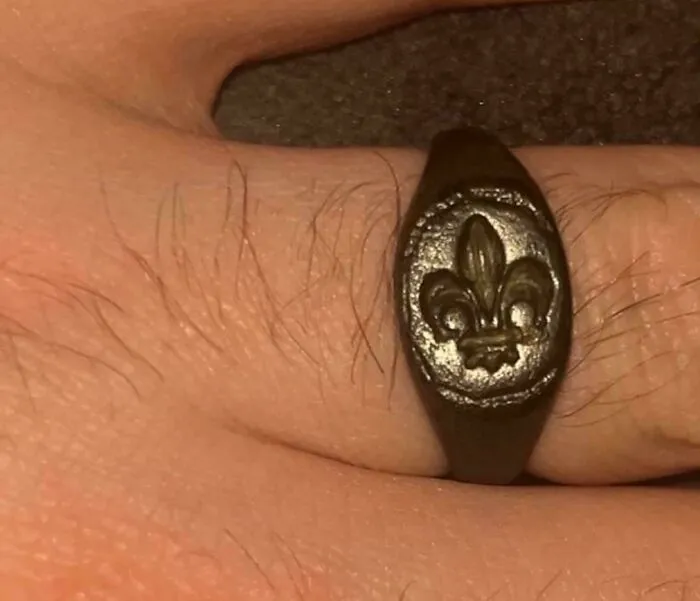
Found in Faversham uk.
Report
16points
#37 Did Medieval Armies Have Some Form Of Special Forces Or Special Operations?
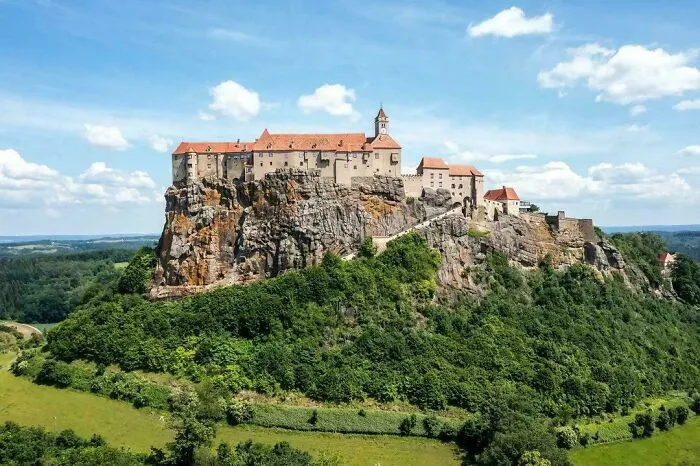
For example, this castle (located in modern day Austria) would be incredibly difficult to conquer using conventional means. If I was some kind of medieval commander tasked with taking this fortress, I’d distract the defenders with probing attacks along its main entrance, ideally at night. While this is happening, I’d send some specially trained operatives to scale the cliffs on the left side of the image above, entering the castle through one of the windows. These operatives could then do anything from attacking key leaders to potentially opening the castle’s main gate, to poisoning water supplies.
This takes me to my main question: did medieval armies have any form of special operatives that could perform specialized tasks in order to further a main effort?
This takes me to my main question: did medieval armies have any form of special operatives that could perform specialized tasks in order to further a main effort?
Report
15points
#38 La Trinita Della Cava - Accessing The Charter Trove Of Southern Italy
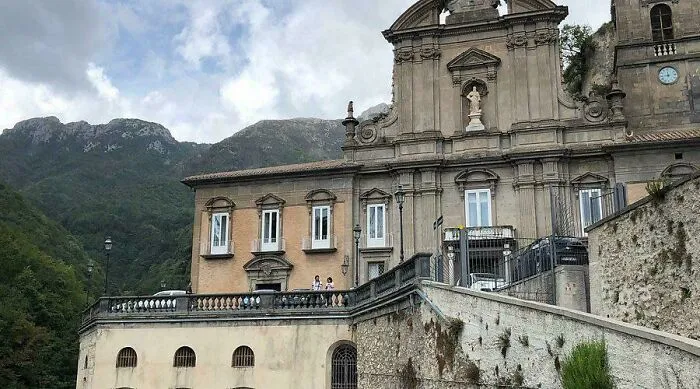
Hi everyone,
I just wanted to post here to share my great hope -- and anxiety -- of potentially exploring the contents of the most extensive collection of medieval charters in South Italy.
The briefest of backstories: La Trinita della Cava is a Benedictine abbey nestled in the hills just north/northwest of Salerno, a little ways down the Italian coast from Naples. Like most events from this era, the story of its foundation is disputed. Tradition holds that Alferius, a disillusioned monk whose pedigree included service to Guiamar, Prince of Salerno and an extended stint at Cluny, "founded" the abbey around 1010-1011, when he and a couple of other monks retreated to a cave in the hills to undertake the hermetic way. A surviving foundation charter exists from 1025, leading some to hold the belief that the abbey was simply founded by the Lombard Salernitan princes for political reasons. Personally I have a feeling it was a bit of both.
The abbey thrived in the latter half of the 11th century under the invading Norman rulers, who were eager to win the favor (and wield the power) of the local church, becoming great patrons of abbeys like Cava and Montecassino, granting them huge amounts of land and churches across South Italy (even in Sicily) in the process. The foundation of the Kingdom in 1130 only cemented their status.
While there's lots to admire about the abbey, its claim to fame in the modern era is the survival of a dazzlingly extensive collection of medieval charters, including investitures, legal cases, marriages and births and deaths, etc.
And to make a long story only slightly shorter, I reached out to the abbey to arrange a visit while I'm in the area later this month, hoping to conduct a little independent research there. I'm waiting anxiously for a reply, so to abate that anxiety, I decided to post this. It isn't really working.
Report
15points
#39 Ostrožac Castle In Bosnia (Oc)

Ostrožac Castle is a haunting hilltop fortress above the Una River where medieval ruins, Ottoman history, and surreal modern sculptures collide in one strangely unforgettable place. The image is taken by me.
Report
14points
#40 Statue Of Alfonso Viii Of Castile, The Battler, Who On September 21, 1177, Conquered Cuenca From The Muslims After A Nine-Month Siege. Statue In Cuenca, Spain
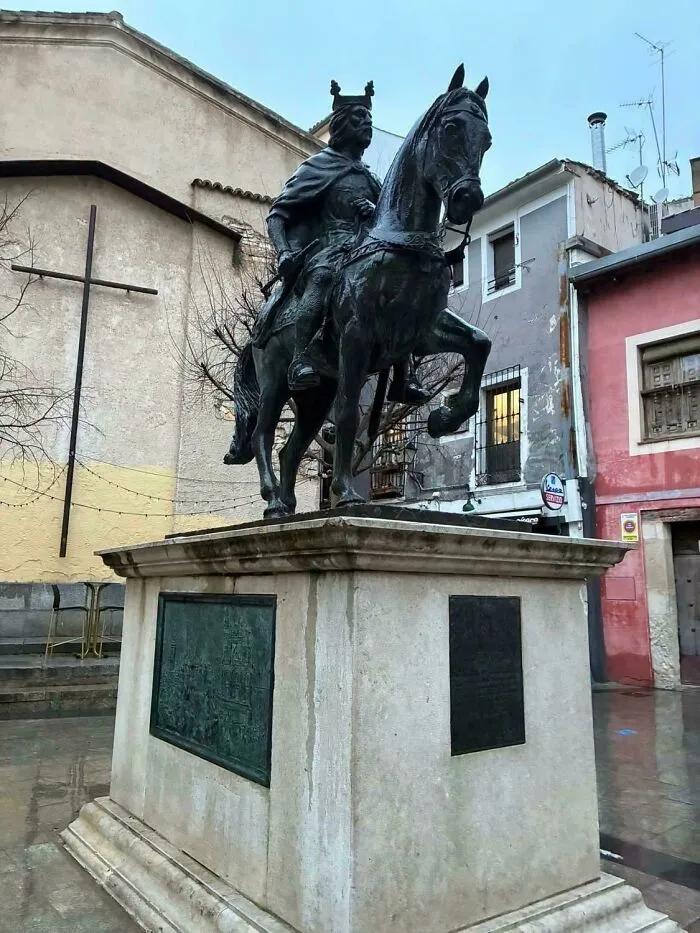
According to Rafael De Julian Alcalde: On St. Matthew's Day, September 21, after having besieged the city since the Epiphany.
Report
13points


