


When many people think of medieval history, a pretty grim picture comes to mind. At best, we picture knights, castles, and grand tournaments. At worst, it’s poverty, plagues, and tankards of stale ale. Yet the period, lasting roughly from around 500 to 1500, was far more complex—and often far more colorful—than popular culture gives it credit for.
That’s exactly what r/MedievalHistory is here for, celebrating medieval history “in all its shapes and colors.” We’ve gathered some of their most fascinating recent posts below. From remarkable art and artifacts to astounding architectural wonders, they might just make you see the Middle Ages in a whole new light.
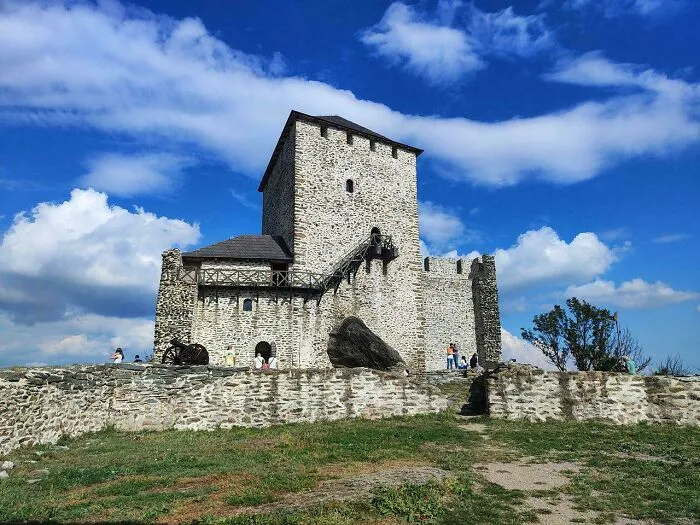
#41 VRšac Castle, Serbia - A 15th Century Stronghold Built By Despot Đurađ Branković To Defy The Ottoman Advance
Report
13points
#42 Angel Of Lichfield, Lichfield Cathedral, UK Dating From 700s, Rare Example Of Religious Art From This Period
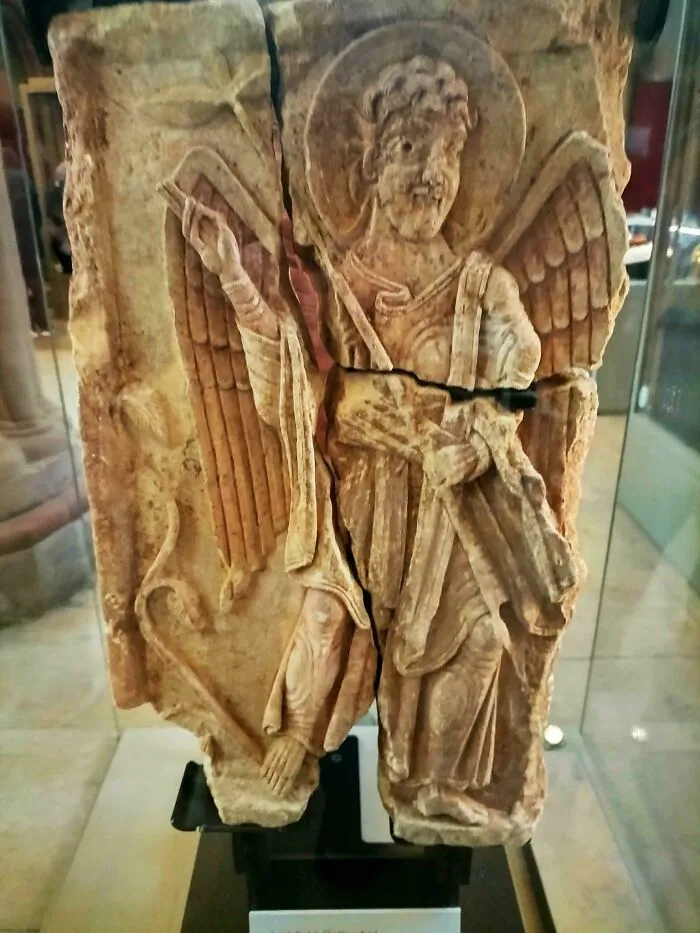
Angel Gabriel. It was found in 2003, and the sainted statue is considered of really significant European importance.
Report
13points

#44 John Tiptoff Passed Away 1470 And His Wife Buried In Ely Cathedral. Known As The Butcher Of England For His Brutal Suppression Of Revolts

Report
12points

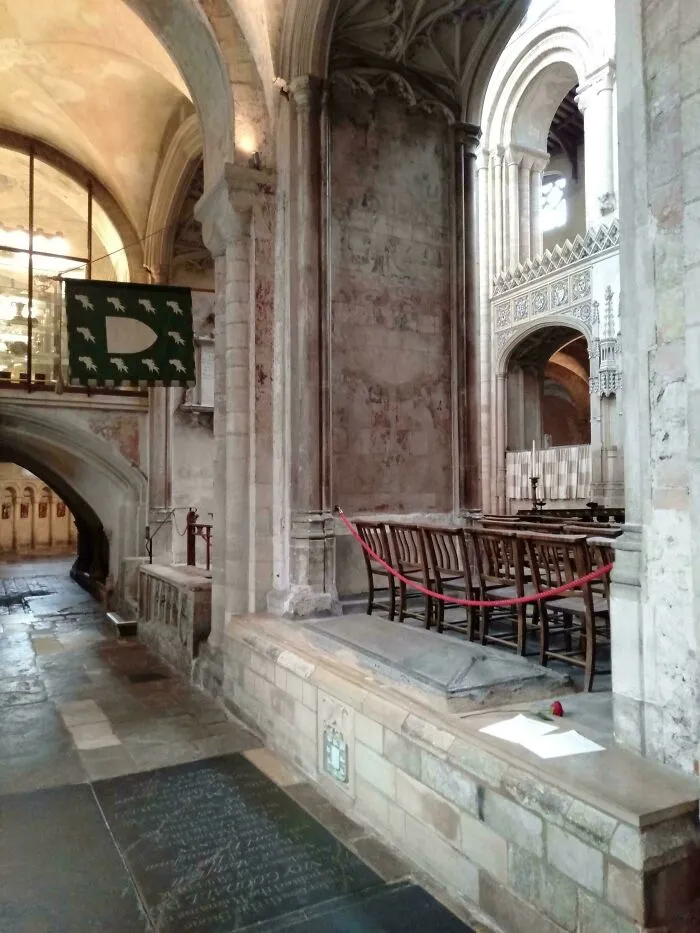
#46 Happy St Crispin's Day From The Tomb Of Sir Thomas Erpingham. Commander Of Henry's Archers At Agincourt
Report
11points
#47 Restoring Castles To Their Former Glory For Better Public/Tourist Engagement?
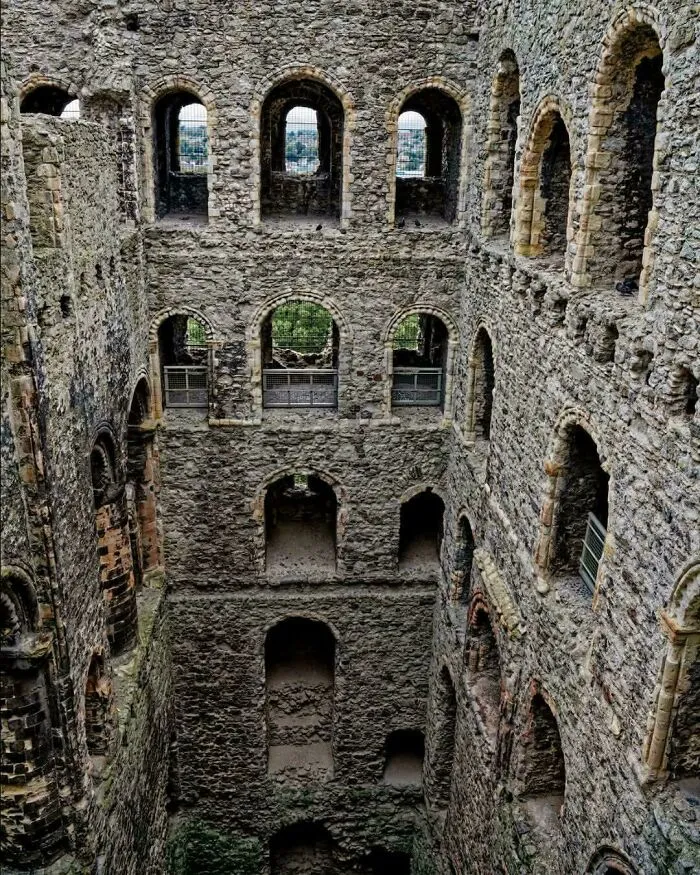
There is the notion that old medieval castles such as the famous Norman keep in Rochester, UK, (finished construction in 1127) ought to be restored to their former glory.
It would undeniably boost tourism, it would give people a much better visual insight into these kinds of historical structures, it would make a 30 minute visit looking at ruins potentially an hour or two looking at a fully fitted and furnished fortress.
Historical castles that changed hands through wealthy owners such as Hever castle (not too far from Rochester) preserved their historical interiors for the public to enjoy to this very day.
Rochester wasn't so fortunate, despite being a far more significant structure historically it obviously didn't have the same treatment as a stately home or as a fortified manor to be stewarded and occupied over the centuries.
I would say that it's clearly a case by case basis. Not every castle needs full restoration, leave lesser castles as ruins as reminders of the passage of time and their dereliction. As symbols of the old ways passing away, replaced by the new. There's a certain charm to a crumbling ruin.
But castles in a town centre of particular importance, like at Rochester, could benefit from restoration. Where most of the shell of the building remains; restoration surely comes into the conversation.
John Ruskin (writer, art critic) was a key voice in conservation. In his book The Seven Lamps of Architecture (1849), he argued that trying to restore old buildings was essentially a lie — you couldn’t recreate their original spirit, only damage authenticity.
William Morris, inspired by Ruskin, founded the Society for the Protection of Ancient Buildings (SPAB) in 1877.
And thus, since the 19th century, UK conservation has generally followed the principle of “conserve, don’t reconstruct” (inspired by William Morris and the SPAB movement). The idea is to respect the castle’s current form as a record of its history, rather than “resetting” it to one moment in time.
Pre-1800s: Restoration/rebuilding was normal, often romanticised.
Mid-1800s: Growing criticism (Ruskin).
1877: William Morris & SPAB establish the conservation ethos formally.
20th century onwards: Conservation (stabilisation, minimal intervention) becomes the standard UK heritage approach.
However there are some exceptions to this conservation ethos that have come up before or since:
The Great Tower of Dover Castle was restored with furniture, banners, and decoration.
Carcassonne in France.
Warwick castle.
Malbork castle in Poland.
Among others.
In conclusion, should this old conservation ethos that dates back to the mid 19th century be reexamined? The errors of old private restorations, that often mistakenly introduced inaccurate architectural features, are in the past.
We now have an opportunity to selectively restore structures in an informed and careful manner under modern frameworks that respect these remains. Doing so could boost local economies and great a sense of awe, wonder, and connection to history that a ruin cannot.
I think the conservation ethos has protected the UK’s heritage brilliantly for 150 years — but we might be reaching a point where selective, carefully justified restoration could add real cultural and educational value. It doesn’t have to be all-or-nothing.
What are your views?
Report
9points