


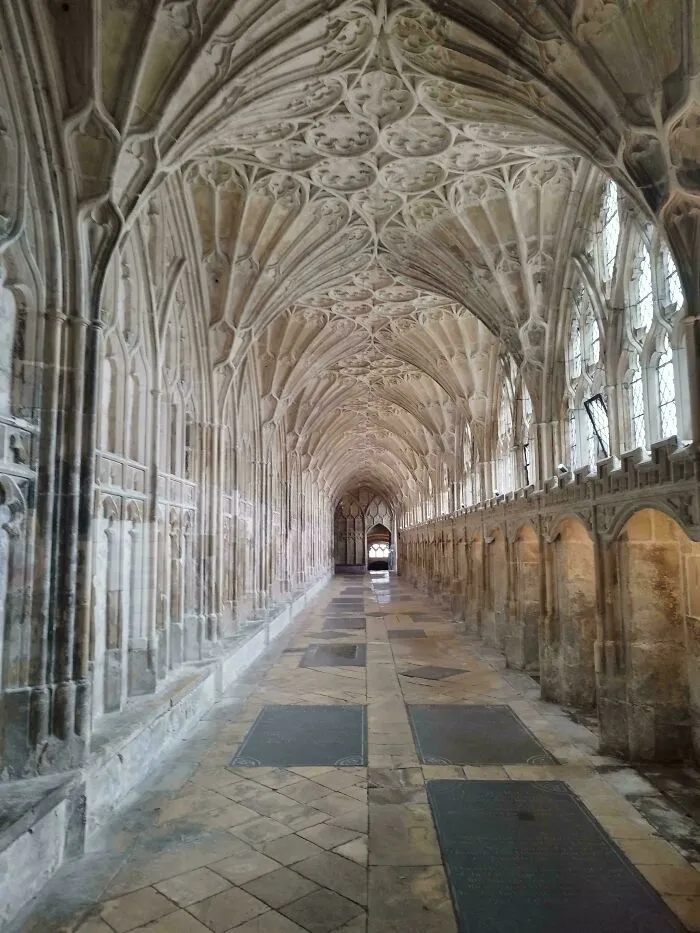
#1 The Oldest Vaulted Ceiling In The World, Gloucester Cathedral, Built 1371 By De Cantebrugge
#2 The Imperial Regalia
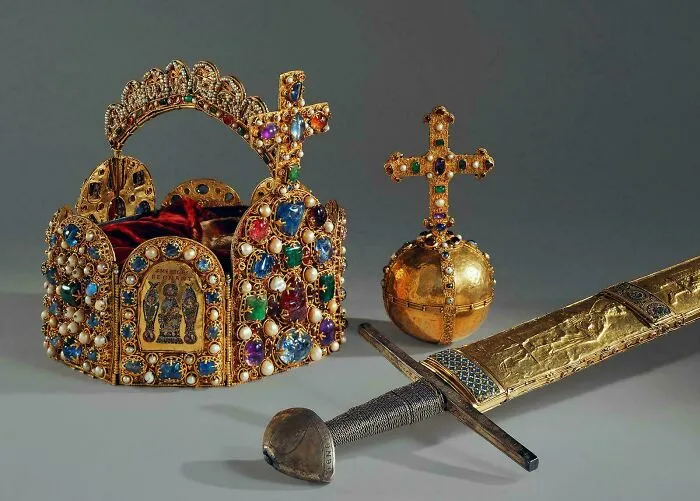
The Imperial Crown was originally made for the coronation of Otto the Great and later modifications were made under Conrad II. Its octagonal shape references the Palatine Chapel of Aachen Cathedral. Made of gold, the crown is decorated with 240 pearls and 120 precious stones, including sapphires, emeralds and amethysts. Four enamel plates depict Christ in Majesty between two cherubim, as well as the biblical kings David, Solomon and Hezekiah, alongside the prophet Isaiah.
The Imperial Orb symbolises the emperor's earthly rule under Christ's dominion. It most likely dates from the late 12th century, during the reign of Henry VI. The sapphire in the centre of the cross features a Merovingian monogram.
Also known as the Sword of Saint Mauritius, the Imperial Sword was made for the coronation of Otto IV in 1198 AD. Its scabbard depicts Roman kings from Charlemagne to Henry III, and it was presumably made for Emperor Henry IV.
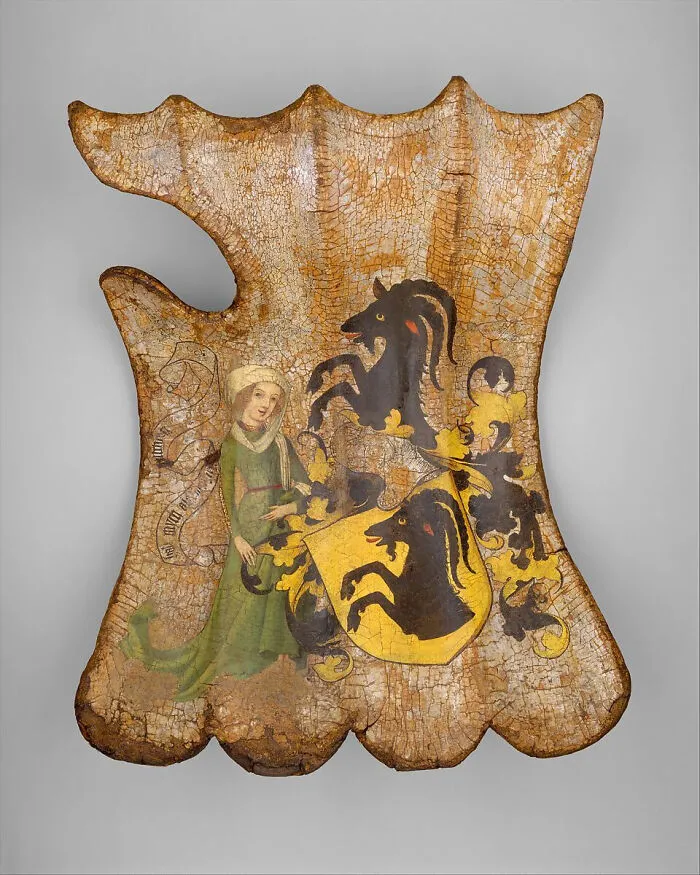
If dates aren’t your thing (don’t worry—you’re not alone), it might help to think of the medieval period as the roughly thousand years between the fall of the Roman Empire and the Renaissance. That in-between position is also where the period got the name some still use today: the Middle Ages.
According to Medievalists.net, the label can be traced back to the 17th century, when some writers used the Latin equivalent of the term to describe what they saw as a “disappointing” era between the Roman Empire and their own “new golden age.” Wanting to cast the preceding centuries in an unfavorable light, they often portrayed them as “a time with no learning, no culture, and no progress in civilisation.”
#4 🇮🇹 Raymond Of Campania: An African Knight In 14th Century Europe
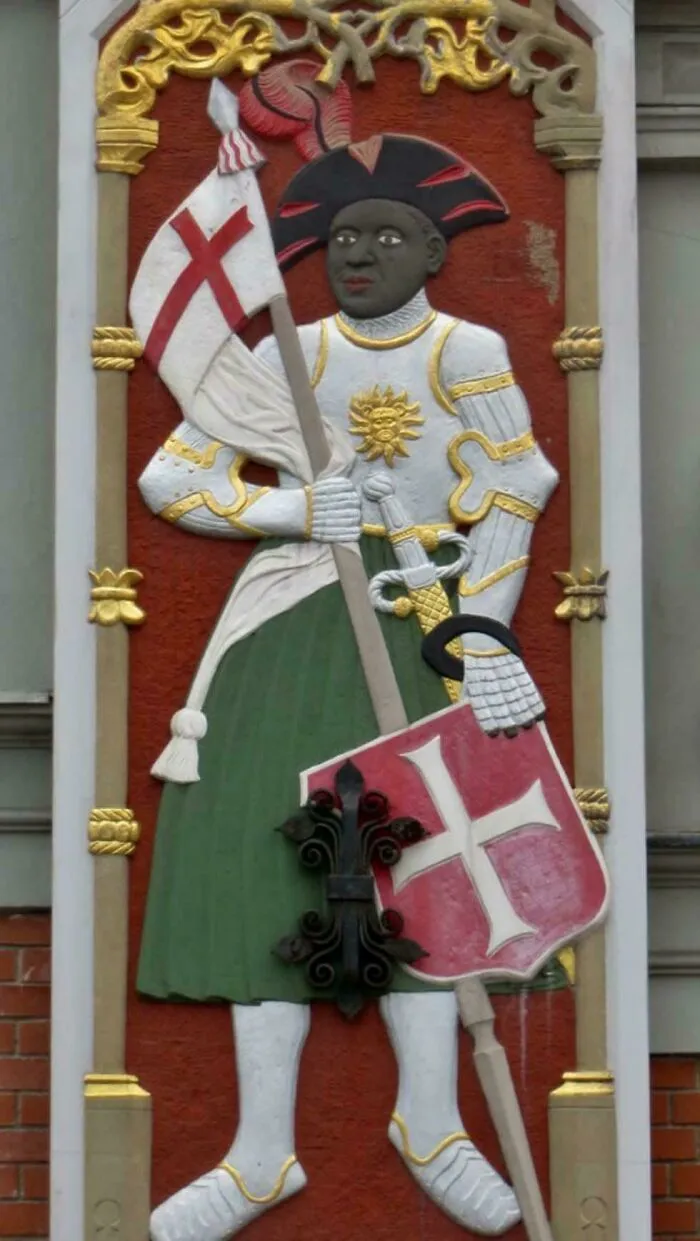
Born in sub-Saharan Africa, in the Sahel region, Raimundo was sold by pirates to Raimondo de' Cabanni, dean of the royal kitchens. This Raymond, recognizing the boy's abilities, freed him, baptized him, gave him his name, and named him heir to both his property and his office.
The first document mentioning Raymond is dated 6 February 1305. It is recorded that Robert, Duke of Calabria, son of King Charles II, granted an annual pension of 20 ounces to Raimondo on the occasion of his marriage to Philippa of Catania, the nanny of Robert's second son, Louis.
Raimondo, being an "extremely daring man", asked for and received the skill and knighthood on the occasion of his wedding. On 25 February 1311, Robert, now king, confirmed the pension he had granted six years earlier and at that time Raimondo was a member of the court family.
Through royal favors and connections, he acquired a palace in Naples near Porta della Fontana, in the royal Castel Nuovo neighborhood. He also acquired several crown claims, such as Minervino, Mottola and Pantano di Foggia, as well as other claims from Charles of Calabria in the land of Otranto. A document from 1324 shows him and his wife as co-owners with another couple of castles of Cercepiccola, Sassinoro, San Pietro Avellana, Rocca del Vescovo, San Giuliano and Pacile. Other properties are known from the division carried out by his widow and children after his death. Raimondo died in October 1334. He received a lavish funeral and was buried in the Santa Chiara complex, the resting place of the Angevin kings.
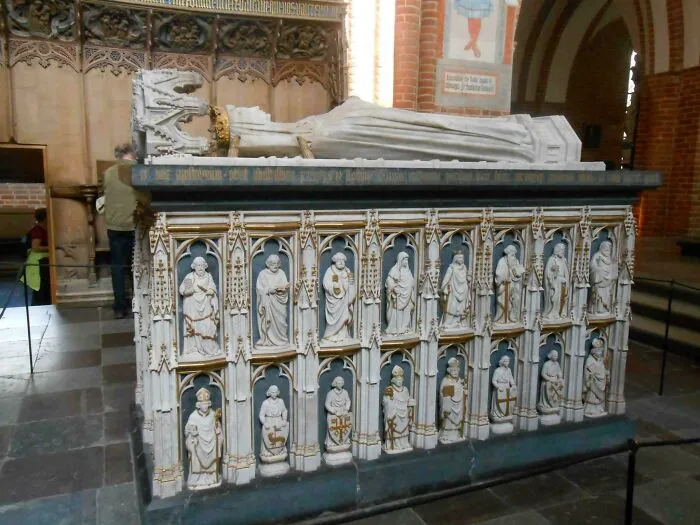
#6 Margaret I Of Denmark (1387-1412) United Scandinavia Into A Personal Union Lasting 100 Years
Many historians now avoid the label “Dark Ages” for much the same reason. But that image of the medieval world as a millennium where “nothing happened” proved surprisingly persistent. As Frances and Joseph Gies wrote in Cathedral, Forge and Waterwheel: Technology and Invention in the Middle Ages, “Even today the popular impression remains to a great extent that of a millennium of darkness, a thousand years when ‘nothing happened.’”
Fortunately, historians have spent decades challenging that picture—and many of the most familiar ideas about the Middle Ages simply don’t hold up.
Take the notion that medieval people never bathed. While hygiene varied from place to place and over time, regular washing and even public bathhouses were common in many medieval towns. As Katherine Harvey wrote for History Extra, “only a tiny number of medieval people were truly filthy. Even fewer actually wanted to be dirty.”
Or consider the idea that medieval people believed the Earth was flat. Spoiler: they did not.
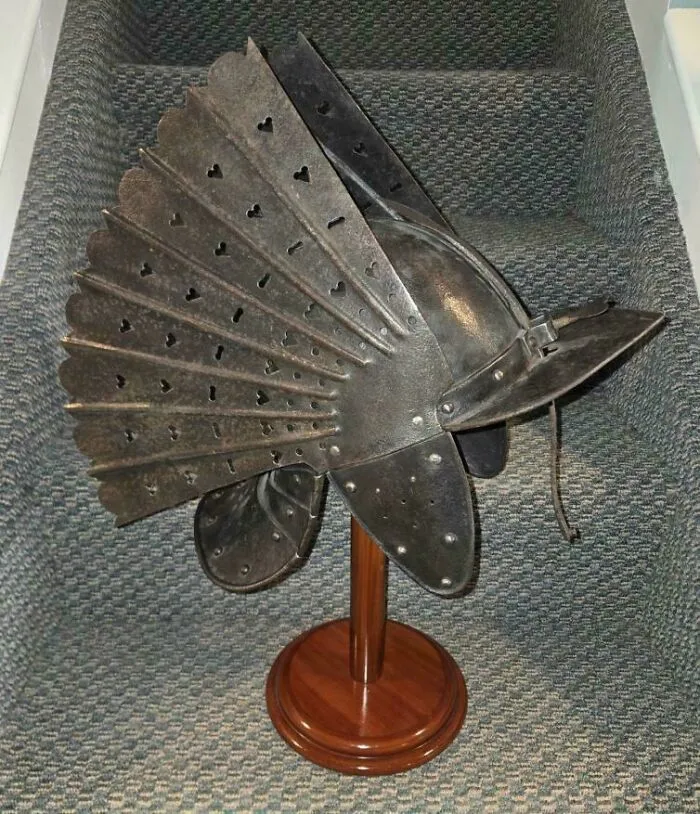
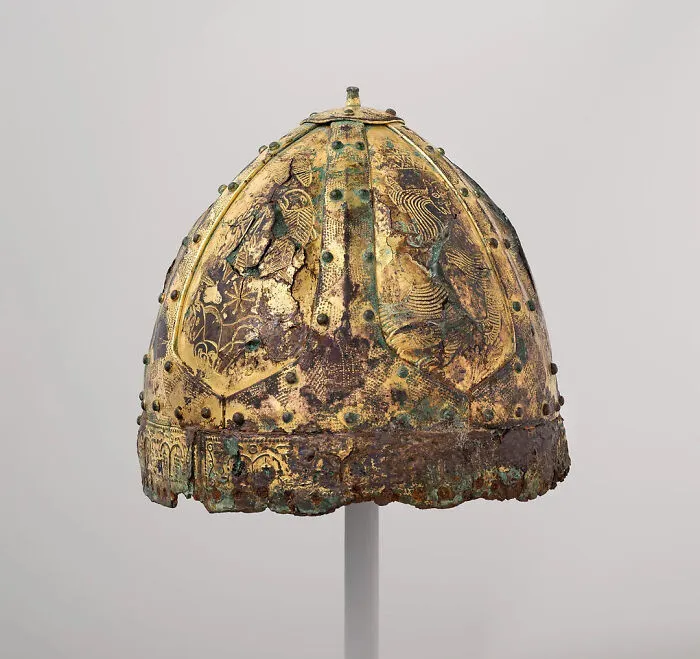
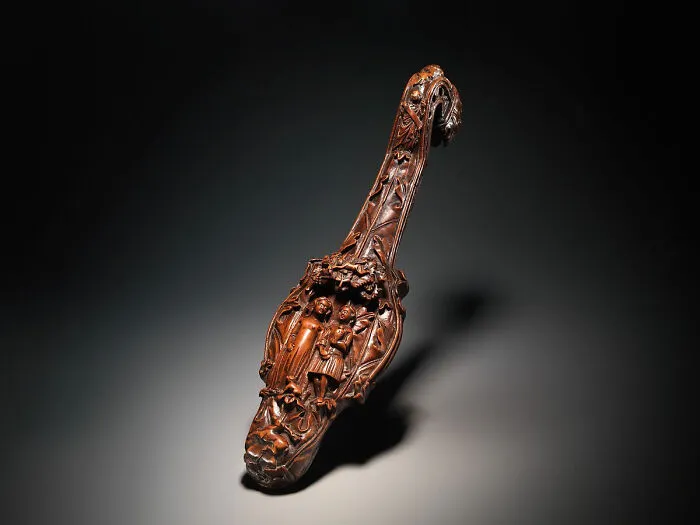
Frances and Joseph Gies explain that “To the average educated person, the most surprising news about medieval technology may be the fact that there was any.”
Contrary to stereotypes, many technologies that transformed everyday life were first developed or greatly improved during this period. Some were monumental, like the flying buttresses of Gothic architecture. Others were quieter though no less revolutionary, the kinds of things we take for granted today yet also couldn’t live without—eyeglasses or mechanical clocks, for example.
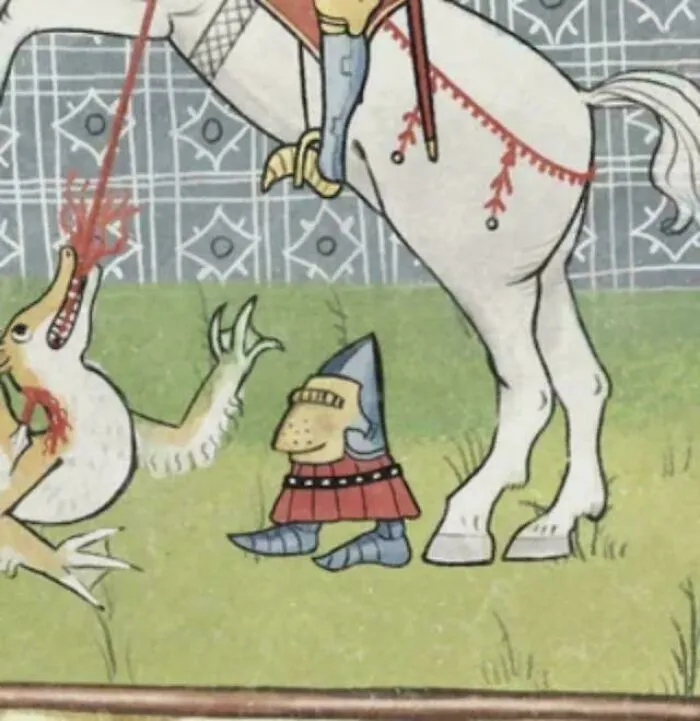
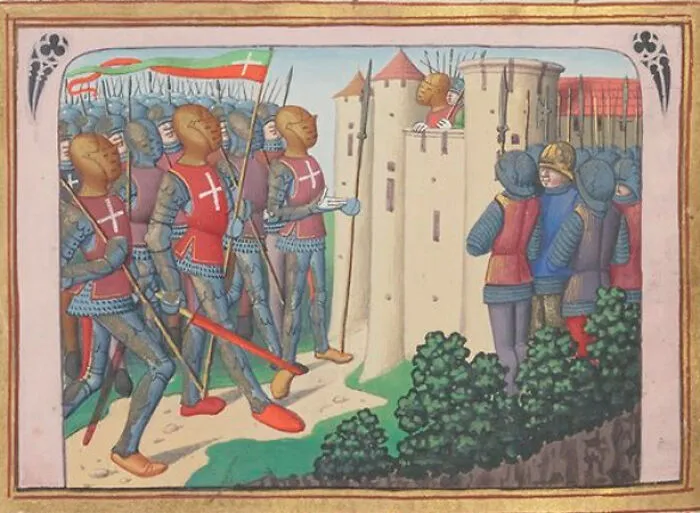
#13 Medieval Chroniclers : "How Tall Were The Knights In The Hundred Years War ?" Artist :"Yes"
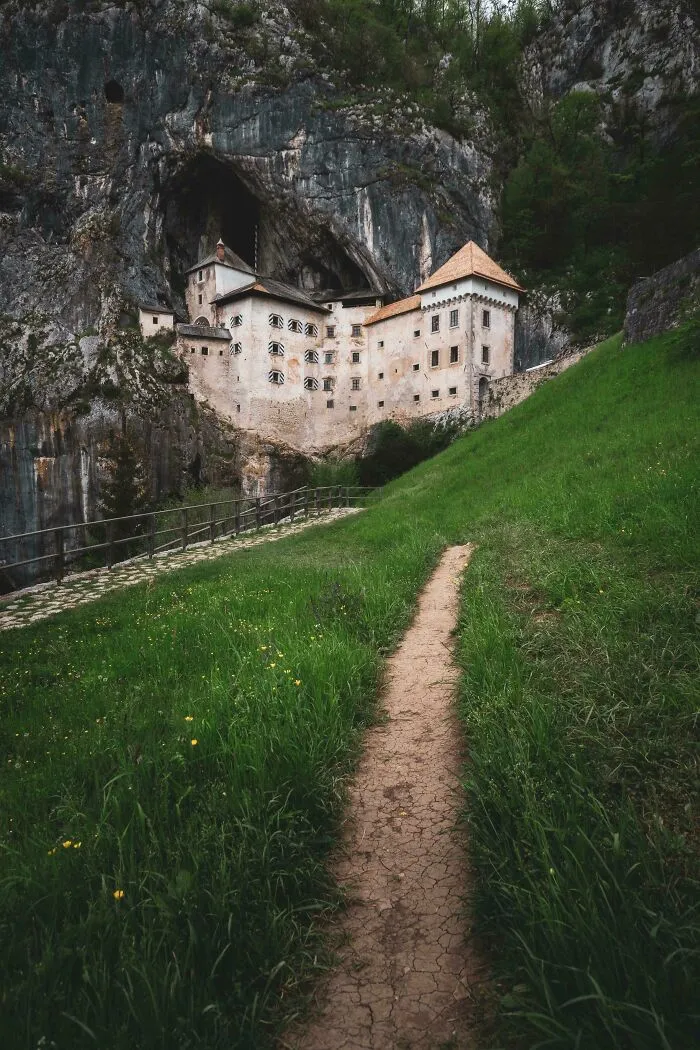
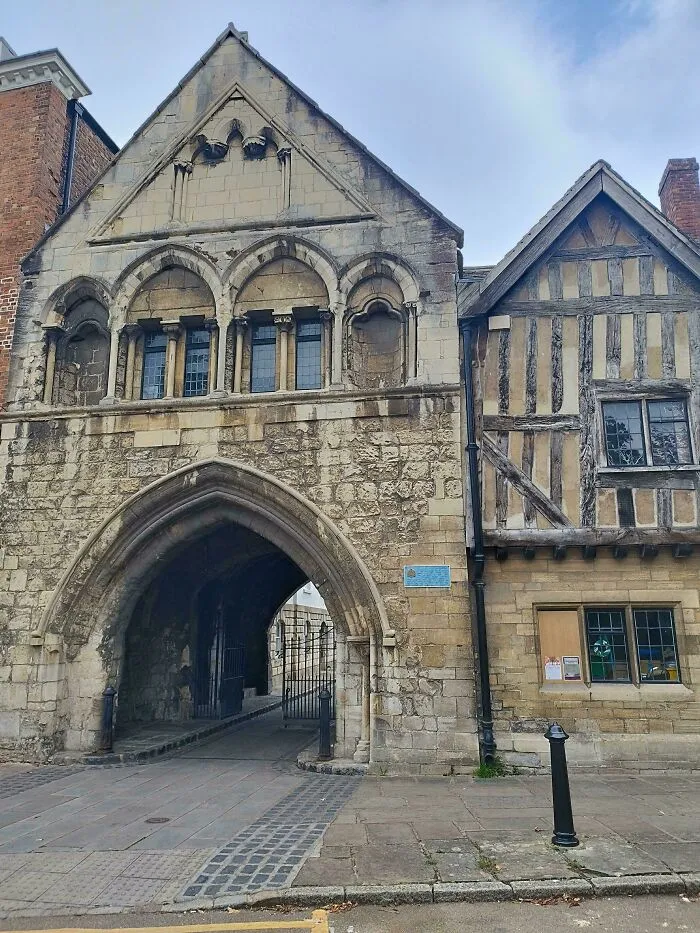
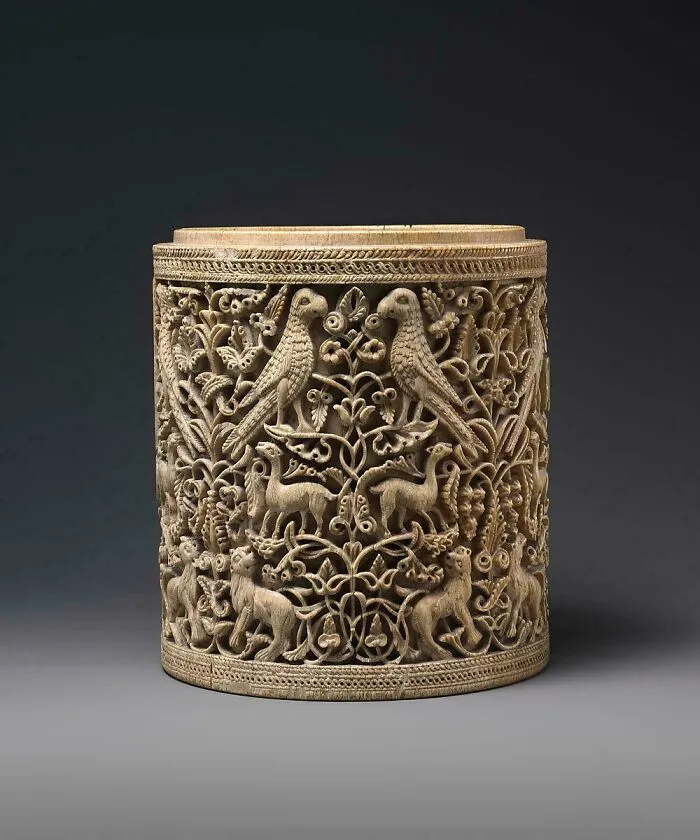
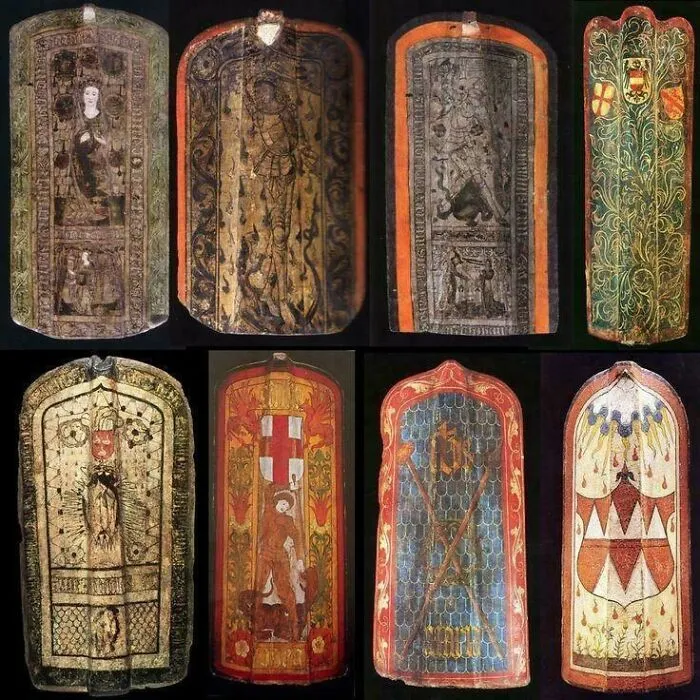
Beyond ingenious engineering, medieval creativity has its own rich story—and it’s not just the wonderfully wonky cat illustrations that occasionally go viral online, either. The period produced dazzling illuminated manuscripts, intricate metalwork, breathtaking cathedrals, richly woven textiles, and exquisitely crafted everyday objects.
It’s something that’s hard to miss in this list: far from being drab or unsophisticated, the medieval world was often remarkably colorful, creative, and technically accomplished.
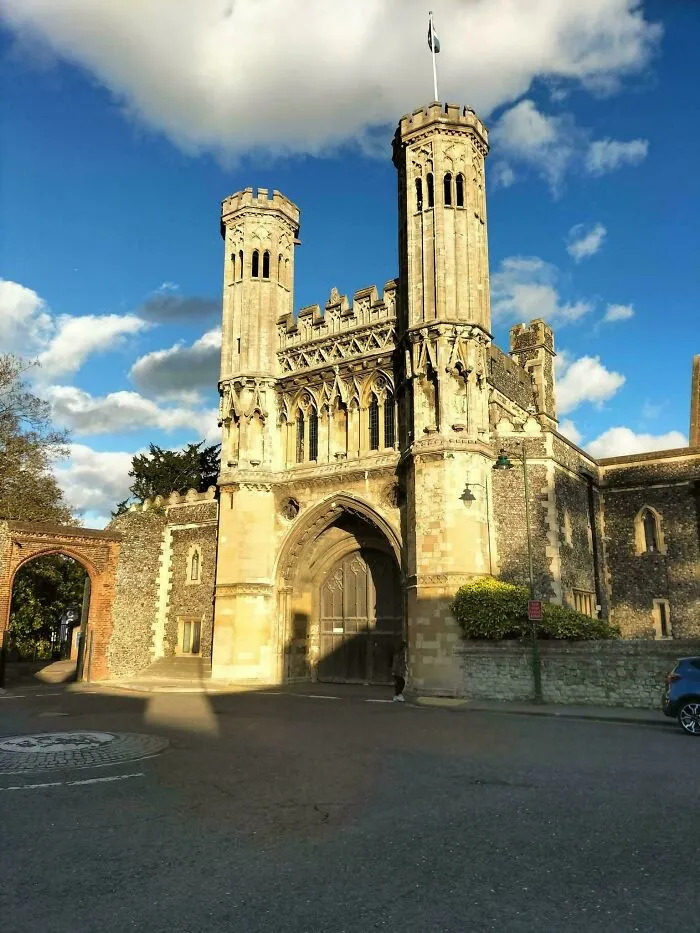
#16 Fyndon Gate, Canterbury, UK Built 1309 (Originally A Gate To St Augustine Abbey)
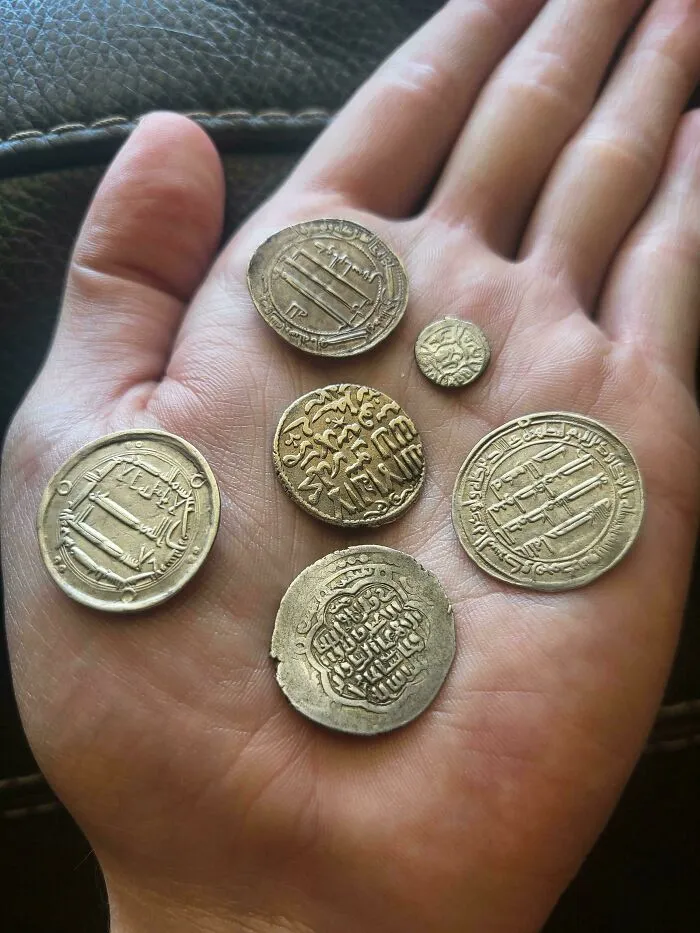
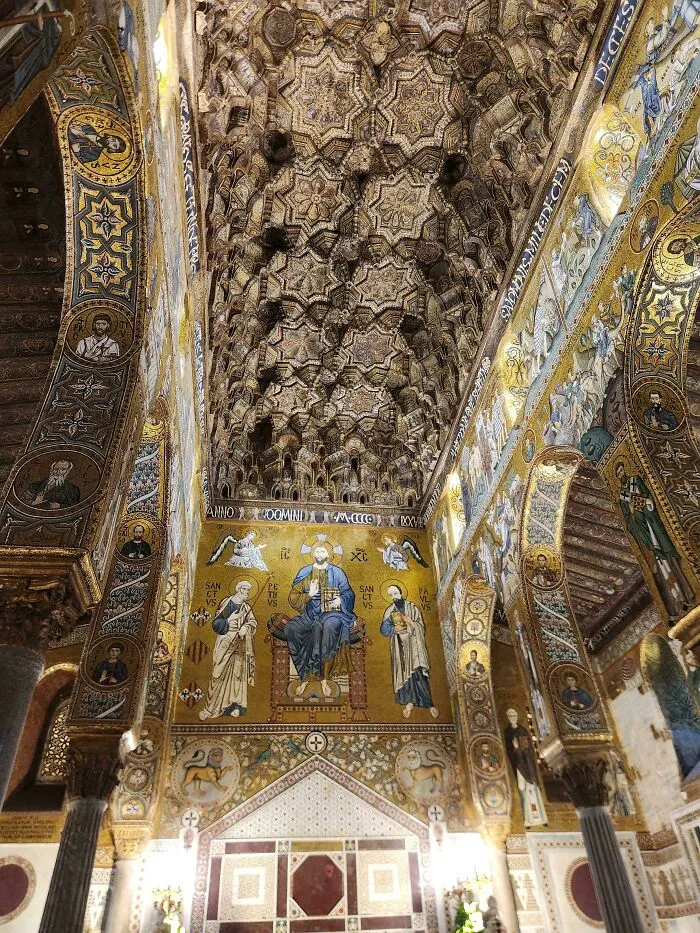
#18 Visited The Palantine Chapel In Palermo, Sicily. Finished By 1140
That’s what makes communities like r/MedievalHistory so fascinating. Dedicated to sharing “the latest developments in Medieval History,” the subreddit is full of remarkable artifacts, breathtaking architecture, fascinating discoveries, and beautifully preserved works of art. Spend a few minutes scrolling, and it’s hard not to come away with a richer appreciation for the medieval world “in all its shapes and colors.”
Upvote your favorites and let us know which ones you found most interesting. And if you’re looking for a little medieval humor, check out these medieval history memes next!
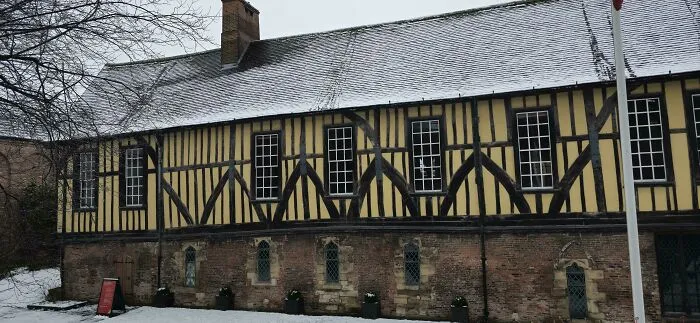
#19 Merchant Adventurers Hall, York, UK Built 1357
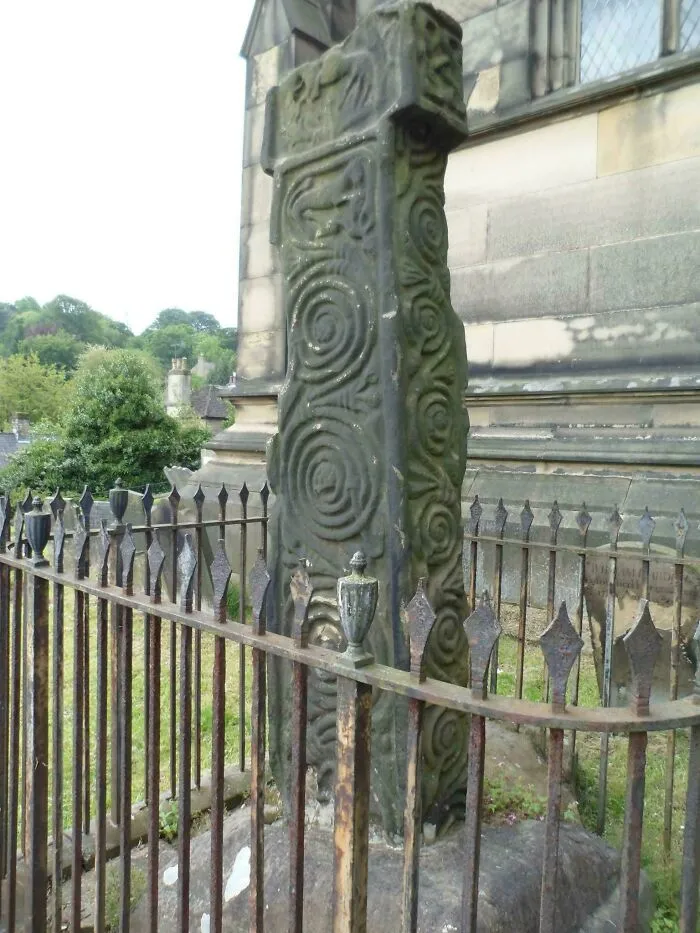
#20 Saxon Cross, Bakewell, UK 700-800ad, Part Of One The Largest Collections Of Saxon Carvings