


Shockingly, the ocean covers the majority of our planet, but the absolute majority of it remains unexplored to this day. The waves hide many mysteries, but countless hardworking researchers shed light on what happens underwater and in coastal areas.
Some of the coolest, creepiest, and weirdest science facts about the “deep dark seas” get featured on the popular ‘The Weird Unknown’ Instagram account. We’ve curated the most intriguing posts to expand your mind, give you a fresh perspective about Planet Earth, and even shock you with how bizarre nature can be. Scroll down to keep diving.
#41
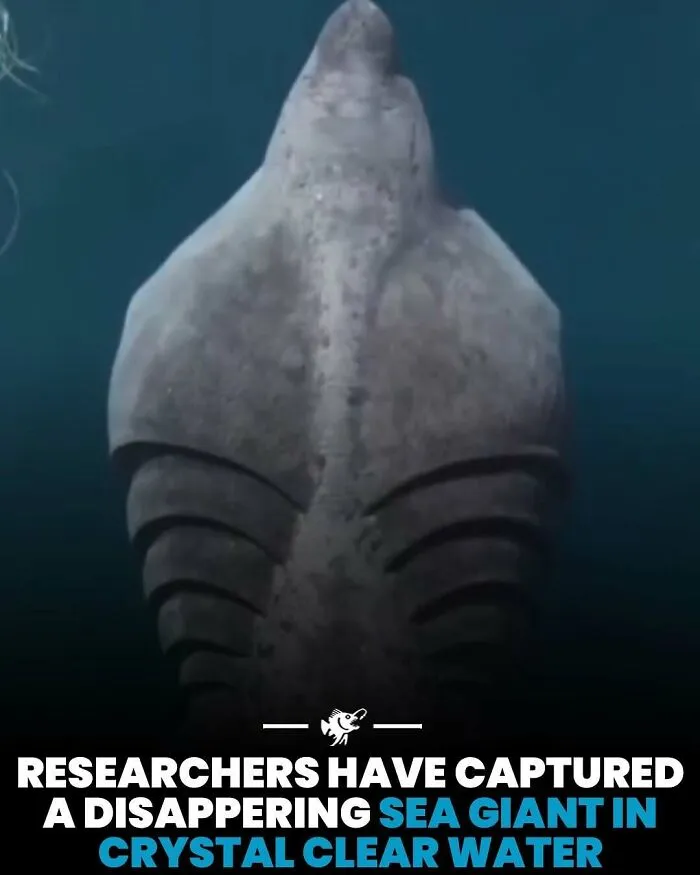
Off the coast of Southern California, something rare and massive just appeared beneath the waves—a giant basking shark, the second largest fish on Earth.
These gentle filter feeders are almost never seen in this region, making the sighting a standout moment for researchers and marine watchers alike. For a brief stretch of time, a massive shadow cruised silently through crystal-clear water before vanishing again into the deep. It was a reminder that no matter how much we explore, the ocean still keeps some of its biggest surprises just out of reach.
Report
13points
#42
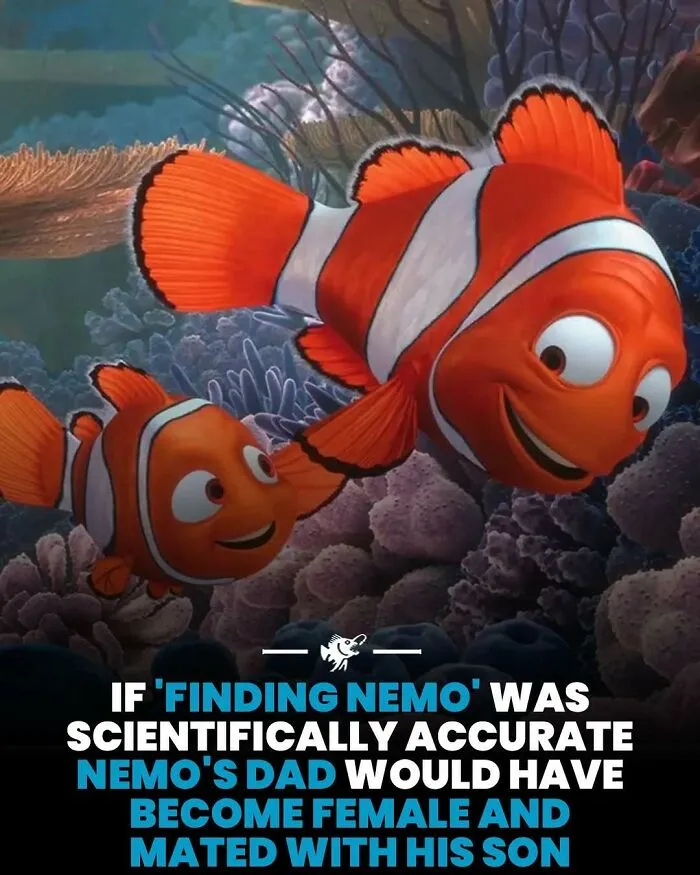
In the real ocean, clownfish biology operates on a system that’s far from family-friendly. Clownfish are sequential hermaphrodites, starting life as males and becoming female if the dominant female dies. That means after Coral’s death in Finding Nemo, Marlin wouldn’t just remain a single dad—he’d transition into the new dominant female. Meanwhile, Nemo, as the next mature male, would become her reproductive partner.
This natural reproductive strategy maintains the social hierarchy within clownfish groups but highlights just how wildly nature can diverge from cinematic storytelling. Disney made the right call keeping the science on mute.
Report
13points
#43
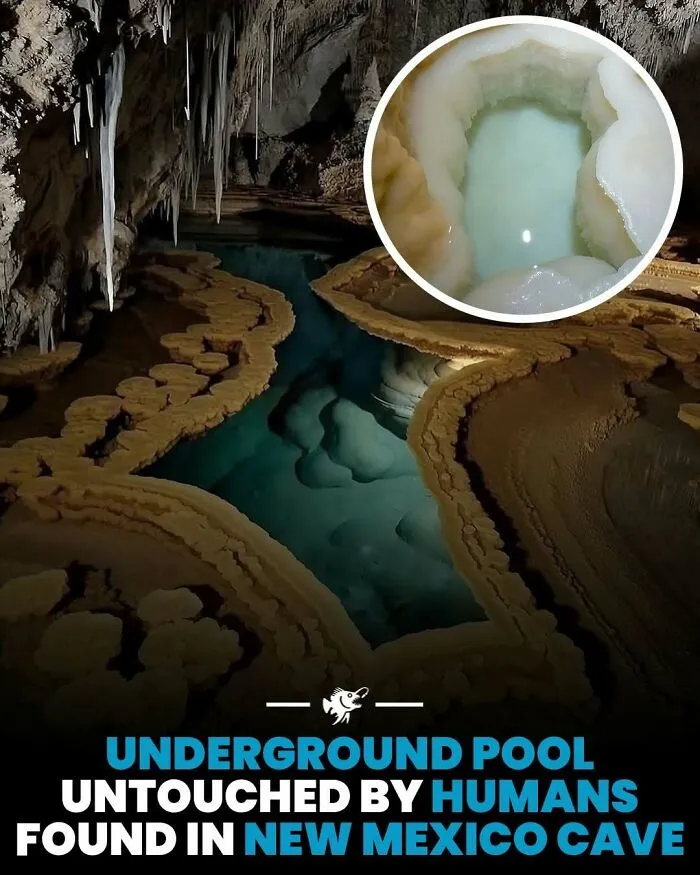
Far beneath the surface of New Mexico, explorers made a rare and remarkable discovery inside Lechuguilla Cave, one of the most scientifically important cave systems on Earth. Nearly 700 feet underground, they found a perfectly preserved pool of water hidden in total darkness, sealed off from the surface and untouched by human activity.
Report
13points
#44

Shaquille O’Neal has always scaled his life to match his personality, and that instinct apparently extends to his pets. At his Georgia home, he reportedly keeps a 39 inch Yamabuki koi named “Shakoi O’Neal,” living in a custom designed pond built to suit a fish that is anything but modest. The name is pure Shaq, a mix of humor and spectacle, and he has joked that the only alternative he seriously considered was calling the koi “Charles Barkley.”
It is a small detail, but a revealing one. Even something as quiet as a koi pond becomes a personality statement in his orbit, oversized, playful, and impossible to separate from the man himself.
Report
13points
#46
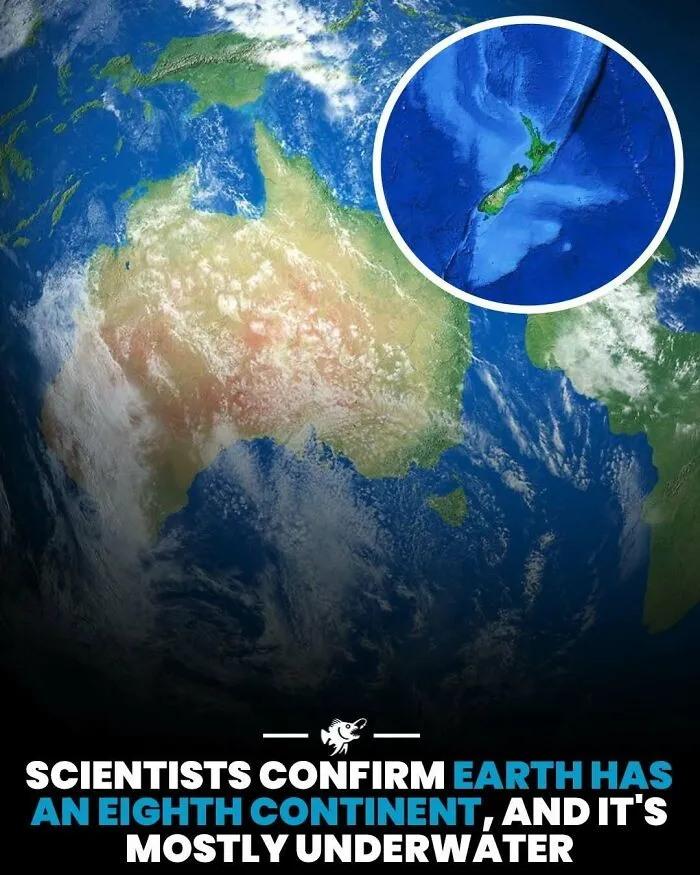
Scientists have officially confirmed the full extent of Zealandia, widely recognized as Earth's eighth continent, a vast and mostly submerged landmass beneath the South Pacific Ocean. The continent covers roughly 5 million square kilometers, about the size of India, though only 5 percent of its surface rises above sea level. The visible portions form New Zealand and New Caledonia.
Report
13points
#47
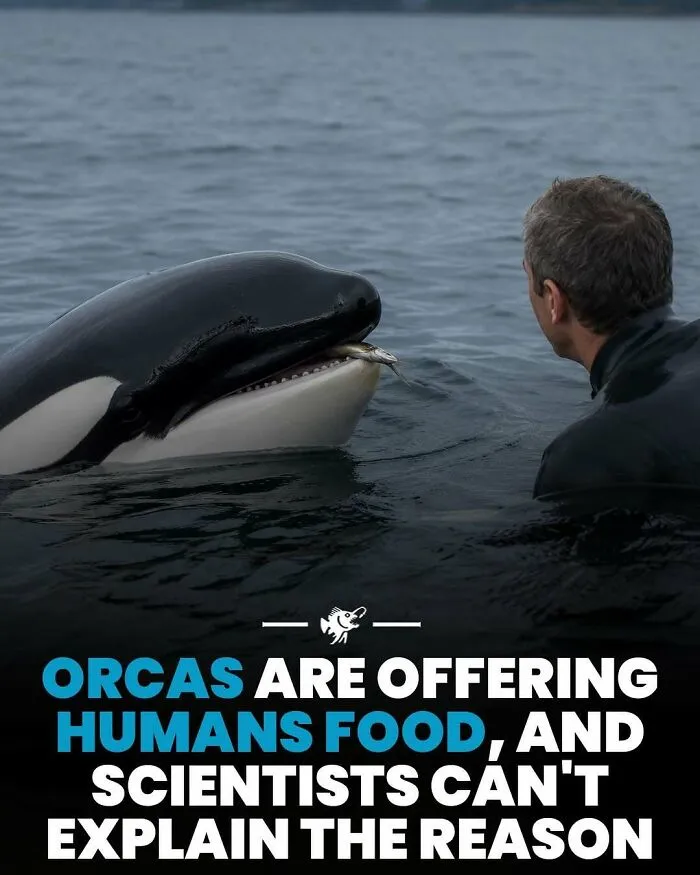
Orcas have been documented offering food to humans, and a study published in the Journal of Comparative Psychology recorded at least 34 such encounters across four oceans. The offerings ranged widely, from fish and seaweed to jellyfish, birds, and even seals. Sometimes the food was dropped beside a boat. Other times it was brought directly to swimmers.
Report
13points
#48
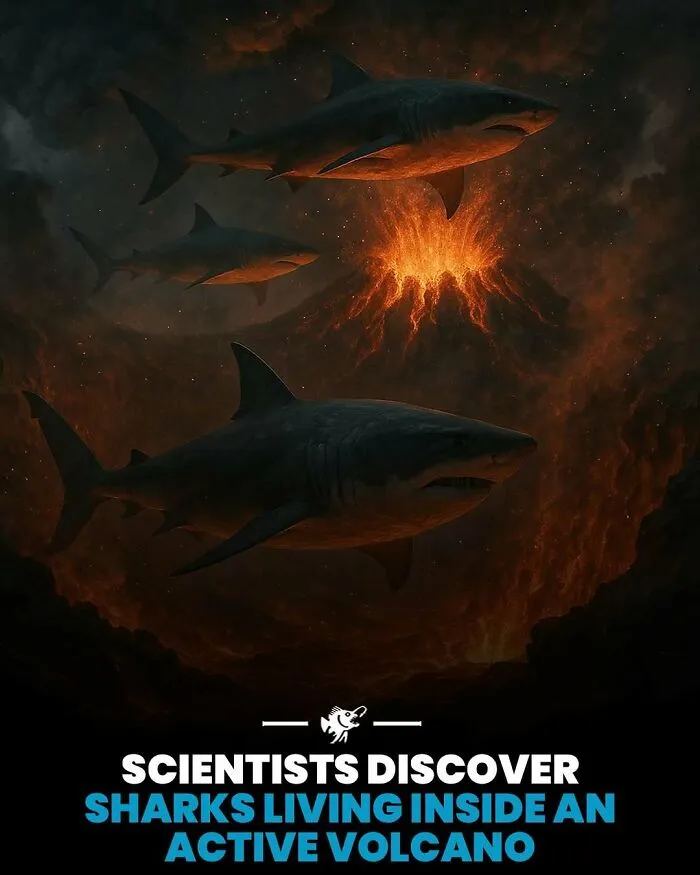
Scientists were stunned to find hammerhead and silky sharks living inside the Kavachi Volcano, an active underwater volcano in the Solomon Islands. Nicknamed the “Sharkcano,” this searing environment routinely erupts and fills the surrounding waters with acid, heat, and debris—yet somehow still supports life.
The discovery defies expectations about marine biology and survival. These sharks are navigating waters so hostile they’d seem uninhabitable, forcing scientists to rethink how marine species adapt to extreme conditions. The volcano isn’t just erupting—it’s rewriting the boundaries of where life can exist.
Report
12points
#49
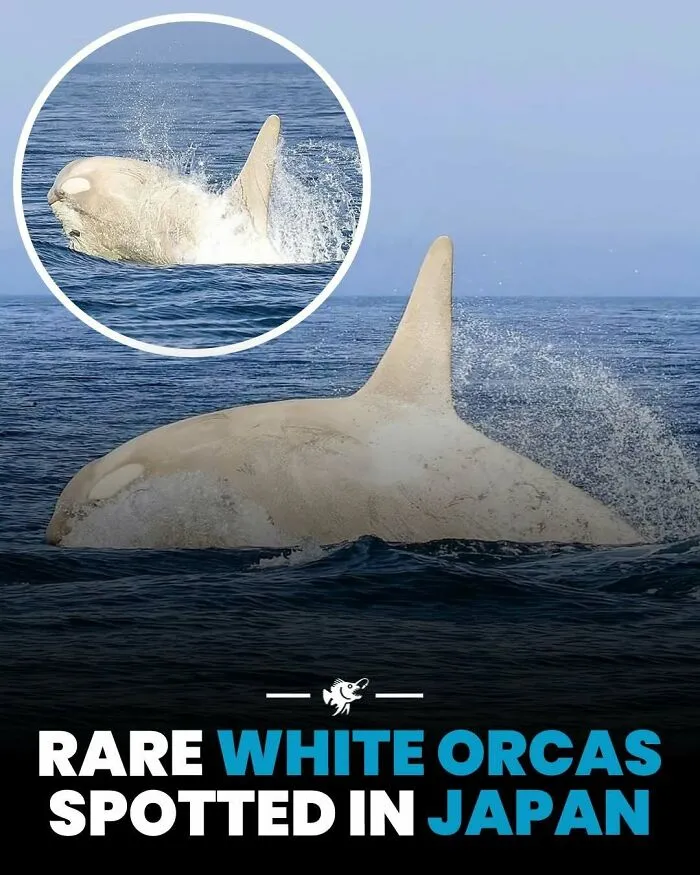
A rare sight unfolded off the coast of Hokkaido, Japan, when whale watchers spotted two white orcas swimming alongside their pod. The moment was captured by wildlife photographer Noriyuki Hayakawa, who photographed the animals moving in tight formation with the rest of the group, their pale bodies standing out against the dark water.
The unusual coloring is believed to be caused by leucism or albinism, rare genetic conditions that reduce pigmentation. White orcas are extremely uncommon, making sightings like this both scientifically interesting and visually striking, especially when the animals appear healthy and fully integrated within their pod.
Report
12points
#50
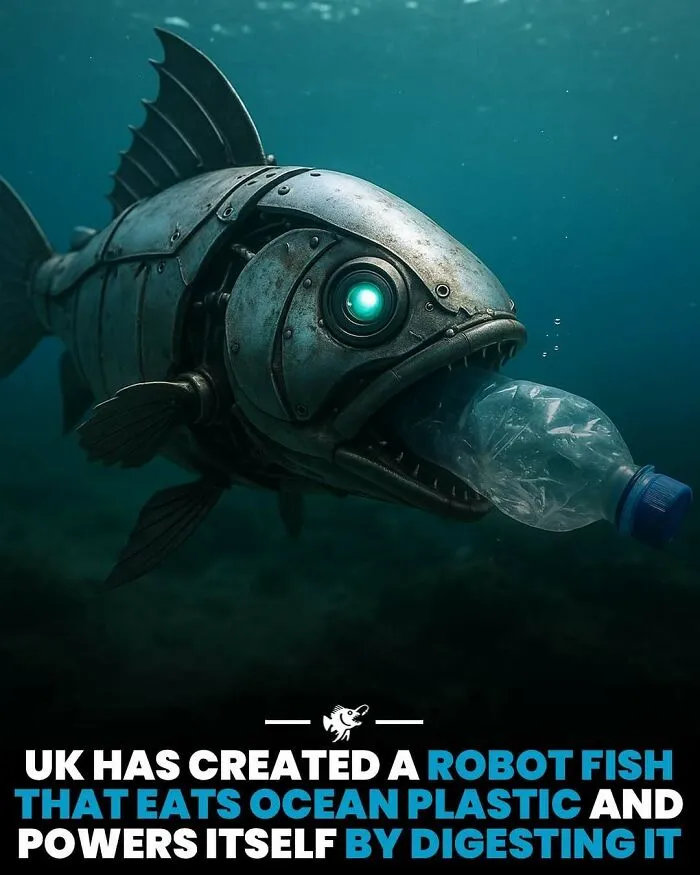
Researchers at University of Surrey have built a palm-sized robotic fish called Gulper, designed to swim on its own and collect microplastics from polluted water. Its movement mimics real fish, letting it operate quietly in rivers and coastal areas without disrupting wildlife.
The more radical idea is how it powers itself. Early versions use a chemical fuel cell that converts the plastics it gathers into electricity, effectively turning pollution into energy. Developed under the RoboFish initiative, the long-term vision is a fleet of machines that can stay at sea indefinitely, sustained by the waste they remove. If it scales, it flips the logic of cleanup on its head: the mess becomes the fuel.
Report
12points
#51
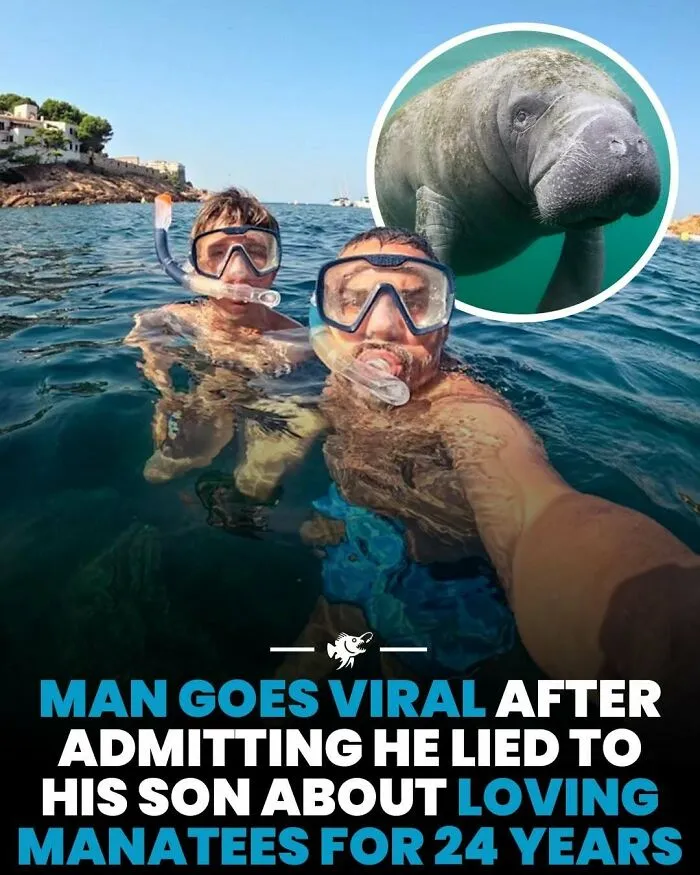
When his son gave him a manatee mug at age six, he said they were his favorite animal without thinking much of it. That small comment turned into decades of manatee-themed birthday and holiday gifts.
The harmless fiction reached a new level when his now-30-year-old son surprised him with a Florida trip specifically to see manatees in person. The dad says he plans to go through with it and keep the act going.
Report
12points
#52
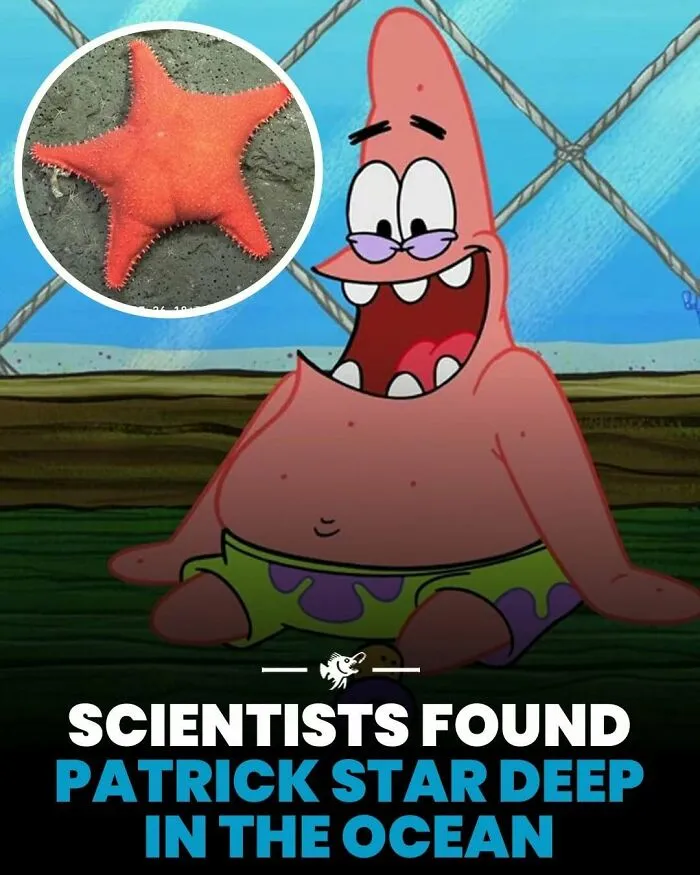
During a deep-sea expedition off the coast of Mar del Plata, Argentina, researchers streamed live footage from nearly 4,000 meters beneath the ocean’s surface using a remotely operated vehicle. In the glow of the submersible’s lights, viewers noticed a bright pink starfish resting on the seafloor, its shape and color strikingly similar to Patrick Star from SpongeBob SquarePants. Screenshots spread quickly, turning a scientific broadcast into an unexpected pop culture moment.
Report
12points
#53
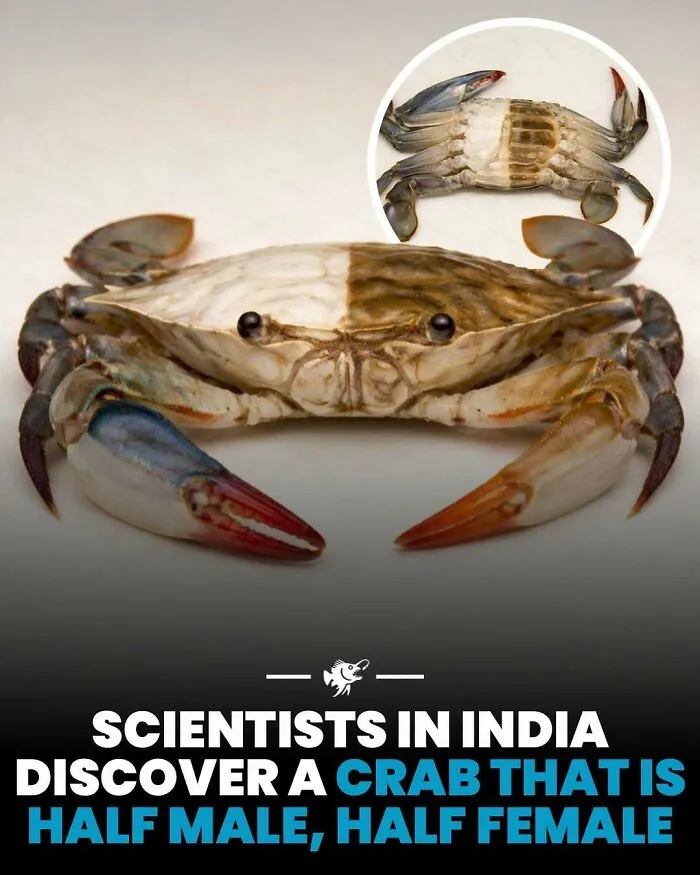
Scientists in India have identified a rare crab exhibiting bilateral gynandromorphism, a condition where one side of the body develops as male and the other as female. The split is visibly defined, with differences in claws and shell structure creating a near-perfect divide down the middle.
Cases like this are extremely uncommon and offer insight into how genetic development can diverge during early growth. For researchers, it provides a rare opportunity to study how biological traits form and how deviations from typical patterns can occur in nature.
Report
12points
#54
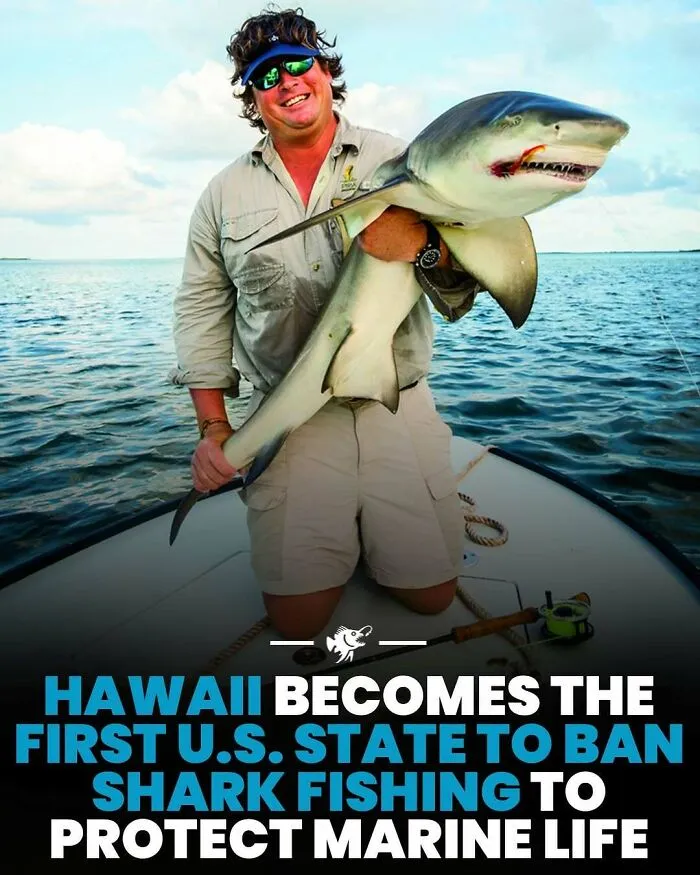
Hawaii has enacted one of the strongest shark protections in the United States, making it illegal to knowingly capture, entangle, or kill sharks in state marine waters. The law carries penalties of up to $10,000, reinforcing a shift toward stricter conservation policy.
Report
12points
#55
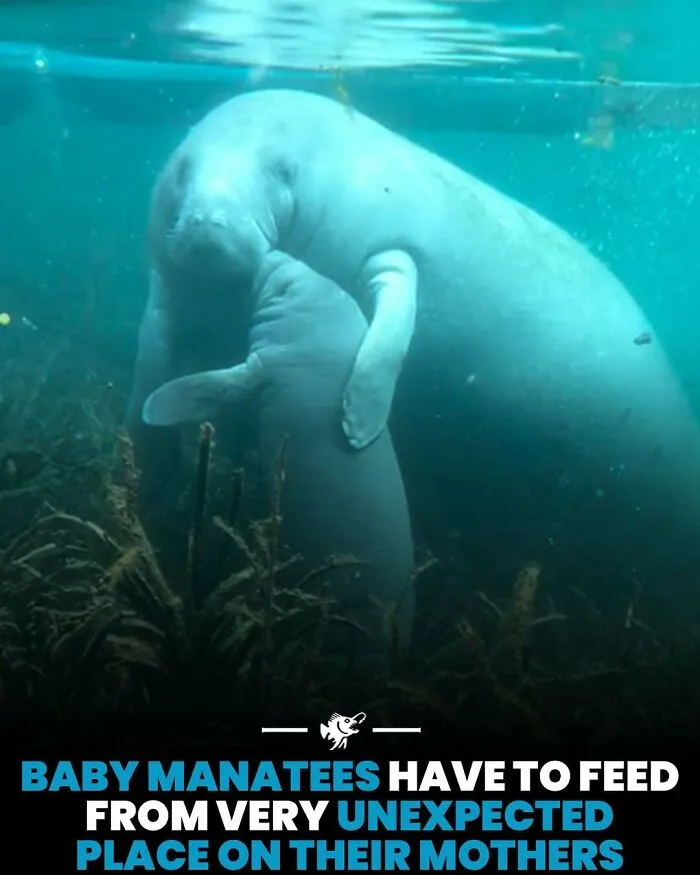
Manatees have nipples tucked just behind their flippers, near what looks like an armpit. Calves nurse from these small teats underwater, often beginning within hours of birth and instinctively staying pressed to their mother's side. Feeding happens in short sessions throughout the day, usually only a few minutes at a time.
Report
12points
#56
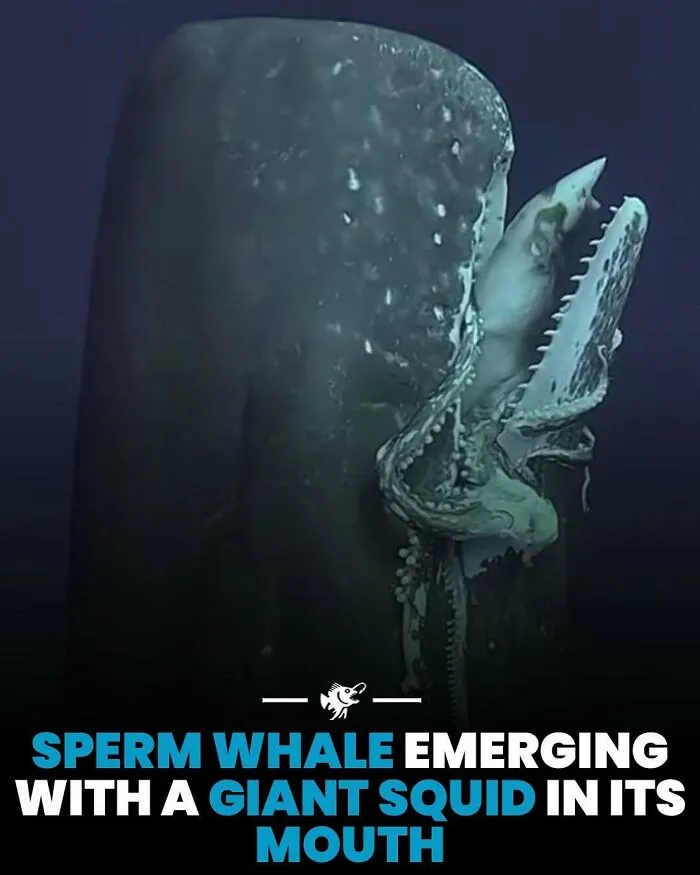
These deep-sea hunters operate far below the reach of sunlight, diving beyond 800 meters and relying entirely on biosonar to track their prey. Clear sightings near the surface are almost nonexistent. The most iconic photo was taken back in 2009 off Ogasawara, Japan, with only a handful of reports since.
Every encounter like this offers rare clues about how these predators hunt, how mothers may share prey with young, and the crucial role sperm whales play in the deep-sea food chain. It’s more than a dramatic image—it’s a fleeting look into one of the ocean’s most hidden battles.
Report
11points
#57
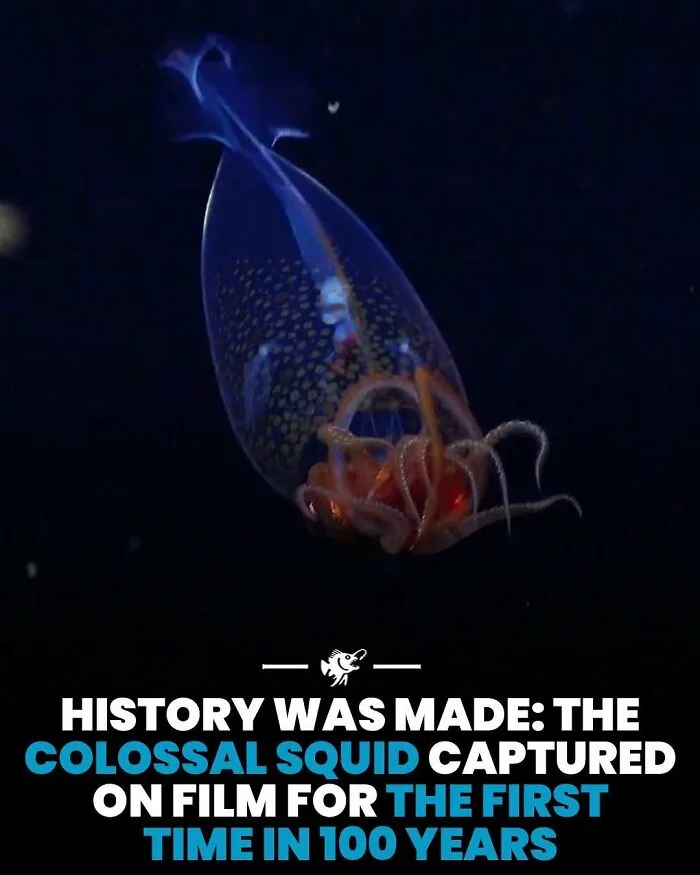
Back in April, scientists from the Schmidt Ocean Institute filmed a live juvenile colossal squid (scientific name Mesonychoteuthis hamiltoni) about 30 cm long drifting at ~600 m depth near the South Sandwich Islands in the South Atlantic Ocean.  This marks the first confirmed time this elusive species has been observed alive in its deep-sea natural habitat (previously only deceased or by-caught specimens were known).
Report
11points
#59
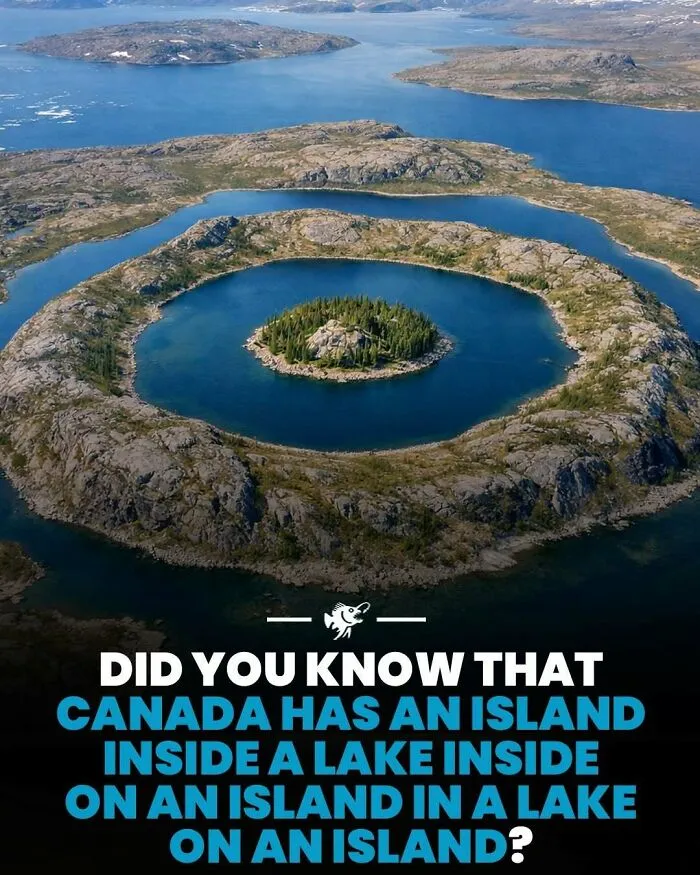
Canada is home to one of the most unusual geographic formations on Earth, an island inside a lake, inside an island, inside another lake, all nested within Victoria Island in Nunavut.
Often described as a “sub-sub-sub island,” the remote feature sits far from any settlement and wasn’t identified until 2007, when it was spotted through satellite imagery on Google Maps.
Report
11points