







Shockingly, the ocean covers the majority of our planet, but the absolute majority of it remains unexplored to this day. The waves hide many mysteries, but countless hardworking researchers shed light on what happens underwater and in coastal areas.
Some of the coolest, creepiest, and weirdest science facts about the “deep dark seas” get featured on the popular ‘The Weird Unknown’ Instagram account. We’ve curated the most intriguing posts to expand your mind, give you a fresh perspective about Planet Earth, and even shock you with how bizarre nature can be. Scroll down to keep diving.
#61
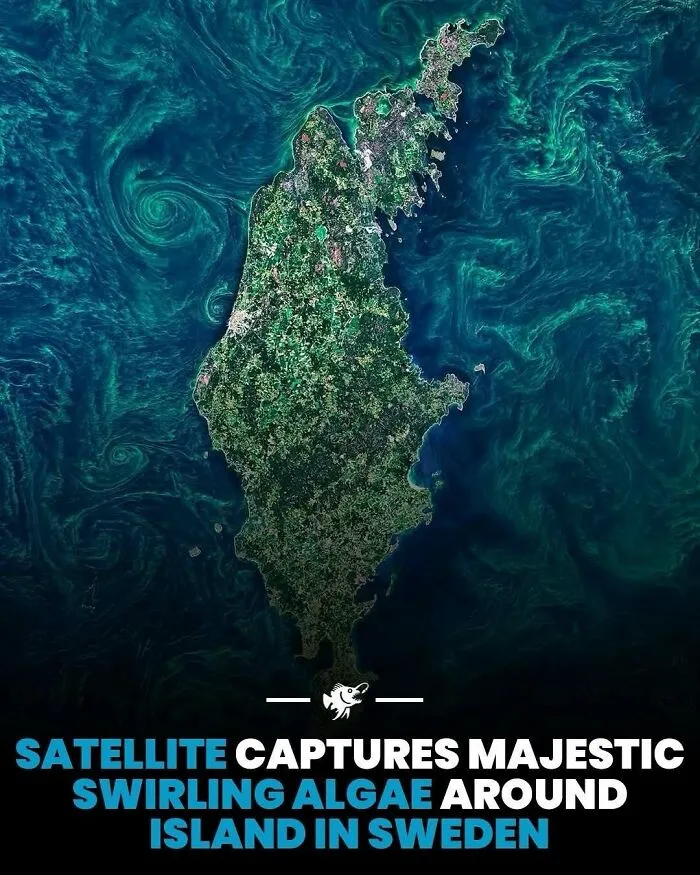
Each summer, the Baltic Sea—especially near Sweden’s largest island, Gotland—transforms with vibrant, swirling green patterns caused by algal blooms. These stunning formations are made up mostly of cyanobacteria, often referred to as blue-green algae.
Report
10points
#62
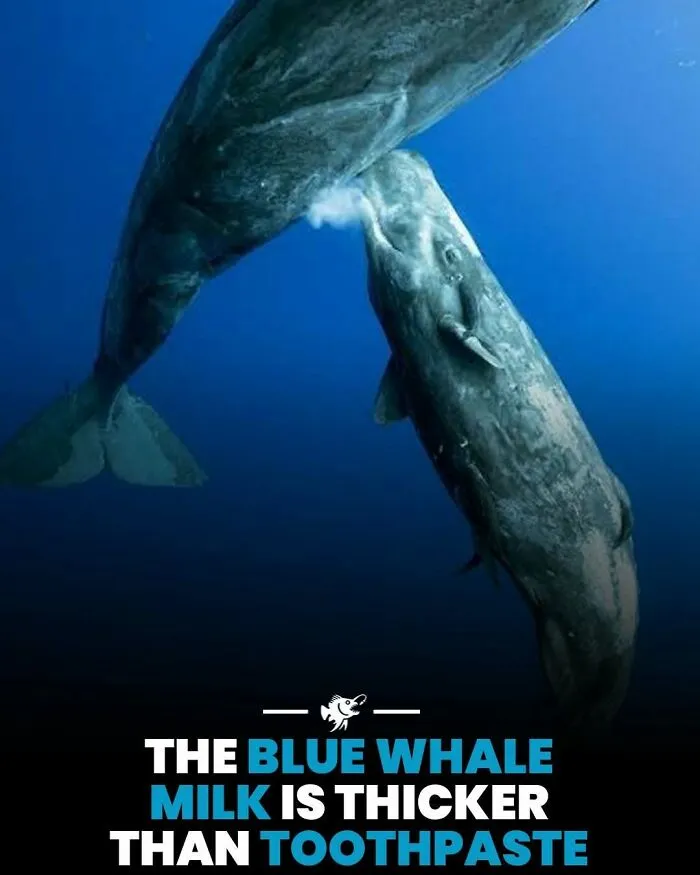
Blue whale milk has the consistency of toothpaste. The thick, paste-like texture is not random. It is an adaptation built specifically for the underwater environment, where a thinner liquid would dissolve and disperse into the surrounding seawater before the calf could feed. The dense composition lets the calf consume it almost like a substance rather than a drink.
Report
10points
#63
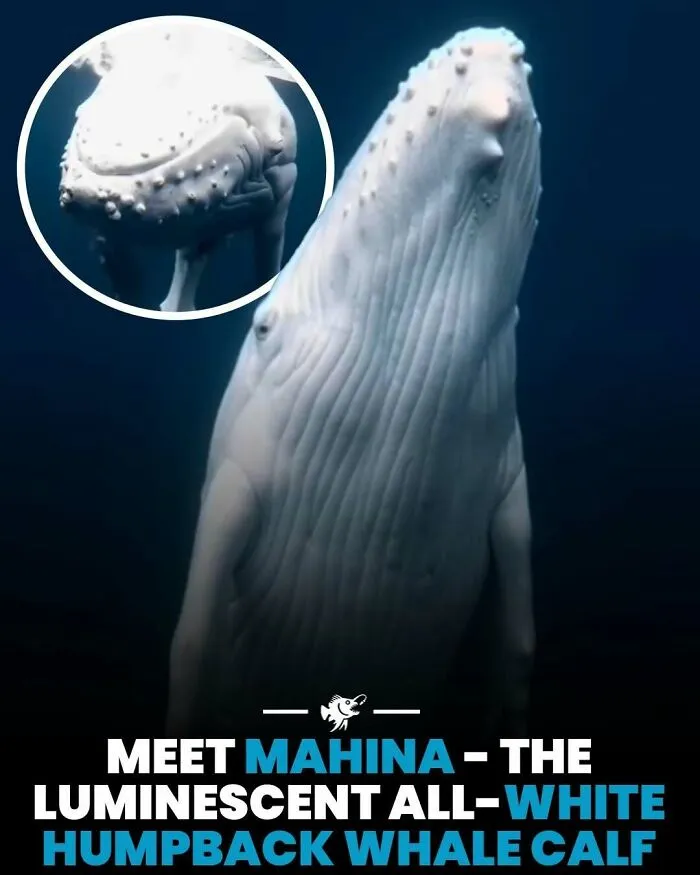
A luminescent all-white humpback whale calf has been spotted near the islands of Vava'u in Tonga, drawing global attention as one of the rarest sightings in recent marine biology. The calf, named Mãhina, meaning "moon" in Tongan, was first observed in August. Her bright white coloration gives her the appearance of a full moon glowing beneath the surface of the South Pacific, the visual that earned her the name.
Report
10points
#65
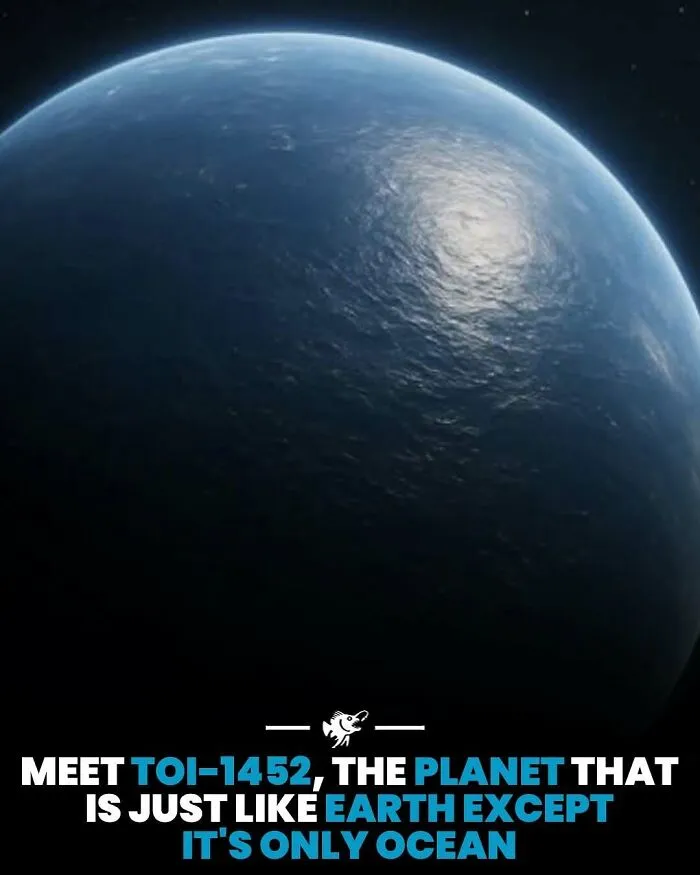
TOI‑1452 b, located roughly 100 light-years from Earth, is stirring excitement among astronomers as a strong candidate for an “ocean world” — a planet potentially blanketed by a massive global sea. Orbiting a red-dwarf star every 11 days, it’s about 67% larger than Earth and nearly five times heavier. But its relatively low density hints that a significant portion of that mass — up to 30% — could be water, far more than what we see on Earth.
Report
9points
#66
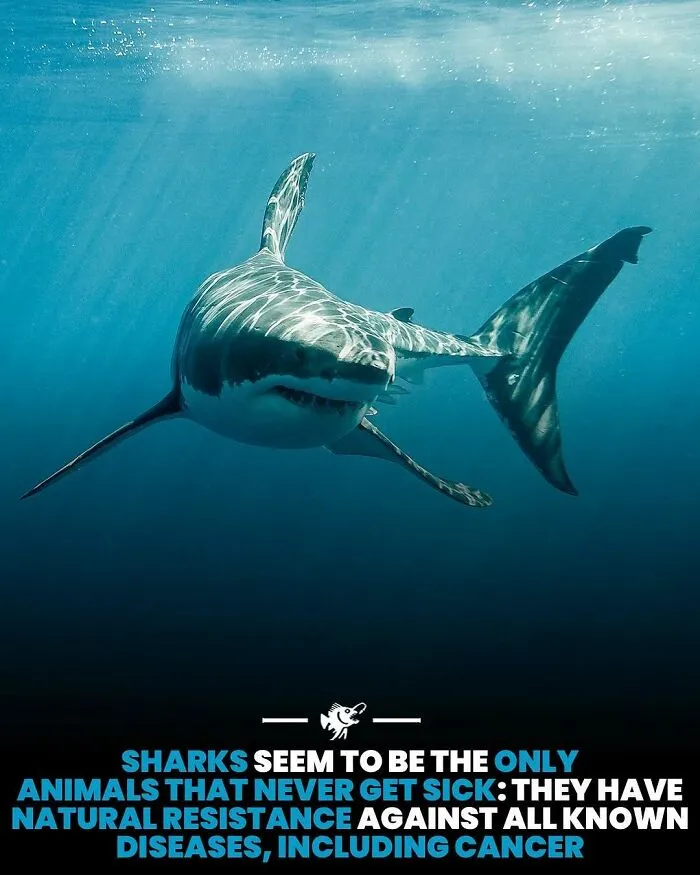
Sharks possess an unusually robust biology that allows them to fend off many diseases with a resilience unmatched by most other species. While not completely immune, their ability to resist conditions like cancer has fascinated scientists for decades. Their bodies are built for survival, thriving in environments where pathogens are common and injury is inevitable.
This resistance is linked to several key traits: an exceptionally strong immune system, rapid wound healing, and specialized cellular mechanisms that suppress abnormal growth. Their cartilage-based skeletons also contain compounds believed to play a role in inhibiting tumors. Together, these traits have made sharks a subject of growing interest in biomedical research, offering insights into disease prevention and longevity.
Report
9points
#67
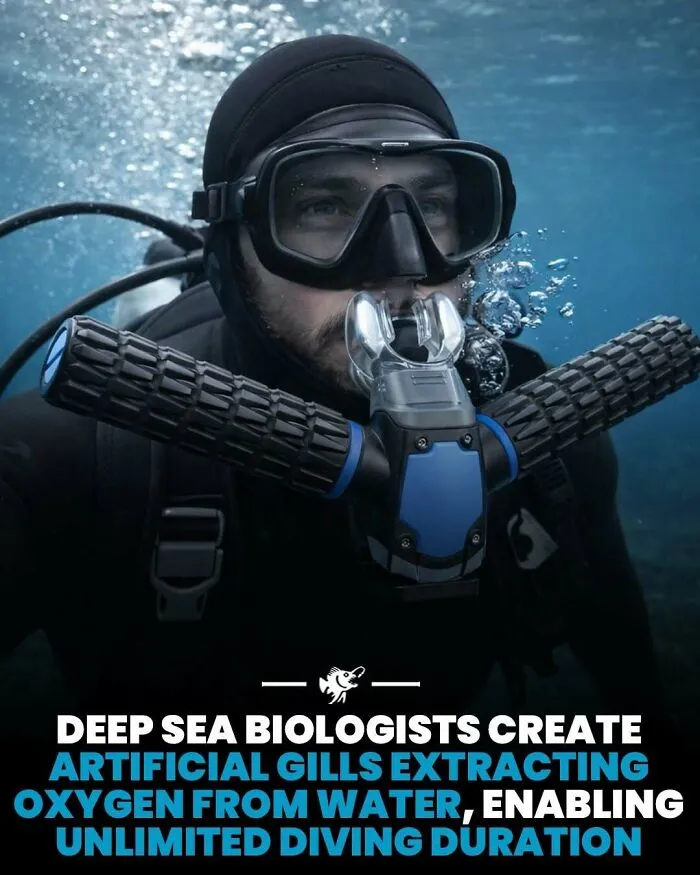
Researchers in Germany are developing a system that allows underwater robots to draw oxygen directly from seawater, similar to how fish breathe. The concept uses a microscopic membrane roughly four micrometers thick that extracts dissolved oxygen and feeds it into a hydrogen fuel cell, producing electricity while the vehicle remains submerged.
Report
9points
#68
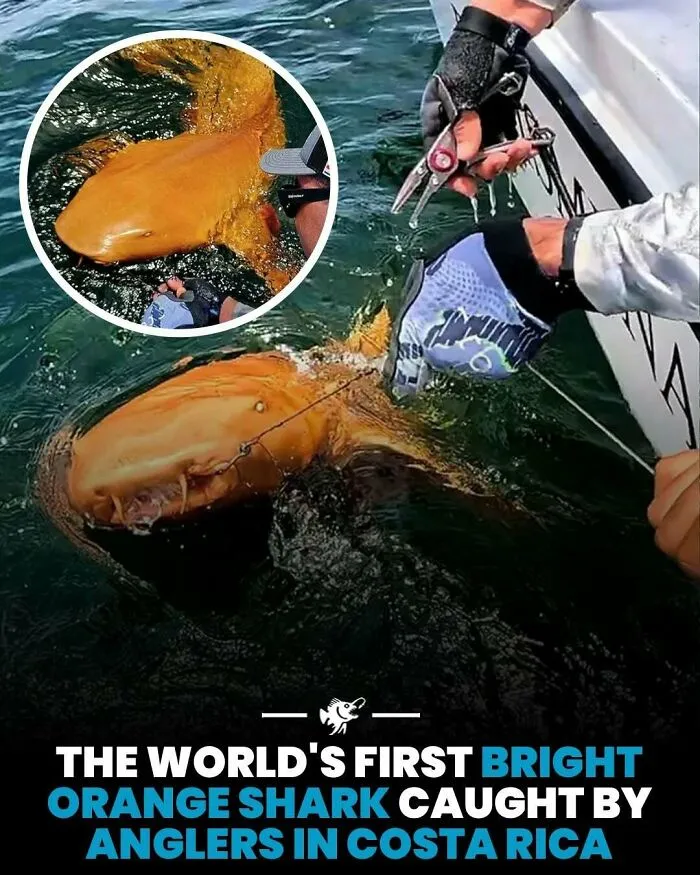
Marine biologists were stunned when fishermen in the Caribbean encountered a nurse shark with a bright orange glow beneath the water. Nicknamed the “Creamsicle” shark, the animal stood out dramatically from typical nurse sharks, which are usually tan or dark brown to blend with the seafloor. The unusual coloration immediately drew scientific interest because such vivid pigmentation had rarely been documented in sharks.
Report
9points
#69
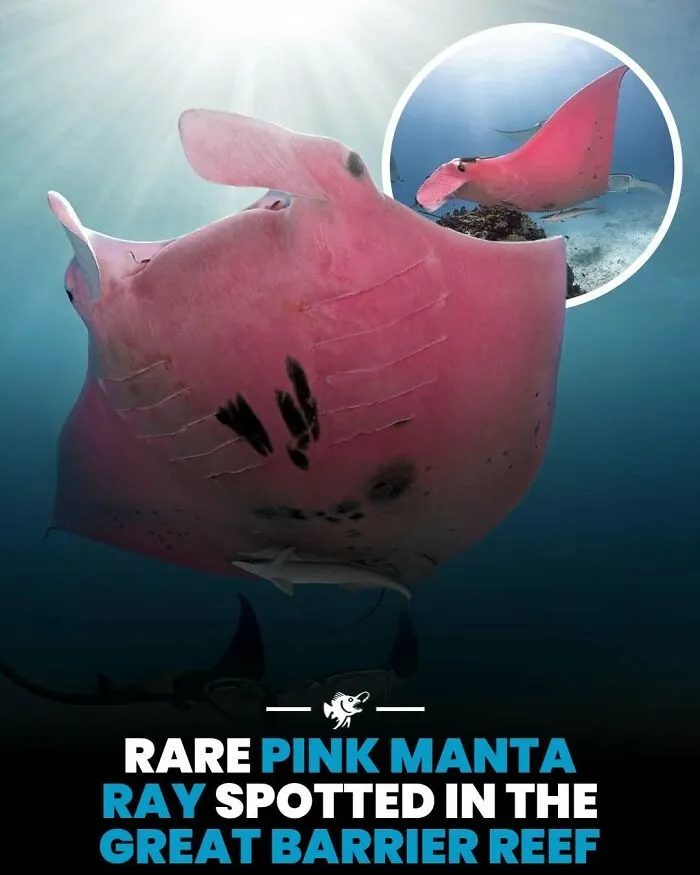
Near Lady Elliot Island on Australia’s Great Barrier Reef, divers encountered something almost impossible to miss: a manta ray tinted soft pink, now known as Inspector Clouseau. The animal spans roughly 3.3 meters and stands as the only recorded manta with this coloration, turning routine sightings into a global curiosity.
Report
9points
#70
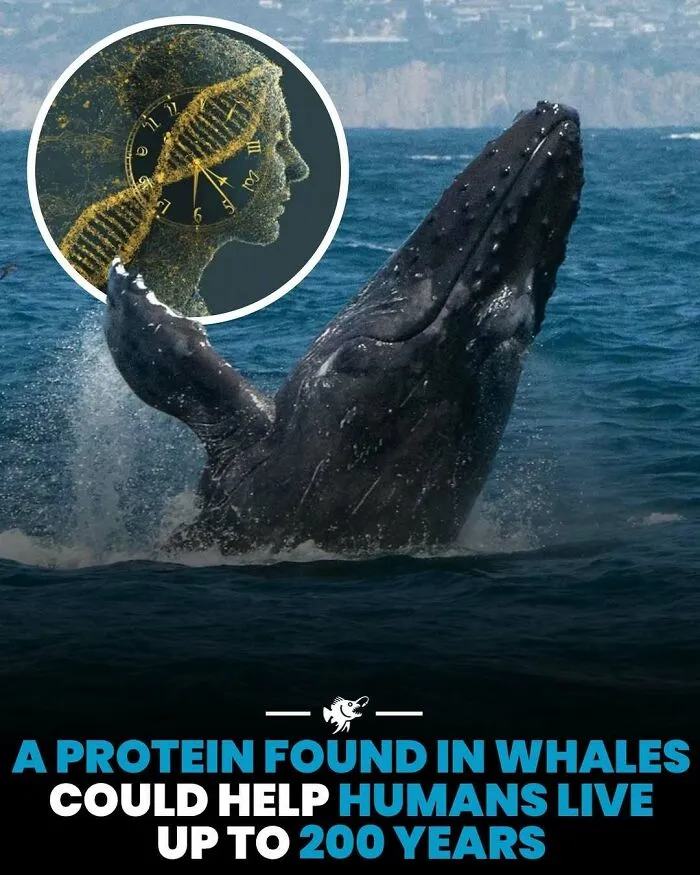
Bowhead whales, among the longest-living mammals, are drawing attention for how they maintain health over more than two centuries. Unlike most species, they show a strong resistance to age-related diseases, including cancer, prompting researchers to study the biological mechanisms behind that longevity.
Report
9points
#71
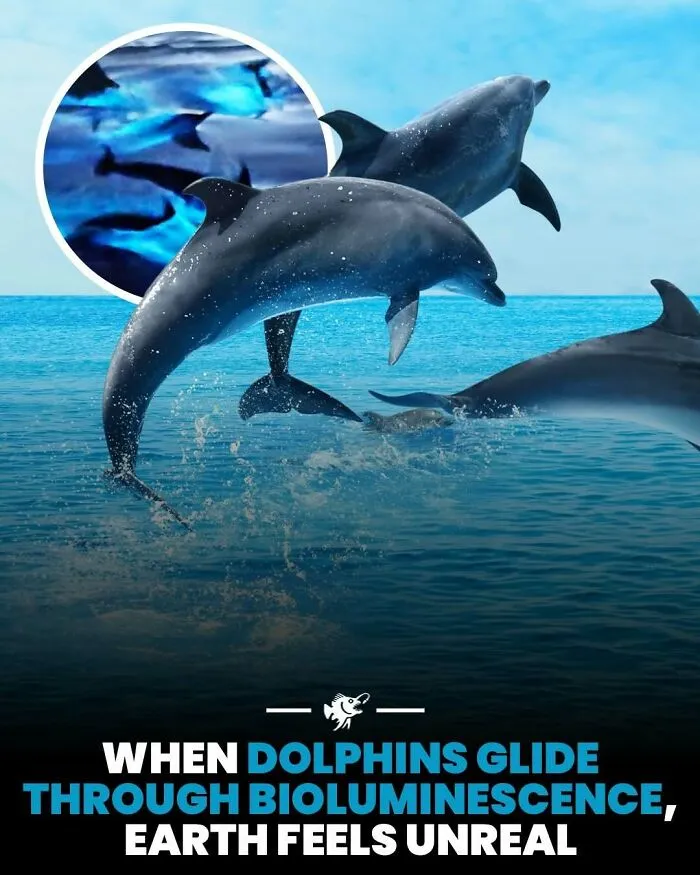
When dolphins cut through dark water at night, they leave streaks of electric blue behind them. It looks unreal, like something lit from beneath.
What’s actually happening is a chemical reaction. Their movement disturbs clouds of dinoflagellate plankton, which respond by releasing light through a luciferin-luciferase process. The glow is instant and vivid, turning the wake into something that resembles liquid neon.
Researchers who track blooms from California to the Arabian Sea say these displays are harmless to the dolphins. They often show up in areas where nutrient-rich water rises to the surface, feeding not just the plankton but the wider ecosystem around it. The light is a side effect of abundance.
Report
8points
#72
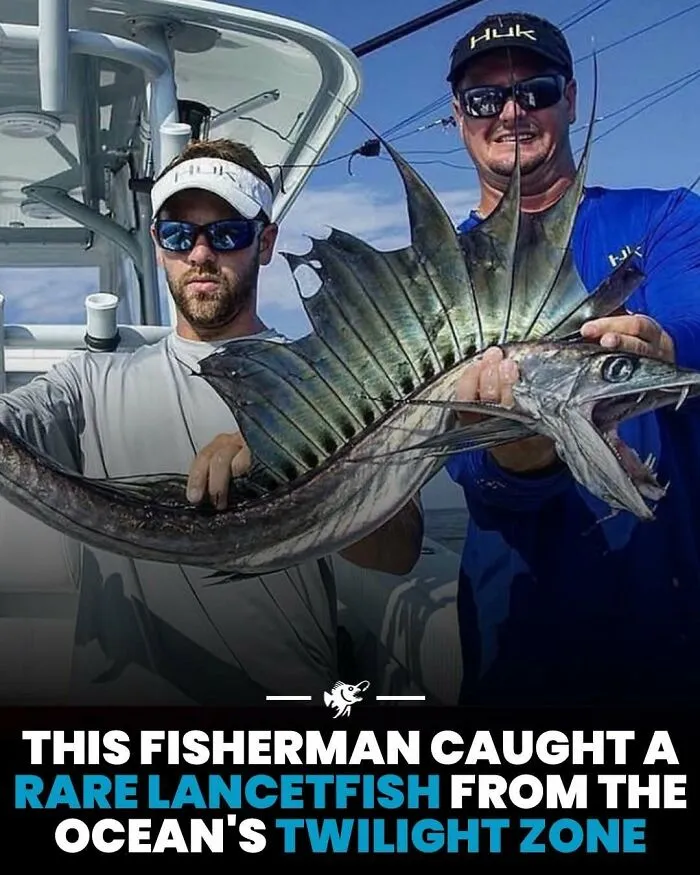
Lancetfish are deep-sea predators built for open-ocean hunting, with long bodies, sharp fangs, and a tall, sail-like dorsal fin. Their silver skin reflects the limited light at depth, helping them blend into their surroundings as they move through waters thousands of feet below the surface.
Report
8points
#73
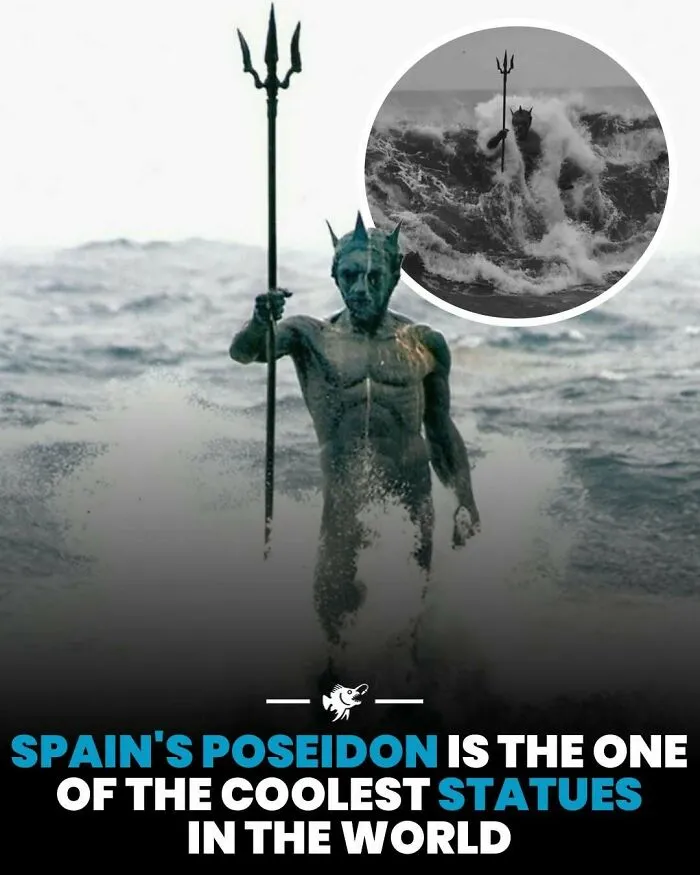
The Neptuno de Melenara stands just off Melenara Beach on Gran Canaria, a bronze figure rising from the rocks as if pulled straight from the Atlantic. The statue depicts Neptune, trident in hand, positioned so the tide and light constantly reshape how he appears from shore. At roughly four meters tall, it reads less like a monument and more like part of the coastline itself.
Created by sculptor Luis Arencibia, the piece reflects the island’s long relationship with the sea, anchored in daily life rather than mythology.
Report
7points
#74
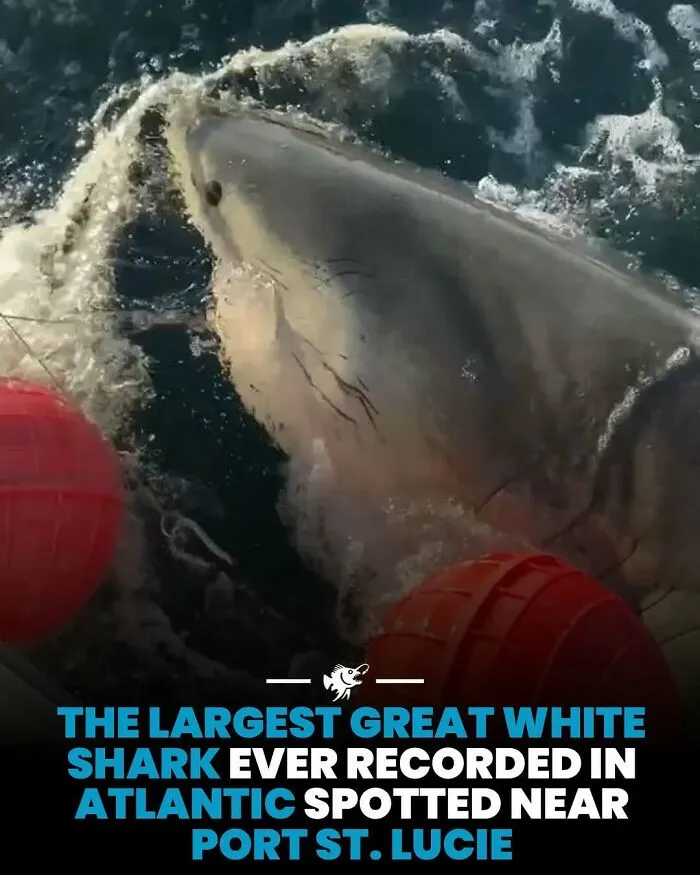
The largest great white shark ever documented in the Atlantic has resurfaced off Florida’s east coast, spotted between Cape Canaveral and Port St. Lucie. Known as Contender, the massive shark measures roughly 14 feet in length and weighs just under 1,700 pounds, making him the biggest recorded specimen of his kind in Atlantic waters.
Report
7points
#75
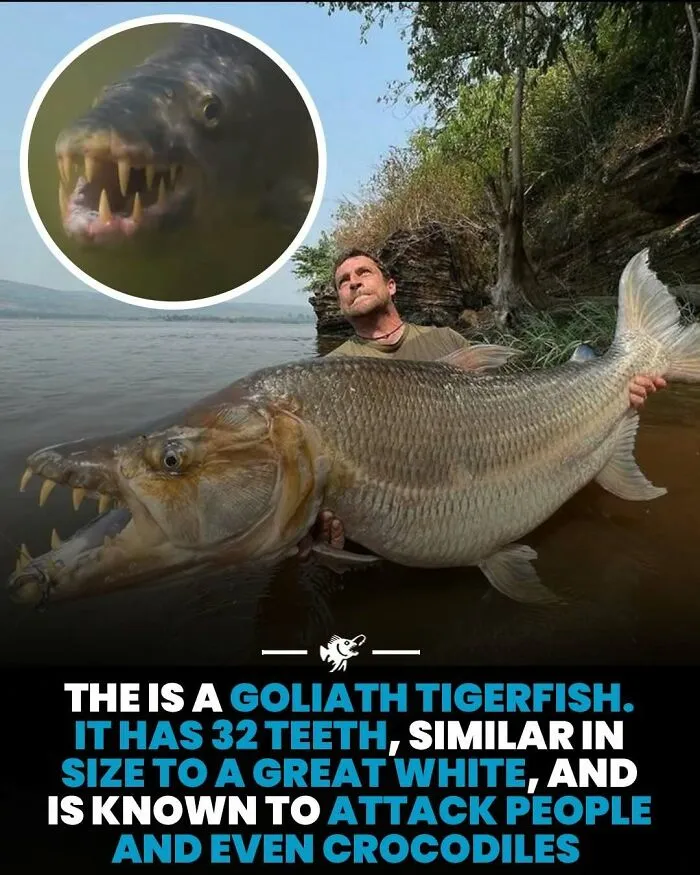
The Goliath Tigerfish is one of the most aggressive freshwater predators, native to the Congo River Basin. It can grow beyond 5 feet and exceed 100 pounds, with large, interlocking teeth designed to cut through prey with precision.
It hunts other sizable fish and relies on speed and force to dominate its environment. Its reputation comes from both its physical structure and behavior, placing it among the most formidable predators found in river systems.
Report
7points
#76
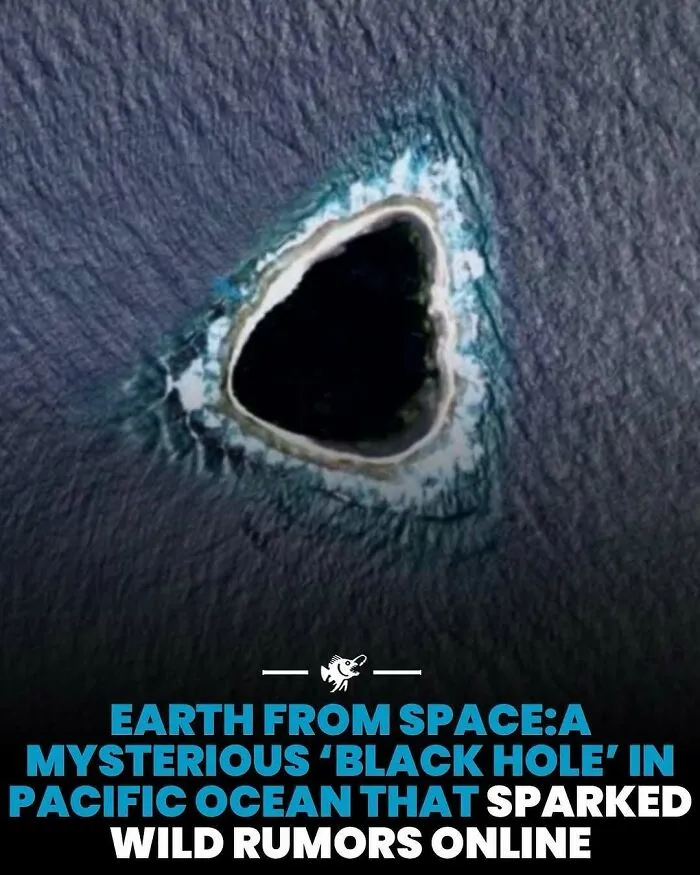
A strange black triangle in the middle of the Pacific went viral in 2021 after sharp-eyed users spotted it on Google Maps and started speculating about classified military sites, hidden bases, or some kind of geological anomaly. The reality turned out to be smaller, stranger, and entirely natural.
Report
7points
#77
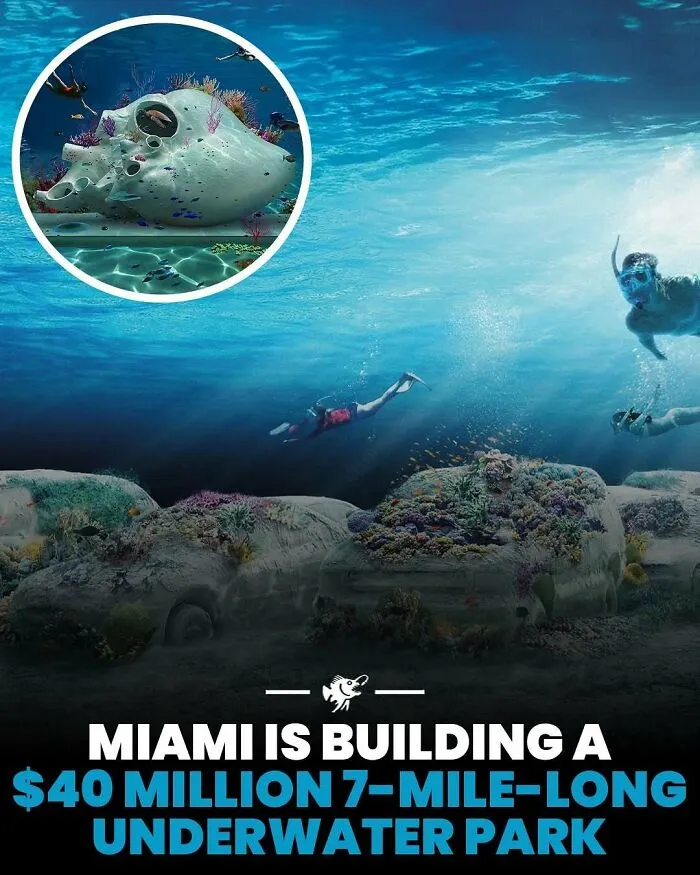
Miami Beach is merging environmental protection with public art in an ambitious new project called The ReefLine—a seven-mile underwater sculpture park that also functions as an artificial reef. Situated just off South Beach, the installation is designed to foster coral growth and marine biodiversity while offering divers and snorkelers a unique cultural experience beneath the waves.
Report
6points
#78
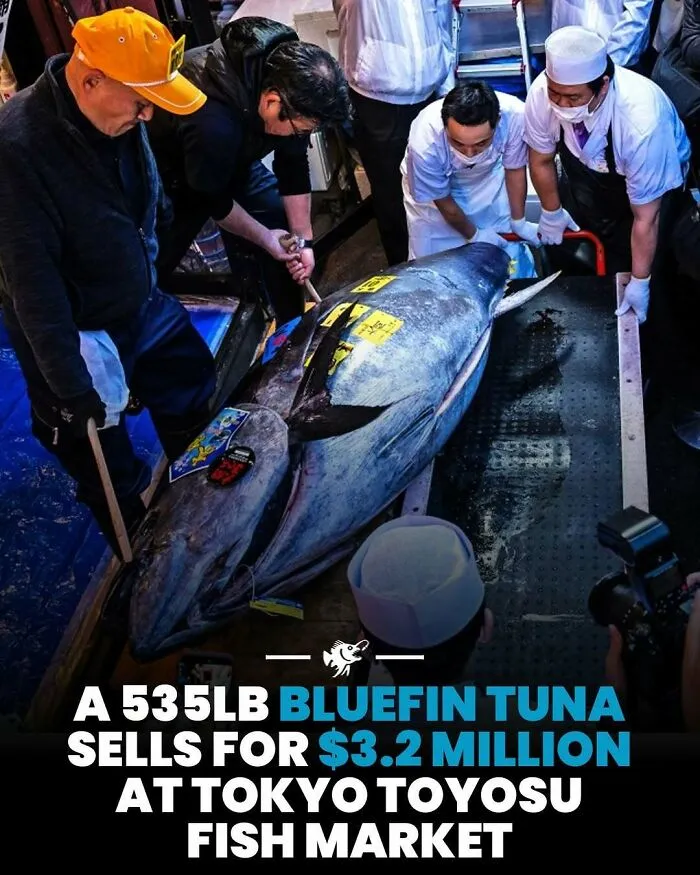
A 535 pound bluefin tuna has sold for $3.2 million at the Toyosu Fish Market, one of the most prestigious seafood auction venues in the world. The sale instantly drew attention for its scale, even by Tokyo standards, where record setting bids are treated as both commerce and spectacle.
Report
5points
#79
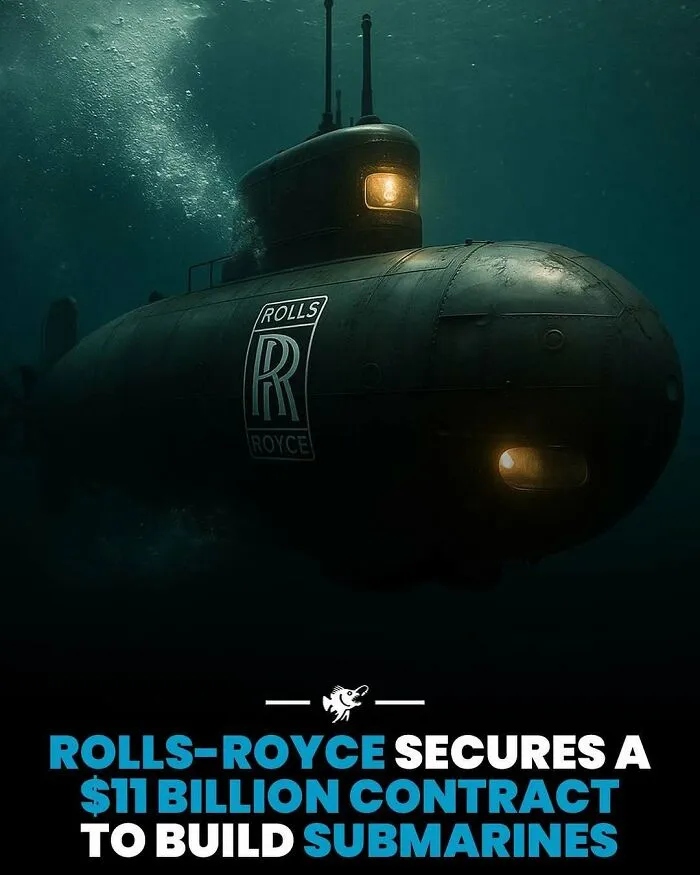
Rolls-Royce has secured an $11 billion contract from the UK government to lead the design, production, and maintenance of nuclear submarines for the Royal Navy over the next eight years. The massive deal is not just a defense upgrade—it’s a major economic driver, aimed at strengthening both national security and industrial output.
Report
3points
