







Shockingly, the ocean covers the majority of our planet, but the absolute majority of it remains unexplored to this day. The waves hide many mysteries, but countless hardworking researchers shed light on what happens underwater and in coastal areas.
Some of the coolest, creepiest, and weirdest science facts about the “deep dark seas” get featured on the popular ‘The Weird Unknown’ Instagram account. We’ve curated the most intriguing posts to expand your mind, give you a fresh perspective about Planet Earth, and even shock you with how bizarre nature can be. Scroll down to keep diving.
#21
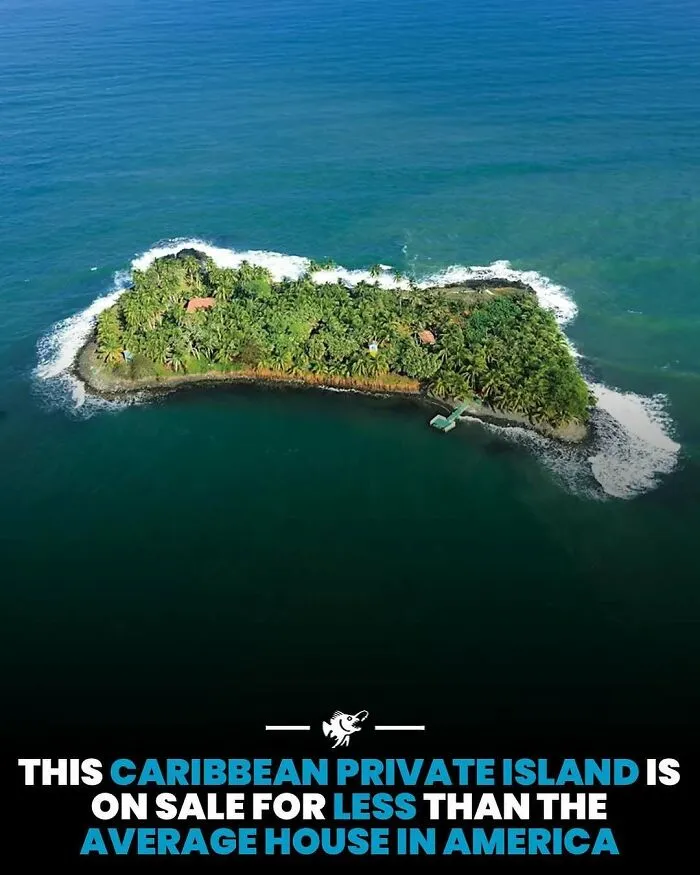
Iguana Island, a secluded slice of paradise off Nicaragua’s Caribbean coast, has officially hit the market. Located about 12 miles from Bluefields, the five-acre retreat comes fully equipped with a three-bedroom home, lush tropical surroundings, and even its own staff to keep things running smoothly.
The asking price? Just $475,000 — less than the cost of many city apartments. For buyers chasing privacy, natural beauty, and a ready-made escape, the listing offers the rare chance to literally own an island. The question is: who’s ready to make it theirs?
Report
16points
#22
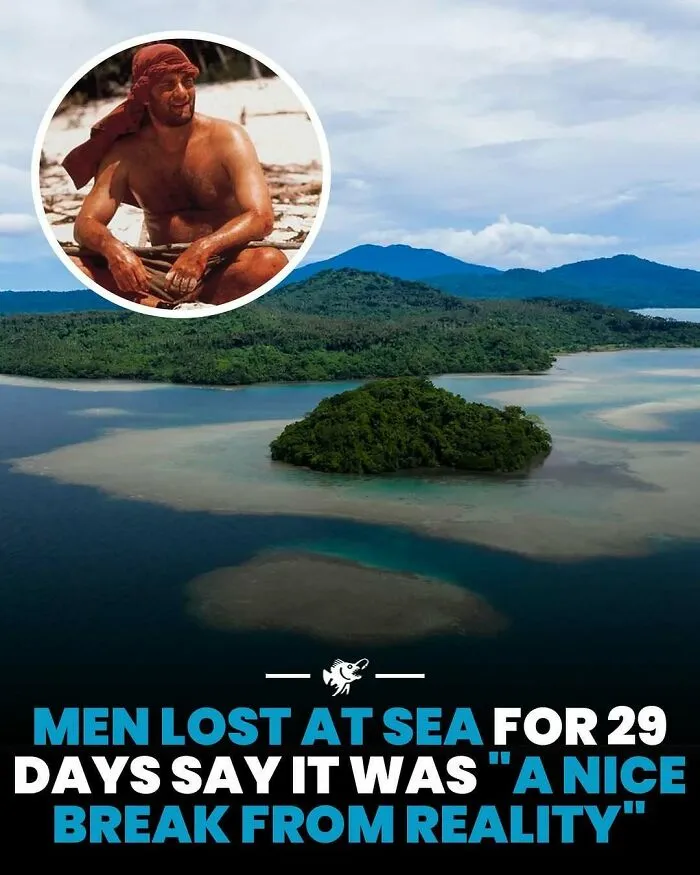
In 2021, the pair set out in a small motorboat with a sack of oranges and plans to travel 200 kilometers south to Niro on New Georgia Island, a familiar route. But when storm clouds rolled in and visibility vanished, they shut off their engine to conserve fuel and wait it out. The weather had other plans. Winds and rain pushed their boat 400 kilometers off course, sending them drifting northwest into unfamiliar waters.
Report
16points
#23
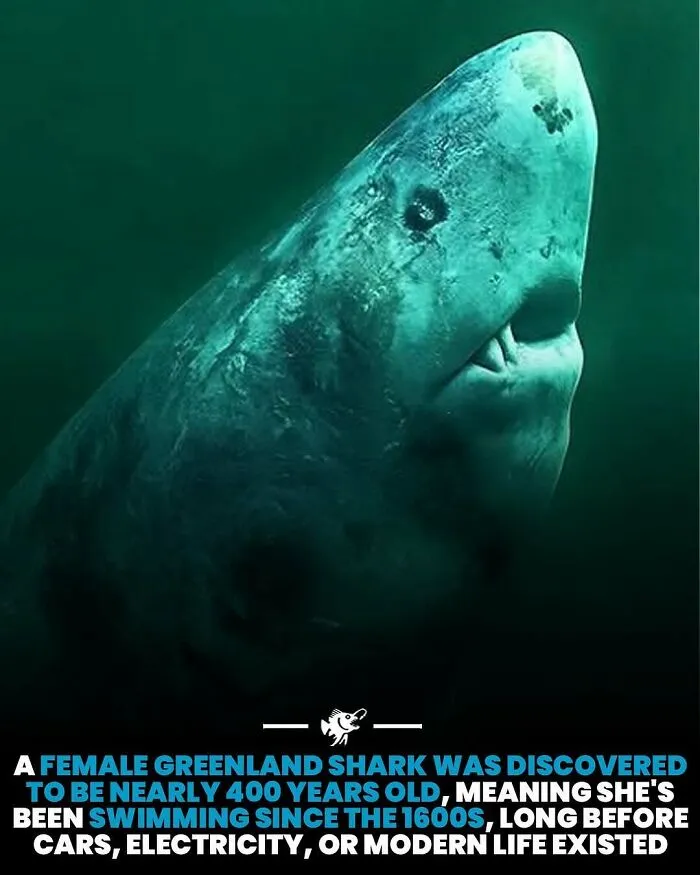
This living relic was already swimming through cold, lightless waters when Newton was formulating physics and the first telescopes were peering at the stars. As empires rose, technologies exploded, and the modern world took shape, she remained in the deep—unchanged, undisturbed.
Greenland sharks are the longest-living vertebrates known to science. One lifetime stretches across centuries of human history, from the dawn of industry to the digital age. And she’s still there—moving through the dark, carrying centuries in silence.
Report
16points
#24
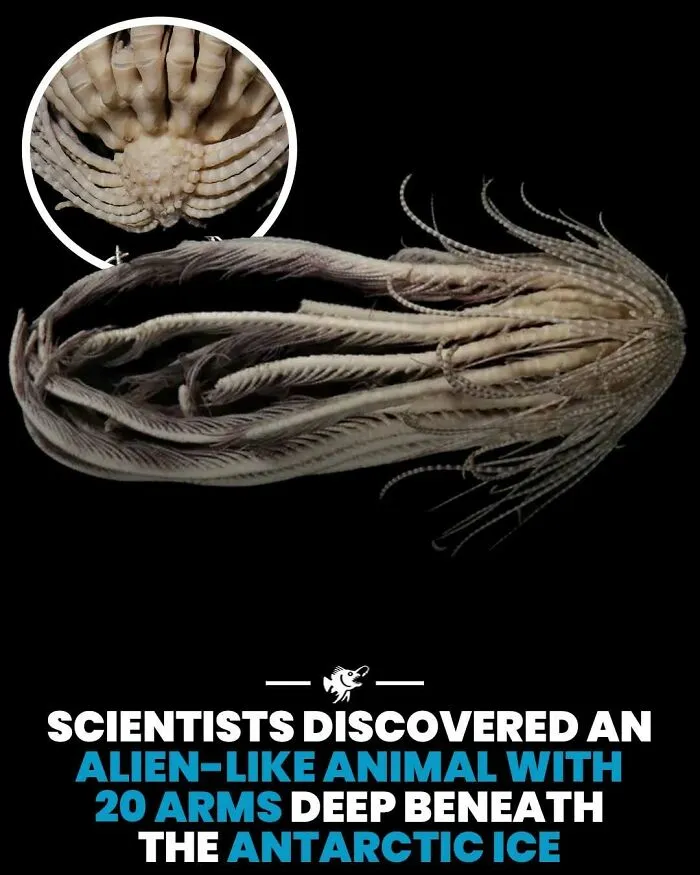
Scientists recently discovered the Antarctic strawberry feather star nearly 3,800 feet beneath the ocean off Antarctica—a deep-sea creature that looks more alien than earthly. With a central body resembling a strawberry and twenty feathery arms extending like delicate streamers, it drifts through icy waters collecting plankton.
The find highlights how little we still know about life in extreme environments. Each new species uncovered in the deep gives researchers insight into how organisms evolve and adapt in places once thought uninhabitable.
Report
16points
#25
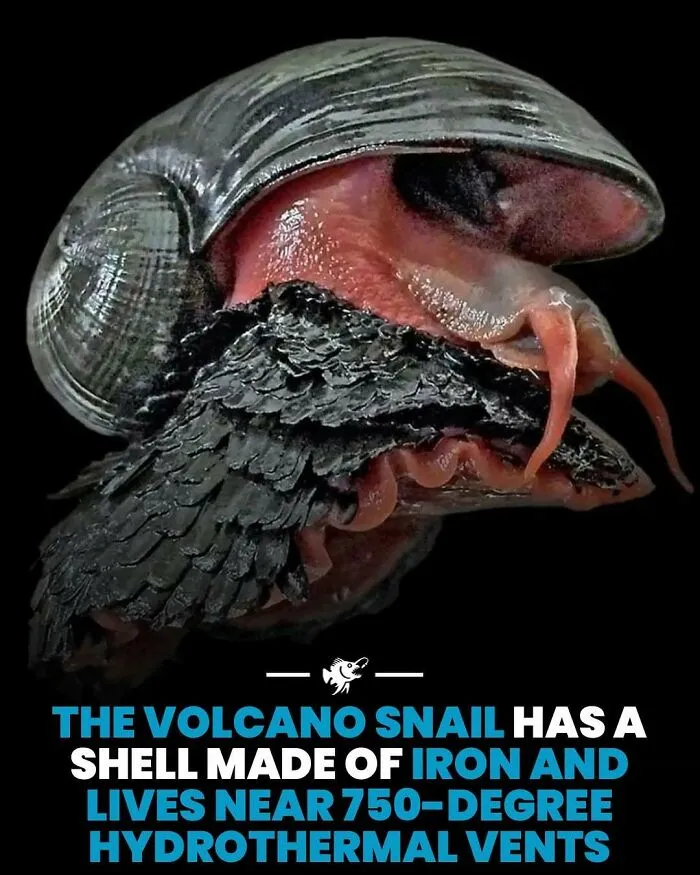
Meet the scaly-foot gastropod, also known as the volcano snail — a creature built for extreme conditions. This deep-sea marvel has a shell reinforced with iron sulfide, forming a natural suit of armor that protects it from the harsh environment it calls home. It thrives near hydrothermal vents where temperatures can reach up to 750°F (400°C), surviving in conditions that would destroy most life forms.
Report
16points
#26
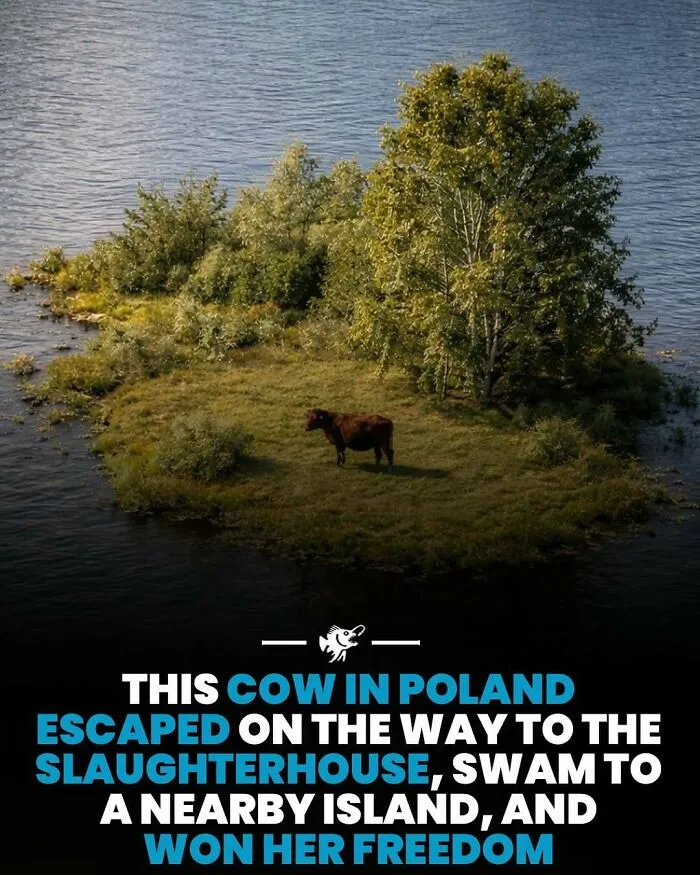
In Poland, a cow destined for slaughter broke free during transport and made an unexpected escape, swimming across a nearby lake to reach a small island.
The animal remained there for weeks, avoiding attempts to bring her back. As news of the unusual standoff spread, public sympathy grew and pressure mounted to spare her life. Authorities ultimately allowed the cow to remain alive rather than returning her to the slaughterhouse, turning the escape into a small but memorable victory for the animal.
Report
16points
#27
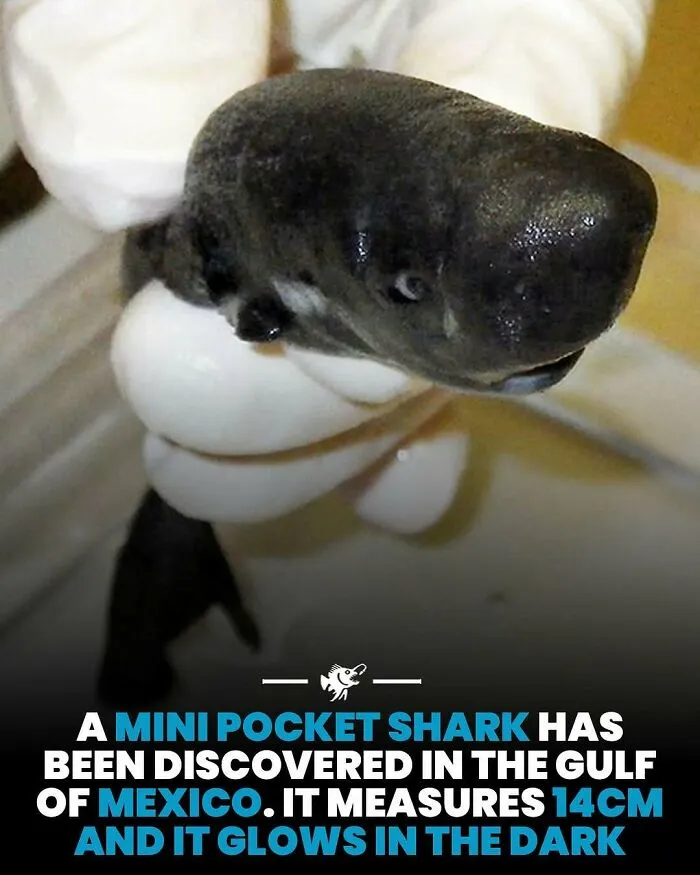
Measuring just 14 centimeters long, this rare species fits neatly into the palm of a hand. With only two specimens ever recorded, it’s one of the most elusive sharks scientists have encountered. The discovery wasn’t even the result of a shark expedition. Researchers collecting deep-sea samples while studying sperm whales stumbled upon the pocket shark years later during analysis. What they found was startling: the shark had tiny pockets near its gills that release bioluminescent fluid, and its skin is dotted with photophores—specialized light-emitting organs.
Report
15points
#28
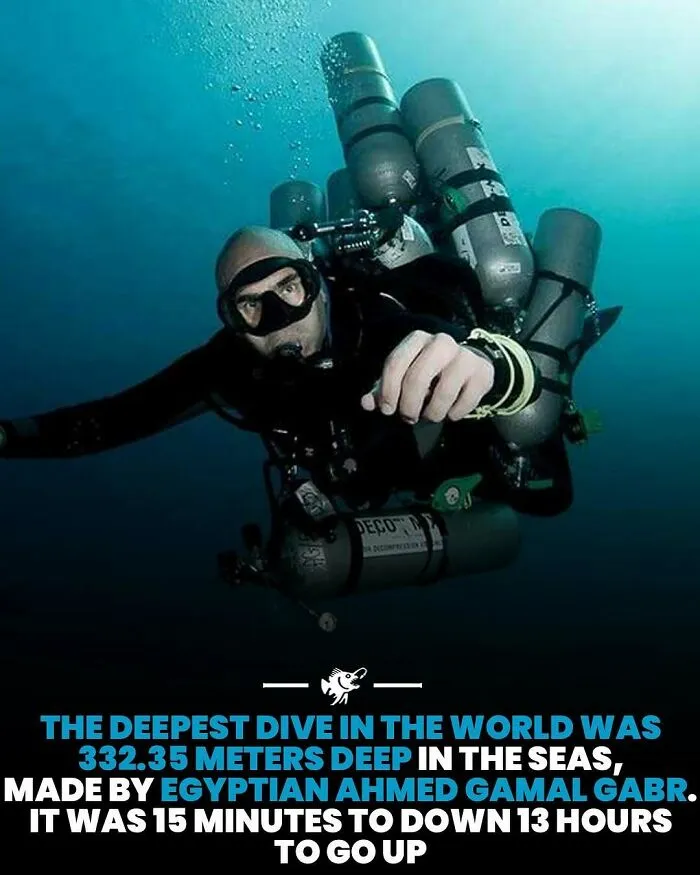
In 2014, Ahmed achieved a record-breaking dive using only oxygen cylinders, a feat that was nearly a decade in the making. His descent required close to 10 years of preparation—training, technical planning, and conditioning to endure the extreme depth.
The delay in his return wasn’t due to error but to mandatory decompression stops. These pauses are crucial for adjusting the body to changing pressure levels during ascent, preventing serious risks like decompression sickness. In deep diving, the climb back to the surface is just as critical as the journey down.
Report
15points
#29
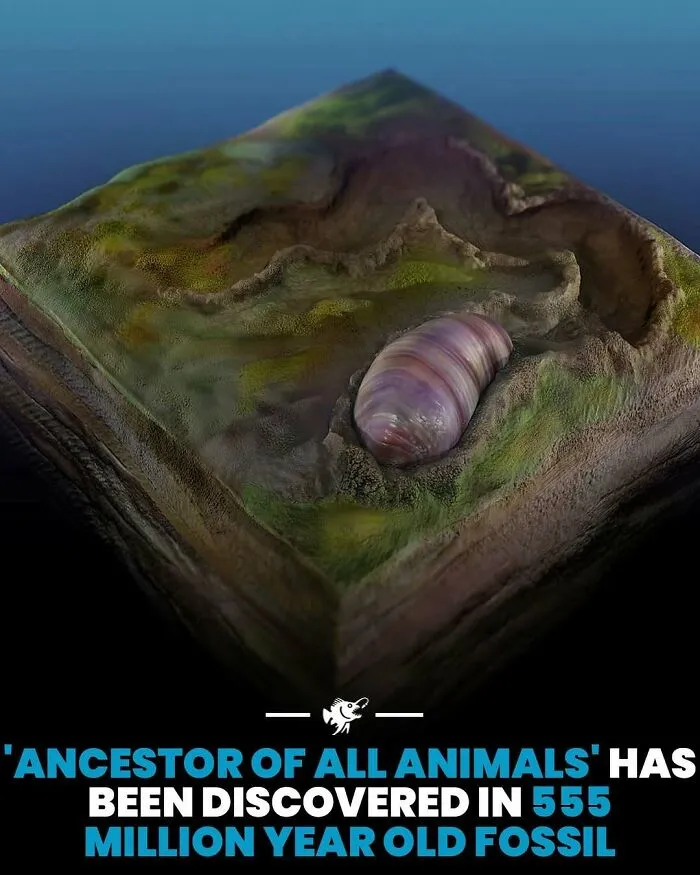
A team of geologists from UC Riverside has identified what may be the oldest known ancestor of nearly all modern animals, including humans. The discovery, detailed in Proceedings of the National Academy of Sciences, centers on a tiny, wormlike creature named Ikaria wariootia. Measuring only a few millimeters, this ancient organism is classified as a bilaterian—an animal with a distinct front and back, symmetrical sides, and a through-gut with openings at each end. These core traits set the blueprint for countless species that followed.
Report
15points
#30
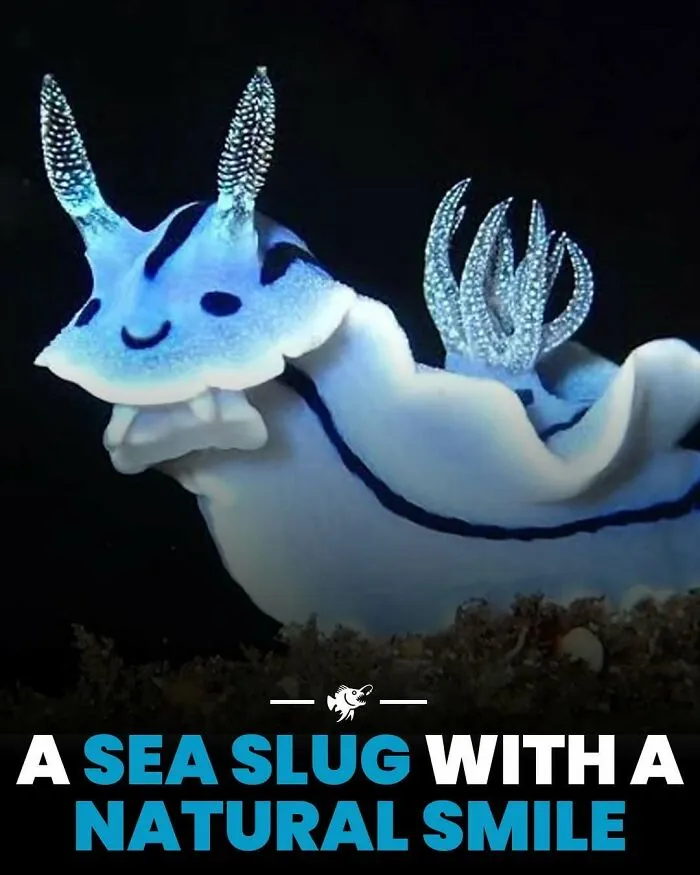
Sea slugs, known as nudibranchs, are marine mollusks that evolved away from protective shells, replacing armor with chemistry and spectacle. Their vivid colors and intricate patterns function as warning signals, advertising toxins or an unpleasant taste derived from what they eat. Some species even appropriate defensive compounds directly from their prey, turning consumed poisons into their own deterrent.
Report
15points
#31
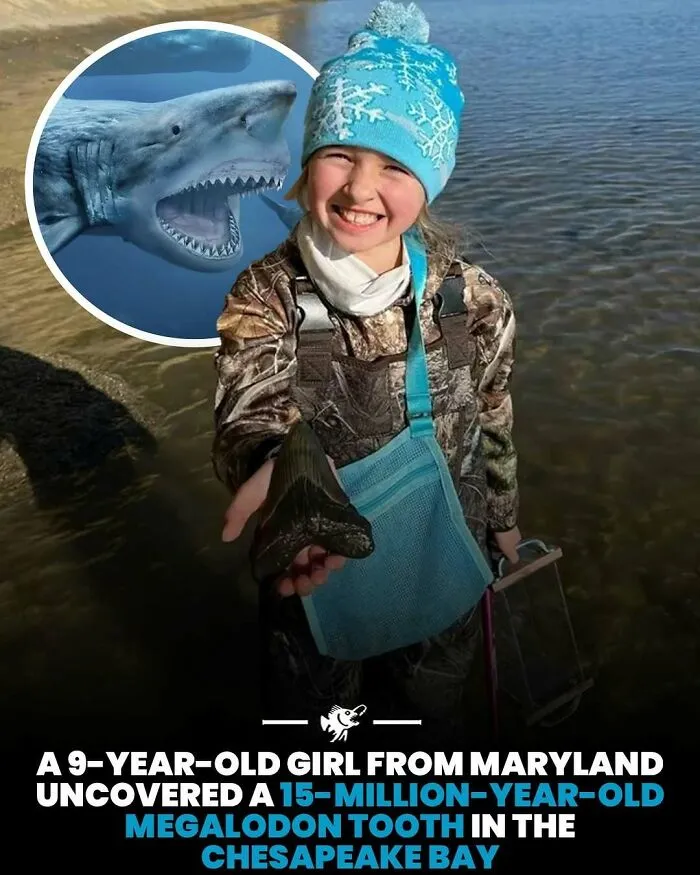
Molly Sampson, a 9-year-old from Maryland, found a five-inch megalodon tooth while wading through the Chesapeake Bay at Calvert Cliffs.
The Calvert Marine Museum confirmed it. The tooth came from the largest shark species that ever lived, dating back roughly 15 million years to the Miocene epoch. Back then, the area was underwater, part of a prehistoric sea.
Report
15points
#34
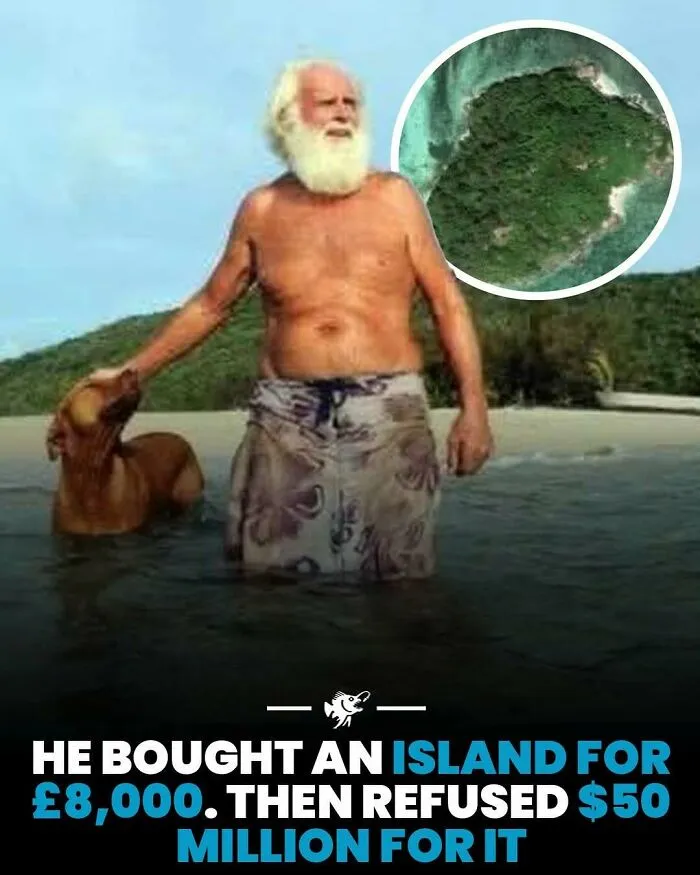
In 1962, Brendon Grimshaw purchased the abandoned Moyenne Island in the Seychelles for £8,000, turning what was essentially an overlooked patch of land into a long-term personal project. Over decades, he reshaped the island into a nature sanctuary, planting around 16,000 trees and reintroducing wildlife, including giant tortoises.
Report
15points
#35
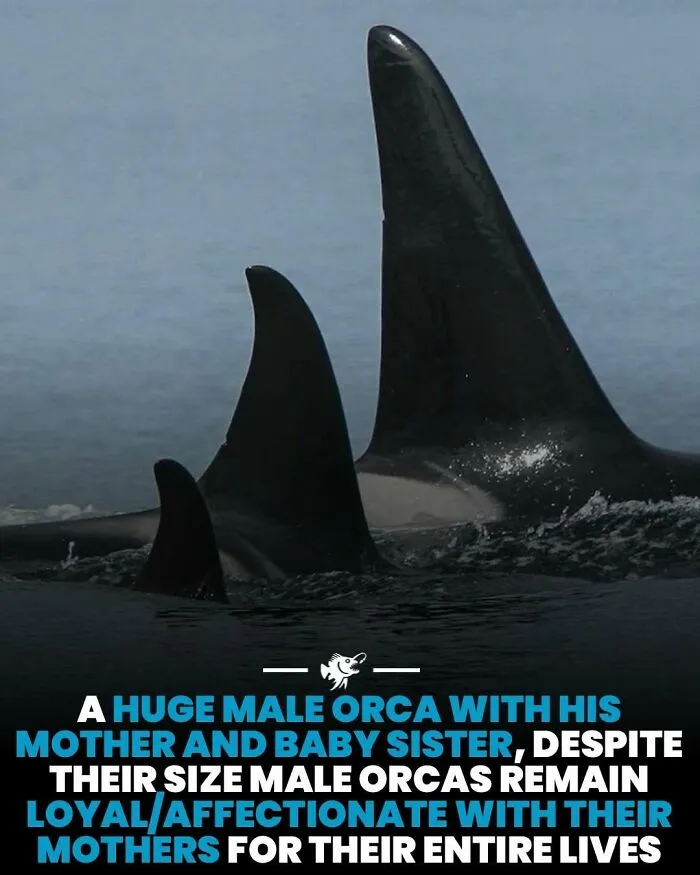
Male orcas develop unusually strong bonds with their mothers and never really leave them. Unlike most mammals, where adult males disperse from the family group, male orcas remain in their mother's pod for life, sometimes for 60 to 80 years. They swim alongside her, hunt with her, and rely on her for guidance long after reaching full size at six tons and 25 feet long.
Report
15points
#36
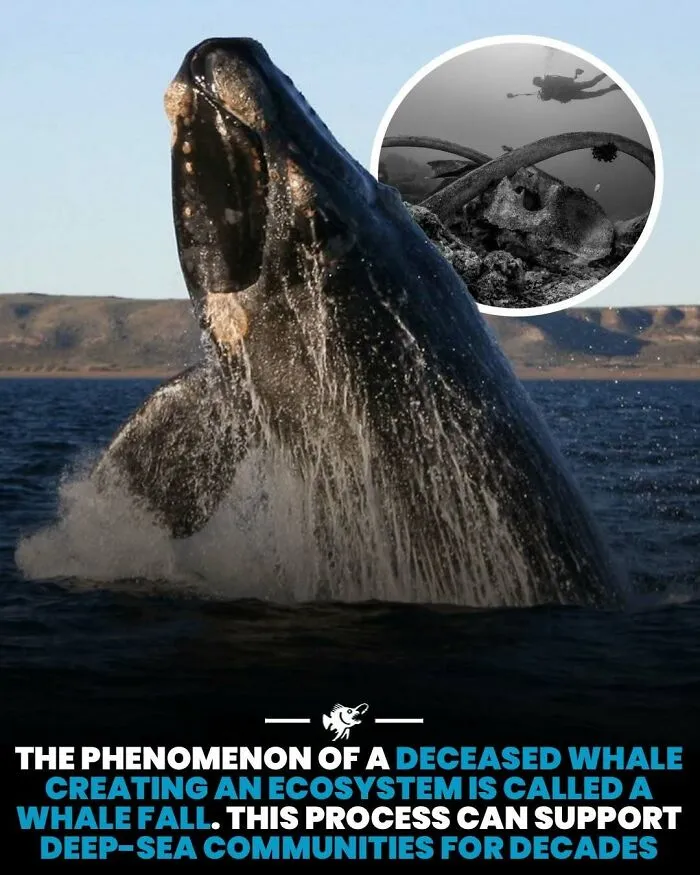
When a whale passes and sinks to the ocean floor, it can spark an entire ecosystem. The process is known as a whale fall, and it unfolds slowly, sometimes supporting deep sea life for decades after the animal’s passing. The massive body becomes a food source in stages. First, scavengers consume soft tissue. Then smaller organisms move in, followed by bacteria that break down bones and release nutrients. In one event, a single whale can sustain dozens of species, many found nowhere else.
Report
14points
#37
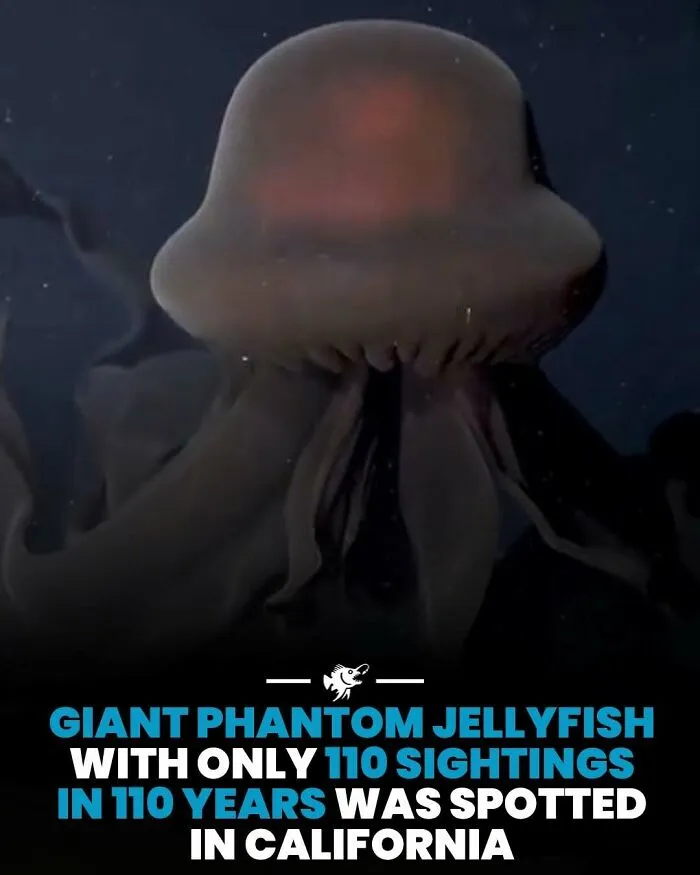
A giant phantom jellyfish was recently observed 3,200 feet below the surface in Monterey Bay, California—a rare event considering only about 110 of these creatures have been officially documented in the past century. With a bell that can reach 3.3 feet across and trailing arms stretching up to 33 feet, the species remains mysterious.
Typically found as deep as 22,000 feet, these jellyfish are believed to feed on plankton and small fish. Their elusive nature and extreme habitat make each sighting a significant scientific event.
Report
14points
#38
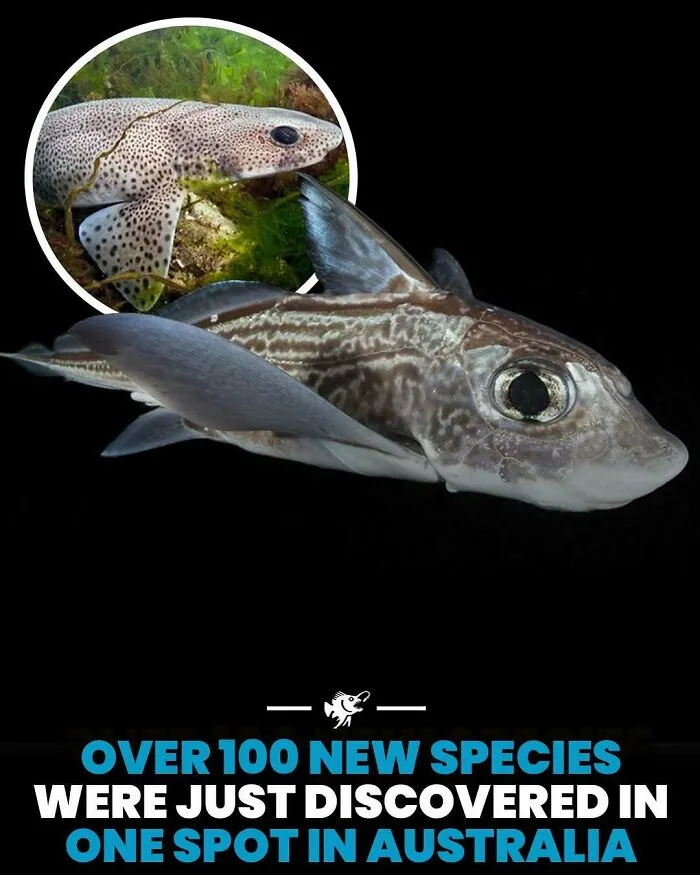
An expedition in the Coral Sea Marine Park off Australia has revealed a large number of previously unknown species living at depths of up to 3,000 meters. Scientists documented more than 110 new forms of life during the survey, including four cartilaginous fish, two types of rays, a deep-water catshark, and a chimaera.
Report
14points
#39
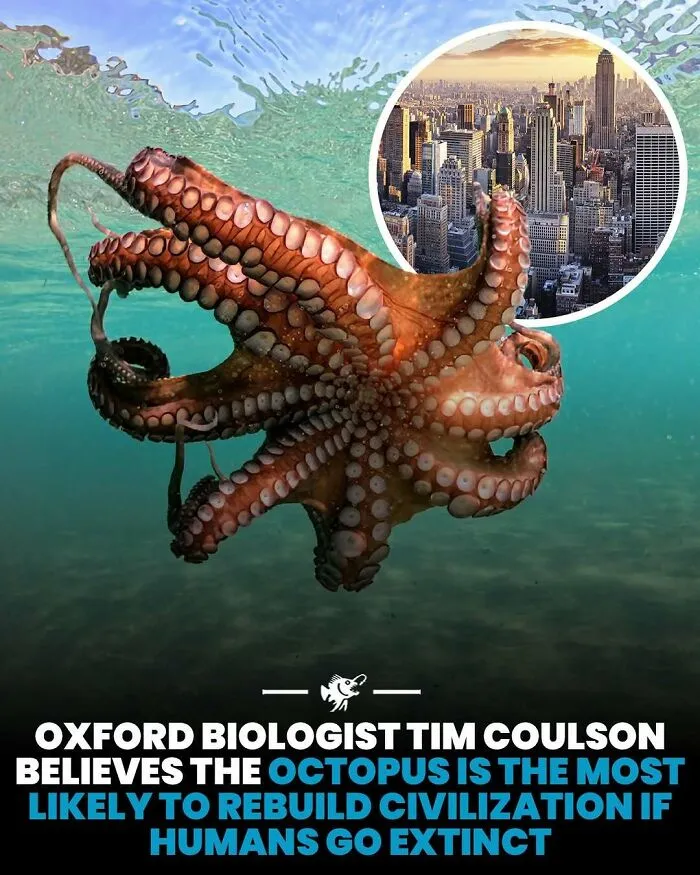
According to University of Oxford zoologist Tim Coulson, octopuses could be the species most likely to build a civilization if humans were to go extinct. The argument, laid out in his 2024 book The Universal History of Us, rests on their intelligence, adaptability, dexterity, and problem-solving ability. Octopuses navigate mazes, use tools, escape complex enclosures, and learn by observation, traits exceptionally advanced for an invertebrate.
Report
14points
#40
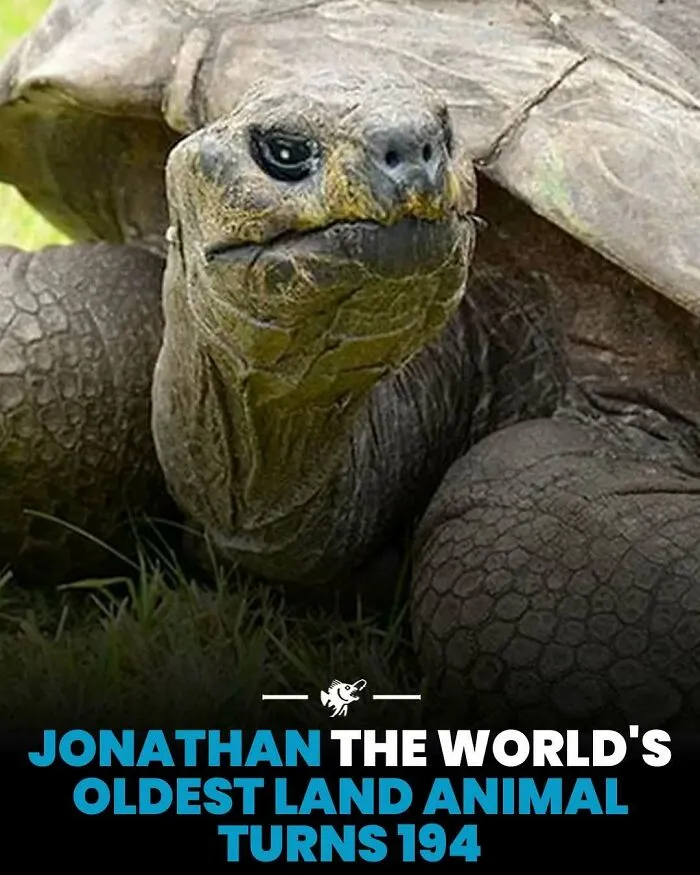
Jonathan the tortoise has turned an estimated 194 years old, and he remains the oldest known living land animal on Earth. A Seychelles giant tortoise born around 1832, he lives on the grounds of Plantation House, the governor's residence on the remote South Atlantic island of Saint Helena, where he has resided since roughly 1882.
Report
14points
