





History has a way of feeling distant until a single photograph suddenly makes it seem surprisingly close. The Instagram page History Cool Kids, whose content has previously been featured on Bored Panda, brings together rare and lesser-known images that reveal the past through small, striking, and often unexpected moments. Some capture major events and recognizable figures, while others focus on everyday scenes, quiet interactions, and details that rarely make it into history books.
What makes these photos so fascinating is how human they feel, whether they’re depicting personalities whose names have adorned history books for centuries in a way that’s relatable to all of us or show us how much and how little certain objects and activities from our daily lives have changed. From candid snapshots to powerful glimpses of different eras, the collection offers a more personal way to look at history.
Scroll down to explore these remarkable images, upvote the ones that caught your attention the most, and let us know in the comments which photo stayed with you.
More info: Instagram
#41
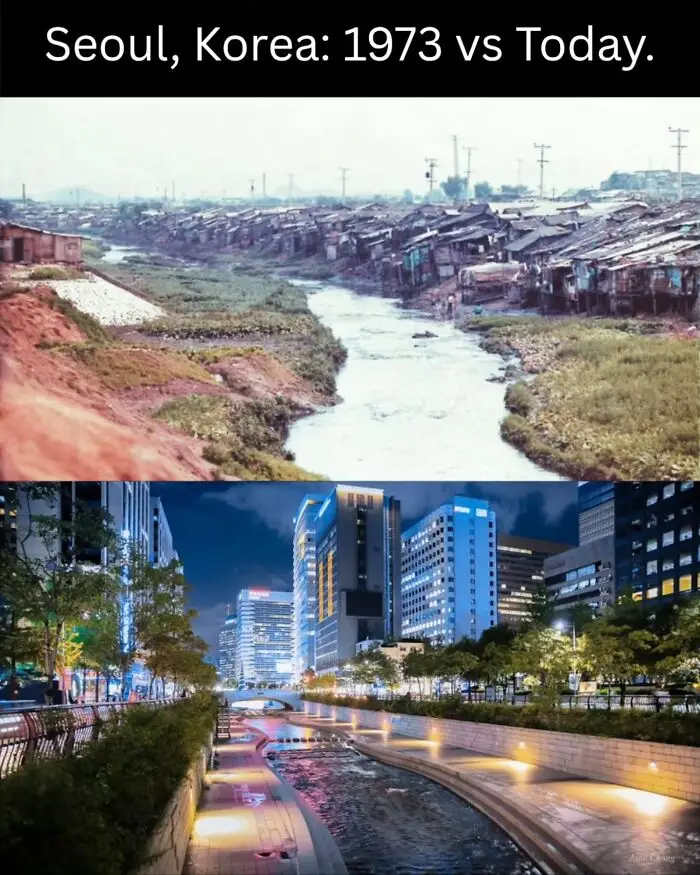
“Originally, Cheonggyecheon was a natural stream that flowed through the center of Seoul for centuries.
During the Joseon Dynasty (1392 - 1897), it played an important role in drainage and flood control, though it was often polluted and required regular maintenance. The government carried out large scale dredging projects to manage flooding and sanitation.
By the mid 20th century, after the devastation of the Korean War, the area around the stream became overcrowded with informal settlements. Pollution worsened to the point that the stream was considered a public health hazard.
By the late 1970s, the stream was covered up with concrete and an elevated highway was built above it during South Korea’s rapid industrialization. This reflected the development priorities of the time, focusing on cars and economic growth rather than environmental or historical preservation.
By the late 20th century, the highway had deteriorated and the area was seen as congested and outdated. In 2003, under then mayor Lee Myung-bak, a major restoration project began. The highway was demolished, and the stream was reconstructed using pumped water and modern engineering.
The restored Cheonggyecheon reopened in 2005 as a 10.9 km long urban park. Today, it is known for reducing urban heat, improving air quality, and revitalizing central Seoul both economically and culturally.”
Report
12points
#42
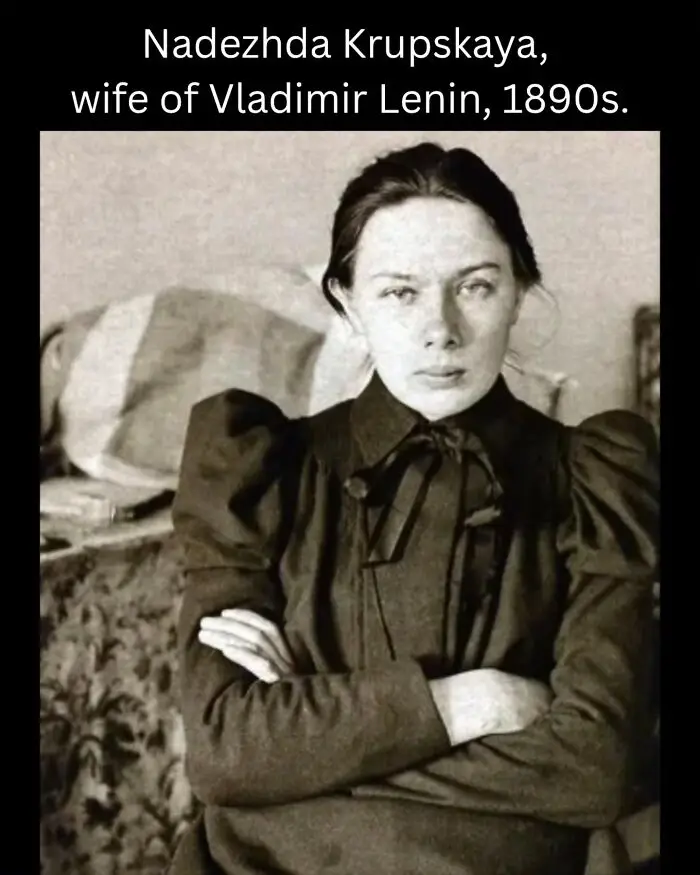
“By 1930, Krupskaya had become a quiet but persistent nuisance to Stalin, expressing concern over the growing cult of personality surrounding the General Secretary.
Stalin’s said to her, "We can always find someone else to be Lenin's widow." It was a brutal reminder that in the Soviet state, even personal history and marital status were subject to Party approval and could be reassigned to a more compliant figure.
The circumstances surrounding her passing in 1939 remain one of the Great Purge's most enduring mysteries, primarily because the timing was so surgically precise. Krupskaya fell ill on February 26, 1939, during a celebration for her 70th birthday where she had consumed sweets sent specifically by Stalin. She succumbed to her illness the following day from peritonitis, a condition often resulting from an untreated burst appendix or gallstones.
While a poisoned cake is the most popular theory, many historians have suggested that the Kremlin doctors delayed her hospitalization and surgery for several critical hours. This delay ensured that the woman who was rumored to be preparing a final, critical speech for the upcoming 18th Party Congress would never take the podium, allowing Stalin to maintain his image as a devoted disciple by personally carrying her funeral urn.”
Report
12points
#43
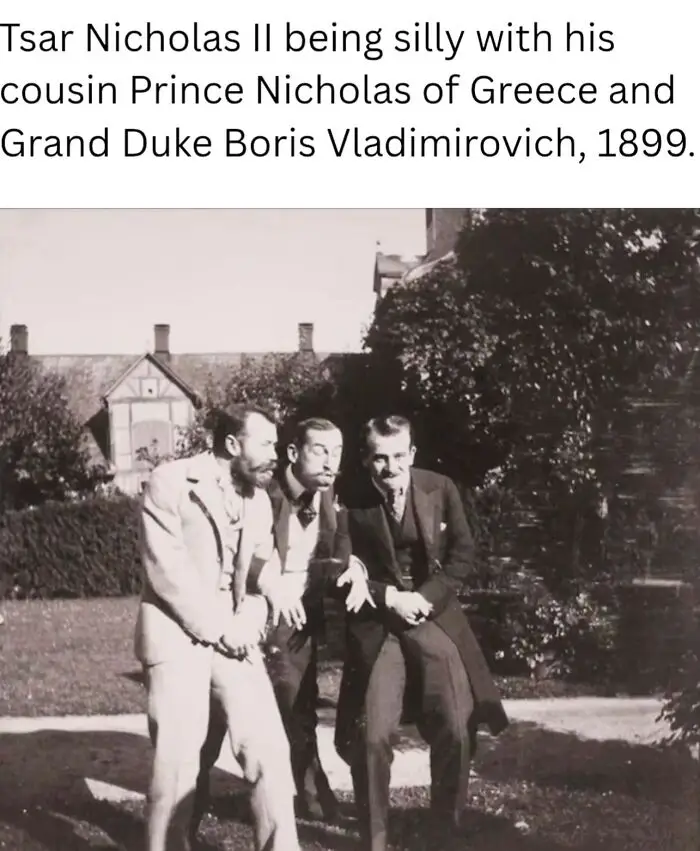
“Nicholas II and Prince Nicholas of Greece and Denmark were first cousins through the Danish royal line.
Nicholas II’s mother, Dagmar of Denmark (Empress Maria Feodorovna), and Prince Nicholas’s father, King George I of Greece, were siblings, both children of King Christian IX of Denmark. This made Nicholas II and Prince Nicholas very close relatives within the tightly intermarried royal families of Europe.
Grand Duke Boris Vladimirovich of Russia was a more distant relative of Nicholas II, belonging to a different branch of the Romanov family. He was the son of Grand Duke Vladimir Alexandrovich, Nicholas II’s uncle, making Boris a first cousin of Nicholas II. Within the Russian imperial family, Boris was part of the inner aristocratic circle and often present at court life and military service alongside the emperor.”
Report
12points
#44
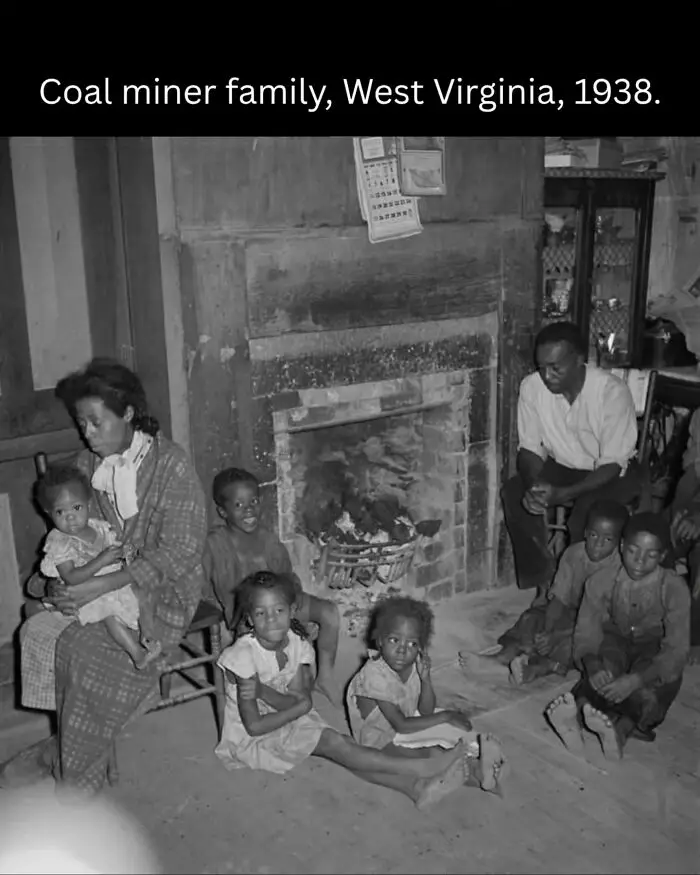
“Original caption: Coal miner, six of his seven children. His wife is usually sick with a bad bronchial condition, Chaplin, West Virginia.
Image by Marion Post Walcott.”
Report
11points
#45
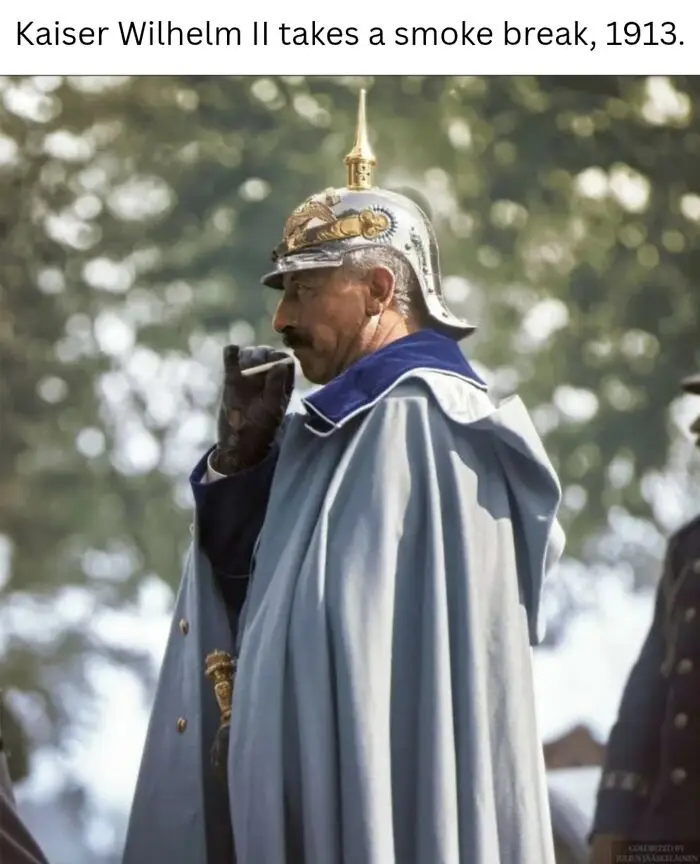
“Kaiser Wilhelm II was the last German Emperor and King of Prussia, ruling from 1888 to 1918.
He was born in 1859, the eldest grandson of Queen Victoria, which made him closely related to many European royal families. A difficult birth left him with a withered left arm, an injury that shaped both his personality and his lifelong need to project strength and authority.
Wilhelm dismissed his powerful chancellor Otto von Bismarck in 1890 and took a far more personal role in governing. Under his rule, Germany pursued an aggressive foreign policy known as Weltpolitik, aimed at expanding its global influence. He dramatically expanded the German navy, challenging Britain and intensifying rivalries among the European powers. His impulsive speeches and erratic diplomacy often worsened tensions.
When WW1 broke out in 1914, Wilhelm supported Austria Hungary against Serbia, helping set the wider conflict in motion. Although he was emperor, real military power increasingly shifted to generals such as Paul von Hindenburg and Erich Ludendorff during the war. As Germany faced defeat in 1918, revolution spread at home. Wilhelm abdicated in November 1918 and fled to the Netherlands, where he lived in exile until his passing in 1941.”
Report
11points
#46
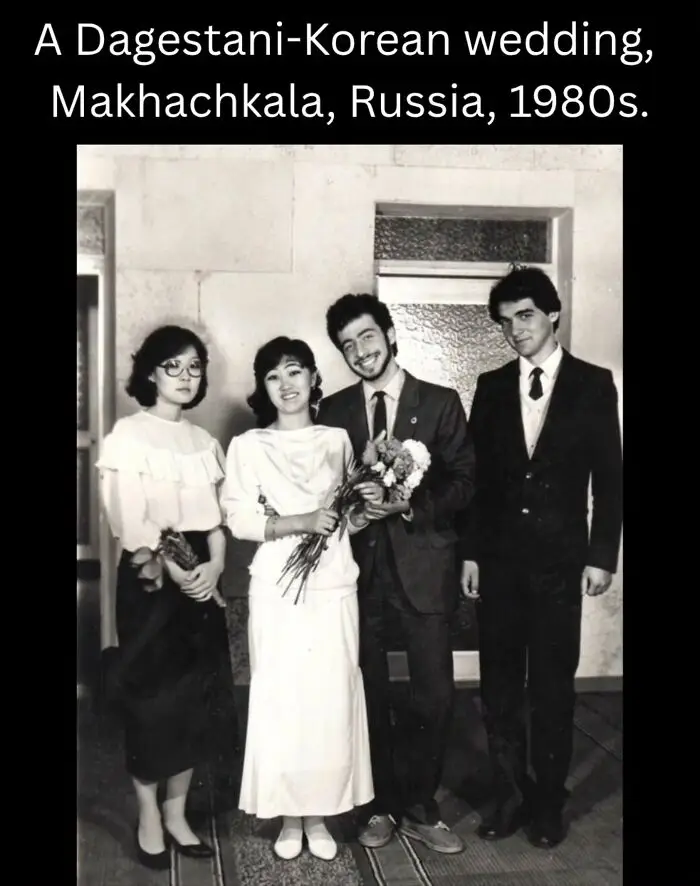
“Koreans in the Soviet Union, known as Koryo-saram, are descendants of migrants who moved from Korea into the Russian Far East in the late 1800s, many fleeing poverty, famine, and Japanese rule.
By the early 1900s, tens of thousands had settled in areas near Vladivostok, maintaining their language and farming communities under the Russian Empire and later the Soviet state.
In 1937, under Joseph Stalin, the Soviet government forcibly deported about 172,000 Koreans from the Far East to Central Asia, mainly to Kazakhstan and Uzbekistan.
In 1937, under Joseph Stalin, the Soviet government forcibly deported about 172,000 Koreans from the Far East to Central Asia, mainly to Kazakhstan and Uzbekistan.
The official reason was fear that they might act as spies for Japan, which controlled Korea at the time. The deportation was brutal, with many perishing during the journey or soon after due to harsh conditions.
Despite this, Koryo-saram communities adapted and became successful, especially in agriculture, helping develop rice farming in Central Asia. Over time, many lost the Korean language and adopted Russian as their primary language, but they retained aspects of Korean culture.”
Report
11points
#47
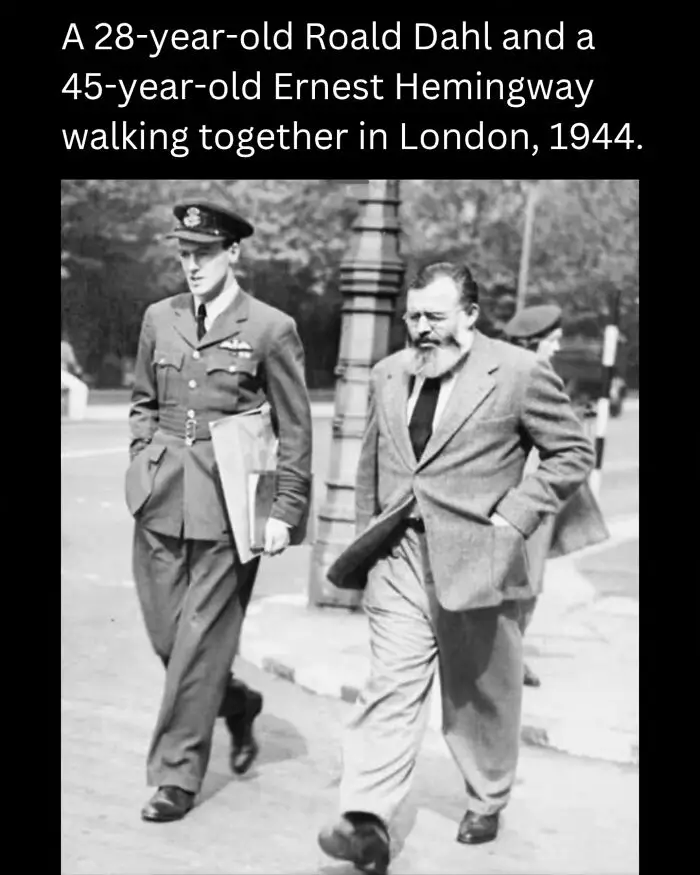
“I’m assuming everyone has heard of Hemingway, but Roald Dahl is also famous in his own right.
He was born in Wales to Norwegian parents and spoke Norwegian at home during early childhood. He served as a Royal Air Force fighter pilot in WW2 and was seriously injured in a 1940 crash in North Africa. After his military service, he became a writer and produced some of the most widely read children’s books in modern literature, including Charlie and the Chocolate Factory, Matilda, James and the Giant Peach, The BFG, Fantastic Mr. Fox, The Witches, George’s Marvelous Medicine, and Danny, the Champion of the World.”
Report
11points
#48
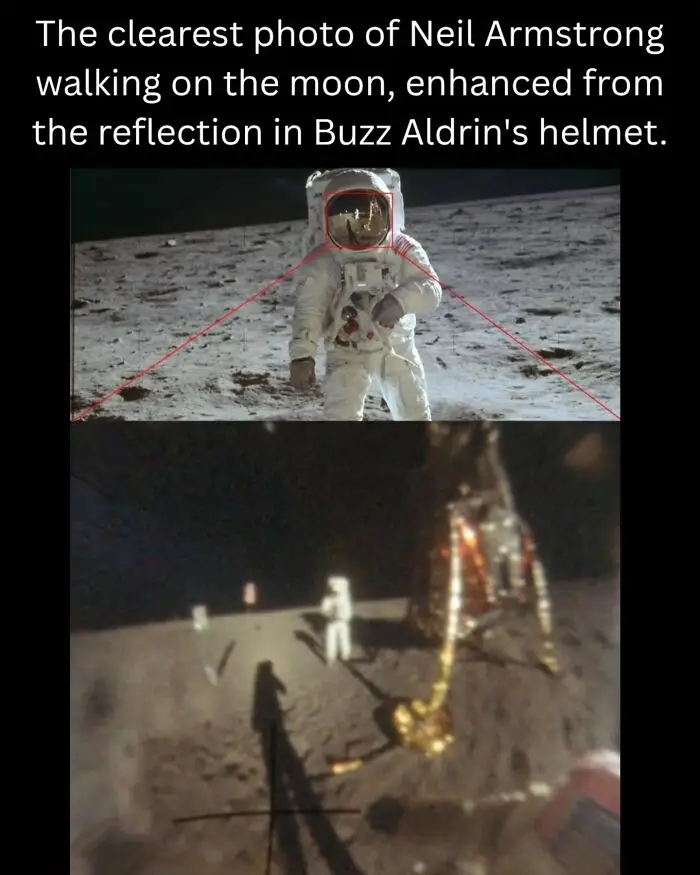
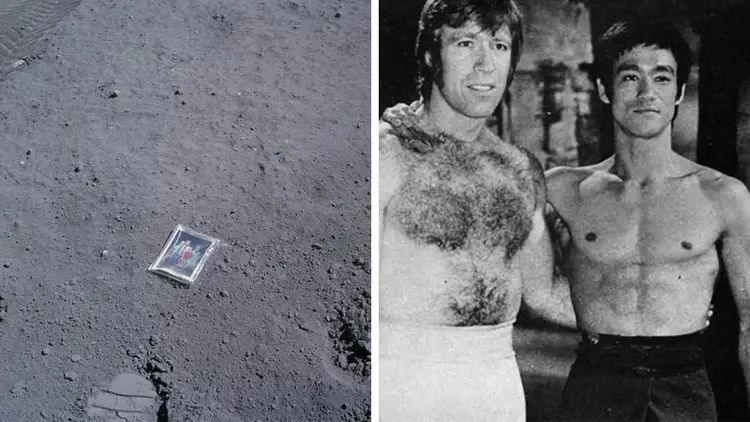
“I guess he got way too excited to be on the moon that he totally forgot to ask Buzz to take a few photos of himself.
During the Apollo 11 Moon Landing, Neil Armstrong and Buzz Aldrin used a modified Hasselblad 500EL with a special electric motor drive so they could operate it with their stiff lunar gloves. The cameras also had a simple fixed-focus setup and a reseau plate, which placed tiny calibration marks on each frame to allow precise scientific measurements of distances and scale in the images.
Some of the cameras were intentionally left on the lunar surface to save weight for returning samples to Earth. Across the Apollo program, several Hasselblad units remain on the Moon as artifacts. They are still there today.”
Report
11points

#50
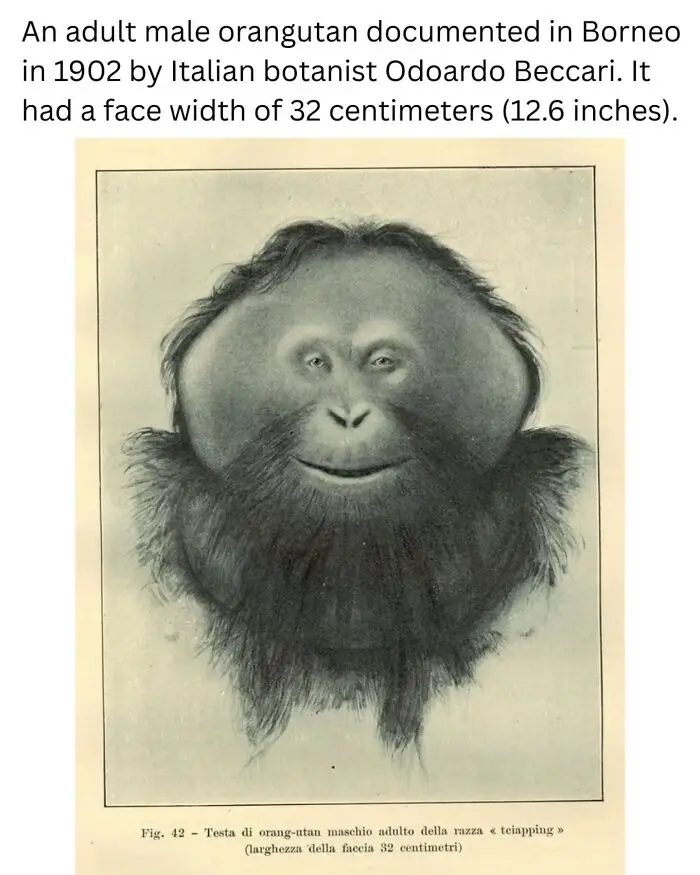
“Odoardo Beccari was one of the most important European naturalists to explore Southeast Asia in the late 19th century, especially the island of Borneo.
He collected thousands of plant specimens, many of which were previously unknown to science. His work significantly advanced knowledge in tropical botany, particularly in the study of palms. In fact, he became one of the world’s leading experts on palm species and later published major works such as Malesia, a multi volume study of the region’s flora.
Although primarily a botanist, Beccari also documented animals and local cultures. His encounters with orangutans helped provide early scientific observations of these great apes. At the time, orangutans were still poorly understood in Europe, and records like his photographs and notes contributed to broader awareness of their behavior and physical characteristics.”
Report
10points
#51
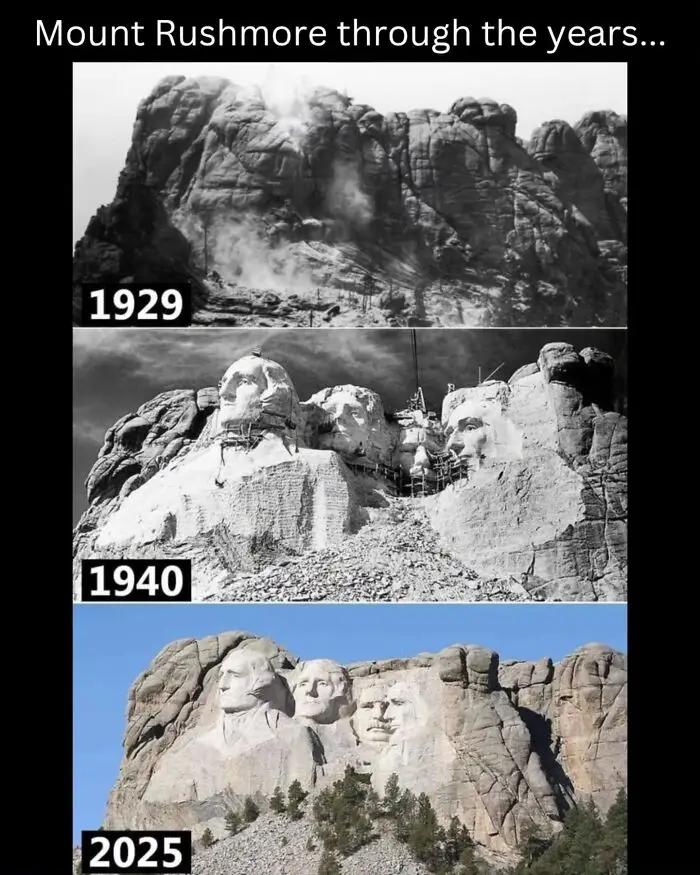
“Mount Rushmore felt a lot more impressive when I was younger until I realized what it was like before...
Sculptor Gutzon Borglum’s plan in the mid 1920s was far more expansive than what was eventually completed. He originally intended to carve the presidents down to their waists, including detailed features such as hands and symbolic objects representing their achievements, creating a much larger narrative carved into the mountain.
The project was ultimately scaled back due to ongoing funding issues, technical challenges with the granite, and Borglum’s death in 1941. As a result, construction stopped after only the four presidential faces were completed: George Washington, Thomas Jefferson, Theodore Roosevelt, and Abraham Lincoln.”
Report
10points
#52
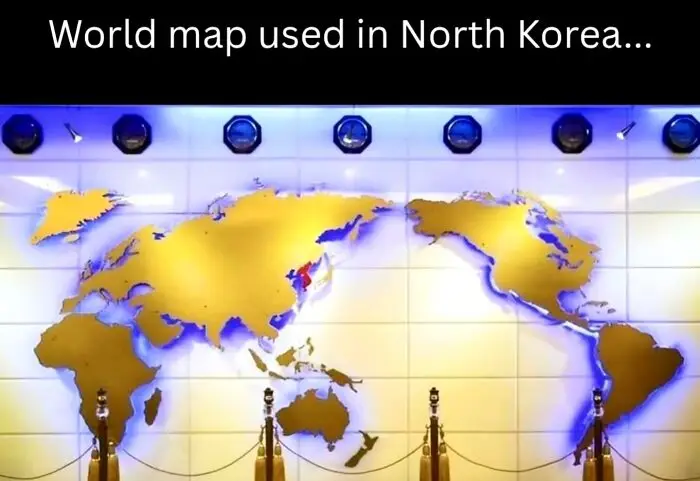
“I wasn't sure what was different to be honest, but after I zoomed in a bit I noticed the following:
1. The whole Korean peninsula is highlighted in red.
2. There is no demarcation for where the DMZ should be.
3. Cuba is bigger than Florida.
4. Hawaii is missing.
5. Newfoundland is missing.
6. South America
7. Italy looks emaciated.
8. New Zealand is included!”
Report
8points
#53
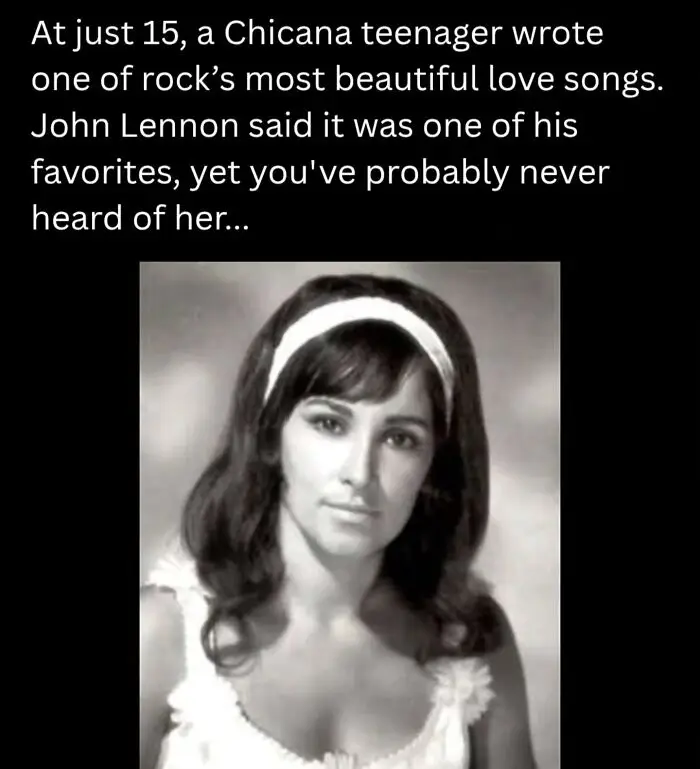
“At just 15, Rosie Hamlin, turned a poem she wrote for her boyfriend into “Angel Baby,” recording it with Rosie and the Originals in a small, makeshift studio.
The song’s raw, echo heavy sound and emotional sincerity helped it stand out, and in 1960 it climbed to about No. 5 on the charts, becoming a lasting classic of early rock and doo wop. Decades later, John Lennon called it one of his all time favorite songs and even recorded his own cover, introducing it to a new generation.
Because she was only 15 and new to the industry, control over the song’s publishing and business side ended up in the hands of others, including people tied to the small label that released it. In that era, it was very common for young or inexperienced artists, especially women and artists of color, to sign deals that gave away significant rights without fully understanding the long term impact.
There were longstanding disputes about ownership and credit, including questions over how much of the songwriting credit and publishing income she actually controlled. As a result, even though the song became a major hit and continued to be played, covered, and licensed for decades, her financial return was relatively limited compared to its success.”
Report
8points
#54

“The goal was not practical transportation, but research into aerodynamics, track stability, braking behavior, and the limits of steel wheel on steel rail systems at extreme speeds.
When activated, the engines produced massive thrust, pushing the railcar along straight test tracks at speeds far beyond normal passenger trains. Because of the danger and instability at high speed, these tests were conducted on isolated tracks with extensive instrumentation and emergency safety measures.
The broader context is that the Soviet Union, like other major powers, was exploring futuristic ground transport concepts during the Cold War, including hovercraft trains, magnetic levitation ideas, and jet propulsion experiments.
Most of these remained experimental because jet propulsion on rails was extremely inefficient, noisy, and difficult to control compared to conventional electric or diesel traction.”
Report
8points
#55
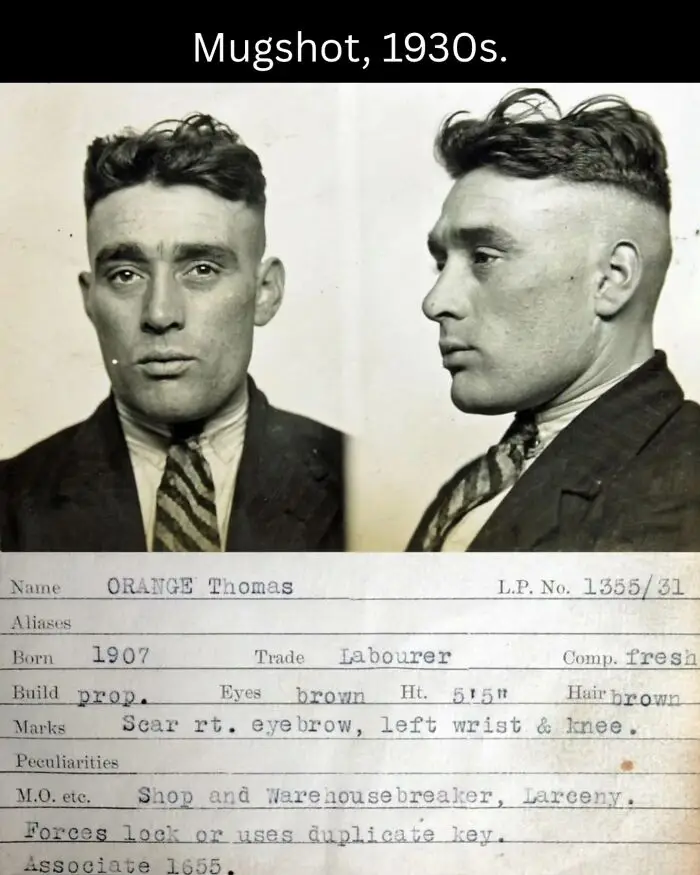
“This mug shot comes from a police identification book believed to be from the 1930s. It was originally found in a junk shop by a member of the public and subsequently donated to Tyne & Wear Archives & Museums. No information is available to confirm which police force compiled it but evidence suggests it's from the Newcastle upon Tyne area.”
Report
7points
#56
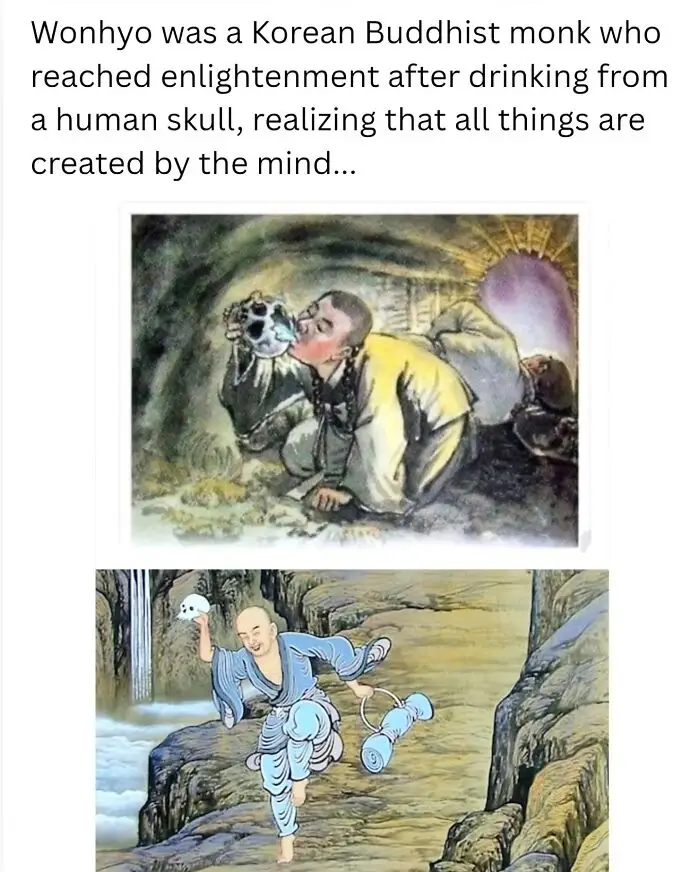
“The story goes that Wonhyo and his best friend Uisang were traveling toward China in 661 to study Buddhism more deeply.
During their journey through Baekje (Korean kingdom located in southwestern Korea), they were caught in heavy rain and took shelter in what they believed was a cave.
At night, Wonhyo became very thirsty and found a container that he assumed was a gourd filled with water. He drank from it and felt refreshed. The next morning, they discovered the shocking truth that their shelter was actually an ancient tomb filled with human skulls, and the “gourd” had been a skull filled with stagnant rainwater. What had felt pure and refreshing was, in physical reality, something horrifying.
It was at that moment that Wonhyo realized that nothing in the water itself had changed, only his mind’s interpretation of it. That insight led to a direct realization of Yogacara philosophy, often summarized as “mind only,” meaning that experience is shaped entirely by consciousness rather than external objects having fixed meaning. After this realization, he concluded that seeking teachings in China was unnecessary, since truth was not located in distant places or external authority but in understanding the mind itself.
Soon after, Wonhyo left formal monastic life after having an affair with a princess named Yoseok. He chose instead to teach Buddhism as a lay practitioner under the name “Layman of Minor Lineage.” He became known not only for his influential writings and commentaries, but also for an unconventional approach to spreading Buddhist teaching.
Traveling through towns and villages, he used songs and dances as a form of instruction, and is also said to have visited bars and brothels, played the lute, and stayed in the homes of ordinary people. While these actions went against traditional monastic norms, they were later understood as “skillful means,” intended to reach people in whatever circumstances they were in.”
Report
7points
#57
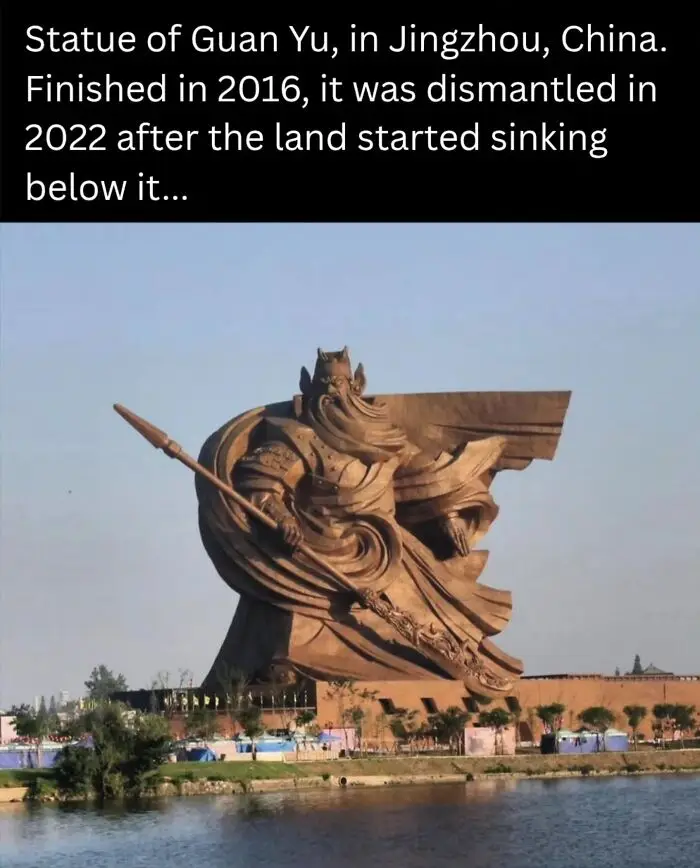
“It stood 190 ft. tall and weighed 1,320 tons (for ref: The Statue of Liberty is 151 ft. and weighs 225 tons).
Guan Yu is one of the most famous figures from Chinese history and legend, best known for his role during the late Eastern Han dynasty and the Three Kingdoms period (roughly 184 to 280 CE). He served as a general under Liu Bei, one of the key warlords who eventually founded the state of Shu Han.
Historically, Guan Yu was celebrated for his loyalty, bravery, and martial skill. He is recorded in the historical text Records of the Three Kingdoms as a highly capable military commander. However, much of his later fame comes from the novel Romance of the Three Kingdoms, where he is idealized as the ultimate symbol of righteousness and brotherhood.
In that tradition, he is often portrayed as a near perfect warrior who values honor above all else, even personal survival. Famous stories include his “oath of the peach garden” with Liu Bei and Zhang Fei, where they swear brotherhood, and his legendary crossing of five passes and slaying of six generals while escorting Liu Bei’s family.
Over time, Guan Yu evolved beyond history into a cultural and religious figure. He is worshipped as Guandi, a god of war, loyalty, and justice in Chinese folk religion, Taoism, and even some forms of Buddhism. Temples dedicated to him can be found across East Asia, and he is also revered in business culture as a symbol of integrity and trust.”
Report
6points
#58
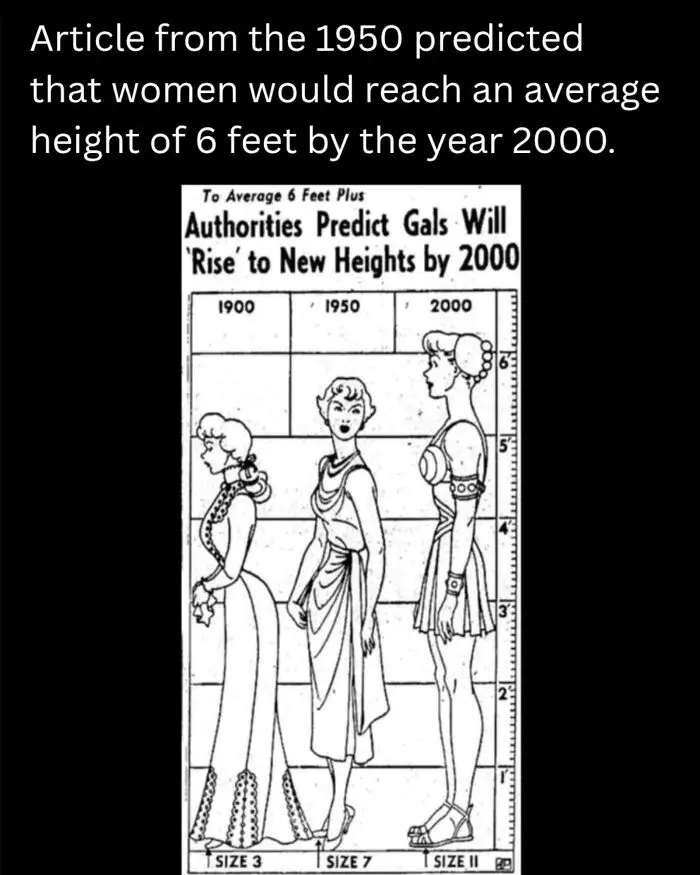
“It was published in the Monday Evening on January 2, 1950.
Vivian Brown wrote:
“Since 1900, women have been growing by leaps and bounds. In that year, the average woman was about 5 feet tall, wore a size 3 shoe, and was as dainty as a Dresden figurine. Today, 36 percent of the female population is between 5 feet 4 inches and 5 feet 10 inches, and at age 18 the average shoe size is 7. By the year 2000, experts figure that the average height should have crept up to between 5 feet 10 inches and 6 feet 2 inches, and shoes will look like violin cases.”
Report
6points


