





History has a way of feeling distant until a single photograph suddenly makes it seem surprisingly close. The Instagram page History Cool Kids, whose content has previously been featured on Bored Panda, brings together rare and lesser-known images that reveal the past through small, striking, and often unexpected moments. Some capture major events and recognizable figures, while others focus on everyday scenes, quiet interactions, and details that rarely make it into history books.
What makes these photos so fascinating is how human they feel, whether they’re depicting personalities whose names have adorned history books for centuries in a way that’s relatable to all of us or show us how much and how little certain objects and activities from our daily lives have changed. From candid snapshots to powerful glimpses of different eras, the collection offers a more personal way to look at history.
Scroll down to explore these remarkable images, upvote the ones that caught your attention the most, and let us know in the comments which photo stayed with you.
More info: Instagram
#22
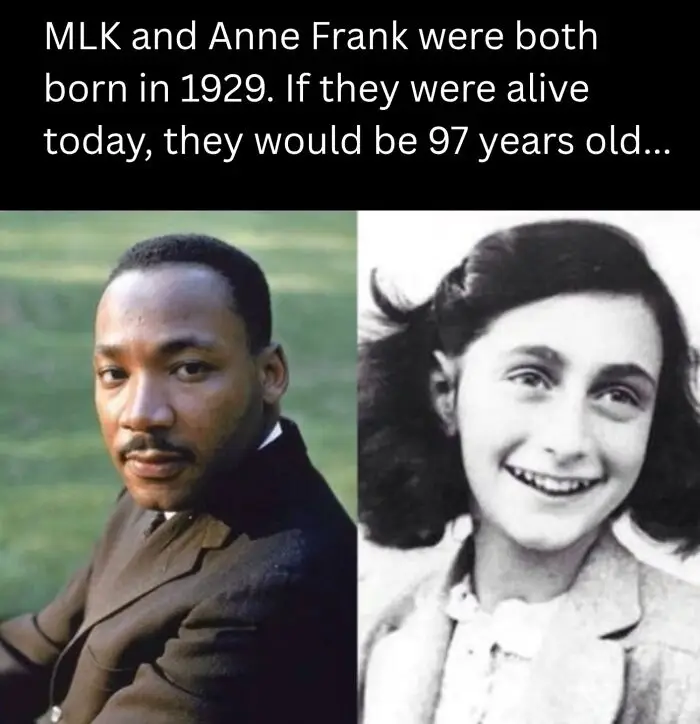
“Audrey Hepburn, Grace Kelly, Jackie Kennedy, and Barbara Walters were also born in 1929.
Dick Van Dyke who was born in 1925 is still alive today at age 100!”
Report
15points
#23
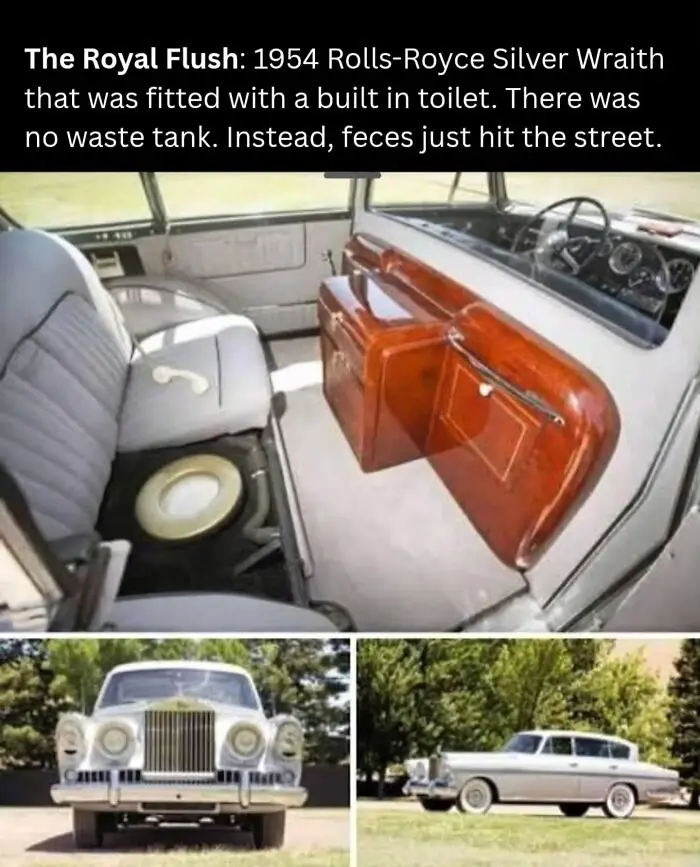
“The 1954 Rolls-Royce Silver Wraith was one of the most prestigious luxury automobiles produced by Rolls-Royce after WW2.
The Silver Wraith was manufactured between 1946 and 1959 and served as the company’s flagship model during that period. Unlike mass produced cars, these vehicles were built as rolling chassis, meaning customers purchased the mechanical base from Rolls Royce and then had the body custom built by independent coachbuilders. Owners could request highly unusual features and luxurious interiors, which sometimes resulted in eccentric modifications such as cocktail cabinets, writing desks, or other personalized fittings.
The car itself was powered by a smooth inline 6 cylinder engine and was known for its quiet ride, heavy construction, and exceptional craftsmanship. Silver Wraiths were often purchased by royalty, diplomats, and extremely wealthy individuals. In fact, specially modified versions were also used by the British royal family, including vehicles built for Queen Elizabeth II in the early years of her reign.”
Report
15points
#24
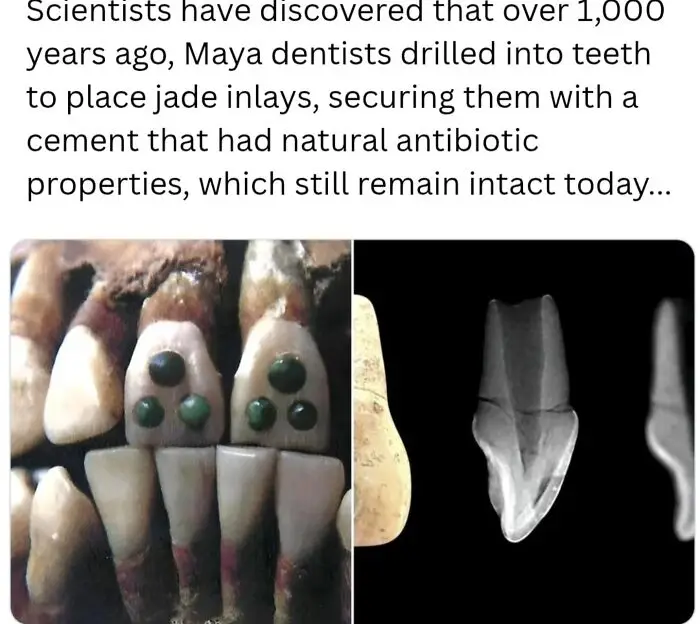
“Scientists studying ancient Maya remains have found clear evidence that, more than 1,000 years ago, dental practitioners were performing surprisingly advanced restorative procedures.
They drilled into teeth to create precise cavities for jade inlays, which were used both as decoration and likely as markers of status. What stands out most is the adhesive material used to secure these inlays.
Analysis suggests it was a carefully prepared cement made from mineral components such as calcium phosphate mixed with organic resins. This combination not only bonded strongly to tooth structure but also appears to have had antibacterial properties, which would have helped reduce infection in a pre modern medical setting.
In several recovered specimens, the cement has remained stable enough that the inlays are still firmly attached, despite centuries of burial and environmental exposure. This level of durability has led researchers to compare the material, in a loose sense, to modern dental cements used for restorations today.”
Report
15points
#25
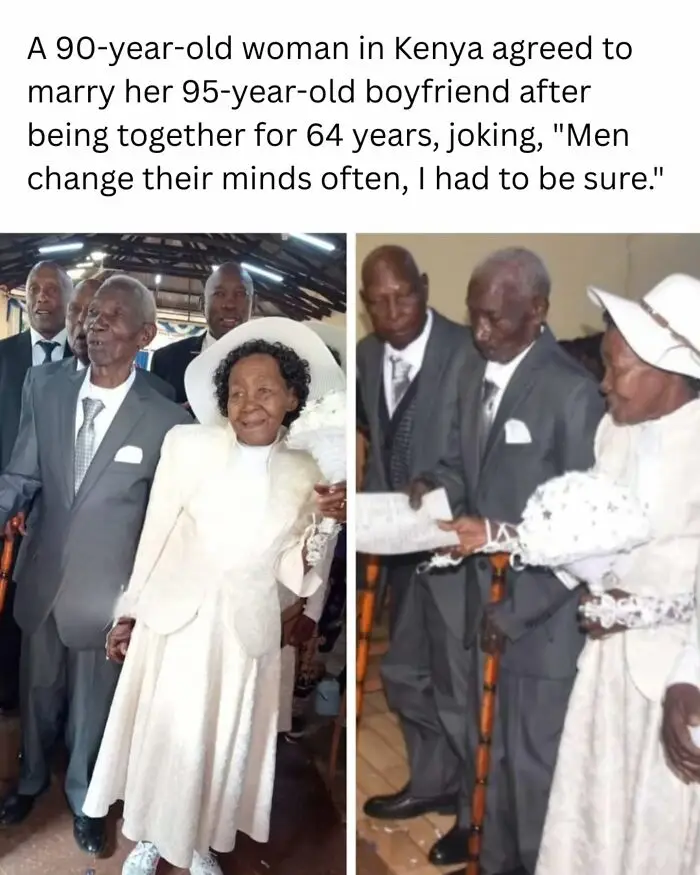
“In 2024, Ibrahim Mbogo and Tabitha Wangui gained widespread attention when they held a church wedding in Mukurweini after being together for more than 6 decades.
The couple had lived as husband and wife for 64 years under customary law, a practice common in many parts of Kenya where marriages are traditionally recognized through community and cultural ceremonies rather than formal church or civil registration. Even so, they had long hoped to officially bless their union in a Christian ceremony that aligned with their faith.
After the ceremony, Ibrahim joked that they were finally “official,” while Tabitha said their relationship endured because of respect, patience, and forgiveness over more than 6 decades together.”
Report
14points
#26
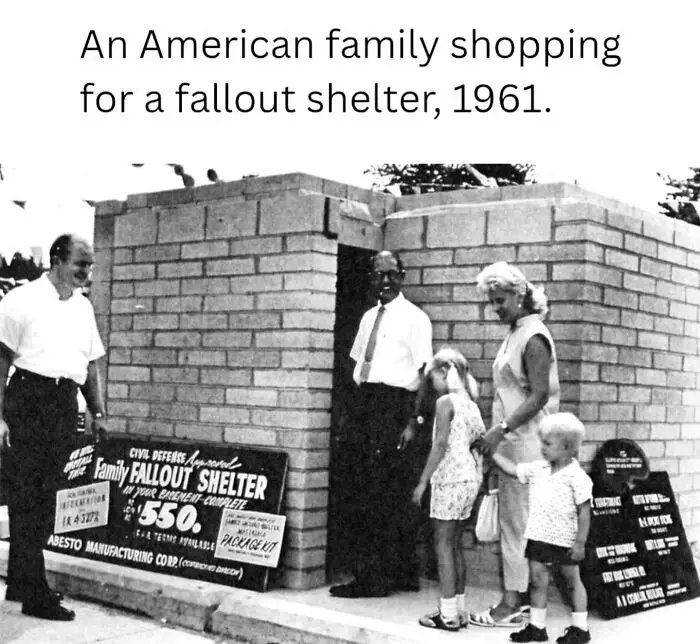
“Adjusting for inflation, $550 in 1961 is equivalent to about $6,000 in 2026.
Not a bad price for a fallout shelter, but it does look pretty small and no frills.
Most of these early shelters were compact, often just a small reinforced room with bare essentials: a concrete or steel structure, a few cots or benches, and perhaps some basic ventilation.
No plumbing, no running water, minimal storage, and certainly no decorative touches. They were all about survival, not comfort—enough to ride out radiation fallout for a limited period of time.”
Report
14points
#27
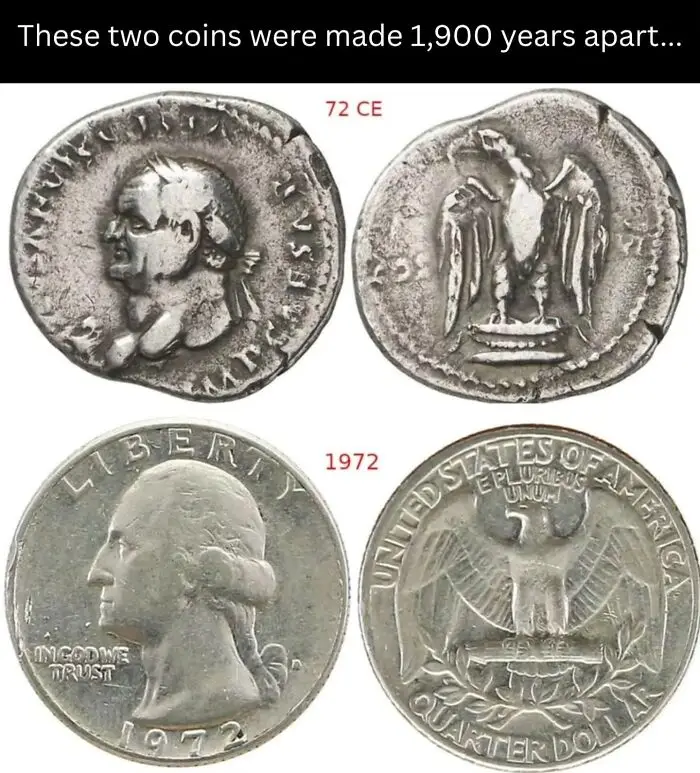
“Early quarters and many traditional U.S. coins used imagery that comes from classical Greco Roman visual language.
The most obvious example is the use of profile portraits on coins, which traces back to ancient Roman coins that featured emperors and important figures in profile relief. This style was widely revived in European coinage during the Renaissance and carried into American coin design through the neoclassical tradition.
Another Roman inspired element is the frequent use of the eagle. While the bald eagle is native to North America and not Roman, the idea of an eagle as a symbol of state power was strongly associated with Rome, where it represented imperial authority and military strength. The United States adapted it into a republican symbol rather than an imperial one.”
Report
14points
#28
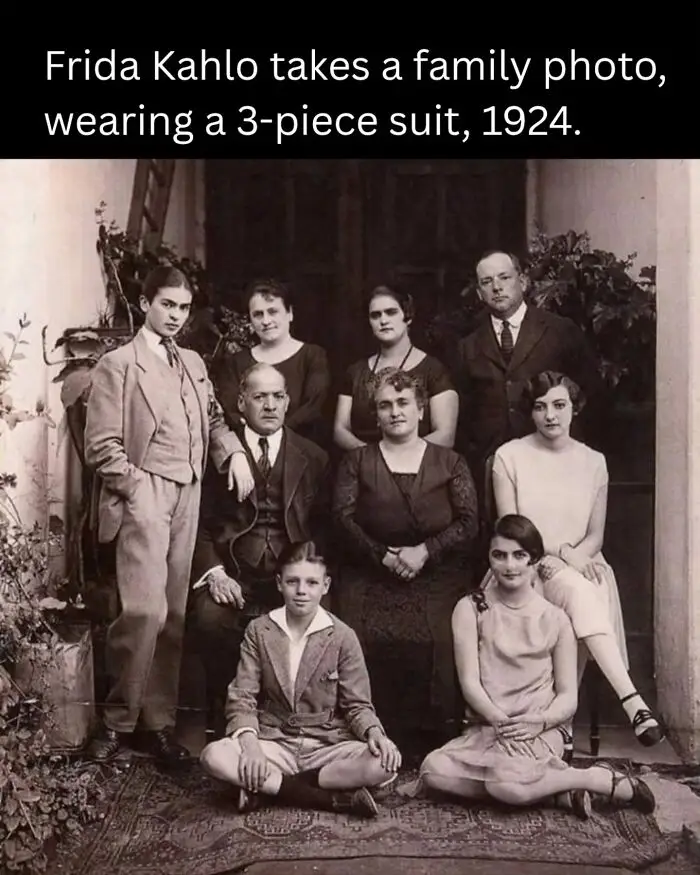
“A year after this photo was taken, Kahlo would be severely injured in a bus accident, breaking her spine, collar bone, ribs, pelvis and fracturing her right leg in 11 places.
An iron handrail impaled her through her pelvis, piercing “the way a sword pierces a bull.” She spent 3 months in a full body cast before regaining the ability to walk again.
Before the accident, Frida was studying to become a physician. However, she decided to become an artist while she was recovering at the hospital. Frida would go on to have more than 30 surgeries in her life, culminating in the amputation of her right leg due to gangrene in 1953. Her body of work heavily deals with her personal struggles with chronic pain, polio, amputation and infertility, giving us a unique glimpse into the patient’s experience.”
Report
14points
#29
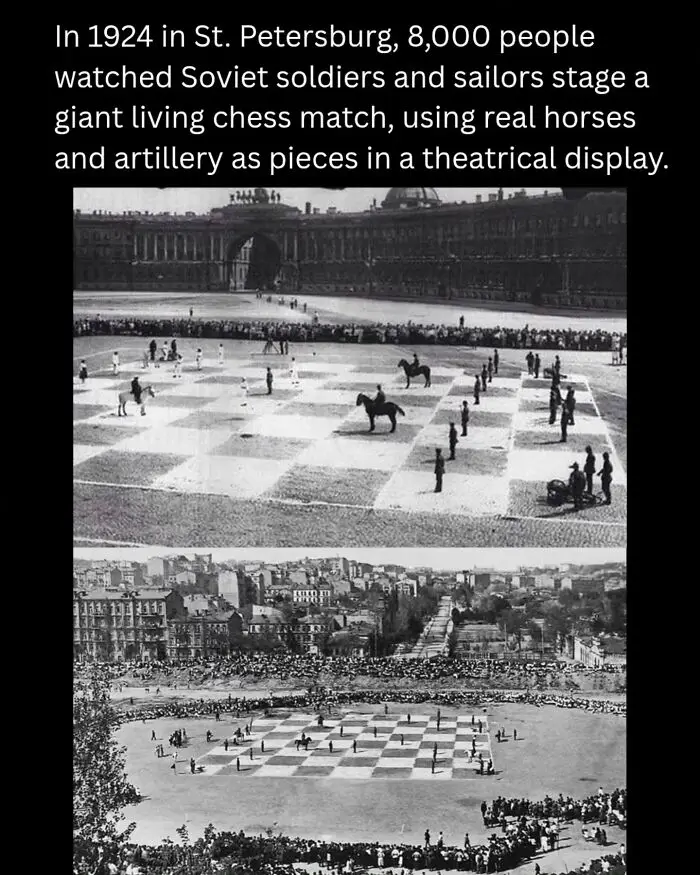
“The 1924 living chess match took place on July 20 in Palace Square, Leningrad (now St. Petersburg).
The game featured the Red Army (the black pieces) competing against the Red Navy (the white pieces) on a board measuring approximately 5,000 square meters. The moves were directed by Soviet chess masters Peter Romanovsky and Ilya Rabinovich, who communicated their strategy via telephone from the rooftops of the General Staff Building.
The event utilized Soviet soldiers as pawns, sailors as various pieces, cavalry officers on horseback as knights, and artillery units as rooks. After five hours of play and 67 moves, the match ended in a draw by mutual agreement.”
Report
14points
#30
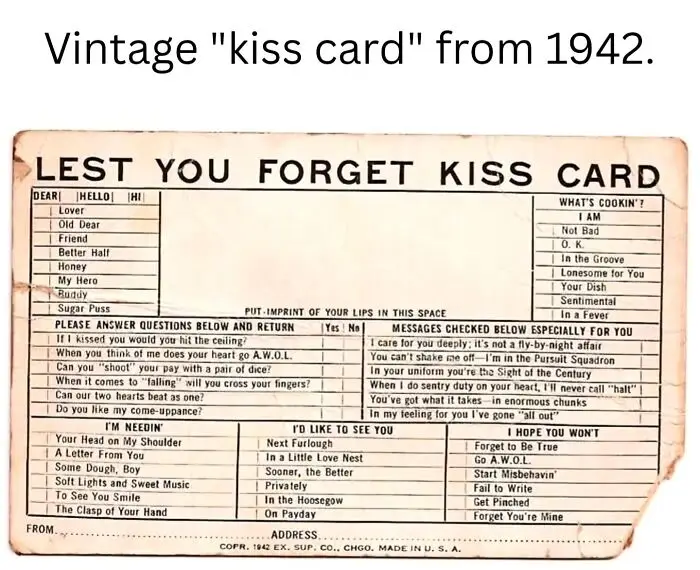
“The “Lest You Forget Kiss Card” was a novelty paper item popular from the 1930s to the 1950s.
It was typically sold for 1 cent through vending machines located in arcades, amusement parks, and similar public venues. The card featured printed prompts such as checkboxes and fill in sections for short messages. A designated area instructed the sender to leave a lipstick imprint. It was part of a larger category of inexpensive vending machine cards that included jokes, fortunes, and romantic themes.”
Report
14points
#32
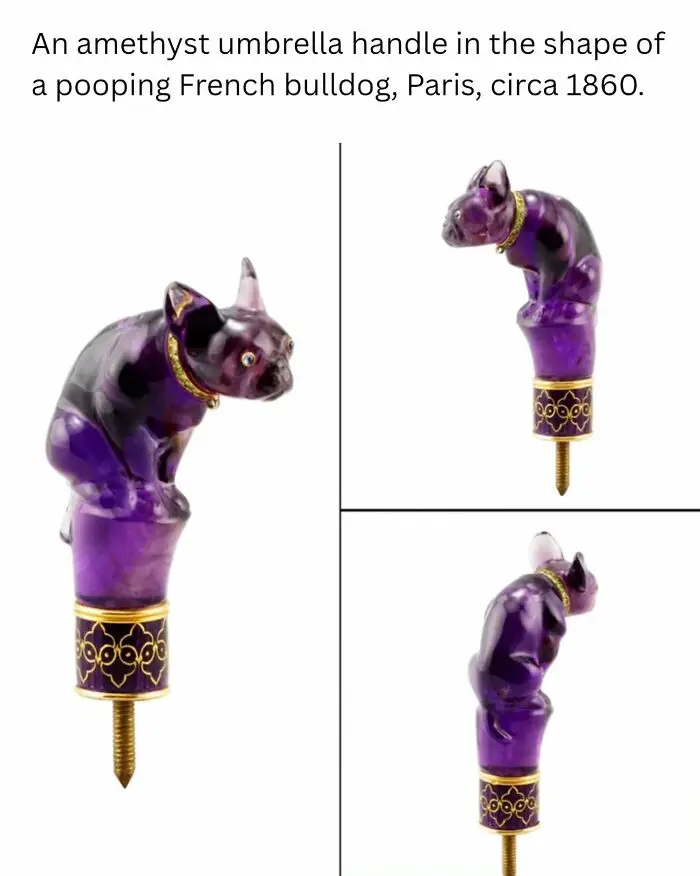
“The French bulldog is adorned with a gold necklace set with green stones, while its eyes are embellished with blue stones, and the lower portion of the handle features gold fleuron motifs.
Someone must have really loved their doggo to have commissioned this...”
Report
13points
#33
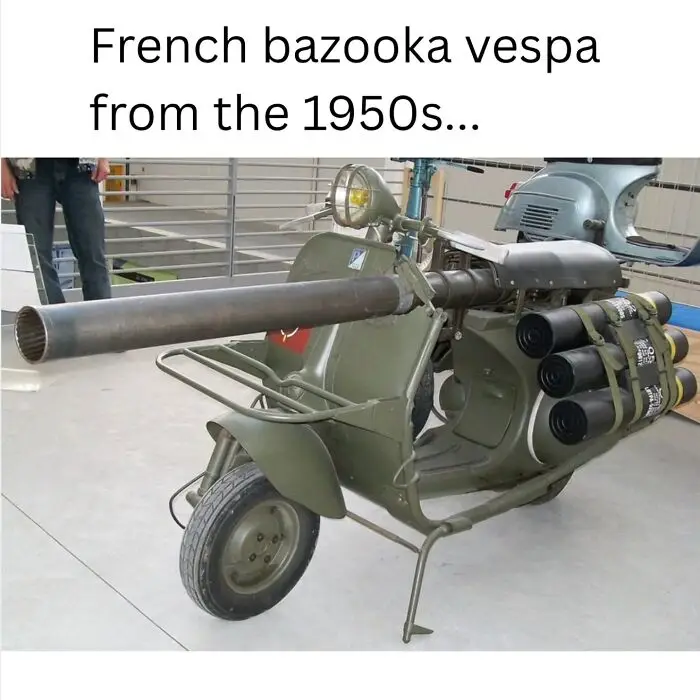
“The Vespa 150 TAP was a special military version of the Italian Vespa scooter built in the 1950s for French airborne troops.
About 500–600 units were produced under license in France between 1956 and 1959. Its unique feature was the ability to carry a U.S.-designed M20 75 mm recoilless rifle, a lightweight anti-armor weapon. The scooter itself wasn’t meant to fire the weapon directly; instead, it transported the rifle and ammunition quickly after a parachute drop, allowing soldiers to set it up on a tripod for use.
The Vespa 150 TAP had a reinforced frame, a larger 145 cc engine, and modified gearing to handle the extra weight, reaching speeds of 37–40 mph (60 km/h). These scooters were usually deployed in pairs, sometimes with a small trailer for additional supplies, and saw limited use mainly for transport and light support rather than direct anti-tank combat. The program was phased out by the 1960s as military technology advanced.”
Report
13points
#34
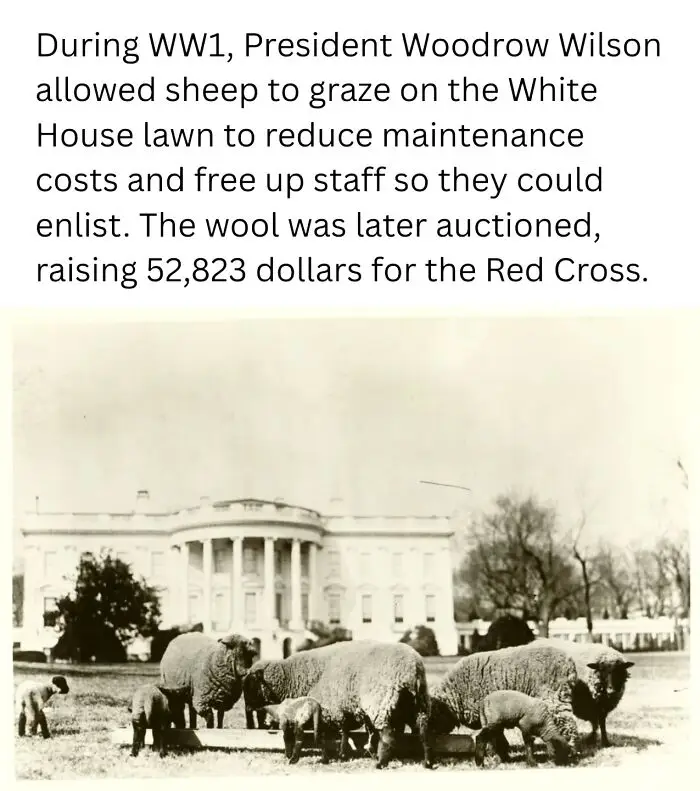
“A flock of about 48 sheep was brought in to graze on the South Lawn, effectively replacing lawnmowers while many White House groundskeepers had enlisted in the military.
The sheep were part of a broader wartime push for efficiency and patriotic resource saving. Their presence also fit with the era’s “victory garden” mindset, where public and government spaces were used to support food production and reduce waste. The sheep were managed by a shepherd and rotated across the lawn so the grass would be evenly trimmed, which made them a practical solution as well as a symbolic one.
After the war, the flock was sheared and eventually sold at auction in 1920. The wool and sheep sale together raised about $52,823 for the American Red Cross, a significant charitable contribution at the time.”
Report
13points
#35
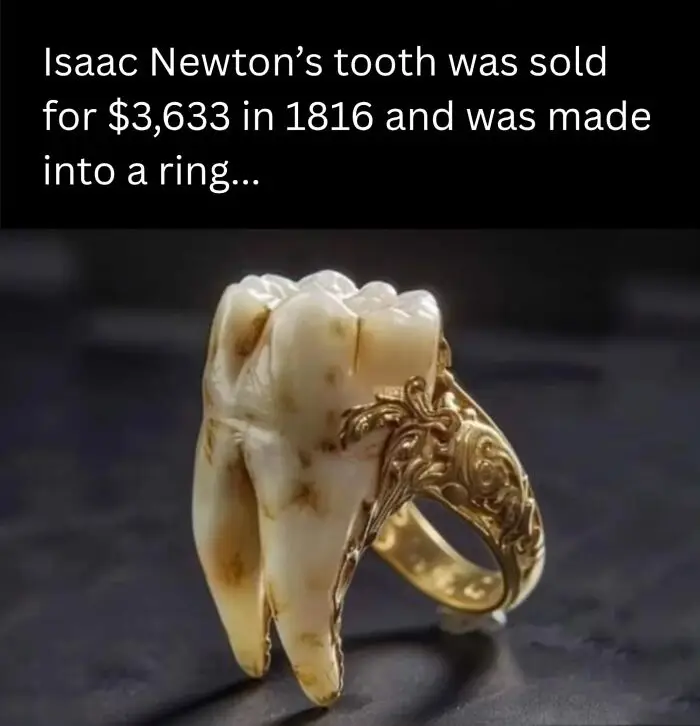
“The sale of Sir Isaac Newton’s tooth occurred at a London auction in 1816 for the price of £730.
At the time, this was a record-breaking amount for a human tooth, eventually earning a spot in the Guinness World Records. The tooth was purchased by an unnamed nobleman who reportedly had the specimen set into a gold ring to be worn as a memento of the physicist’s intellectual legacy.
The modern valuation of the artifact is subject to significant debate because the ring has remained in private hands and has not appeared on the open market for a long duration. While some estimates value it between $30,000 and $60,000 based on the 1816 price adjusted for inflation, its actual market value would depend entirely on a contemporary auction.
The record for the most expensive tooth sold at auction was officially reset in 2011 when a molar belonging to John Lennon sold for £19,500, which was approximately $31,200 at the time.”
Report
13points
#36
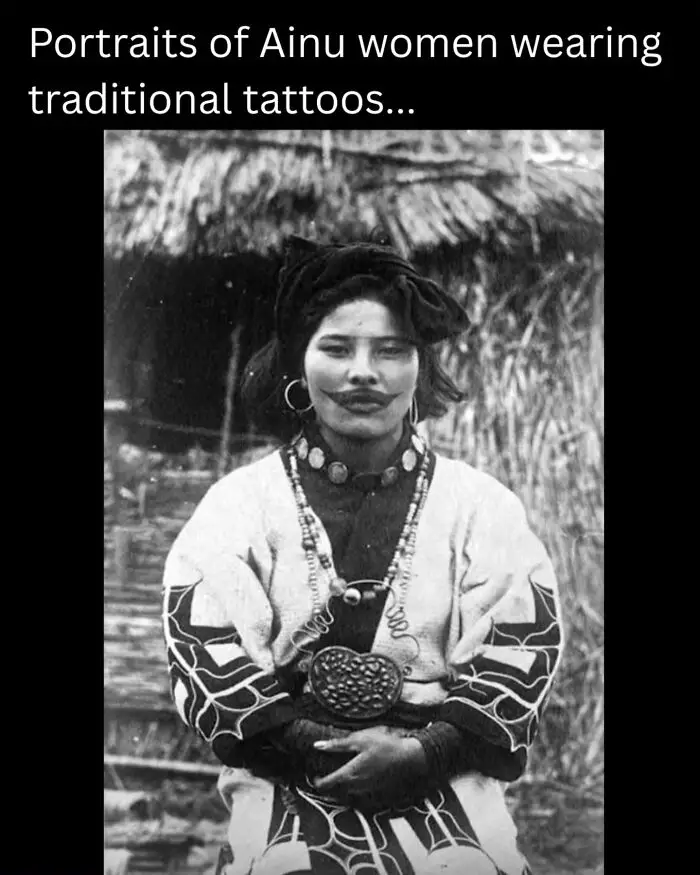
“The Ainu are an Indigenous people of northern Japan, especially Hokkaido, as well as parts of southeastern Russia.
Traditionally, Ainu women practiced mouth tattooing called anchi piri, along with occasional tattoos on the arms, using soot made from birch bark fires and applied gradually over many years. The markings began in early childhood and were slowly enlarged through adolescence, often reaching a full design around adulthood.
These tattoos were historically linked to identity, social status, protection, and readiness for marriage, and they were an important cultural practice marking life stages. The tradition was later restricted and discouraged under Japanese government policies during modernization, leading to its decline. Ainu culture also included distinct clothing made from elm bark fiber and animal hides, animist spiritual beliefs centered on nature spirits, and rituals honoring animals such as bears.”
Report
13points
#37
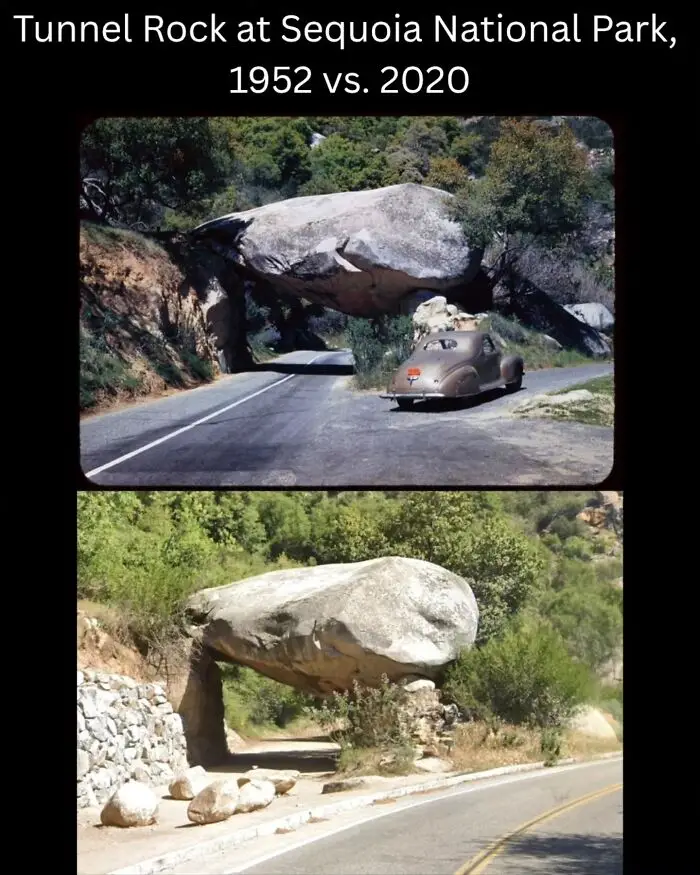
“Tunnel Rock in Sequoia National Park is a naturally occurring granite boulder that became famous not because it was built or carved, but because early road engineers chose to route the highway beneath it rather than remove it.
The rock itself is part of the ancient Sierra Nevada batholith, a massive body of granite formed deep underground roughly 100 million years ago when molten rock slowly cooled and crystallized. Over millions of years, uplift and erosion exposed these granite formations, leaving behind the dramatic boulder landscapes seen throughout the region.
When the Generals Highway was being constructed in the early 1930s, workers from the Civilian Conservation Corps were building a route through extremely steep and rocky terrain to connect major areas of the park. Instead of blasting or relocating Tunnel Rock, engineers decided to use the natural opening beneath it as part of the roadway.
For several decades, vehicles passed directly under the rock, making it one of the more unusual driving experiences in the park. As traffic increased and vehicle sizes grew, the road was eventually rerouted for safety and efficiency, but the original alignment was preserved as a roadside turnout.”
Report
12points
#38
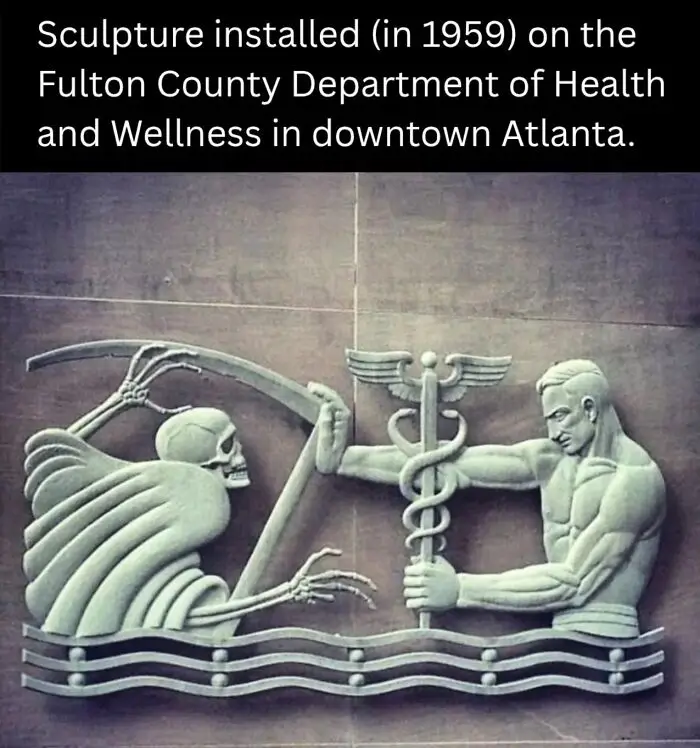
“The sculpture was created in 1959 by American artist Julian Hoke Harris.”
Report
12points
#39
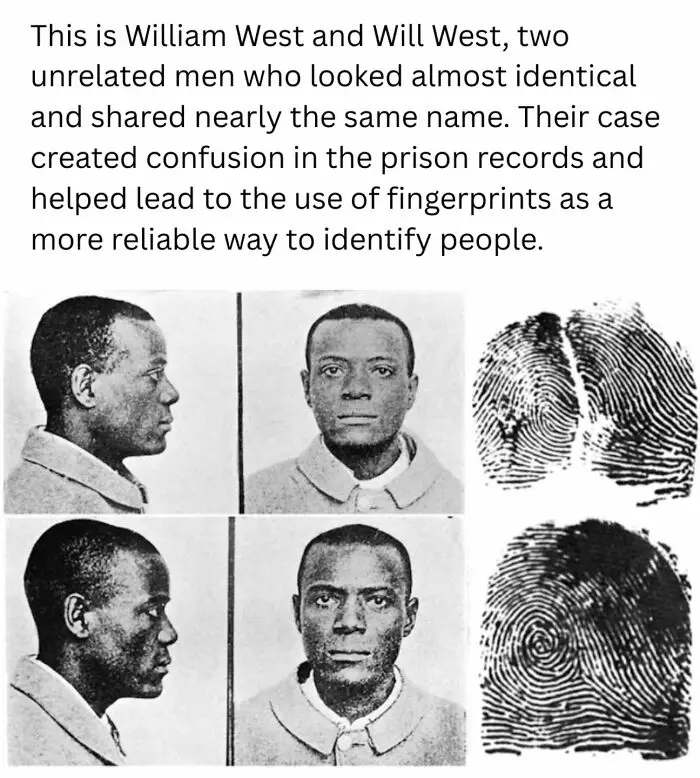
“Will West and William West, two men who were incarcerated at Leavenworth Prison in Kansas in 1903.
One was a new inmate, while the other was already in the system, but prison staff initially struggled to tell them apart because they had extremely similar facial features and very close physical measurements under the Bertillon identification system, a criminal identification method developed in 1879 by Alphonse Bertillon, a Paris police clerk. It was widely used from 1882–1905 and relied on physical measurements, photographs, and physical descriptions to identify criminals and repeat offenders.
The two inmates were not actually identical twins and were not completely identical in every measurement. The confusion came from how limited and error prone the Bertillon system could be when dealing with similar looking individuals and inconsistent record keeping. Once the mix up was recognized, it became one of several real world examples that pushed law enforcement agencies toward fingerprinting, which was already emerging as a more reliable method because fingerprints are unique and remain unchanged over a lifetime.”
Report
12points
#40
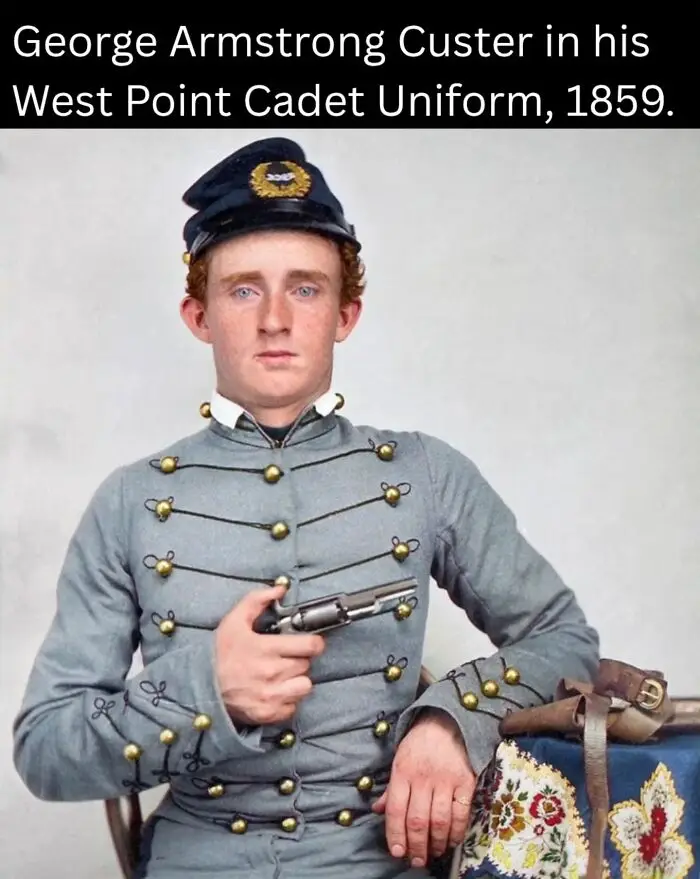
“Custer would have been around 20 years old in this photo. He would perished 17 years later...
Custer graduated last in his class (34th out of 34) from the United States Military Academy at West Point in June 1861 after racking up a record 726 demerits in just 4 years, one of the worst conduct records in the academy’s history. Despite this rocky start, he went on to become a cavalry commander during the American Civil War.
In 1876, Custer was warned by his Native American scouts that the Lakota allied forces vastly outnumbered his men. Custer ignored these warnings, believing his well armed forces to be nearly invincible, and then promptly lost his life later that same day.”
Report
12points


