



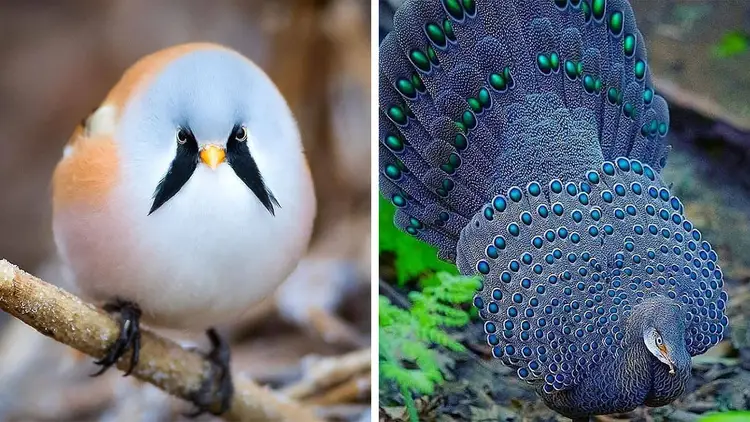


The world of birds never stops fascinating us, and every time we start exploring it, we discover something new and surprising. That’s why we’ve put together another interesting collection for all curious bird lovers out there who are always eager to admire new species.
'Best Bird Shots' is an Instagram page dedicated to curating amazing photography from people traveling to the most remote locations just to capture the incredible diversity and beauty of birdlife.
We've gathered some of our favorite images shared by the page below. Scroll down, enjoy these incredible feathered creatures, and don't forget to upvote the photos that impressed you the most!
#41 Atlantic Puffin
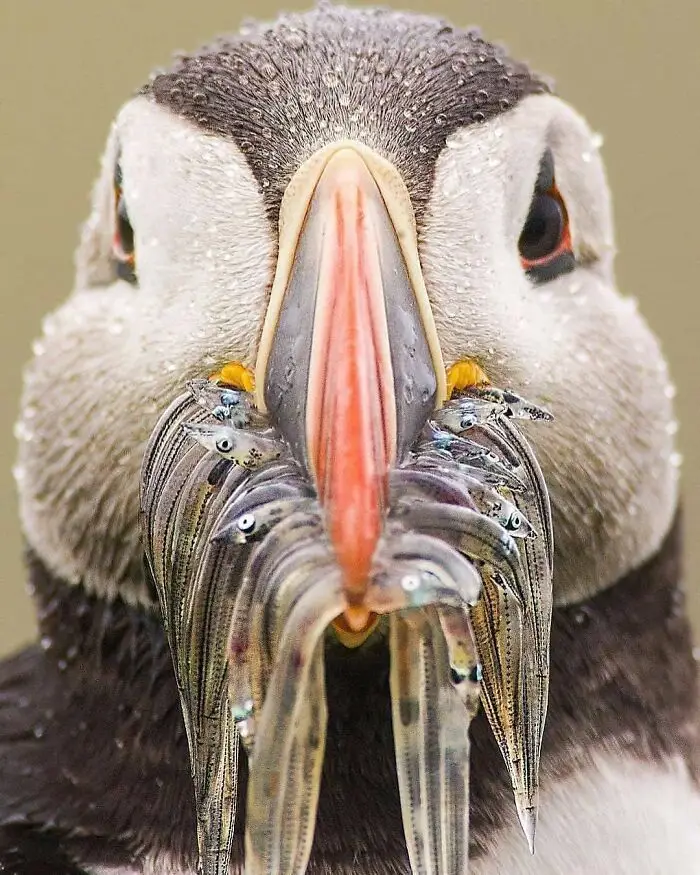
The Atlantic Puffin (Fratercula arctica) is a small, stocky seabird that spends most of its life at sea across the cold waters of the North Atlantic Ocean. Affectionately nicknamed the "clown of the sea" or "sea parrot," it is one of the world's most beloved marine birds, breeding in massive colonies on the rugged cliffs of Iceland, Norway, and the British Isles.
Their appearance is famously striking, resembling a miniature penguin dressed in a crisp black-and-white tuxedo. They feature pale gray cheek patches and a black crown, but their defining feature is a large, triangular, and spectacularly colorful beak striped in bright orange, yellow, and blue. Interestingly, this vivid beak is a seasonal ornament used to attract mates; after the breeding season ends, they shed the colorful outer layers, leaving them with a much smaller, dull gray beak for the winter.
They are exceptionally gifted swimmers and divers, highly specialized for hunting small schooling fish like sand eels and capelin. They utilize their short, powerful wings to literally "fly" underwater, diving to depths of up to 200 feet while steering with their bright orange webbed feet. Thanks to unique backward-pointing serrations inside their upper beak, a single puffin can hold dozens of slippery fish crosswise in its mouth at one time to bring back to its chick.
When they return to land in the spring to breed, they exhibit fascinating nesting behaviors. Instead of building nests out of twigs on rocky ledges, mating pairs use their sharp claws and beaks to dig deep burrows into the grassy turf of coastal cliffs, or they move into abandoned rabbit holes. Puffins are famously monogamous, reuniting with the same partner at the exact same burrow year after year, celebrating their reunion by rubbing their beaks together in a endearing ritual called "billing."
While they are silent and solitary during the long winter months at sea, their land colonies are a bustling hub of activity and sound. Their vocalizations are remarkably deep and comical, consisting of low, rumbling, growling calls that sound exactly like a muffled chainsaw or a cow's moo echoing from deep within their underground burrows.
Beyond their ecological significance as an indicator species for marine health, puffins hold a special place in coastal human cultures. They are celebrated emblems of places like Iceland—which hosts more than half of the world's puffin population—and Newfoundland, Canada. Today, they face mounting challenges from climate change and shifting fish populations, making the protection of their nesting islands more critical than ever.
Report
13points

#44 King Penguins

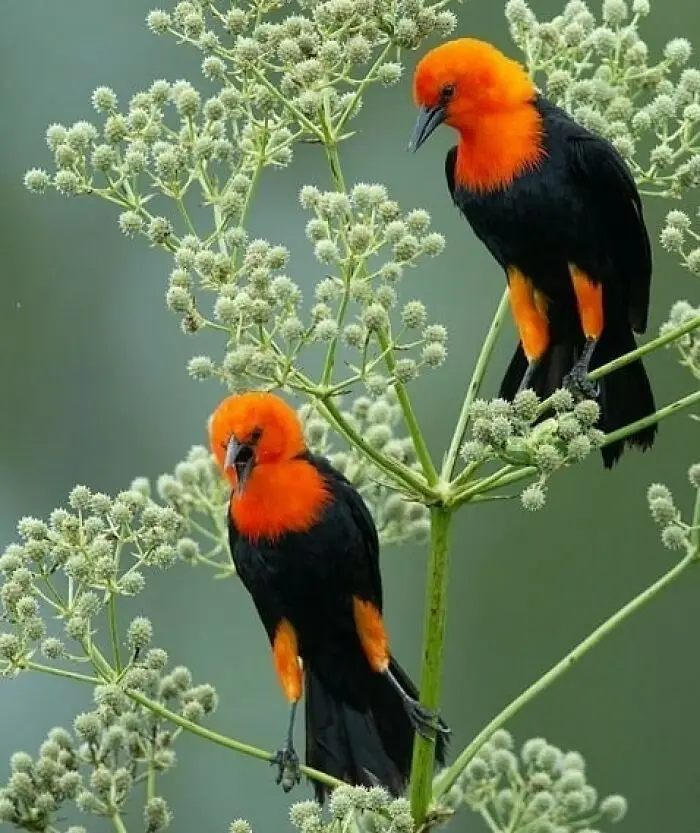
The King Penguin (Aptenodytes patagonicus) is the second largest penguin species in the world, standing just behind the Emperor Penguin. Inhabiting the chilly sub-Antarctic islands, these penguins form massive, bustling colonies and are among the most colorful and elegant of all sea birds.
King Penguins are instantly identifiable by the bright, spoon-shaped patches of vivid orange on the sides of their heads. This deep golden-orange gradient bleeds beautifully down onto their upper breast, contrasting sharply with their pitch-black heads and silvery-grey backs.
King Penguin chicks look so completely different from adults that early European explorers actually thought they were an entirely separate species of bird! They are covered in a thick, fluffy coat of solid brown down feathers, earning them the historical nickname "oakum boys" (named after the loose brown fibers used to seal wooden ships).
Unlike most birds that breed annually, King Penguins operate on a grueling 14-to-16-month breeding cycle. Because it takes so long to raise a single chick, a breeding pair can typically only successfully raise two chicks every three years.
King Penguins do not build nests out of stones or grass. Instead, like their Emperor cousins, they keep their single egg warm by balancing it on top of their webbed feet, tucked safely beneath a warm, featherless flap of skin known as a brood patch.
They are absolute powerhouse swimmers. To hunt for fish, squid, and small crustaceans, King Penguins routinely dive to depths greater than 300 feet, and they have been recorded plunging down past 1,000 feet into the icy ocean darkness.
Report
13points

#49 European Goldfinch
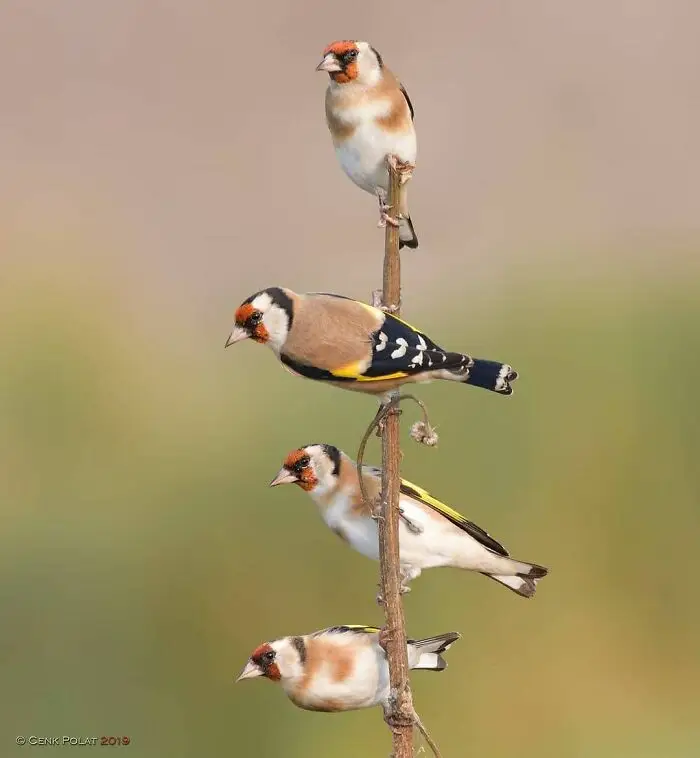
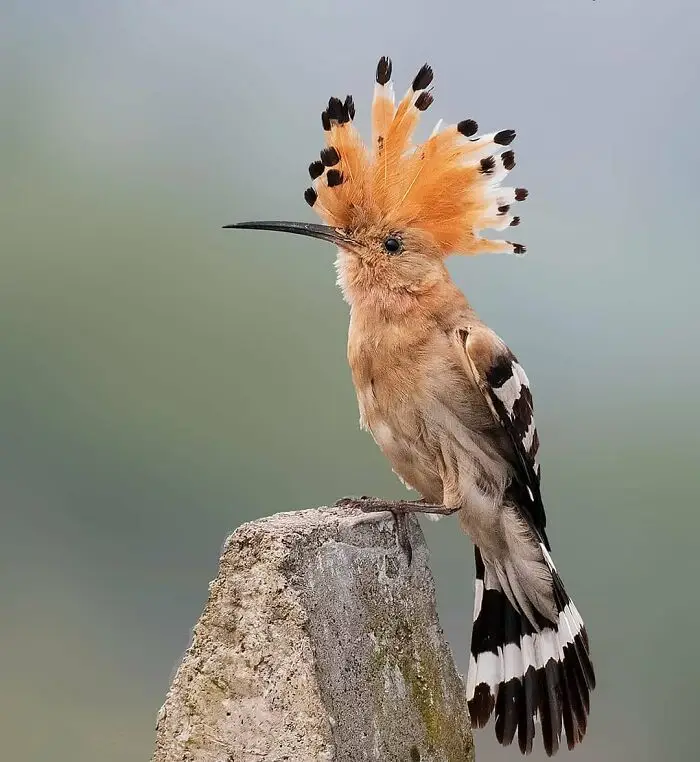
The European Goldfinch (Carduelis carduelis) is a small, delightfully vibrant songbird native to Europe, North Africa, and western Asia. Thriving in open woodlands, orchard orchards, and garden shrubbery, this cheerful finch is universally cherished for its bright colors, highly social nature, and sweet, liquid song.
Their plumage looks like a tiny, hand-painted masterpiece that splits the difference between striking contrasts and rich earth tones. They sport a brilliant, crimson-red face mask that is sharply outlined by clean white cheeks and a jet-black crown. When they take flight, their wings flash a bold, unmistakable bar of bright golden-yellow against a backdrop of deep black and brown, making them instantly recognizable even from a distance.
They are incredibly specialized granivores with a strong dietary preference for the seeds of thistles, dandelions, and teasels. Equipped with a sharp, fine, and needle-like beak, they possess an agile superpower: they can easily hover or cling upside down to the very tips of swaying weed heads, using their nimble weight to delicately pry out deeply wedged seeds that other birds simply cannot reach.
They are highly gregarious creatures, almost always moving through the landscape in close-knit, bouncing flocks. During the autumn and winter months, these flocks can swell into groups of several hundred birds—historically known as a "charm of goldfinches"—as they move across open fields in search of food, filling the chilly air with a constant, musical chattering of high-pitched liquid notes.
Their nesting architecture is incredibly neat and well-hidden. Working primarily in the fork of a high tree branch, the female constructs a tight, deep cup out of moss, fine grass, and roots, gluing it together using sticky spider silk for flexibility. To keep her chicks warm against the elements, she lavishly lines the interior with the softest materials available, specifically favoring thistle down and sheep's wool.
Beyond their ecological charm, these birds have held a deep, fascinating place in European history and human culture for centuries. Due to their striking looks and beautiful singing voices, they were highly prized as caged pets during the Victorian era. Furthermore, in Renaissance art, the goldfinch was a prominent sacred symbol, appearing in dozens of masterpieces—most famously Raphael's Madonna of the Goldfinch—where it represented endurance, spiritual beauty, and redemption.
Report
12points
#50 Emerald Dove
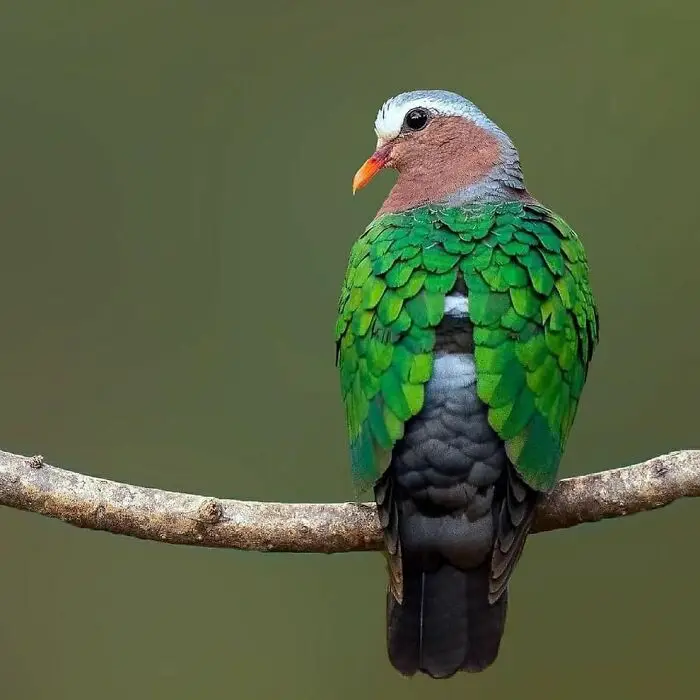
The Common Emerald Dove (Chalcophaps indica) is a medium-sized, stocky pigeon native to the tropical and subtropical rainforests, woodlands, and dense mangroves of South and Southeast Asia. Widely recognized for its dazzling coloration, this peaceful forest dweller brings a splash of brilliant, unexpected color to the dim jungle understory.
Their appearance is a striking, elegant combination of warm earthy tones and electric iridescence. They feature a soft, vinous-pinkish head, neck, and breast that blends into a deep brown body, sharply punctuated by a bright coral-red bill. Their absolute crowning glory is their wings and back, which are blanketed in metallic, emerald-green feathers that shimmer intensely with a jade or golden gloss whenever a ray of sunlight filters through the forest canopy.
They are primarily ground-dwelling birds that prefer the quiet safety of the deep forest floor over high treetops. They spend their days walking gracefully through leaf litter, searching for fallen wild fruits, berries, and various seeds; they will also feed on termites and small invertebrates when available, moving with a cautious, head-bobbing gait typical of the pigeon family.
Despite their bright wings, they can be remarkably difficult to spot due to their shy and secretive nature. When approached, they prefer to freeze and blend into the shadows of the low vegetation; if startled, however, they will launch themselves into a low, lightning-fast flight through the tangled trees, executing incredibly agile twists and turns to vanish into the dense foliage in seconds.
Their nesting architecture is remarkably sparse and minimalist, typical of many doves. The breeding pair constructs a fragile, semi-transparent platform of thin twigs and dry leaves tucked away in a low bush, tree fork, or tangled vine; the nest is often so loosely woven that the two creamy-white eggs can actually be seen from underneath, yet both parents take turns incubating them with immense dedication.
Beyond their ecological role as vital seed dispersers for tropical rainforest trees, these birds hold a cherished place in regional culture. Their distinct call—a low, rhythmic, and deeply resonant cooing "hoo-hoo-hooooo"—is a soothing and iconic background melody of the Asian jungle. Due to its gentle grace and radiant beauty, the Emerald Dove is proudly celebrated as the official state bird of the Indian state of Tamil Nadu.
Report
12points
#51 Great Egret And Common Kingfisher
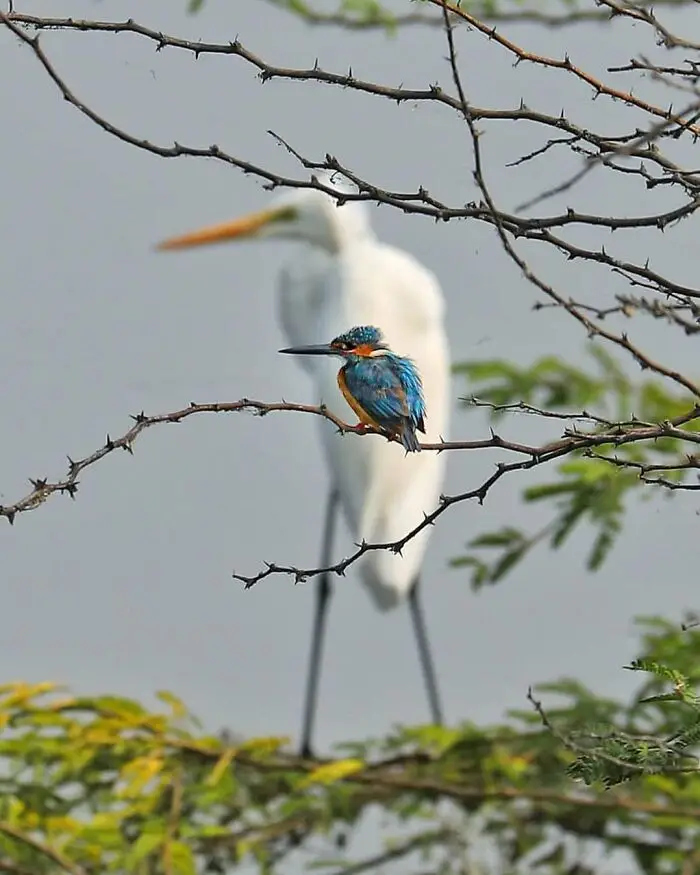
The Common Kingfisher (Alcedo atthis), also known as the Eurasian Kingfisher, is a small, dazzlingly bright bird widely distributed across Eurasia and North Africa. Renowned for its spectacular diving technique and striking colors, this sparrow-sized bird is a master fisherman of calm, clear freshwater habitats.
The kingfisher's back looks like a brilliant, metallic electric blue, but there is actually no blue pigment in its feathers! The color is entirely an optical illusion caused by structural coloration (specifically, the microstructures of the feathers scatter light in a way that reflects only iridescent blues and greens).
When hunting, a kingfisher sits patiently on an overhanging branch before plunging into the water like a missile. To enter cleanly, it closes its eyes and relies on a protective third eyelid (nictitating membrane) to see nothing at all, striking its prey blindly using precise muscle memory.
If you want to know if you are looking at a male or a female kingfisher, check the beak. Both have a sharp, dagger-like black bill, but females sport a bright orange patch on the base of the lower half—looking exactly like they are wearing a swipe of orange lipstick. Males have an entirely black bill.
Instead of nesting in trees, Common Kingfishers use their feet and bills to excavate long, horizontal tunnels into steep, sandy riverbanks. These burrows can be up to three feet long and terminate in a circular nesting chamber where they raise their young.
Once a kingfisher catches a fish, it carries it back to a perch and beats it against the wood to stun or kill it. It then flips the fish around in the air to swallow it headfirst. This ensures that the fish's sharp scales and fins fold down smoothly, keeping the bird from choking.
Report
12points
#55 Lonchura Domestica
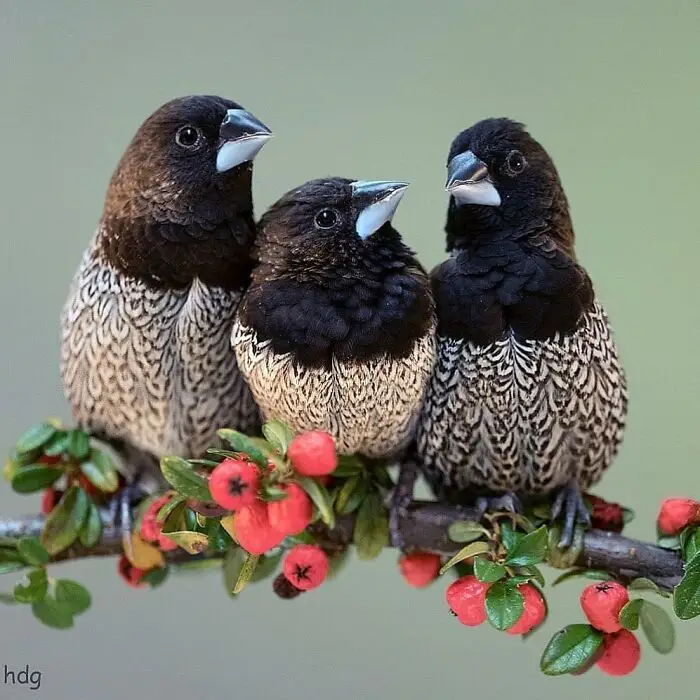
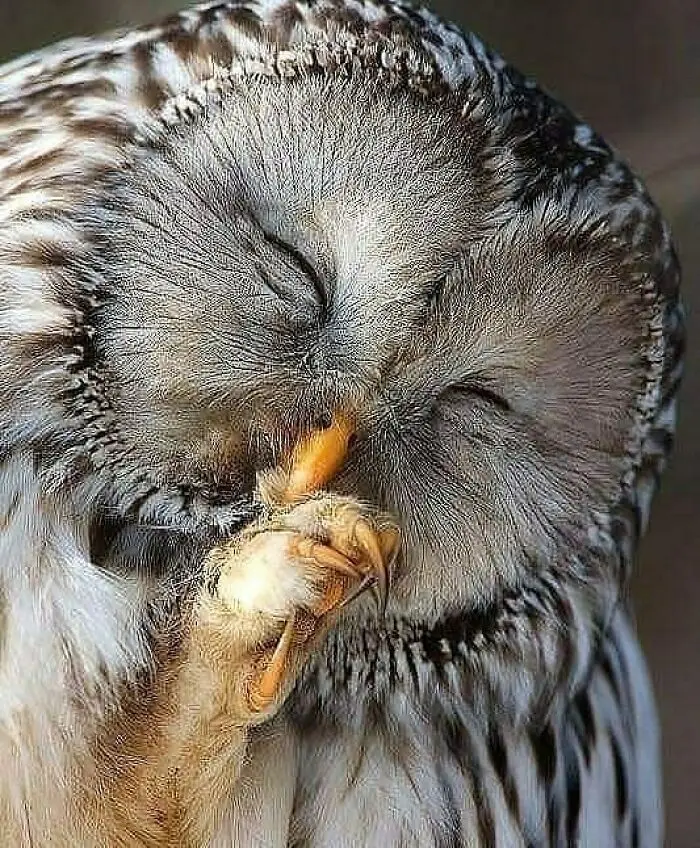
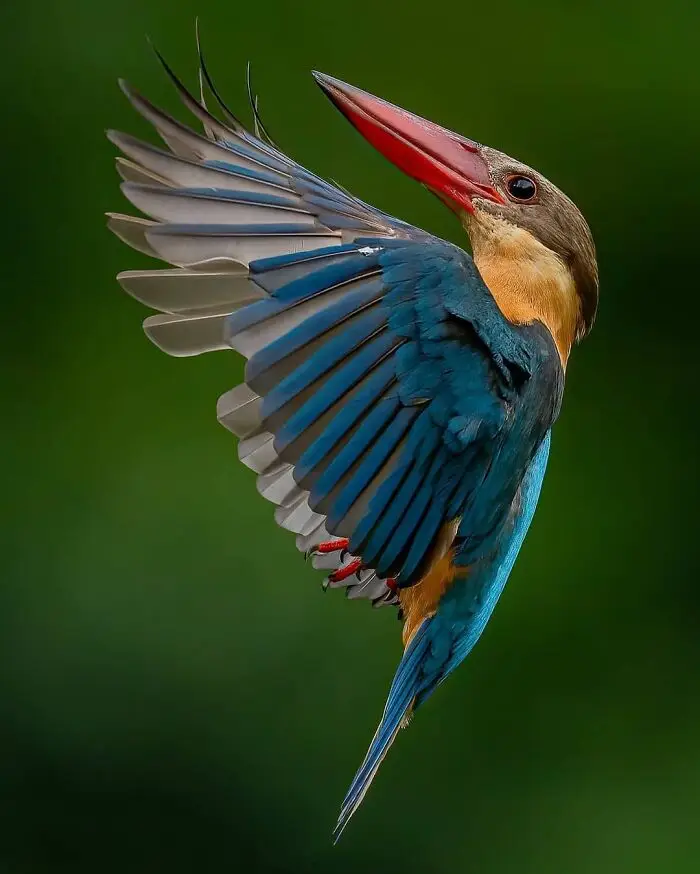
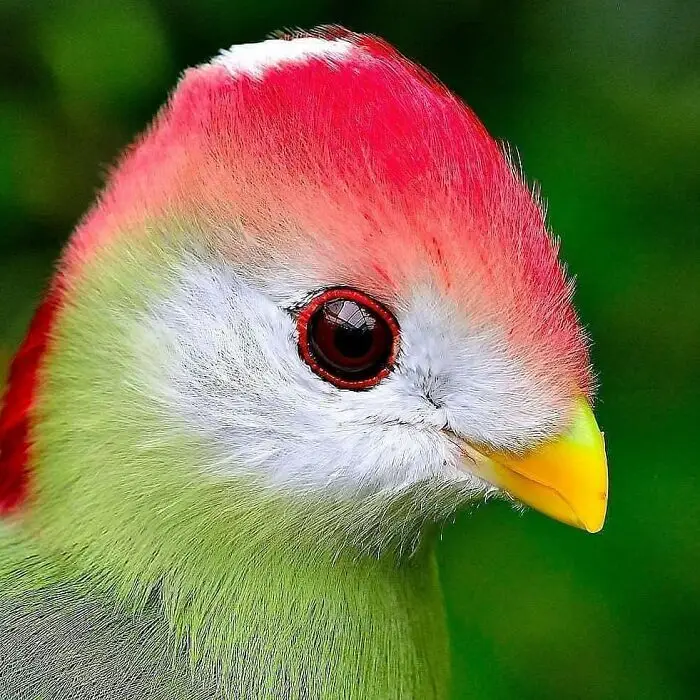
The Society Finch (scientifically classified as Lonchura domestica), also known as the Bengalese Finch, is a charming little songbird that holds a unique place in the avian world: it does not exist in the wild. It is a purely domestic species, deliberately bred by humans centuries ago.
The Society Finch was carefully cross-bred in Japan and China several hundred years ago. Its wild ancestor is primarily the White-rumped Munia (Lonchura striata), but because it was bred entirely in captivity, it has evolved into its own distinct, docile species.
They completely live up to their name. Unlike many territorial finch species, Society Finches are incredibly gentle, peaceful, and highly social. They love nothing more than huddling tightly together on a perch in big groups to sleep.
They are famous for their intense parenting instincts. Aviculturists frequently use Society Finches as foster parents to hatch and raise the chicks of more finicky or delicate exotic birds, such as the Gouldian Finch, because they will readily care for almost any egg placed in their nest.
While wild bird songs are largely dictated by genetics, research has shown that male Society Finches learn and adjust their complex, rhythmic songs by listening to their fathers and neighbors. Because there is no wild standard to match, individual families often develop their own distinct musical "dialects."
Because they have been bred by humans for so long, they come in a vast array of feather patterns and colors that you won't see in the wild, including chocolate brown, fawn, pure white, mottled "pied" patterns, and even crested varieties with a tiny toupee of feathers on their heads.
Report
12points
#56 Royal Flycatcher
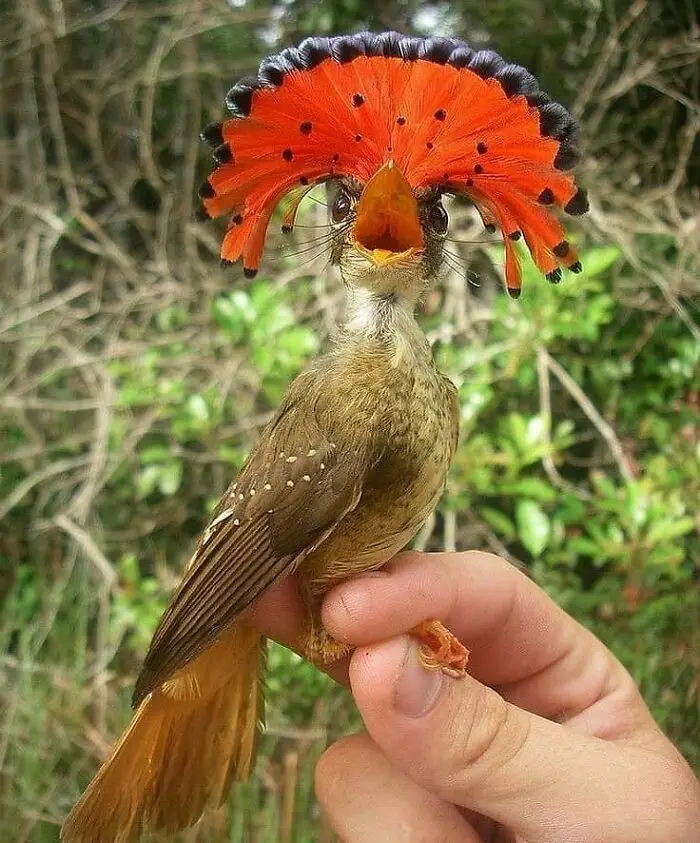
The Royal Flycatcher (genus Onychorhynchus) represents a group of four closely related bird species found throughout the dense, humid rainforests of Central and South America. While they look relatively plain at a casual glance, they hide one of the most spectacular, colorful secrets in the bird world.
For 99% of the day, the Royal Flycatcher looks like a modest, brownish-olive bird with a yellowish belly. However, it conceals a magnificent, fan-shaped crest that spans horizontally across its head. When opened, it reveals brilliant scarlet red (in males) or fiery yellow-orange (in females), completely decorated with steel-blue tips.
They don't walk around with their crowns open. Royal Flycatchers keep the crest fully flattened against their head, extending backwards. They only unfurl the display during intense courtship, while defending territory against rivals, or when handled by researchers (as a defense mechanism to startle predators).
True to their name, they are highly efficient aerial hunters. They sit quietly on shaded, lower-canopy branches before darting out in explosive bursts to snatch large insects, such as dragonflies, beetles, and cicadas, right out of mid-air.
Their nesting habits are just as dramatic as their crowns. Instead of a standard cup nest, they construct massive, narrow, woven structures out of plant fibers, moss, and twigs that can measure up to 6 feet long. These nests hang suspended from branches directly over forest rivers or streams, keeping eggs safe from climbing predators like snakes and monkeys.
Ornithologists typically divide them into four distinct geographic species: the Northern, Amazonian, Pacific, and Atlantic Royal Flycatchers. The Atlantic Royal Flycatcher, native to Brazil's rapidly shrinking coastal forests, is currently classified as vulnerable due to habitat loss.
Report
12points
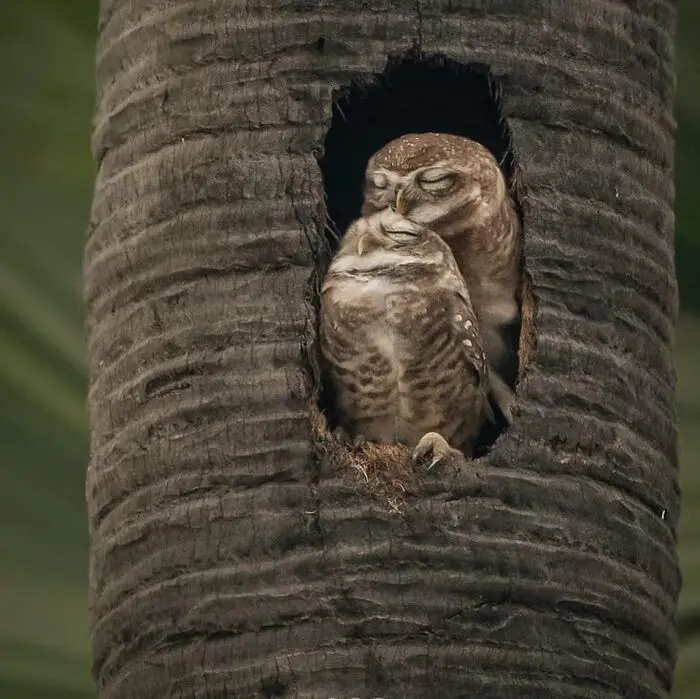
#58 Pelican
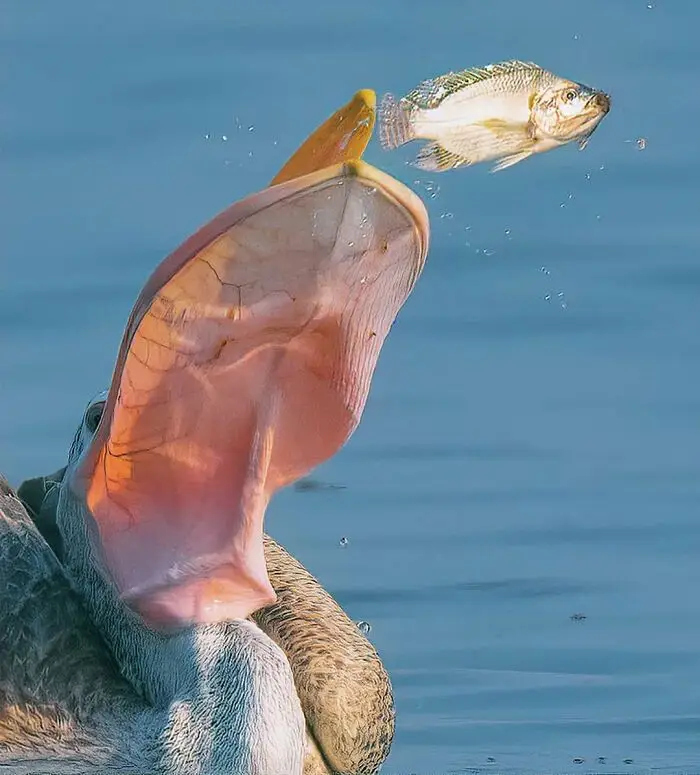
The Pelican (Pelecanus) is a massive, ancient lineage of waterbirds found across warm regions globally, favoring coastlines, lakes, and rivers. Belonging to a family that has remained largely unchanged for tens of millions of years, they are among the heaviest flying birds on Earth and are instantly recognizable by their prehistoric silhouettes.
Their appearance is defined by an enormous bill equipped with an expandable, leathery throat sac called a gular pouch. While their body plumage varies by species from snow-white to mottled gray-brown, many develop beautiful ornamental crests and vibrant yellow, pink, or deep orange coloration on their bills and bare facial skin during the breeding season.
They are cooperative, highly strategic hunters that primarily feed on fish. Most pelican species hunt in synchronized groups, swimming in a crescent shape to herd schools of fish into shallow water before dipping their massive pouches like dip-nets to scoop them up, draining the water out of the corners of their mouths before swallowing the catch whole.
The iconic throat pouch is often misunderstood as a storage tank for long-term food, but it actually functions primarily as an active fishing net and a vital cooling mechanism. On hot days, pelicans will flutter their pouch skin rapidly—a behavior called gular fluttering—to evaporate moisture and lower their core body temperature, much like a dog panting.
They are surprisingly graceful gliders, utilizing their massive wingspans—which can exceed nine feet in larger species—to effortlessly ride warm air currents. They frequently travel in long, single-file lines or precise V-formations close to the water's surface, using an aerodynamic phenomenon known as ground effect to coast on a cushion of air and save valuable energy.
Beyond their ecological significance as top aquatic predators, pelicans have captivated human imagination since antiquity. They feature prominently in global folklore, ancient Egyptian religious texts, and medieval European heraldry, where they were deeply revered as powerful symbols of self-sacrifice, devotion, and nurturing protection.
Report
12points
#60 Eurasian Bee-Eater
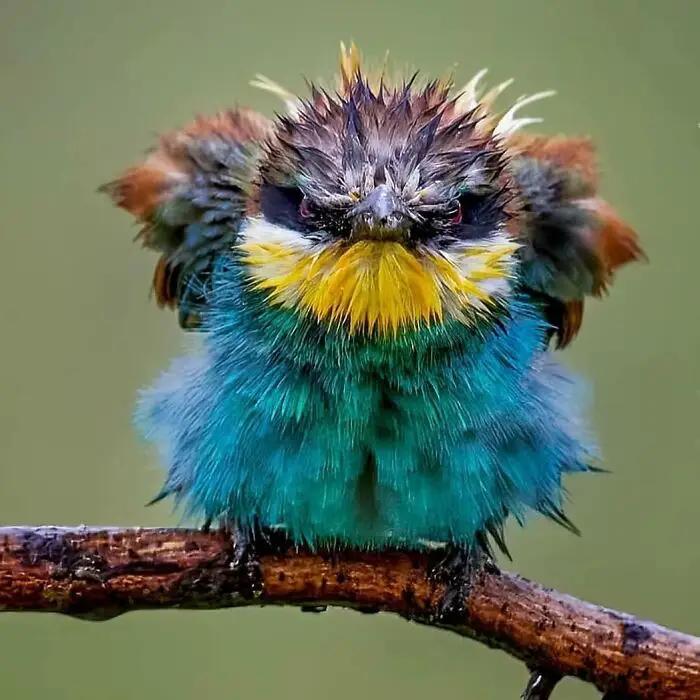
The Eurasian Bee-Eater (Merops apiaster) is a slim, richly colored bird that breeds across southern and eastern Europe, western Asia, and parts of North Africa. Renowned for its unparalleled aerial agility, this striking species is widely regarded as one of the most vibrant birds on the European continent.
Their plumage is a breathtaking, kaleidoscopic patchwork of rich colors. They sport a brilliant golden-yellow throat, a rich chestnut crown and back, a turquoise-blue belly, and a stark black eye-stripe that cuts through their face like a sleek mask, making them instantly recognizable even from a distance.
True to their name, they have a fascinatingly specialized strategy for hunting stinging insects like bees and wasps. They snatch their prey mid-air in lightning-fast, acrobatic loops, then carry it back to a perch where they repeatedly beat the insect against a branch and rub its abdomen down to safely discharge the venomous stinger before swallowing.
They are highly gregarious, nesting in bustling, noisy colonies of up to several hundred pairs. Instead of building nests in trees, they use their sharp beaks and clawed feet to excavate long, horizontal tunnels—sometimes reaching over three feet deep—into steep sandbanks, river cliffs, or quarry walls.
They are strongly migratory, traveling immense distances twice a year to escape the changing seasons. As autumn approaches, European populations gather in massive flocks to fly across the Mediterranean Sea and the Sahara Desert to spend the winter months basking in the warmth of tropical Africa.
Beyond their ecological role as master insect hunters, these birds are deeply admired by wildlife photographers and birdwatchers for their synchronized, gliding flight patterns. Their soft, rhythmic, and liquid "pruup" calls are an iconic, cheerful soundtrack of the Mediterranean summer.
Report
11points


