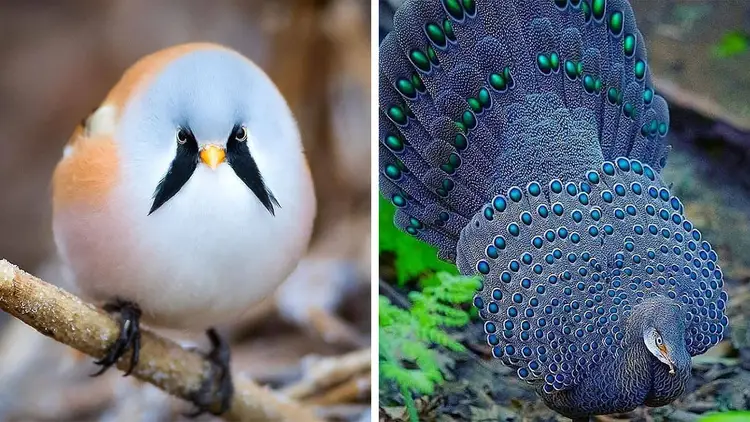


The world of birds never stops fascinating us, and every time we start exploring it, we discover something new and surprising. That’s why we’ve put together another interesting collection for all curious bird lovers out there who are always eager to admire new species.
'Best Bird Shots' is an Instagram page dedicated to curating amazing photography from people traveling to the most remote locations just to capture the incredible diversity and beauty of birdlife.
We've gathered some of our favorite images shared by the page below. Scroll down, enjoy these incredible feathered creatures, and don't forget to upvote the photos that impressed you the most!
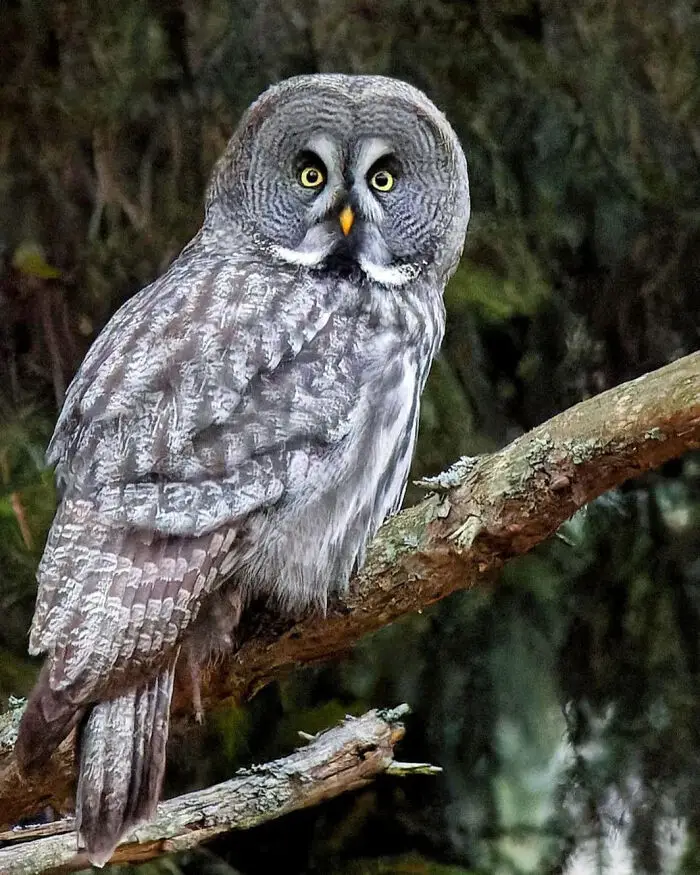
#62 Lilac-Breasted Roller
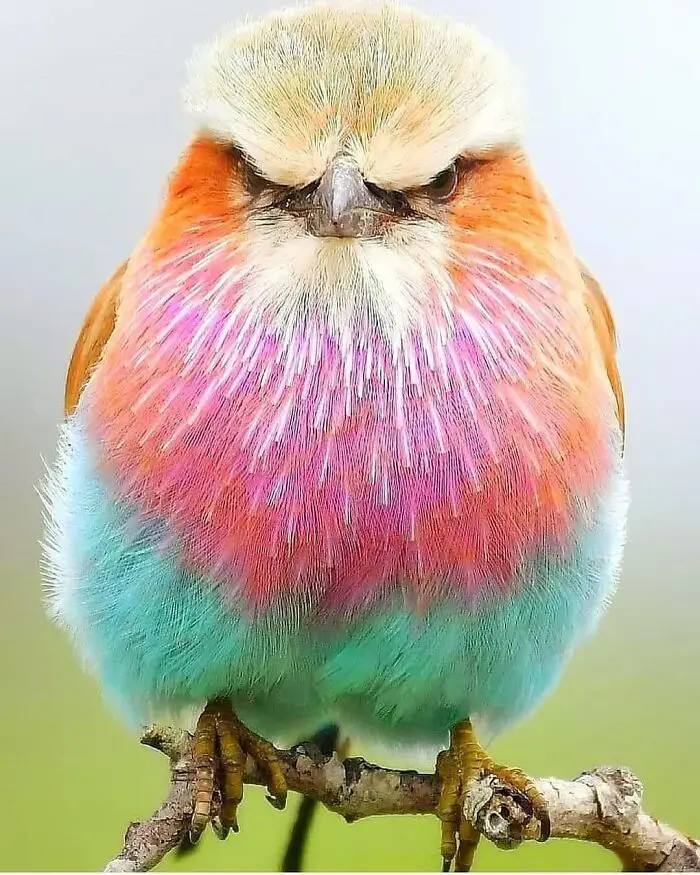
The Lilac-breasted Roller (Coracias caudatus) is a medium-sized, strikingly beautiful bird widely distributed across sub-Saharan Africa and the southern Arabian Peninsula. Thriving in open woodlands, bushy savannas, and agricultural lands, this vibrant creature is highly celebrated for its spectacular colors and holds widespread recognition as an unofficial national symbol of Kenya and Botswana.
Their plumage is a breathtaking, kaleidoscopic masterpiece featuring roughly eight distinct colors. They sport a pastel-purple or lilac breast that gives them their name, a turquoise-blue underbelly, a greenish-olive crown, and a rich cinnamon patch on their back. When they take flight, their wings reveal a dazzling flash of brilliant royal blue and bright azure, beautifully accented by two long, black, wire-like tail streamers.
The name "Roller" comes from their breath-taking, acrobatic courtship displays. To impress a mate or defend territory, a male will launch himself high into the air, dive sharply down in a rapid zigzag pattern, and twist and roll side-to-side along his longitudinal axis while emitting a loud, harsh, and rattling cry to ensure all eyes are on him.
They are fearless, solitary hunters that utilize a "sit-and-wait" predatory strategy. Perched prominently on high tree branches, telephone wires, or the backs of large mammals like elephants, they watch the ground intently. When they spot prey—ranging from large beetles and grasshoppers to small lizards, scorpions, and rodents—they dive-bomb to snatch it, often battering larger catches against a branch to break it apart before swallowing.
They share a fascinating, highly opportunistic relationship with natural African wildfires. While most animals flee the advancing flames, Lilac-breasted Rollers will actively fly directly toward the edges of a bushfire to capture the mass exodus of panicked grasshoppers, insects, and small animals trying to escape the smoke and heat.
Beyond their magnificent appearance, they are aggressively territorial birds that will boldly defend their nesting cavities against much larger intruders. They do not build nests of their own, choosing instead to take over old woodpecker holes or natural hollows in dead trees, where both parents work tirelessly to incubate their eggs and raise their highly demanding chicks.
Report
11points
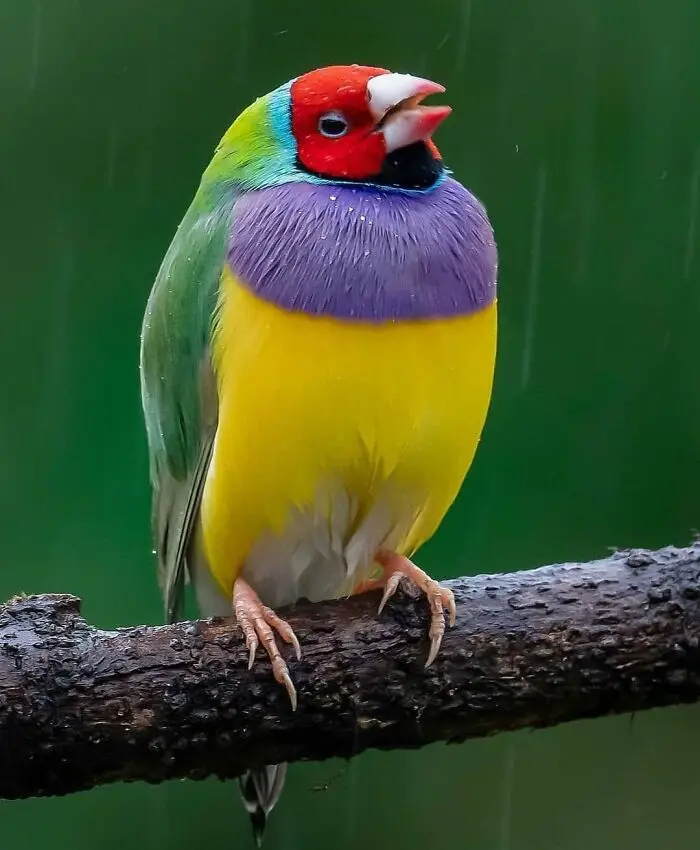

#65 Leiothrix
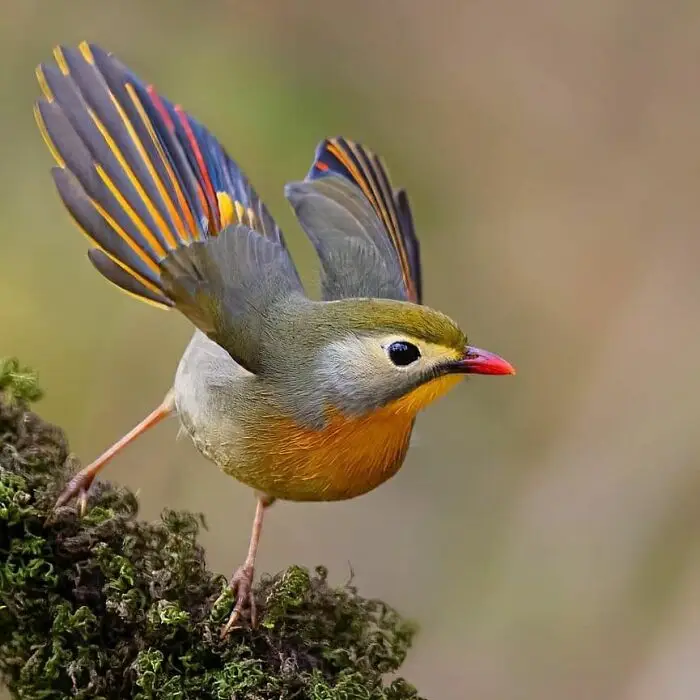
The Red-billed Leiothrix (Leiothrix lutea) is a small, enchanting songbird native to the subtle hill forests and dense mountain jungles of the Indian subcontinent, southern China, and Southeast Asia. Belonging to the laughingthrush family, this highly energetic bird is universally adored for its jewel-like plumage, intensely social demeanor, and incredibly rich vocal talents.
Their plumage is a striking, sun-kissed arrangement that glows brightly against the dim forest undergrowth. They feature an elegant olive-green body, soft yellowish rings around their dark eyes, and a brilliant, glowing golden-yellow throat that blends smoothly into an orange breast. Their most dramatic accents are their bright, coral-red bill and a vivid slash of crimson and yellow across their wing feathers, making them appear almost tropical in design.
They are incredibly expressive and gifted musicians, possessing a sprawling repertoire of vocalizations. The males sing a remarkably loud, varied, and beautiful melody consisting of clear, flute-like whistles that mimic the complex songs of true thrushes, while both sexes maintain a constant, cheerful chattering of scolding and buzzing calls to keep track of each other as they move through thick brush.
They are intensely gregarious and affectionate creatures, especially when it comes to their life partners. Historically nicknamed "Pekin Robins" or "Lovebirds" in the pet trade, a mated pair will spend hours sitting tightly pressed together on a branch, gently preening each other's heads and necks. If separated, they will call out in frantic, high-pitched notes until they are reunited, displaying a profound psychological bond.
They are highly active, ground-loving foragers that prefer the safety of dense secondary growth, bamboo thickets, and forest edges. They spend their days hopping rapidly through the leaf litter and low branches, using an opportunistic, omnivorous strategy to hunt down small insects, spiders, and caterpillars, which they supplement heavily with wild berries, small fruits, and seeds.
Beyond their native Asian borders, these birds have proven to be exceptionally rugged and successful global travelers. Due to their immense historical popularity as caged songbirds, escaped individuals have established thriving, permanent wild populations in far-flung subtropical and Mediterranean climates, including the Hawaiian islands, Japan, Réunion Island, and parts of southwestern Europe like France and Italy.
Report
11points
#66 Western Grebe

The Western Grebe (Aechmophorus occidentalis) is a large, elegant waterbird native to North America. Famous for its striking black-and-white appearance, long swan-like neck, and piercing red eyes, it is best known for performing one of the most spectacular, complex courtship rituals in the entire animal kingdom.
During the breeding season, pairs engage in a mind-boggling display called "rushing." They turn side-by-side, lunge forward, and literally sprint across the water's surface for up to 65 feet. They are the largest animals on Earth capable of running on water, taking up to 20 steps per second with their uniquely lobed feet to stay afloat.
If the rushing goes well, the pair moves on to the next stage of dating: the weed dance. They dive to the bottom of the lake, grab mouthfuls of aquatic vegetation, swim toward each other, and rise vertically out of the water chest-to-chest, swaying back and forth.
Western Grebes build floating nests out of rushes and reeds, anchoring them to living vegetation in shallow lake waters. Because these nests float, they rise and fall naturally with water levels, protecting the eggs from flooding.
Once the chicks hatch, they don't spend much time in the nest. They immediately climb onto their parents' backs. The adults swim around with the fluffy chicks safely tucked into their back feathers—even while diving underwater for fish—for the first few weeks of life.
They look almost identical to the Clark's Grebe. The easiest way to tell them apart is by looking at their eyes: the black cap extends down past the bright red eye on a Western Grebe, whereas a Clark's Grebe has white feathers surrounding its eye.
Report
11points
#69 Bald Eagle
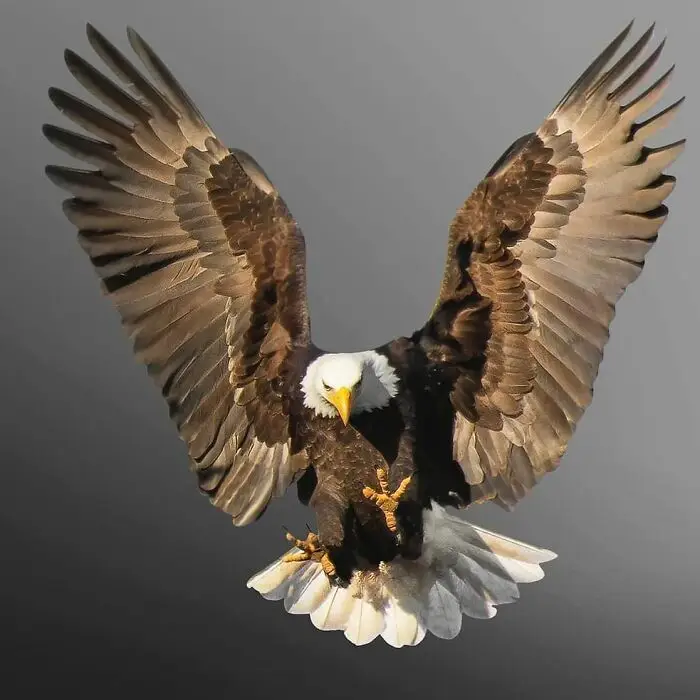
The Bald Eagle (Haliaeetus leucocephalus) is a massive bird of prey native strictly to North America, spanning from the wilderness of Alaska and Canada down through the contiguous United States and northern Mexico. As a true apex predator of the skies, this sea eagle is globally celebrated for its imposing strength and famously holds distinction as the national bird and symbol of the United States.
Their mature plumage is an iconic masterclass in stark contrast. While their massive body and wings are wrapped in deep chocolate-brown feathers, their head and tail are a brilliant, snowy white—a striking feature that only develops fully once the bird reaches adulthood around five years of age. This contrast is sharply punctuated by a massive, hooked yellow beak and piercing, pale yellow eyes that grant them legendary, razor-sharp vision.
They are opportunistic carnivores heavily specialized in fishing, typically establishing territories near large, open bodies of water like coastlines, lakes, and rivers. They hunt by soaring high or watching from a prominent perch, then diving down at speeds up to 100 miles per hour to snatch fish right out of the water with their powerful, curved talons, though they will also aggressively steal catches from smaller raptors like ospreys.
Their nesting habits are an incredible feat of lifelong animal architecture. Mating pairs build massive stick platforms—called eyries—high up in sturdy old-growth trees or on rugged cliffsides, returning to the exact same spot year after year to add more branches, moss, and feathers. Over time, these nests can grow to truly staggering dimensions, sometimes measuring over ten feet wide and weighing up to two tons, making them the largest tree nests built by any animal.
Despite their intimidating appearance and massive size, their vocalizations are surprisingly modest. Rather than a fierce, echoing scream, they communicate using a series of weak, high-pitched whistling chirps and chattering giggles; in Hollywood films, their actual call is famously dubbed over with the piercing cry of the much smaller Red-tailed Hawk to sound more cinematic.
Beyond its modern patriotic status, the Bald Eagle holds a deeply sacred, spiritual significance across many Native American cultures and First Nations communities, where its feathers and image symbolize courage, wisdom, and a direct connection to the creator. Having made a miraculous recovery from the brink of extinction due to chemical poisoning in the mid-20th century, it stands today as one of the greatest success stories in the history of wildlife conservation.
Report
11points
#70 Green Magpie
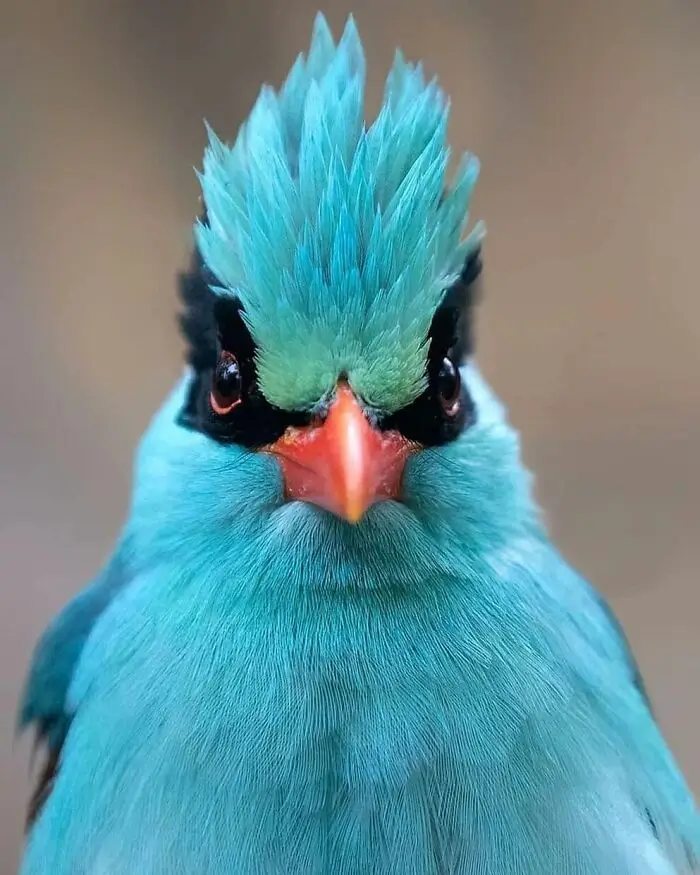
The Common Green Magpie (Cissa chinensis) is a medium-sized, breathtakingly beautiful member of the crow and jay family (
Their standard appearance is a vivid, high-contrast spectacle. They sport a brilliant lime-green body, a long cascading tail with black and white tips, and rich chestnut-red wings. A broad, jet-black "bandit mask" runs from the base of their bill completely through their eyes to the back of the neck, creating a striking contrast with their bright coral-red bill, legs, and fleshy red eye-rings.
They possess a fascinating, chameleon-like vulnerability regarding their color. Their intense lime-green feathers are not created by blue structural colors like most jays, but rather by fragile yellow carotenoid pigments derived from their diet, laid over a blue structure. Because solar radiation destroys this yellow pigment, green magpies exposed to prolonged, direct sunlight in captivity or open areas often fade over time, turning a completely uniform, bright sky-blue.
True to their corvid nature, they are highly intelligent, highly active, and aggressive carnivores. They spend their days hunting through the middle and lower canopies, foraging for a wide variety of prey including large beetles, grasshoppers, mantises, small lizards, frogs, and the nestlings of other birds. They are also known to readily feed on fresh carrion when available.
They are incredibly expressive and versatile vocalists. While they frequently emit a piercing, metallic, and harsh whistling call—often described as a sharp "peep-peep"—they are also highly accomplished mimics. They easily replicate the songs of other birds and even mammalian sounds to communicate with their flock or confuse potential predators.
Despite their brilliant coloration, they are remarkably secretive and difficult to spot in the wild. They prefer the thickest cover of bamboo groves, deep ravines, and tangled evergreen foliage, where they move in small, noisy family groups. Their incredible intelligence, bold hunting tactics, and jaw-dropping appearance make them one of the most highly sought-after encounters for wildlife photographers exploring the dense jungles of Asia.
Report
11points

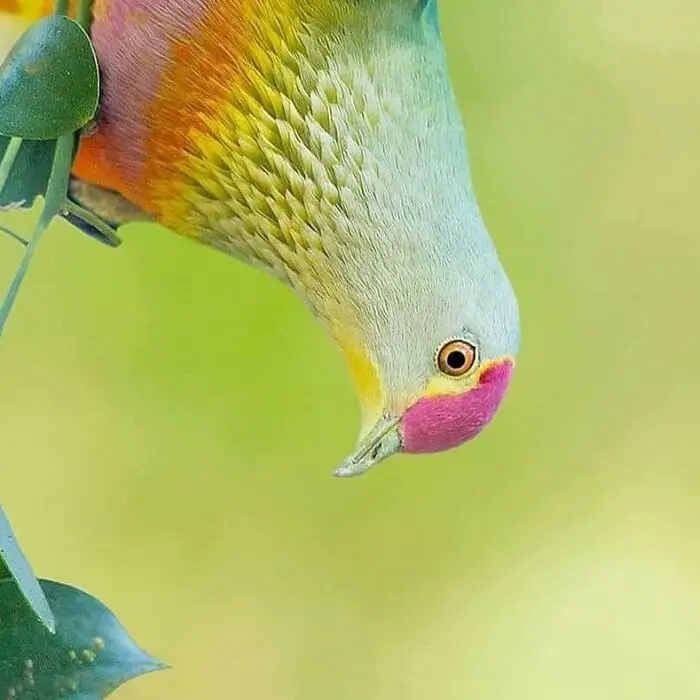
#73 Red-Whiskered Bulbul
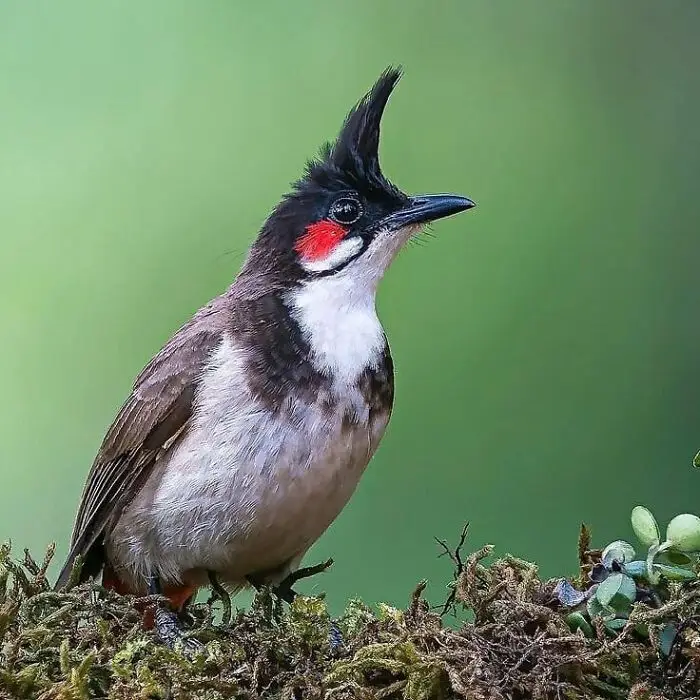
The Red-whiskered Bulbul (Pycnonotus jocosus) is a sleek, lively songbird native to the tropical regions of South and Southeast Asia. Renowned for its bold personality and expressive behavior, it is an iconic species that has adapted incredibly well to living alongside human environments.
Their plumage features a smart, high-contrast palette that makes them instantly recognizable. They sport a dark brown back, a clean white belly, and a dramatic, tall black crest that tapers to a sharp point on top of their head. Their namesakes are the vivid splash of crimson feathers located just behind their eyes, resembling bright red whiskers, which pair beautifully with a matching red patch under the base of their tail.
They are highly energetic and opportunistic foragers, making them a common sight in gardens, orchards, and urban parks. They split their time between flitting through fruit trees to feed on berries, figs, and nectar, and performing quick aerial sweeps to snatch flying insects mid-air, often hunting in small, cheerful family groups.
Their nesting architecture is remarkably clever and compact. Working together, a breeding pair weaves a neat, cup-shaped nest out of small twigs, roots, and grasses, frequently strengthening the exterior with spider silk. They are notoriously bold parents, often building these nests in low bushes, garden shrubs, or even on sheltered windowsills and porches very close to human activity.
They are incredibly expressive communicators, using both sound and body language to interact. When excited or defending territory, they will rapidly snap their crest up and down while letting out a loud, cheerful, and musical three- or four-note whistling call that sounds like a bright, bouncing bounce through the trees.
Beyond their native Asian range, these birds are famous for their remarkable survival skills as an introduced species. Escaped cage birds have successfully established permanent, thriving wild populations in warm regions all over the globe, including parts of Australia, southern California, Florida, and the Hawaiian islands.
Report
10points
#74 Penduline Tit
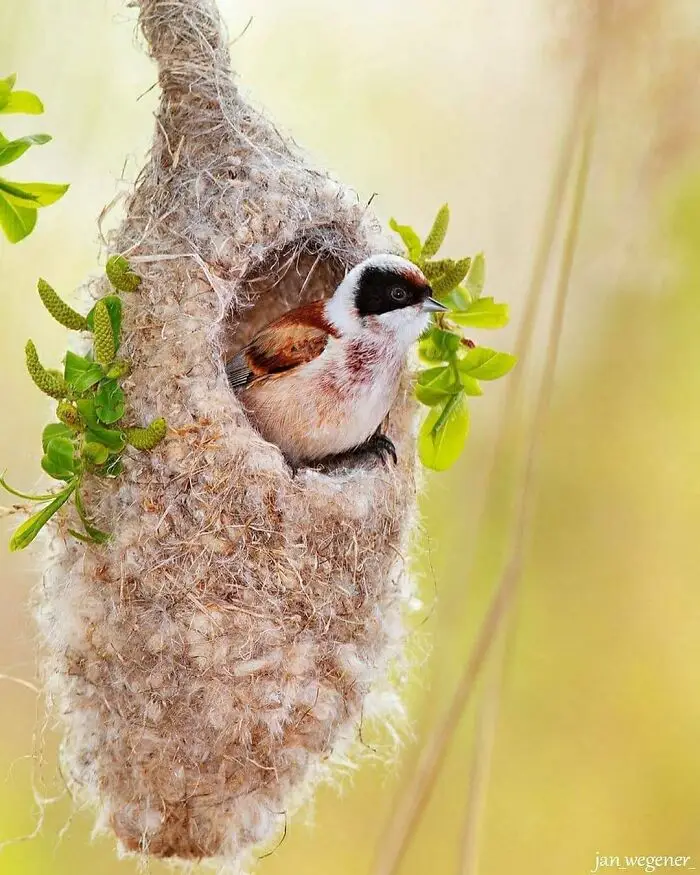
The Eurasian Penduline Tit (Remiz pendulinus) is a tiny, energetic songbird found across a massive range spanning from western Europe all the way across Russia to China. Thriving in wetlands, marshes, and riverbanks dense with reeds and willows, this diminutive creature is globally renowned not for its size or song, but for being one of the most sophisticated master architects in the entire animal kingdom.
Their appearance is remarkably smart and resembles a tiny, feathered bandit. They feature a light-grey head dramatically punctuated by a thick, jet-black "Zorro mask" across their eyes, contrasting beautifully against a rich chestnut-brown back and a pale, cream-colored underbelly. Their slender bills are sharp and needle-like, perfectly evolved to perform delicate, intricate movements.
The name "Penduline" directly refers to their incredible, pendulum-like nesting habits. Using their fine beaks, a breeding pair weaves a complex, hollow pouch that hangs suspended from the very tips of thin, drooping tree branches over water. The nest is an engineering marvel constructed out of soft animal hair, wool, and fluffy tufts of willow and reed seeds, woven together with spider silk so tightly that it resembles thick, sturdy felt fabric.
To protect their young from clever predators like snakes and larger birds, the nest features a highly specialized security design. It is built with a false entrance on the side that leads into a dead-end chamber to confuse intruders. The real entrance is an elongated, downward-pointing tube located higher up, which collapses shut under its own weight whenever the parents leave, acting as a soft, self-closing security door.
Their social lives are defined by a fascinating and highly chaotic mating strategy known as sequential polygamy. A male will start building an elaborate nest and sing to attract a female; once they pair up and finish the nest together, one partner will frequently desert the other to find a new mate and start a second nest elsewhere. This leaves either the mother or the father to raise the chicks entirely alone, and sometimes, if both try to desert at the same time, the nest is abandoned completely.
They are highly agile foragers, spending their days acrobatically clinging upside down to reed seed-heads and slender twigs. They rely on an insectivorous and granivorous diet, expertly prying open plant stems to find hidden aphids, small caterpillars, and spiders, or plucking tiny seeds during the cold winter months when they join up in small, nomadic family groups.
Report
10points
#75 Long-Tailed Tit
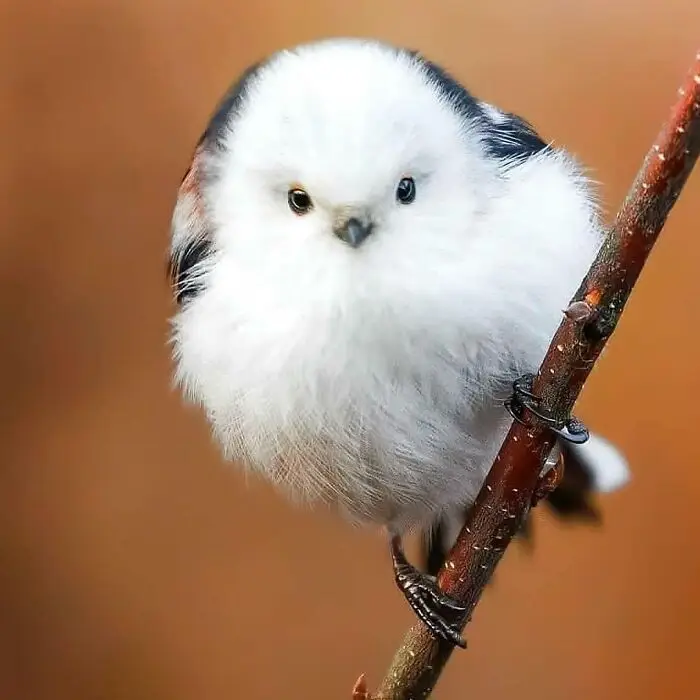
The Long-tailed Tit (Aegithalos caudatus) is a tiny, exceptionally endearing songbird found across the temperate woodlands, shrublands, and gardens of Europe and Asia. Affectionately compared to a flying lollipop or a cotton ball on sticks, this hyperactive little bird belongs to its own unique family, completely separate from the true tits of the northern hemisphere.
Their appearance is entirely dominated by their striking, oversized tail, which makes up over half of their total 14 cm (5.5-inch) body length. They sport a fluffy, rounded body wrapped in a delicate palette of snow-white, soft pink, and deep blackish-brown feathers, finished with a pair of tiny, dark eyes and a remarkably short, stubby beak perfectly suited for precise tasks.
They are master weavers who construct one of the most complex nests of any European bird. Working together over several weeks, a pair builds a flexible, dome-shaped pouch hidden in the fork of a thorny bush or tree trunk, constructed out of moss, animal hair, and spider silk; the spider silk allows the nest to elasticly stretch and expand to accommodate the growing family of up to a dozen chicks, which they camouflage by perfectly tiling the exterior with thousands of individual flakes of lichen.
Their social lives feature a heart-warming, highly cooperative behavior known as "helper altruism." If a breeding pair's own nest fails due to predators or bad weather, they don't give up; instead, they immediately select the nest of a close relative and spend the rest of the season working tirelessly to help feed and protect that relative's demanding chicks, vastly improving the family's survival rate.
They are intensely gregarious and are almost never seen alone, moving through the woods in highly synchronized, noisy family flocks of 20 to 30 birds. Because their tiny bodies lose heat rapidly during cold winter nights, the entire flock will gather on a single branch and tightly squeeze together into a single, shivering row—constantly shuffling positions so that the birds on the cold outer edges get a turn in the warm center.
They are restless, acrobatic foragers that survive almost entirely on a diet of tiny insects, spiders, and moth eggs. They move through the canopy with a bouncing, undulating flight pattern, often hanging completely upside down on the very tips of slender twigs to glean hidden pests that heavier birds cannot reach, all while maintaining constant, high-pitched contact calls that sound like a rhythmic "sri-sri-sri" echoing through the trees.
Report
10points
#76 Eastern Blue Bonnets
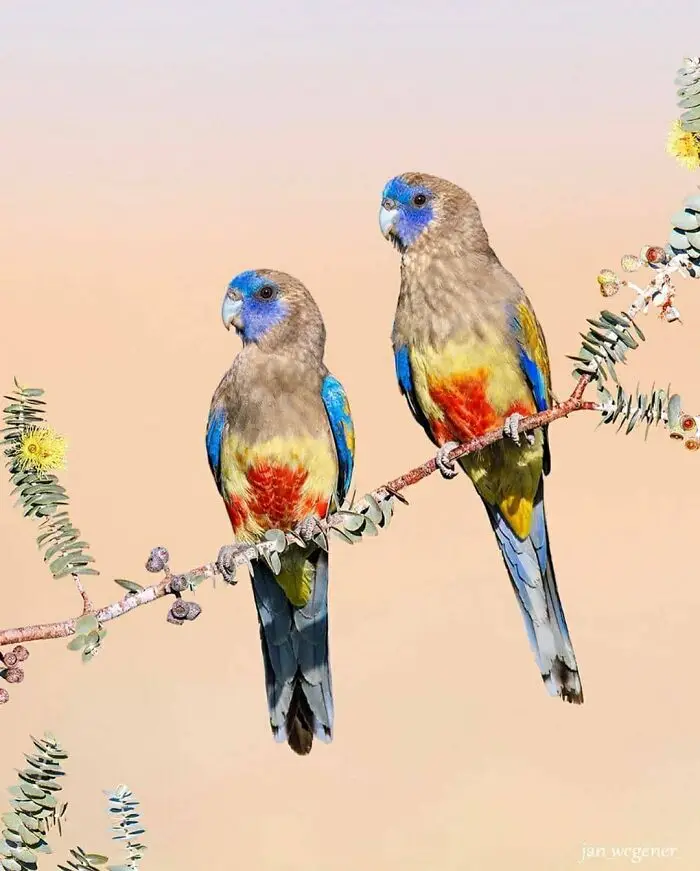
The Eastern Bluebonnet (Northiella haematogaster) is a medium-sized, strikingly distinct parrot native to the arid and semi-arid woodlands, mallee scrublands, and open interior plains of southeastern Australia. Highly resilient and uniquely adapted to life in the harsh Australian outback, this nomadic bird stands out among Australian parrots for its bold personality and fascinating color variations.
Their appearance is a beautifully complex mosaic of subtle earth tones and explosive accents. They feature a primarily soft, olive-brown upper body and breast that blends into an unmistakable, brilliant purplish-blue "bonnet" mask across their face and forehead. Their lower underparts feature a striking, vibrant red patch on the belly that shifts into a bright yellow vent, while their wings flash brilliant patches of turquoise, deep blue, and red when fanned.
They are largely ground-feeding parrots, perfectly suited for scavenging in arid landscapes. They spend the cooler hours of the morning and late afternoon walking briskly through low grass and saltbush, foraging for a varied diet of native seeds, herbaceous plants, wild berries, and small insects. Because water is scarce in the outback, they are highly mobile and will fly great distances to gather around remote livestock watering holes and farm dams.
Despite their delicate beauty, Bluebonnets are widely famous among aviculturists and field biologists for their incredibly fiery, pugnacious temperaments. They are intensely territorial, aggressively defending their feeding grounds and nesting sites from other birds. During the breeding season, a mated pair becomes fiercely protective, and males will boldly confront rivals with flared wings, raised crown feathers, and a series of sharp, rapid chattering calls.
Their nesting strategies are heavily reliant on the sparse timber of the Australian interior. They seek out natural hollows deep within old, decaying eucalyptus trees, often selecting holes with remarkably narrow entrances close to the ground to keep larger predators out. The female cleans the hollow and lays her eggs directly onto a bed of decaying wood dust, remaining inside for weeks while the male diligently brings her food.
Beyond their ecological role as tough survivors of the bush, Eastern Bluebonnets are highly prized by experienced bird enthusiasts for their intelligence and active nature. In the wild, their swift, undulating flight and explosive chattering calls are an iconic, spirited element of the quiet Australian interior, showcasing nature's ability to paint vivid pops of color onto an otherwise dusty landscape.
Report
10points