





Following recent archaeological discoveries, the very first art subject was not a human but a warty pig, and soon after followed cave paintings of humans hunting pigs. Thus, the portrayal of humans in artworks, later followed by objects and nature, really is as old as art itself.
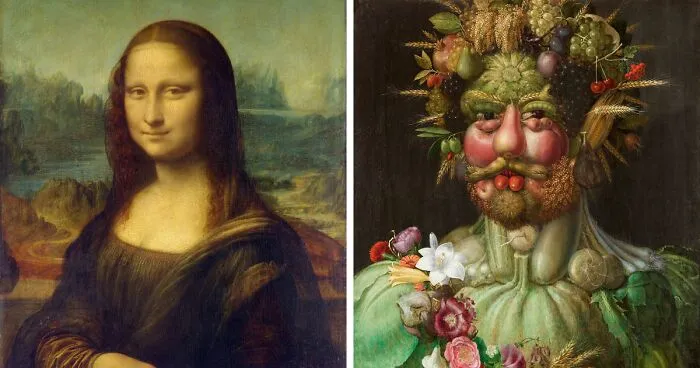
Before the invention of camera obscura and long before the selfie era, painters were entrusted with creating the most accurate depictions of people. Even today, one of the most famous paintings, painted over 500 years ago, Da Vinci’s Mona Lisa, is deemed highly realistic even by today’s portrait painting standards.
However, painted portraits can display more than just a person’s appearance. They tell us about the person’s culture and even a broader retrospective into their cultural and societal background. Whether on wooden panels, towels, napkins, or whatever canvases were available at hand, famous artists from all over the globe were responsible for immortalizing and documenting human progress by painting portraits. Thus, portrait paintings are historically regarded as some of the most important pieces of artwork.
Below, we’ve compiled a list of famous portrait paintings and paintings depicting humans that are of immense historical importance and have heavily influenced the modern art we see today. Remember to upvote your favorite portraits, and once you are done, check out our article covering the most famous works of art of all time!
#41 The Denial Of Saint Peter
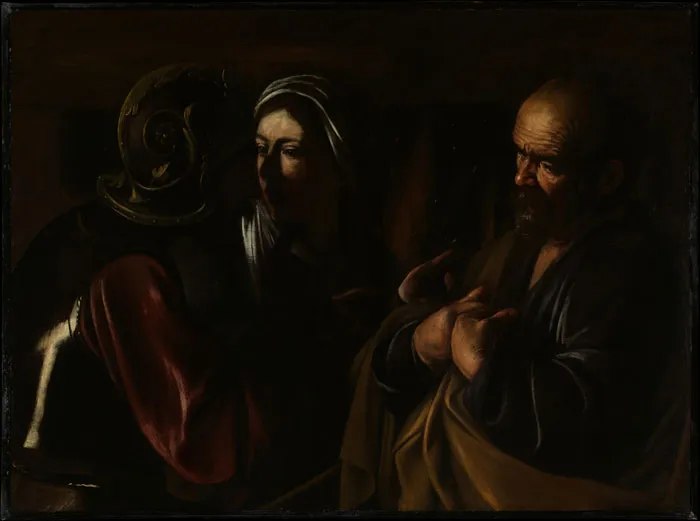
Artist: Caravaggio | Year (completed): 1610 | Period: Baroque
For their dramatic effect, late works by Caravaggio rely on highly lighted portions standing out against a black background. It's believed that Rembrandt used a similar technique in his paintings. Regarding this painting, no precise date is known for when the picture was completed. Still, experts believe that Caravaggio painted it in the turbulent final months of his life, representing a turning point in the growth of his revolutionary style. The Denial of Saint Peter by Caravaggio depicts a biblical scene. A Roman soldier and a serving maid for the Jewish high priest Caiaphas accuse Peter of being one of Christ's disciples as he stands in front of a fireplace. In this scene from the gospels, Peter refuses Christ three times. The three fingers Peter's accusers point at him - two from the maid and one from the soldier - underline this allusion.
Report
10points
#42 Henri Degas And His Niece Lucie Degas
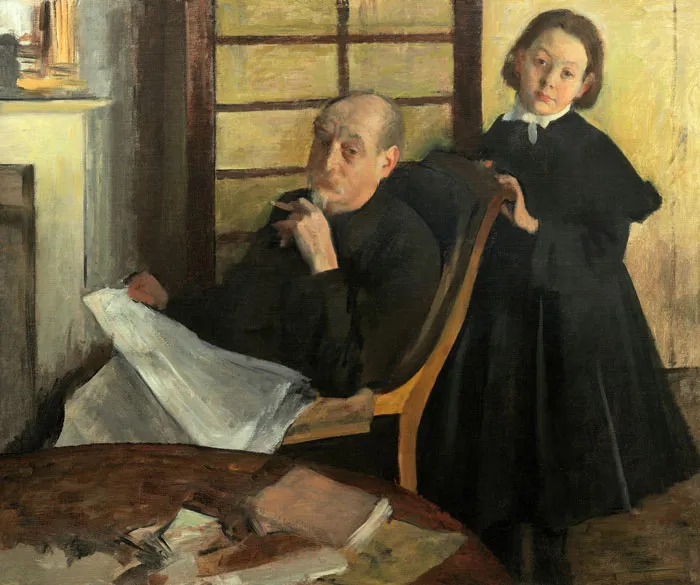
Artist: Edgar Degas | Year (completed): 1876 | Style: Impressionism
Degas' portraits, predominantly of family members and close friends, were created mainly between the late 1850s and the 1870s. Degas frequently traveled to Florence and Naples, where he candidly painted his Italian relatives. On one of his final trips to Naples in the middle of the 1870s, Degas painted this double portrait of his orphaned cousin Lucie and their uncle Henri, in whose custody the girl had recently been placed. Degas depicted two individuals in this picture who are many years apart in age and who are hesitantly accepting the nuances of their new relationship. Degas tackled issues similar to these with understanding and sympathy since he had recently lost his father.
Report
10points
#43 Portrait Of Madame Récamier
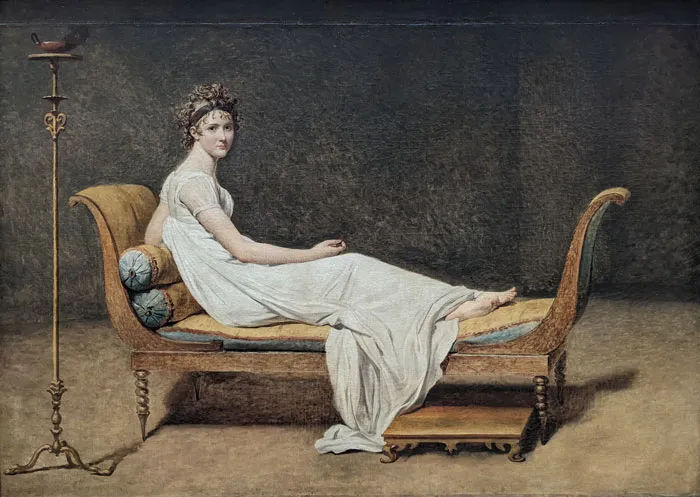
Artist: Jacques-Louis David | Year (completed): 1800 | Period: Neoclassicism
Juliette Récamier was one of the most famous models and muses of her era, as well as a patroness and collector. She and her financier husband, Jacques-Rose Récamier, settled in the Chaussée-d'Antin area and embraced modernity by inviting the finest artists of the time to their own estate on Rue du Mont-Blanc. She planned numerous events there and ran a renowned salon with flair; her salon served as a hub for the city's intellectuals and artists. In the first half of the 19th century, Juliette Récamier was the heart of society. Jacques-Louis David started painting the portrait of the most alluring woman of the time in the spring of 1800 when she was just 23 years old. However, the incomplete image was given up a few months later. Numerous explanations for the interruption have been put forth. However, the question mark is still present today as it was back then. These explanations include slow execution, criticisms of the resemblance, caprice on the part of the subject, dissatisfaction with the outcome, and discontent on the painter's part. It is said that Madame Récamier requested another portrait from François Gérard after growing impatient with David's tardiness.
Report
10points
#44 The Englishman (William Tom Warrener) At The Moulin Rouge
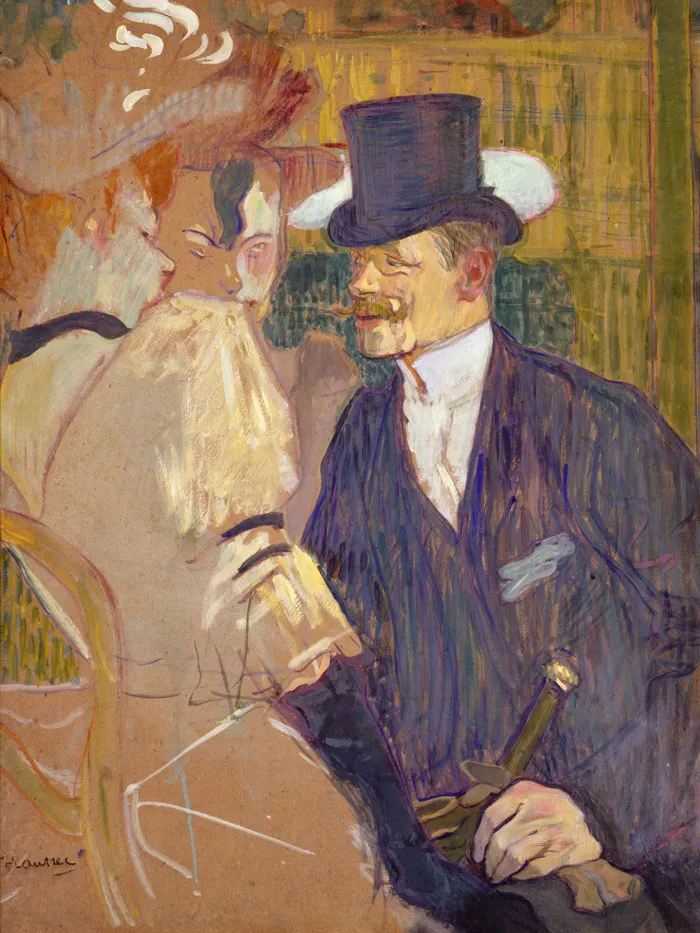
Artist: Toulouse-Lautrec | Year (completed): 1892 | Periods: Post-Impressionism, Art Nouveau
William Tom Warrener, the subject of the painting, also an English painter and friend of Lautrec's, is depicted as a top-hatted gentleman chit-chatting with two female companions at the Moulin Rouge. This dance hall embodied the vibrant and raunchy nightlife of late-19th-century Paris. The suggestive postures of the women and Warrener's embarrassed, reddened ear demonstrate how risqué their discourse was.
Report
9points
#45 Old Man With A Gold Chain
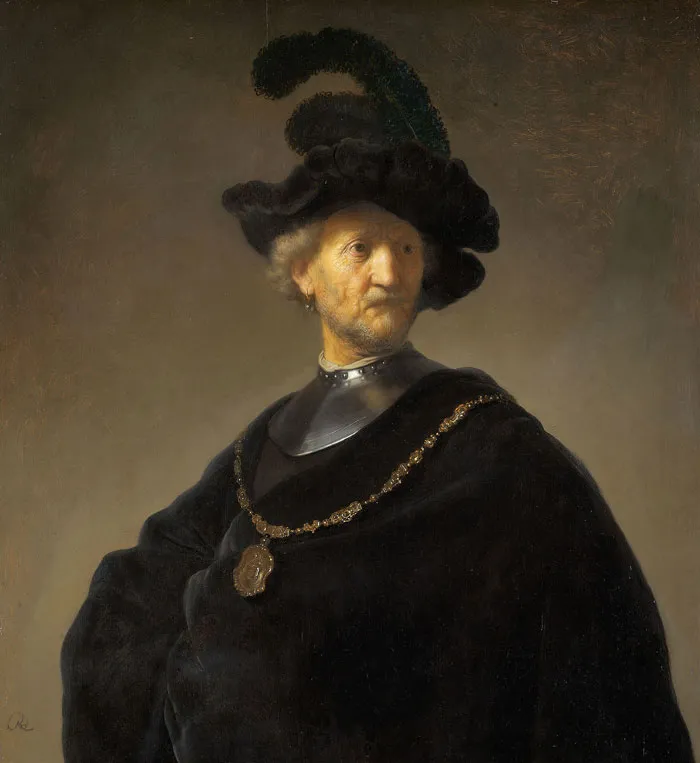
Artist: Rembrandt Van Rijn | Year (completed): 1631 | Period: Baroque
This less well-known portrait by Rembrandt van Rijn, created in 1631, is currently preserved by the Art Institute of Chicago. In this portrait of an older man eminently representative of his work from the 1640s, he holds a subtle display of affluence. The aged subject's facial features gave Rembrandt a chance to demonstrate his astounding technical proficiency with lighting and an extreme level of realism that had not previously been seen. His model, whom he employed numerous times, is attired in a plumed beret, a steel gorget, and a gold chain, perfect for swiftly evoking a sense of richness without the need for elaborate gowns or adornments as seen in some of his other portraits.
Report
9points
#46 Amédée-David, The Comte De Pastoret
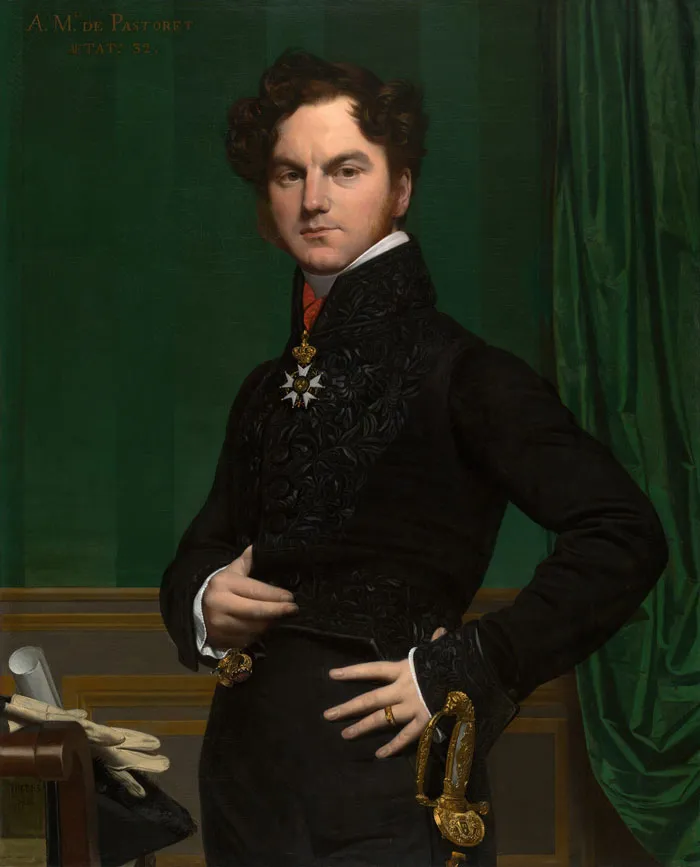
Artist: Jean Auguste Dominique Ingres | Year (completed): 1826 | Periods: Neoclassicism
In this portrait, French artist Jean-Auguste-Dominique Ingres really highlighted the nobleman's status and arrogance. This portrait was one of several works that Count Amédée-David de Pastoret, the subject in the painting, commissioned from Ingres. Here, the count strikes an assured pose while donning his finest attire and a medal of the Order of the Legion of Honor, looking sternly in the viewer's direction. His gold ring gleams in the sunlight, highlighting the fine craftsmanship on the hilt of his sword. Peach David's complexion is juxtaposed against a forest-green satin wall and drape. Ingres used elongated forms and deft color application to highlight the scene's opulent grandeur.
Report
9points
#47 Portrait Of Elisabetta Gonzaga
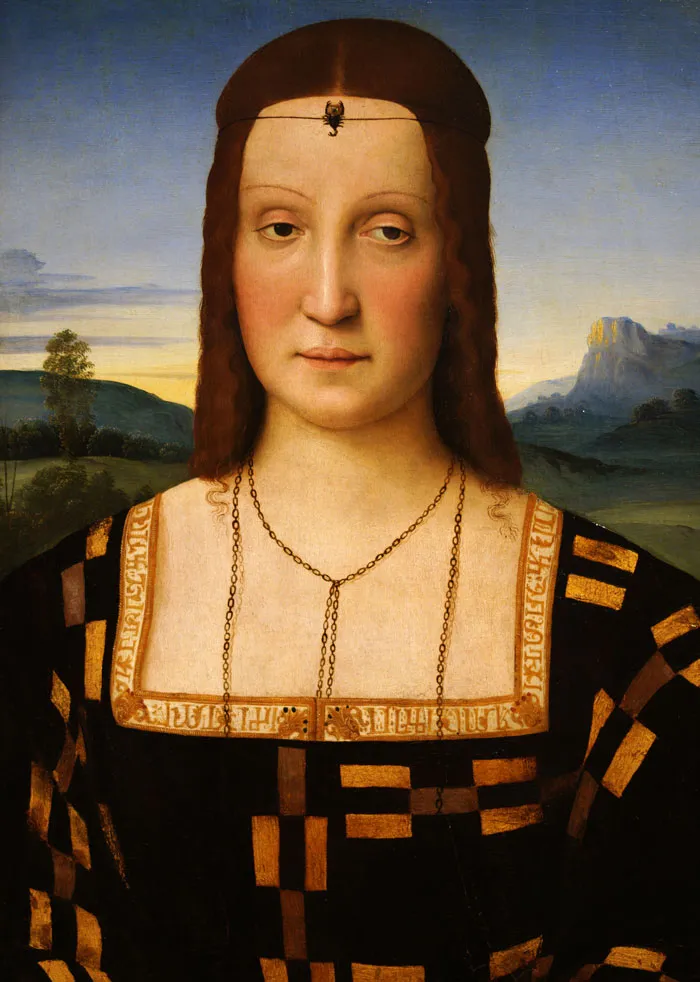
Artist: Raffaello Sanzio | Year (completed): 1505 | Periods: Italian Renaissance, High Renaissance
The Italian Renaissance painter Raffaello Sanzio da Urbino, better known as Raphael, is credited with creating the well-known portrait of Elisabetta. Elisabetta, the wife of Guidobaldo I, the Duke of Urbino, is the subject of the painting. The focal point of the picture is her wearing a patchwork-trimmed black dress with a diadem on her forehead that looks like a scorpion. Unlike many other female portraits, Raphael painted Elisabetta because she was a very close friend of his. Because of Guidobaldo's health condition, Elisabetta couldn't get pregnant. Because of this, as the couple never had any children, Elisabetta lovingly raised Raphael.
Report
9points
#48 Portrait Of Madame Marie-Louise Trudaine
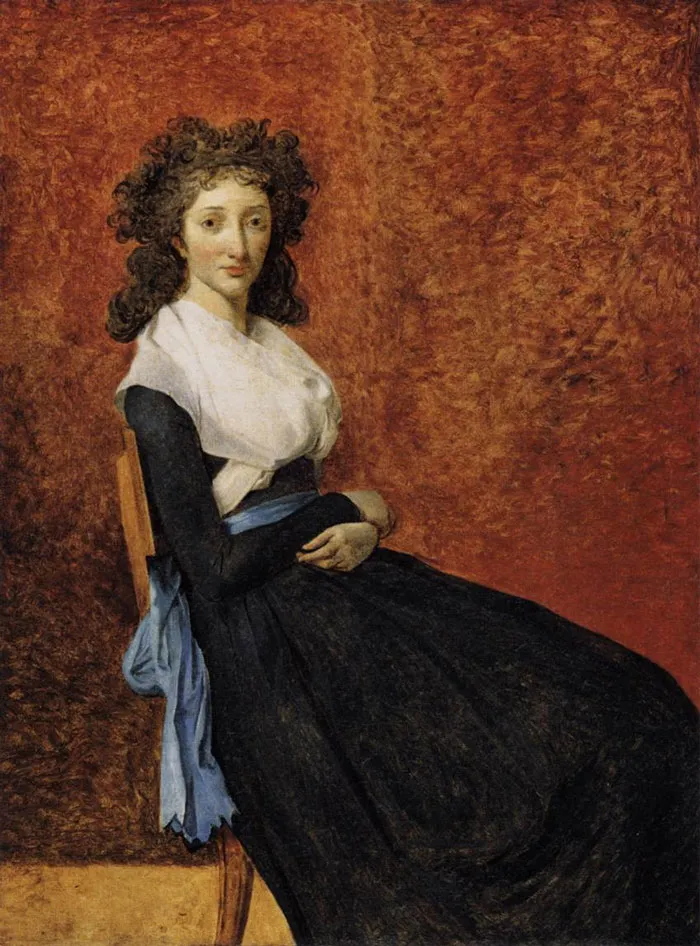
Artist: Jacques-Louis David | Year (completed): 1792 | Style: Neoclassicism
The Portrait of Madame Marie-Louise Trudaine is an incomplete painting of Marie-Louise Trudaine by French artist Jacques-Louis David, painted between 1791 and 1792. It was ordered from David by her in-laws, the Trudaine brothers. They hosted David, the poet André Chénier, and other notable artists of the era in their Parisian salon at the Place des Vosges. The portrait depicts her sitting on a simple chair, her hands crossed on her lap, dressed plainly with a blue waistband and a white collar. The distressed backdrop and her messy hair add to her anxious appearance.
Report
9points
#49 The Laughing Cavalier
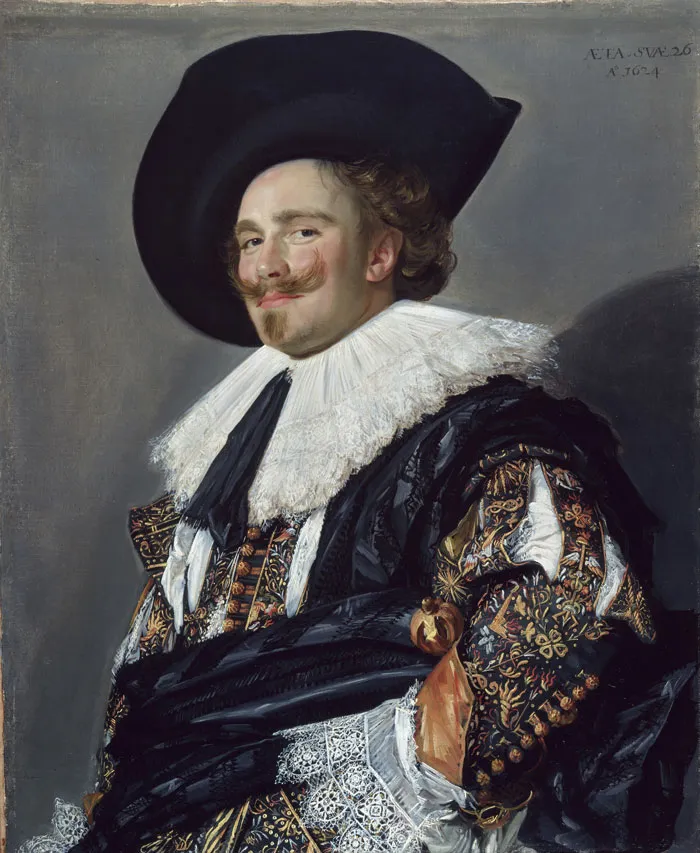
Artist: Frans Hals | Year (completed): 1624 | Periods: Baroque, Dutch Golden Age
Frans Hals, a highly skilled portrait artist, had a remarkable ability to characterize and give his subjects a lifelike appearance. His most well-known painting is this vivacious portrait of a young man, age 26, dressed in flamboyant attire. He is dressed in a lavish jacket embroidered with symbols of love's joys and pains, such as a blazing cornucopia, lovers' knots, and arrows, which may indicate that the painting is a betrothal portrait. The man's sly face, upturned hat and mustache, and confident attitude with his left hand on his hip, give the photo a remarkable liveliness. The black sash really stands out because it demonstrates Hals' brilliant ability to paint with a limited color pallet.
Report
9points
#50 Charles Iv Of Spain And His Family
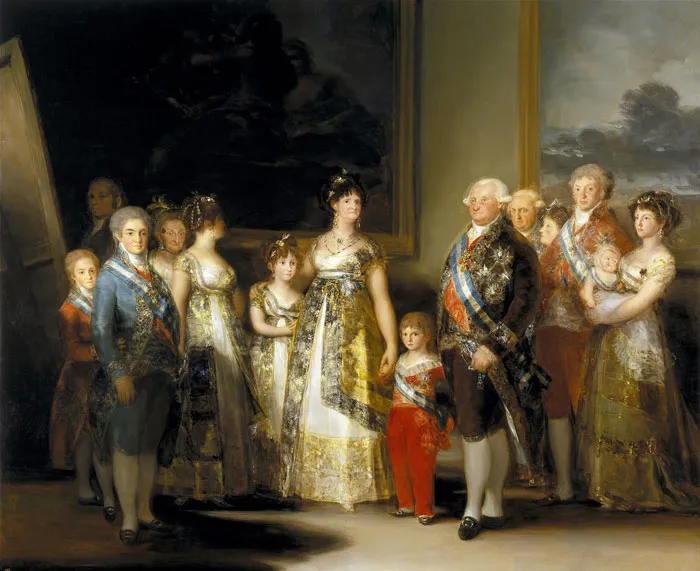
Artist: Francisco Goya | Year (completed): 1801 | Period: Romanticism
Goya began working for Spain's Royal Family as a court painter in Madrid in 1786. There, he painted portraits of both aristocrats and royals. Rococo-inspired tapestries for the Royal Palace were some of his other royal creations. In 1799, Goya received the highest position for a royal painter in Spain - the Primer Pintor de Cámara - after being named the Director of the Royal Academy in 1795. This particular painting was painted by Goya in 1801. Charles IV of Spain, with several family members, is shown in the oil painting on canvas. The royal family is decked out in extravagant jewelry and brightly colored garments. The detailed yet symmetrical composition demonstrates Goya's mastery. His aptitude for studying people is shown by the nuanced and intricate way the characters are portrayed.
Report
9points
#51 Portrait Of Miss Cassatt
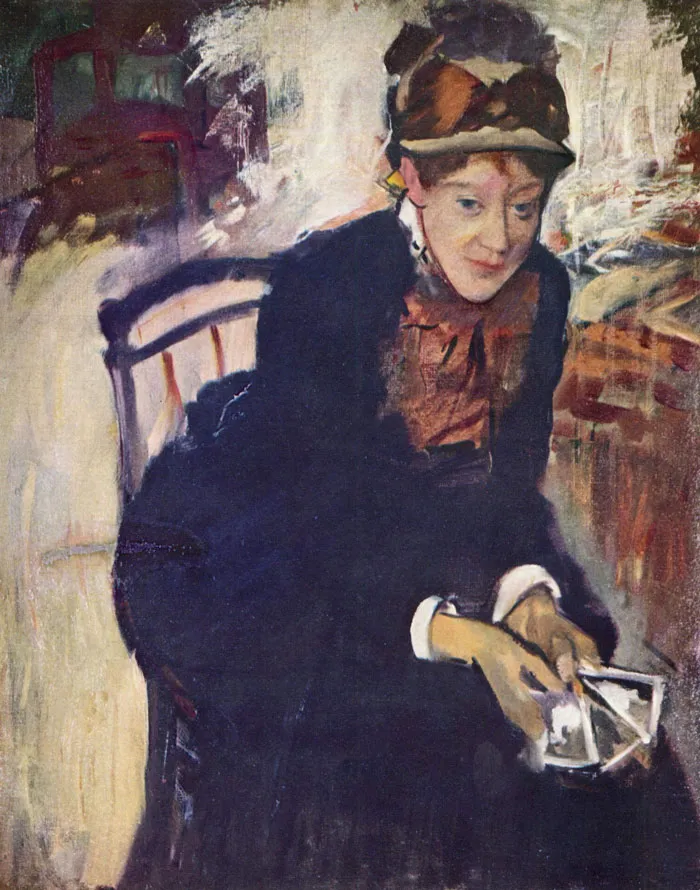
Artist: Edgar Degas | Year (completed): 1878 | Periods: Impressionism, Modern art
In the late 19th century, the American painter Mary Cassatt and the French artist Edgar Degas began a long, albeit turbulent, artistic connection that lasted for decades. Years before they met, in the early 1870s, they both respected one another's creative output. Degas personally invited Cassatt to exhibit with the Impressionists in 1877 during a visit to her studio that may have been their first official encounter, bringing her into the ranks of the Parisian avant-garde. Cassatt occasionally served as a model for Degas's paintings. However, despite her face constantly appearing in his works, Degas only created one "official" portrait of Cassatt during this period, which is the one shown above. Degas may have been implying the collaborative nature of their relationship by depicting Cassatt in a studio setting, leaning forward in the discussion, and showing that he regarded her in high regard. However, the interpretation of this picture is still up for question. Cassatt, however, grew to detest the picture at the close of her life, claiming that it depicted her as "a repugnant person."
Report
9points
#52 George Washington
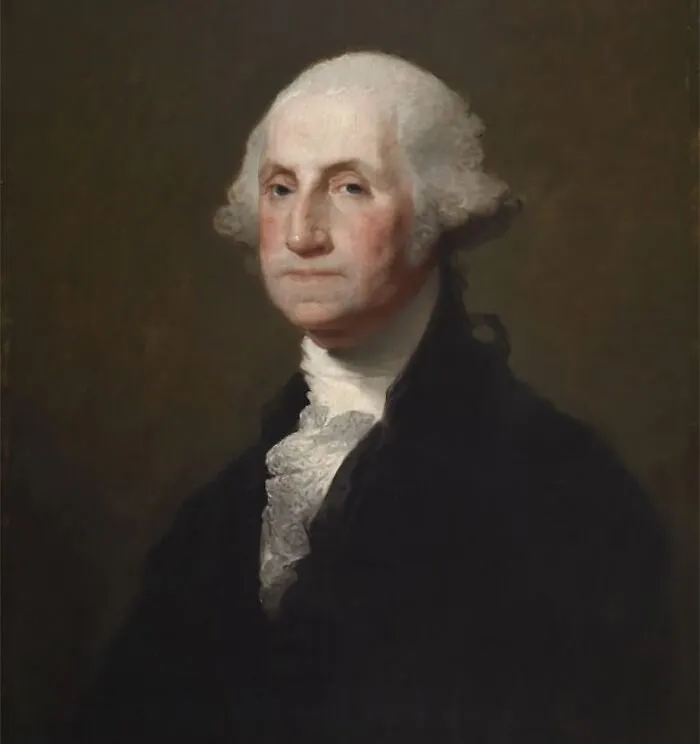
Artist: Gilbert Stuart | Year (completed): 1797
Gilbert Stuart desired to paint George Washington when he left Dublin in 1793, reportedly saying to a friend, "I expect to make a fortune by Washington." The president sat with Stuart sometime in 1795 after the artist left for Philadelphia in the late autumn. Stuart's portraits of Washington were a success from the start, drawing commissions from important benefactors in the colonies and overseas. Two other such sittings would take place during the following several years. In this piece, George Washington is depicted facing the left, wearing a black velvet suit and a white shirt with a lace or linen ruffle. This portrait showcases Stuart's exceptional ability to accurately portray a person's likeness, based on his keen ability to gauge each sitter's personality through dialogue and close observation. Gilbert Stuart created at least 100 portraits of George Washington during his career, most of which were copies of the 1796 work. Stuart's painting of Washington is still the most well-known image of the first American president, even after hundreds of years.
Report
9points
#53 Herman Von Wedigh III
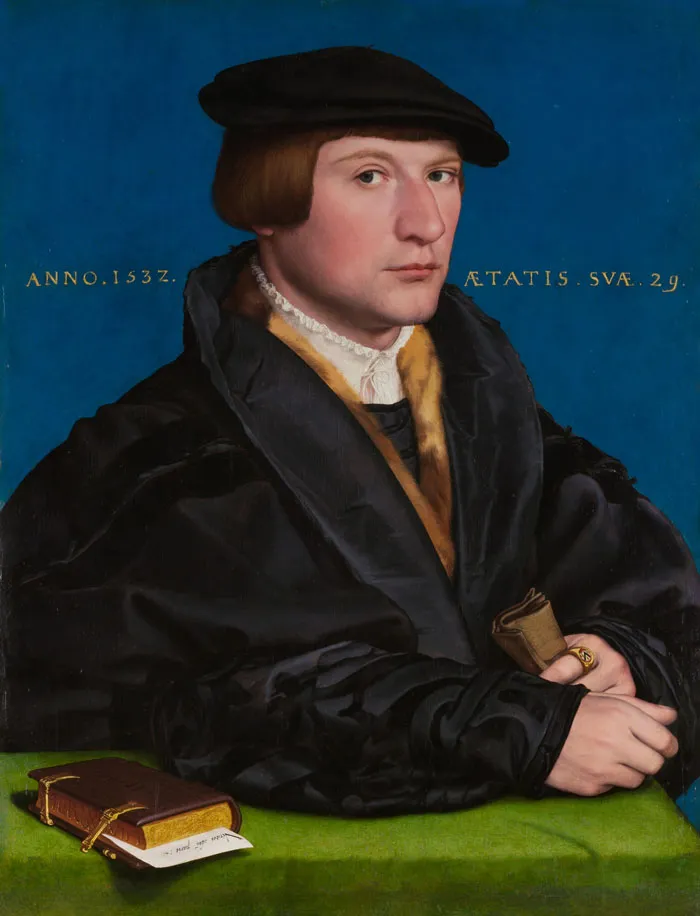
Artist: Hans Holbein The Younger | Year (completed): 1532 | Style: Northern Renaissance
During his second stay in England, Holbein painted portraits for the German merchants of the Hanseatic League, whose guildhall was located in the London Steelyard. The sitter in the painting, whose ring indicates the Wedigh family of Cologne, is likely Hermann von Wedigh III, around the age of twenty-nine. The Latin phrase "Truth breeds hatred" on the piece of paper in the front is taken from Terence's Andria, a well-known Roman comedy among Humanists (students of classical antiquity). The note tucked in could therefore be an allusion to the content in the book or perhaps the sitter's personal mantra. The famous Venetian painter Titian may have impacted the composition and pose, which are classic and simple.
Report
8points
#54 Léon Riesener
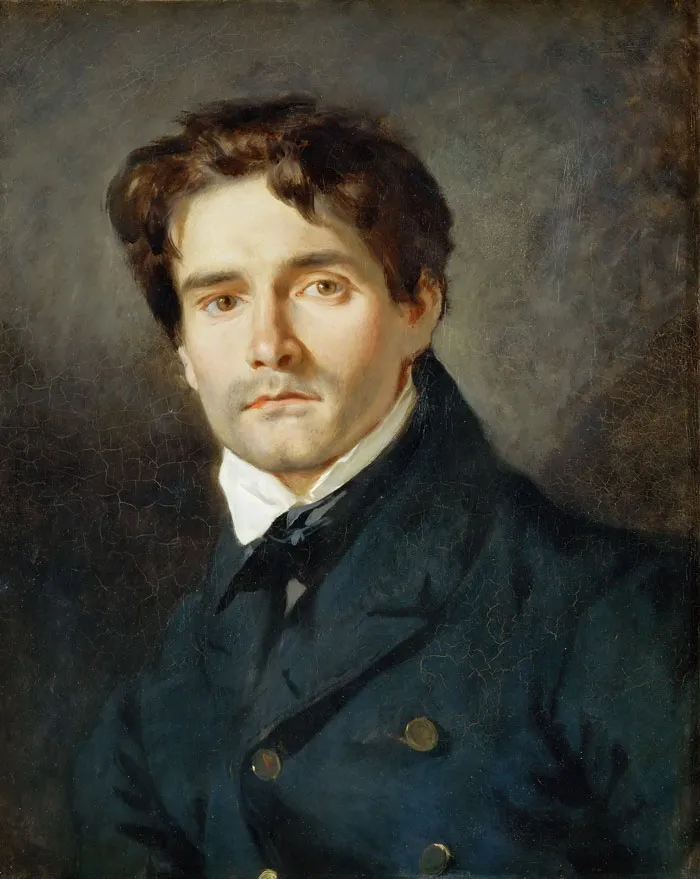
Artist: Eugène Delacroix | Year (completed): 1835 | Style: Romanticism
Talented Romanticist painter and the subject of the portrait Louis Antoine Léon Riesener was also Eugene Delacroix's cousin. The latter decided to make this portrait painting in 1835, a year in which he created several incredibly striking pieces. Riesener, who was a decade younger than his cousin, clearly exhibited influences from his more well-known relative. In terms of technique, he used comparable sources of inspiration and imitated artists like Titian, Veronese, and Correggio, as had Delacroix. Their shared appreciation of the more vivid color palettes inspired by that era's Venetian painting led to similarities in their respective styles of work. Not only did they have a shared heritage, but they also had similar views on art and goals for their respective careers. The picture itself depicts a young man who is well-dressed and handsome. He is wearing a dark jacket with rounded black buttons. He is wearing a white shirt underneath and a tiny scarf over his neck. To remove any potential distractions, Delacroix kept the background of this painting simple, as he did in most of his shoulder-length portraits. Riesener has untidy hair, yet he still has a striking appearance.
Report
8points
#55 Alof De Wignacourt
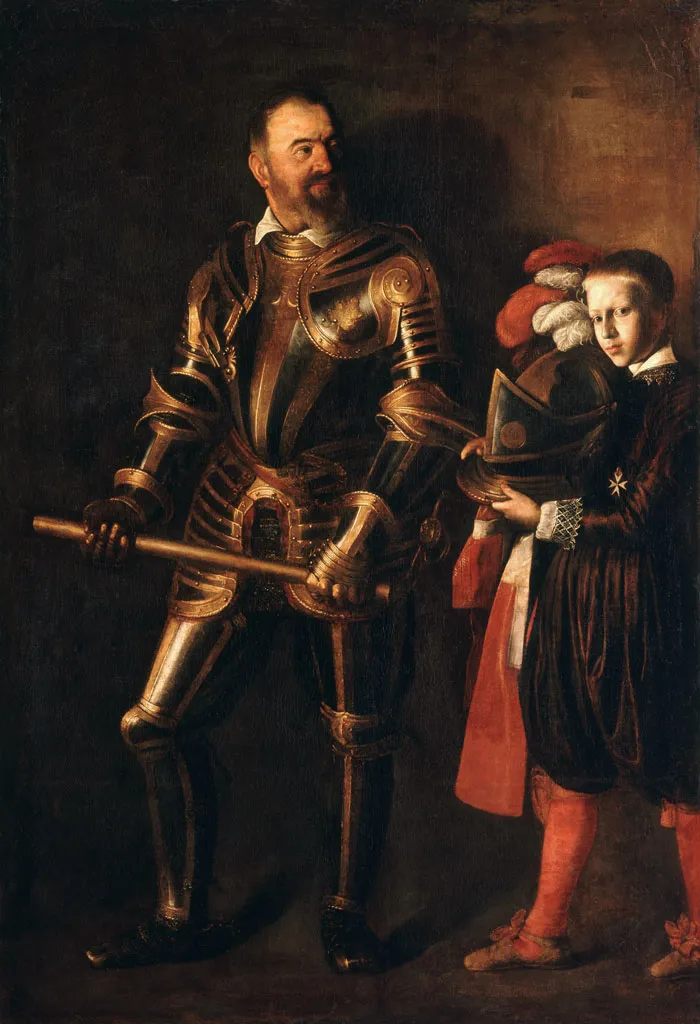
Artist: Caravaggio | Year (completed): 1608 | Period: Baroque
Toward the end of the artist's life, there was a period of immense turmoil, which is when this oil on canvas was created. Alof de Wignacourt, the main subject of the painting, gained prominence in the Order of the Knights of Saint John and was chosen as Grand Master in 1601. Around sixty years old, Alof is depicted at the height of his power, having built a new aqueduct and extensive fortifications on the island. Alof de Wignacourt might have been among Caravaggio's very first art subjects after arriving in Malta.
Report
8points
#56 Señora Sabasa Garcia
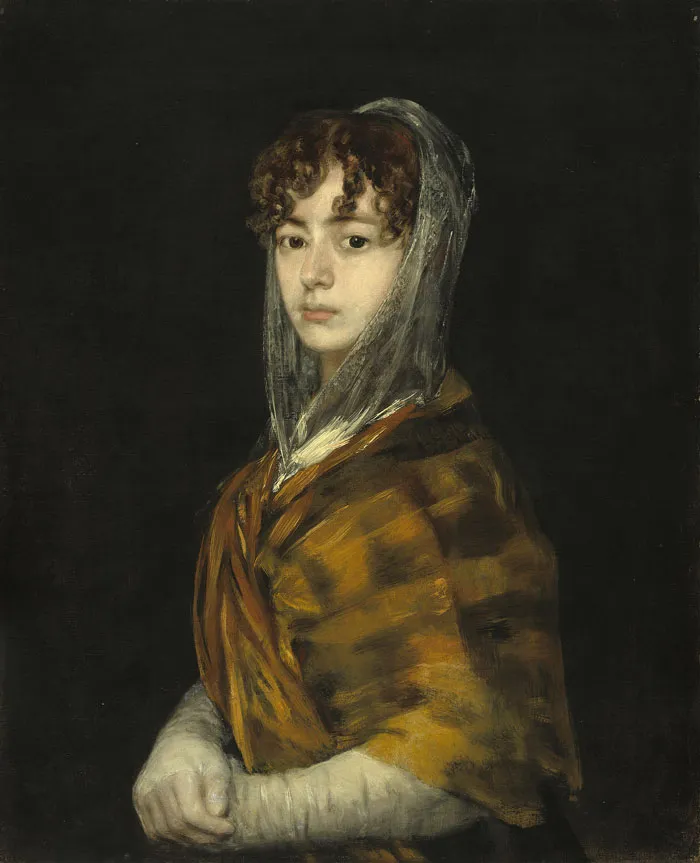
Artist: Francisco De Goya | Year (completed): 1811 | Periods: Romanticism, Rococo
The subject of the portrait is Señora Sabasa García. Goya was working on a formal portrait of Evaristo Pérez de Castro, Spain's minister of foreign affairs, when Seora Sabasa Garcia, according to a perhaps apocryphal account, approached him. Her attractiveness caused the artist to pause and ask permission to paint her. Known to her friends as Sabasa, Maria Garcia Pérez de Castro was the niece of Evaristo Pérez de Castro. Through a portrait of a young woman, Francisco De Goya managed to artistically capture youth, innocence, and fragility with oil on canvas.
Report
8points
#57 Portrait Of Stéphane Mallarmé
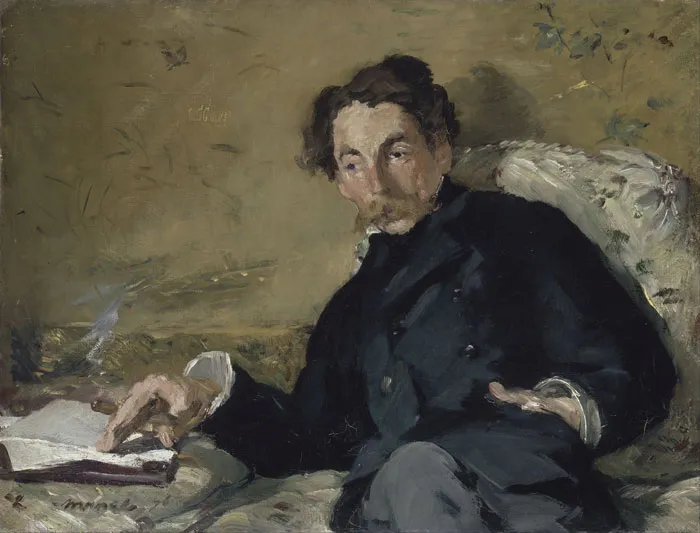
Artist: Édouard Manet | Year (completed): 1876 | Periods: Impressionism, Modern art
This portrait was created in 1876, the same year Mallarmé's lengthy poem Après-midi d'un faune, which Manet had illustrated, was published. The artist and author had already collaborated on an illustrated translation of Edgar Allen Poe's The Raven the year before. The two men first became friends in 1873, and for almost ten years, they met every day to talk about art, books, the new aesthetic, cats, and women's fashion. Manet painted this picture to express his gratitude to Mallarmé for an article in an English magazine in which the poet complimented Manet's artwork and positioned him as the leader of the Impressionist movement. It's incredible how the ferociously brushed canvas was handled. It is a good likeness, and the poet appears to be in the moment as though in a spontaneous photograph. This exquisite piece, which the sitter referred to as a "curious wee painting," belonged to the poet's family before the Musée d'Orsay in Paris acquired it in 1928.
Report
8points
#58 Salvator Mundi
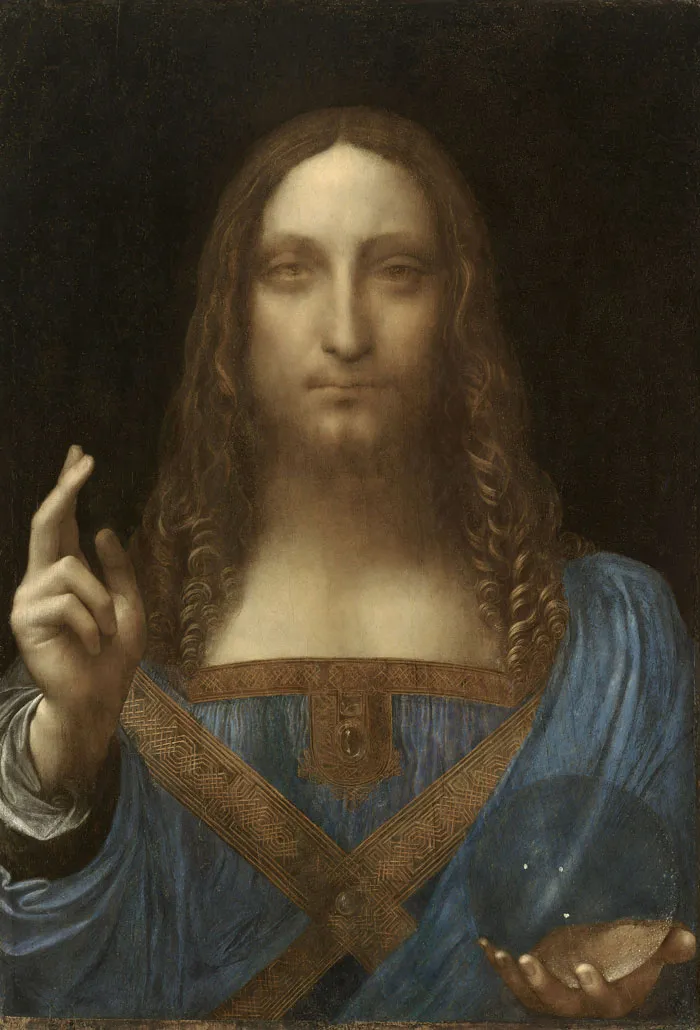
Artist: Leonardo Da Vinci | Year (completed): 1500 | Period: High Renaissance
The very well-known and, lately controversial, eerie oil-on-panel painting shows a half-length figure of Christ as the Savior of the World, facing the viewer. Leonardo depicts Christ in his work as John 4:14 describes him in the Bible: "And we have seen and testify that the Father has sent his Son as the Saviour of the World." In the picture, Christ is shown wearing Renaissance garb and, in his left hand, carrying a transparent crystal ball that symbolizes the "celestial sphere" of the skies while making the sign of the cross with his right hand and his eyes fixed on the viewer. Other than that, he is also identified as Salvator Mundi. Not only does Salvator Mundi maintain the title of the most controversial painting of the 21st century, but it also holds a record for its sale price in an auction of approximately US$450.3 million.
Report
8points
#59 Portrait Of Professor Benjamin H. Rand
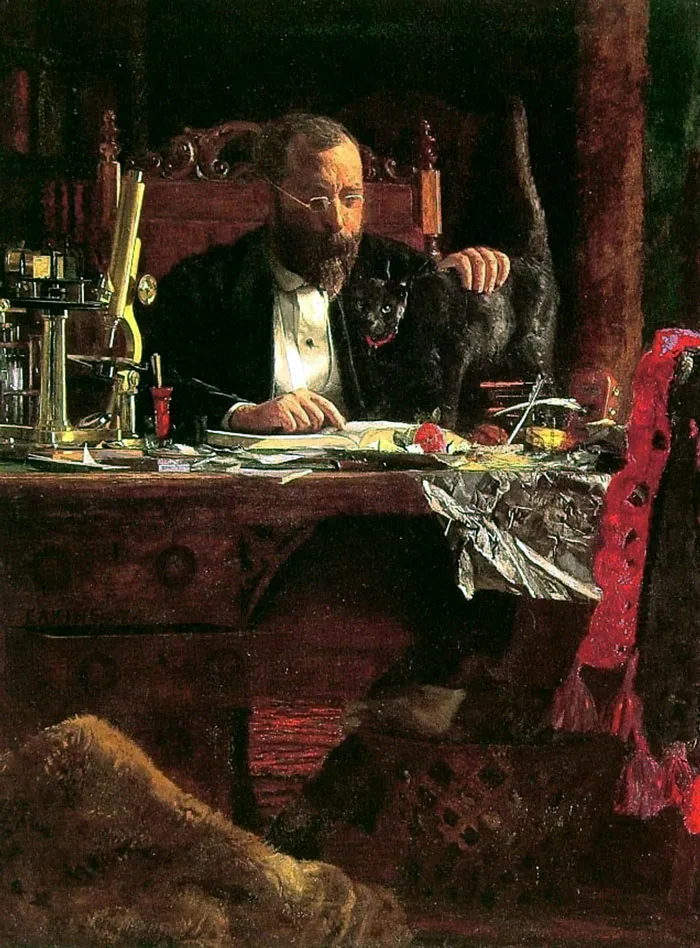
Artist: Thomas Eakins | Year (completed): 1874 | Period: Realism
Thomas Eakins painted a portrait of Professor Benjamin H. Rand in 1874. The oil painting on canvas features Benjamin H. Rand, a doctor who taught anatomy to Eakins at Jefferson Medical College. Rand is seen reading a book and petting a cat in the painting. It was Eakins' first portrait of someone other than a family member.
Report
7points
#60 Madame Cezanne In A Yellow Chair
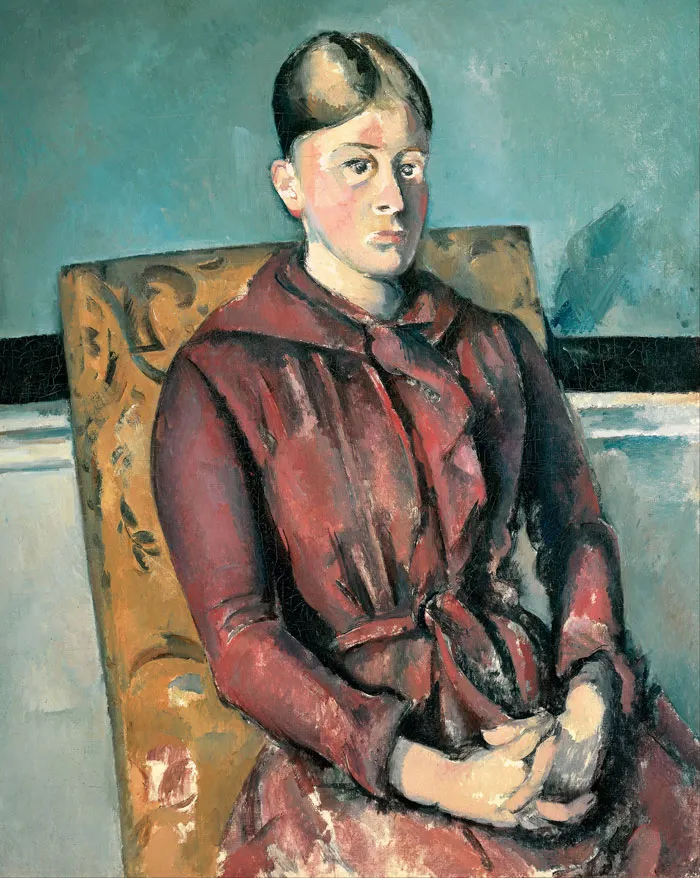
Artist: Paul Cézanne | Year (completed): 1893 | Period: Post-Impressionism
Marie-Hortense Fiquet, Cézanne's wife, frequently sat for the artist. Paul Cézanne used the three primary colors - red, yellow, and blue - to create a dramatic effect in this portrait of her. Between 1869 and the late 1890s, her husband painted 27 portraits of her, most of which were in oil.
Report
7points