





Like a game of Civilization VI, each day, we invent something new and meaningful that moves us towards a new era. Since the agricultural revolution, we have spent less time on the search for food and more on research and trials to develop things that would someday be deemed the most famous inventions of our history. We became more nerd-like, inventing famous inventions one after the other. However, not all brainchildren get granted the title of a famous invention. Some are forgotten in history and replaced with other, more convenient creations. But what keeps one invention in the history books and others in the garbage cans?
Ever tried to cook some food on a stove instead of making that second cup of ramen? Well, you can thank the ancestors of the past for the accidental invention of fire. We evolved to develop things. At some point in our lives, our DNA tells us to use our creativity to create something that will benefit humanity and make notable inventions. Did you just create an electric toothbrush by using your father's only electric drill? An important invention for you, but not for your now-angry father and humanity overall. Popular inventions change society for good. Significant inventions of today can be total pieces of trash tomorrow. So you can guess where that drill-toothbrush belongs.
There are a lot of significant inventions that you might be using right now. That computer or phone you are using? It’s not voodoo magic or God that makes the letters and funny music appear, so don’t believe your technophobic granny and read up on some knowledge. The list of important inventions we have compiled below might just broaden your understanding of how meaningless your pen-pencil combination is. Upvote the ones that you found the most meaningful for human history, and comment below if you have a better replacement for the invention!
#61 Tin Can
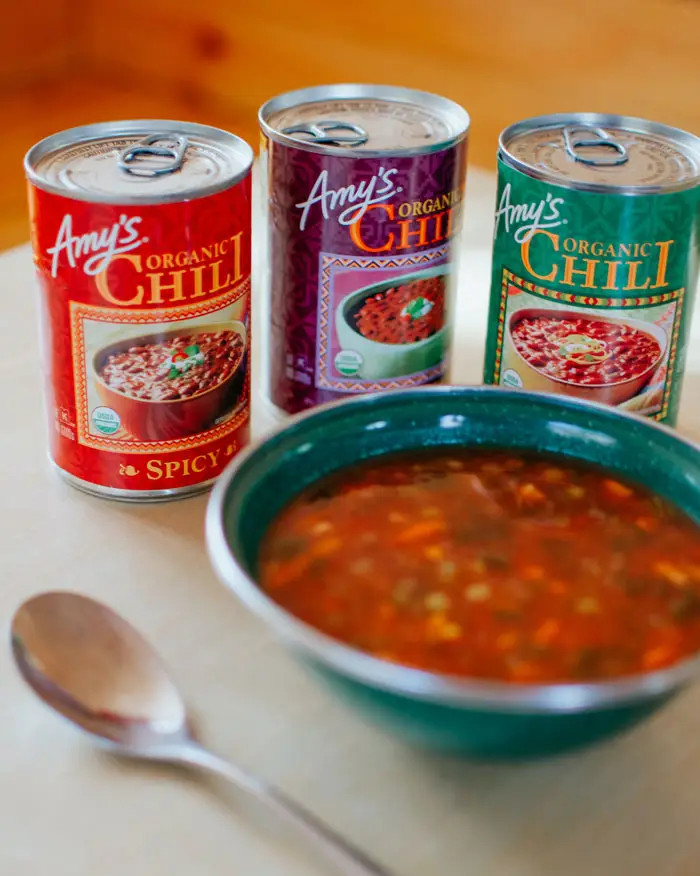
Tin cans were the only method of food preservation prior to the invention of the refrigerator. The tin can was patented by Peter Durand. King George III of England gave him the patent in 1810.
He did not continue to work on his idea, instead selling the patent to two Englishmen, Bryan Donkin and John Hall, for £1,000 (more than £72,000 in modern currency). Many businesses continue to package their food and beverage items in tin cans, which were developed for mass production.
Report
12points
#62 Computer
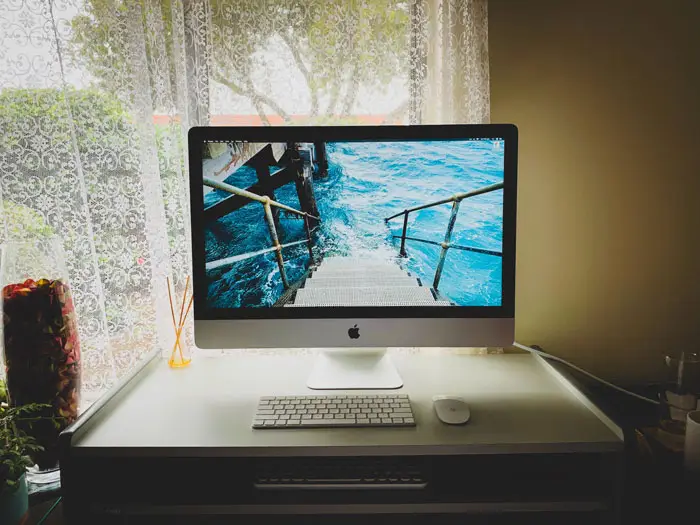
The majority of early computers' functions were numerical calculations. Nevertheless, since each piece of information can be mathematically encoded, people quickly understood that computers are capable of processing information for a variety of purposes. The range and accuracy of weather forecasting have increased as a result of their ability to handle large amounts of data. Due to their speed, mechanical devices like autos, nuclear reactors, and robotic surgical equipment can now be controlled as well as telephone connections that are being routed across a network. The first modern computer (as in the one which is closest to our modern ones) was built in 1942 by a physics professor, John Vincent Atanasoff.
Report
12points
#63 Fahrenheit Thermometer & Scale
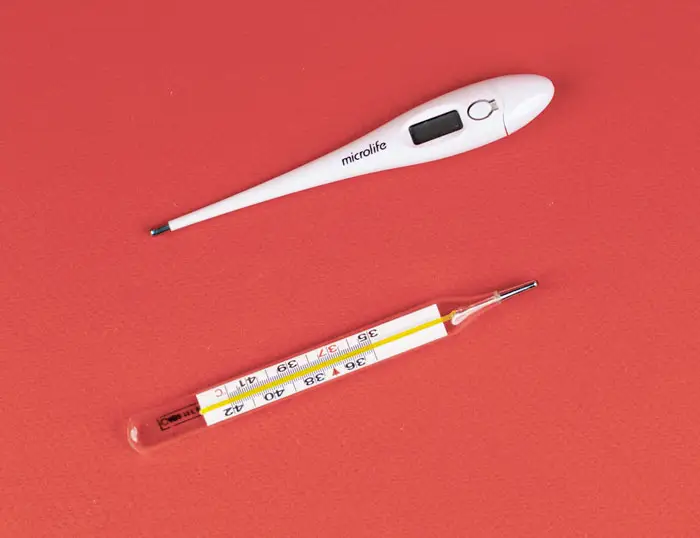
Daniel Gabriel Fahrenheit created the mercury thermometer with a standardized Fahrenheit scale in 1724, which is regarded as the first modern thermometer. With this invention, we had the ability to calculate the temperature outside, inside and of other things.
Report
12points
#64 Calculus
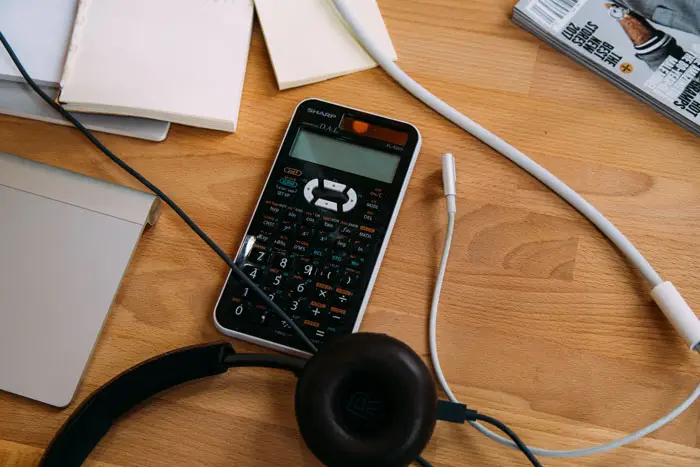
Calculus adopts the opposite stance from that of the "infinitely large" point of view. Calculus has greatly improved the world's understanding of two concepts: differential equations and optimization. Calculus gives us the opportunity to find the best (as well as the worst) potential answer to a current situation and to improve our modeling techniques for change.
Report
11points
#65 Industrial Robot
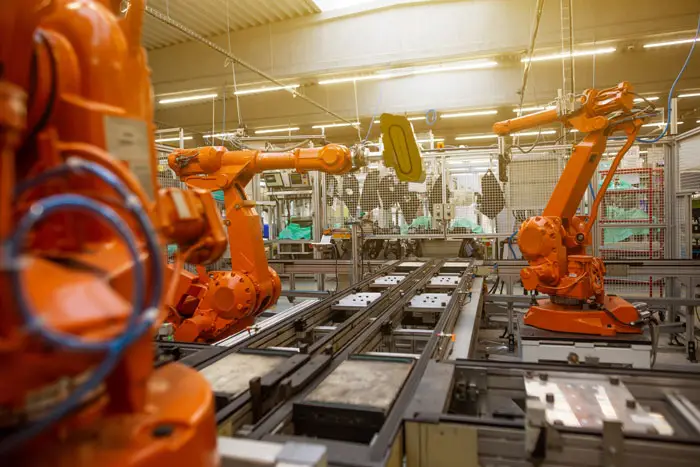
George Devol created the Unimate, the first industrial robot, which was incorporated into a GM assembly line in Ewing Township, New Jersey.
Contrary to their Japanese counterparts, Americans (or businesses) were not very enthusiastic about it. The Japanese finally came to dominate the global market for programmable industrial robots after receiving permission to use the concept in 1968.
Report
11points
#66 Phonograph
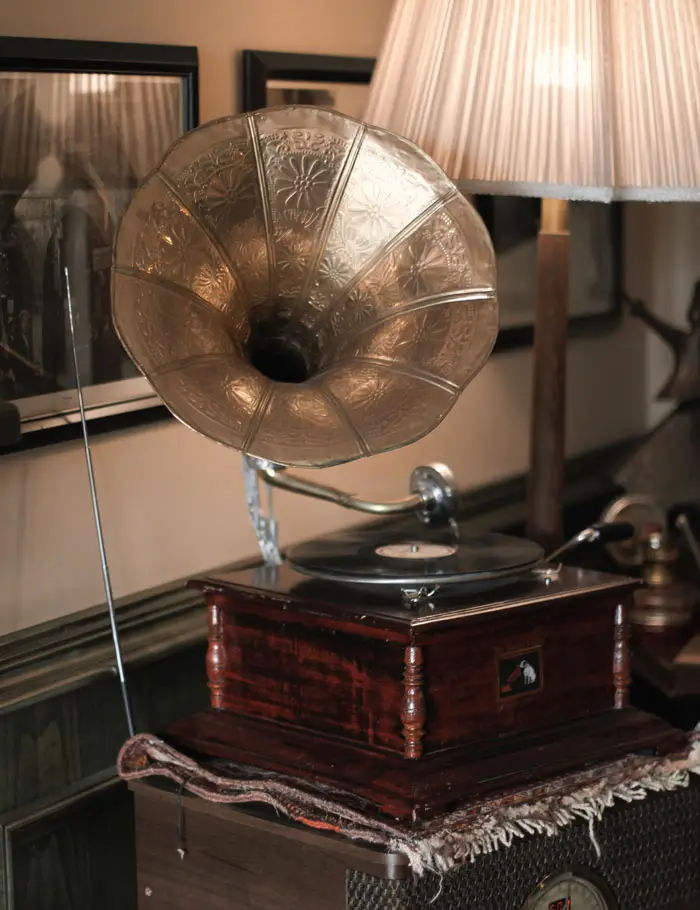
Edison also proposed the phonograph as a potential invention. For the Scientific American journal, the phonograph was first publicly demonstrated in 1877. To the surprise of everyone in attendance, Edison turned on his device, and it played a greeting. The machine played, “Good morning. How do you do? How do you like the phonograph?”
Not only was it an early version of an answering machine, but it was also a ground-breaking piece of technology that made it possible to play music in the house. It expanded the reach of music and aggressively promoted jazz to levels never before seen.
Report
11points
#67 Television
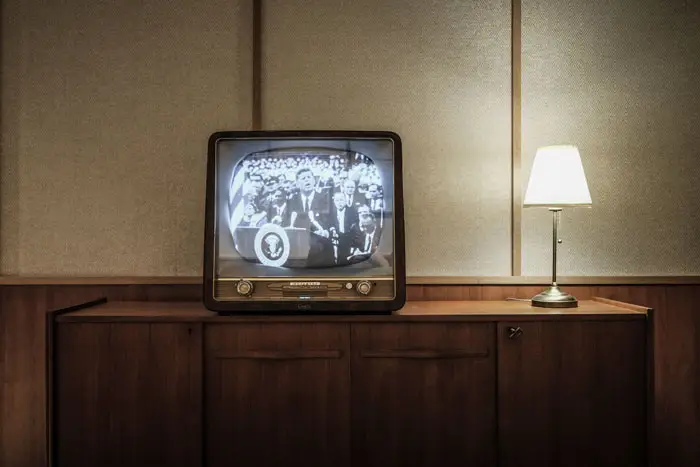
Even though TV is a crucial part of our daily lives, it was the result of the combined efforts of many people over the 19th and 20th centuries, and it developed quickly. The first electronic television was first presented in 1927.
Report
11points
#68 Gunpowder

Around the same time that paper money became widely used, China also developed gunpowder. A key element of military and combat has always been gunpowder. With the help of battles, it had a hand in shaping history.
Report
10points
#69 Crossword Puzzle

The "word-cross" puzzle, which was published in the December 21st issue of the New York World in 1913, included many elements of the crossword puzzle that is used today. Arthur Wayne, a journalist from Liverpool, England, is the one given credit for the publication. It is frequently recognized as the very first authentic crossword.
Report
10points
#70 Telephone
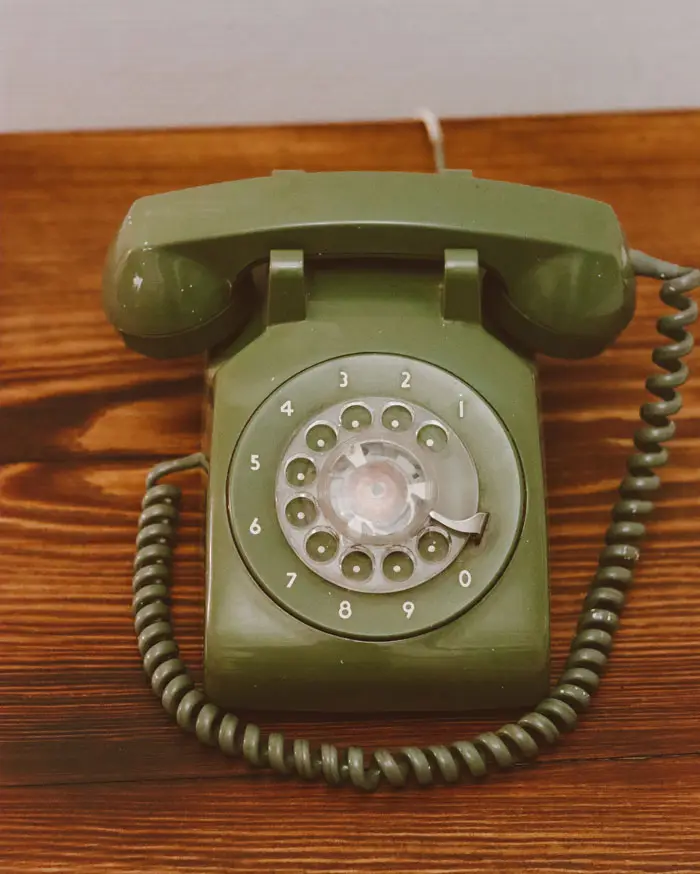
Several innovators contributed to the development of electronic voice transmission; however, it was Scottish inventor Alexander Graham Bell who received the first patent for the telephone on March 7, 1876. Many of these innovators later sued for intellectual property when the use of telephones skyrocketed. In his book "The Telephone Patent Conspiracy of 1876: The Elisha Gray-Alexander Bell Controversy and Its Many Players," author A. Edward Evenson claims that three days after making the first telephone call, Alexander Bell told his helper Thomas Watson, "Mr Watson, come here — I want to see you."
Report
10points
#71 Credit Card
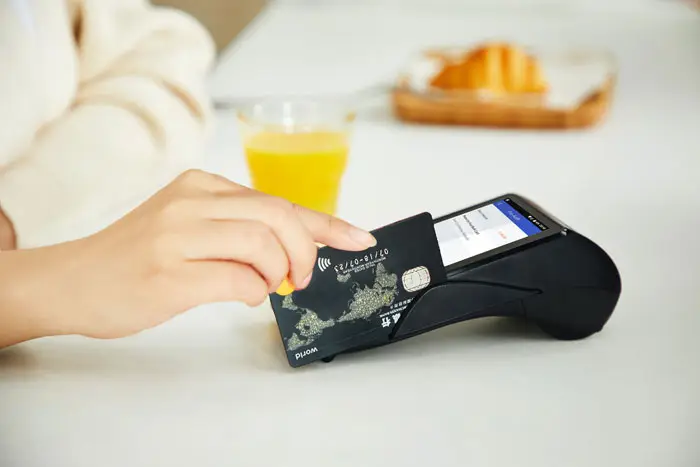
Ralph Schneider and Frank McNamara, the creators of Diners Club, who allowed customers to sign for their meals and then pay later, conceptualized the credit card about 1950. While technology develops further, using credit to pay for everyday transactions has become customary.
Report
10points
#72 Remote Communication
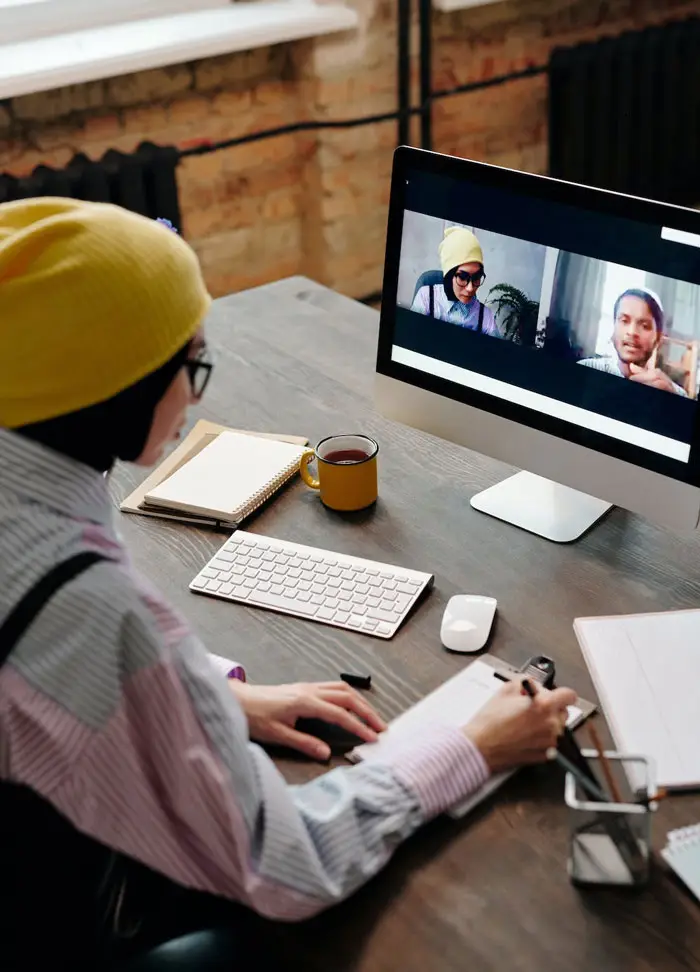
Though they were all built on the same concept of remote communication, it doesn't seem appropriate to combine the inventions of the telegraph, radio, and telephone into one thing. Communication technology has come a long way to get to where it is currently since Samuel Morse invented his electric telegraph in 1836.
When the Internet was invented several decades later, video calls with excellent audio and visual quality became possible. It is simple and quick to convey information while communicating with someone who is thousands of miles away, whether it be for scientific research, global politics, trade, or even war strategy.
unknown
Report9points
#73 Prozac

The medical use of Prozac began in 1986 after its invention in 1972. It is currently listed as one of the essential medications by the WHO. It is an antidepressant with FDA approval that works by preventing serotonin from forming in the brain. About 4.5 million Americans already use Prozac, which aids patients in coping with serious depression. The medication influenced how we thought about human emotions and our capacity to manipulate them chemically.
Report
9points
#74 DNA Fingerprinting

A method to examine human DNA sequences that requires roughly three billion units was developed in 1984 by molecular researcher Alec Jeffreys. In order to achieve this, he only compared the portion of the sequence that showed the most variation between individuals.
A forensic inquiry, notably a case in Narborough, Leicestershire, saw one of the first significant applications of DNA fingerprinting. In the homicide case of Lynda Mann and Dawn Ashworth, the police would have made a false accusation without the procedure.
Report
9points
#75 Typewriter

Pellegrino Turri, an Italian inventor, created the first mechanical type machine and the carbon paper that it utilized in the early 1800s. That was the beginning of the modern typewriter's development, and in 1910, the tools were finally standardized.
This indicates that all typewriters, regardless of the manufacturer, had a largely same design with a few small exceptions. The introduction of the Remington Standard 2, a typewriter with a QWERTY keyboard layout, in 1874 marked a significant turning point in the evolution of the technology.
The layout's concept was really well done. The machine's inventor, Christopher L. Sholes, came up with a strategy to avoid jamming by spacing the most commonly used characters farther apart on the type bars inside the device rather than on the actual keys. Modern computer keyboards and the majority of typing devices use it as the default layout.
Report
9points
#76 Wristwatch

The inventor of the first heavier-than-air flight in Europe, Alberto Santos-Dumont, had a little but significant part in Louis Cartier's design of the first men's wristwatch.
Santos-Dumont complained to Cartier in 1901 about how difficult it was to check the time while maintaining control of his hands during a flight. Santos-Dumont obtained the first men's wristwatch with a leather strap and buckle from Louis Cartier five years later.
Report
9points
#77 Tape Measure

Alvin Fellows is credited with developing the contemporary spring-loaded tape measure. In 1868, he came up with the idea of encasing the instrument in a plastic container and fastening it with a spring clip. Despite the tape measure's superiority to the more widely used wooden ruler, it wasn't until the 1940s that it began to outsell it. The design of spring-loaded tape measures is enduring. It works well, is affordable, useful, and simple to use.
Report
9points
#78 Coleman Lantern

People's purchase decisions can be influenced by clever, convincing marketing. Consider W.C. Coleman's Quick-Lite lantern as an illustration. When Coleman started marketing the item in 1916, he advertised it as machinery to lengthen workdays.
He changed the marketing message to emphasize that the lantern was a necessity for outdoor use as electrification spread to more remote locations. And during the immediate post-World War II period, when Americans loved to go camping and have picnics, sales soared.
Report
9points
#79 Stapler

Although it is a common office item nowadays, it originated with royalty. King Louis XV of France had the first stapler invented in the 18th century. Office Space contributed to the widespread adoption of the contemporary stapler we use today, which has a top opening for simple refilling.
The main focus of the plot in the film was a red Swingline stapler, which was the first to use the new design. High demand from moviegoers led the business to produce additional versions of the Swingline model 646.
Report
9points
#80 Steam Iron

In 1882, Henry W. Seely applied for a patent for an electric iron. Back then, it was referred to as an electric flatiron. By keeping the creases away from shirts and pants, consumers suddenly had an easier way to preserve their clothing and look attractive in more consistent ways.
The issue was that garment items could bake in the perspiration and grease from the ordinary iron. The 1953 release of the Hoover steam iron was the ideal remedy. They were able to iron more quickly and maintain the appearance of the garments longer.
Report
9points