





Like a game of Civilization VI, each day, we invent something new and meaningful that moves us towards a new era. Since the agricultural revolution, we have spent less time on the search for food and more on research and trials to develop things that would someday be deemed the most famous inventions of our history. We became more nerd-like, inventing famous inventions one after the other. However, not all brainchildren get granted the title of a famous invention. Some are forgotten in history and replaced with other, more convenient creations. But what keeps one invention in the history books and others in the garbage cans?
Ever tried to cook some food on a stove instead of making that second cup of ramen? Well, you can thank the ancestors of the past for the accidental invention of fire. We evolved to develop things. At some point in our lives, our DNA tells us to use our creativity to create something that will benefit humanity and make notable inventions. Did you just create an electric toothbrush by using your father's only electric drill? An important invention for you, but not for your now-angry father and humanity overall. Popular inventions change society for good. Significant inventions of today can be total pieces of trash tomorrow. So you can guess where that drill-toothbrush belongs.
There are a lot of significant inventions that you might be using right now. That computer or phone you are using? It’s not voodoo magic or God that makes the letters and funny music appear, so don’t believe your technophobic granny and read up on some knowledge. The list of important inventions we have compiled below might just broaden your understanding of how meaningless your pen-pencil combination is. Upvote the ones that you found the most meaningful for human history, and comment below if you have a better replacement for the invention!
#41 Flashlight
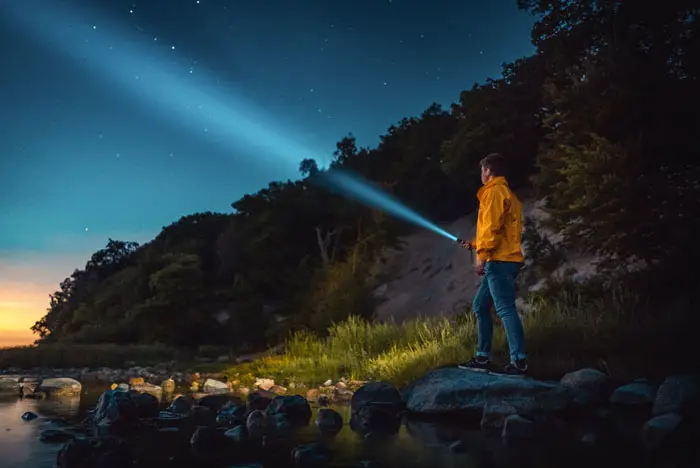
A switch and an electric light bulb constitute a flashlight, which is a rather basic gadget. In 1899, a British inventor by the name of David Misell was granted the first flashlight U.S. patent. The cops in New York City received some early flashlights as a donation.
Early versions of the light merely flashed repeatedly rather than continuously since they were ineffective and required a brief "rest" to be operational, hence the name.
Report
17points
#42 X-Ray
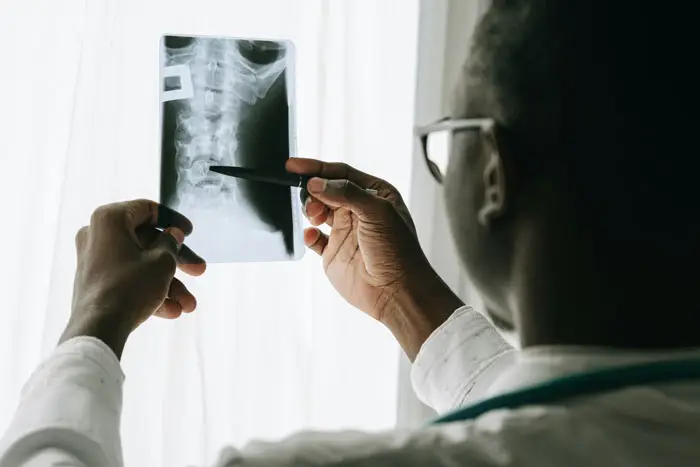
The x-ray was first discovered in 1895, and Wilhelm Conrad Rontgen received all the credit. He performed cathode ray experiments and discovered that they could pass through human flesh in addition to glass.
Finding anything of an unknown nature, like the x-ray, must have been amazing. The device was first used in a real-world setting to locate shattered bones and gunshots within patients during the Balkan War.
Report
17points
#43 Periodic Table
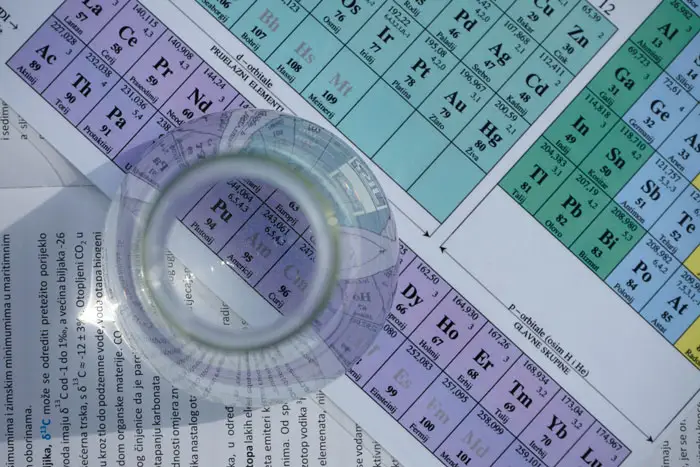
The idea that Dmitri Mendeleev presented in 1869 to the Russian Chemical Society had an impact on the periodic table that exists today. Although it wasn't the first periodic table, it was the first to be accepted by the scientific community as a whole.
The order of the elements is the primary distinction between the traditional and contemporary versions of the periodic table. The newer method is based on atomic weight, whereas the earlier one used atomic numbers.
Report
17points
#44 Velcro

Many people believe NASA was responsible for the development of Velcro, but this is untrue. Although NASA did popularize the material, George de Mestral was the one who gave it a patent in 1955. Velcro was initially made fun of in numerous ways, but de Mestral ultimately won the day. Velcro was used by astronauts to fasten equipment for simple recovery in the 1960s.
Two thin fabric strips are joined together, one with countless tiny loops, the other with tiny hooks. Everyone, from DIY enthusiasts to engineers, can use Velcro because it is so simple to use.
Report
16points
#45 Battery
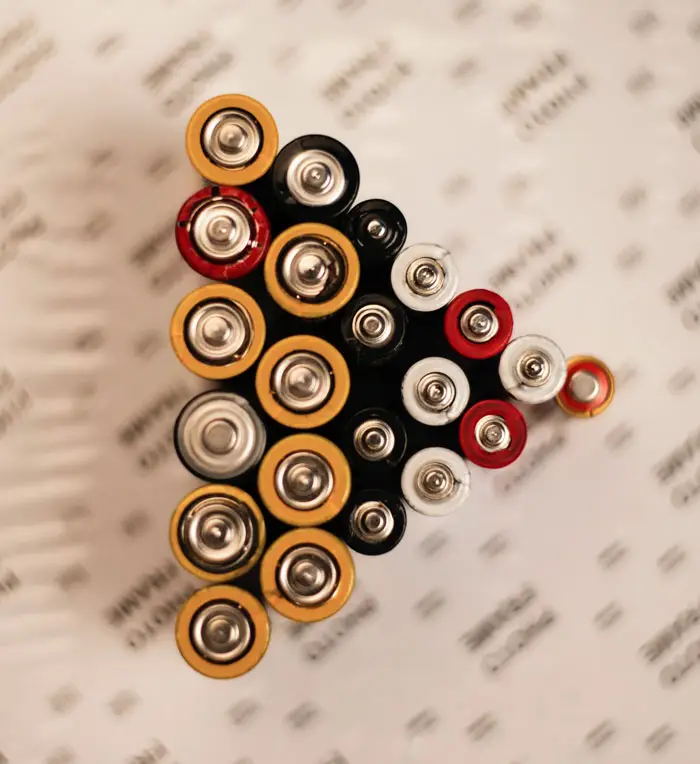
The earliest known batteries date back perhaps 2000 years. The ancient Parthians placed an iron rod encircled by a copper cylinder within clay jars that had been filled with vinegar solution. It is assumed that they applied it to silver electroplating.
However, Alessandro Volta, an Italian physicist, created the first electric battery in 1800. It was made of zinc and copper plates that were layered on top of one another and kept apart by brine-soaked paper disks. While Volta believed that his device could produce energy indefinitely, it was actually unable to do so.
36 years later, a British scientist by the name of John Frederic Daniel enhanced the battery and made it more useful. The first usable and reasonably secure portable energy source — the dry cell battery — was created at the tail end of the 19th century.
Report
16points
#46 Automobile
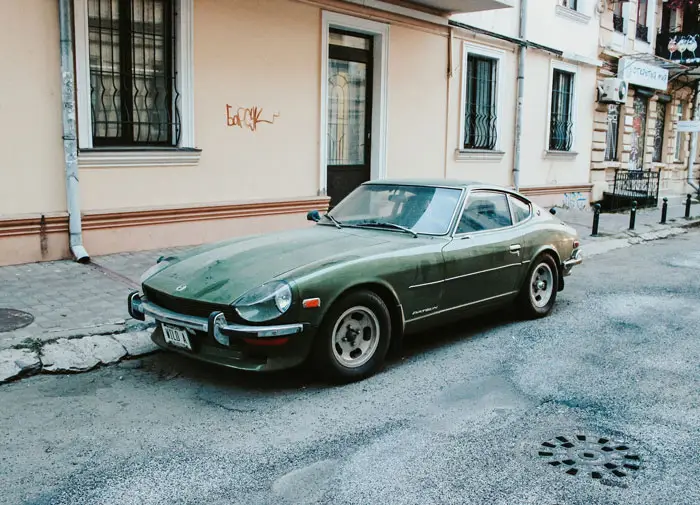
The steam engine paved the way for the industrial revolution, which produced the vehicle. Despite not being the primary mode of ground transportation, cars move much more quickly thanks to the way their engines drive them.
Report
15points
#47 LED
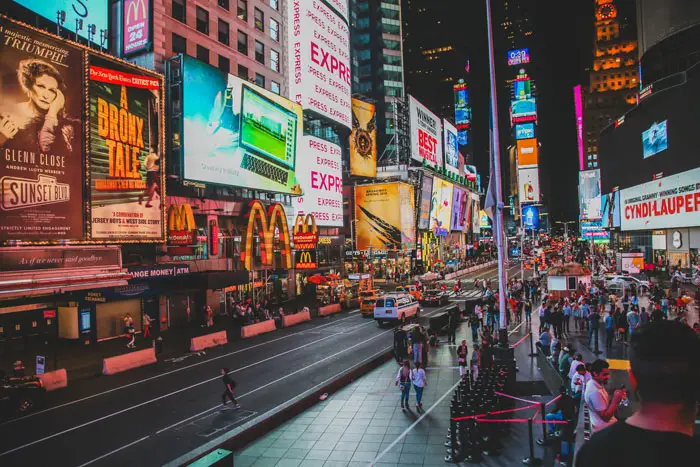
Nick Holonyak created the LED in 1962 while working as a consultant for General Electric. It began as a straightforward, low-cost, yet efficient technique to aid in our comprehension of how well computers could process input or information. It started out simply as a simple visible spectrum of red light and has subsequently been utilized to make the largest 24-million LED pixel billboard that spans a full city block in New York Times Square.
Report
15points
#48 Hypodermic Syringe
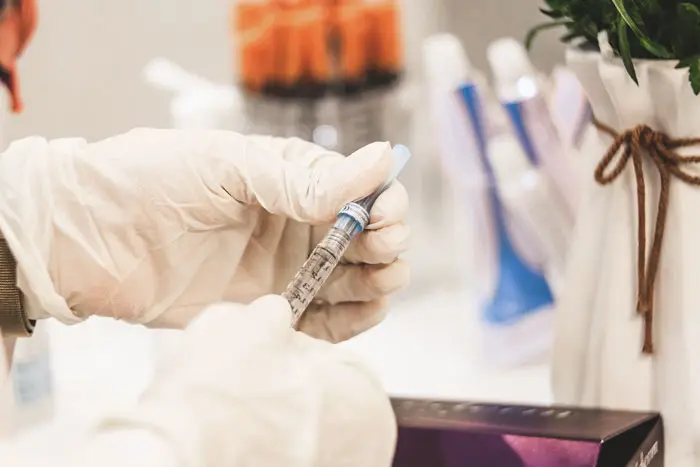
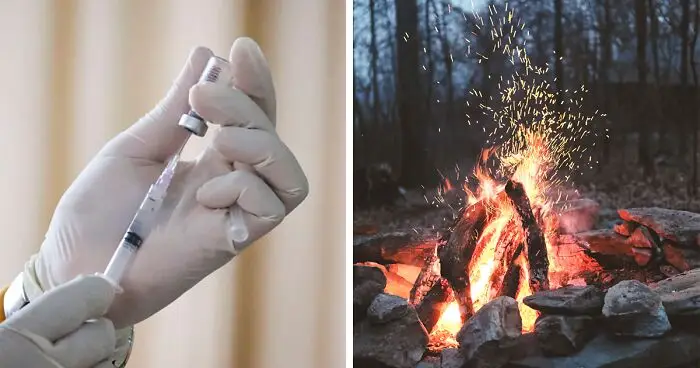
The ability of injections as a method of drug delivery is thought to have been recognized by the ancient Romans and Greeks after they observed snakebites. However, Christopher Wren's 1656 injection of opium into dogs is the oldest known experiment that used hypodermic needles. Four years later, J.D. Major of Kiel and J.S. Elsholtz of Berlin conducted unsuccessful human experimentation.
Hypodermic needles lost popularity for approximately 200 years. All of that changed as a result of Dr. Francis Rynd's successful first injection in 1844 and Dr. Alexander Wood's 1851 invention of the all-glass syringe for dosage measurement.
Report
15points
#49 Steel
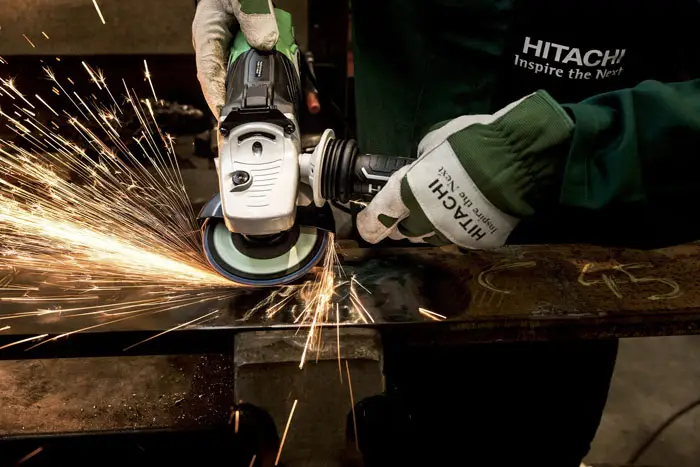
Steel is not a metal that occurs naturally, despite what the uninitiated may believe. Steel is an alloy made primarily of iron with very little carbon. Iron and bronze were used by humans for more than 4,000 years before steel became a major component of human civilization during the Industrial Revolution.
Using the "Bessemer Process," a method for producing steel by using molten pig iron, mass production of steel started in the 1850s. Steel has since been employed in the building of everything from engines to skyscrapers to houses and bridges.
Report
14points
#50 Electric Traffic Light

If there were no traffic lights, imagine navigating the congested roadways of today. James Hoge is credited with creating the first electric traffic light, while earlier models (both manually and electrically driven) had been used in various locations throughout the globe.
On August 5, 1914, Cleveland became the first city to use the system based on his invention. On each corner of a junction, he designed a wired traffic light that was mounted on a single post. The police and fire agencies had complete control over the wiring and configuration of the lights, allowing them to alter the lighting pattern as required. The patent was applied for by James Hoge in 1913, and it was approved five years later.
Report
14points
#51 Swiss Army Knife
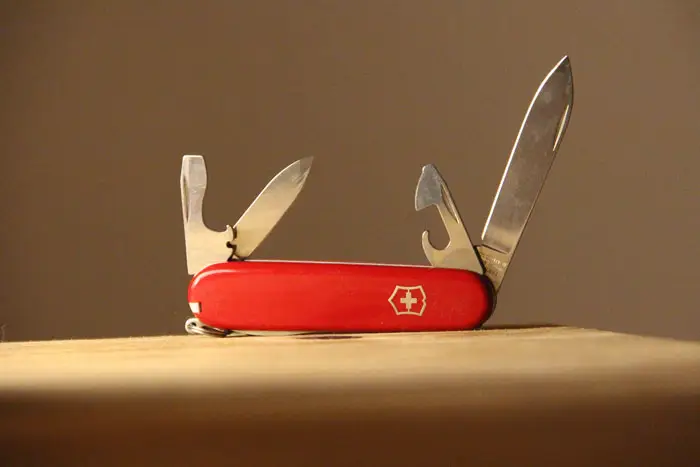
An outdoor tool symbol that will never go out of style is the Swiss Army Knife. Many individuals claim they never leave the house without it because it has can openers, short knives, a pair of scissors, and screwdrivers. At the very least, it can make you feel like MacGyver, even though it may not be useful for any major carpentry tasks.
Wester & Co. Solingen, a firm with its headquarters in Germany, created the first version in the 1880s. It had a blade, reamer, can opener, screwdriver, and an oak handle. A multifunctional knife was intended to be given to the military so they could cut things as needed, open cans of food, and fix firearms as needed.
Report
13points
#52 Kevlar
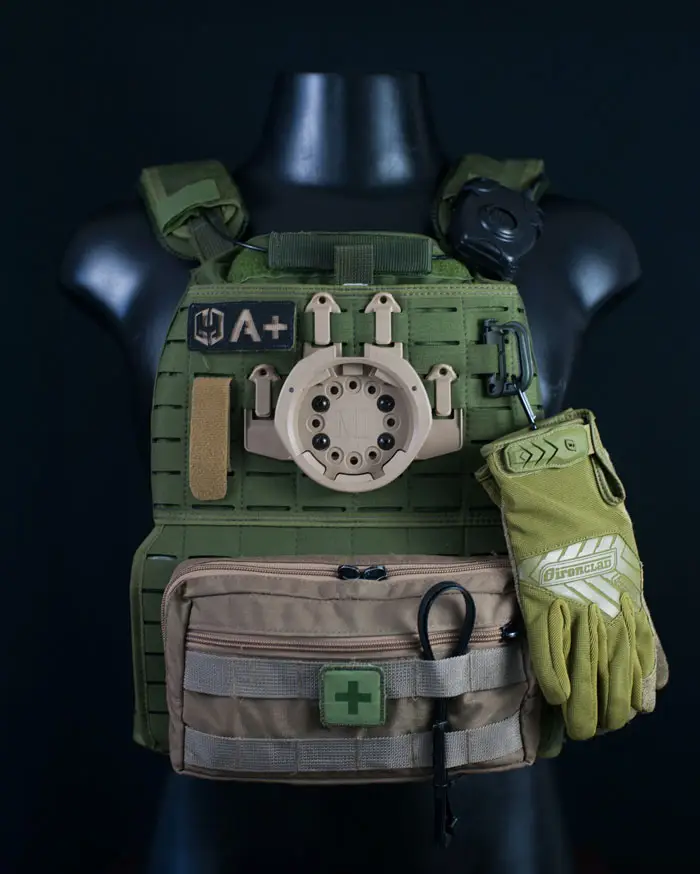
At the DuPont laboratories in Wilmington, Delaware, Stephanie Kwolek was the first to synthesize Kevlar. Although it was lighter than fiberglass, Kevlar was five times stronger than steel (weight for weight). At temperatures of up to 400 degrees Celsius, it can degrade without melting and is also heat resistant. Extreme sports gear, protective vests, and aircraft building are a few examples of common uses.
Report
13points
#53 Satellite
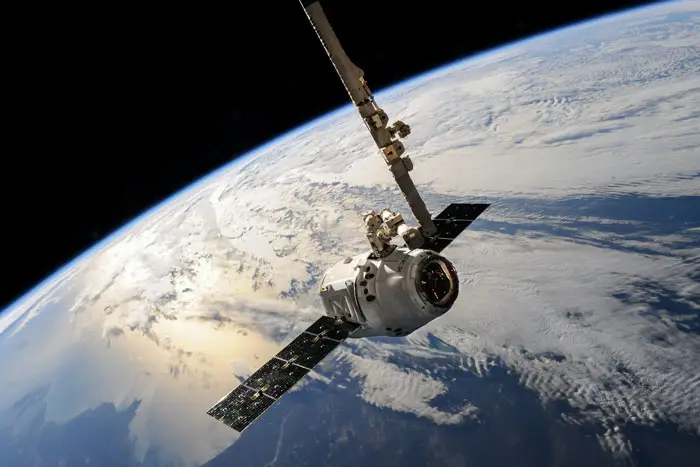
On October 4, 1957, the former Soviet Union successfully launched Sputnik I, altering the course of history. The first man-made satellite was around the size of a basketball, weighed only 183 pounds, and took 98 minutes to complete one elliptical orbit of the Earth.
Report
13points
#54 Nail (Fastener)
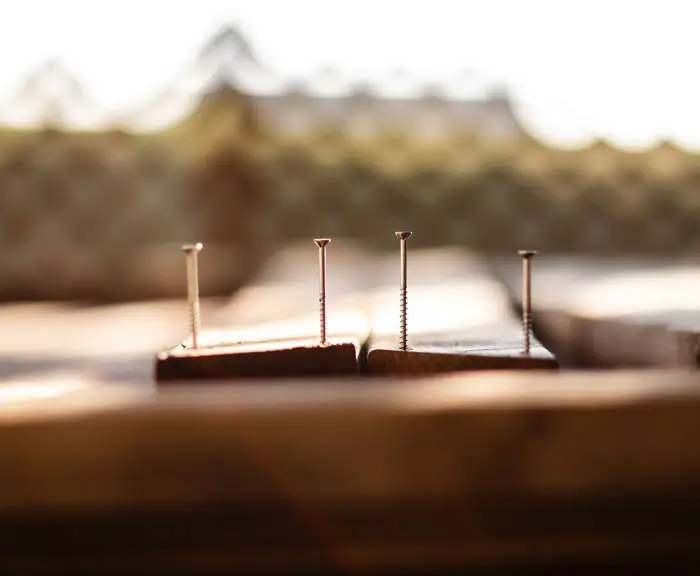
Without nails, human civilization would fall apart much like a structure. Before the invention of these metal fasteners, timber constructions were constructed by individually fastening each component to another through laborious mathematical effort. Ancient Egyptians have been using nails since about 3400 B.C.E. When mankind discovered how to cast and mold metals in Ancient Rome, they reached their ultimate development.
You might find it difficult to believe, but up until the early 1800s, the majority of nails were crafted by hand from iron. Iron had to be shaped into an arrow-like shape by blacksmiths using a hammer. The 1790s saw the invention of the first nail-making machine.
Report
12points
#55 Archimedes’ Screw, Third Century B.C.E.

One of the first efficient water pumps in history was a rotating corkscrew invented by Archimedes to transport clean water from the source to a somewhat remote point. The concept is still prevalent today in a lot of irrigation systems and wastewater treatment plants all around the world.
Report
12points
#56 Pasteurization

Although it may seem clear now, no one in the 1800s really understood the ability of germs or microbes to infiltrate living hosts like people or animals. We soon realized that microbes were living creatures and we took precautions to secure our food.
The pasteurization process to kill bacteria in wine, milk, and beer was one of the theory's first and most straightforward applications that secured our food for a longer period of time.
Report
12points
#57 Universal Turing Machine

In order to develop the Bombe, an Enigma code-breaker, Turing's machine required mathematical calculations. The Universal Turing Machine was created by Alan Turing, and depending on the input or program, it may do various types of computations. Its capability to run only one program at a time was a limitation. The Universal Turing Machine, despite its drawbacks, might be regarded as the predecessor of modern computers.
Report
12points
#58 Genetic Sequencing
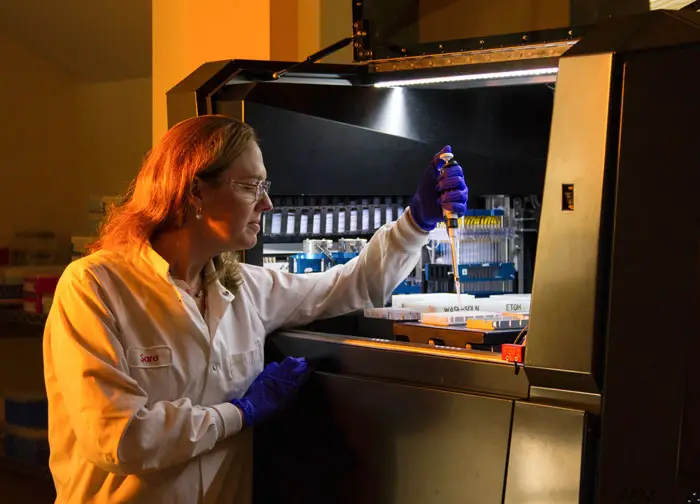
From the beginning, the development of genetic sequencing was competitive. American biologist, geneticist, biotechnologist, and entrepreneur Craig Venter declared in 1998 that he could sequence the complete human genome for $300 million in just three years.
When you consider how short the schedule and money were in comparison to the publicly financed Human Genome Project, it doesn't sound all that shocking. Both projects presented an exhaustive summary on their successful endeavors in 2001, tying the race in the end. The project was finished in three years as promised by Mr. Venter.
Report
12points
#59 Fire Extinguisher

The operator of the first fire extinguishers posed a greater risk than the fire itself. It was built up of a pewter chamber for gunpowder and a liquid-filled cask. By lighting the fuse, the entire device was set off.
When the gunpowder was ignited, it produced an explosion that was necessary to distribute the liquid retardant. Ambrose Godfrey created it in 1723 and obtained an English patent for it. Throughout history, the fire extinguisher was the focus of development. Today, dry chemicals, carbon dioxide, and air-pressurized water are some of the most popular versions. Each works best when used to extinguish a certain kind of combustible material.
Report
12points
#60 Microscope
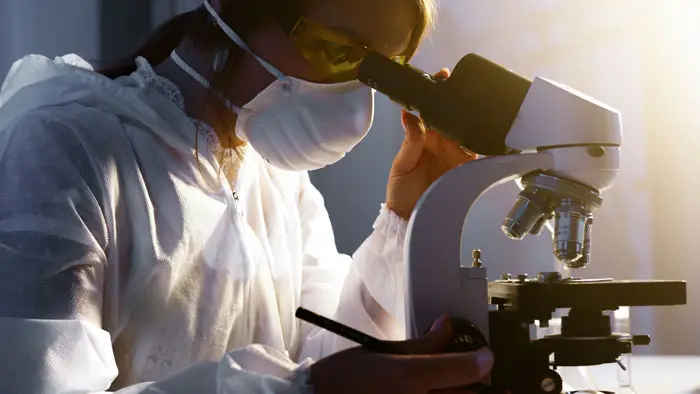
Humans were unable to perceive objects smaller than a sand grain for many thousands of years. The invention of the microscope in 1950 revolutionized everything. Small objects, such as food particles, germs, and other microbes, become easier for us to investigate.
It is still unknown who created the microscope, despite its obvious use in scientific research. Typically, the discussion centers on two parties: either Hans Lippershey or the father-son duo of Hans and Zacharias Janssen.
Report
12points