






Like a game of Civilization VI, each day, we invent something new and meaningful that moves us towards a new era. Since the agricultural revolution, we have spent less time on the search for food and more on research and trials to develop things that would someday be deemed the most famous inventions of our history. We became more nerd-like, inventing famous inventions one after the other. However, not all brainchildren get granted the title of a famous invention. Some are forgotten in history and replaced with other, more convenient creations. But what keeps one invention in the history books and others in the garbage cans?
Ever tried to cook some food on a stove instead of making that second cup of ramen? Well, you can thank the ancestors of the past for the accidental invention of fire. We evolved to develop things. At some point in our lives, our DNA tells us to use our creativity to create something that will benefit humanity and make notable inventions. Did you just create an electric toothbrush by using your father's only electric drill? An important invention for you, but not for your now-angry father and humanity overall. Popular inventions change society for good. Significant inventions of today can be total pieces of trash tomorrow. So you can guess where that drill-toothbrush belongs.
There are a lot of significant inventions that you might be using right now. That computer or phone you are using? It’s not voodoo magic or God that makes the letters and funny music appear, so don’t believe your technophobic granny and read up on some knowledge. The list of important inventions we have compiled below might just broaden your understanding of how meaningless your pen-pencil combination is. Upvote the ones that you found the most meaningful for human history, and comment below if you have a better replacement for the invention!
#21 Toothbrush
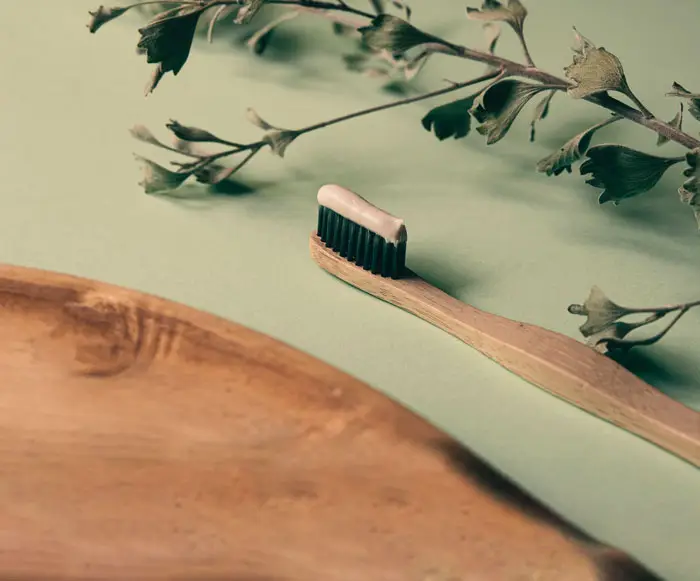
The first known toothbrush kind is the chew stick. It was manufactured from basic twigs with frayed ends and was used by many people to try to remove anything unclean from their teeth.
An Englishman by the name of William Addis was jailed for inciting a riot in 1770. He pierced a few tiny holes in a piece of bone that he had preserved from his meal and attached bristles to it while he was imprisoned. The current toothbrush's basic design was virtually designed by Addis. He sold toothbrushes after getting out of prison and amassed a fortune.
Report
22points
#22 Paper

Paper is another Chinese creation. People have used it to preserve historical documents and transcribe knowledge to the following generation since 100 B.C.E.
Report
21points
#23 Internet

The Internet is available to everyone and is not owned by anyone, not even Google. Despite the fact that the Internet was created, the entire system was a collaboration of many people. In the 1960s, the US Department of Defense worked on a project known as ARPANET, which served as the Internet's forerunner.
Later, Vint Cerf and Robert E. Kahn created the Internet protocol suite (TCP/IP), which has remained the de facto Internet networking protocol ever since. The emergence of email and fast, low-cost international communication drastically altered how we communicate, learn, work, and share information.
Report
21points
#24 Steam Engine
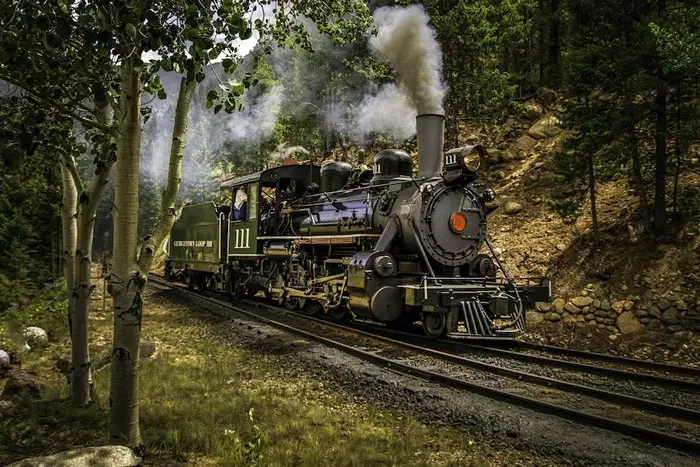
James Watt created a continuous rotary steam engine between the years of 1763 and 1775, and it was patented in 1781. Soon, the Industrial Revolution as a whole, the manufacturing sector, the shipping industry, and the trains were all powered by his engine.
The steam engine was a key contributor to the rapid development and growth of industries, agriculture, and transportation throughout the 1800s. Others kept on modernizing James Watt's steam engine concept over time. The steam turbine, which uses a variety of heat sources to generate the majority of the electricity in the United States, is its most recent significant advancement.
Report
20points
#25 Domestication Of Horses

People in the Ukrainian steppes discovered ways to domesticate horses some 6,000 years ago, when the species was on the verge of extinction. Horses significantly contributed to the repopulation of Europe after that.
Their importance also had an impact on trade and communication, among other civilizational issues. Horses also contributed to the transformation of warfare, as the animals helped to raise the bar for both exploration and bloodshed. Overall, horses contributed to the development of some of the largest cities in Asia and Europe.
Report
20points
#26 Alphabet, First Millenium B.C.E

Ancient Egyptians, Greeks, Romans, Hebrews, and even ancient Chinese all contributed to the development of the alphabet over a period of hundreds of years. Around the first millennium B.C.E., alphabetization started to emerge. It took the world thousands of years to create a universal alphabetical order that primary school students today can quickly recall. Everything is now a lot more searchable thanks to alphabetization.
Report
19points
#27 Airplane

Similar to how the automobile was created, airplanes combine numerous excellent ideas, such as wheels and steam turbines, into a single, durable vehicle. Beyond the marvels of engineering, the airplane made our perspective bigger, wider, and broader. The way we travel and wage war has altered as a result.
Report
19points
#28 Radio
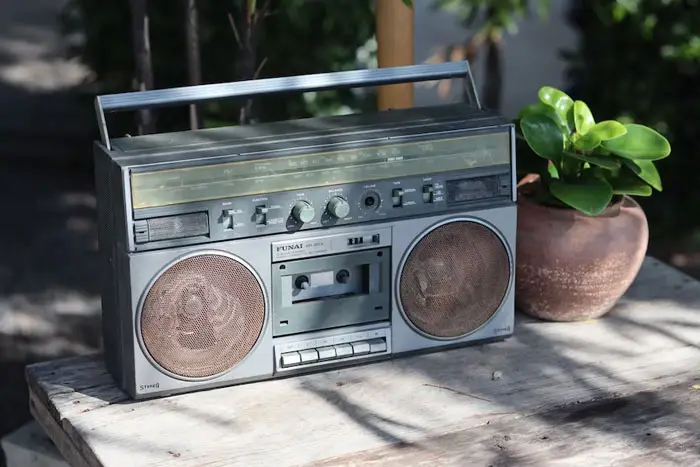
A crucial aspect of modern technology is long-distance radio transmission. The communication method was continuously developed by numerous individuals, but Guglielmo Marconi, an Italian, was the inventor of the first functional radio device. In 1895, he developed his wireless telegraphy method.
Report
19points
#29 Theory Of Evolution
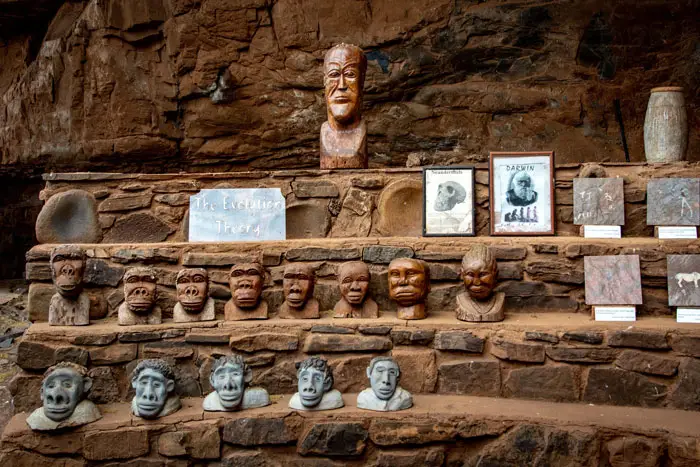
Darwin's theories of evolution, at least up to this point, provide the best explanation of both our origins and those of the rest of the planet's living creatures, including information about who our ancestors were, which animals are direct descendants of dinosaurs, why and what exists where, and other factors. Despite the fact that the quest for the real first beginning of life is still ongoing, no new information has been found that challenges the idea of evolution.
Report
19points
#30 MRI (Magnetic Resonance Imaging)
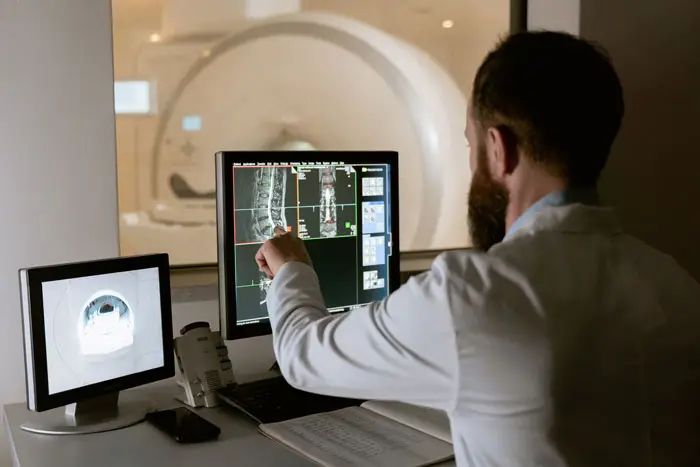
We still don't know for sure who created the MRI, despite the fact that everyone agrees — including doctors, scientists, patients, and laypeople — that it's a fantastic invention. On the one hand, many people think it was Raymond Damadian, as it was he who pioneered the use of the device as medical equipment in 1973 when he used it to distinguish between healthy and cancerous tissues.
In contrast, Peter Lauterbur and Peter Mansfield both won Nobel Prizes for significant discoveries they made using the same machine.
Report
19points
#31 Railway

In the 1820s, when commercial train networks were only being started, George Stephenson's "Rocket" locomotive grabbed public attention. His appointment as the Stockton and Darlington railway's engineer in 1821 marked him as a true pioneer.
The first public roadway was constructed in about four years. Both Rocket and the railway's opening turned out to be significant factors in the industry's growth. Prior to the invention of the diesel engine in the 1890s, the business would have had to wait for the next significant advancement.
Report
19points
#32 Flush Toilet

English courtier and Queen Elizabeth I's godson Sir John Harington invented the first flushable toilet in 1596. A 2-foot-deep oval bowl that was waterproofed with pitch, glue, and wax and supplied with water from an above cistern was the design of Harington's contraption.
Harington's pot needed to be flushed with 7.5 gallons of water, which was a genuine torrent in the days before indoor plumbing. Up to 20 people may use his toilet between flushes when there was a water shortage, according to Harington.
Report
19points
#33 Beer

Beer is thought to have been created by ancient Mesopotamians at approximately 10,000 B.C.E. in modern-day Iraq. The Sumerians mastered the art of brewing eight different kinds of beers by the year 2000 BCE, ranging in strength from strong to good dark, and their recipes quickly spread throughout other cultures.
Report
19points
#34 Transistor

The transistor is a crucial part of almost every contemporary electronic device. Julius Lilienfeld invented a field-effect transistor in 1926, but the practical device was not yet possible.
Since then, transistors have had a great impact on technology, becoming an essential component of the circuitry in many electronic products, such as televisions, telephones, and computers.
Report
19points
#35 Plow

It's challenging to identify a single person who came up with the concept of plowing machinery, and it's equally challenging to argue that the plow didn't alter the trajectory of human history. Primarily farmers and hunter-gatherers, early people devoted their lives to gathering food and ensuring their survival. Their modern counterparts have discovered new means of surviving, and their wants have evolved from merely wanting to feed to expecting comforts and frills.
Plowing eliminated the need to live a nomadic lifestyle, at least for our ancestors and farmers. The ostensibly straightforward concept of plowing helped our ancestors establish civilizations in the regions they lived in, lead lives that were more stable, gather and store food. They were able to harvest more food than they required due to the continual advancements in plow technology, which gave rise to the idea of trading.
Report
18points
#36 The Gregorian Calendar

The Gregorian calendar, which was developed in 1582 by Pope Gregory XIII, is currently the most popular civil calendar. A change to the Julian calendar was intended and in an effort to align local time with the four seasons, it advanced the calendar by 10 days.
Report
18points
#37 Concrete

Around 6500 B.C.E., the first structures resembling concrete appeared in parts of southern Syria and northern Jordan. The most common man-made substance is concrete, which is formed of coarse composite combined with fluid cement. Over time, the mixture solidifies, creating a highly solid foundation for a building. However, the substance is incredibly simple to mold while it's still wet.
Report
18points
#38 Electric Motor

The steam engine may have sparked the Industrial Revolution, but the electric motor has made chores in homes all around the world more time-effective. It's not necessary about a specific kind of electrical equipment, but rather the concept of using electricity to move a mechanism, as is the case with kitchen appliances and power tools.
Report
18points
#39 Optical Lenses

The Mesopotamians and Egyptians were the first to develop optical lenses. Telescopes and microscopes are just two examples of modern equipment that utilize optical lenses. Magnifying glasses helped people comprehend minute organisms as well as distant objects like stars and other planets.
Around four centuries after the invention of the microscope and telescope, optical lenses were first used as weak-sightedness aids in the 13th century. We learned more about a wide range of academic disciplines such as biology, astronomy, archaeology, chemistry, and physics thanks to magnifying lenses.
Report
17points
#40 Match

Both the concept of regulating fire for human purposes and the development of the match were amazing. One of the oldest ways to start a fire was to direct sunlight onto wood using a lens. Since you required fire the most at night, it wasn't very useful since it would only operate on sunny days.
Another typical technique was to strike steel and flint together to start a spark. Although the chemical match was created in 1669, it wasn't until 1910 that a non-poisonous match was created. Before, a person could have easily been lethally poisoned by the amount of chemical compounds (such sulfur and phosphorus) needed to create just one spark.
Report
17points