




#1
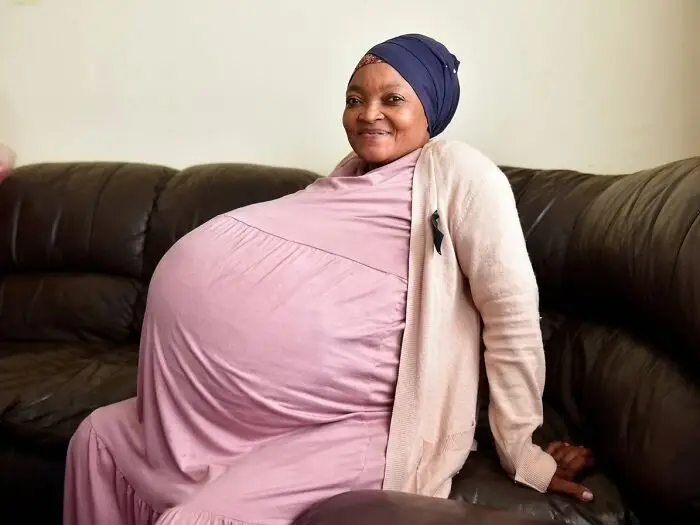
Halima Cissé, a 25-year-old woman from Mali, was already preparing for an incredibly unusual pregnancy when doctors initially informed her that she was expecting seven children.
However, after being transferred to a specialist hospital in Casablanca, Morocco, doctors discovered something even more astonishing.
She was carrying nine babies!
On May 4, 2021, Halima underwent an emergency Caesarean section at just 30 weeks of pregnancy.
A team of medical professionals worked together to safely deliver all nine newborns, who weighed between approximately 500 grams and 1 kilogram each.
The babies were incredibly premature and required months of intensive medical care, with doctors carefully monitoring their development.
But against the odds, every single child survived.
The five girls and four boys became the first known set of nonuplets to survive, earning their family a place in the Guinness World Records.
The babies spent months receiving specialist treatment in Morocco before eventually being able to return home with their parents.
And the most heartwarming part?
In May 2026, all nine children celebrated their fifth birthday, an extraordinary milestone considering the challenges they faced at birth.
Their parents, Halima and Abdelkader Arby, now have ten children altogether, including an older daughter.
What began as an incredibly high-risk pregnancy became one of the most remarkable survival stories in modern medical history.
Nine tiny babies, born together against extraordinary odds, have grown into nine children celebrating birthdays, playing and experiencing life alongside one another.
A beautiful reminder of how far modern medicine has come and the incredible dedication of the doctors, nurses and families who help give vulnerable newborns a chance at life.
#2
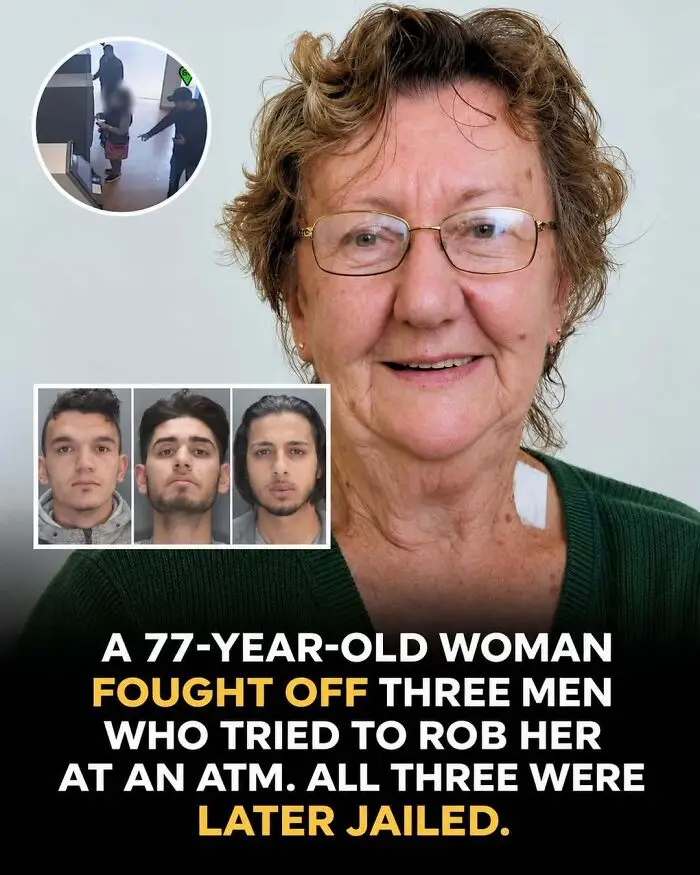
Winifred Peel, 77, from Bromborough in England, had just put her card in at the ATM.
Felix Stoica, 19, Florin Geblescu, 18, and Piper Dumitru, 18, were out in a car hunting for what they called an easy target. In Bromborough, on the Wirral, they found Winifred Peel alone at an ATM.
Winifred had stopped on her walk to get some cash. She had already noticed one of them outside Barclays Bank earlier that morning. Now that same man was standing right beside her at the machine, pressed up so close against her side that she was rocked off balance.
While he crowded her in, the other man leaned across her and pressed the button to take £200 out of her account.
It wasn't a mistake or a misunderstanding.
She was being robbed in broad daylight, with two of them on top of her and the third one, Dumitru, keeping watch a few steps away.
Winifred didn't freeze.
She grabbed the man who had just pressed the button, Stoica, by the collar and banged his head against the cash machine three times to try and stop him. The three of them ran off. She went straight into the bank and raised the alarm.
Police traced them on CCTV.
Stoica still had the injury on his head from where she had hit him.
All three pleaded guilty to robbery. Stoica got two years in a young offenders institution. Geblescu got 18 months. Dumitru got eight months.
The judge told them they had targeted a vulnerable victim, a lady 77 years of age in the twilight of her life, and cast a deep shadow over that.
Winifred doesn't call herself a hero.
She said they did not care how it would affect her, that it has changed her life, that she will never have the confidence she once did. She only hopes it returns.
Who thinks she deserves a medal?
#3
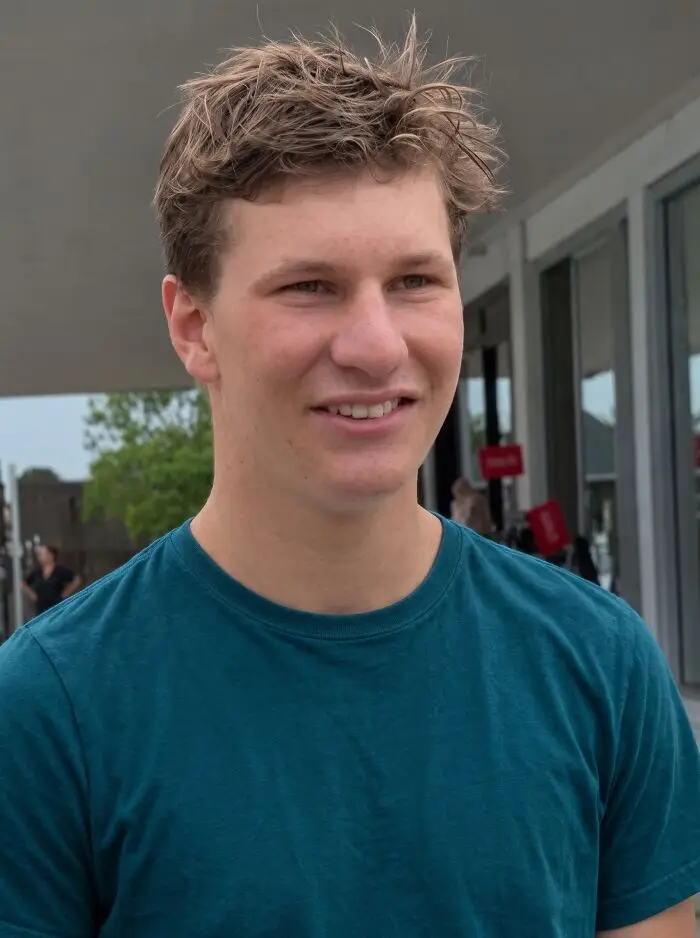
Space discoveries, inventions, historical tales, and everyday news stories might seem like totally separate topics. Yet they all share the same root: our drive to explore the unknown and understand our place in the world.
People aren’t always trying to build the next big gadget right out of the gate, yet this basic urge to find answers drives our greatest tools and inventions.
For example, consider how penicillin was discovered. Scientist Alexander Fleming wasn’t trying to save millions of lives or win a prize when he went to work that day. He just spotted some weird mold growing in a messy dish and wondered what it was. That one spark of wonder changed modern medicine forever.
#4
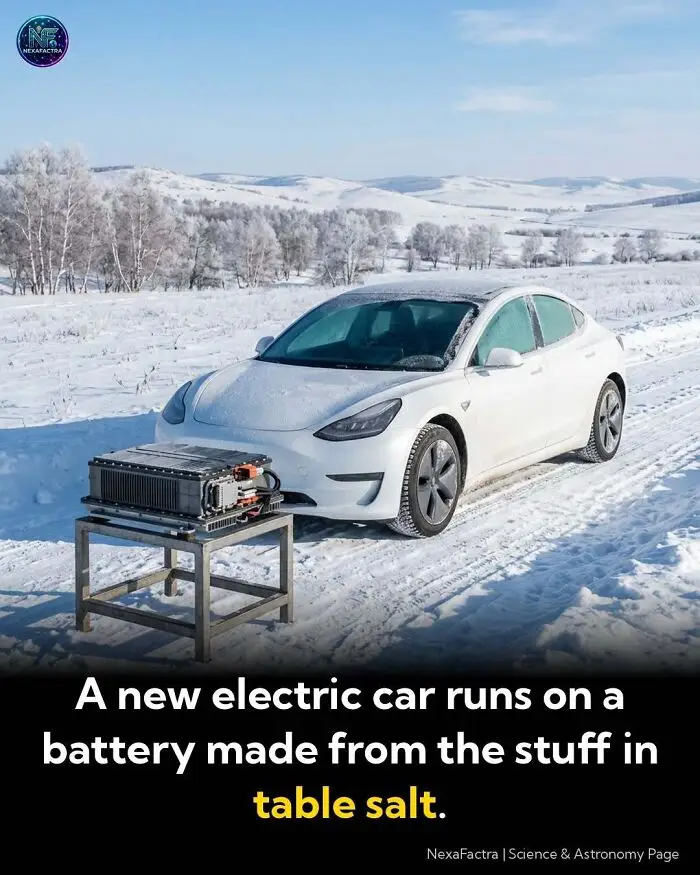
In February 2026, in the frozen city of Yakeshi, Inner Mongolia, Chinese automaker Changan and battery giant CATL unveiled what they called the world's first mass-production passenger car with a sodium-ion battery, a version of the Changan Nevo A06. It was set to go on sale in China from mid-2026.
Sodium is one of the most common elements on Earth, found in ordinary salt. CATL says its Naxtra cells reach 175 watt-hours per kilogram, close to the lithium iron phosphate batteries in many EVs, and keep about 90% of usable power at minus 40 degrees.
The car's 45-kilowatt-hour pack is rated for over 400 kilometers, about 249 miles, on China's test cycle. CATL spent roughly $1.4 billion developing the technology.
Sodium batteries could cut dependence on lithium mines and handle brutal winters better than many lithium packs.
Would you buy an electric car with a salt-based battery?
Source: CATL, 2026.
#5
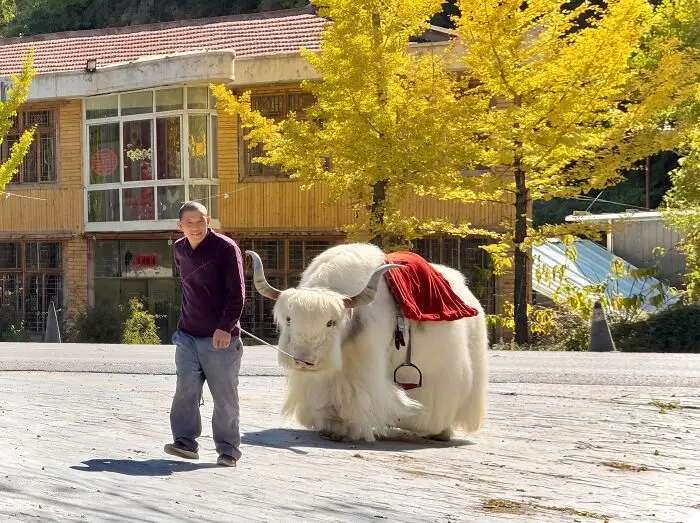
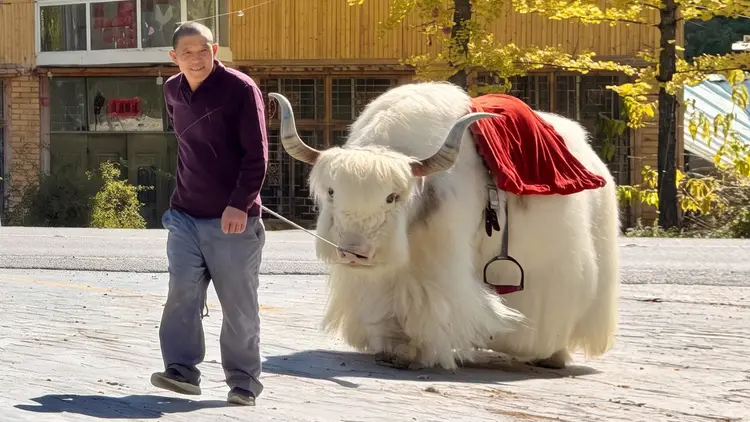
Yaks originally come from the Qinghai–Tibetan Plateau, particularly Tibet and the surrounding Himalayan region. Their wild ancestors evolved in these high-altitude environments, and local communities domesticated them thousands of years ago.
These remarkable animals are perfectly adapted to life in the mountains, often living at elevations of 2,000 to 5,000 meters (6,500–16,400 feet). Their thick, long coats protect them from freezing temperatures, while their specialized bodies help them cope with the low oxygen levels found at such high altitudes.
Unlike ordinary cattle, yaks are particularly well suited to cold, rugged environments. They feed mainly on grasses and other mountain vegetation and can provide local communities with milk, meat, wool, hides, and even fuel from their dried dung. They are also traditionally used to carry heavy loads across difficult mountain terrain.
For generations, yaks have been an essential part of Tibetan culture and livelihoods. And while this giant white yak may look like an unusual walking companion, it represents an animal that has supported mountain communities for thousands of years.
#6

According to the U.S. Department of Energy, using a ceiling fan allows you to raise your thermostat setting by about 4°F without reducing your comfort.
That's because fans create a wind chill effect. Moving air helps sweat evaporate from your skin, so you feel cooler even though the air temperature is the same.
Why does 4 degrees matter? Air conditioning is one of the biggest energy costs in many American homes. Every degree you raise the thermostat in summer means your AC runs less.
The Energy Department also says that in moderate climates, ceiling fans can sometimes replace air conditioning altogether.
A few important tips from the department:
Run your fan counterclockwise in summer to create a cooling breeze.
In winter, reverse it to run clockwise on low speed. That pushes warm air that collects near the ceiling back down into the room.
Turn fans off when you leave a room. Since they cool people, not rooms, a fan spinning in an empty room just wastes electricity.
Make sure your ceiling is at least eight feet high for a safe installation.
ENERGY STAR certified fans are also more efficient than standard ones.
It's one of the cheapest comfort upgrades in a home, and most people already have one they aren't using the right way.
Did you know your ceiling fan has a winter setting, and do you actually use it?
Source: U.S. Department of Energy, Energy Saver: Fans for Cooling.
You don’t need a lab coat to enjoy the perks of an active mind. Looking up random trivia and digging into strange tales can actually change how your brain works in daily life.
Research shows that when something grabs our interest, the reward centers in our heads light up and release dopamine. Even though a fun fact isn’t a physical treat like cold water or a sweet snack, our minds still react to it like a prize. We are built to feel good when we learn something new.
#7
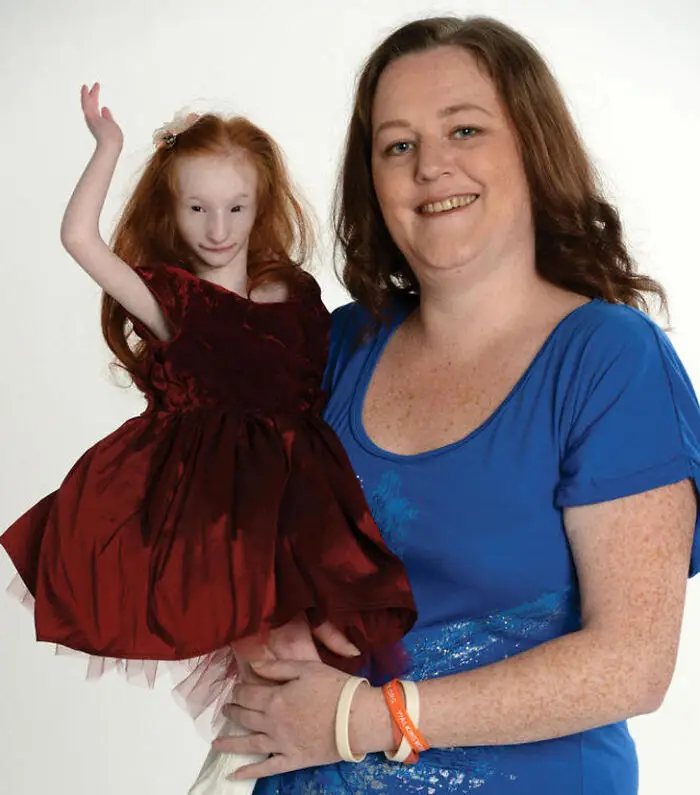
When Charlotte Garside was born in the UK in 2007, she weighed just 900 grams. Her tiny size and medical condition left doctors deeply concerned about her future. After she was discharged from hospital, her parents, Emma and Scott, were warned that she might not survive her first birthday.
Charlotte had a rare form of primordial dwarfism, a genetic condition that affects growth and results in an unusually small body size. Even ordinary newborn clothes were too large for her, so her parents often had to find tiny outfits that would fit.
As Charlotte grew, she continued to surprise the people around her. At just 68 centimetres tall, she reached the milestone of starting school. Her parents were proud of her progress and spoke about her curiosity, personality and determination to experience life like other children.
Her journey attracted attention from people around the world, and many followed her family's updates over the years. Charlotte became known not only for her extraordinary size but also for the life she built despite the challenges associated with her condition.
Sadly, her story came to an end in May 2024. Her family announced her passing on May 6, sharing that Charlotte had passed away two days earlier, on May 4, at the age of 16. Her mother described her as a much-loved daughter and family member who had brought something special into their lives.
Charlotte lived more than 15 years beyond the prognosis her parents received when she was a newborn. Her life was filled with challenges, but it was also marked by family love, personal milestones and experiences that her loved ones will always remember.
She may have been incredibly small, but the place she holds in her family's hearts is immeasurable.
#8
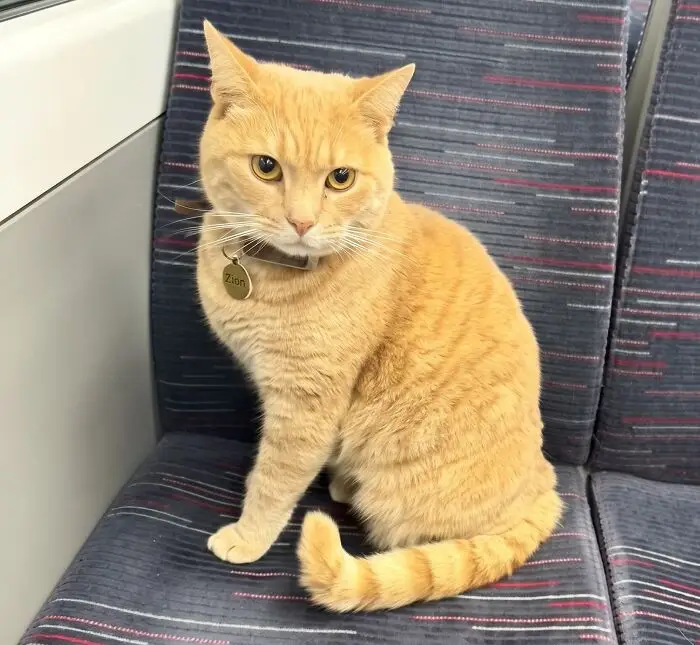
The four-year-old travelled 37 miles from Braintree, Essex, to London Liverpool Street all by himself. Station staff found him, looked after him and escorted him home on another train.
The best part? He’s done this before. Zeus used to catch trains to Stansted Airport. London is his furthest adventure yet.
#9

Sometimes, a childhood act of kindness stays with people for years. In January 2010, five-year-old Juliette Lamour and her younger sister, Sophie, brought their pink piggy bank to a Canadian Red Cross fundraiser in Sault Ste. Marie, Ontario. Inside was their entire savings of C$61.38, which the sisters donated to help people affected by the devastating earthquake in Haiti.
Thirteen years later, Juliette made headlines for an extraordinary reason. Shortly after turning 18, she bought her first-ever lottery ticket after her grandfather encouraged her to try her luck. The ticket was a Quick Pick for Canada's Lotto 6/49, meaning the numbers were selected automatically. It turned out to be the winning ticket for the C$48 million Gold Ball jackpot drawn on January 7, 2023.
The Ontario Lottery and Gaming Corporation confirmed Juliette as the winner on February 3, 2023. She became the youngest person in Canada to win a lottery jackpot of that size. At the time, she was studying biology at Algoma University and working part-time at a pharmacy.
Despite her sudden fortune, Juliette said she wanted to continue her education and pursue her long-held dream of becoming a doctor. She also spoke about keeping her family, friends and community in mind as she planned for the future.
When news of her lottery win spread, people remembered the photograph of two little girls donating their savings more than a decade earlier. Juliette's story brought those two very different moments together: a young child giving what she had to help strangers, and a young woman receiving a life-changing fortune.
Her donation did not guarantee a lucky future, but it showed the generous spirit she had as a child. And her plans after winning suggest that helping others remained important to her.
Sometimes, the most meaningful part of a success story is not the money someone receives, but the kindness they showed long before they had it.
The rush of feel-good chemicals when we learn something new can also make our memory sharper.
In 2014, neuroscientist Charan Ranganath and his team at the University of California, Davis, tested how this works by scanning people’s brains while they answered trivia questions. They found that curiosity peaks when we know a little about a subject, only to realize a piece of the puzzle is missing. That gap creates a strong pull to find the answer.
“When we compare trials where people are highly curious to know an answer with trials where they are not, and look at the differences in brain activity, it beautifully follows the pathways in the brain that are involved in transmitting dopamine signals,” said Dr. Ranganath. “The activity ramps up, and the amount it ramps up is highly correlated with how curious they are."
#10
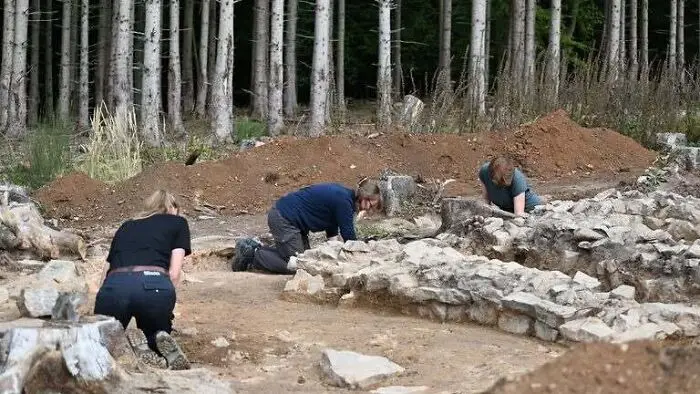
Archaeologists working near the summit of Mount Olympus on the Greek island of Euboea have uncovered a peak sanctuary that was in use from the 9th century BC all the way into the Roman Imperial era. There is no temple, no grand building — just an open-air sacred place where worshippers left pottery and the bones of sheep and goats in the crevices of the rock, and shared feasts a thousand metres above the sea.
The team from the Swiss School of Archaeology in Greece, led by Chloé Chezeaux, first spotted the site during a survey in 2025 and excavated it this year. The pottery alone is extraordinary — layer after layer of it, the earliest pieces dating to the early Greek Geometric period.
No altar has been found yet, and the goddess herself is still a careful guess. An inscription found down in the city of Eretria mentions "Artemis Olympia", which suggests the wild goddess Artemis may have been the one worshipped up here. Zeus is the god usually linked with mountaintops, so if it is Artemis, that makes this place even more unusual.
Getting there was not easy, then or now. The final stretch is a three-kilometre climb with 650 metres of elevation gain — the same walk the worshippers of Eretria made, carrying their offerings, for hundreds of years.
Would you make that climb for a goddess you believed in?
#11
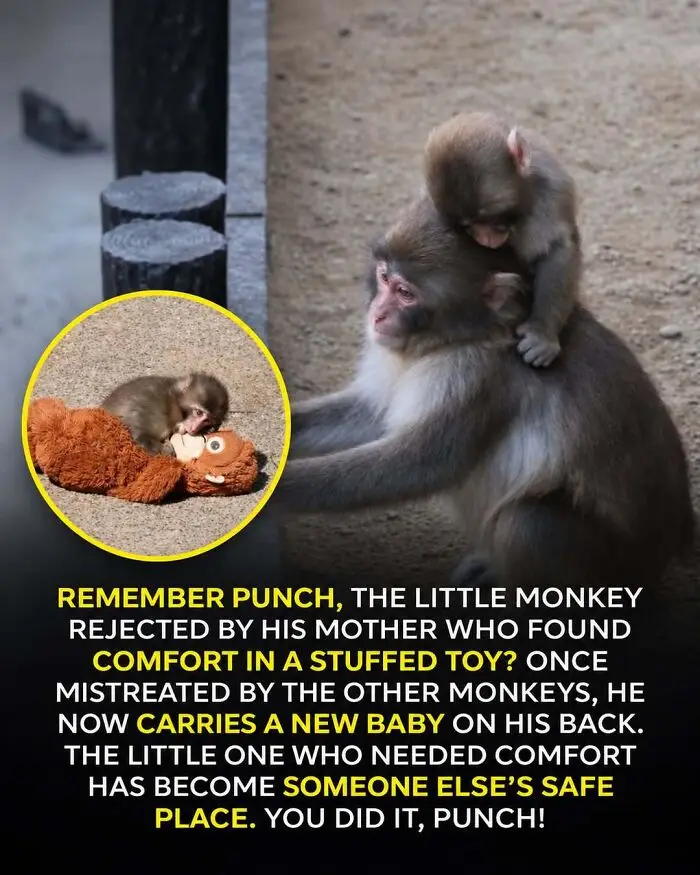
The little monkey who was rejected by his mother and found comfort in a stuffed toy?
Last year, he was the only baby born on that monkey mountain. His start in life was difficult. The other monkeys mistreated him, sometimes even dragging him along the ground. Whenever things became too much, he would run back to his stuffed toy, holding close to the one thing that seemed to offer him comfort.
That image stayed with so many of us: a tiny monkey looking for somewhere to belong, with a stuffed companion by his side.
But now, there’s a new moment to remember.
A new baby came running over to Punch and climbed straight onto his back. Such a small gesture, yet after everything he had been through, it felt enormous. Another little monkey had chosen to come close to him.
The little one who once needed someone to carry him is now carrying someone else. Watching that change is enough to make your heart ache in the sweetest way.
His difficult beginning will always be part of his story, but now there is room for moments like this, too: closeness, companionship, and a little baby holding on to him.
You did it, Punch. We were all rooting for you.
#12
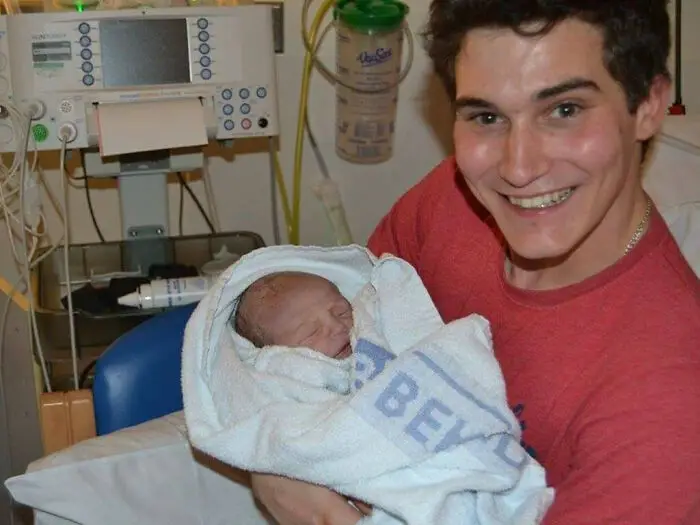
Jason, who was just 25, had been seriously injured in a hit-and-run accident and was in a coma in hospital. Since the accident, Noah had been unable to hear his father's voice in person. Ashleigh kept a recording of Jason speaking gently to their little boy before the tragedy.
As soon as the recording began playing, Noah appeared to settle down. The baby who had been restless moments earlier became calmer as his father's familiar voice filled the room.
The emotional moment captured the special connection between a father and his child, even during a time when they could not be together. For Ashleigh, that recording offered a precious way to keep Jason's presence close to their son.
Sometimes, the smallest things carry the greatest meaning. A simple voice recording became a treasured reminder of a father's love and the bond he shared with his baby.
May Jason and his family find strength and support through such a difficult time.
During experiments, the University of California researchers noticed something else amazing. Whenever a person really wanted an answer, their hippocampus — the brain's main memory center of the brain — woke up alongside the reward system.
This burst of energy helped them recall the trivia later, and also remember random details shown in between, like strangers’ faces. Once curiosity kicks in, your mind turns into a giant sponge that soaks up all kinds of details around you.
#13
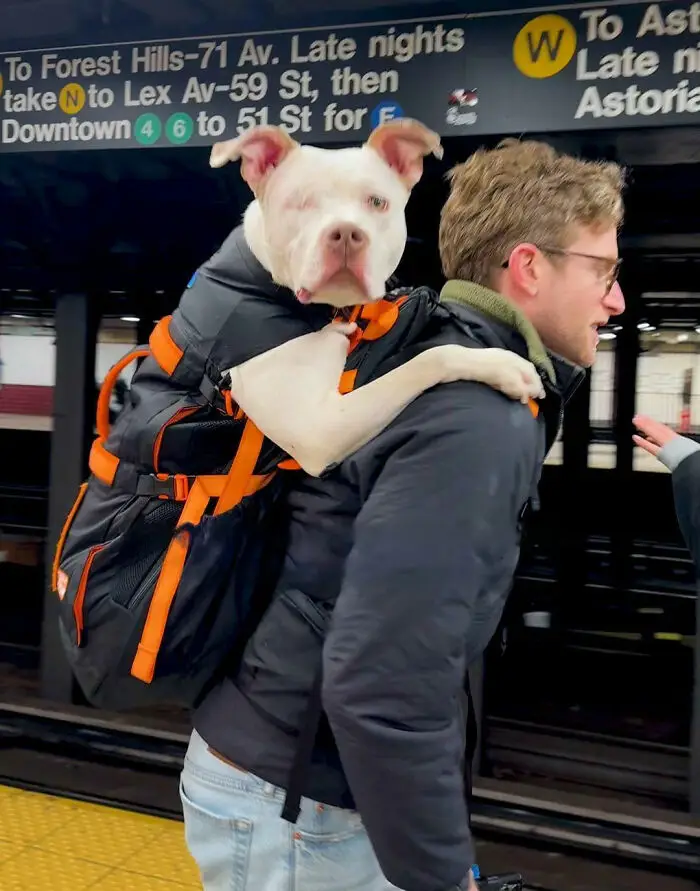
About once a week, Bryan Reisberg takes a shelter dog out for a day in New York City. His backpack says “Adopt Me,” and he shares videos of their adventures so people can see each dog’s personality shine.
Bertha spent her day soaking up neck scratches from strangers and picking out a toy. A few days later, she was adopted.
#14
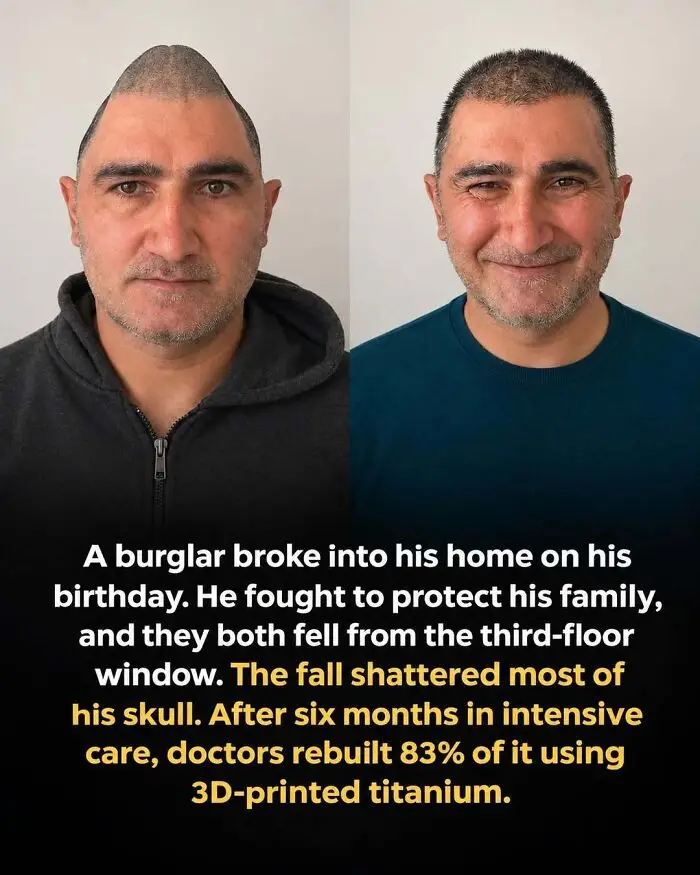
A medical team used his scans to design custom titanium implants, which were produced with 3D-printing technology and surgically fitted to rebuild the damaged area. His doctors said his neurological symptoms improved significantly after the operation. His recovery is a striking example of how patient-specific implants and complex surgery can help repair devastating injuries.
#15

Zhang Zilong grew up in Pingjiang County, Hunan Province, China, believing his family was poor. His father told him for two decades that the family business was struggling, that they were burdened with debt, and that money was always tight. Zilong lived in an ordinary flat. He wore inexpensive clothes. He studied hard and believed every word.
What he did not know was that his father was the founder and president of Mala Prince, a wildly popular Chinese snack brand specializing in spicy gluten strips called latiao. The company produces goods worth around 600 million yuan annually, roughly eighty-three million dollars. The brand was founded the same year Zilong was born. While he was growing up believing in scarcity, his father was building an empire.
Zilong's dream after graduating university was modest. He wanted a steady job that paid about six thousand yuan a month, around eight hundred dollars, so he could slowly help his family repay what he believed were crippling debts. He even attended one of the best high schools in Hunan without his family pulling any strings, competing for his place like any other student.
Then his father sat him down and told him the truth. The debts were not real. The struggling business was a story. The family owned a mansion, a villa worth about 1.4 million dollars, and eight luxury cars. His father explained his reasoning simply. He wanted his son to be down-to-earth. He wanted him to work hard and succeed on his own terms, not coast on inherited wealth. The father had grown up as the son of a farmer and carried those values forward, saying he had inherited his own father's teaching of living a simple and frugal life.
Zilong's reaction was honest. "Being rich does make me happy," he admitted. But the money did not change his habits. He joined his father's company in the e-commerce division and is treated like any other young employee. He still rides an electric motorcycle to work. He still lives relatively simply, even after moving into the new villa. His goal now is to help grow the family business, take it international, and eventually list it on the stock market.
His father has made one thing clear. Simply being his son does not guarantee control of the company. He will only consider handing it over if Zilong's performance justifies it.
The story divided the internet when it went viral in early 2024. Some people called the father a genius for raising a humble, hardworking son. Others questioned whether twenty years of deception was the right way to teach a lesson. But Zilong himself does not seem bitter. He was given a rare thing. He learned how to work before he learned he never had to.
General curiosity often fades as we get older. Research on aging and personality links older age with a drop in openness to new ideas. One study found that people often see learning new things as less important as they get older.
This is usually because of habit and comfort. Many grown-ups feel like they already know enough, so they stick to familiar routines instead of asking why. Social media feeds also make it easy to stay comfortable, handing us quick entertainment without asking us to think or wonder.
#16
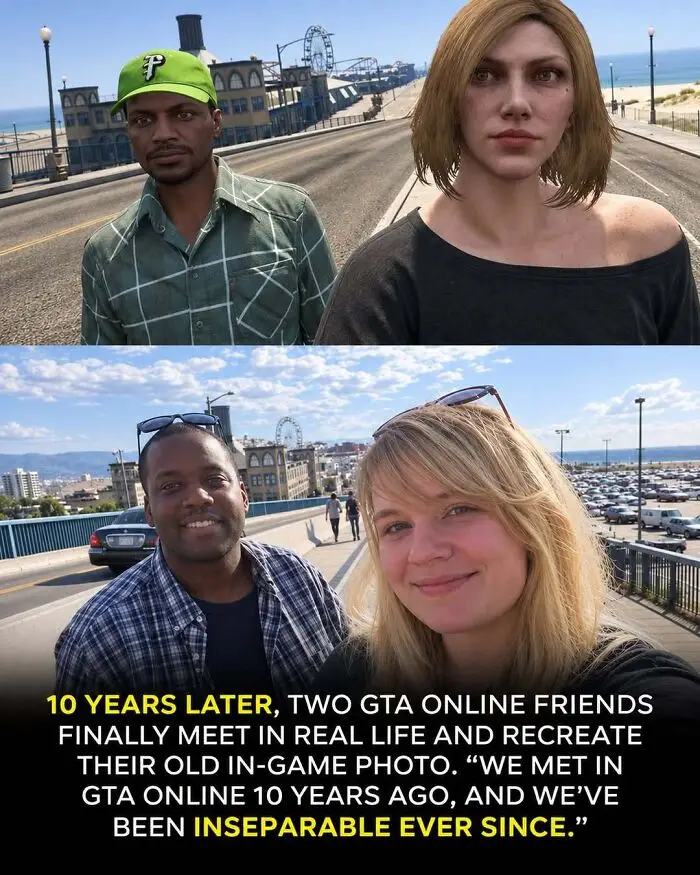
The players, known as “nikkievercetti” and “KingDuncan,” met up at Santa Monica Pier, the real-life inspiration for Del Perro Pier. They even struck the same pose by the railing.
The photo comparison went viral through Rockstar Games and Reddit.
It’s a sweet reminder of how a friendship that starts in a game can become part of your life.
#17
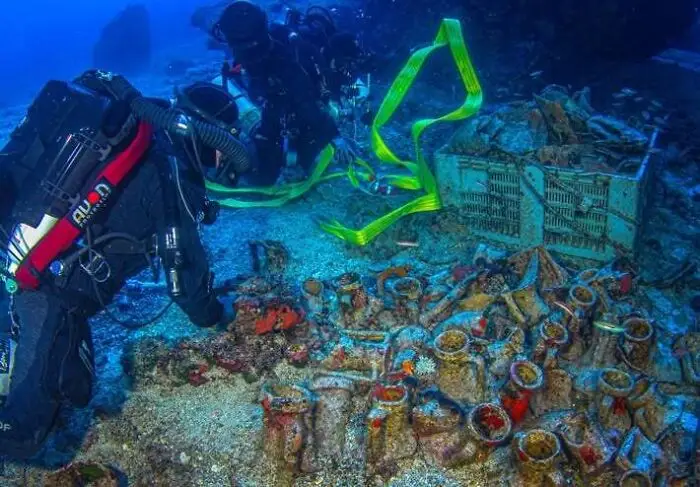
Researchers studying the famous wreck site off the coast of Greece have found a second concentration of ship parts and cargo about 200 metres from the main wreck — wooden hull fragments, bronze nails, anchor parts and rows of amphorae, all dating to the first century BC.
The two areas held very similar pottery, and that is what makes this so interesting. The team is now weighing three possibilities: two merchant ships travelling together that sank in the same storm, two unrelated ships that wrecked in the same spot around the same time, or one enormous ship that broke apart and scattered across the seabed.
They have not settled on an answer yet. The sediment samples and the layout of the wreckage point toward a second vessel, but the work is still going on — this is the strongest evidence yet for the two-ship idea, not a final verdict.
What is certain is that the site that gave us the Antikythera Mechanism, a 2,000-year-old device that could predict eclipses, is still rewriting its own story more than a century after sponge divers first found it in 1900.
If it turns out to have been a convoy, what else do you think those ships were carrying together?
#18
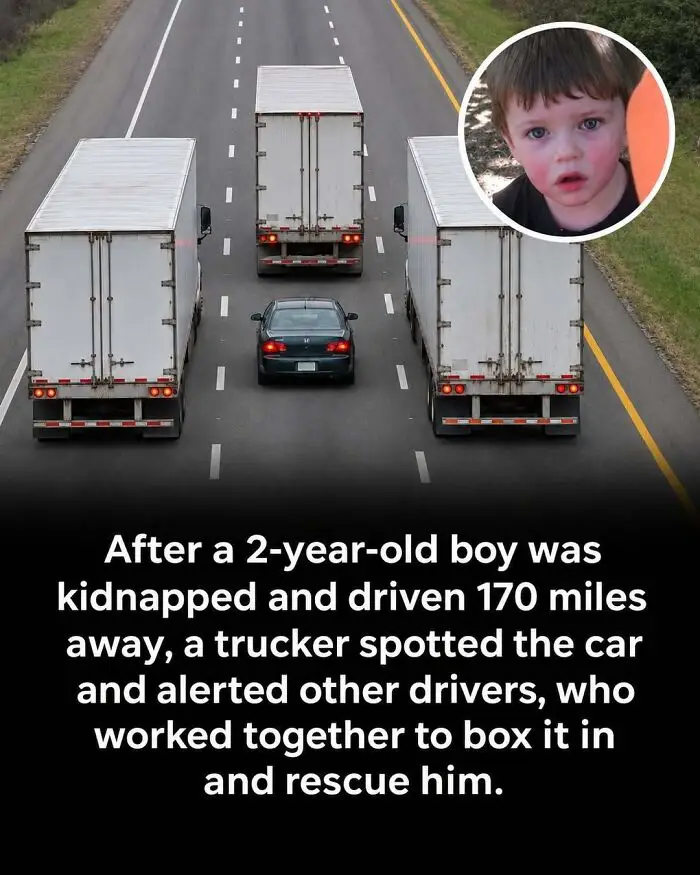
On January 9, 2013, authorities in Tennessee were searching for little Cael Whitehead, who had been taken by his father.
Truck driver Jim Lowe saw the alert on electronic highway signs. Moments later, he spotted the matching Pontiac Grand Am travelling along Interstate 24.
He used his radio to notify truckers ahead.
Working together, the drivers positioned their trucks around the car, boxing it in and slowing it down while authorities responded.
When a Tennessee Highway Patrol trooper reached the vehicle, truckers were already helping reduce its speed.
Officers stopped the car in Marion County and arrested the boy’s father.
Cael was found unharmed.
The rescue brought together an AMBER Alert, an observant driver, fellow truckers and officers who acted on the information.
Jim recognised the car. Other drivers responded. Police reached the boy.
That teamwork helped turn a frightening afternoon into a safe recovery for a little child.
There is a real irony here: even though our curiosity often dips as we get older, staying curious becomes even more important with age.
A 2025 study found that older adults who stay curious and seek out new information tied to their personal interests may help delay or even prevent Alzheimer’s disease. Low curiosity and a lack of interest, on the other hand, can be linked to a higher risk of dementia.
“As we get older, we don’t want to stop learning, we’re just more selective about what we want to learn. You see this in the context of lifelong learning: A lot of older adults will go back to take classes or pick up hobbies or engage in bird watching. I think it shows that this level of curiosity, if maintained, can really keep us sharp as we age,” says UCLA psychologist Alan Castel, the senior author of the paper.
#19
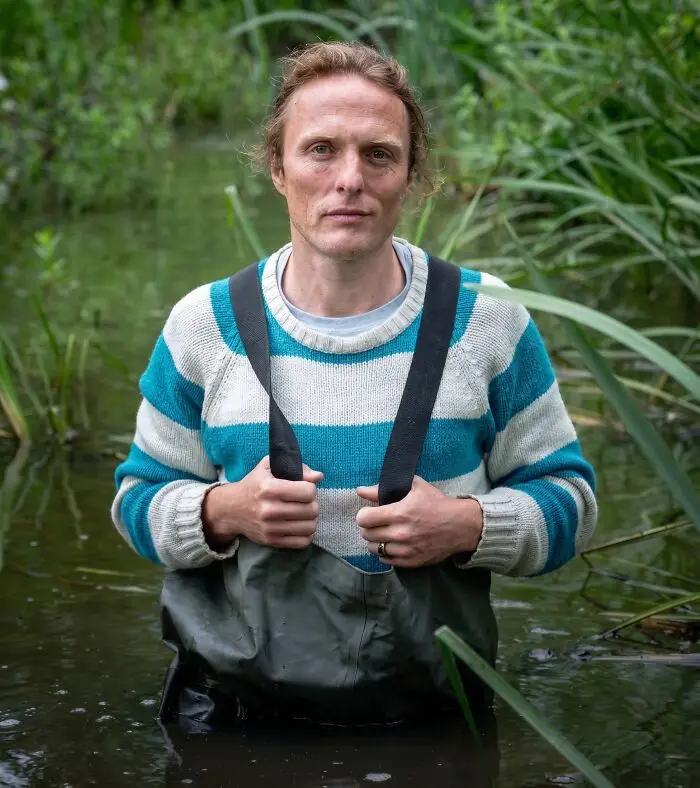
Alongside volunteers from the River Roding Trust, he helped remove more than 200 bags of rubbish, including plastic waste, discarded needles, household appliances, and other debris from a 250-metre stretch of Alders Brook.
However, the Environment Agency began investigating the project because the river restoration work was allegedly carried out without the required environmental permits. Certain violations can carry a prison sentence of up to two years, although no decision to prosecute had been made at the time of reporting.
Paul believes authorities should support people trying to protect nature rather than discourage them. The controversy has sparked debate about environmental regulations, community action, and the importance of protecting Britain's polluted waterways.
#20
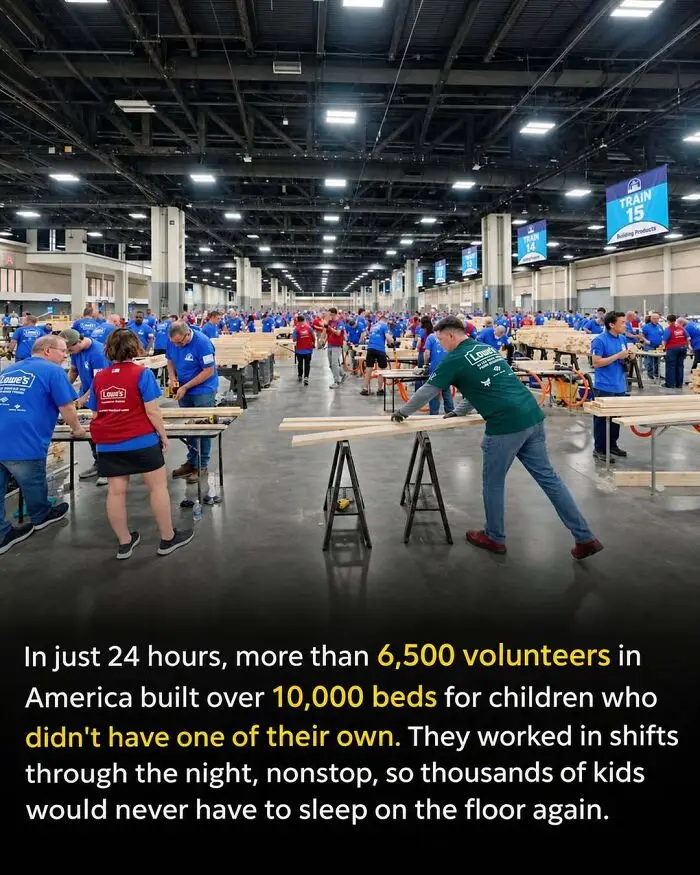
More than 6,500 volunteers had shown up with one goal: build 10,000 beds in just 24 hours, for children who don't have a bed of their own.
They came in waves, shift after shift, around the clock. Lowe's employees in their red vests. Workers from local businesses. Neighbors. Families.
They worked along 16 build lines, turning raw lumber into finished bed frames. Some cut boards. Some sanded. Some drilled. Some stamped each bed with a message for the child who would one day sleep on it.
When the clock ran out, they had built 10,027 beds.
That's 10,027 kids who will no longer sleep on the floor, on a couch or squeezed into one bed with their brothers and sisters.
The beds were made for Sleep in Heavenly Peace, a nonprofit that builds and delivers free beds to children in need. They're being delivered to more than 110 of its chapters across 36 states, complete with mattresses, pillows and bedding.
And it all started with one man.
Back in 2012, Luke Mickelson, a dad in Twin Falls, Idaho, heard about local kids sleeping on the floor. So he built a bunk bed for one family.
Then he built another. And another.
Today, his organization has nearly 400 chapters and has delivered more than 385,000 beds across the country.
Its motto is simple: "No kid sleeps on the floor in our town."
Sometimes the greatest gift you can give a child is a safe place to rest their head.