






Tired of the endless political drama and the non-stop doomscrolling? It’s time for a break that actually leaves some positive vibes.
We’ve collected the coolest facts, global news, and wildest innovations out there from this online page which boasts over 800,000 followers. It has a mix of mind-blowing nature trivia, major humanity wins, and random curiosities.
For instance, did you know New York now mandates mental health warnings on social media apps? Or that a zoo in China literally puts the humans in cages while the animals roam free?
Keep scrolling to stock up on more such icebreakers for your next dinner party.
#61

Scientists have found evidence that Earth’s inner core has slowed down and may now be rotating slightly backward relative to the planet’s surface. The discovery comes from a 2024 study that analyzed decades of seismic data from earthquakes to track movement deep inside the planet.
The solid inner core — a sphere of iron and nickel located about 5,000 kilometers beneath Earth’s surface — normally rotates at a slightly different speed than the rest of the planet. Researchers found that around 2010 the core began slowing, moving more slowly than the Earth’s mantle and crust for the first time in decades.
Scientists believe the shift is caused by complex forces between the inner core, the surrounding liquid outer core, and Earth’s magnetic and gravitational interactions. The change may even slightly affect the length of a day, though only by fractions of a second.
Report
12points
#62

In Ukraine, birds have been observed building nests using fiber-optic cables left behind by destroyed or abandoned military drones. As the conflict has filled some areas with damaged equipment and debris, pieces of thin cable and wiring have become readily available materials that birds incorporate into their nests.
The unusual nests highlight how wildlife adapts to rapidly changing environments, even in regions affected by ongoing war.
Report
12points
#63
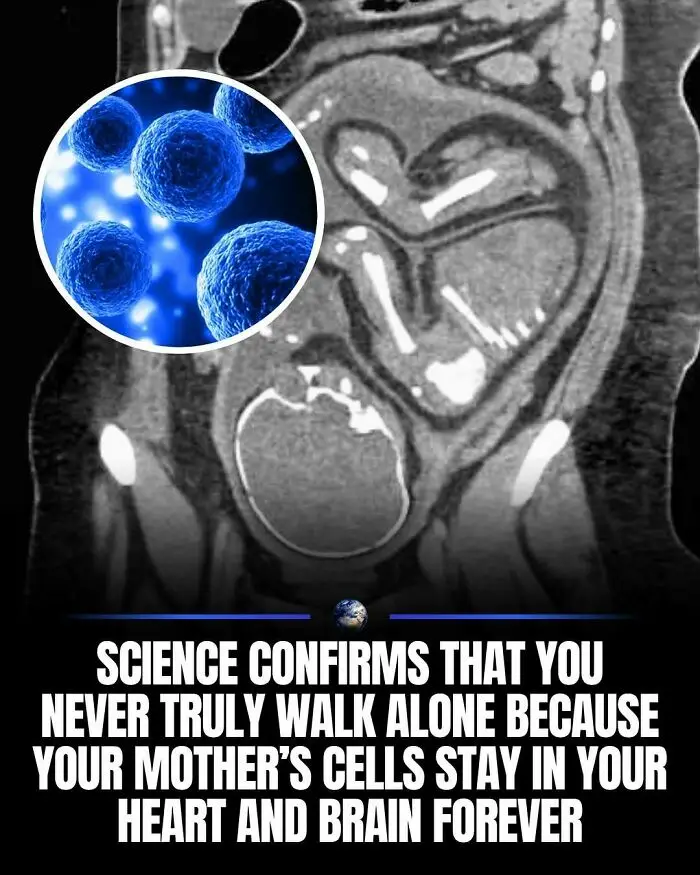
Science shows that during pregnancy, cells are exchanged between a mother and her baby in a process called microchimerism. These cells can travel through the bloodstream and settle in different parts of the body, including the brain, heart, and other organs.
What’s remarkable is that some of these cells can remain for decades, meaning a small number of your mother’s cells may still exist inside you — and vice versa. Researchers have even found these cells integrated into tissues where they can behave like normal cells.
While the full effects are still being studied, this phenomenon shows that the connection between mother and child is not just emotional — it’s biological and long-lasting.
Report
12points
#64
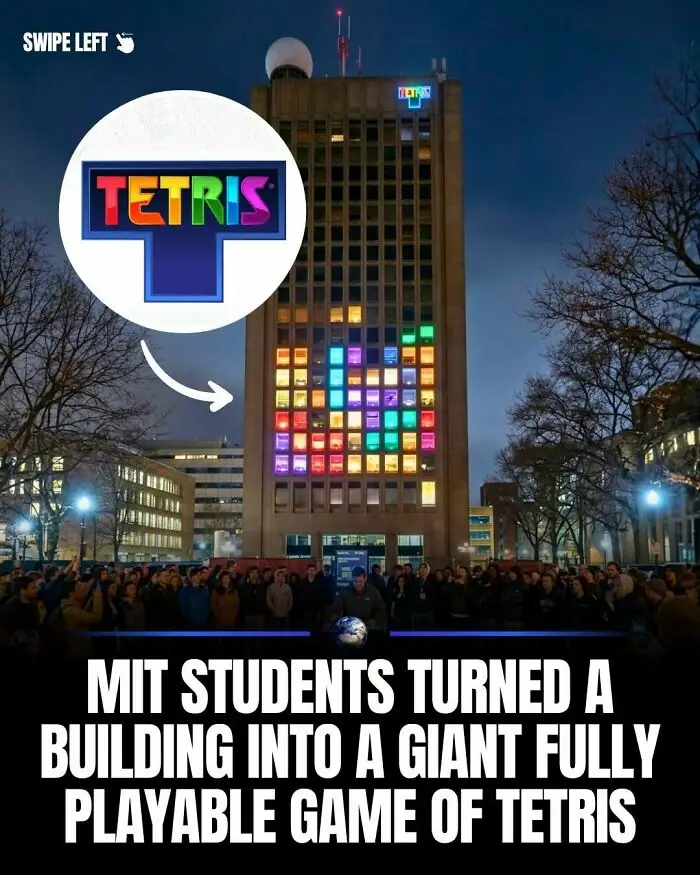
A group of MIT students successfully turned the university’s 21-story Green Building into a massive, fully playable Tetris game. By installing wirelessly controlled LED lights in 153 windows, they transformed the entire facade into a giant vertical screen that players could control using a joystick on the ground.
The project allowed people to rotate and drop colorful blocks across the Boston skyline, fulfilling a long-standing goal within the university’s engineering community. It remains one of the most famous examples of MIT’s „hacking“ culture, where high-level technical skills are used to create incredible public art.
Report
12points
#65

This is Passage du Gois, a tidal road in France that connects the mainland to the island of Noirmoutier.
The road is only passable for about 1–2 hours at low tide, twice a day. When the tide comes in, it completely disappears under up to 4 meters (13 feet) of seawater.
Warning signs and rescue towers line the route, but drivers who misjudge the tide can still get stranded. It’s one of the most dangerous — and fascinating — roads in the world.
Report
11points
#66

India is preparing to conduct one of the largest population counts in history, with its upcoming census expected to cost over $1 billion. The nationwide operation will aim to document a population of more than 1.4 billion people, making it one of the biggest administrative exercises in the world. 
The census, scheduled to take place between 2026 and 2027, will be conducted in multiple phases and is set to become the country’s first fully digital population count, using mobile technology and large-scale data collection systems. 
Officials say the data will play a crucial role in shaping policy decisions, resource allocation, and political representation for years to come.
Report
11points
#67
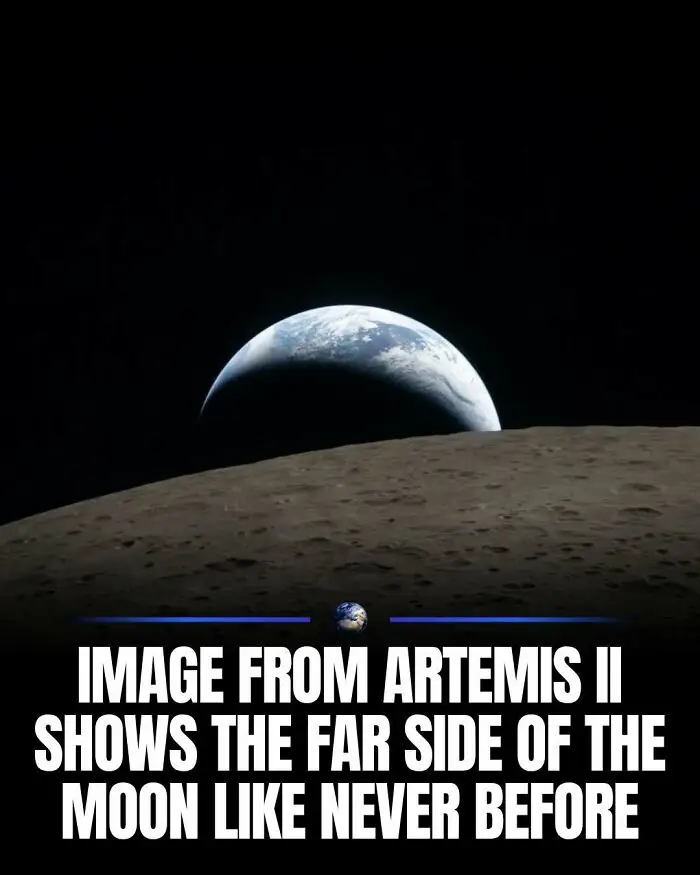
Artemis II is set to capture the far side of the Moon with unprecedented detail, using modern imaging technology far beyond the Apollo era.
The images show how much space exploration has advanced since Apollo 8, revealing the Moon like never before.
Report
11points
#68

In a move designed to eliminate the frustration of missing a key scene, some Swiss cinemas have installed monitors directly into the floors of their restrooms. This allows moviegoers to step away for a moment without losing track of the plot, as the film continues to stream in real-time beneath their feet.
The concept was pioneered by luxury theater chains like Pathé Schweiz, specifically in their high-end locations. While these theaters are already known for replacing traditional seats with double beds and sofas, the floor screens are a smaller, practical innovation aimed at providing a seamless, „interruption-free“ viewing experience from the moment the trailers start until the credits roll.
Report
11points
#69
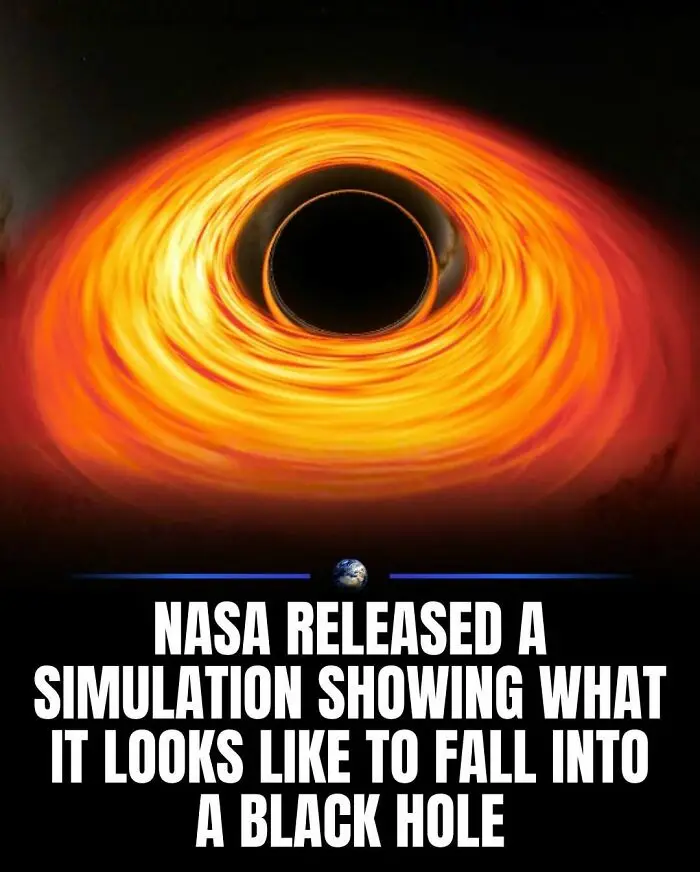
In a recent visualization, NASA scientists simulated what it would look like to fall into a black hole.
Because gravity near a black hole is so extreme, light itself bends and stretches — meaning time and space appear warped and distorted from the perspective of an outside observer.
Because gravity near a black hole is so extreme, light itself bends and stretches — meaning time and space appear warped and distorted from the perspective of an outside observer.
As an object approaches the event horizon, the simulation shows light from the accretion disk wrapping around it, creating the glowing, asymmetrical appearance you see here.
These visualizations aren’t movie effects — they’re based on Einstein’s general relativity and help scientists better understand how matter behaves under the universe’s most extreme forces.
These visualizations aren’t movie effects — they’re based on Einstein’s general relativity and help scientists better understand how matter behaves under the universe’s most extreme forces.
Report
10points
#70
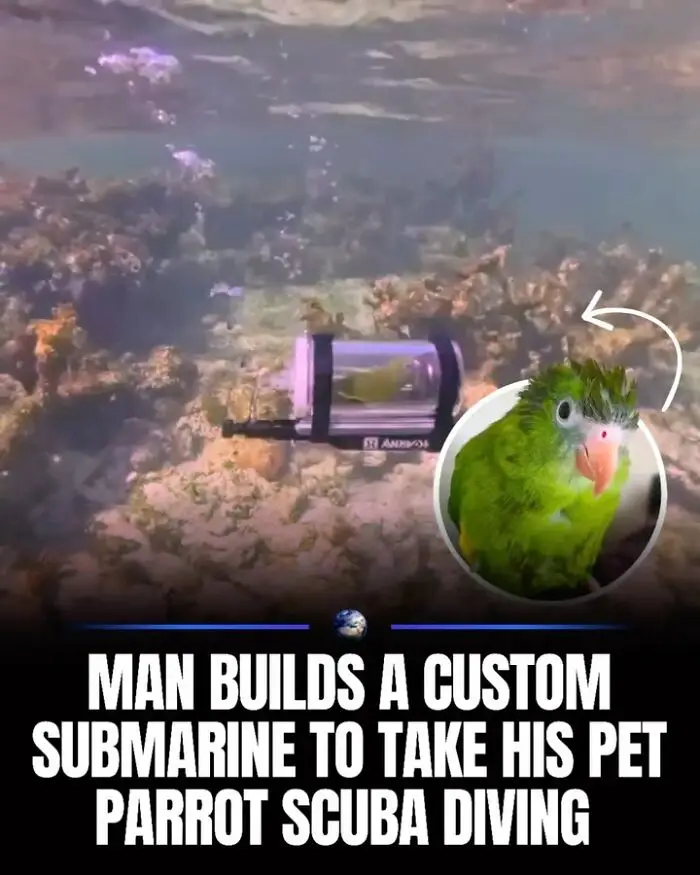
A man built a custom mini submarine to allow his pet parrot to go underwater while staying inside a sealed, air-filled chamber. The device uses a transparent enclosure for visibility, along with an oxygen supply system to maintain breathable air and stable conditions during the dive.
The setup was carefully tested before being used in controlled environments, allowing the bird to observe underwater surroundings without direct exposure to water or pressure changes.
The project highlights how unconventional engineering can adapt extreme environments into controlled experiences.
Report
10points
#71
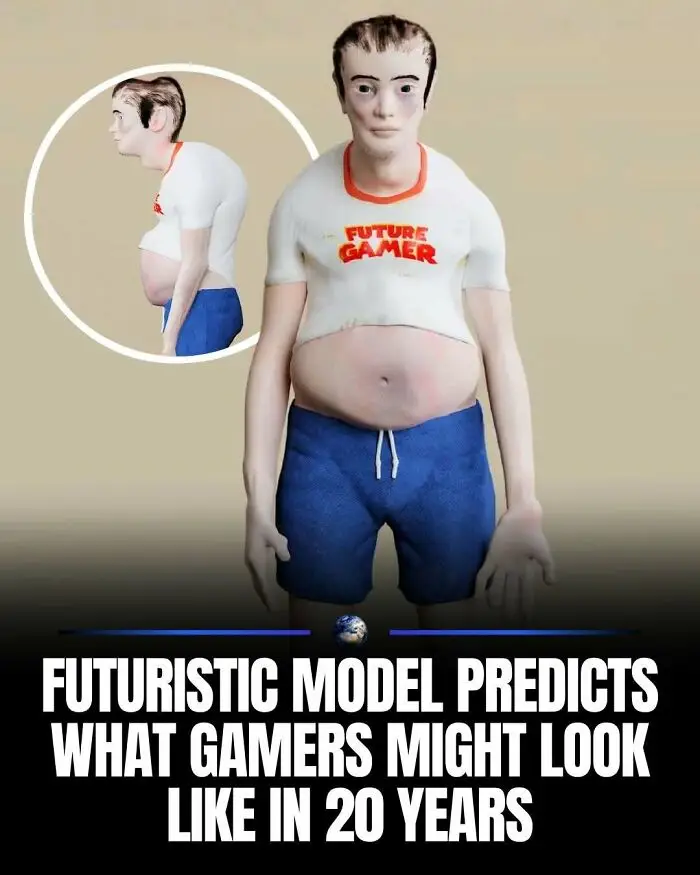
A futuristic model shows what gamers might look like in 20 years if long hours of sedentary gaming and screen time continue. The concept highlights potential changes like poor posture, strained neck and back, and tired-looking eyes linked to prolonged sitting and minimal movement.
It’s not a prediction, but a visual projection of how modern digital habits could shape the body over time.
Report
9points
#72

A researcher from Purdue University, Professor Xiulin Ruan, has developed the world’s whitest paint, capable of reflecting 98.1% of solar radiation. His calculations suggest that coating roughly 1% to 2% of the Earth’s surface (about 2 million to 4 million square miles) with this paint could bounce enough heat back into deep space to potentially stop global warming.
The ultra-white paint utilizes a high concentration of barium sulfate, which doesn’t just reflect light but actually cools surfaces to temperatures below their surroundings. While painting the entire planet is a logistical extreme, applying this „radiative cooling“ technology to urban rooftops could drastically reduce the need for air conditioning and lower the carbon footprint of major cities.
Report
8points
#73
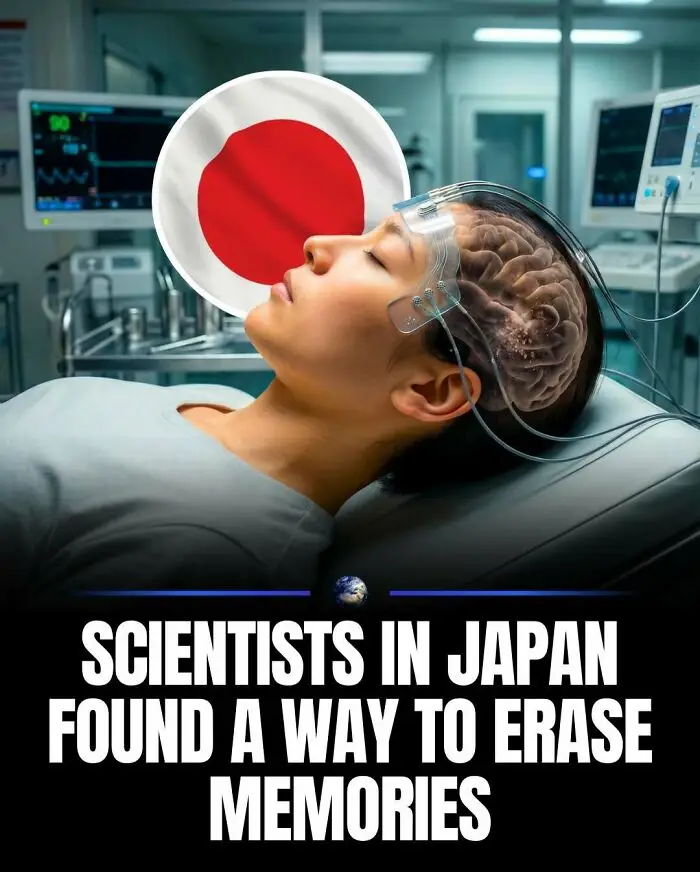
Japanese researchers have demonstrated that targeted blue light can selectively weaken specific memory-related neural connections in the brain. Using optogenetic techniques, scientists were able to shrink synapses associated with a learned memory, effectively disrupting it while leaving surrounding memories intact. The findings, observed in animal models, suggest a future where precise memory modulation could support treatments for trauma-related disorders such as PTSD — though human applications remain years away.
Report
7points
#74

Apple has dramatically expanded its Security Bounty program, now offering up to $2 million for reporting the most serious vulnerabilities — specifically zero-click remote exploits that could give full control of a device without any user interaction.
The company’s updated program rewards complex exploit chains that mirror real-world spyware tactics, and includes additional bonuses for bypassing advanced protections like Lockdown Mode or finding bugs in beta software — potentially bringing total payouts to more than $5 million for a single issue.
Since opening the bounty to the public, Apple says it has already awarded over $35 million to more than 800 security researchers, making it one of the most generous bug-reward programs in the tech industry.
Report
7points
#75

Schools in the UK are phasing out analogue clocks as some teenagers struggle to read them. The change affects exam halls and classrooms, with digital displays and smart boards becoming the preferred standard. Educators say it helps students keep up with a tech-driven learning environment, though critics warn that basic time-telling skills may decline.
When student habits and cultural shifts intersect with educational infrastructure, adjustments are treated as serious operational decisions.
Report
7points
#76

In China, a law encourages adults to regularly visit and care for their aging parents. Introduced as part of the Elderly Rights Law, it requires family members to maintain contact with elderly relatives and not neglect their emotional and financial needs. Employers are also expected to allow time for employees to visit their parents.
The legislation reflects the country’s long-standing cultural emphasis on family responsibility and filial respect, especially as the population continues to age.
Report
7points
#77
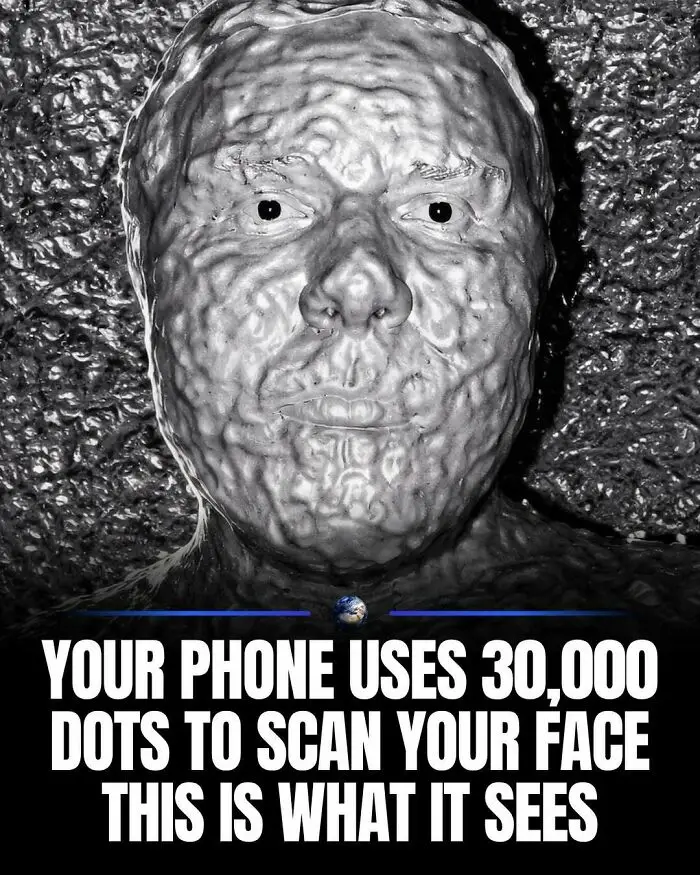
Many modern smartphones use advanced facial recognition systems that project thousands of invisible infrared dots onto your face to create a precise 3D map. For example, systems like Face ID use around 30,000 dots to capture depth, contours, and unique facial features.
The sensor then analyzes this data in real time, comparing it to a stored model to securely unlock the device. Unlike a simple photo, the system detects depth and movement, making it significantly harder to spoof.
The result is a highly detailed digital representation of your face that allows for fast and secure authentication.
Report
7points
#78

Japan is exploring a futuristic concept of building a space-based solar power system around the Moon that could generate continuous energy and beam it back to Earth without interruption.
The idea is to place solar infrastructure in space where sunlight is constant, avoiding issues like night cycles, weather, and atmospheric loss that limit solar power on Earth. This could allow much higher and more stable energy production than current systems.
The energy would be transmitted wirelessly to Earth using microwave or laser technology and converted back into electricity at ground stations.
Still in the conceptual phase, it highlights how space-based systems are being considered for future global energy needs.
Report
7points
#79

Camouflage has evolved into a highly refined system designed to make objects and people blend seamlessly into their surroundings. Modern patterns are not random — they are carefully engineered to break up outlines, distort perception, and match specific environments like forests, deserts, or snow.
Advanced designs, including digital camouflage, use pixelated shapes and layered colors to confuse the human eye at different distances, making detection significantly harder. Materials and textures also play a role, reducing shine and adapting to lighting conditions.
Report
7points
#80
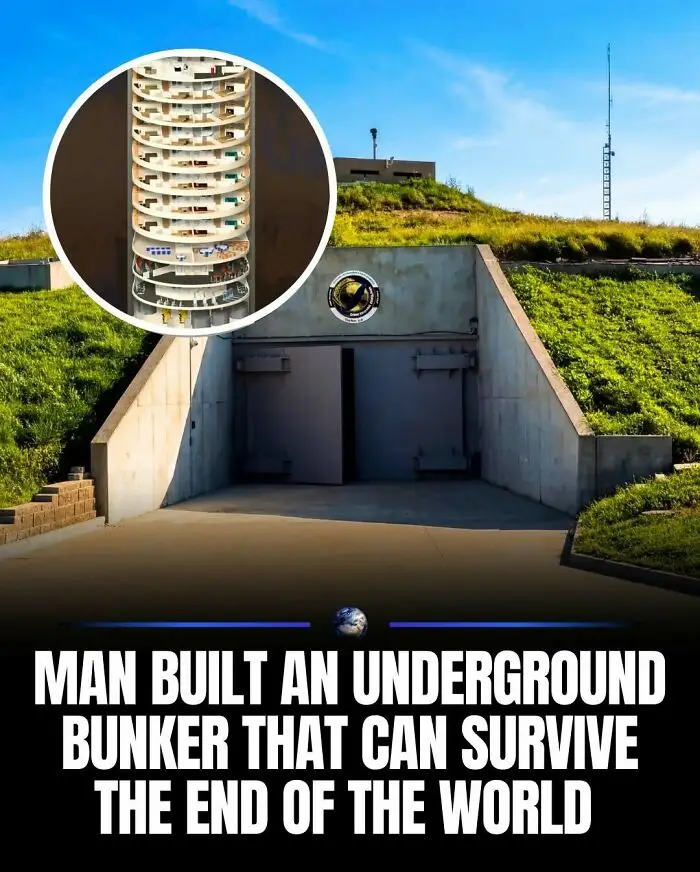
A developer in the United States transformed a decommissioned Cold War missile silo into a massive underground bunker designed to survive catastrophic events. Built deep below ground with reinforced concrete walls up to 9 feet thick, the structure was originally engineered to withstand a nuclear blast.
Today the silo has been converted into a multi-level underground complex with apartments, food storage, water purification systems, and shared facilities, capable of supporting dozens of residents for years in extreme scenarios.
Report
6points
