






Tired of the endless political drama and the non-stop doomscrolling? It’s time for a break that actually leaves some positive vibes.
We’ve collected the coolest facts, global news, and wildest innovations out there from this online page which boasts over 800,000 followers. It has a mix of mind-blowing nature trivia, major humanity wins, and random curiosities.
For instance, did you know New York now mandates mental health warnings on social media apps? Or that a zoo in China literally puts the humans in cages while the animals roam free?
Keep scrolling to stock up on more such icebreakers for your next dinner party.
#41

Dylan’s mother spent years believing her son was simply shy, unaware that a genetic condition was causing profound hearing loss. After a screening at the Children’s Hospital of Eastern Ontario identified the issue, Dylan was fitted with hearing aids that allowed him to hear his mother’s voice for the first time.
The instant transition to a world of sound transformed Dylan from a withdrawn child into a confident, adventurous student. This case highlights how precise diagnosis and technical intervention can bridge the gap between isolation and a full, active life.
A biological limitation becomes a solvable challenge when medicine moves from managing symptoms to identifying the source of the problem.
Report
27points
#42
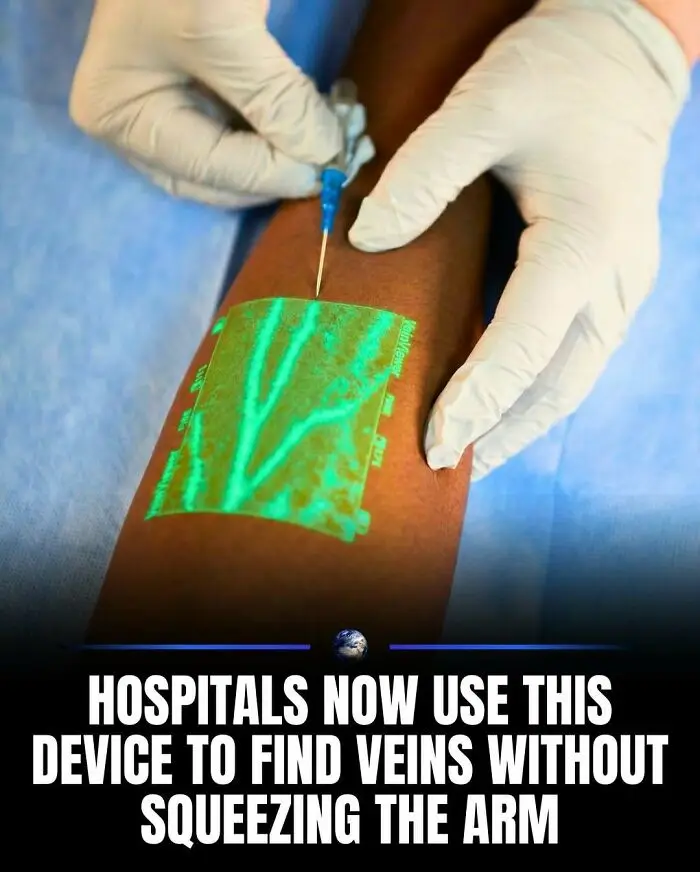
Hospitals are increasingly using vein-finding devices like this to make needle procedures faster, safer, and far less painful.
By using near-infrared light, the device maps veins beneath the skin in real time and projects them onto the surface — no squeezing, no guessing, and fewer failed attempts. It’s especially helpful for children, elderly patients, and people with hard-to-find veins.
Report
26points
#43

Cai Guo-Qiang created Sky Ladder in 2015 as a deeply personal tribute to his grandmother.
The temporary installation featured a 500-meter fire-lit ladder rising into the night sky above a coastal village in Quanzhou, China.
The temporary installation featured a 500-meter fire-lit ladder rising into the night sky above a coastal village in Quanzhou, China.
Known for using gunpowder and fire as artistic materials, Cai described the work as a symbolic farewell — representing hope, transcendence, and the bond between generations.
The ladder burned for only a few minutes before disappearing, emphasizing impermanence and the fleeting nature of life.
The ladder burned for only a few minutes before disappearing, emphasizing impermanence and the fleeting nature of life.
Report
24points
#44
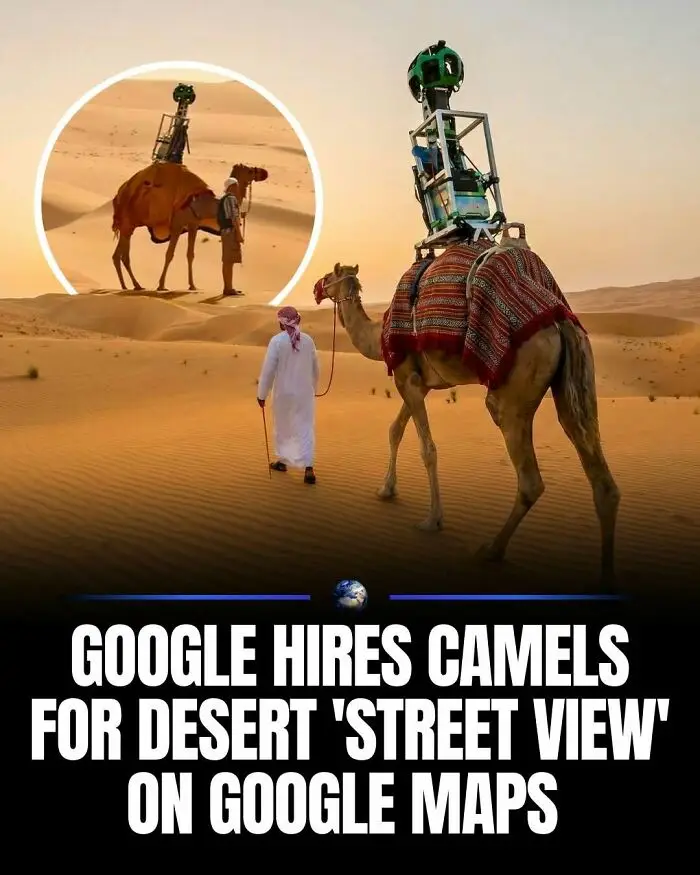
Google has used camels equipped with Street View cameras to capture imagery in desert regions where traditional vehicles cannot operate. The animals carry specially designed camera systems that record 360-degree views while moving through areas like sand dunes and remote landscapes.
The project allows Google Maps to map locations that would otherwise be inaccessible, expanding Street View coverage beyond roads and into some of the world’s most difficult terrains.
The approach shows how mapping technology adapts to extreme environments by combining innovation with unconventional methods.
Report
24points
#45

In 1923, Sir Frederick Banting sold the patent for insulin for just $1. After discovering the life-saving treatment, he refused to profit from it, famously stating that insulin „belongs to the world.“ He wanted to ensure that every person living with diabetes could afford the medicine they needed to stay alive.
By giving the rights to a public university instead of a private company, Banting prioritized human life over personal wealth. This decision set a historic standard for medical ethics, focusing on making a breakthrough accessible to everyone rather than turning a survival need into a business opportunity.
Report
24points
#46

China has unveiled one of the largest inflatable construction domes ever built — a **50-metre tall, 20,000 m² air-supported structure erected over a major building site in Jinan to reduce environmental impact.
The dome is made from lightweight, high-strength membrane materials and stays upright through constant air pressure, meaning it requires no internal beams or supports. It’s designed to trap construction dust, limit the spread of airborne particulates, and cut down on noise pollution from heavy machinery — improving air quality and reducing disruption for people living nearby.
Officials say the system also helps construction continue in all weather and may become a model for eco-friendly urban development practices in other Chinese cities as environmental standards tighten.
Report
23points
#47
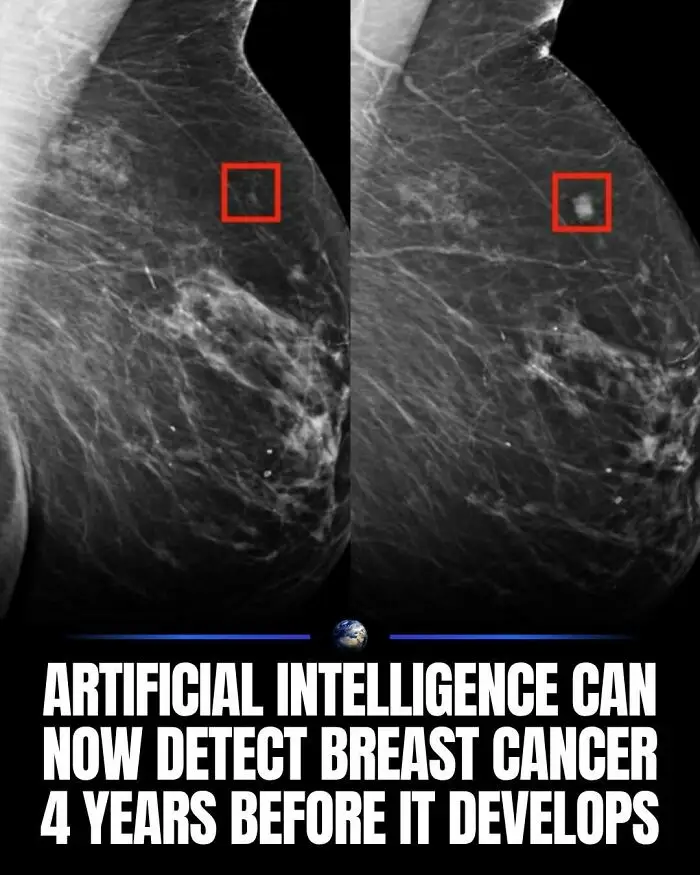
A breakthrough in healthcare is changing how we look at cancer prevention. Scientists have developed an artificial intelligence model that can predict the risk of developing breast cancer up to four years before any tumors actually form.
By analyzing standard mammogram images, the AI can spot tiny, hidden patterns in the breast tissue that are completely invisible to the human eye. Instead of just finding cancer after it exists, this technology allows doctors to identify high-risk individuals and step in with preventive care long before the disease can progress.
This proactive approach is a massive step forward for early detection, giving patients a critical head start. It proves how modern technology can be used to protect lives and transform the future of medicine.
Report
23points
#48
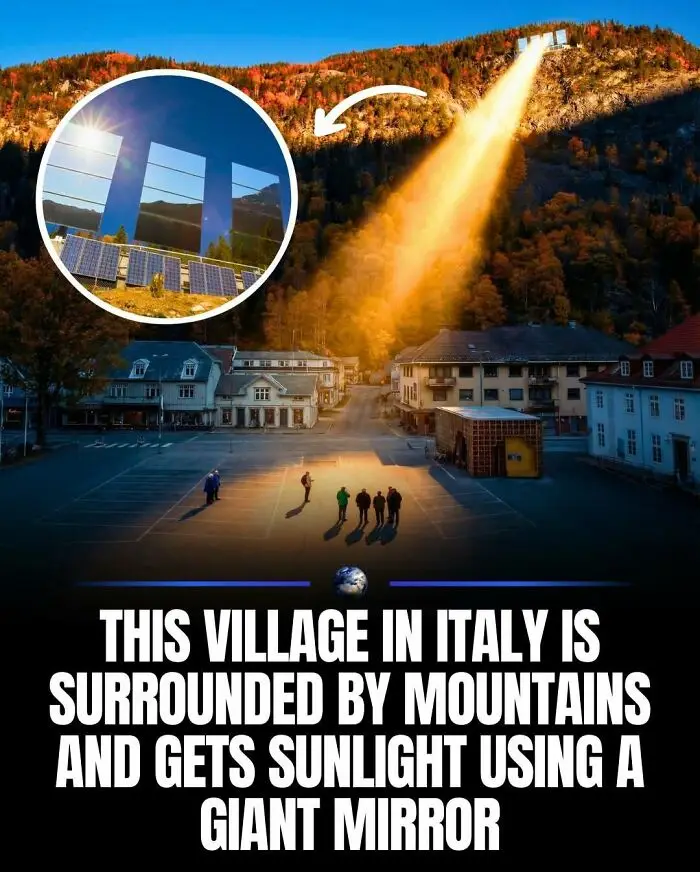
Viganella is a small village in northern Italy that sits deep in a narrow Alpine valley, surrounded by steep mountains that block direct sunlight for much of the winter. To solve the problem, engineers installed a giant mirror on the mountainside that reflects sunlight down into the village square. The mirror tracks the sun and redirects its light, bringing natural daylight to an area that would otherwise remain in shadow for months.
The project shows how simple engineering solutions can reshape daily life when geography limits natural resources.
Report
22points
#49

A growing number of adults are turning to so-called “dumbphones” — basic mobile phones designed primarily for calls and texts — as a way to disconnect from constant notifications and social media. Unlike modern smartphones, these devices offer limited internet access and fewer apps, encouraging a more focused and less distracted daily routine.
The trend reflects a broader shift toward digital minimalism, as some users look for simpler technology to regain control over screen time and attention.
Report
20points
#50

Police in the United Kingdom have begun using high-performance electric dirt bikes, including Sur-Ron models, to patrol busy city areas and pursue criminals on two wheels. The lightweight bikes are fast, quiet, and highly maneuverable, allowing officers to move through narrow streets, parks, and crowded spaces where traditional police vehicles struggle.
In London, specially trained officers have deployed modified Sur-Ron bikes as part of operations targeting phone-snatching gangs and bike-enabled street crime. Their speed and agility help police catch suspects who often use similar electric bikes to escape quickly after thefts.
The move reflects how law enforcement is adapting tactics as criminals increasingly rely on fast electric bikes for getaways in dense urban environments.
Report
19points
#51
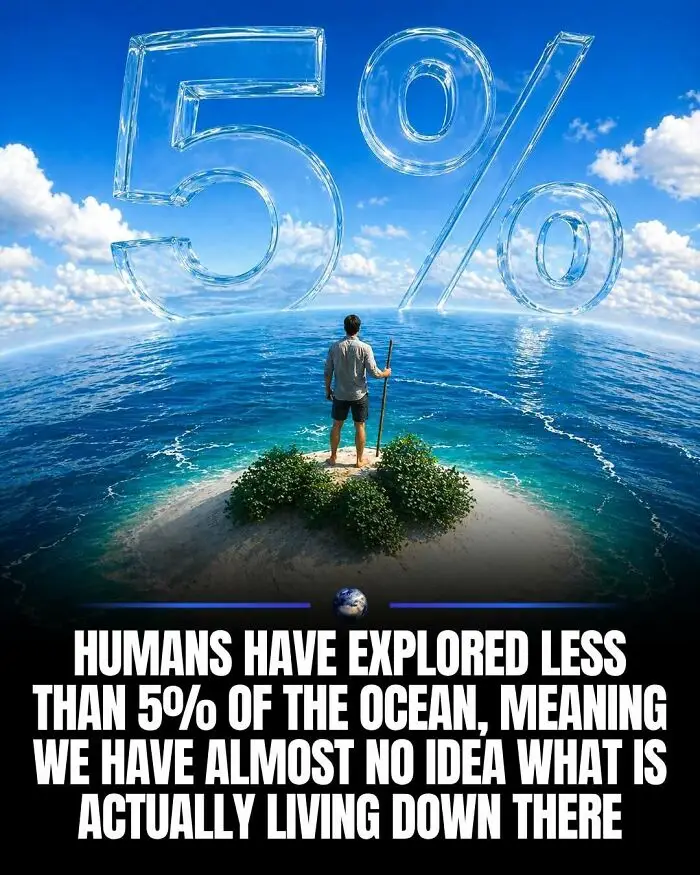
While we have mapped the entire lunar surface, humans have explored less than 5% of the Earth’s oceans. The remaining 95% remains an unmapped wilderness, characterized by crushing pressures and absolute darkness, concealing ecosystems and species that have never been seen by human eyes.
This lack of data means our understanding of planetary biodiversity is fundamentally incomplete. Marine biologists estimate that millions of undiscovered species reside in the deep sea, surviving in conditions once thought impossible for life. As technology advances, we are discovering that the deep ocean is not a void, but a complex, high-stakes frontier for biological and geological discovery.
A planet becomes a true mystery when we realize we have yet to witness the majority of its living space.
Report
19points
#52
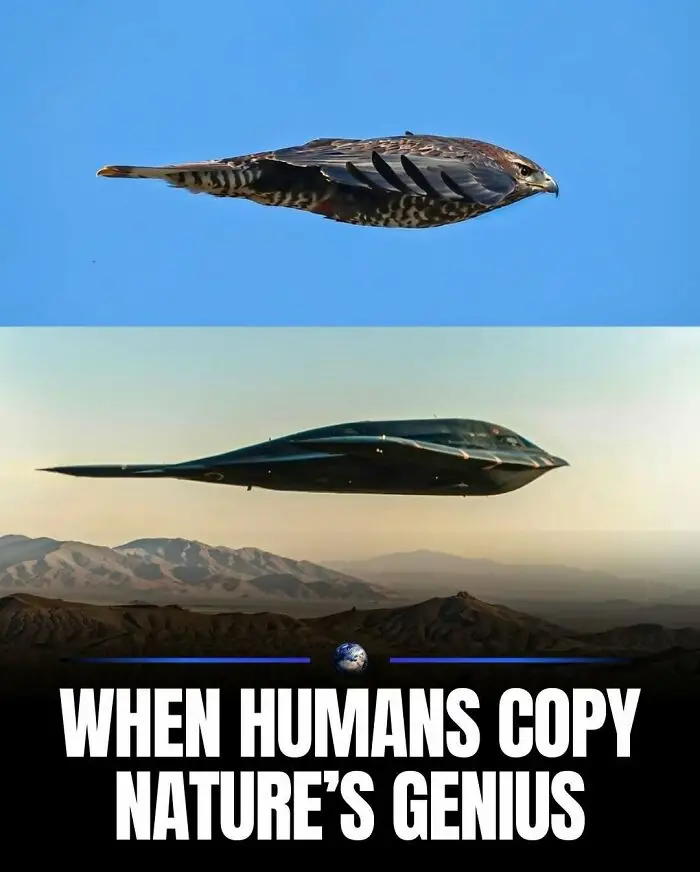
Many modern innovations are inspired by solutions that already exist in nature. Engineers and designers often study how plants, animals, and ecosystems solve complex problems, then apply those principles to human technology and architecture.
This approach, known as biomimicry, has influenced everything from aerodynamic transport designs to energy-efficient buildings and advanced materials. By copying nature’s strategies, scientists aim to create technologies that are both more efficient and more sustainable.
Report
16points
#53
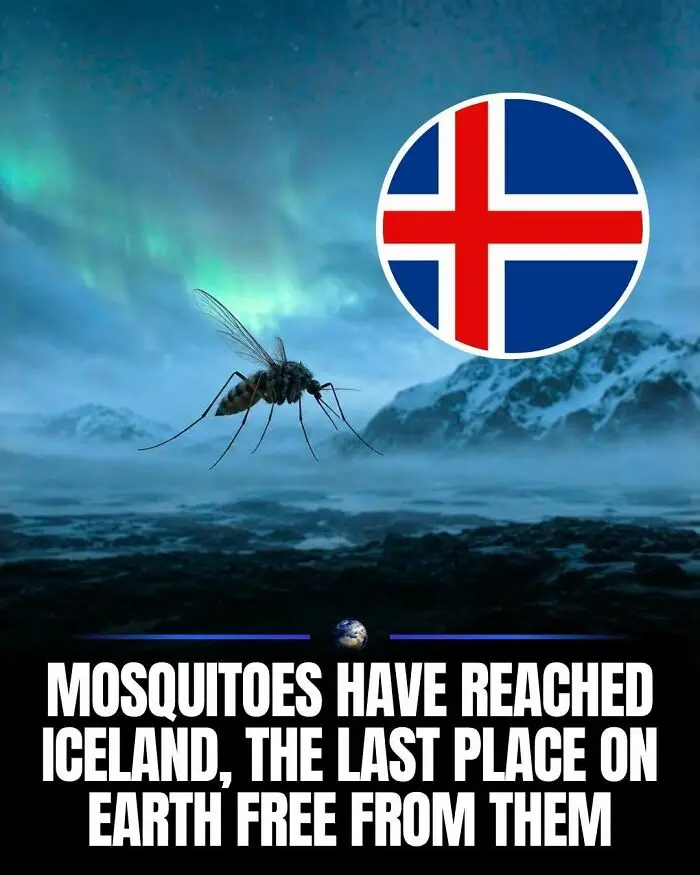
For decades, Iceland was one of the very few places on Earth where you could enjoy the outdoors without a single mosquito bite. However, due to shifting global temperatures and increased international travel, these resilient insects have finally managed to find a way onto the island.
The country’s unique volcanic environment and cold climate previously acted as a natural barrier, but as the region warms, it has become more welcoming to new species. Scientists have recently confirmed that mosquitoes are starting to appear in the wild, marking a significant change for an ecosystem that remained free of them for centuries.
This shift serves as a clear reminder of how our changing world is redrawing the map for nature. With Iceland now home to these insects, Antarctica remains the final frontier on Earth where they have yet to settle.
Report
16points
#54
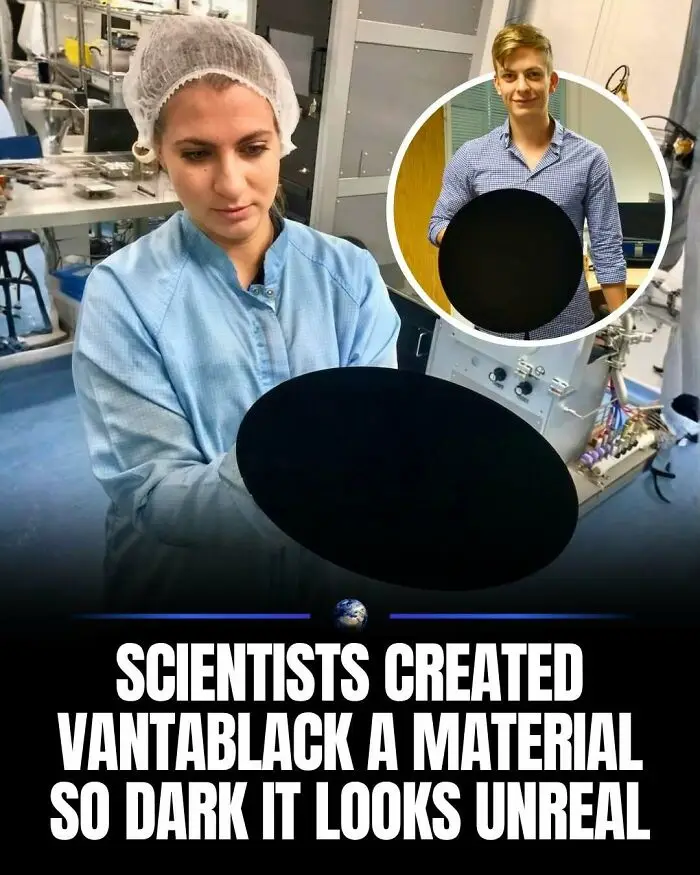
Scientists developed Vantablack, one of the darkest substances ever created, absorbing 99.96% of visible light and making objects appear flat, void-like, or almost unreal. The material is made of millions of microscopic carbon nanotubes that trap light and convert it into heat instead of reflecting it back.
Originally designed for high-precision scientific instruments, Vantablack is now used in telescopes, cameras, aerospace, and even art projects, where minimizing stray light or creating dramatic visual effects is key. Its extreme darkness challenges perception, making familiar shapes appear otherworldly.
Report
14points
#55
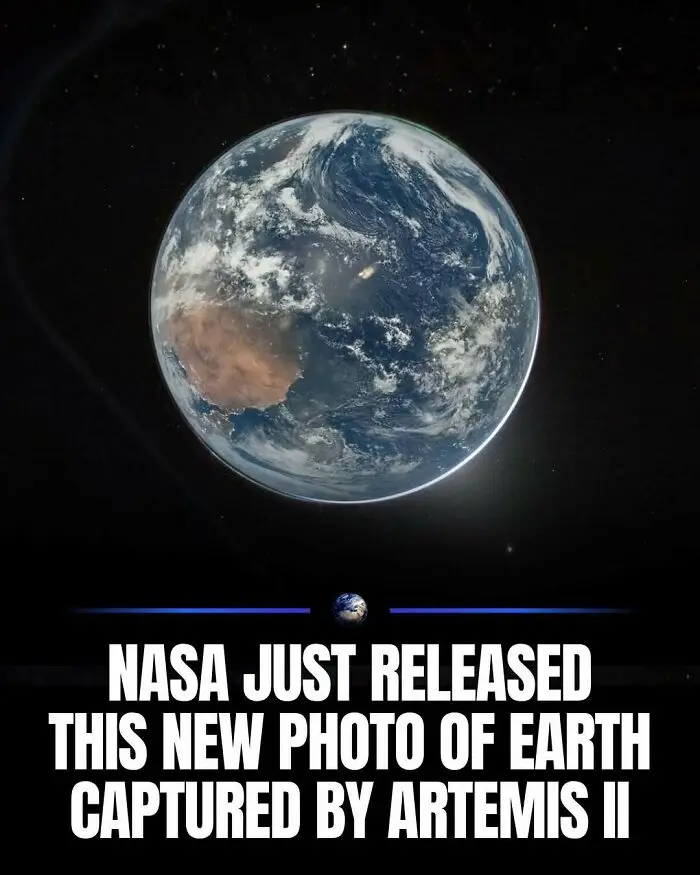
NASA has released a new image of Earth captured during the Artemis II mission, showing the planet as a distant crescent from deep space.
The photo was taken by the Orion spacecraft shortly after launch, as astronauts began their journey beyond Earth’s orbit toward the Moon.
The image marks one of the first Earth views from a crewed mission traveling this far into space in over 50 years.
Report
14points
#56

New York City is slowly sinking, and research shows that the massive weight of its buildings—including skyscrapers—plays a role. Scientists estimate that all the city’s structures together weigh around 760+ billion kilograms, putting pressure on the ground beneath them.
Studies indicate the city is subsiding by about 1–2 millimeters per year on average, with some areas sinking even faster.
However, the weight of skyscrapers is only part of the story. Natural geological processes, groundwater extraction, and leftover effects from the last ice age also contribute to the gradual sinking.
The trend is small but significant, as even slight sinking can increase flood risks when combined with rising sea levels.
Report
14points
#57
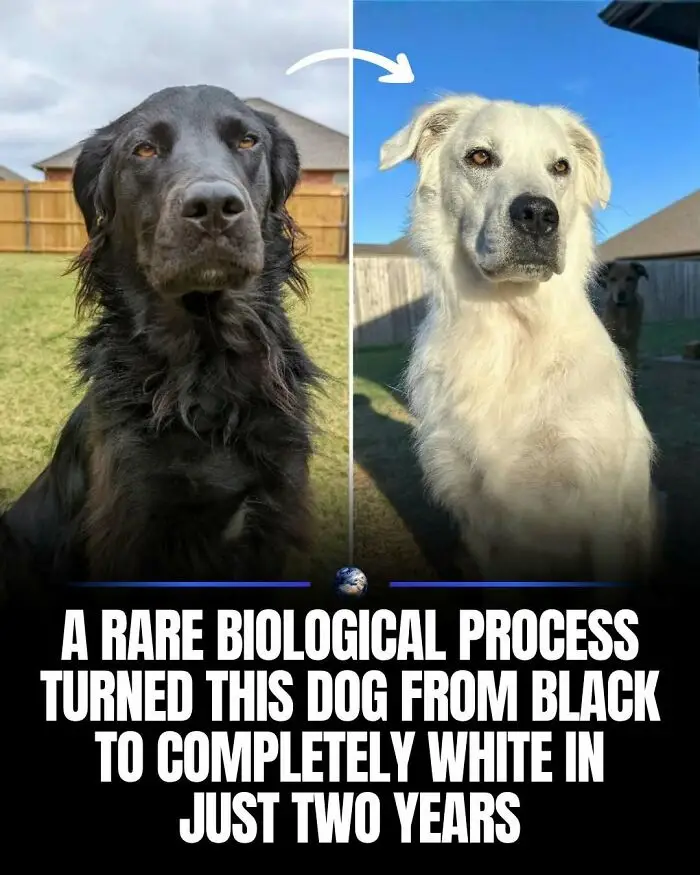
This striking transformation is caused by Vitiligo, a rare condition where the immune system targets and destroys the skin’s pigment-producing cells. In just 24 months, this dog’s coat shifted from deep black to solid white as the depigmentation spread across its entire body.
While the change is purely aesthetic and does not affect the animal’s health or lifespan, it remains one of the most visible examples of biological adaptation in nature. Because the process is painless, the dog remains unaware of its changing appearance, even as it becomes a living example of a rare genetic phenomenon.
Report
14points
#58
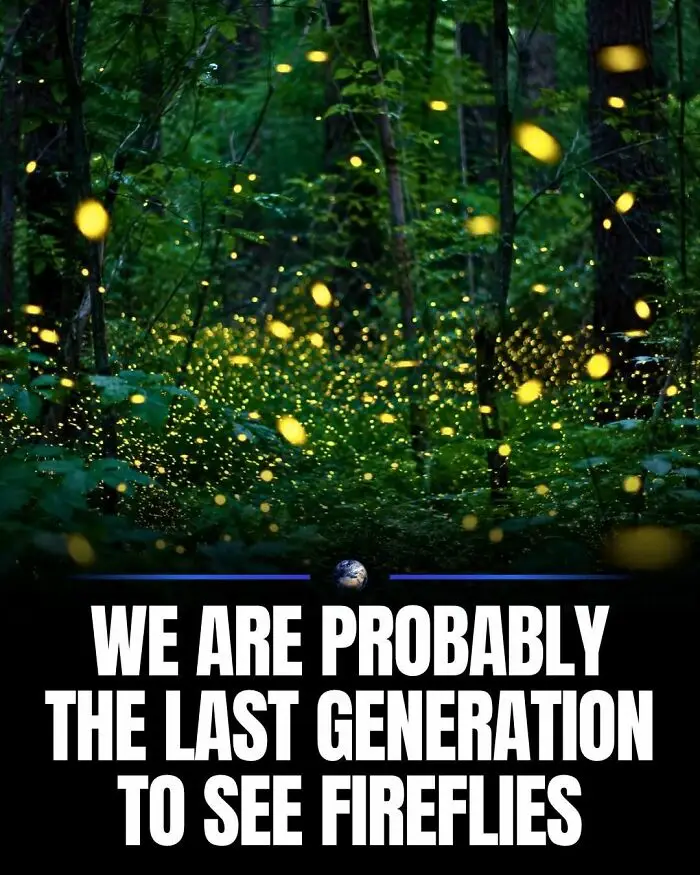
We might be the last generation to grow up seeing fireflies in the wild.
Firefly populations are falling around the world because of habitat loss, pesticides, and light pollution. These insects depend on darkness to communicate with their glowing signals, but modern cities are becoming too bright for them to find each other and reproduce.
Scientists say wetlands, forests, and quiet grassy areas where fireflies once thrived are disappearing fast. In some places, species that were once common are now rarely seen at all.
Their glow looks magical, but it’s actually one of nature’s most advanced forms of communication — a living light signal created through a chemical reaction inside their bodies.
The saddest part is that future generations may only know fireflies from old memories, photos and videos instead of warm summer nights outside.
Report
14points
#59
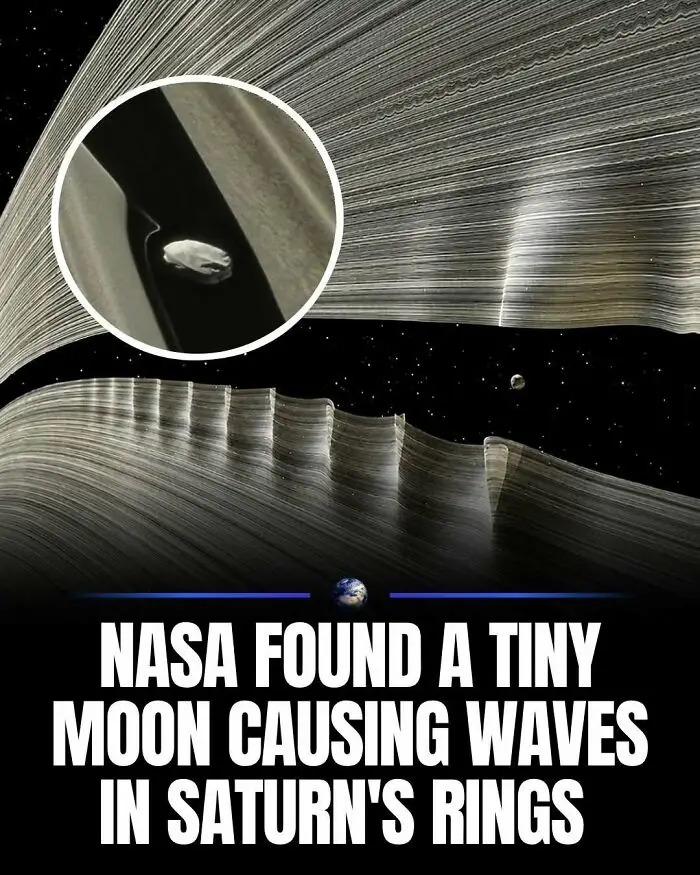
NASA discovered a tiny moon shaping Saturn’s rings with gravity alone.
The moon is called Daphnis, and it’s only about 8 kilometers wide. Even though it’s tiny, its gravity creates massive wave patterns inside Saturn’s rings as it moves through a gap called the Keeler Gap.
Scientists first noticed strange ripples in the rings before they even found the moon itself. Later, NASA’s Cassini spacecraft captured images showing Daphnis literally pushing ring particles up and down like waves in an ocean.
It’s one of the clearest examples of how gravity can shape entire systems in space — even from something smaller than a city.
A tiny moon creating giant waves across hundreds of thousands of kilometers makes Saturn feel less like a planet and more like a living machine.
Report
13points
#60

In Changsha, China, engineers demonstrated the future of construction by assembling a full 10-story apartment building in just 28 hours and 45 minutes — not by pouring everything on site, but by using **prefabricated modular units that were built in a factory and stacked together like giant Lego pieces.
The project was carried out by the Broad Group, a Chinese company known for innovative modular construction systems. Each section of the building — including walls, floors, balconies and utilities — was pre-finished offsite, transported to the location, and then connected using cranes and an on-site team.
The project was carried out by the Broad Group, a Chinese company known for innovative modular construction systems. Each section of the building — including walls, floors, balconies and utilities — was pre-finished offsite, transported to the location, and then connected using cranes and an on-site team.
Report
12points
