






Tired of the endless political drama and the non-stop doomscrolling? It’s time for a break that actually leaves some positive vibes.
We’ve collected the coolest facts, global news, and wildest innovations out there from this online page which boasts over 800,000 followers. It has a mix of mind-blowing nature trivia, major humanity wins, and random curiosities.
For instance, did you know New York now mandates mental health warnings on social media apps? Or that a zoo in China literally puts the humans in cages while the animals roam free?
Keep scrolling to stock up on more such icebreakers for your next dinner party.
#81

Saudi Arabia has revealed plans for a futuristic $8 billion turtle-shaped floating city known as Pangeos. Designed by the Italian firm Lazzarini Design Studio, the massive structure is envisioned as the largest floating structure ever built, stretching about 550 meters long and 610 meters wide.
The concept would function as a self-contained floating city with hotels, residential villas, shopping areas, parks, and entertainment spaces, capable of hosting up to 60,000 people. The project is estimated to cost around $8 billion and could take roughly eight years to build if construction moves forward.
The turtle-inspired design is meant to improve stability and hydrodynamics while symbolizing longevity and harmony with the ocean.
Report
6points
#82

The United Arab Emirates has begun integrating Bitcoin and digital asset education into parts of its school system, reflecting a broader push toward financial technology and innovation. The curriculum introduces students to concepts like blockchain, digital currencies, and the fundamentals of decentralized finance.
The move aligns with the country’s strategy to position itself as a global hub for fintech and emerging technologies, preparing younger generations for a rapidly evolving digital economy.
Report
6points
#83

Saudi Arabia has revealed the Mukaab, a massive cube-shaped megastructure planned for Riyadh’s New Murabba district.
The building is designed to be around 400 meters tall, wide, and long, making it one of the largest structures ever proposed.
Inside, it will feature immersive digital environments, cultural spaces, retail, and a towering central structure inspired by traditional Najdi architecture.
The project is part of Saudi Arabia’s Vision 2030 to reshape urban living and tourism on an unprecedented scale.
The project is part of Saudi Arabia’s Vision 2030 to reshape urban living and tourism on an unprecedented scale.
Report
5points
#84
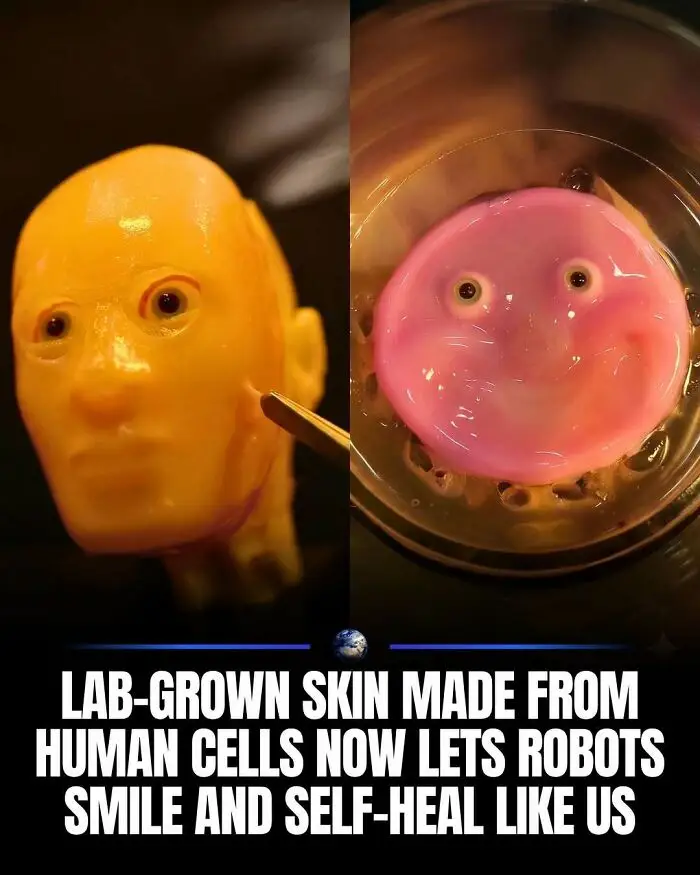
Scientists have developed lab-grown skin made from human cells that can be applied to robots, allowing them to mimic human expressions and even repair minor damage. The bioengineered material is created from living cells and designed to attach to robotic surfaces, giving machines a more lifelike appearance and movement.
In early experiments, the skin has shown the ability to self-heal when damaged and stretch naturally, enabling robots to form expressions such as smiling. Researchers believe this technology could improve human-robot interaction while advancing developments in prosthetics and medical applications.
The breakthrough highlights how biology and engineering are increasingly merging to create more realistic and adaptable machines.
Report
4points
#85

2 World Trade Center is expected to move forward with construction as early as this spring, marking a major step in completing the World Trade Center complex in New York City. The tower has gone through multiple redesigns over the years and is planned to become one of the tallest buildings in the area once completed.
The project is intended to include modern office space, updated infrastructure, and sustainable design features, reflecting the continued redevelopment of the site.
The start of construction signals renewed momentum for one of the last remaining major projects at the World Trade Center site.
Report
4points
#86
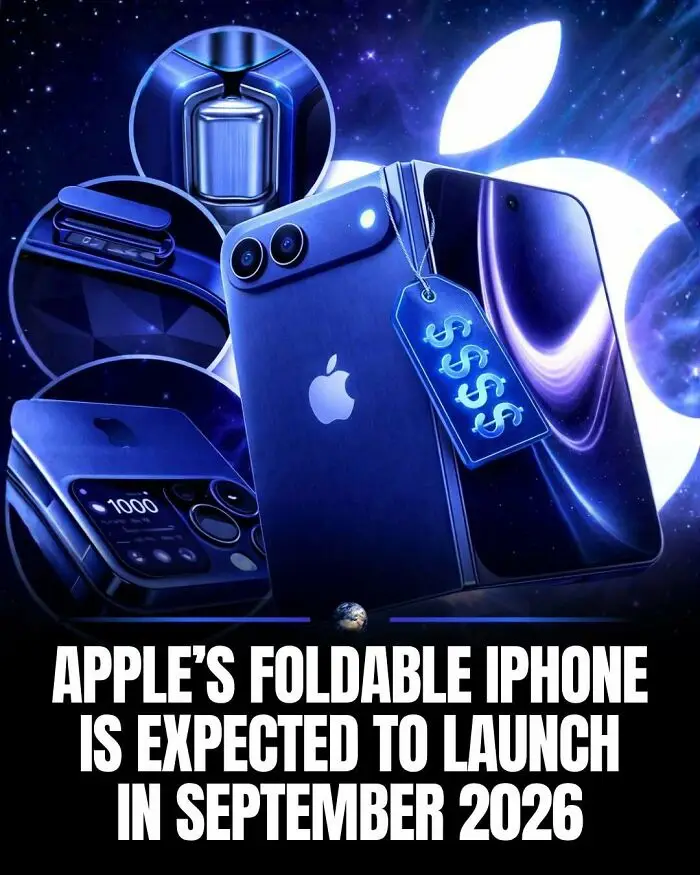
Apple is reportedly developing its first foldable iPhone, with expectations pointing to a potential September 2026 launch. The device is still in development, but leaks suggest a book-style design with a large inner display that unfolds into a tablet-like screen.
The foldable model would mark Apple’s entry into a category already explored by competitors, though the company is known for refining existing concepts before releasing them at scale. Pricing is expected to position it in the premium segment.
If released as planned, it would represent one of Apple’s biggest design shifts in years, signaling a move toward more flexible and hybrid mobile devices.
Report
4points
#87
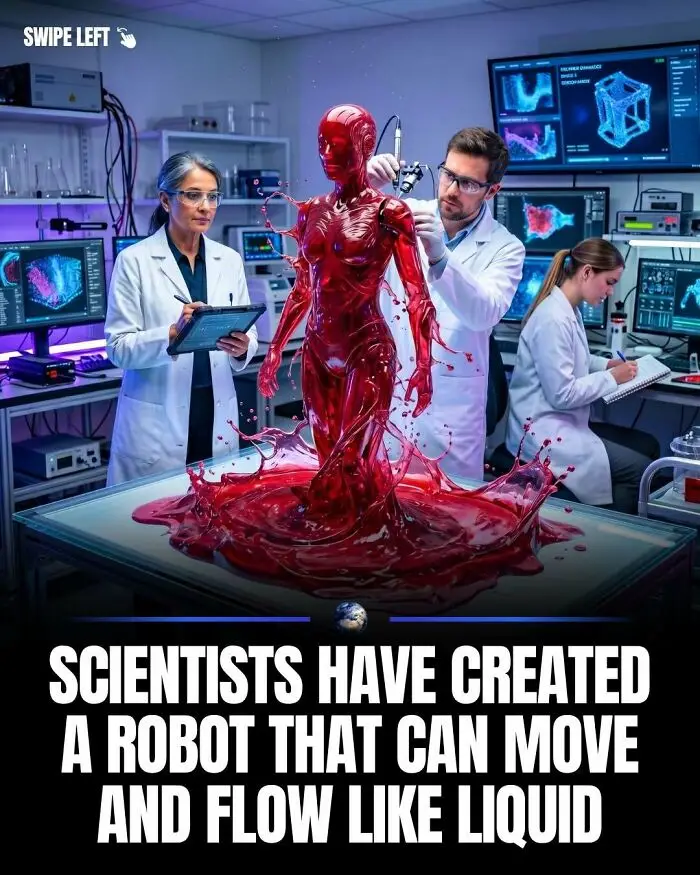
Researchers have developed a magnetically controlled robot capable of shifting between solid and fluid states to navigate „impossible“ environments. The system uses liquid metal infused with magnetic particles that lock together to gain strength or dissolve into a liquid to flow through gaps as small as a few millimeters.
Laboratory tests show the robot splitting apart to pass through obstacles and fusing back together into a rigid form on the other side. Published in Science Advances, the project highlights the material’s ability to carry heavy loads in solid form while maintaining the flexibility to reach deep inside machines or the human body for repairs.
Report
4points
#88
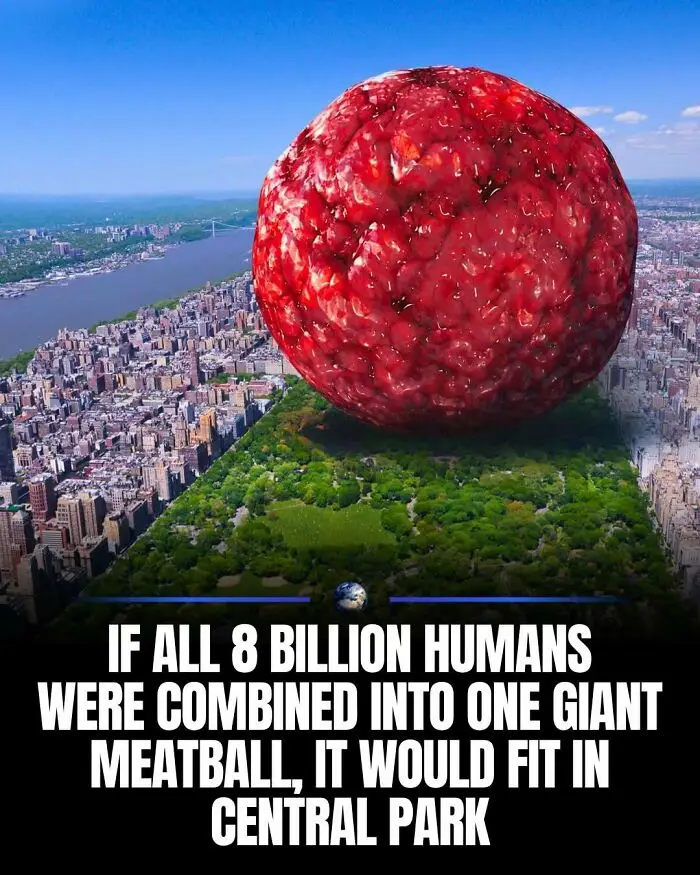
If you took all eight billion people on Earth and compressed them into a single, massive sphere, the result would easily fit inside New York City’s Central Park.
While the global population sounds incredibly large, the total volume of all human bodies combined is actually quite small when packed together tightly. This giant meatball would measure just under one kilometer in diameter, making it look surprisingly compact when placed against the backdrop of a major city.
Report
4points
#89
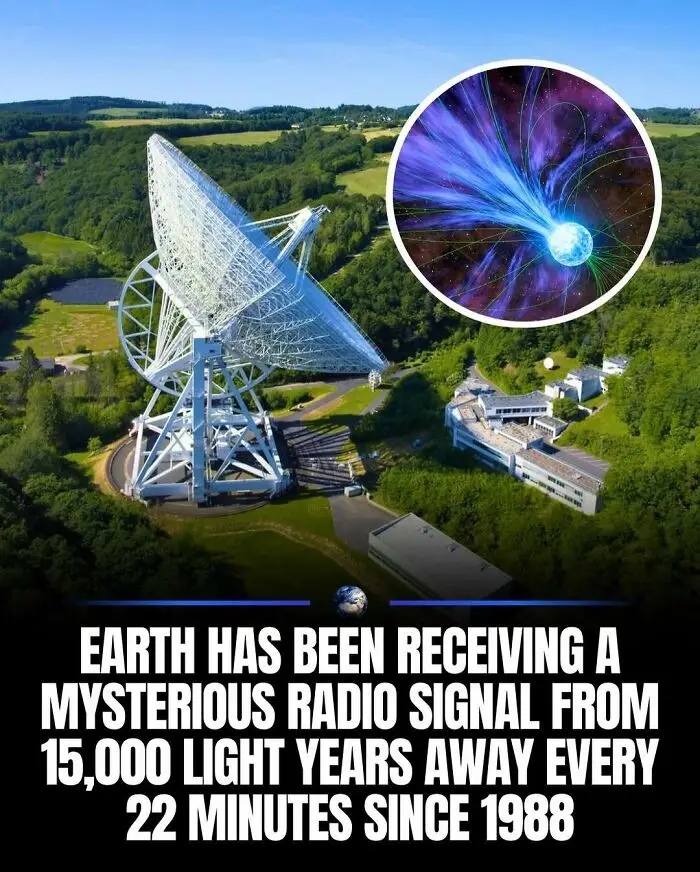
Astronomers have detected a mysterious radio signal from deep space that appears to repeat roughly every 20–22 minutes. The source is located about 15,000 light-years away within our galaxy and has puzzled scientists due to its unusually regular pattern and long duration.
The signal is believed to come from an extreme object such as a highly magnetized neutron star or a rare type of pulsar, though its exact nature is still being studied. Unlike typical space signals that pulse in seconds, this one operates on a much longer cycle, making it difficult to explain with standard models.
The discovery highlights how much of the universe remains unexplored, with new phenomena continuing to challenge existing theories.
Report
3points
#90

This map of UFO sightings highlights a massive reporting bias, with the vast majority of entries concentrated in the United States and Europe. Data analysis shows that these „hotspots“ correlate almost perfectly with high-population density, widespread internet access, and regions with heavy air traffic or satellite visibility.
Rather than a literal map of extraterrestrial activity, this visualization acts as a heatmap of reporting infrastructure and cultural interest. It suggests that what we classify as „unidentified“ depends heavily on where people have the tools and the habit of documenting the sky.
A global mystery becomes a study in human behavior when the data reveals that the frequency of sightings is tied directly to the density of the observers.
Report
3points
#91
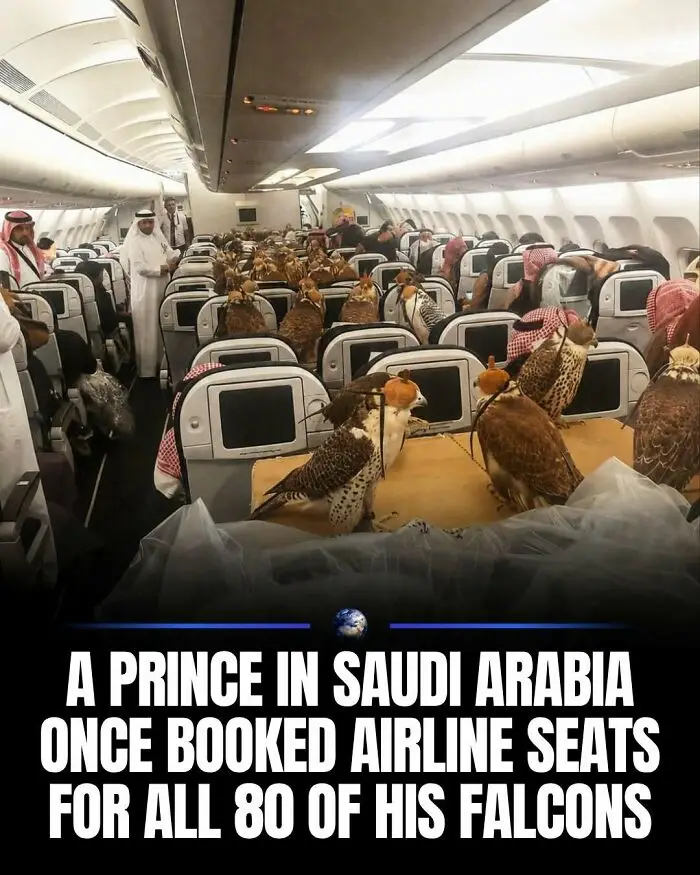
A Saudi prince once made international headlines by booking individual airline seats for his 80 falcons. To ensure the birds traveled safely, each falcon was given its own seat on the plane, with their wings tied to prevent them from flying around the cabin during the flight.
In many Middle Eastern countries, falcons are highly respected symbols of culture and status. They are even issued their own green forest passports, which allow them to travel internationally for hunting trips and competitions. While seeing a few birds on a flight is common in the region, an entire cabin filled with dozens of falcons remains a rare and viral sight.
Report
3points
#92
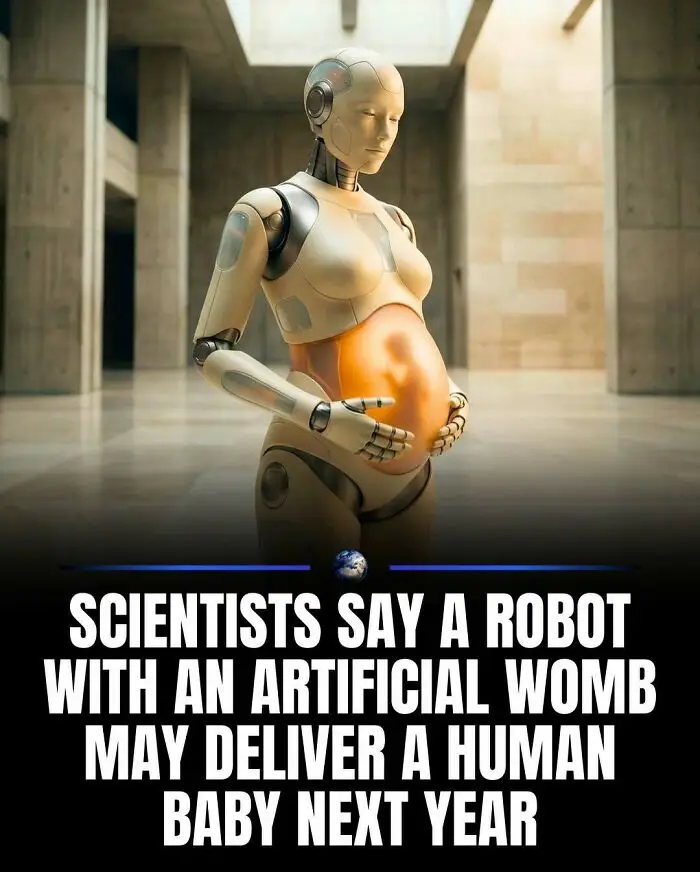
Researchers are actively developing artificial womb technology that could allow embryos and premature babies to grow outside the human body under carefully controlled conditions.
Experts say this breakthrough could help people who struggle with fertility, significantly reduce childbirth risks, and dramatically improve survival rates for premature infants.
At the same time, it raises major ethical, medical, and societal questions about how far this technology should go.
At the same time, it raises major ethical, medical, and societal questions about how far this technology should go.
Report
2points
#93

South Korean President Yoon Suk Yeol has proposed expanding public healthcare coverage to include hair loss treatments, framing the issue as more than cosmetic. He argues that early-onset hair loss places significant psychological and social pressure on young men, affecting confidence, employment prospects, and overall well-being.
Report
2points
#94
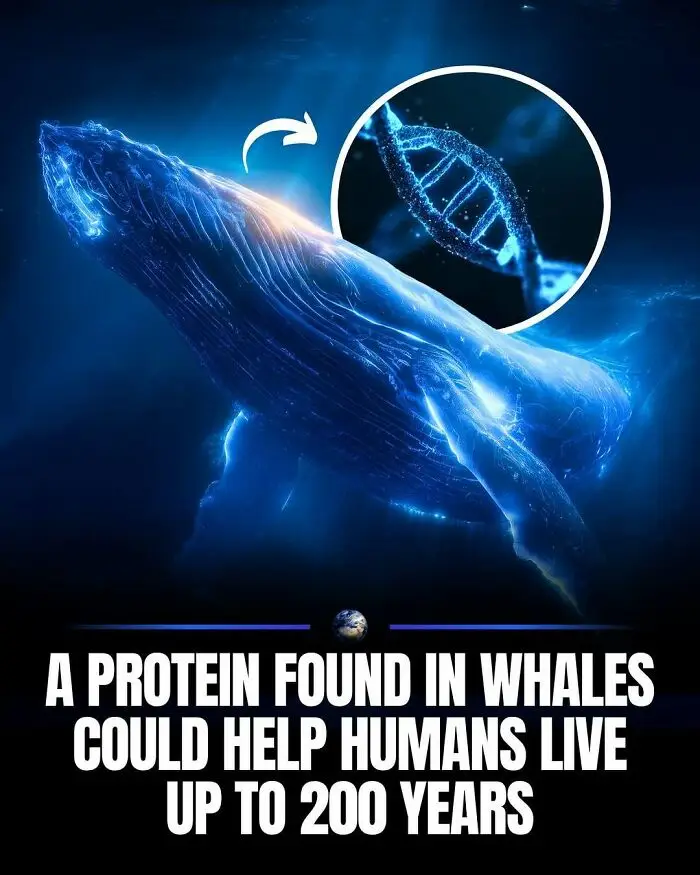
Scientists have discovered that bowhead whales, some of the longest living animals on Earth, may hold clues to extending human lifespan. These whales can live for over 200 years while showing remarkable resistance to diseases like cancer.
Recent research points to a powerful DNA repair protein called CIRBP, which helps fix serious genetic damage that normally leads to aging and disease. Whales produce this protein at much higher levels than humans, allowing their cells to maintain stability for decades.
In lab studies, boosting this protein in other organisms improved DNA repair and even extended lifespan, raising the possibility that similar mechanisms could one day be used in human medicine.
While humans living to 200 remains theoretical, the discovery is giving scientists a new direction in understanding aging and how it might be slowed in the future.
Report
2points
#95
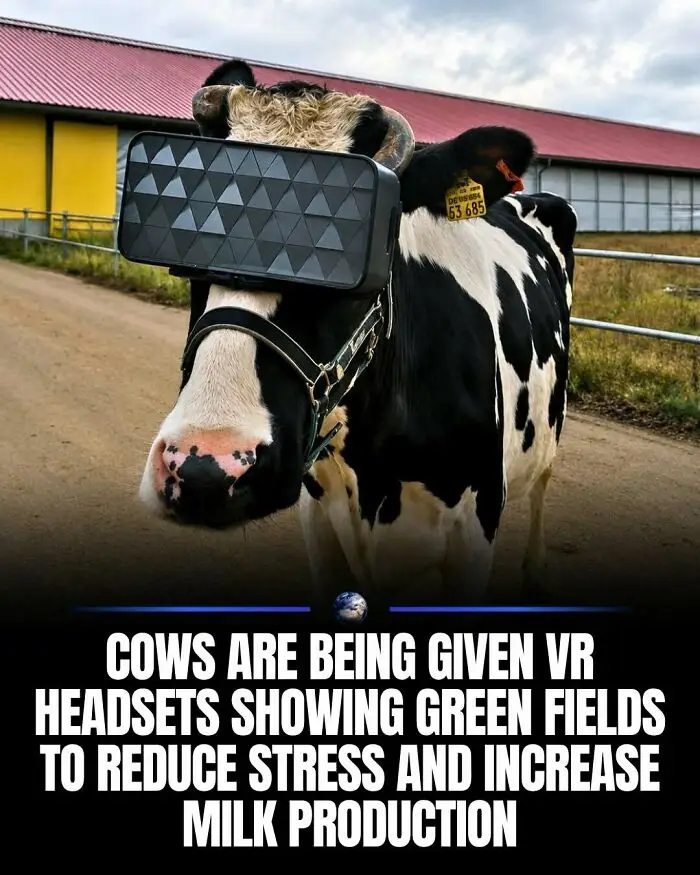
Cows are now wearing VR headsets to feel happier.
Some farms in Russia and Turkey tested virtual reality goggles that show cows sunny green fields instead of indoor barns. The goal is simple: reduce stress and help cows produce more milk.
Researchers found that calmer cows often give higher milk yields. One farmer in Turkey said milk production increased from 22 liters to 27 liters per day after testing the VR headsets on some cows.
The headsets were specially designed for cow vision and even used colors cows respond to better. It sounds like science fiction, but farmers are seriously exploring how technology can affect animal emotions and productivity.
A future where farm animals live partly inside virtual worlds already started.
Report
1point
#96
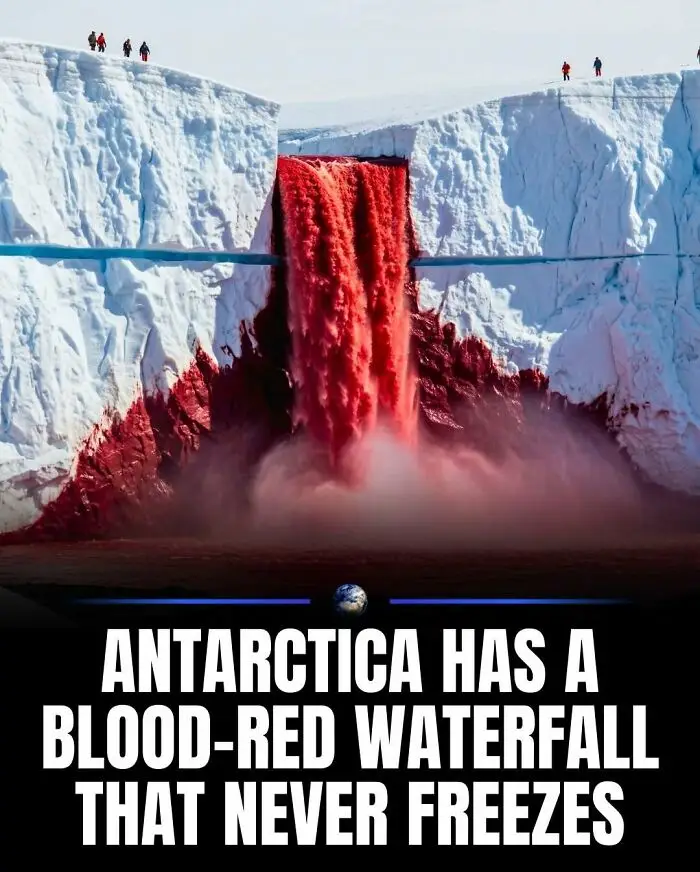
Antarctica is home to Blood Falls, a rare crimson waterfall that pours out of a glacier despite sub-zero temperatures. Scientists discovered that the striking red color comes from iron-rich, extremely salty water trapped beneath the ice for millions of years. When this water reaches the surface, the iron oxidizes on contact with air—creating the blood-like appearance. Its high salt content lowers the freezing point, allowing it to stay liquid even in one of the coldest places on Earth, Antarctica.
Report
0points
#97
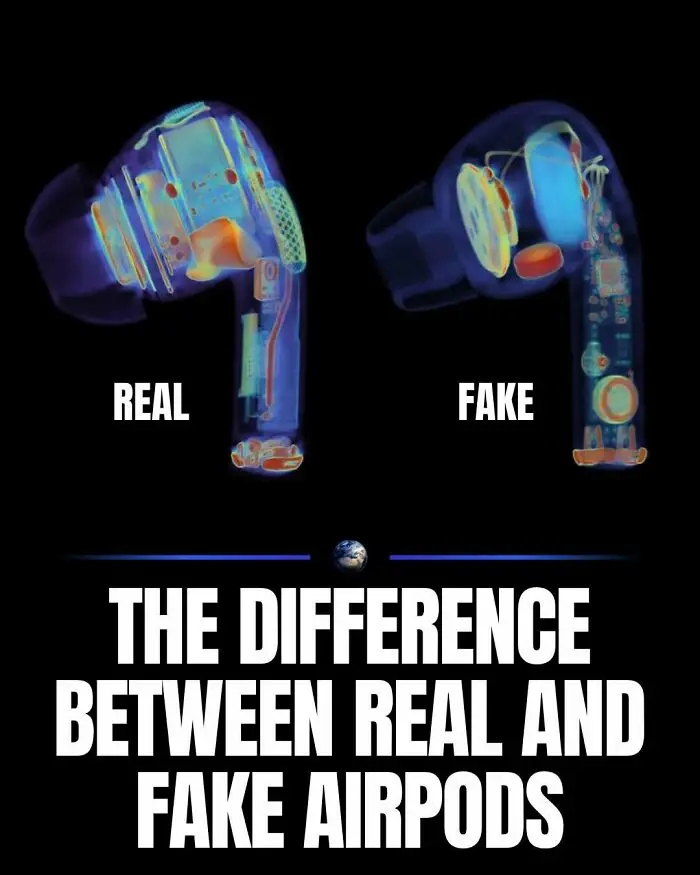
Fake AirPods can look almost identical on the outside.
But inside, the difference is massive. Real AirPods are packed with tiny high-quality components, precision engineering, advanced chips, microphones, sensors, and carefully designed batteries. Fake versions often use cheaper parts with simpler circuits and lower-quality materials.
That’s why fake AirPods usually have worse sound, shorter battery life, weaker microphones, and can stop working much faster. Some counterfeit versions even skip safety protections inside the battery, which can become dangerous over time.
The craziest part is how convincing fake products have become. From the outside, many people can’t tell the difference anymore — but an X-ray instantly reveals the gap between real engineering and copied design.
Report
0points
