






Tired of the endless political drama and the non-stop doomscrolling? It’s time for a break that actually leaves some positive vibes.
We’ve collected the coolest facts, global news, and wildest innovations out there from this online page which boasts over 800,000 followers. It has a mix of mind-blowing nature trivia, major humanity wins, and random curiosities.
For instance, did you know New York now mandates mental health warnings on social media apps? Or that a zoo in China literally puts the humans in cages while the animals roam free?
Keep scrolling to stock up on more such icebreakers for your next dinner party.
#21

A Houston airport was receiving constant complaints about baggage claim times — even though the average wait was just seven minutes. Instead of speeding up luggage delivery, the airport moved arrival gates farther away, increasing the walk to baggage claim.
The result? Passengers spent more time walking and felt like the wait was shorter. Complaints dropped to almost zero — without changing the actual delivery speed.
Report
39points

There are many benefits to learning these facts and building knowledge.
Reading a list like this might even spark a midnight deep-dive, introducing you to an entirely new discipline you might otherwise have overlooked.
So pay attention to which facts make you pause, and see where your curiosity takes you.
#23

New York has passed a new law requiring major social media platforms — including TikTok, Instagram, Facebook and others with features like infinite scrolling and autoplay — to display clear warning labels about potential impacts on young users’ mental health.
Signed by Governor Kathy Hochul, the legislation mandates that apps must show warnings when addictive design features are used, comparable to labels on tobacco and other products. The goal is to make teens and families more aware of the risks linked to excessive social media use, including anxiety, depression and compulsive behaviour.
Report
37points
#25
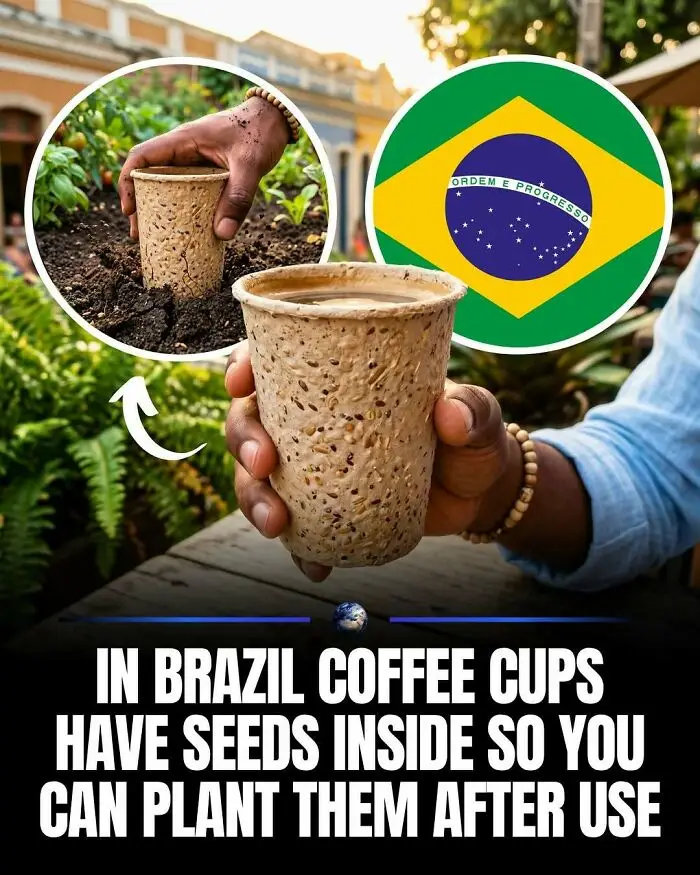
In Brazil, innovative coffee cups are being designed with seeds embedded inside, allowing them to be planted after use instead of thrown away. Once the cup breaks down in soil, the seeds can grow into plants, turning everyday waste into something regenerative.
The idea combines sustainability with simple user action — drink your coffee, plant the cup, and contribute to reducing waste while supporting new plant growth. Materials used are biodegradable, ensuring the cup decomposes naturally without harming the environment.
Report
37points
#26
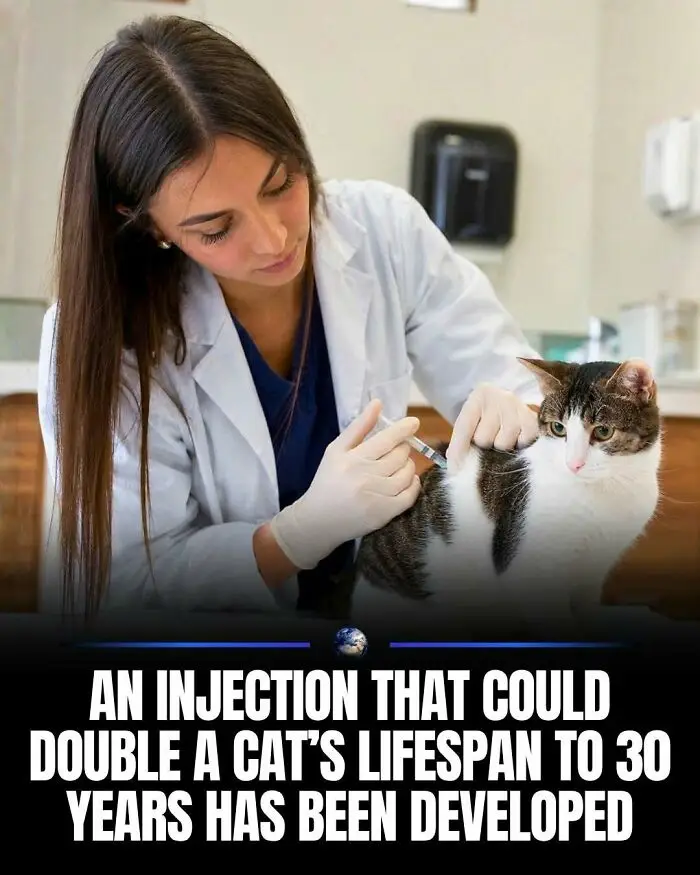
A medical breakthrough in Japan could soon double a cat’s lifespan, allowing our feline friends to live up to 30 years.
The life-extending injection didn’t happen overnight; it is the result of years of dedicated research aiming to solve the number one cause of kidney failure in cats.
When scientists targeted a specific blood protein called AIM, they found it could clear the deadly blockages that typically destroy a cat’s kidneys over time.
The same treatment is now moving through clinical trials, with researchers aiming to make this life-saving injection available to pet owners worldwide very soon.
What looks like science fiction is actually a massive leap in veterinary medicine, proving that targeted science can give us many more years with the pets we love.
Report
37points
#27
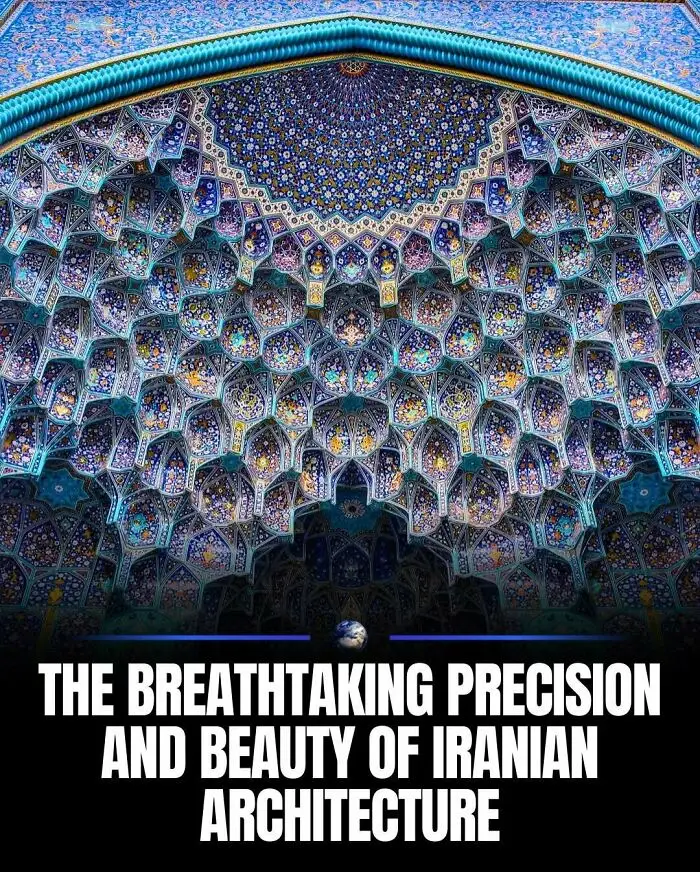
Photographer Ghasem Baneshi captures the intricate beauty of Iranian architecture through detailed images of historic ceilings and geometric designs. His photos highlight the precision, symmetry, and vibrant tilework that have defined Persian architectural style for centuries, where mathematics, art, and craftsmanship merge into complex patterns.
Iran is home to dozens of historic landmarks and architectural masterpieces, many dating back hundreds of years and reflecting the cultural and artistic legacy of Persian design.
Report
36points
#28

Gen Z is quietly reshaping one of the world’s biggest consumer industries. Over the past few years, younger consumers have significantly reduced alcohol consumption, prioritizing health, mental clarity, and social experiences that don’t revolve around drinking. This shift has cost the global alcohol industry hundreds of billions in lost revenue and is forcing major brands to pivot toward non-alcoholic alternatives, wellness drinks, and lifestyle-focused marketing.
Report
35points
#29

In rural areas of Japan, farmers create massive artworks directly in rice fields using different varieties of rice plants. By planting rice with naturally different colors in carefully planned patterns, the fields transform into large images that become visible as the plants grow throughout the season.
This agricultural art form, known as Tanbo Art, began as a way to promote local farming communities and has since become a popular attraction that draws visitors each year.
Report
35points
#30

In Turkey, authorities have experimented with placing real wrecked cars along certain roadsides to remind drivers of the consequences of reckless driving. The damaged vehicles are displayed in visible locations as a visual warning meant to encourage slower speeds and more cautious behavior behind the wheel.
The initiative is part of broader road-safety campaigns aimed at reducing traffic accidents by making the risks of dangerous driving more tangible to motorists.
Report
34points
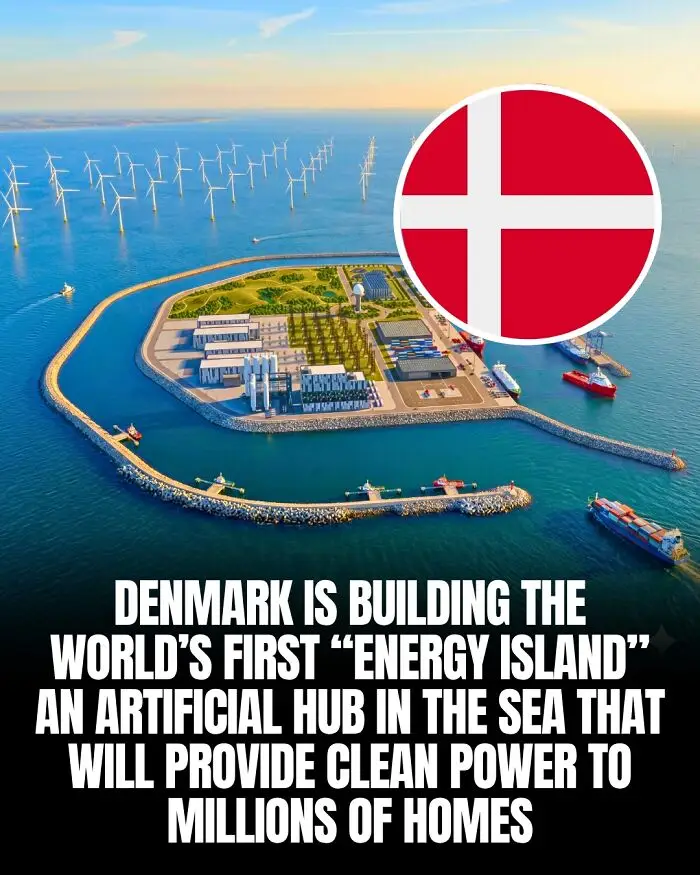
#32

In Hong Kong, pets are required to have official identification through microchipping, which is linked to a registration system that stores the animal’s details and owner information. While not a physical “ID card” in the traditional sense, the system functions as a digital identity for pets.
Dog owners must register their animals, and the microchip allows authorities and veterinarians to quickly identify pets, helping with lost animals, ownership verification, and public safety.
The system reflects how urban environments use technology to manage pet ownership more efficiently.
Report
33points
#33
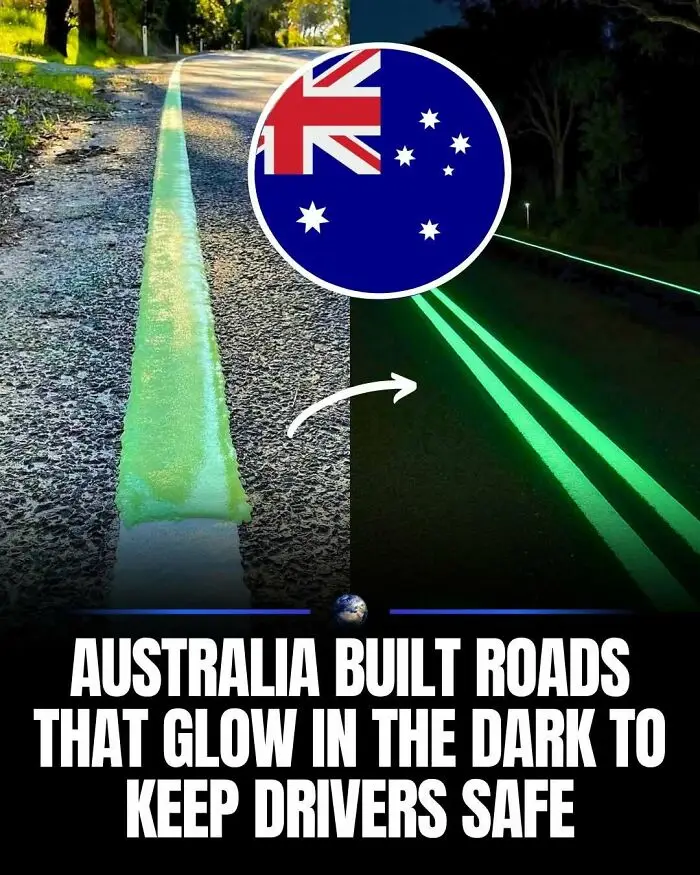
Australia is testing glow‑in‑the‑dark road markings to make night driving safer, especially in rural areas with limited street lighting. The lines absorb sunlight during the day and emit a greenish glow after dark, highlighting lane edges and curves. Early trials in Victoria and New South Wales aim to reduce accidents and explore how durable the paint is under real‑world conditions.
A small innovation with potentially big impact on road safety.
Report
32points
#34
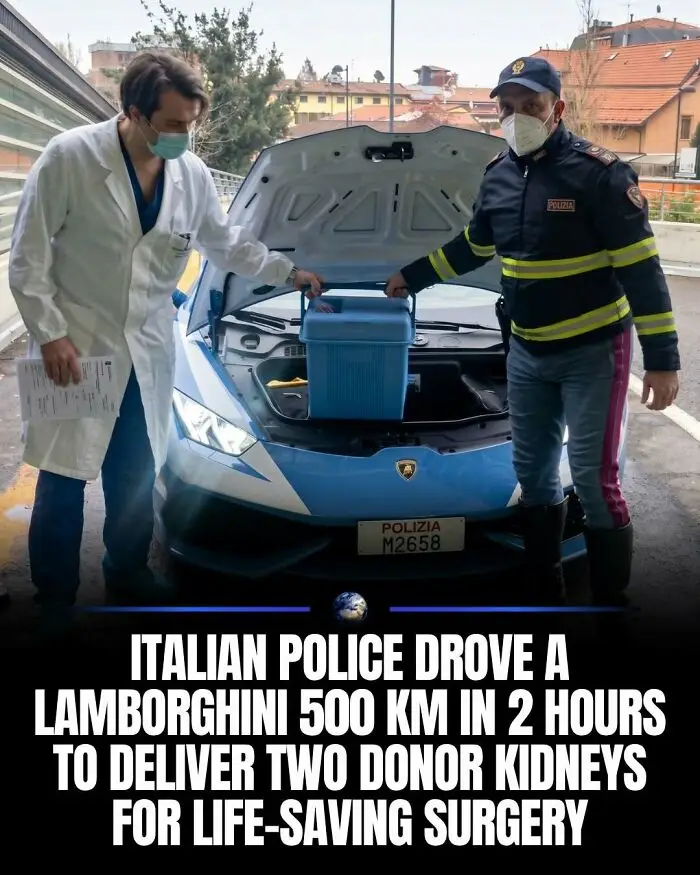
The Italian State Police utilized a specially modified Lamborghini Huracán to transport two donor kidneys across the country in record time. Officers drove from Padua to Rome—a distance of nearly 500 km (310 miles)—in just two hours, maintaining an average speed of roughly 230 km/h (143 mph).
The supercar is not just for high-speed chases; it is equipped with a specialized refrigeration system in the front trunk specifically designed for the urgent transport of organs, plasma, and vaccines. While the journey normally takes over five hours, the police completed the mission in less than half that time to ensure the organs remained viable for life-saving surgery.
Report
31points
#35
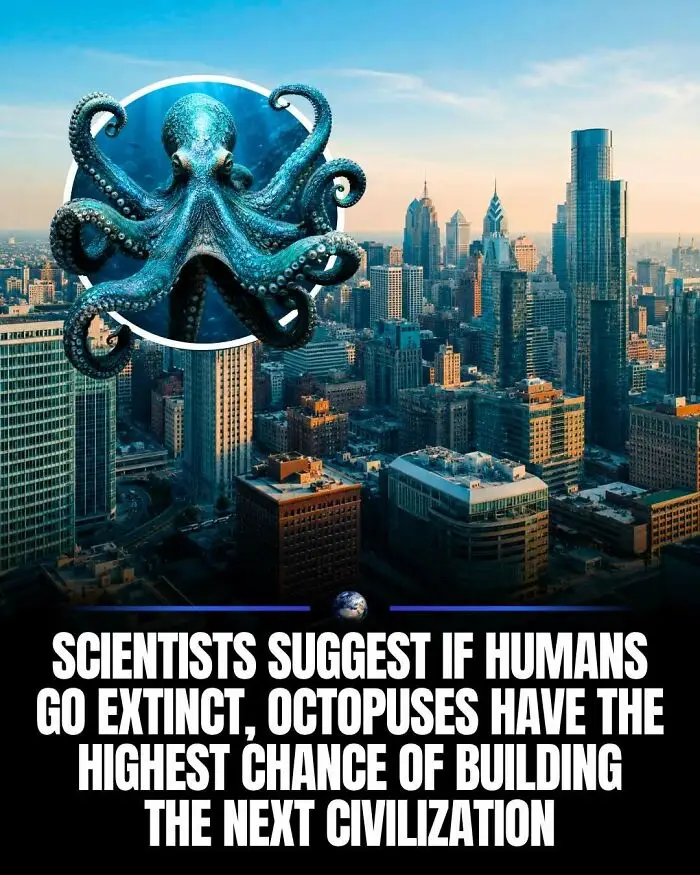
If humanity ever faces extinction, the next great civilization might not rise from the land, but from the depths of the ocean. Leading evolutionary biologists, including Professor Tim Coulson from the University of Oxford, suggest that octopuses possess the ultimate toolkit to become the next dominant species on Earth.
While primates or birds are often thought of as our natural successors, a global catastrophe severe enough to wipe out humans would likely take other land mammals down with it. Birds and insects are highly adaptable, but they lack the physical dexterity required to build complex structures. Octopuses, on the other hand, have a decentralized nervous system, incredible problem solving skills, and supreme physical manipulation capabilities through their tentacles, making them uniquely suited to inherit an unpredictable world.
Report
31points
#36
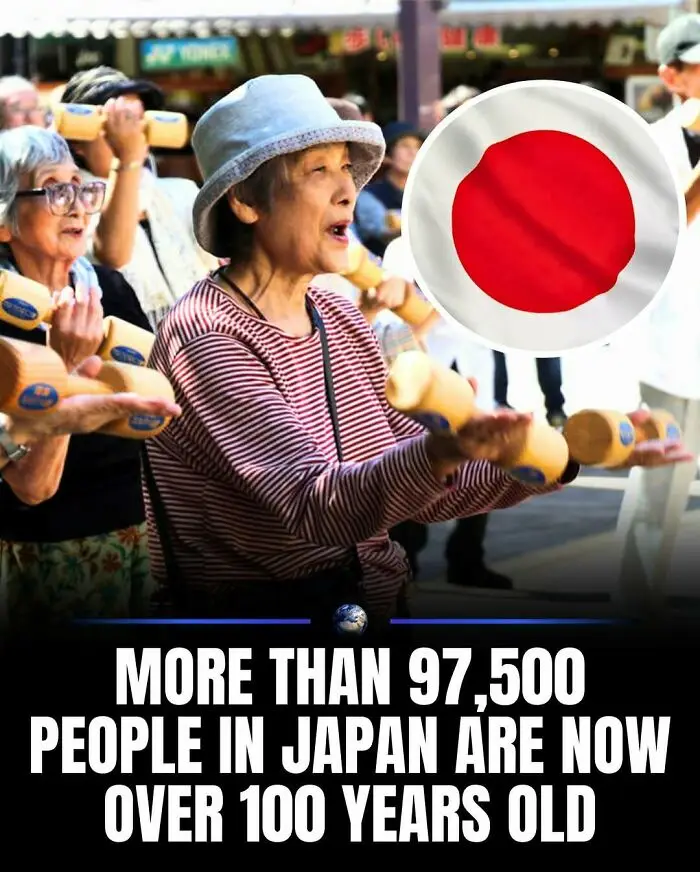
Japan is home to the largest population of centenarians in the world. As of recent government data, more than 97,500 people in Japan are now aged 100 or older—a record high that continues to rise every year. Experts link this longevity to a combination of diet, healthcare access, active lifestyles, and strong social structures that support aging populations.
Report
29points
#37
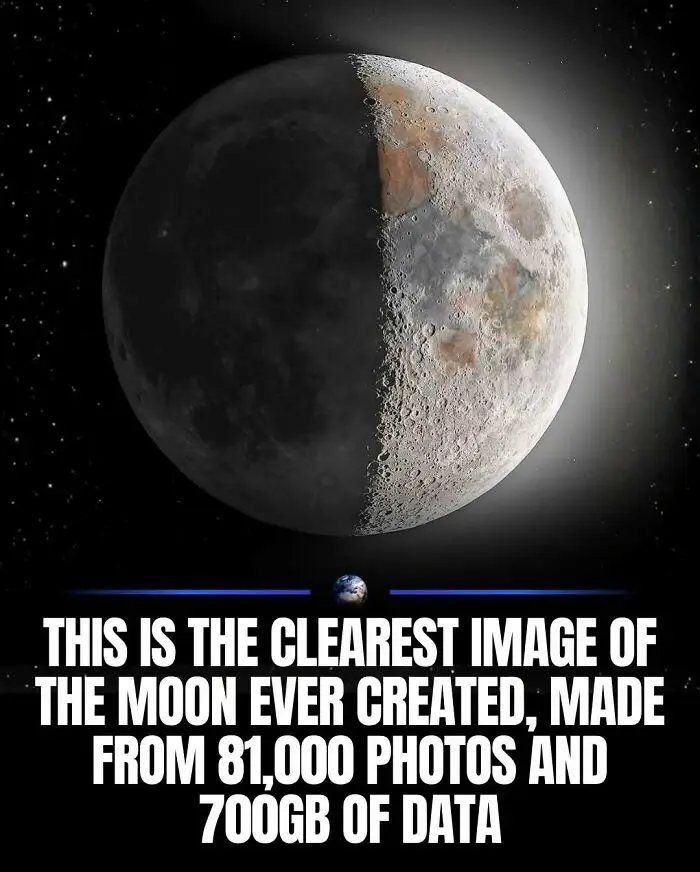
One of the clearest images ever created of Moon was produced by combining around 81,000 individual photographs, generating a final dataset of roughly 700 GB. The massive mosaic was assembled by stacking thousands of high-resolution frames to capture extreme detail across the lunar surface.
By aligning and stitching together so many images, astronomers and astrophotographers are able to reduce noise, sharpen features, and reveal craters, ridges, and surface textures that are normally impossible to see in a single photo.
Report
29points
#38
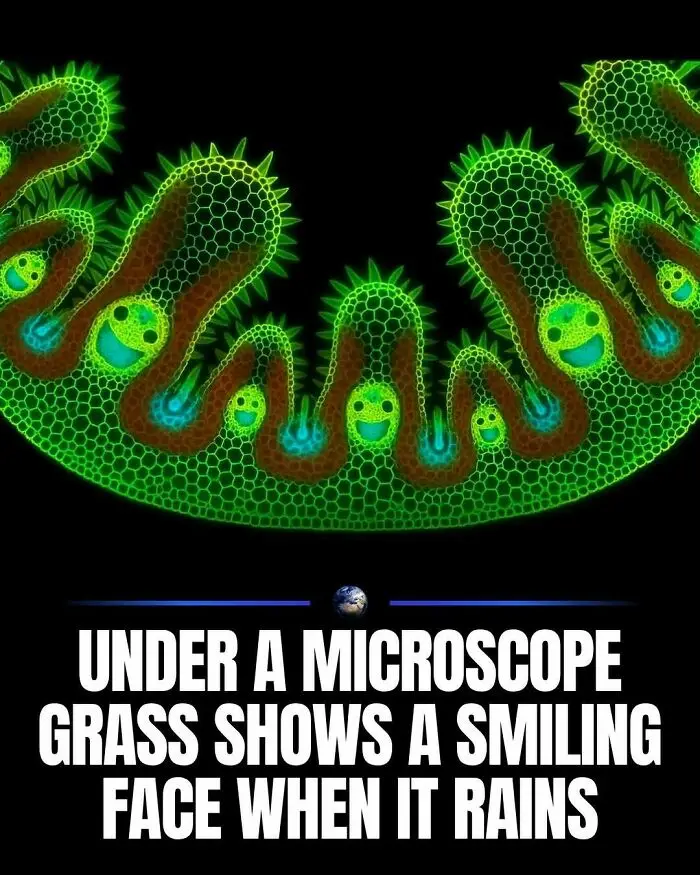
Under a microscope, a blade of grass appears to be smiling back at you. These „happy faces“ are actually vascular bundles—specialized cells designed to transport water and nutrients through the plant.
The „eyes“ and „mouth“ are formed by xylem and phloem vessels that open up to move hydration during wet weather. While it looks like a joyful reaction to the rain, it is actually a highly efficient biological design that keeps the plant nourished and strong.
A simple lawn becomes a complex network when you see the engineering hidden inside every leaf.
Report
29points
#39
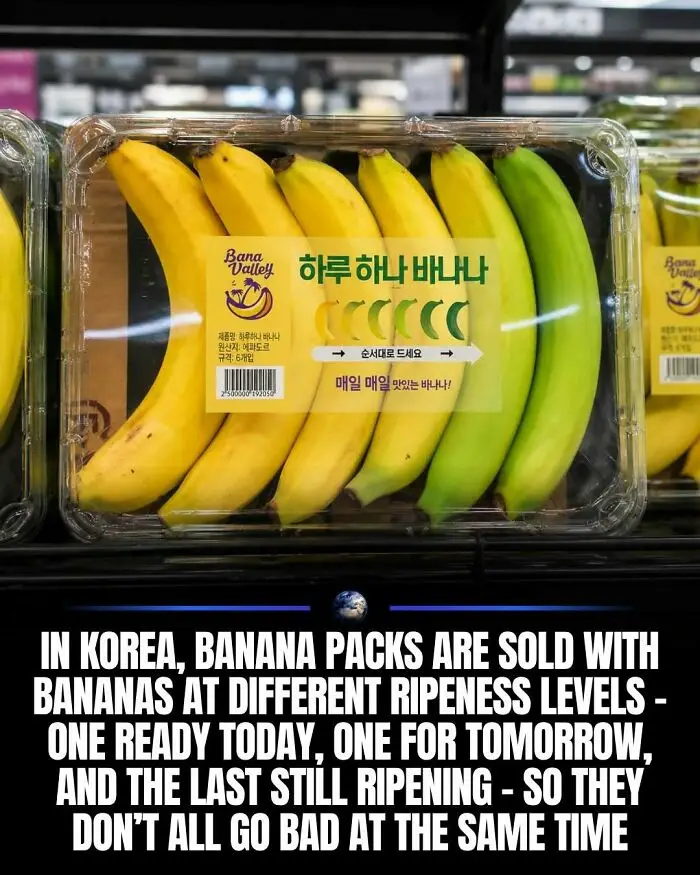
In South Korea, supermarkets have introduced a clever solution to food waste by selling banana packs at different stages of ripeness. Instead of a standard bunch that turns brown all at once, these packs feature a row of bananas ranging from perfectly ripe to completely green.
This innovative packaging allows consumers to enjoy one banana each day—starting with the ripest on day one, while the others gradually mature over the week. It is a simple yet effective way to help shoppers reduce waste and enjoy fresh fruit without the rush to eat it all at once.
Report
28points
#40
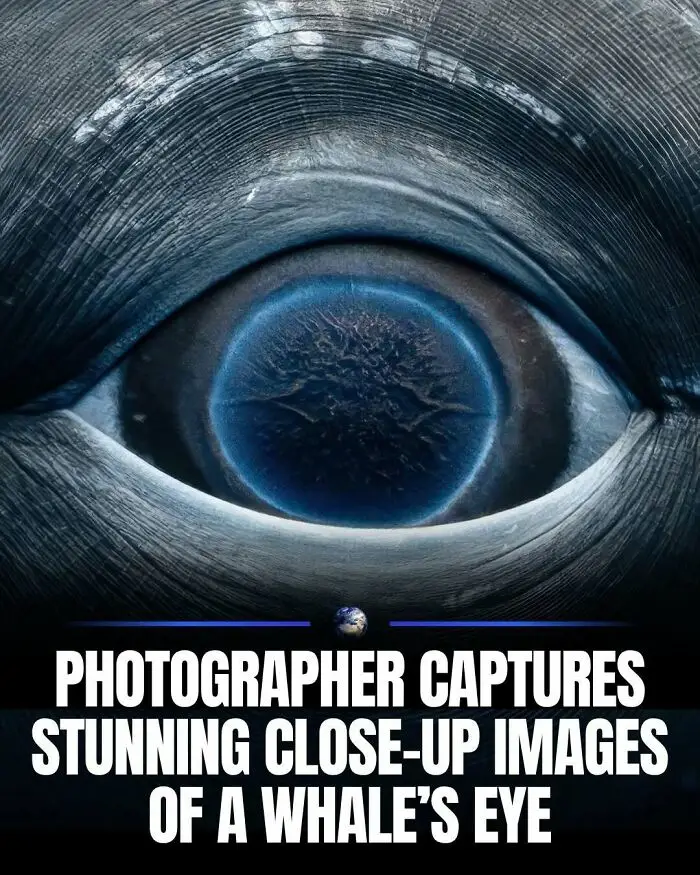
Rachel Moore captured this breathtaking close-up of a humpback whale’s eye, revealing its striking blue gaze in incredible detail.
The stunning image didn’t happen by chance; it was the result of a profound, five-minute encounter in the waters of French Polynesia with a curious young whale she named „Sweet Girl.“
When the whale swam just inches away and rolled over, Moore used her camera’s advanced tracking to lock onto the eye, catching the exact moment a ray of sunlight illuminated the deep blue ring.
The same photograph has now touched millions of people worldwide, serving as a powerful reminder of the deep intelligence and emotional depth found in marine life.
Report
28points
