




You only meant to look up one quick question. The initial explanation went right over your head. Ten minutes later, you're still reading, three tabs deep and wondering how you got there. It happens because a clear, plain answer makes learning feel easy, so you keep going just to see what else you can understand.
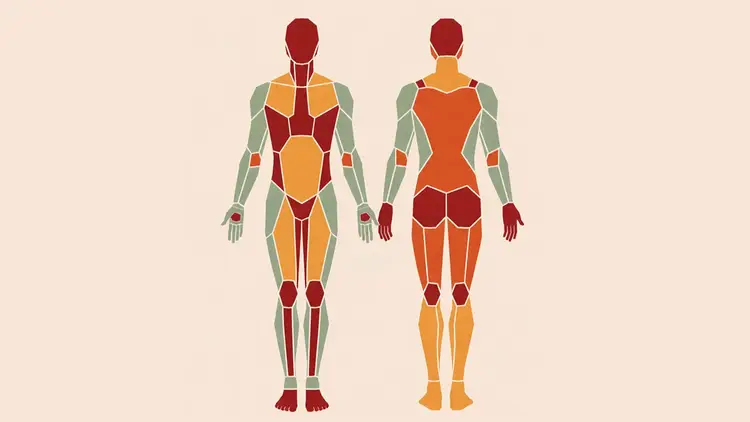
That's the idea behind the “Explain Like I'm Five” Instagram page, where the goal is the simple version without the jargon. Just look at the explanations people have shared online, from how swimsuit colors can save a life to what shirts help actually keep you cool in the sun and why tattoos hurt more in some places than others.
#41
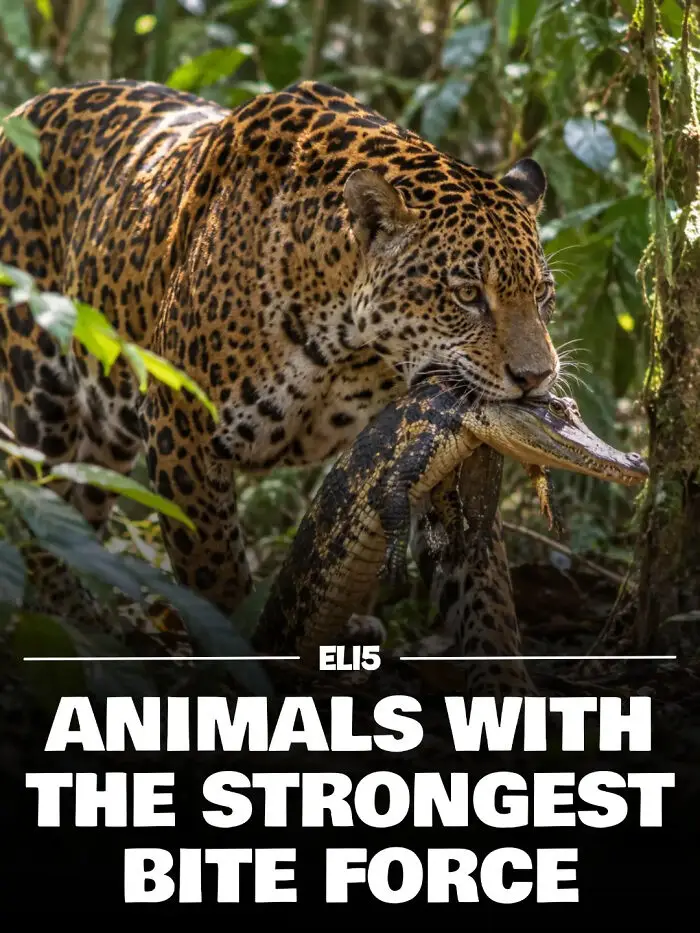
A bite is far more than just sharp teeth - it is a combination of powerful jaw muscles, bone structure and tooth shape working together. Bite force is measured in PSI (pounds per square inch), and the difference between species can be enormous.
A human bite is around 160 PSI, while animals such as polar bears, grizzlies, gorillas and jaguars can generate several times more. As you move up the scale, the force becomes extraordinary: hippos can reach around 1,800 PSI, alligators around 2,000 PSI, great white sharks around 4,000 PSI, Nile crocodiles around 5,000 PSI, and orcas around 19,000 PSI.
That incredible force comes from millions of years of evolution, with each animal developing jaws suited to its lifestyle - crushing, gripping, tearing or breaking through tough food.
The higher you go, the more unbelievable the bite becomes.
Data from - World atlas, Live science.
Report
3points
#42
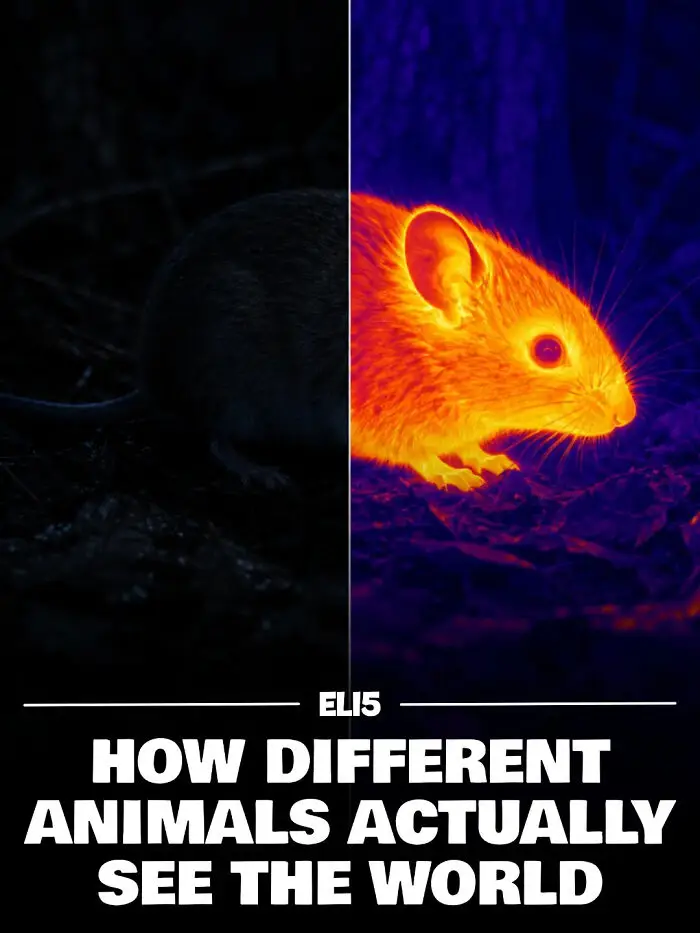
Have you ever wondered why the world looks completely different to different animals? It is because eyes evolved to detect exactly the information an animal needs to survive.
Dogs see mostly in shades of blue and yellow because their eyes have only two types of color-sensitive cones, compared with three in humans. They also have more light-sensitive cells, so they can see better in dim conditions, although with less detail.
Cats take this even further. Their eyes contain more rod cells for low-light vision, and a reflective layer called the tapetum lucidum sends light back through the retina, giving the photoreceptors a second chance to detect it. That is why cats can see so well at night and their eyes can appear to glow.
Birds often have four types of color receptors, allowing many species to see ultraviolet light. This helps them detect patterns on flowers, feathers and even trails that are invisible to us. Eagles take vision to another level: their eyes are highly specialized for sharp, long-distance vision, helping them spot tiny prey from far away.
Snakes have a different trick. Some snakes, especially pit vipers, have heat-sensing pits that detect infrared radiation emitted by warm bodies. Their brains combine this information with normal vision, helping them locate prey even in darkness.
Deer have eyes positioned on the sides of their heads, giving them a huge field of view. They sacrifice some depth perception for the ability to notice predators approaching from almost any direction.
Bees can see ultraviolet light, which makes flowers appear with hidden UV patterns that guide them toward nectar and pollen. Flies have compound eyes made of thousands of tiny lenses. Each detects a small part of the scene, giving flies an enormous field of view and exceptional ability to detect rapid movement.
So animals are not simply seeing the same world better or worse than us - they are seeing a world filtered by evolution for survival.
Report
2points
#43

Have you ever wondered why people from different parts of the world can look so different?
The answer is evolution. Over thousands of generations, human populations gradually adapted to the climates they lived in, making certain physical features more common because they helped people survive and thrive in those environments.
In cold, windy regions, narrower eyes and monolids helped reduce exposure to freezing air and blowing snow, while facial features evolved to conserve warmth. In hot, tropical climates, broader and flatter noses became better suited for breathing warm, humid air. Dark skin evolved where ultraviolet (UV) radiation was strongest, providing natural protection against DNA damage and helping preserve essential nutrients like folate. In regions with much less sunlight, lighter skin became advantageous because it allowed the body to produce vitamin D more efficiently.
Hair evolved too. Tightly curled hair helps keep the scalp cooler by creating an insulating layer that allows heat to escape, while wavy hair is well suited to humid coastal environments. Even eye and hair colors reflect adaptation: blue eyes and ginger hair became more common in northern populations with lower sunlight, while darker eyes remained advantageous in brighter environments because they reduce glare and provide better protection from intense sunlight.
These traits are not rigid rules or markers of population. Human populations have mixed throughout history, and every feature exists across many communities. They are simply remarkable examples of how our species adapted to some of the planet's most diverse environments over tens of thousands of years.
Source links has been shared in the broadcast channel.
Report
2points
#44

In psychiatric units, even the smallest fixtures can have an important role in maintaining patient safety.
Everyday objects such as pencils, soap dishes, towel racks, grab bars, sink faucets, and toilet seats may be designed or installed differently to reduce potential hazards.
Anti-barricade doors allow staff to respond more effectively during emergencies, while fixed call bells help patients request assistance without introducing unnecessary risks. Plumbing, flush tanks, and other bathroom fixtures may also be concealed, reinforced, or secured to limit tampering.
Medical equipment, including oxygen and suction wall units, may be configured differently depending on the clinical needs of the unit and the safety requirements of its patients.
These design choices demonstrate how healthcare environments balance functionality, accessibility, patient dignity, and safety.
The exact features vary between facilities and depend on individual risk assessments.
Save this visual guide and share it with someone interested in healthcare design and patient safety.
Report
2points
#45
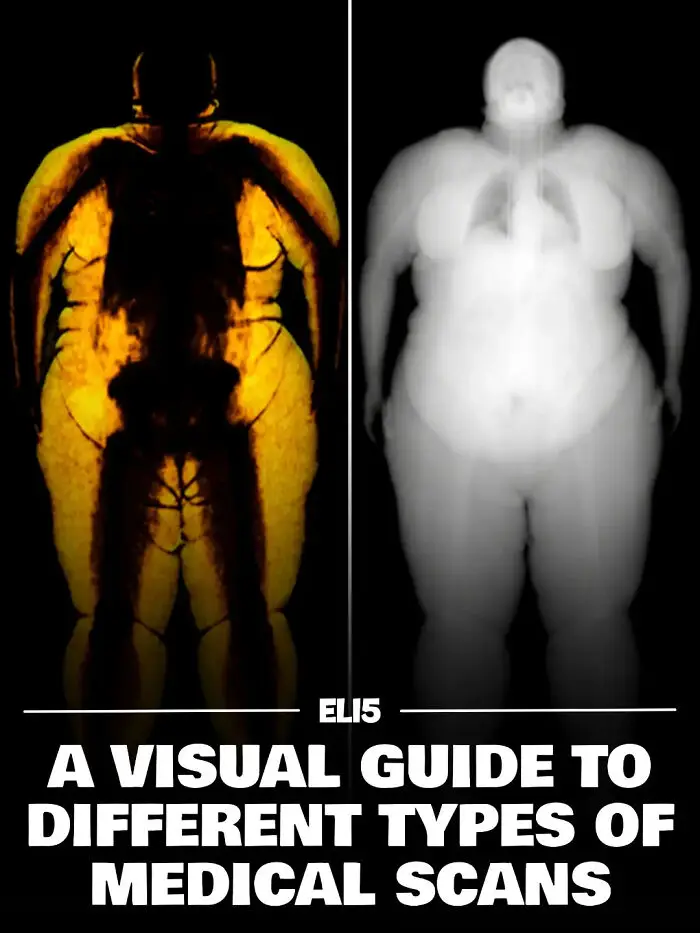
Medical imaging has transformed modern healthcare by allowing doctors to examine the human body, detect abnormalities, and monitor diseases without always requiring invasive procedures.
Different scanning technologies use different methods to reveal what is happening inside the body.
X-rays use ionizing radiation to visualize bones and internal structures, while CT scans combine multiple X-ray measurements to create detailed cross-sectional images. MRI uses magnetic fields and radio waves to examine soft tissues without ionizing radiation.
Ultrasound uses sound waves to produce real-time images, commonly during pregnancy and organ examinations. PET and SPECT scans use radioactive tracers to reveal biological activity, helping doctors evaluate cancers, heart function, and certain neurological conditions.
Mammography uses low-dose X-rays to examine breast tissue, while DEXA scans measure bone density and can assess body composition.
Fluoroscopy provides moving X-ray images, angiography visualizes blood vessels, and OCT uses light to produce detailed cross-sectional images, particularly of the retina.
Each technology serves a different diagnostic purpose, helping doctors make more informed medical decisions.
Save this post as a visual reference to medical imaging, or share it with someone curious about how doctors see inside the human body.
Report
2points
#46

A measuring tape might look like one of the simplest tools in your toolbox, but there's more to it than just measuring lengths.
That little metal hook at the end? It moves deliberately to compensate for its own thickness, helping you get accurate measurements whether you're measuring an inside or outside edge.
The notch on the hook can catch a nail or screw, allowing you to measure alone. You can even use it as a makeshift compass to draw large circles.
And what about those red numbers, tiny black diamonds and markings on the back of the casing? They all have practical purposes, from helping carpenters locate wall studs to measuring inside spaces.
There are also some clever tricks, like extending the tape without support (called standout), starting measurements at the 1-inch mark (known as burning an inch), and using the tape to mark precise lengths.
Even the smallest markings, such as 1F or the shorter lines between whole inches, help you read measurements more quickly and accurately.
It's fascinating how much thought goes into designing an everyday tool we often take for granted.
How many of these did you already know?
Save this guide and share it with someone who loves working with tools!
Report
2points
#47

Lightning doesn't always appear as a single jagged bolt. Sometimes, it creates an extraordinary pattern resembling a glowing ribbon stretching across the sky. This unusual phenomenon is known as ribbon lightning.
Ribbon lightning occurs when strong crosswinds interact with a lightning flash containing multiple electrical discharges. What appears to be one lightning strike often consists of several rapid pulses called return strokes, travelling along nearly the same path.
When powerful winds shift the lightning channel sideways between these pulses, each successive stroke follows a slightly different path. The result is a series of closely spaced, glowing streaks that resemble a ribbon suspended in the sky.
The effect becomes especially striking in long-exposure photographs, where a camera records multiple strokes in a single image. Although the ribbon may appear wide, it isn't one enormous sheet of electricity.
Ribbon lightning is an uncommon sight because it requires the right combination of repeated lightning strokes, strong winds and viewing conditions.
Photographer - @kane_mclatchie_photography.
Report
2points
#48
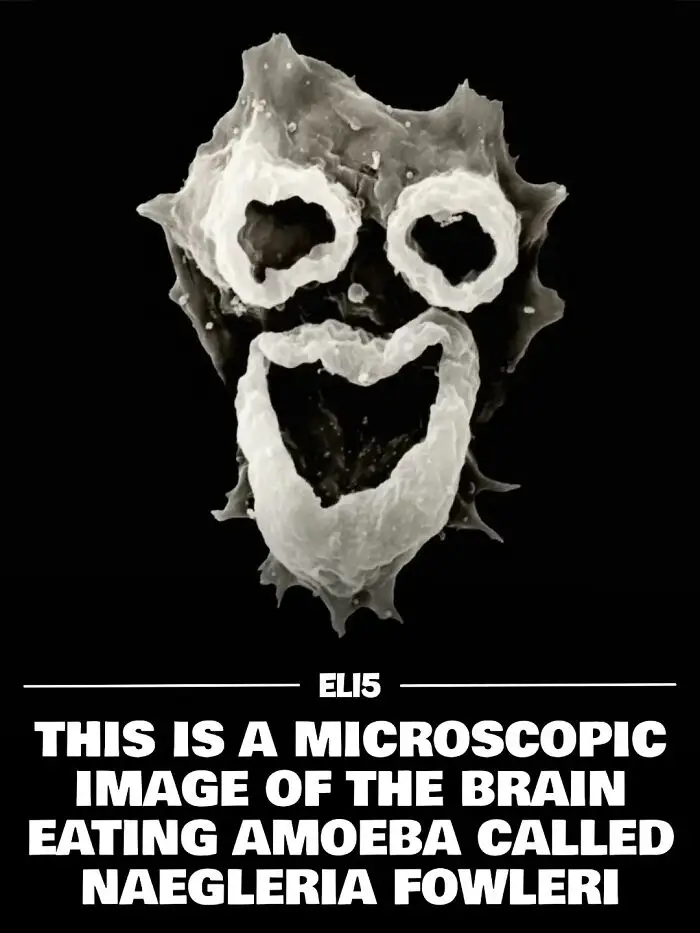
Naegleria fowleri, commonly known as the “brain-eating amoeba,” is a microscopic, single-celled organism found naturally in warm freshwater environments such as lakes, rivers, ponds, and hot springs.
Despite its frightening nickname, the amoeba does not actively hunt humans. It normally feeds on bacteria in its environment. However, under extremely rare circumstances, it can enter the human body through the nose when contaminated water is forced upward during swimming, diving, or other water activities.
Once inside, the amoeba can travel along the olfactory nerves toward the brain, where it destroys brain tissue and triggers a severe infection called primary amebic meningoencephalitis (PAM).
Early symptoms usually appear around five days after exposure, although they can develop anywhere from 1 to 12 days later. These include headache, fever, nausea, and vomiting, followed by confusion, a stiff neck, seizures, and potentially coma.
The infection progresses rapidly and is almost always fatal, with a reported fatality rate exceeding 97%. However, infections are exceptionally rare, and millions of people safely enjoy freshwater activities every year.
One important fact is that Naegleria fowleri cannot infect someone simply by drinking contaminated water. Infection occurs when water containing the amoeba enters the nose, and the disease does not spread from person to person.
To reduce the risk, health authorities recommend avoiding activities that force warm freshwater up the nose, using nose clips when appropriate, and using only distilled, sterile, or properly boiled and cooled water for nasal rinsing.
Save this post to understand this rare but dangerous organism, or share it with someone who enjoys swimming in freshwater lakes and rivers.
Image credits - D.T. John & T.B. Cole, Visuals Unlimited
Infographic credits - Centers for Disease Control and Prevention (CDC)
Report
2points
#49
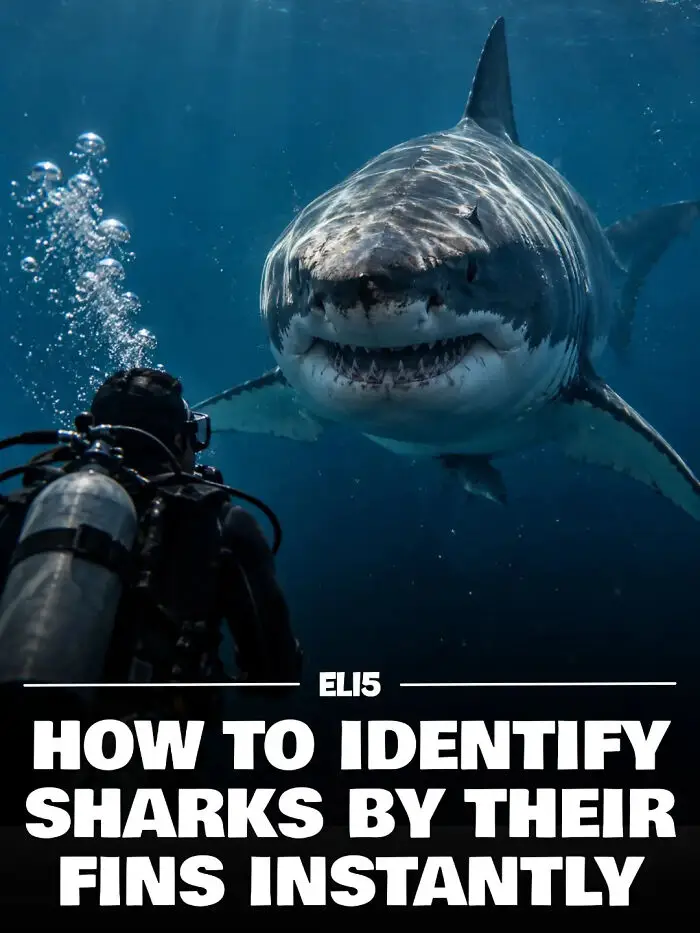
A shark’s dorsal fin can reveal more than you might think.
Its height, width, curvature, tip shape, markings and overall profile can provide useful clues about which shark you’re looking at. A great white’s tall triangular fin looks very different from the lower fin of a nurse shark, the sleek fin of a mako, or the black-tipped fin of a blacktip reef shark.
But there’s an important catch: a fin alone does not always provide a definitive species identification. Several sharks have similar-looking fins, so scientists also consider body shape, coloration, markings, location, size and other anatomical features.
This carousel is your quick visual guide to some of the most recognizable differences.
Which shark’s fin would you recognize first?
Report
2points
#50

Safety is not only about what women are told to do. It is also about what men choose to do.
Sometimes it is as simple as crossing the street instead of walking directly behind her. Not staring. Not catcalling. Not sitting beside her when an empty seat is available. Keeping your hands to yourself. Giving someone a clear way out. Accepting “no” without pushing. And if your friends cross a line, saying something instead of laughing along.
None of these actions require extraordinary effort. They are small choices that communicate something important:
“You have your space. I respect your boundaries. You don’t have to be uncomfortable because I’m here.”
And when you have female friends, offer to walk them home if they want the company. Talk to your mates about consent, boundaries and respect. Because creating safer public spaces is not only about avoiding harmful behaviour ourselves - it is also about challenging it when we see it.
A little awareness can change how someone experiences an entire journey home.
What is one thing you think more men should understand about making women feel safe?
Save this post as a reminder of the small things you can do, and share or repost it with the men in your life who should hear this too.
Report
2points
#51

The cost of owning a cat can vary significantly depending on its breed, health, grooming requirements, diet, and overall care needs.
Some cat breeds require regular professional grooming, specialized diets, and additional veterinary attention, which can increase their lifetime maintenance costs. Others are generally easier to maintain and may have fewer breed-specific care requirements.
However, a cat's appearance or breed alone does not determine how expensive it will be to care for. Individual health conditions, lifestyle, location, and access to veterinary services can all influence the total cost.
Regardless of breed, every cat requires proper nutrition, routine veterinary checkups, vaccinations, preventive care, and a safe living environment. Adoption fees or purchase prices are also separate from ongoing maintenance expenses.
Save this post for future reference and share it with someone who loves cats!
Report
2points
#52

From the streets of Liberty City to the neon lights of Vice City and the sprawling landscapes of San Andreas, Grand Theft Auto has given generations of gamers entire worlds to explore.
What started as simple city layouts gradually evolved into massive, detailed open worlds filled with unforgettable locations, hidden secrets, iconic landmarks and endless possibilities. Every map carried its own atmosphere, and every street holds a memory for someone who grew up playing these games.
For many of us, these weren't just virtual cities. They were places where we spent countless hours exploring, getting lost, causing chaos, discovering shortcuts and making memories long before we even cared about completing the missions.
The graphics changed, the cities grew bigger, and the worlds became more realistic. But nothing quite replaces the nostalgia of driving through a city you once knew by heart.
Which GTA map will always feel like home to you?
Save this post for a nostalgic trip through the evolution of Grand Thef.
Report
2points
#53
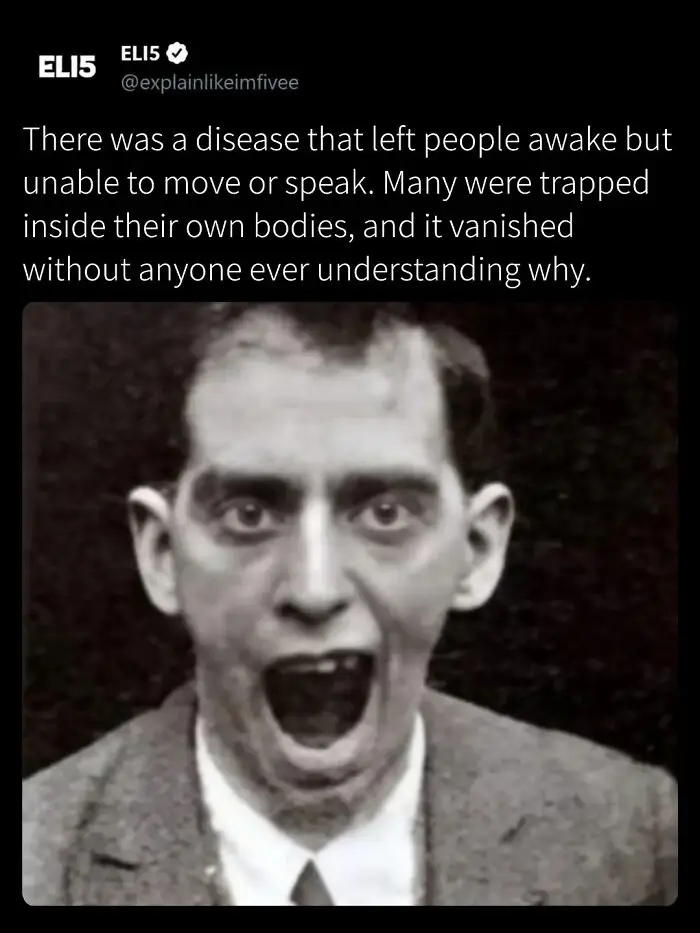
In the early 20th century, a mysterious neurological disease swept across the world, leaving thousands of people trapped in a condition that resembled being awake but unable to move or speak.
Known as encephalitis lethargica, or “sleeping sickness,” the disease emerged around 1916 and spread during the following decade, affecting people across Europe, North America, and other parts of the world.
Despite its name, the illness did not simply cause excessive sleep. Some patients experienced extreme drowsiness, fever, headaches, and abnormal eye movements, while others developed severe movement disorders, muscle rigidity, and an inability to initiate voluntary actions.
Many survivors later developed a condition called postencephalitic parkinsonism. Some remained almost completely motionless and silent for decades, despite showing signs that they were conscious and aware of their surroundings.
In the late 1960s, neurologist Oliver Sacks treated several such patients with the med L-DOPA, temporarily restoring movement and communication in some individuals. Their extraordinary experiences later inspired his book Awakenings and the 1990 film of the same name.
By the late 1920s, the epidemic had largely disappeared, leaving researchers puzzled about its origins. Scientists have investigated possible viral infections, immune system reactions, and other causes, but no single explanation has been conclusively established.
Although rare cases resembling encephalitis lethargica have been reported since, the devastating epidemic of the early 1900s has never returned on the same scale.
More than a century later, the disease remains one of the most intriguing unsolved mysteries in neurological history.
Sources: National Institute of Neurological Disorders and Stroke, Encephalitis Information; National Library of Medicine, Encephalitis Lethargica: 100 Years After the Epidemic; Oliver Sacks, Awakenings (1973).
Report
2points
#54

During World War II, the American aircraft carrier USS Yorktown (CV-5) played a remarkable role in two of the Pacific War's most important naval battles, despite suffering damage that nearly prevented it from fighting.
In May 1942, Yorktown participated in the Battle of the Coral Sea, the first naval battle in history in which opposing aircraft carriers fought without their surface fleets directly engaging one another. American aircraft helped sink the Japanese light carrier Shōhō, but Yorktown suffered serious b**b damage during the fighting.
With the decisive Battle of Midway approaching, the damaged carrier returned to Pearl Harbor, where Navy repair crews accomplished an extraordinary feat. Repairs initially estimated to require weeks were completed sufficiently for combat in roughly 48 hours, allowing Yorktown to rejoin the American fleet.
On June 4, 1942, Yorktown's aircraft helped c*****e the Japanese carrier Sōryū, while aircraft from USS Enterprise and USS Hornet attacked other Japanese carriers. Later that day, Yorktown dive bombers joined Enterprise aircraft in the attack that fatally damaged the fourth Japanese carrier, Hiryū.
Japanese aircraft repeatedly targeted Yorktown, striking it with bombs and torpedoes. Remarkably, damage-control teams restored enough functionality after the first attack that Japanese pilots later mistook the carrier for a different American ship.
This confusion contributed to Japanese reports suggesting that multiple American carriers had been damaged, even though Yorktown had absorbed both major attacks.
Despite efforts to save it, Yorktown was torpedoed by a Japanese submarine on June 6 and sank the following morning.
Its sacrifice, combined with the courage of its crew and airmen, helped secure the American victory at Midway, a turning point in the Pacific War.
Report
2points
#55
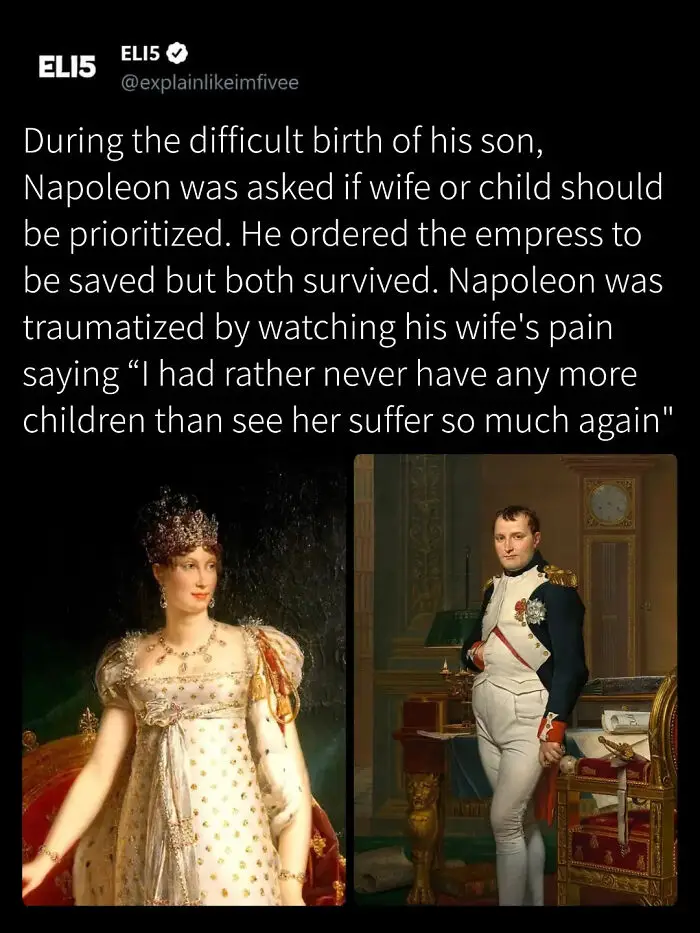
On March 20, 1811, Napoleon Bonaparte faced one of the most frightening moments of his personal life when his second wife, Empress Marie Louise of Austria, experienced a dangerously difficult childbirth.
The birth of their son, Napoleon François Charles Joseph Bonaparte, was complicated by the baby's position, forcing the attending physician, Antoine Dubois, to consider a risky assisted delivery.
As the situation became increasingly dangerous, Napoleon was reportedly asked whether the life of the empress or the unborn child should take priority if both could not be saved.
Despite his desperate need for a male heir to secure the future of his empire, Napoleon chose his wife, instructing the physician to save the mother first.
Fortunately, both Marie Louise and their son survived. The newborn was given the title King of Rome, becoming the long-awaited heir to Napoleon's imperial throne.
However, witnessing his wife's suffering deeply affected Napoleon. He reportedly declared that he would rather never have another child than see her endure such pain again.
The moment revealed a more personal side of a ruler remembered for his military campaigns, political ambitions, and determination to establish a lasting dynasty.
Napoleon's son would later briefly be recognized by supporters as Napoleon II following his father's final abdication in 1815, although he never actually ruled France.
Report
2points
#56
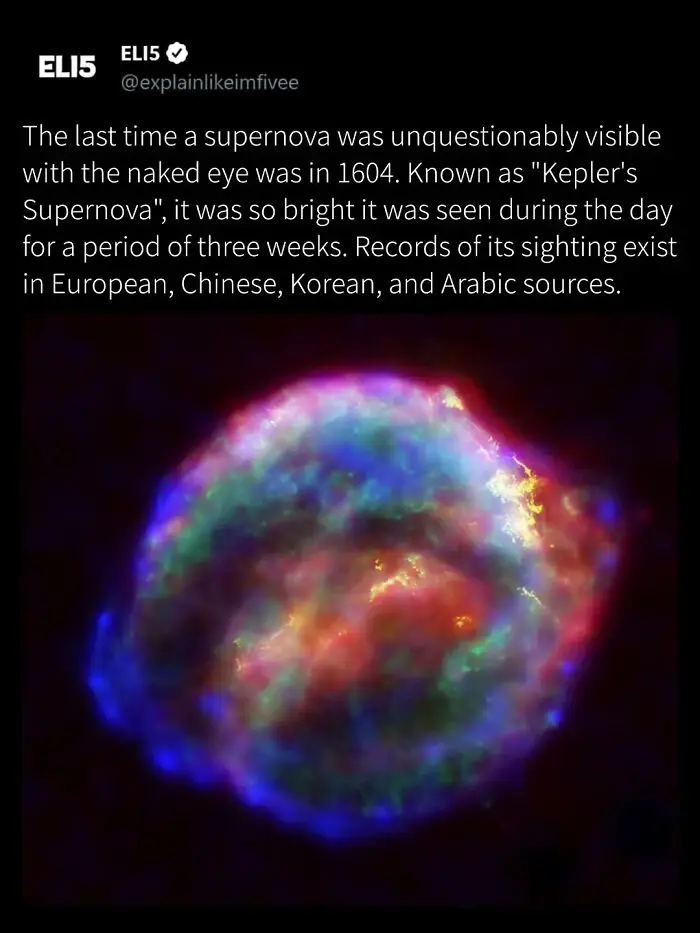
The last supernova in our Milky Way galaxy that was unquestionably observed with the naked eye occurred in 1604. It became known as Kepler's Supernova, and its appearance was so bright that people could see it even during daylight for about three weeks!
The explosion was first recorded in October 1604 in the constellation Ophiuchus. It became brighter than Jupiter, making it one of the brightest objects in the sky.
Although it was named after the famous astronomer Johannes Kepler, he was not the first person to see it. He began observing it on October 17 and carefully tracked its changing brightness for more than a year.
What makes this event even more fascinating is that it was recorded by astronomers and observers in different parts of the world, including Europe, China, Korea and the Arab world. These historical records help modern scientists reconstruct how the supernova appeared and changed over time.
Today, the explosion is known as SN 1604. Its remains are still studied using powerful telescopes that can detect X-rays, visible light and infrared radiation.
Interestingly, we have not witnessed another confirmed naked-eye supernova within our own galaxy since then. The famous Supernova 1987A was visible to the naked eye, but it occurred in a neighbouring galaxy, the Large Magellanic Cloud.
More than 420 years later, the remains of Kepler's Supernova are still helping astronomers understand how stars d*e.
Report
2points
#57
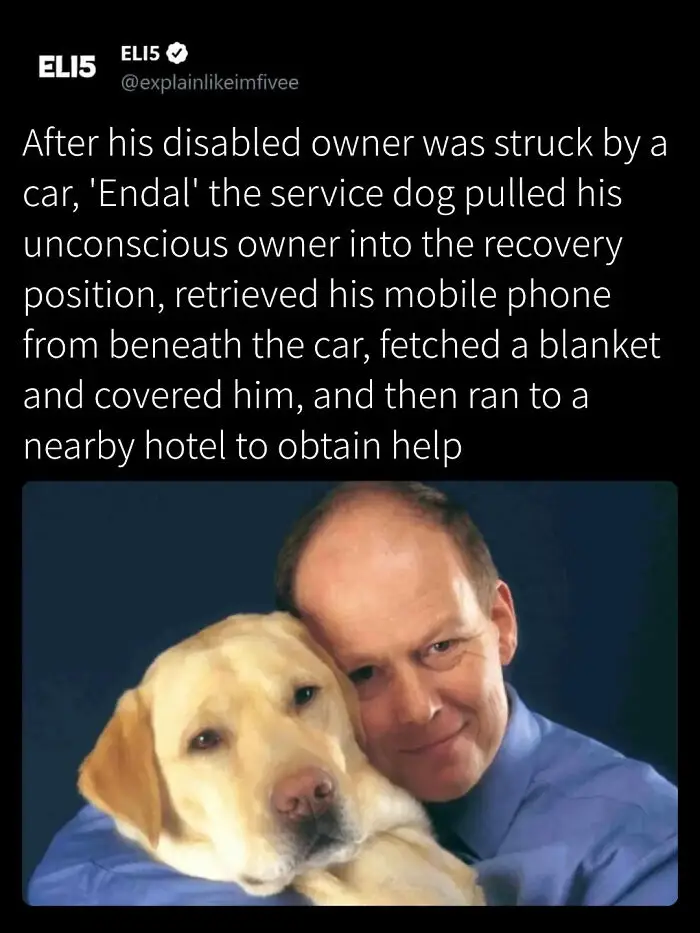
In 2001, a remarkable service dog named Endal became a national hero in Britain after saving the life of his disabled owner, former Royal Navy Chief Petty Officer Allen Parton.
Parton had suffered serious injuries during the Gulf War, leaving him with mobility difficulties, memory problems, and other disabilities. Endal, a highly trained yellow Labrador retriever, became his assistance dog, helping him with everyday tasks and providing companionship.
One evening, Parton was struck by a passing car and knocked unconscious outside a hotel. With his owner lying helpless on the ground, Endal immediately sprang into action.
The dog reportedly pulled Parton into the recovery position to help keep his airway clear, retrieved his mobile phone from beneath the vehicle, fetched a blanket from their wheelchair, and carefully covered him to keep him warm.
When Parton failed to regain consciousness, Endal ran to the nearby hotel and raised the alarm, attracting the attention of people who could provide assistance.
His extraordinary actions helped ensure that his owner received the help he needed.
Endal's intelligence and devotion made him one of Britain's most celebrated assistance dogs. Over his lifetime, he received numerous awards, including the PDSA Gold Medal for animal bravery in 2002.
Beyond this dramatic rescue, Endal was known for his remarkable ability to understand hundreds of commands, operate switches, use cash machines with assistance, and help Parton regain independence after his injuries.
Endal d**d in March 2009, leaving behind an extraordinary legacy as a service dog whose loyalty and training transformed his owner's life.
Report
2points
#58
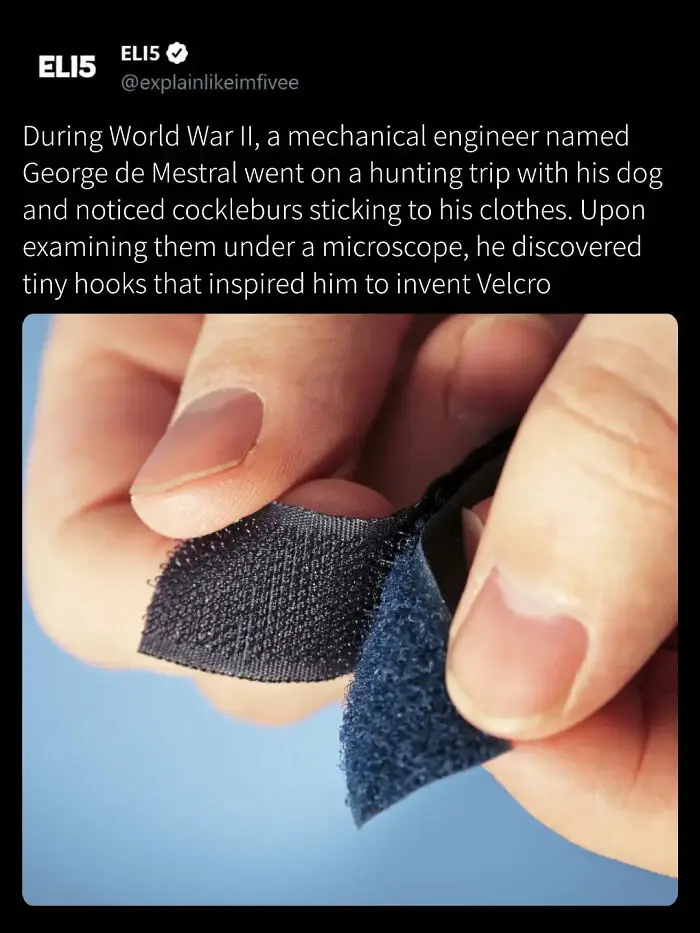
The invention of Velcro began with something that most people would simply find annoying: tiny seeds stuck to their clothes!
In 1941, a Swiss engineer named George de Mestral went on a hunting trip in the Jura Mountains with his dog. When they returned, he noticed that small burrs from plants were stuck all over his trousers and his dog's fur.
Instead of simply pulling them off and forgetting about them, he became curious about how they were attaching themselves so firmly.
He examined the burrs under a microscope and discovered hundreds of tiny hooks covering their surface. These hooks were catching onto the little loops in his clothing and his dog's fur.
This gave him an idea: what if he could recreate this natural design to make a fastener?
After years of experiments, he developed a system with two strips: one covered in tiny hooks and the other covered in soft loops. When pressed together, they stuck firmly, but could also be pulled apart easily.
He named his invention VELCRO, combining the French words velours (velvet) and crochet (hook).
He patented the invention in the 1950s, and it eventually became one of the most widely used fastening systems in the world, appearing in shoes, jackets, bags, medical equipment and even spacecraft.
An everyday annoyance caused by a plant had inspired an invention used across the world. This is a perfect example of biomimicry: copying ideas from nature to solve human problems.
Report
2points
#59
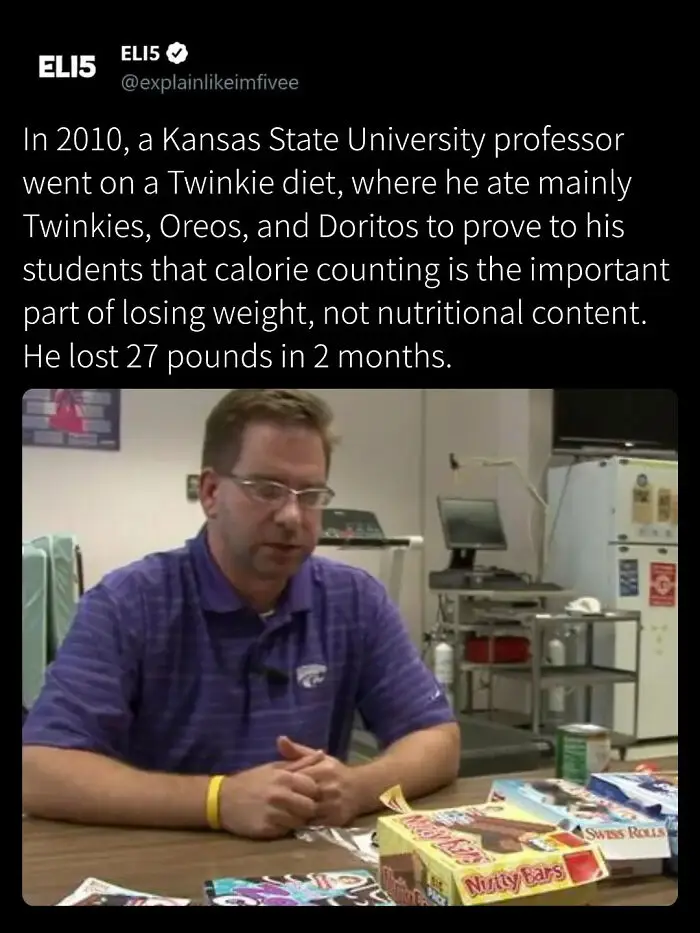
In 2010, Mark Haub, a professor of human nutrition at Kansas State University, conducted an unusual experiment to demonstrate how calorie intake influences weight loss.
For approximately 10 weeks, he followed what became famously known as the “Twinkie Diet,” replacing many of his regular meals with snack cakes, Oreos, Doritos, sugary cereals, and other convenience-store foods.
Rather than eliminating junk food, Haub focused on controlling how much he ate. He limited his daily intake to around 1,800 calories, significantly less than the approximately 2,600 calories his body needed to maintain its weight.
The results surprised many people. Haub lost 27 pounds (12.2 kg), dropping from 201 to 174 pounds. His body mass index fell from 28.8 to 24.9, while his LDL cholesterol decreased by 20%, his HDL cholesterol increased by 20%, and his triglycerides dropped by 39%.
However, his diet wasn't exclusively junk food. He also consumed vegetables, milk, protein shakes, and multivitamins to help meet some nutritional needs.
The experiment demonstrated a fundamental principle of weight loss: consuming fewer calories than the body burns can lead to weight loss, regardless of the foods involved.
Haub never intended to promote junk food as a healthy diet. His experiment highlighted the difference between losing weight and maintaining good long-term nutrition.
Report
2points
#60
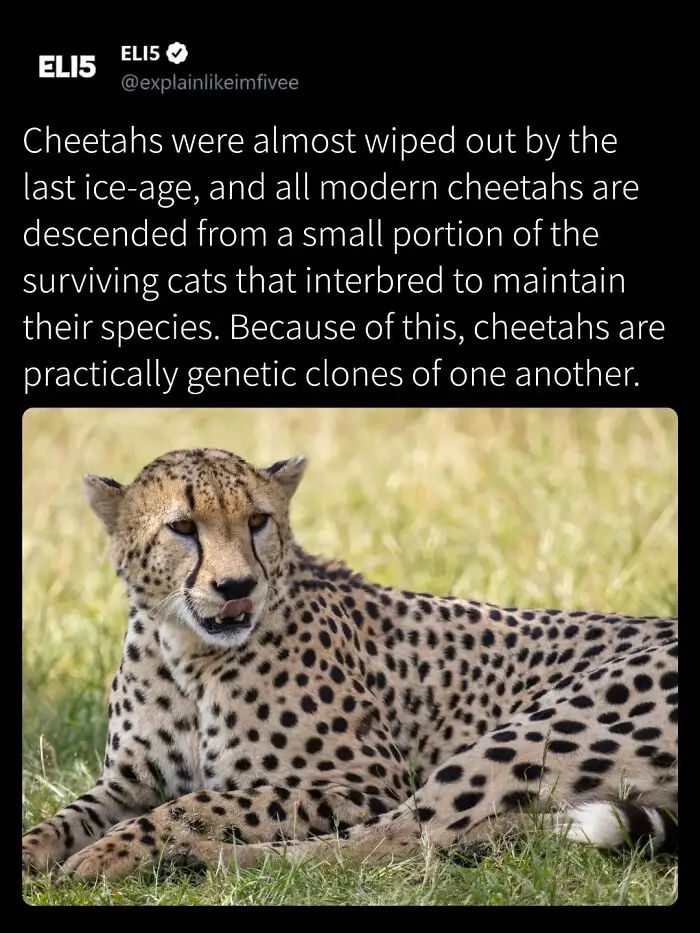
CHEETAHS ARE SO GENETICALLY SIMILAR THAT SCIENTISTS ONCE DESCRIBED THEM AS ALMOST IDENTICAL TWINS.
Around 10,000–12,000 years ago, cheetahs experienced a severe population bottleneck near the end of the last Ice Age. Their numbers fell dramatically, leaving a much smaller population to carry the species forward.
When a population shrinks like this, many genetic variations disappear. As the surviving cheetahs reproduced over generations, the species retained unusually low genetic diversity compared with many other mammals.
The similarity was so striking that, in a famous experiment, researchers found that skin grafts between unrelated cheetahs were not rejected as strongly as expected. Their immune systems struggled to recognize certain tissue differences that would normally distinguish individuals.
But cheetahs aren't literally genetic clones. They still have genetic differences, and distinct populations—including the critically endangered Asiatic cheetah—have their own evolutionary histories.
This low diversity can make adapting to new diseases or environmental changes more challenging, which is why protecting healthy, connected wild populations is so important.
A species built for incredible speed survived a genetic bottleneck—but its future still depends on preserving the diversity it has left.
Report
2points


