

Bored Panda
Medical Professionals Debunk 41 Health Myths They Really Wish Everyone Would Stop Believing

Medical Professionals Debunk 41 Health Myths They Really Wish Everyone Would Stop Believing

30
0
There are few things more reassuring than thinking you know how your body works. Unfortunately, some of the things people confidently believe about their health are about as reliable as diagnosing themselves after a five-minute Google search. From old wives' tales passed down through generations to seemingly harmless advice that everyone swears by, medical misinformation has a funny way of sticking around.
Doctors regularly come across health misconceptions that people accept as unquestionable facts, even when science says otherwise. Some might sound completely harmless, while others could lead to poor decisions, unnecessary worry, or even dangerous consequences when someone's health is on the line.
Recently, doctors shared some of the most incredibly common medical myths they wish people would stop believing, setting the record straight on misconceptions that have fooled people for years. Their explanations are a reminder that not everything we've heard about our bodies is true, and knowing the difference could be more important than we think.

#21

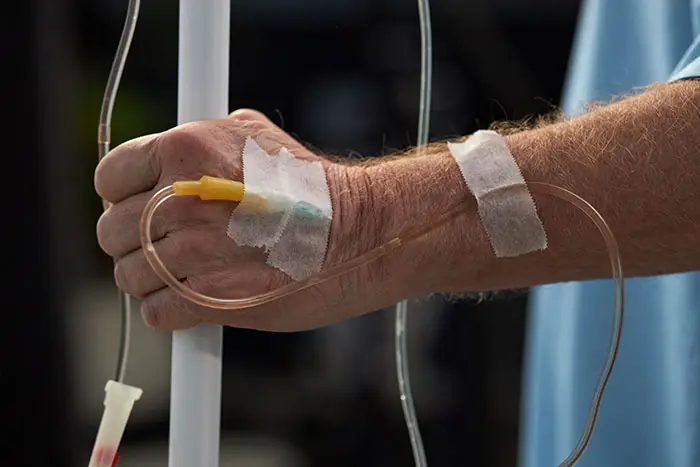
Close up of an IV drip in a patient hand highlighting health myths debunked by medical professionals
people are always so nervous about air bubbles in their IV lines. tiny air bubbles are harmless, it would take a LOT of air to cause a problem.
3points

Another important consideration is that medical knowledge itself is not fixed. MedlinePlus explains that scientific understanding changes as researchers gain access to better technology, conduct larger studies, and observe health outcomes over longer periods.

Information that was once considered accurate may eventually be revised when new evidence reveals that an earlier conclusion was incomplete or incorrect. This is part of how medicine becomes more reliable over time. It also explains why people should be cautious about treating old health advice as unquestionable truth, even when it has been repeated for generations. Being willing to reconsider familiar beliefs is an important part of making informed decisions about personal health.

#22
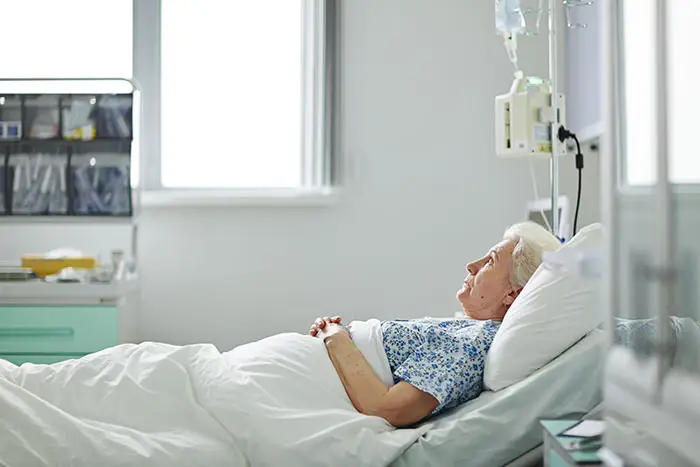
Elderly woman lying in a hospital bed debunking common health myths about aging and illness
That 92yo memaw is a fighter. We don’t care if she’s on a ventilator with a rectal tube and doesn’t open her eyes or talk. Memaw is in fact not a fighter, let her rest, please.
3points

#23

Close-up profile of a woman in a clinical setting, related to medical professionals debunking skin and health myths.
"Our ancestors did it and they were fine"
Me: No the hell they weren't. Have you seen their life expectancy?
3points

#24

Female pharmacist standing in a pharmacy, embodying medical professionals who help debunk common health myths.
I'm a antimicrobial stewardship pharmacist.

Green sputum does not automatically mean antibiotics.

Smelly urine is not necessarily a UTI.

Bacteria in your urine doesn't necessarily need antibiotics if you don't have symptoms.

Sadly, there are plenty of providers and nurses who still believe these.
3points

This is where health literacy becomes particularly valuable. MedlinePlus also describes it as the ability to find, understand, and use health information when making decisions about well-being. Rather than accepting advice simply because someone sounds confident, people should consider who is providing it, whether they have relevant medical qualifications, and whether their claims are supported by credible evidence.

Government health agencies, medical schools, hospitals, and established healthcare organizations are generally better starting points than anonymous accounts or unverified personalities. It is also worth being cautious about products promising extraordinary results, particularly when their sellers rely on miracle-cure claims or suggest that one treatment can solve numerous unrelated health problems.

After all, understanding the difference between convincing advice and reliable medical information can sometimes be just as important as knowing what to do when something actually goes wrong.

#25
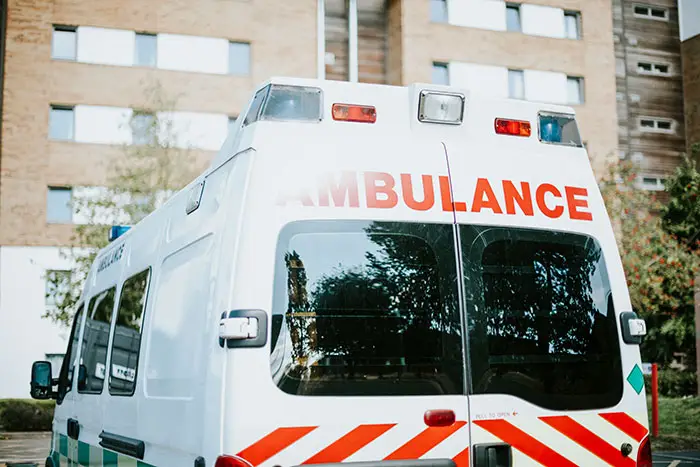
Back view of an emergency ambulance parked outside a medical facility, representing urgent care and medical facts.
Taking an ambulance to the hospital guarantees they'll be see faster or automatically get a room. Nope. If you have a low acuity complaint and we're busy you're heading straight to the waiting room.
3points

#26

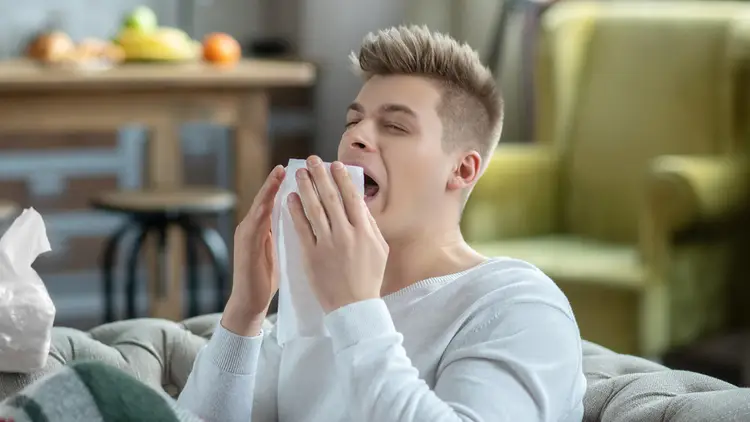
A sick woman wrapped in a blanket reaching for medicine to address health myths related to treating common illnesses.
"I feel better after just a few days of those antibiotics, so I'm cured and don't need to finish the whole course my doctor prescribed me!"

No, please finish your antibiotics. If you were given a 7-day course and feel amazing after just 3 days, great! Please take the remaining 4 days. Just because you feel better doesn't mean all of the bacteria have been eradicated. Leaving a course half-finished breeds resistant strains and I can't tell you how many people have come back to the ER for a repeat UTI or ear infection that they stopped taking treatment for because "it got better after just a few days so I threw the rest of the pills away!"
3points

#27

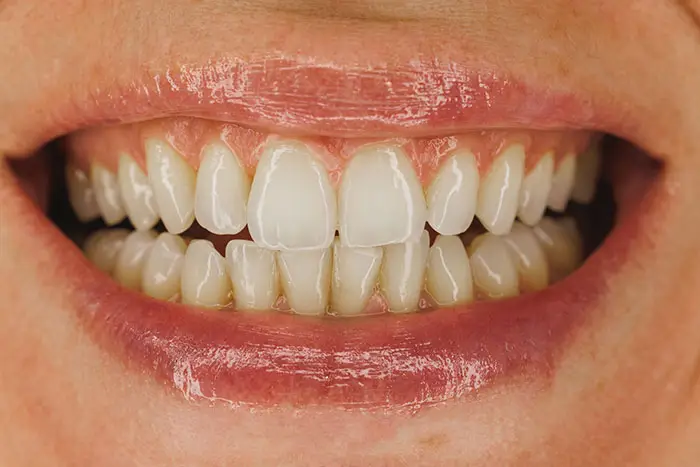
Extreme close-up of a person smiling, illustrating oral hygiene and common health myths debunked by medical professionals.
Dental: nothing is wrong if there’s no pain.
3points

Medical myths can be surprisingly difficult to shake, especially when they come from people we trust or beliefs we've carried around since childhood. Some might seem harmless enough to laugh about, but others can influence important decisions about our health and keep us from getting the right help when we need it.

That's why hearing directly from medical professionals and being willing to question what we think we know can make such a difference. After all, when it comes to our bodies, a little curiosity and fact-checking can go a long way.

Have you ever believed something about your health for years, only to discover that it wasn't actually true? Share your experiences in the comments, and let us know which common medical misconceptions you think more people need to stop believing!

#28
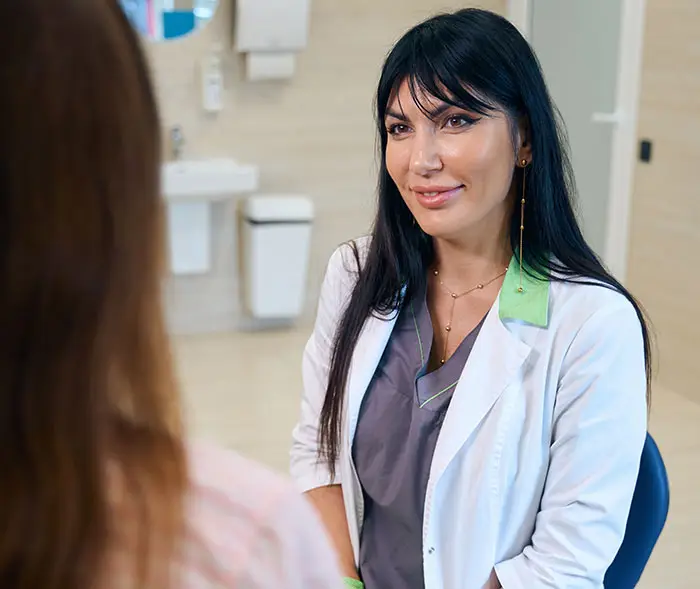
Female medical professional smiling while talking to patient to debunk health myths.
That a shadowy council of masterminds has colluded to try and poison them with unnecessary therapies.
3points

#29

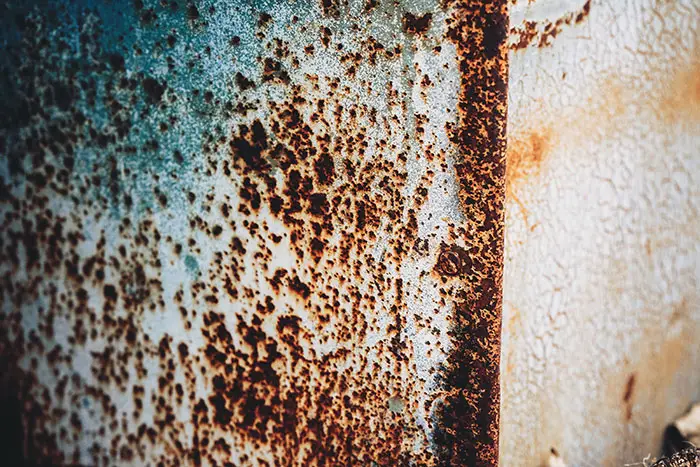
Close up of rusty metal surface related to common tetanus health myths.
Rust gives you tetanus.

It doesn’t. Chlostridium tetanus gives you tetanus.
3points

#30

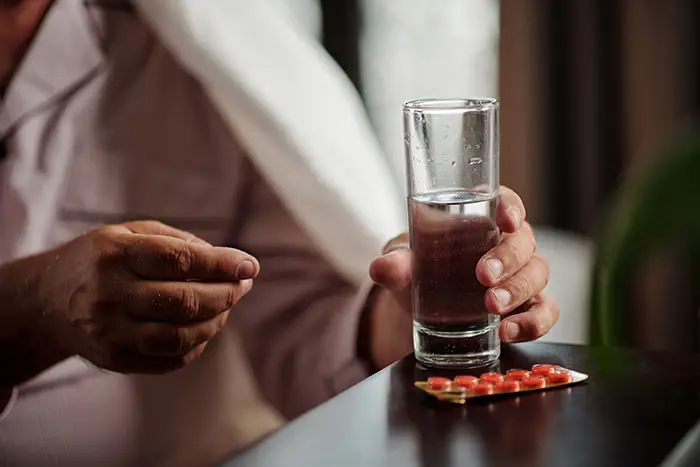
Person holding water glass near pills to debunk popular health myths about medication.
I don't want to take a painkiller, it just masks the pain.

Well duh.

I tell people that the painkiller will help them keep using their joint more normally while it recovers normally so that the muscles around the joint stay strong and the range of movement stays good.
3points

#31

That getting a vaccine means you won’t catch it at all ever. I explain this a lot.
3points

#32

Parents who try to have their young children “sweat out “ their fever and bundle them up tight in too many blankets.
I’ve carried too many seizing little ones to the critical room.
3points

#33

Not eating sugar won't help your cancer go away. It will make you weak and less likely to survive treatment. Please don't fast on chemo

Your stomach is a bath of acid. Eating an alkaline diet will do nothing. Ever.
Report
3points

#34

That starting a medication will somehow dramatically worsen their life in ways that using alcohol, cannabis, and nicotine for years has not.

That “natural is better”. Ebola is natural.
3points

#35

“I cut too many calories out of my diet so my body went into starvation mode and holds onto weight even more, that’s why I can’t lose weight”.
Report
3points

#36

That they are repelled by apples when, in fact, many doctors greatly enjoy an occasional apple.
Report
3points

#37

The idea that we can cure any disease, but we don't because treatment is more profitable.
3points

#38

That you need to go to hospital after having a cold for two days.
2points

#39

Wounds should not be left uncovered to "breathe" like we were raised.
2points

#40

That older people have no rights and the hospital can admit to aged care home because family or the health staff feel that is best for them. If the person retains decision making capacity, they can do what they want. We don't have to like it.

Same premise with substances and alcohol. Can't make someone do what they don't want to/ aren't ready to do.
2points
30
0