


#1
#2
#3

Medical myths often survive because they offer something that accurate medical information doesn't always provide: simple explanations and reassuring answers. Research shows that people are naturally drawn to health advice that makes complicated situations easier to understand, especially when they worry about an illness or are unsure what is happening to their bodies.
A straightforward explanation or an easy remedy can feel much more comforting than medical information filled with uncertainties and qualifications. These misconceptions are not necessarily the result of ignorance, either. They can give people a sense of control when dealing with something frightening or unfamiliar, which helps explain why certain beliefs become so deeply ingrained.
#4

No you don’t. You’re welcome to refuse. But you don’t get the flu from the shot.
#5
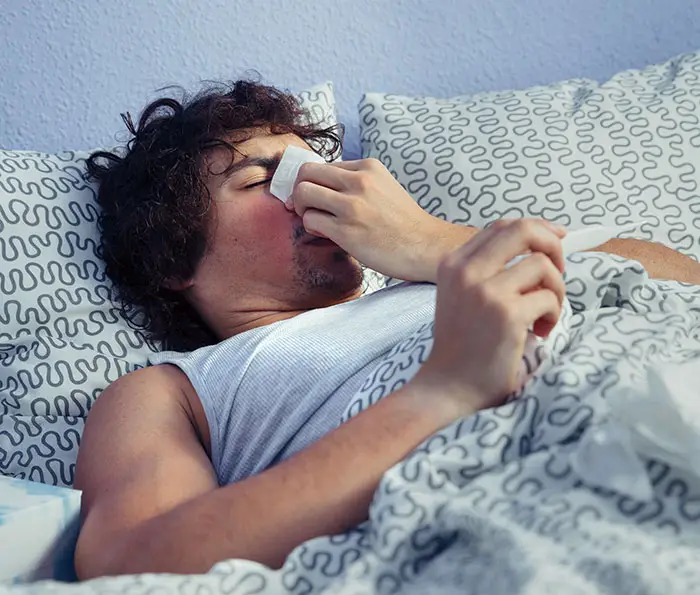
Antibiotics will not help your cold that you've had for 2 days and is clearly viral.
A "broken bone" is the exact same thing as a fracture. Broken bone is just the laymans term for fracture.
UTIs can become serious, or even deadly if left untreated for too long. Ignoring it & praying it'll go away is not the answer bro
The flu is common, but that doesn't mean everyone is guaranteed to feel crappy for a week & then feel totally better. It can be deadly for certain frail or immunocompromised people; don't send your sick kids to grandma's house.
No, vaccines will not give your child autism. That has been disproven so many times.
The ER is not the correct place to go for asymptomatic STI testing. Please go anywhere else, you'll be seen faster.
Any sudden loss of vision is an emergency. Hundreds of tiny bruises appearing all over your body overnight is an emergency. I wish the public was taught at least a few of these major red-flag symptoms we look for.
Mental health conditions can be equally as serious as physical health
Just because pregnancy is a natural process & you're otherwise healthy, does not mean pregnancy and childbirth are without serious risks that you need to be aware of when making decisions regarding pregnancy & childbirth
Alcohol withdrawal (from chronic daily use) can be fatal; seizures, delirium tremens.
-Medication assisted treatment is recovery. Just because someone is preventing withdrawal via prescribed medication (suboxone, methadone) does not inherently mean they're getting high
-We are NOT SNITCHES‼ Unless we are ordered by a judge to provide info, we are not providing anything to anyone. This never happened in the 2 years I've spent in the field. We are on your side, not the cops'.
#6
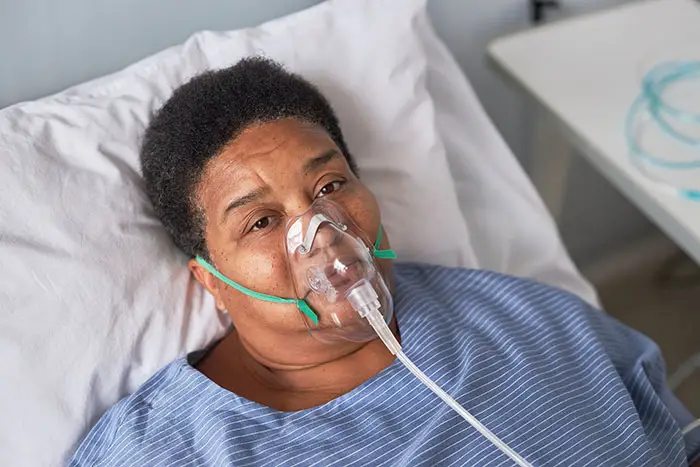
There is a reason that most healthcare workers are very quick to make themselves DNR/DNI when their health starts failing.
Another reason these misconceptions are difficult to challenge is that they often contain a small element of truth. Someone who feels sleepy after eating a large meal, for instance, might conclude that a particular food is responsible, even when the overall meal is a more likely explanation. Human beings naturally look for patterns and connections, especially when faced with frightening situations such as serious illnesses.
Anxiety can make this tendency even stronger, encouraging people to find explanations where there may be no meaningful connection. Personal experiences also reinforce these assumptions. If someone starts taking a supplement and subsequently feels better, they might credit the product without considering that their recovery could have happened naturally or resulted from something else.
#7
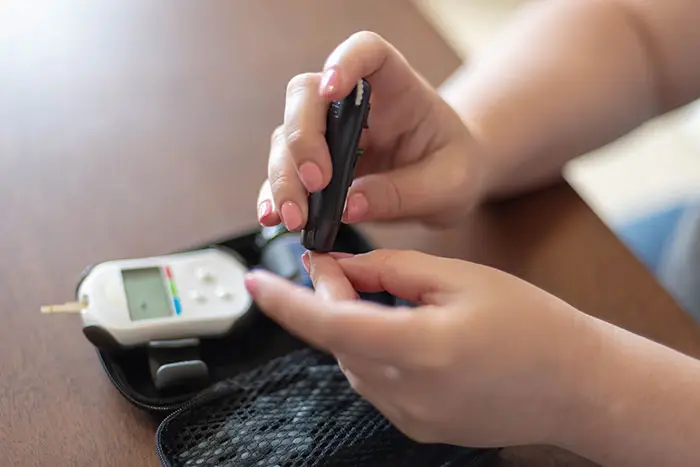
The risk for hypo is extremely low for most tablet controlled diabetics and the constant drip feed of calories from this myth about diabetics constantly needing to eat / have sweet tea puts constant additional strain on their bodies.
#8
#9
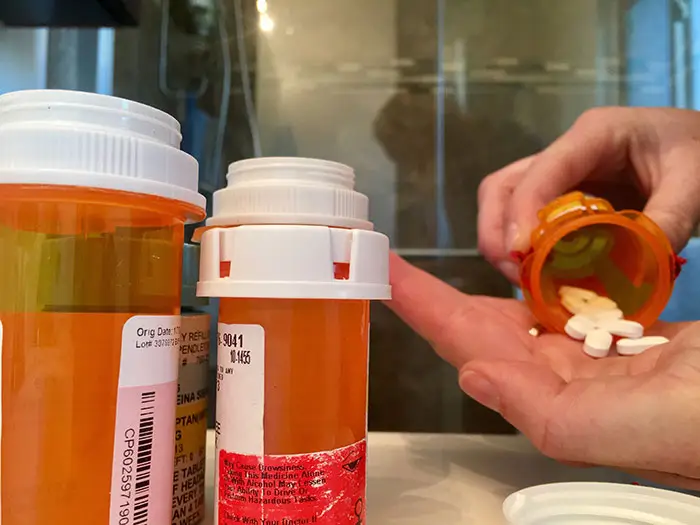
However, believing inaccurate health information can have consequences that extend far beyond an innocent misunderstanding. The Cleveland Clinic warns that following unreliable medical advice can cause people to delay seeking professional help, attempt unsafe treatments, or overlook symptoms that require attention.
Self-diagnosis is particularly concerning because people may mistake a serious condition for something relatively harmless and postpone getting the appropriate care. Depending on the situation, acting on incorrect information can also lead to harmful medication interactions, worsening symptoms, unnecessary anxiety, and even permanent physical injuries.
#10
#11
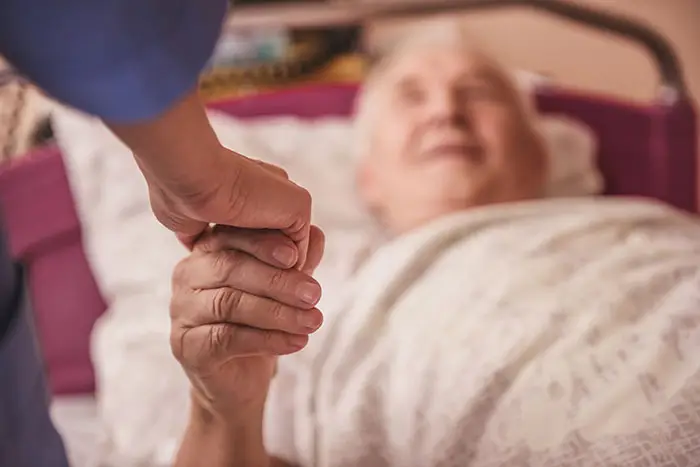
The best time to go on hospice care is the day you receive a terminal diagnosis, while you are still walking around, doing a lot of the things you like to do. Sign the papers! Let them simplify your medications and your list of clinic visits. Tell them what you would like to get done in the weeks or months you have left and they'll do their best to help you get those things done.
That's what I plan to do if I get the chance.
#12
In other news, I might need a holiday.
The growing availability of health information online adds another layer to the problem. Social media platforms make it easy for people to encounter medical advice through short videos, posts, and personal recommendations that can sound convincing without being medically accurate.
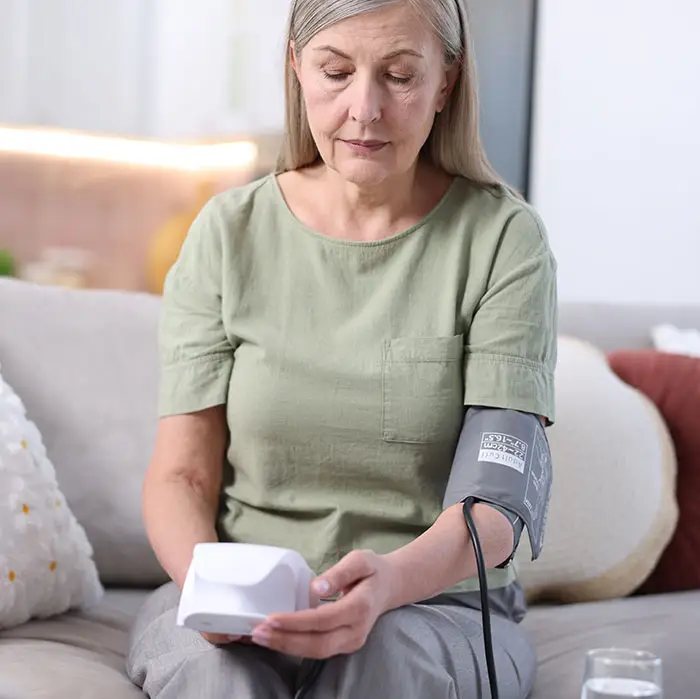
Repeatedly seeing similar claims can create an echo chamber in which familiar information starts to feel trustworthy, even when there is little evidence behind it. Online shopping also makes it increasingly easy to purchase medical tests, devices, and treatments without professional guidance.
Without knowing how to use these products correctly or interpret their results, people may end up making important health decisions based on inaccurate information.
#13
#14

#15

Interestingly, people's beliefs can sometimes influence how they physically experience certain symptoms. Psychology Today explores this through the placebo and nocebo effects, which demonstrate how expectations can contribute to improvements or unpleasant experiences.
The placebo effect occurs when someone feels better because they believe a treatment will help, even when the treatment itself has no active ingredients. The nocebo effect works in the opposite direction, as expecting negative outcomes can contribute to experiencing symptoms such as nausea or headaches.
These responses illustrate that the mind and body are closely connected, making people's expectations an important part of how they interpret their health experiences.
#16
This is driven primarily by genetics, growth, systemic health, and we are learning more about environmental influences such as vitamin D during childhood.
Oftentimes, your vision didn’t actually get worse; you just got to experience corrected vision and have gotten so accustomed to it that your uncorrected vision feels worse than before. Like upgrading to a 4K television and going back to your standard-def screen after a year. The quality didn’t change, but your perception of it did.
#17

In reality, there are extremely rigid criteria for who can safely donate their organs, and a DNR absolutely does NOT mean “do not treat”.
#18
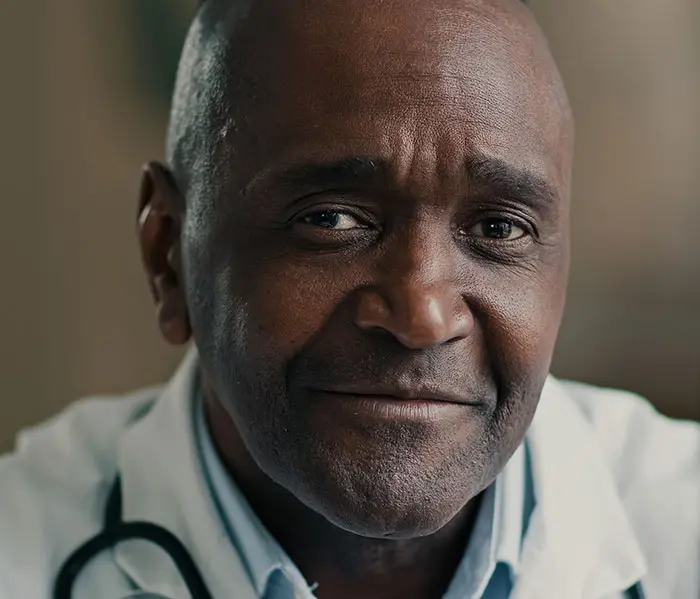
For example, "No, I don't do flu vaccines. Sometimes your body needs to get a little sick so it can sweat it all out and rest and restart. Plus if you just keep getting the vaccine every year, then your immune system forgets how to work." I want to look at them and say, "What the hell are you talking about?"
Expectations can influence how closely people pay attention to their bodies, how they interpret unfamiliar sensations, and how much anxiety they experience when taking medication. Someone who expects a treatment to work might become more aware of signs of improvement, while another person who fears certain side effects may become increasingly concerned about ordinary physical sensations.
This does not mean that symptoms are imaginary or that positive thinking can cure serious illnesses. Rather, it shows why health beliefs should be approached carefully, particularly when people begin interpreting every bodily sensation through the lens of something they have heard or read.
#19
#20