

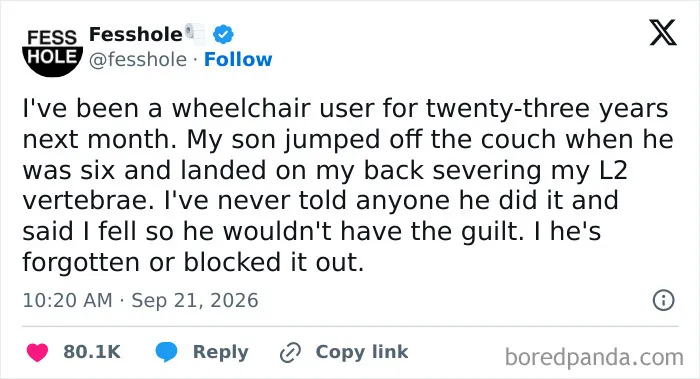
Many of us feel a lot more brazen when we’re behind our screens and keyboards. Think about it: people leave scathing restaurant reviews they’d never say to the chef’s face, get into heated debates with total strangers in the comments, and slide into DMs with a confidence they’d never have IRL. Online, the stakes just feel lower.

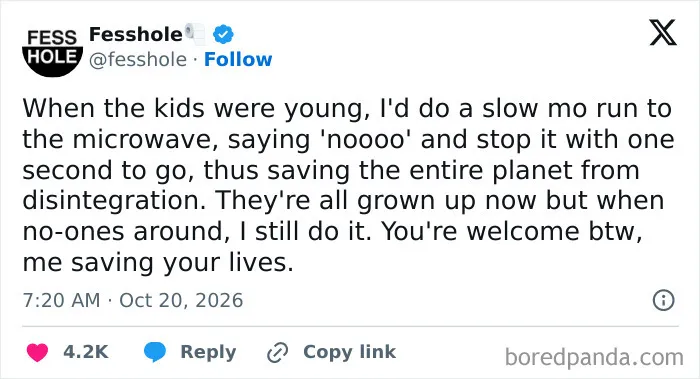

Psychologists even have a name for it: the online disinhibition effect. John Suler, the psychology professor who coined the term, explains that people tend to say and do things online that they wouldn’t in person. And a big part of that comes down to anonymity. As a 2026 study points out, research has long linked the two: the more anonymous we feel, the more we’re willing to share.


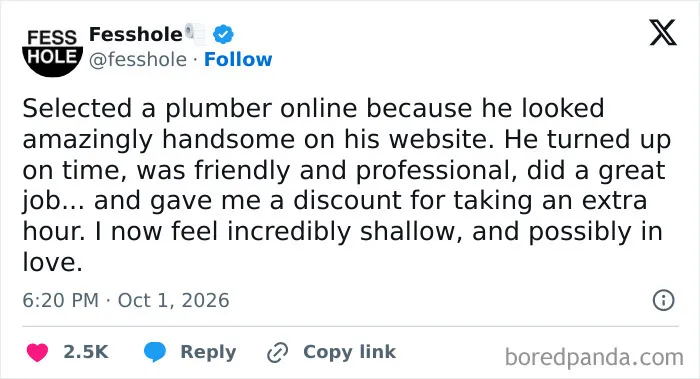
When nobody knows who you are, there’s simply a lot less to lose. And when it comes to secrets, that embarrassing story you’d never tell at a dinner party suddenly doesn’t seem like such a big deal. There’s just one small problem. Most of the internet isn’t very anonymous anymore. Our profiles come with our real names attached, and our coworkers, families, and exes (yikes) are often just a click away.



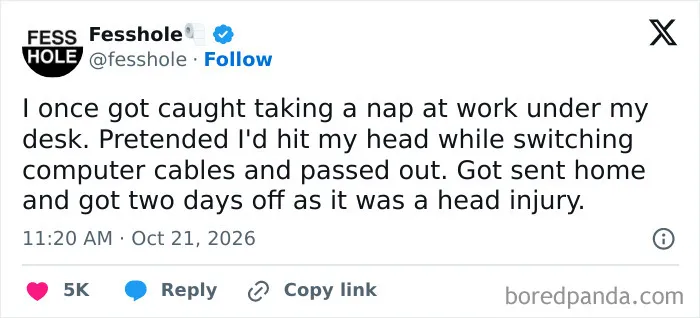
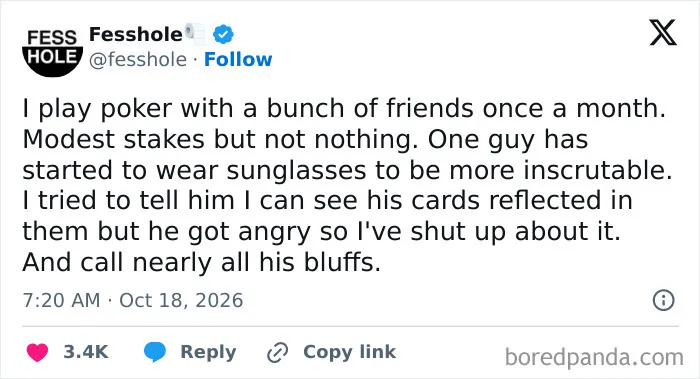
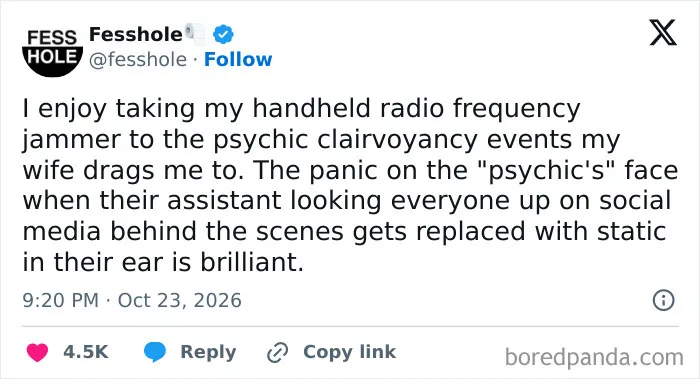
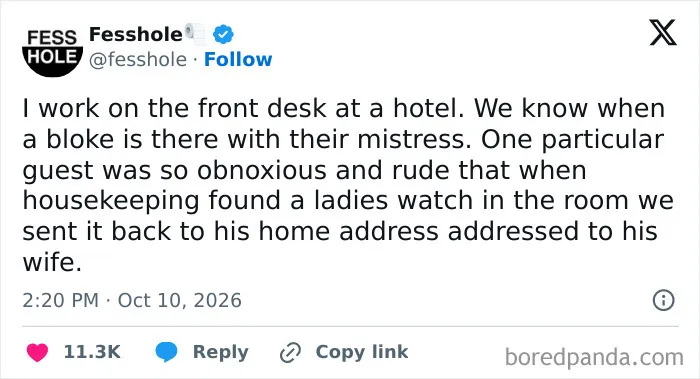
Fesshole creator Rob Manuel remembers when the internet felt different. “Using the internet 15 years ago, there was a real freedom about it,” he told Varsity in 2023. “There was only a few people using the internet at the time … your boss wasn’t reading it, your wife wasn’t reading it, your girlfriend wasn’t reading it. It had anonymity even though it wasn’t anonymous.”


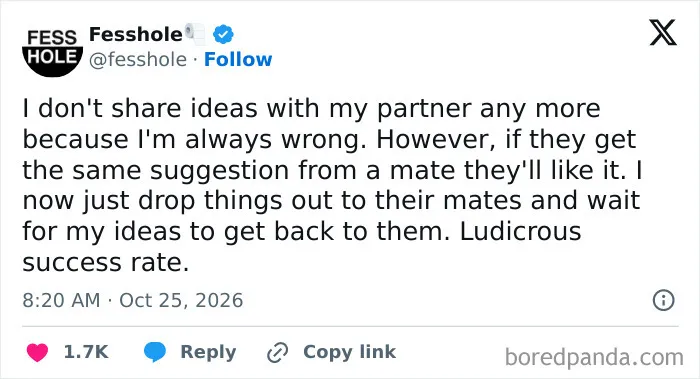
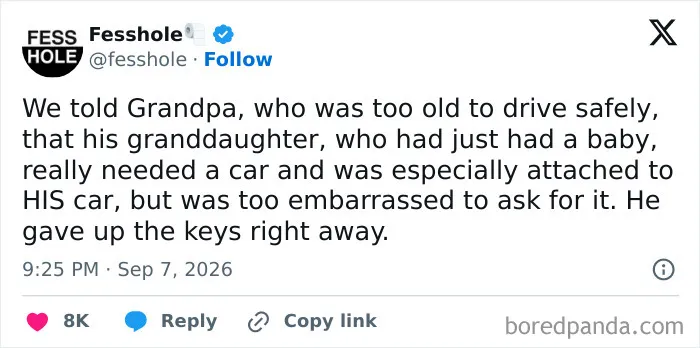
These days, he says we’re more likely to self-censor for fear of what a careless post could do to our relationships, reputations, or careers. Fesshole gives people a way around that: an anonymous place to say out loud what they’d otherwise probably be very unlikely to ever admit.


Of course, people have been unburdening themselves for centuries, whether in a confession booth or a diary. And honestly? Not all of that unloading is a bad thing. In fact, psychologist James W. Pennebaker has explained that it can be good for us.