


#1 Modern Medicine Is Just A Remake: The 3000-Year-Old Surgical Kit That Proves We Aren’t As Advanced As We Think

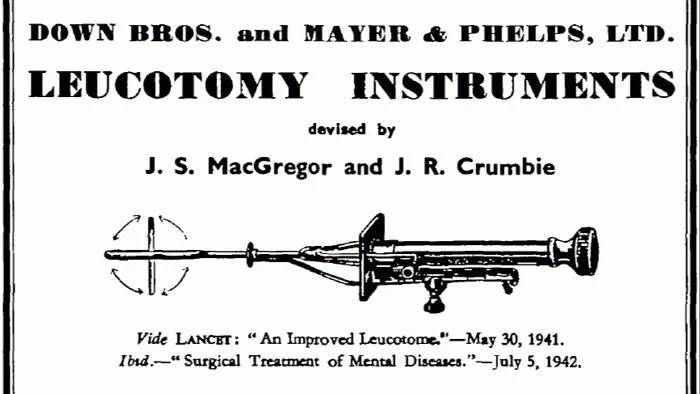
#2 Lobotomies
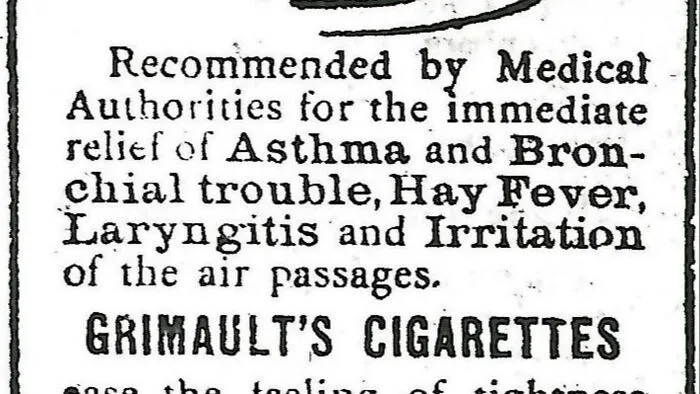
#3 Cigarettes… For Asthma
Going to a doctor's appointment is rarely a pleasant experience. Even if you don’t have to have surgery or have blood drawn, the entire process is often uncomfortable, expensive, and time-consuming. But what we go through today is nothing compared to what our ancestors experienced. Even your parents probably have some horror stories from hospital visits in their youth!
Harvard Medical School published a list of some of the most significant medical advancements of the past few centuries, and it may shock you to realize just how new some of these treatments and tools are. For example, the smallpox vaccine only became available in 1799. And anesthesia wasn’t used until 1846. Meanwhile, doctors didn’t even know what appendicitis was until 1886.
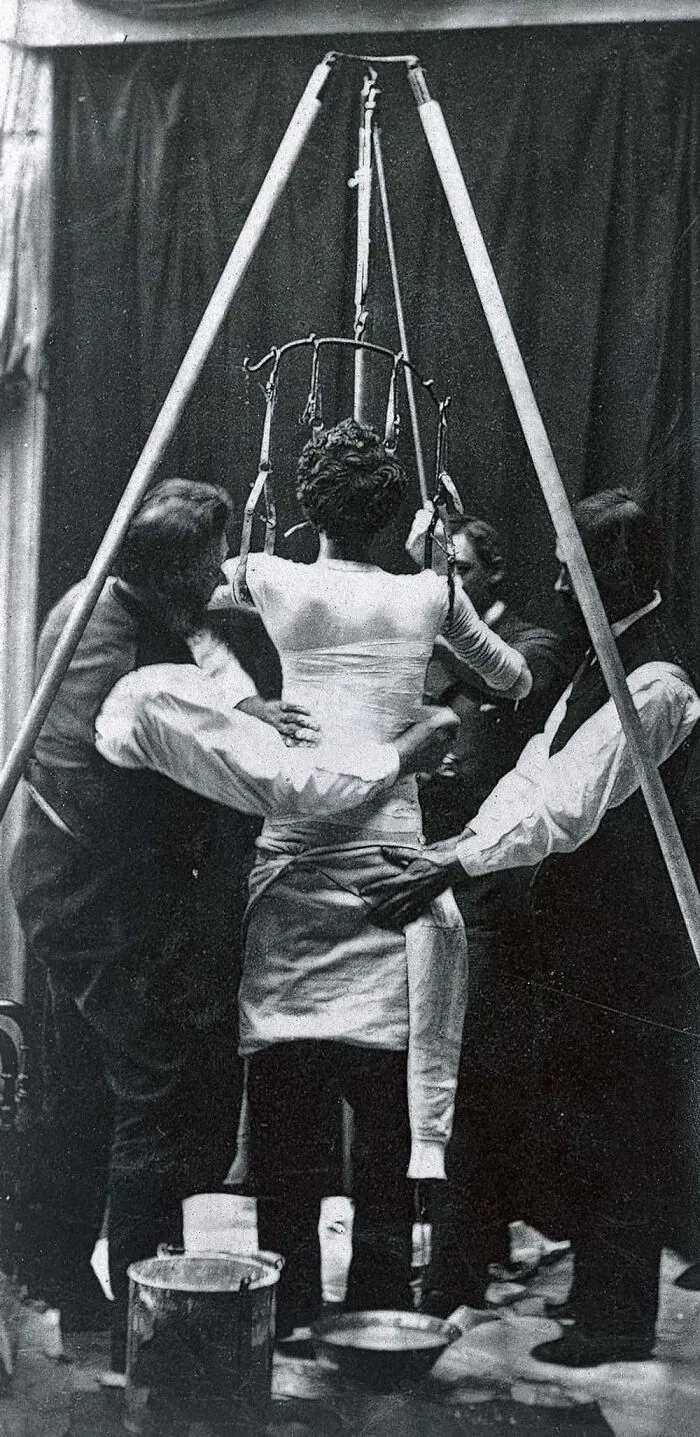
#4 Hydropathy For Mental Illness
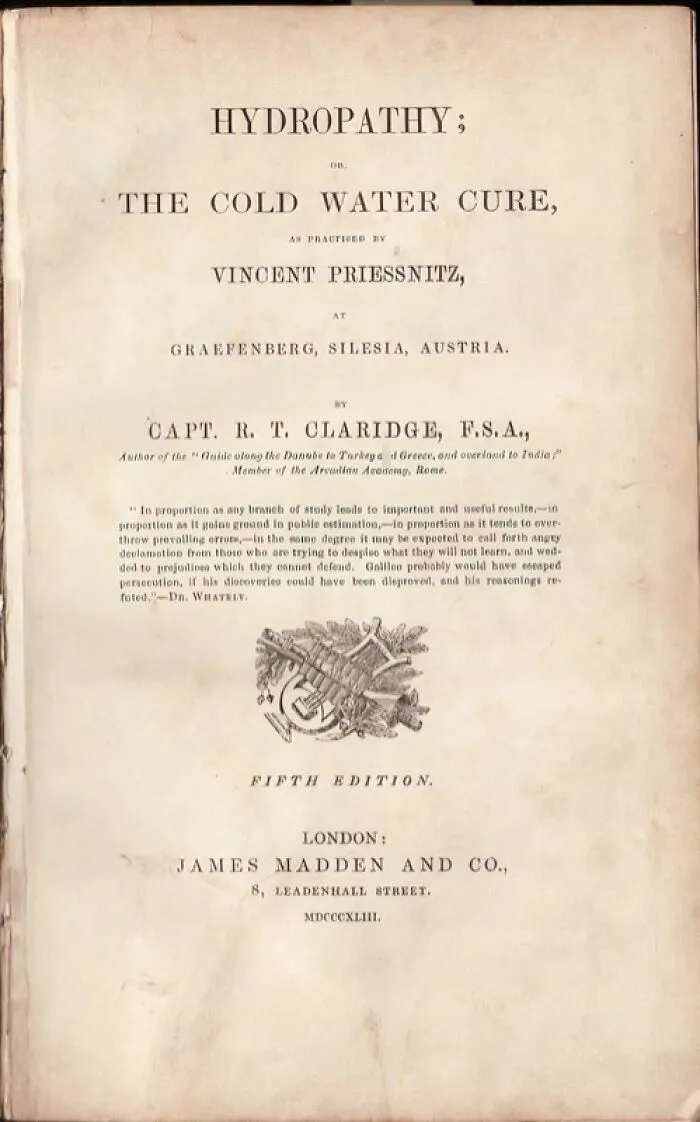
Highly agitated, manic, or violent patients were submerged in tubs of warm water for hours—or even days—at a time. Canvas covers were often strapped over the tub with only the patient's head poking out to prevent escape, using thermal regulation to sedate and exhaust the individual.
Depressed, anxious, or lethargic patients were tightly swaddled in ice-cold, wet bedsheets. The physical restraint combined with the intense shock to the circulatory system was believed to slow racing thoughts and induce calm.
Patients experiencing catatonia or severe apathy were blasted with high-pressure jets of alternating hot and cold water to "shock" their nervous system back into responsiveness.
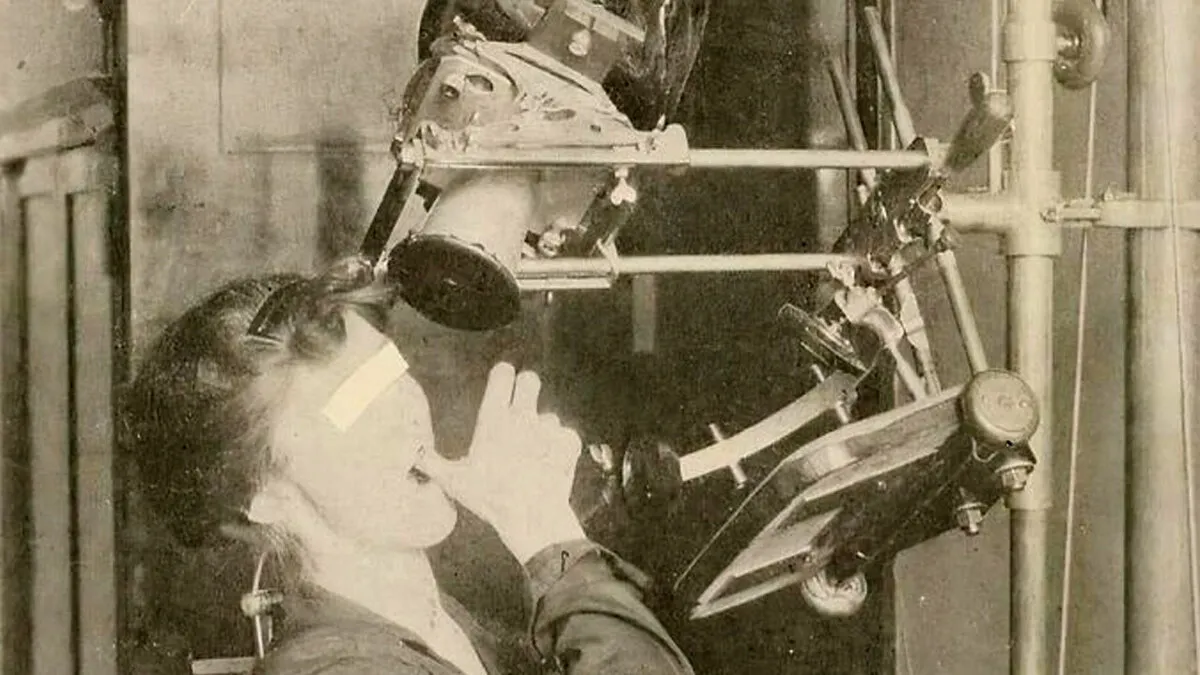
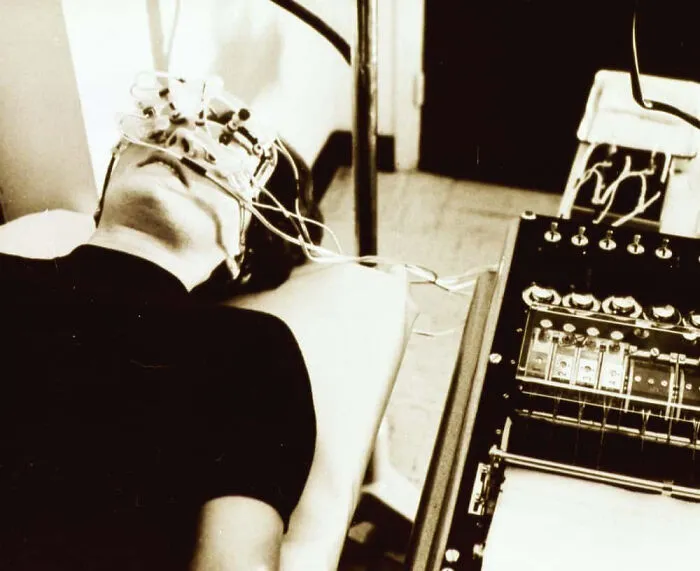
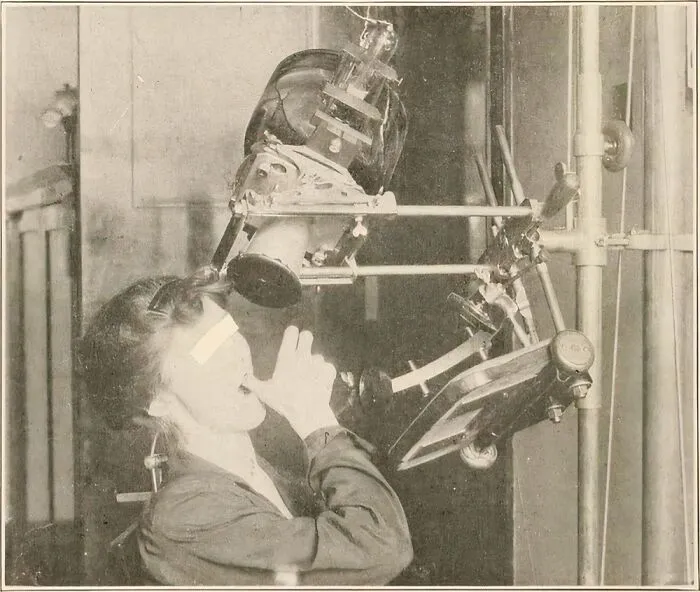
#5 Woman Getting Tested With An Electro-Retinogram, 1950s
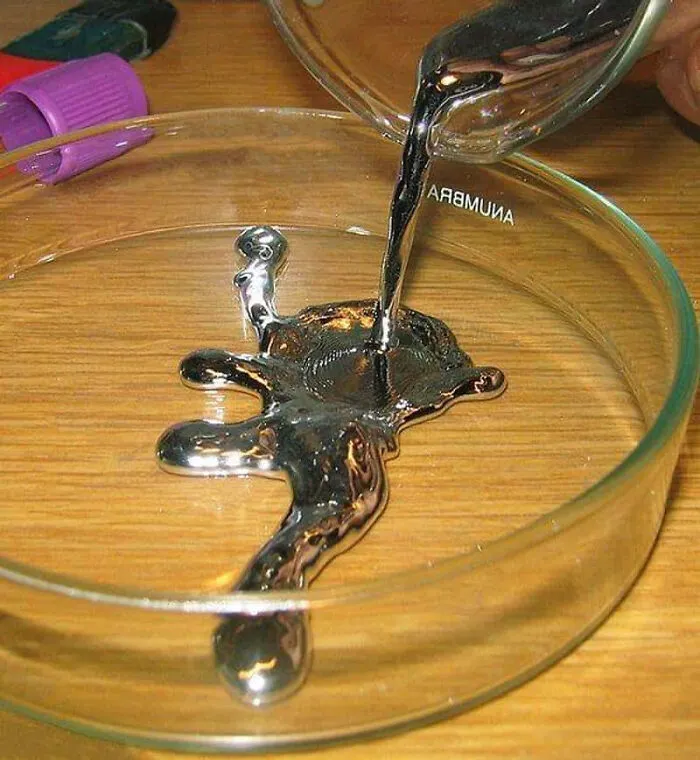
#6 Mercury (For Std's)
Until the 1890s, doctors were not aware that insects could transmit diseases to humans, but thanks to Theobald Smith, this was discovered. Smith is also responsible for discovering scurvy and developing the concept of heat-killed vaccines. In 1914, Paul Dudley White created the first electrocardiograph, and in 1922, Elliott Joslin introduced insulin to the United States.
The very first successful heart valve surgery took place in 1923, and the three-flanged nail to secure the bone in hip fractures wasn’t available until 1925. Women weren’t even getting pap smears until 1945, and oral birth control wasn’t even being trialed until 1954. Meanwhile, the first successful kidney transplant was performed in 1952.
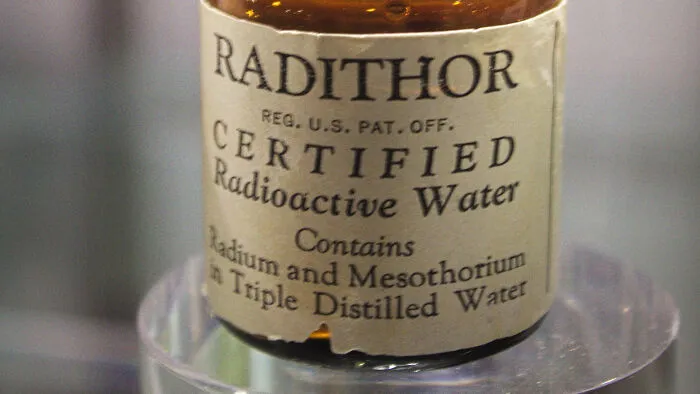
#7 Radium Water As A Longevity Tonic
#9 Tobacco Smoke Enema
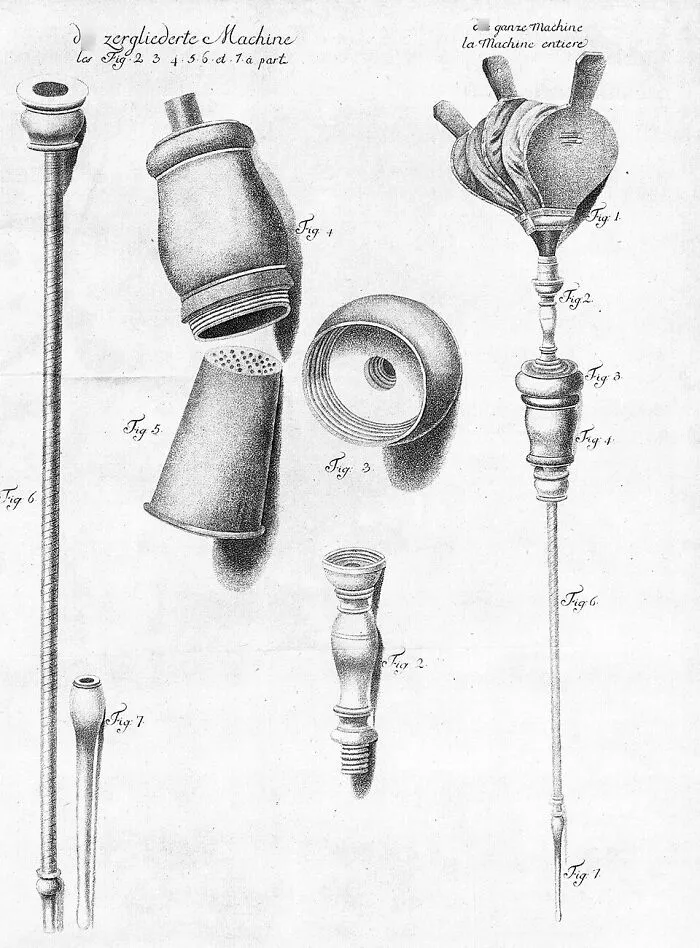
Before we had all of these life-changing advancements, doctors were doing some questionable things to their patients. And while we can’t blame them for some of their quackery, as they really didn’t know better, there were some methods that must have seemed ridiculous, even back then.
Nate Pedersen and Dr. Lydia Kang wrote a book on this subject, Quackery: A Brief History of the Worst Ways to Cure Everything, where they explored the most absurd beliefs doctors held in the past. One such belief popularized by 16th-century physician Paracelsus was that drinkable gold would cure all illnesses. Unfortunately, his theory was incorrect, as drinking gold caused kidney damage and auric fever instead.
#10 Fowler’s Solution
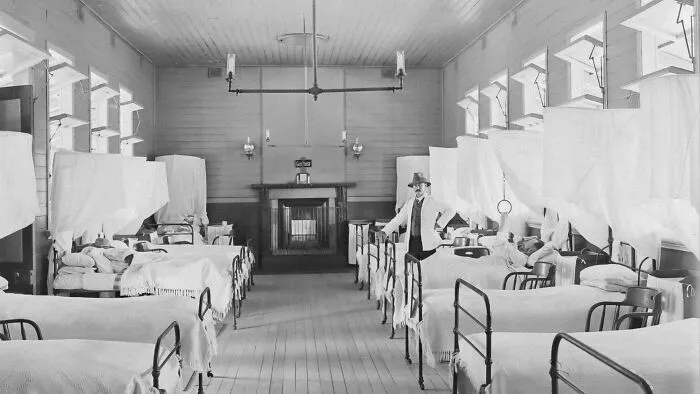
#11 Snail Slime To Treat Warts

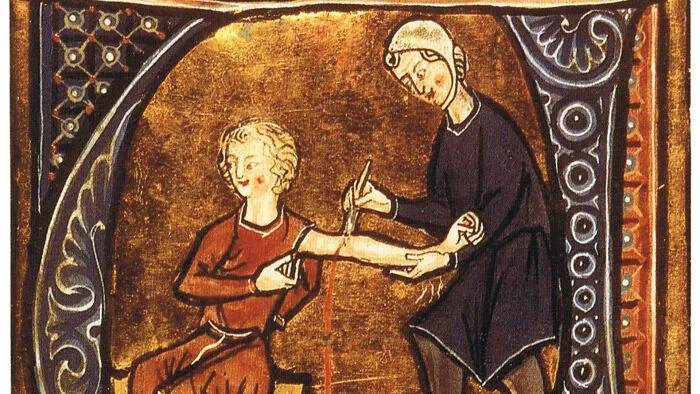
#12 Bloodletting
Another falsely held belief in the 1600s was that drinking excessive amounts of alcohol would cure the plague. This was Thomas Sydenham’s idea, but of course, it didn’t save any lives.
When it came to infertility, Hippocrates once suggested that a special mixture of red niter, cumin, resin, and honey should be used to open up the cervix. Unsurprisingly, this was extremely unpleasant for women, and it did not lead to an influx of babies being born.
#13 Woman Receiving Cobalt 60 Cancer Therapy, 1950s
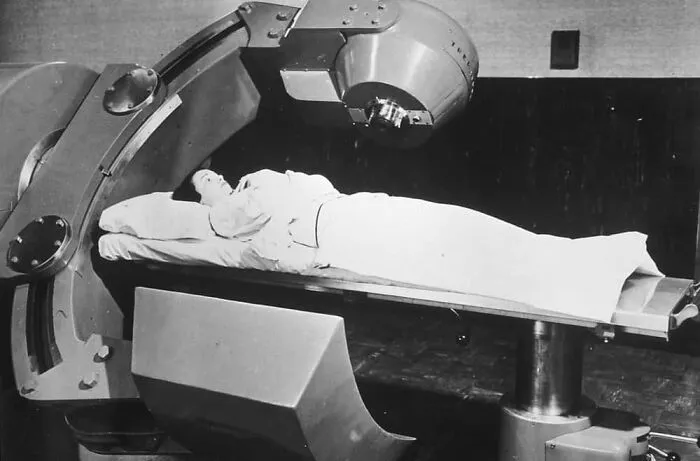
The machine used cobalt-60, a synthetic radioactive isotope, to emit high-energy gamma rays. These powerful rays penetrated deep into body tissue to destroy cancerous cells' DNA and stop tumor growth, while minimizing damage to healthy skin—a major limitation of earlier X-ray treatments.
Because cobalt-60 units were durable, reliable, and did not require complex electrical systems, they drastically increased global access to effective cancer care throughout the mid-20th century. Although modern linear accelerators (LINACs) have largely replaced cobalt units in high-income nations due to higher precision, cobalt-60 therapy laid the foundation for modern radiation oncology and remains in use worldwide today.
Even tobacco was recommended by doctors not too long ago, but this was anything but a new trend.
Convinced that tobacco was a nostrum [remedy] and a potential cure for all manner of ills, Nicot bundled up some tobacco plants and made a triumphant return to France, where Catherine de’ Medici was ruling as queen,” Pederson and Kang wrote in their book. “In 1561, Nicot presented Catherine with tobacco plant leaves and instructions on how to powder the leaves and inhale them through her nose to relieve headaches.”
Apparently, kids in London were even told to smoke in school to ward off the plague in 1665.
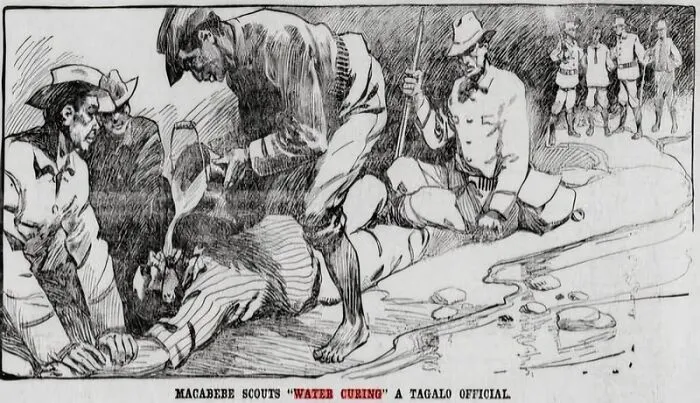
#16 Waterboarding (For Mental Illness)
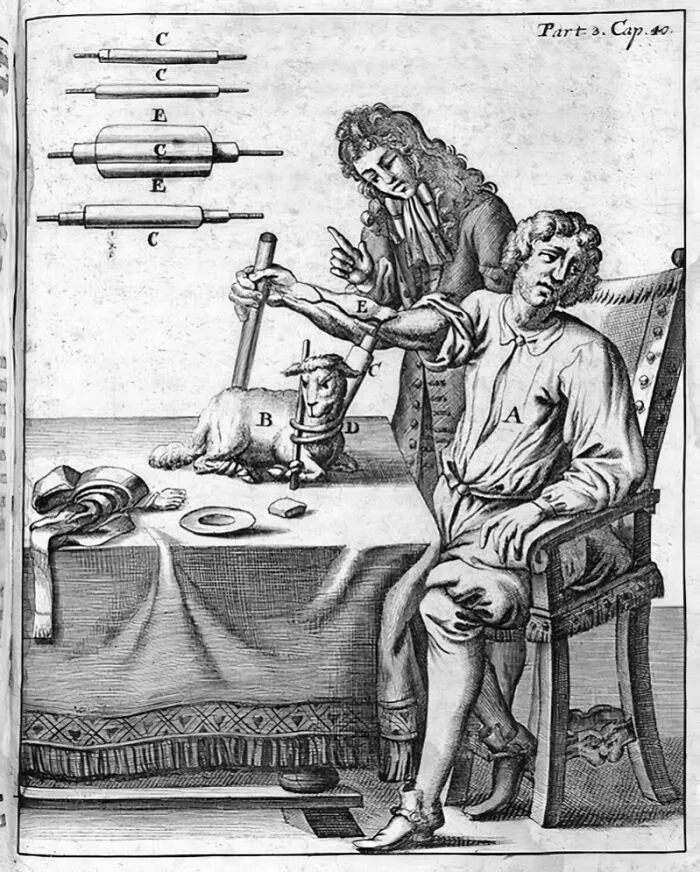
#17 Milk Transfusions (For Tuberculosis)
#18 Tooth Transplants From The Poor
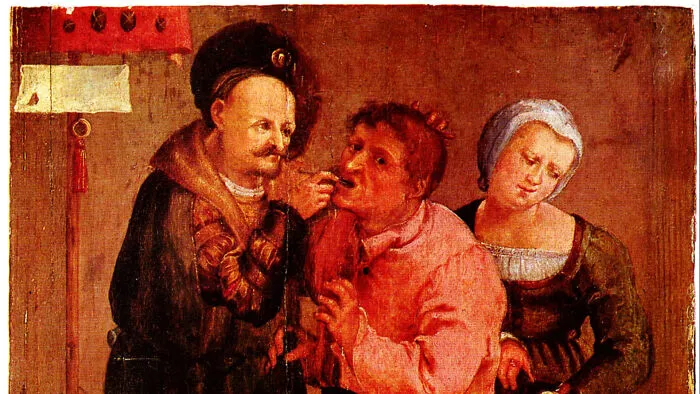
Because humans centuries ago didn’t have access to the same information that doctors have today, Britannica explains that many relied on folklore, superstition, and religion to determine the best way to treat a patient. For example, many used vegetable products and herbs to treat ailments. Meanwhile, some assumed that certain diseases or illnesses were of supernatural origin, such as a demon possessing a person. In such cases, spells, incantations, and potions would be used to attempt to exorcise the being.
#19 Man In A Hydro-Electric Bath, 1910
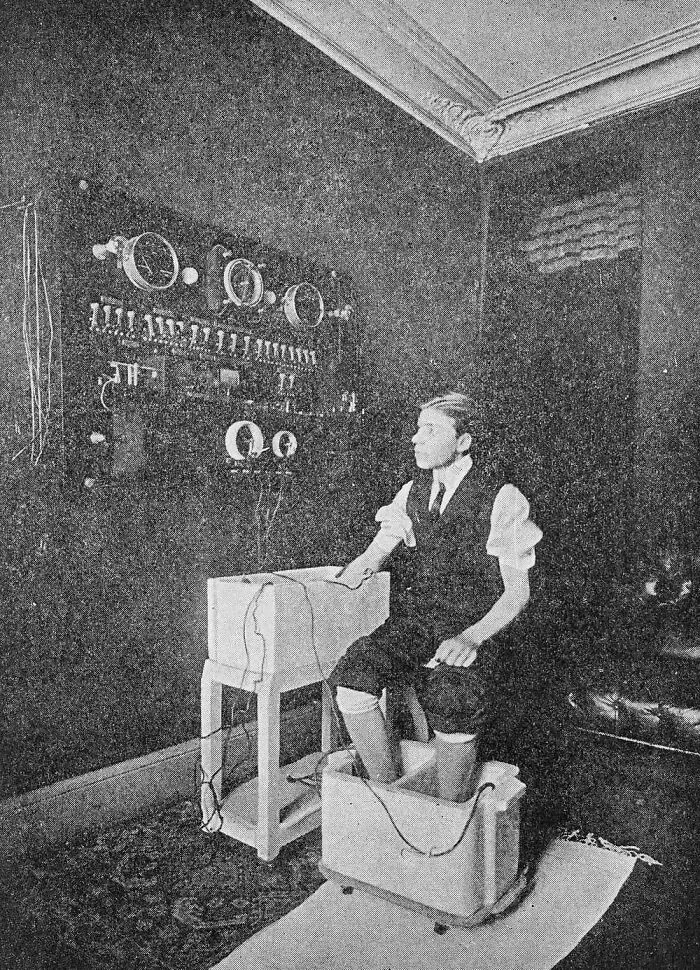
Electrodes connected to a generator were placed at opposite ends of the tub or held directly by the patient. Because water acts as a conductor, the electric current distributed evenly across the skin rather than concentrating on a single spot, allowing practitioners to deliver higher voltage with minimal discomfort.
Proponents claimed the bath could cure a wide range of ailments, including rheumatism, paralysis, gout, chronic fatigue, and nerve disorders. However, poor voltage regulation made the procedure risky, occasionally causing severe electrical shocks or burns. By the early 20th century, modern pharmacology and safer medical equipment rendered the hydro-electric bath obsolete.
#20 Nightshade For Pain