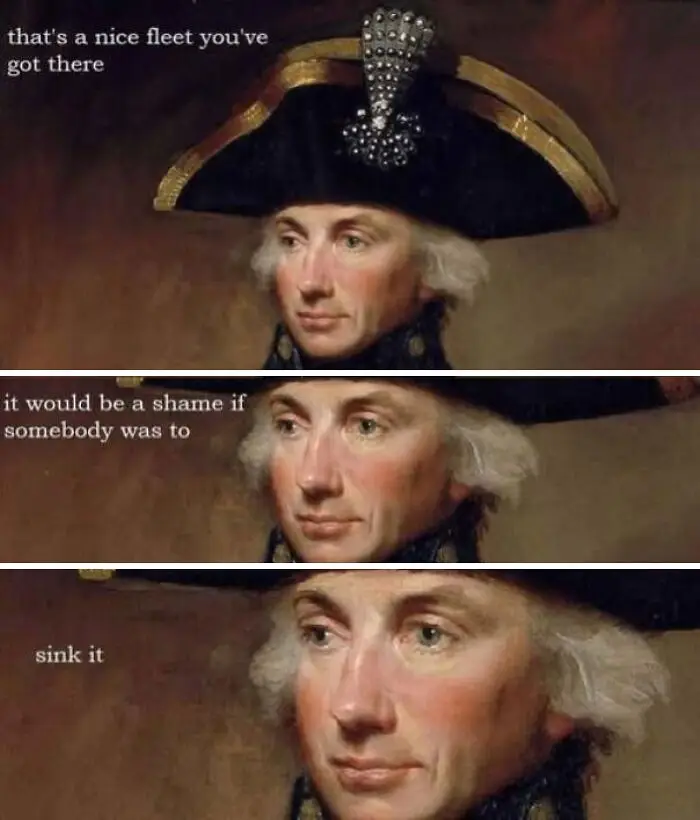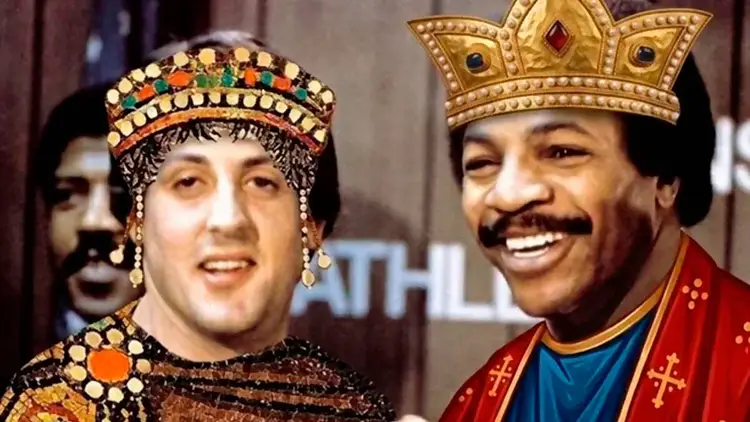



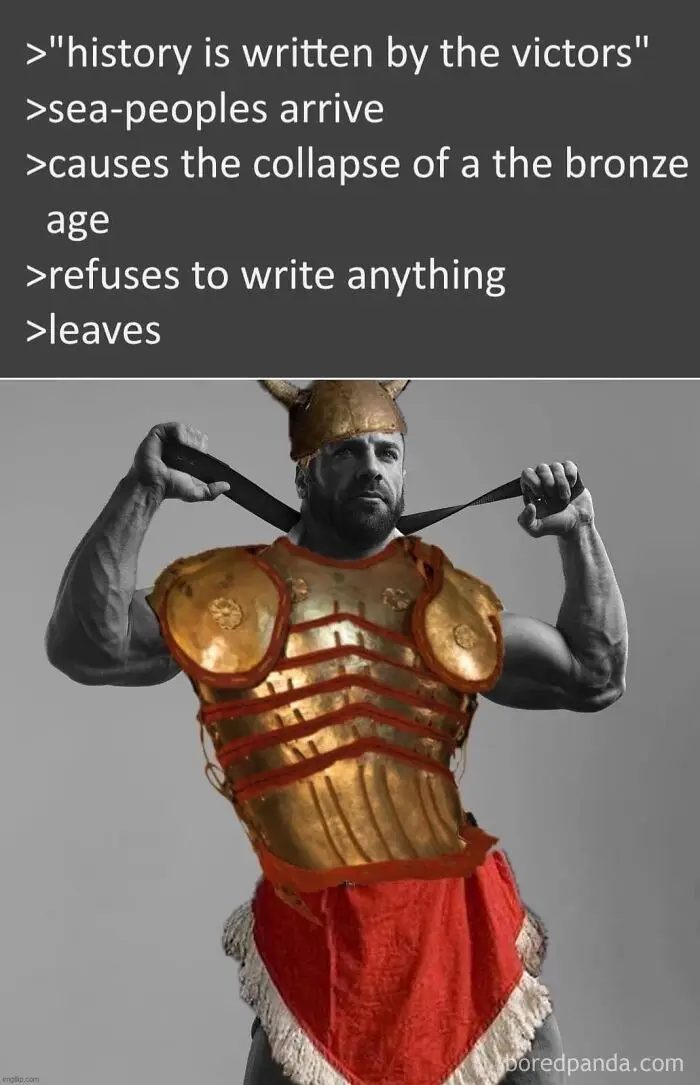

History books often present the past as a sequence of important dates, major discoveries, and world-changing decisions. However, as Den of Geek points out, real history can be much stranger than fiction because it is shaped by coincidences, misunderstandings, personal ambitions, and unpredictable human behavior. Some documented events sound so ridiculous that they could easily pass for fictional comedy.
In 897, for example, Pope Stephen VI ordered the corpse of his predecessor, Pope Formosus, to be dug up, dressed in papal clothing, and put on trial. Then there was the Dancing Plague of 1518, when people in Strasbourg reportedly danced uncontrollably for days, an incident whose exact explanation remains debated. These unusual episodes are reminders that the past was not always as orderly or dignified as textbooks might suggest.
#4
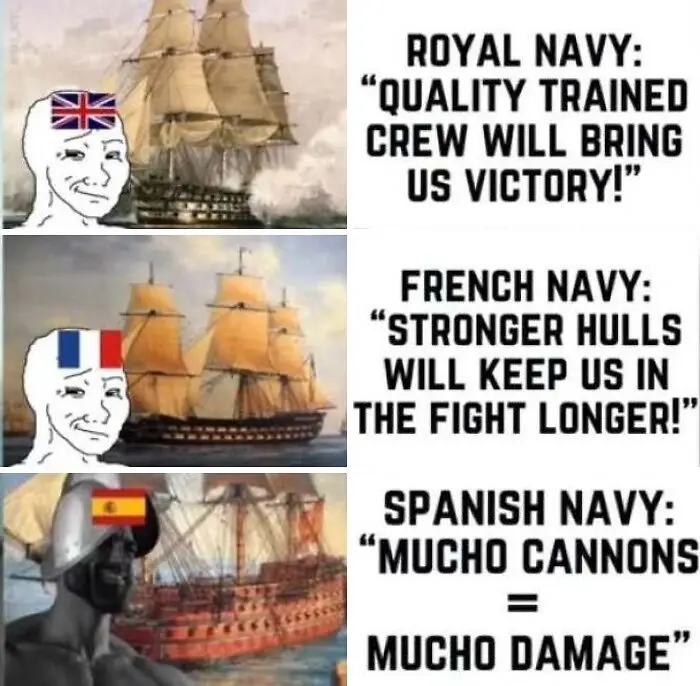
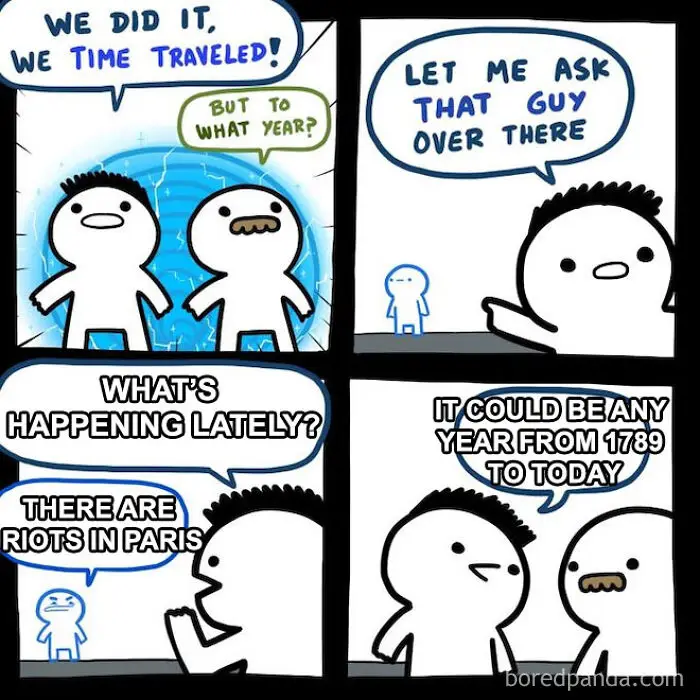
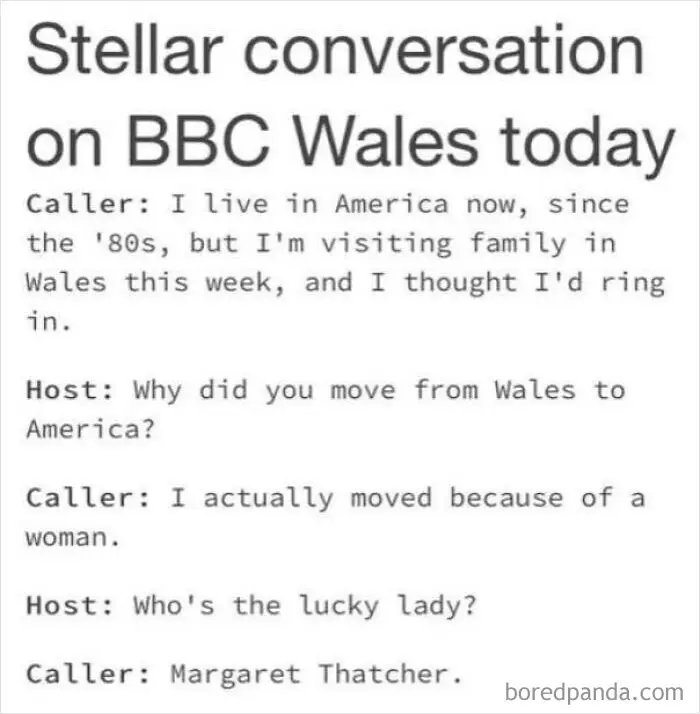
Other historical events are equally difficult to believe, even when there is plenty of documentation to support them. Australia's 1932 Emu War saw military forces deployed against emus that were damaging farmland, only for the birds to prove remarkably difficult to defeat.
Meanwhile, British double agent Juan Pujol García managed to deceive Nazi Germany into believing he operated an extensive spy network, even though many of the agents he reported on existed only in his imagination. Such incidents demonstrate how easily human decisions, unexpected circumstances, and elaborate misunderstandings can produce extraordinary outcomes.
Of course, there is a difference between a genuinely strange historical event and an entertaining internet myth. Strange claims still need credible evidence, such as contemporary records, official reports, or independent historical accounts, before they can be treated as fact.

#8
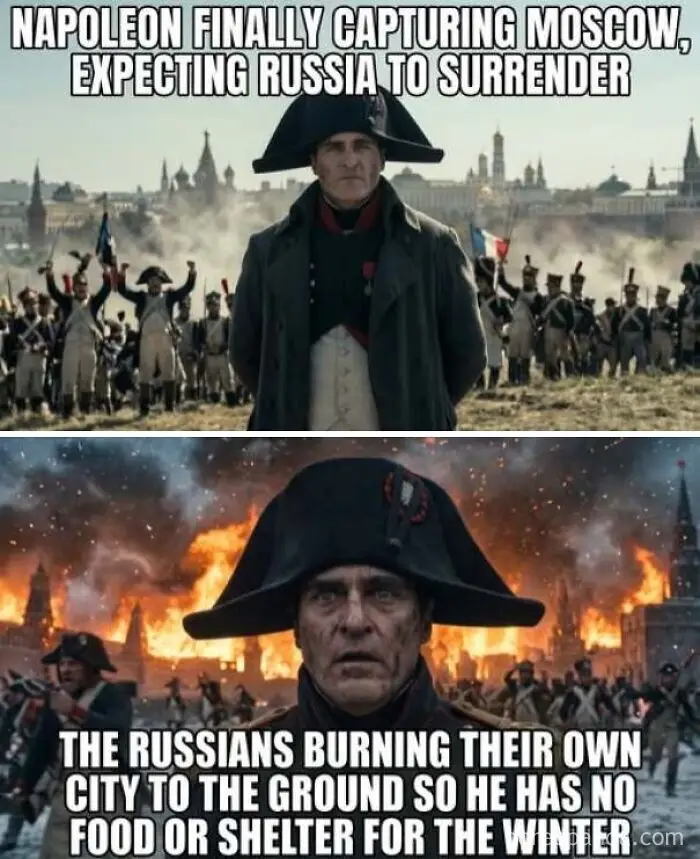
The Russian scorched-earth tactic in 1812 is still one of the most brutal defensive moves ever pulled off. They sacrificed their own city just to leave the French with zero supplies.
Lesson learned: Never invade Russia before winter.
#HistoryMeme #NapoleonicWars #HistoryFacts #HistoryLovers.

Some of the most entertaining historical details also involve the people who held positions of enormous power. Yahoo News highlights several memorable examples, including Roman emperor Nero, who notoriously blamed Christians for the Great Fire of Rome, and Tsar Nicholas II, whose handling of public unrest contributed to the conditions leading to the Russian Revolution.
Military history offers plenty of material for similar observations. Napoleon's invasion of Russia remains a famous example of an ambitious campaign undermined by enormous distances, supply difficulties, and harsh winter conditions. Meanwhile, the Defenestration of Prague in 1618, when Protestant nobles threw two Catholic officials out of a castle window, helped trigger the Thirty Years' War.
These incidents show how personal disputes, miscalculations, and political tensions could contribute to events with consequences far beyond their original circumstances.
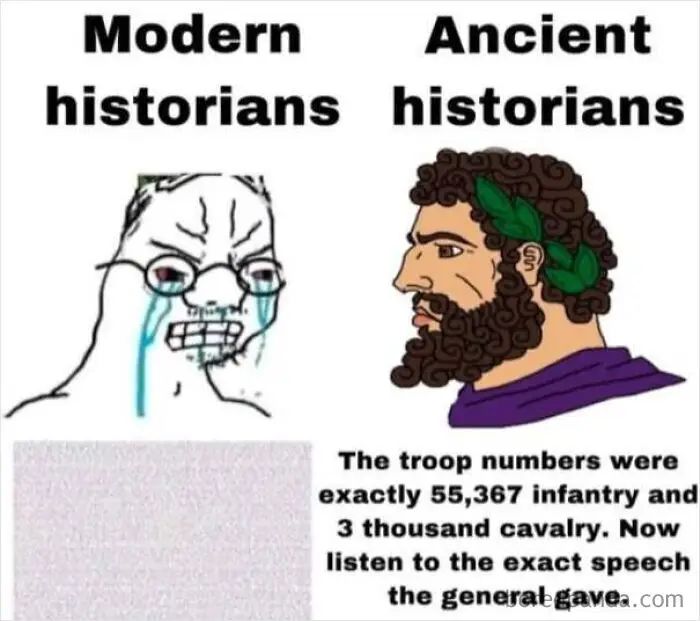

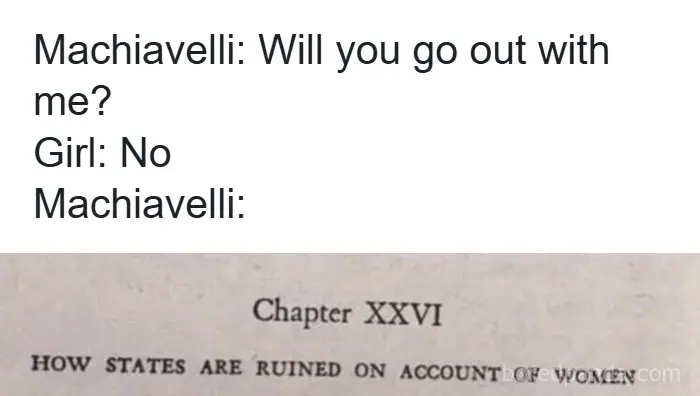
History is also full of misconceptions that have survived despite being challenged by historians. Some people still believe Napoleon was exceptionally short, that Christopher Columbus discovered America, or that the Egyptian pyramids were built by slaves. These popular assumptions demonstrate how easily simplified versions of the past can become accepted as fact.
Looking beyond familiar stories can reveal a much more complicated picture, which is another reason historical subjects provide such interesting material for jokes and memes. Sometimes, the real story is even more surprising than the version people have heard for years.



There is also a reason why presenting historical information through humor can make it easier to remember. Verywell Mind explains that humor captures attention, creates emotional associations, and makes information more distinctive. A funny image or unexpected comparison can give the brain another way to connect with a particular fact.
Instead of simply reading about an unfamiliar ruler or historical event, people may remember it because something about the presentation made them laugh. Understanding the joke can also encourage readers to think about the circumstances behind it, helping them form stronger connections with the information.
#16
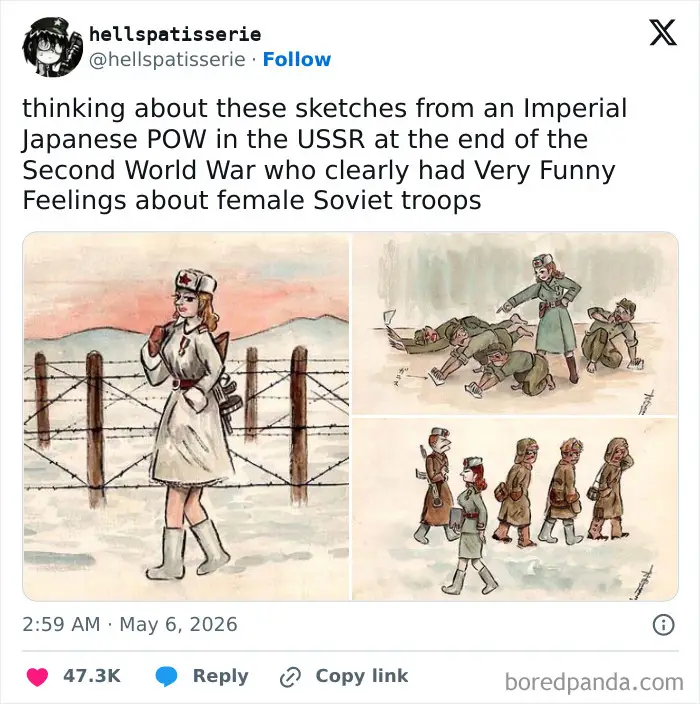
After being sent home to Japan in 1948, he created these drawings, he had over 80 of them.
#17

#confucius #chineseculture.
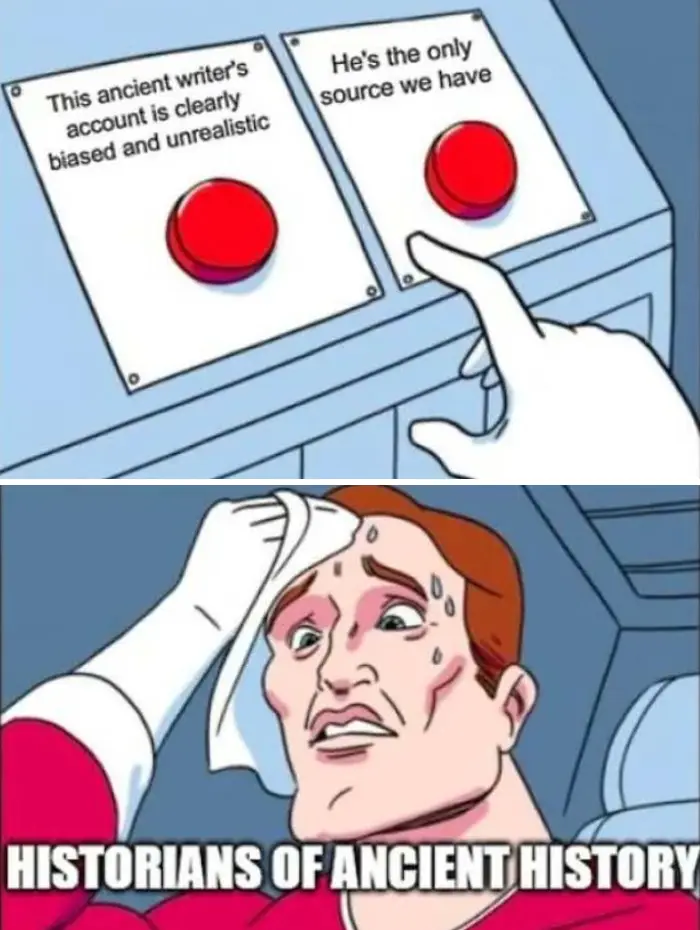
However, humor works particularly well when it is connected to the subject rather than added randomly. A meme poking fun at a ruler's questionable decision, for example, can encourage someone to look up what actually happened and learn more about the historical consequences.
This makes humor a useful way of introducing complicated subjects to people who might otherwise find traditional history lessons intimidating. It can also turn a passing laugh into an opportunity to discover something genuinely interesting about the past.