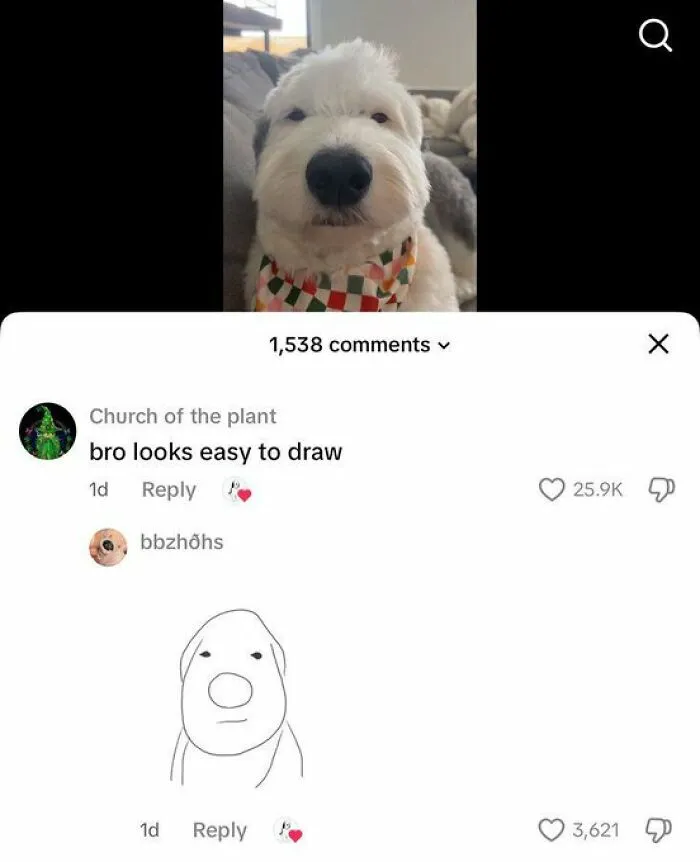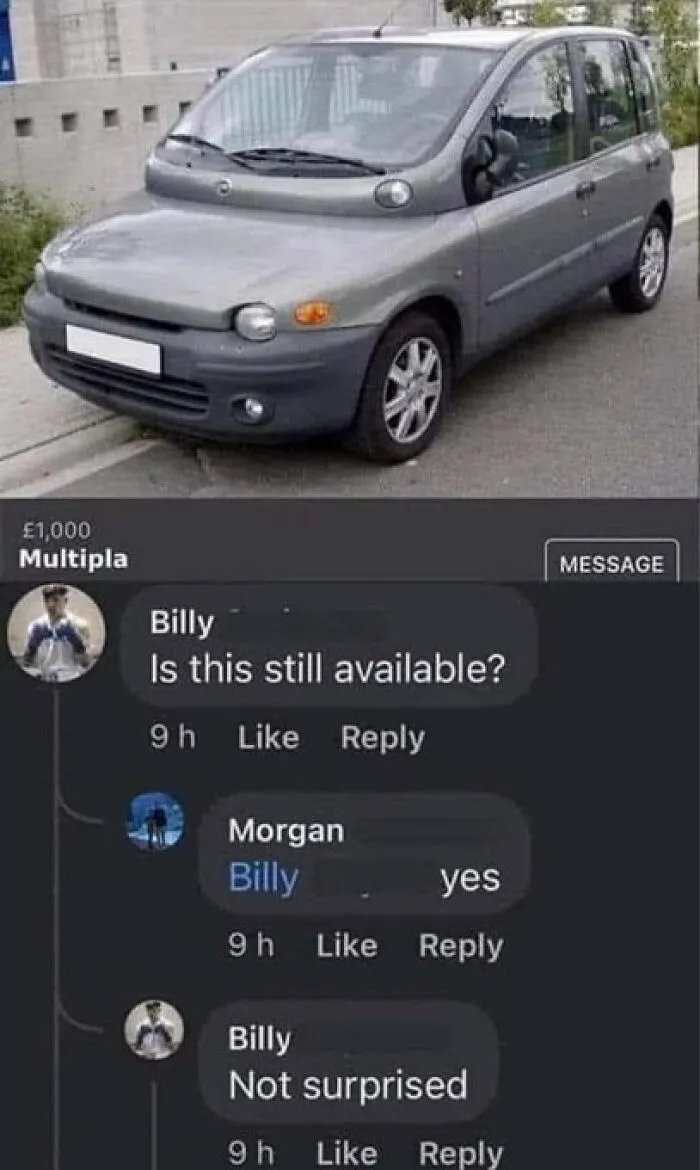
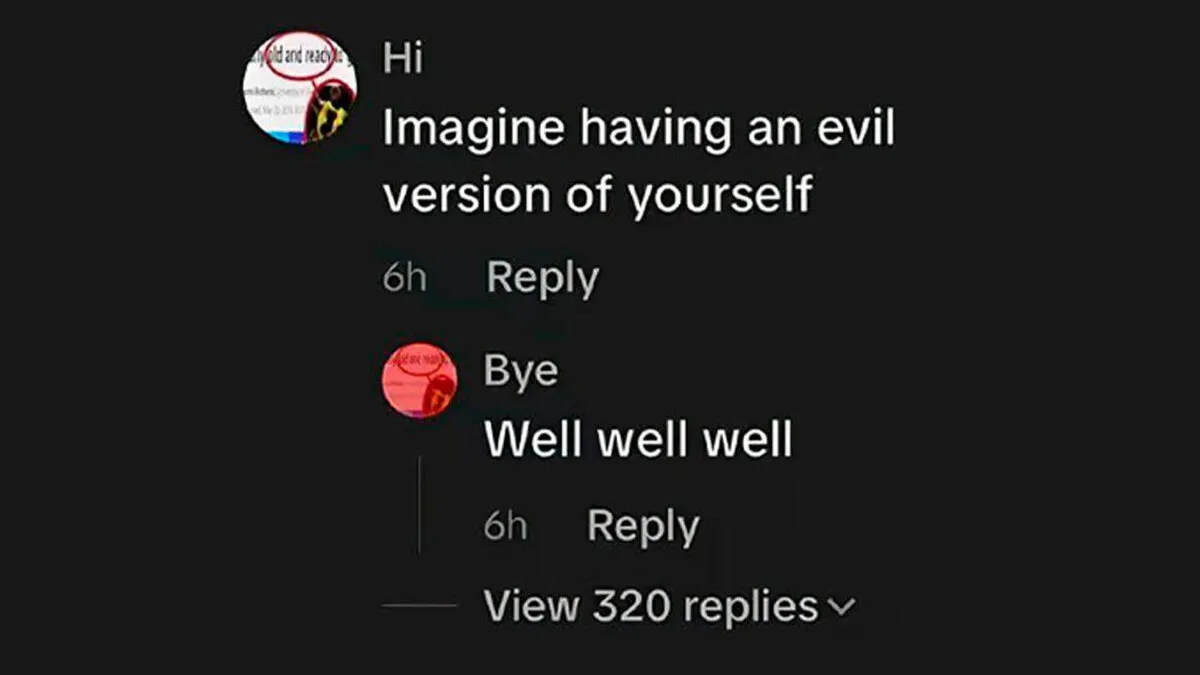




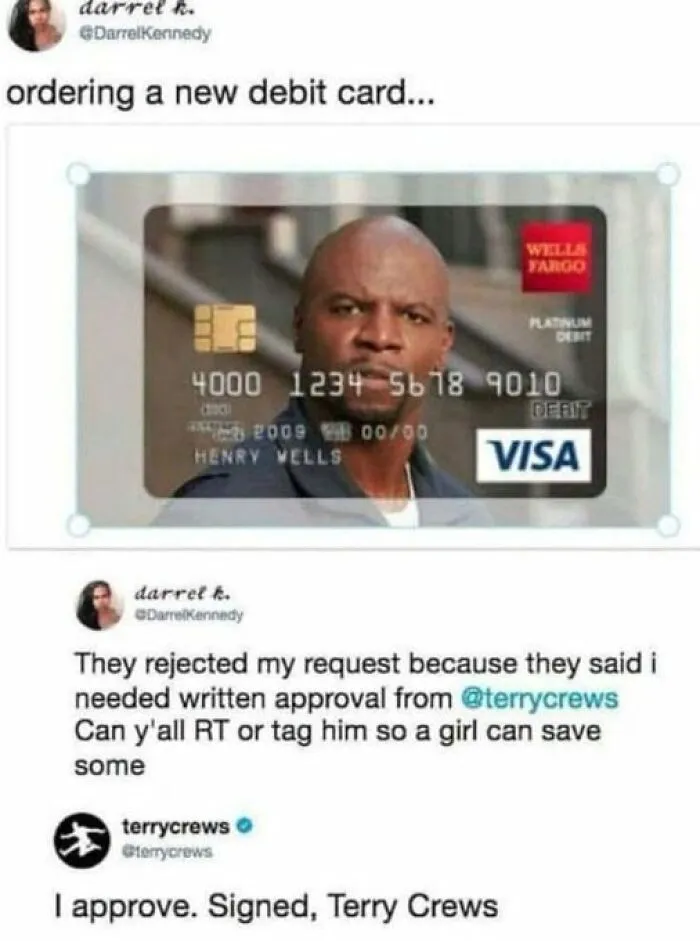
There’s a reason why we collectively, as a people, love comment sections. Often, they’re better than the original post. In some cases, we even come to posts, videos, and social media in general for the comments. The numerous GIFs with people eating popcorn have become a thing, usually because it means drama is unfolding somewhere in the comment section.
Lately, it may seem like a lot of content online is not really about the content itself but more about the comments. On Medium, Erum Hamza writes, “Comment sections are not feedback systems. They are reaction ecosystems.” Online spaces, according to him, are not like classrooms, but more like crowded buses, and each comment is like a reaction you get when someone accidentally stomps on your foot.
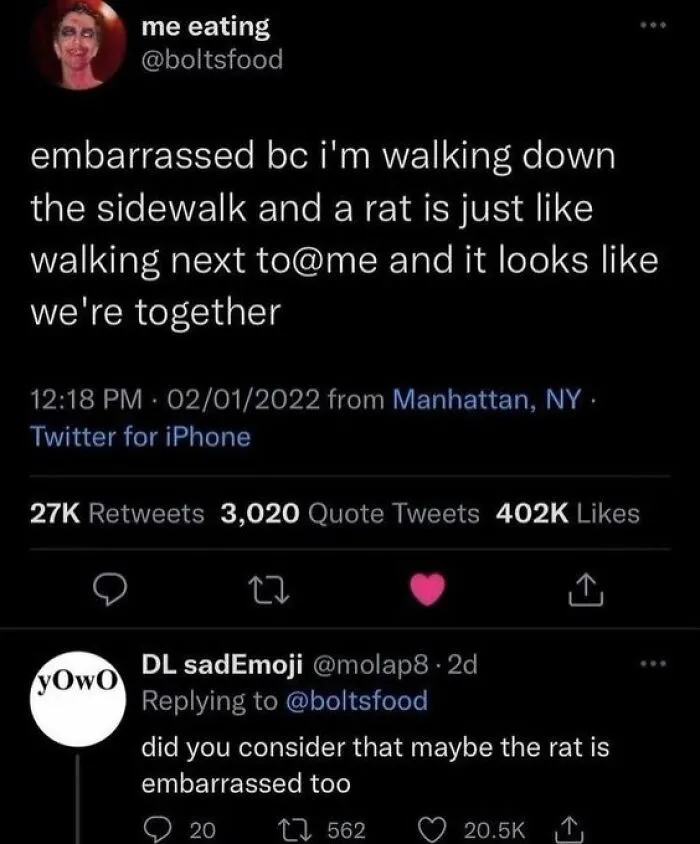
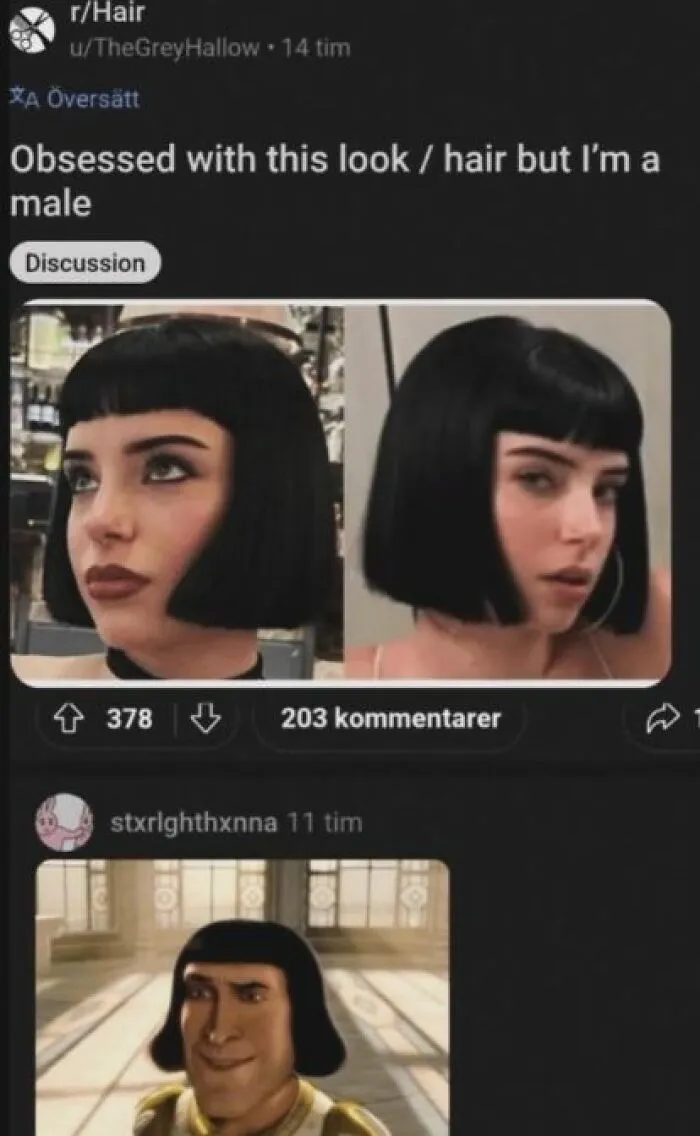

By now, we know that most online spaces are not for information, education, or even our well-being. The main goal of social media is to get engagement, and any kind of reaction, just like any kind of publicity, is good engagement, even when it’s spurred by anger, volatility, and hate.
Similarly, comment sections aren’t all about sunshine and rainbows. People get into all kinds of petty arguments, but Hamza offers a different explanation from the usual “people just disagree.” He says that someone disagreeing with a creator, their content, or a comment praising them can be a threat to how a person sees themselves.

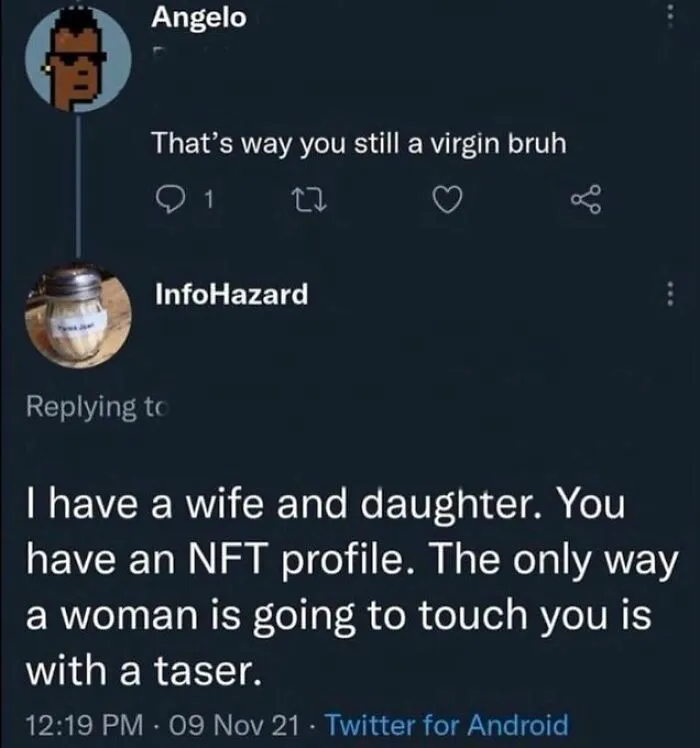

People tend to defend their opinions and their favorites so fiercely in the comments because it’s part of their identity. And when someone insults or belittles that, they feel personally slighted. “People aren’t debating you,” Hamza writes on Medium. “They’re defending themselves through you.”
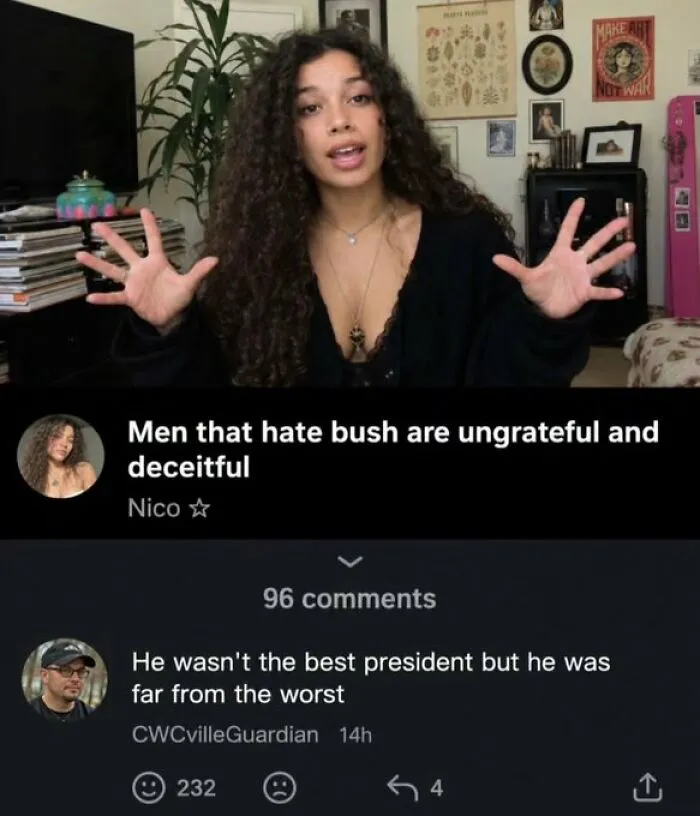
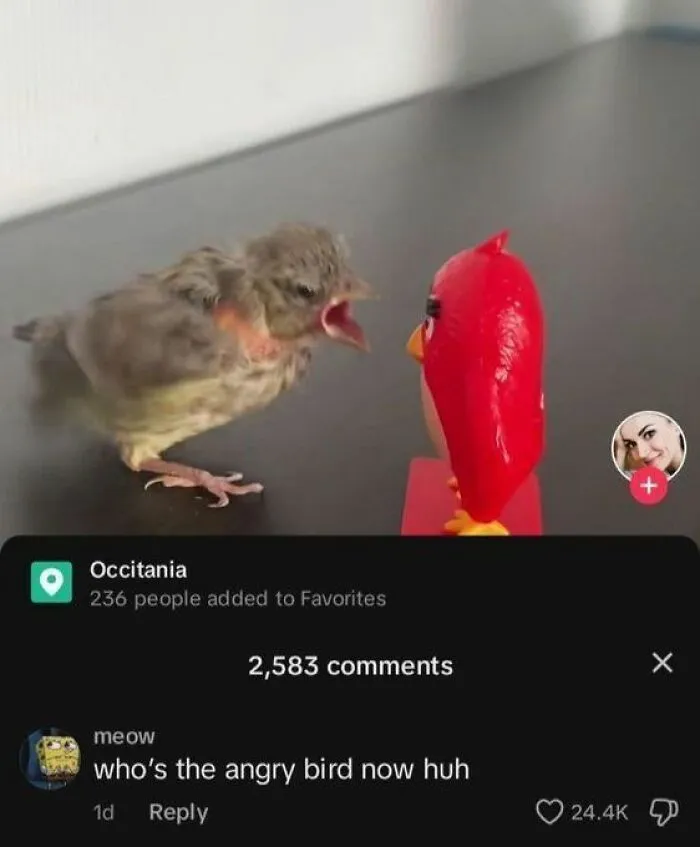

How do we avoid falling into the trap of arguments in comment sections? Simple — we have to stop trying to “win” them and prove our point, and think of them as weather patterns. “Not personal. Just atmospheric,” according to Hamza. So, the folks on this list who simply have fun in comment sections really seem to have grasped what they’re really all about.

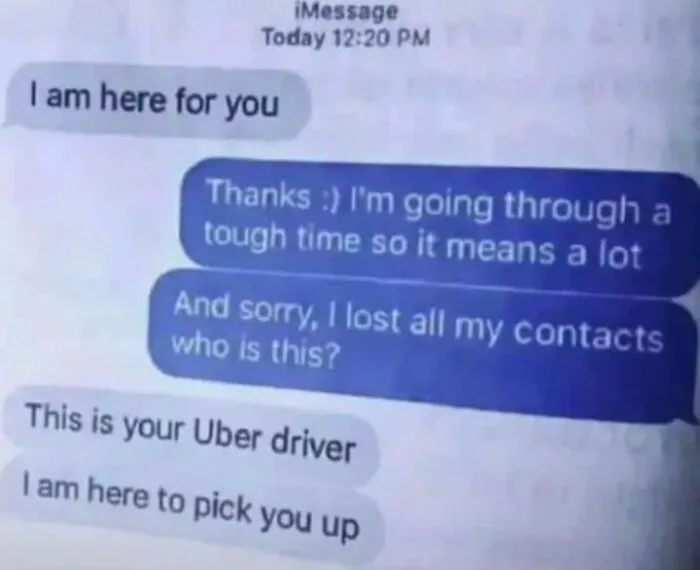
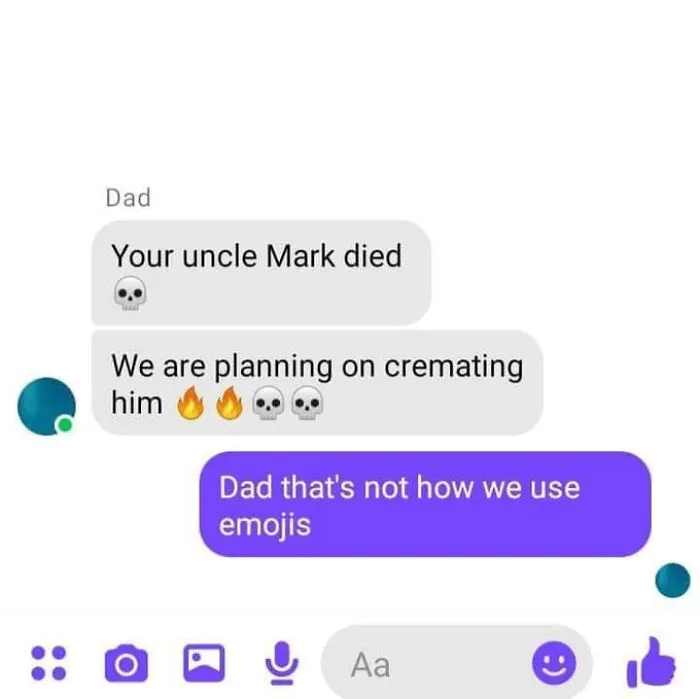
Trying to win a comment section like you’re vying for the Nobel Prize in comedy might be a better goal. We’ve heard the classic “Leave a comment” phrase in hundreds of YouTube videos, but comments do so much more than just create engagement. According to Mr. Pop Culture, the funniest conversations and moments happen online organically.


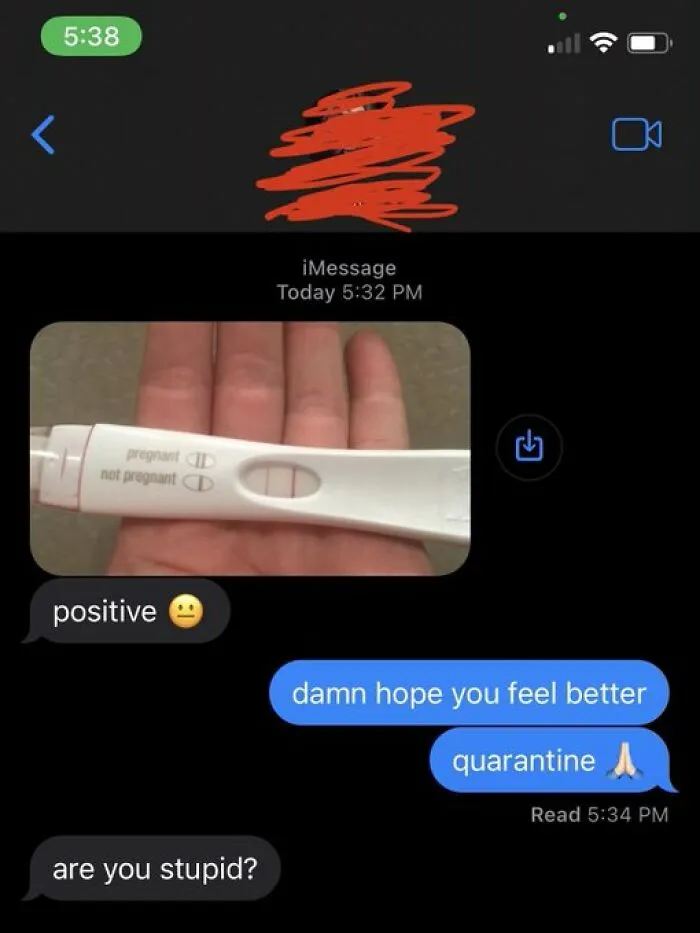
“Comment sections reward a particular style of humor that is fast, collaborative, and constantly evolving,” Mr. Pop Culture writes. “One person introduces a joke, another builds on it, and dozens more contribute variations until an entirely new meme has formed. These conversations often develop organically without any central creator directing the outcome.”