


“Any type of open and truthful disclosure reduces stress and helps individuals come to terms with their behavior,” he writes for Scientific American, adding that “It is not coincidental that some of the most powerful people or institutions in many cultures encourage people to confess their transgressions.”



According to Pennebaker, there’s “very strong evidence that writing about upsetting experiences or dark secrets can benefit your mental and physical well-being.” His research focuses on expressive writing, which, much like religious confession, encourages people to explore their deepest thoughts and feelings about something upsetting. The catch is that it only works if you’re completely honest with yourself.

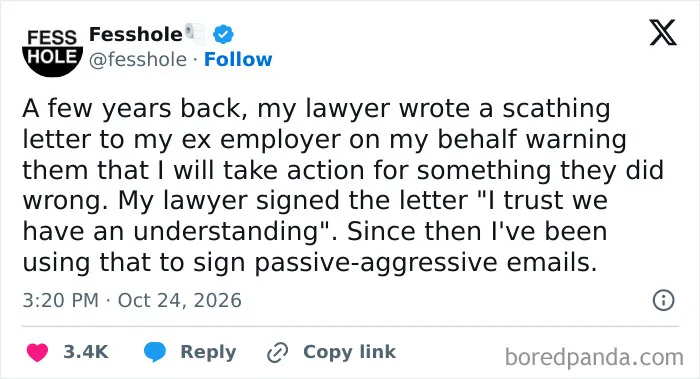

So why does it help? Pennebaker explains that writing about difficult experiences can change how we see them, making them feel less overwhelming. Once we’ve written about something, we also tend to dwell on it less, which frees up headspace for everything else. He says dozens of studies have even linked expressive writing to less stress, better sleep, and improved cardiovascular function.
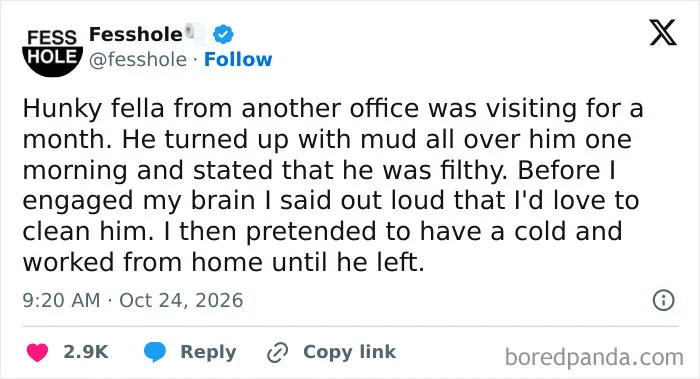

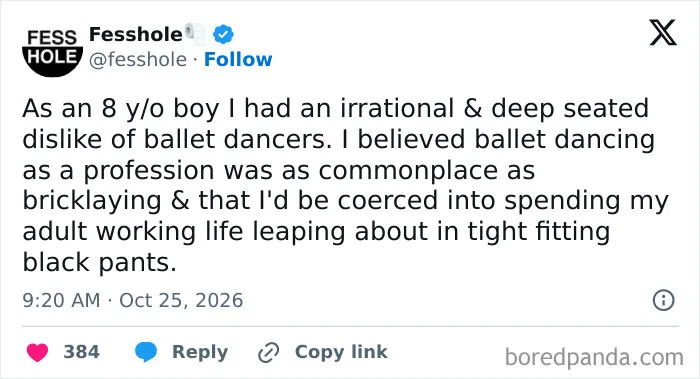
Granted, most Fesshole confessions are more chaotic than traumatic, and Pennebaker is clear that this kind of release isn’t a cure-all. Still, as he puts it, “you do not have to be religious to benefit from confession. The underlying mechanisms are available to anyone for the price of a pencil and paper.” Or, in this case, an anonymous corner of the internet.