





Time really does fly. And when you look back at 2025, we’re sure you’ve collected a mix of moments: some joyful, some challenging, and everything in between. As the year winds down, it feels especially important to pause, breathe, and hold onto the things that make us feel a little lighter.
So today, we’ve rounded up a collection of positive, wholesome facts from an Instagram page that’s all about spreading warmth. Consider this a gentle reminder that there’s still plenty of good out there. Keep scrolling and head into the new year with a smile.
#41
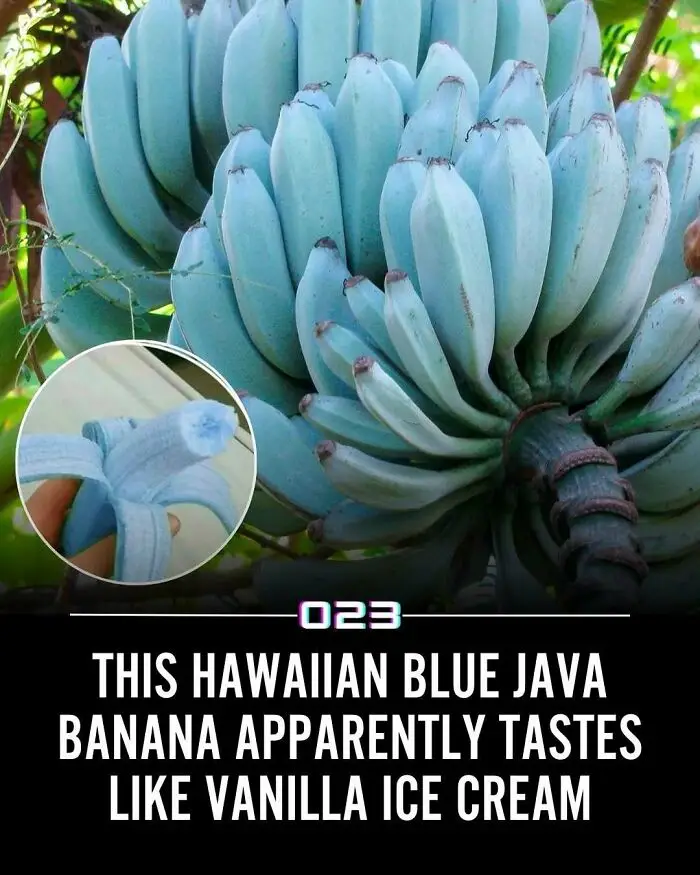
The Blue Java banana, cultivated in Hawaii, is known for its unique vanilla ice cream flavor. This rare fruit offers a creamy taste and texture that’s reminiscent of the popular dessert.
Report
21points
#42
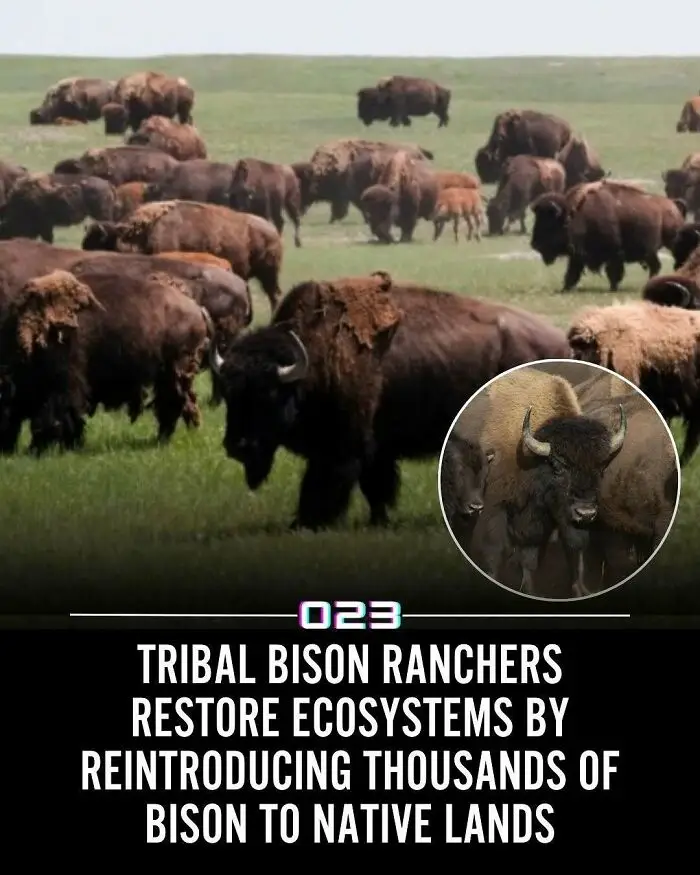
A tribal-led nonprofit is creating a network of Native American bison ranchers dedicated to restoring ecosystems across the Great Plains. By reintroducing thousands of bison to their ancestral lands, these efforts are rejuvenating the environment, revitalizing cultural connections, and promoting sustainable practices among indigenous communities.
Report
21points
#43
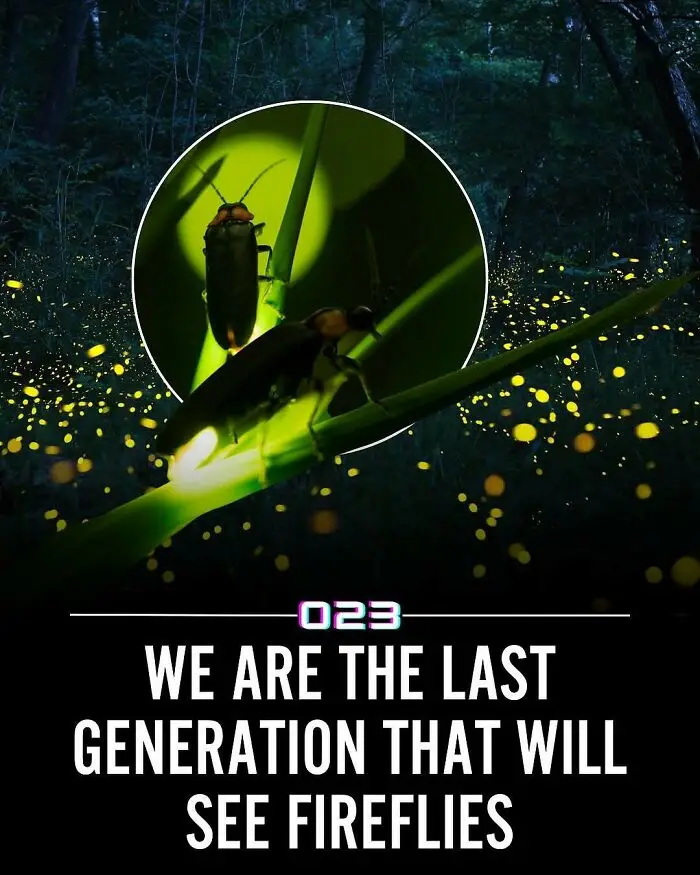
Fireflies are rapidly declining due to habitat loss, light pollution, pesticides, and climate change. Their glow—used to attract mates—is fading as bright lights and development disrupt their natural cycles. Conservationists urge reducing outdoor lighting, avoiding pesticides, and protecting wetlands to help save these glowing insects.
Report
20points
#44
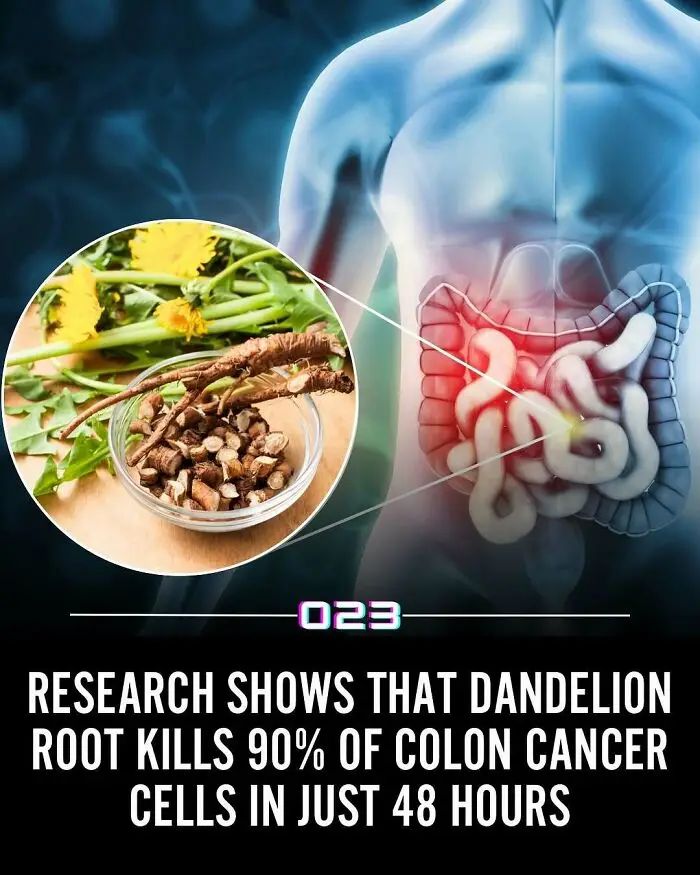
Lab research has found that dandelion root extract can eliminate over 90% of colon cancer cells within 48 hours, triggering cancer cell death while leaving healthy cells unharmed. Scientists observed this effect consistently across multiple cancer cell types in controlled environments. Though clinical trials in humans are still needed, the findings highlight the potential of plant-based compounds as powerful tools in future cancer therapies.
Report
20points
#45
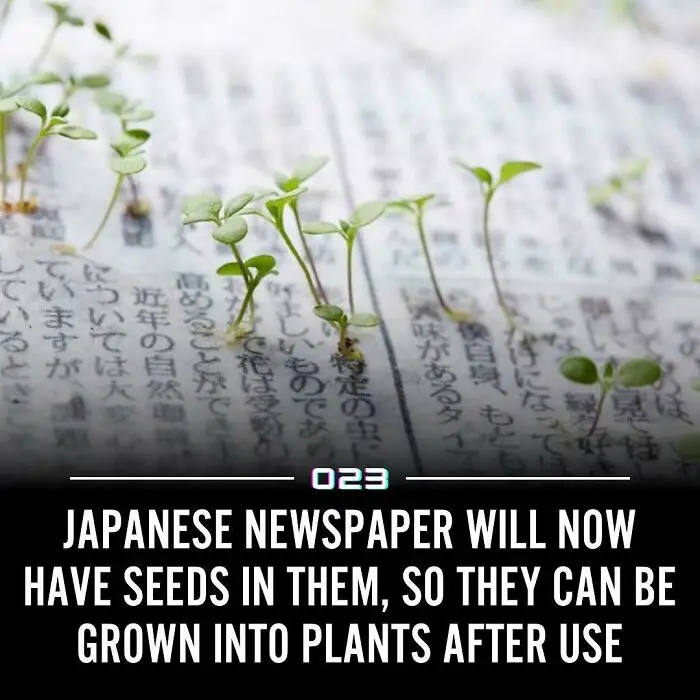
Japan’s Mainichi Shimbunsha introduced the “Green Newspaper,” an eco-friendly publication printed on biodegradable paper embedded with plant seeds. After reading, individuals could plant the newspaper, which would then sprout flowers or herbs. This initiative aimed to promote environmental sustainability and educate the public on recycling practices.
Report
20points
#46
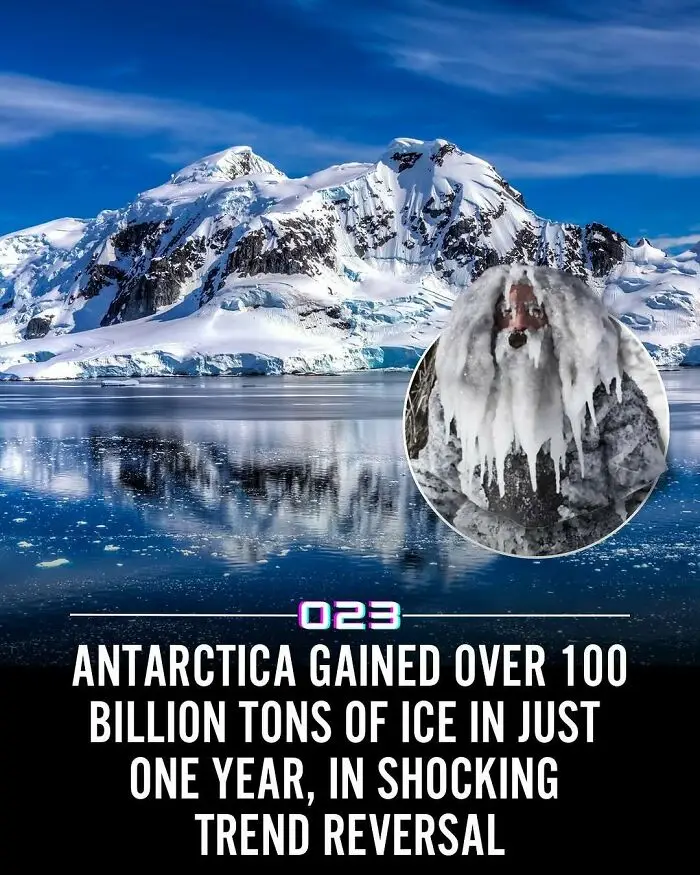
A new peer-reviewed study published in Science China Earth Sciences (2025) revealed that between 2021 and 2023, the Antarctic Ice Sheet gained mass at a rate of 108 gigatons per year, reversing a decade of steady decline. The surprise recovery was most significant in East Antarctica’s Wilkes Land region, where major glaciers like Totten and Denman had previously been melting rapidly. Scientists credit the gain to unusually high snowfall — a temporary boost that slightly offset global sea level rise by 0.3 mm per year. While experts caution this trend may not last, it challenges assumptions about short-term polar dynamics and underscores how unpredictable our climate system can be.
Report
20points
#47
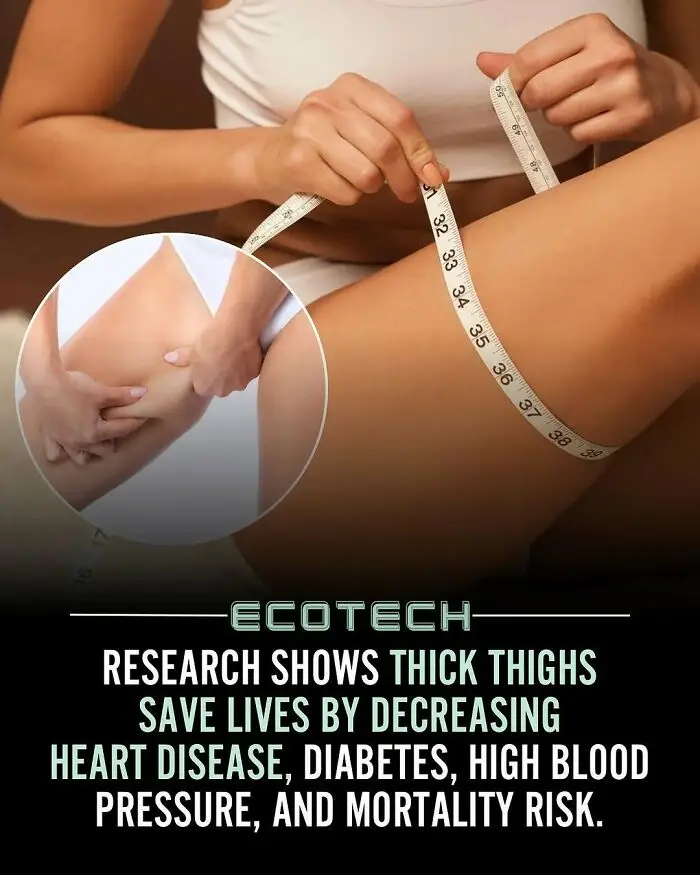
A growing body of research suggests that having thicker thighs may actually be protective for long-term health. Studies have found that people with more muscle and fat in their upper legs have a lower risk of heart disease, high blood pressure, and diabetes, as well as reduced overall mortality. Experts believe this is because thigh fat helps regulate blood sugar and cholesterol, acting as a metabolic buffer that supports cardiovascular health.
Report
20points
#48
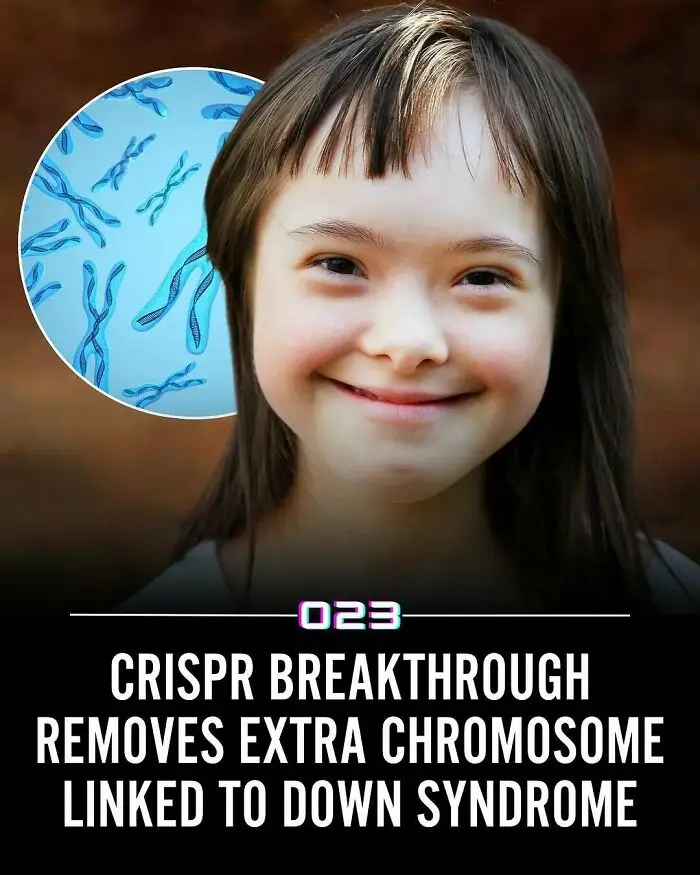
In a major genetic milestone, scientists have used CRISPR to remove the extra chromosome associated with Down syndrome in lab-grown human cells. This not only eliminated the excess DNA but also restored normal cell function, marking a significant step in understanding—and potentially treating—chromosomal disorders in the future. Though still early, the results open new doors in precision medicine.
Report
20points
#49
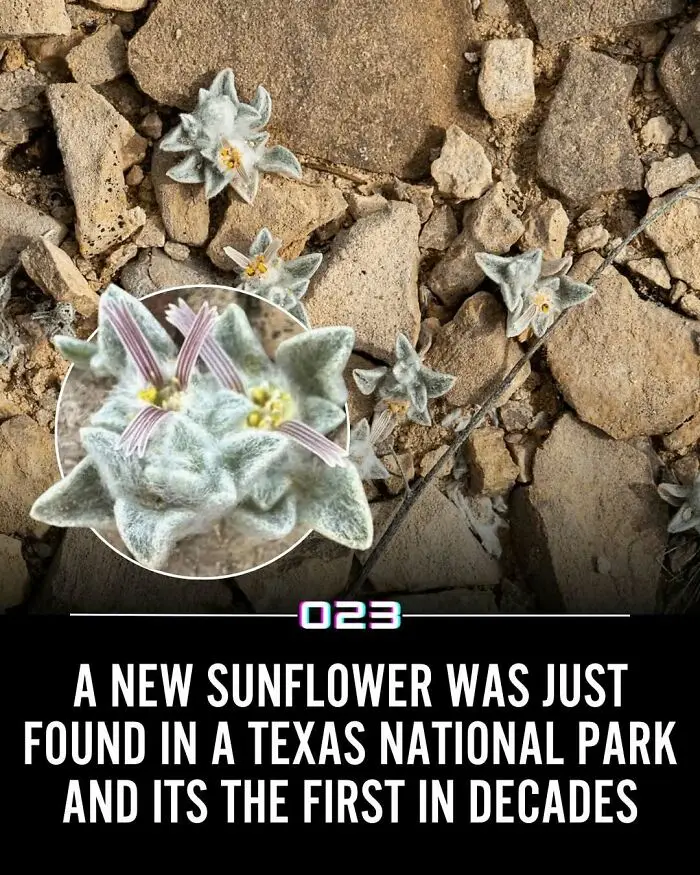
A new sunflower species—nicknamed the “Woolly Devil”—was just discovered in Big Bend National Park, Texas, and it’s the first new plant genus found in a U.S. national park in nearly 50 years. With its fuzzy white leaves and deep maroon petals, this rare desert bloomer only appears after rainfall—thriving in the harshest conditions. Proof that even in well-trodden ground, nature still hides secrets.
Report
19points
#50
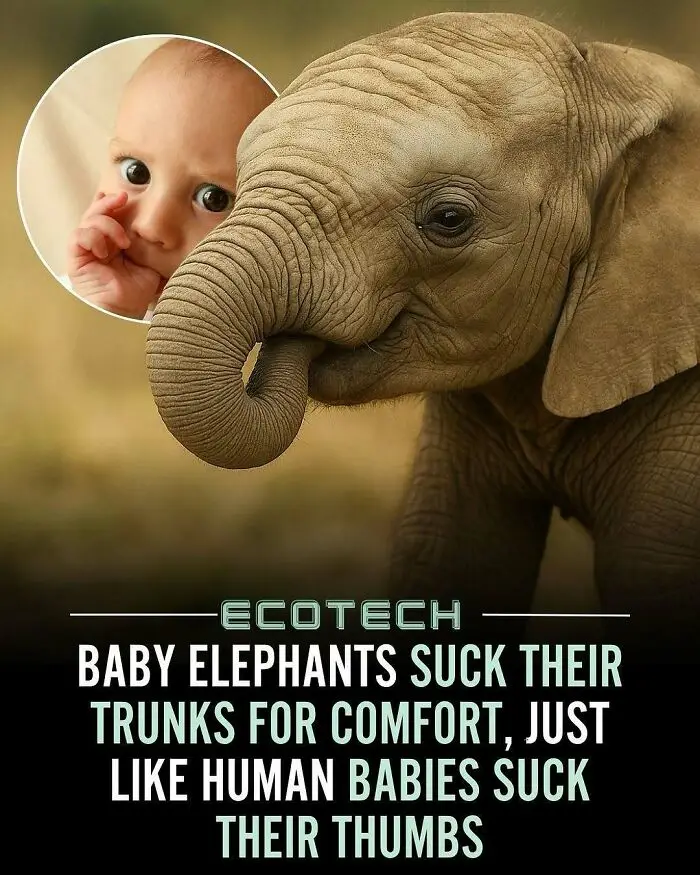
Elephants are known to suck their trunks as a way to find comfort and calm themselves, a behavior especially common among calves but seen in adults too. Much like human infants sucking their thumbs, this habit can help regulate stress, provide reassurance, and strengthen trunk muscles during early development. Experts say the behavior highlights elephants’ emotional depth and their close parallels with human nurturing instincts.
Report
19points
#51
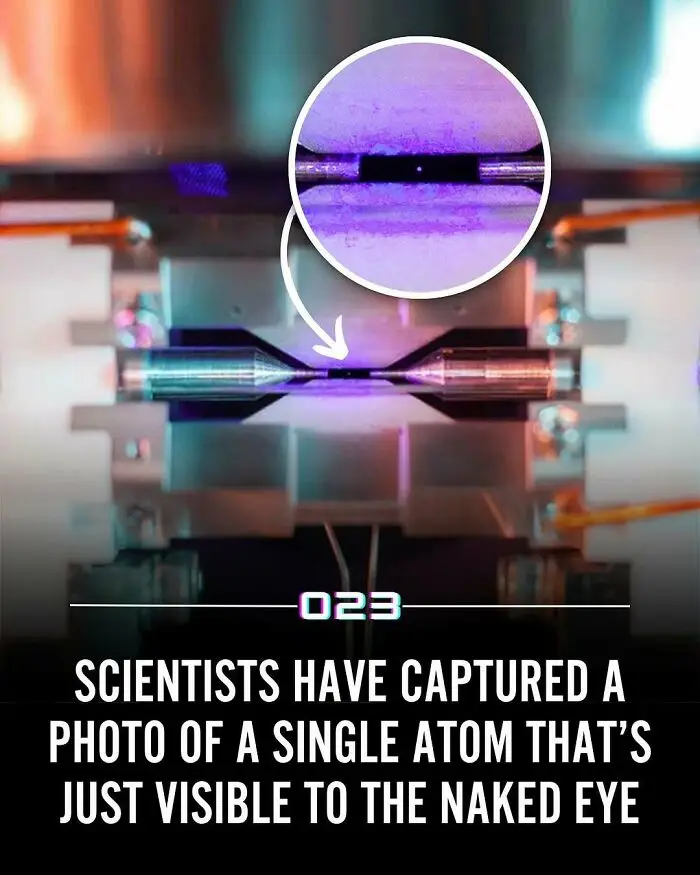
For the first time, scientists have captured a photo of a single atom that’s just visible to the naked eye. The image, taken by David Nadlinger, shows a strontium atom suspended in an electric field and glowing faintly under laser light. Although atoms are usually far too small to see, this setup energizes the atom’s electrons so it emits enough light to be photographed. It’s a groundbreaking glimpse into the building blocks of matter—one glowing dot at a time.
Report
18points
#52

Saudi Arabia has launched one of the world’s most ambitious environmental projects — aiming to plant 10 billion trees across the country and 50 billion across the region as part of the Saudi and Middle East Green Initiatives. This effort targets desert restoration, carbon capture, and biodiversity revival, transforming vast arid landscapes into green ecosystems using drought-resistant species and innovative irrigation methods. The project is a cornerstone of the Kingdom’s Vision 2030 for climate resilience and sustainable development.
Report
17points
#53

After training for years in China, a West African man has returned home as a Kung Fu master, blending martial arts, meditation, and discipline to uplift his community. His mission is to share not just self-defense techniques but also mental resilience and peace through Shaolin teachings. By opening schools and teaching youth across West Africa, he’s bridging cultures and building strength—both inside and out.
Report
17points
#54

🩹 Super Skin? Scientists Develop Hydrogel That Heals Wounds in Just 24 Hours! ⚡ Researchers at UCLA have created a groundbreaking human skin-like hydrogel that repairs wounds 90% in just 12 hours and fully heals them within 24 hours! 🚀 This futuristic material mimics real skin, speeding up tissue regeneration like never before. While still in testing, this could revolutionize wound care, making slow healing a thing of the past. Would you trust “super skin” to heal your wounds?
Report
16points
#55
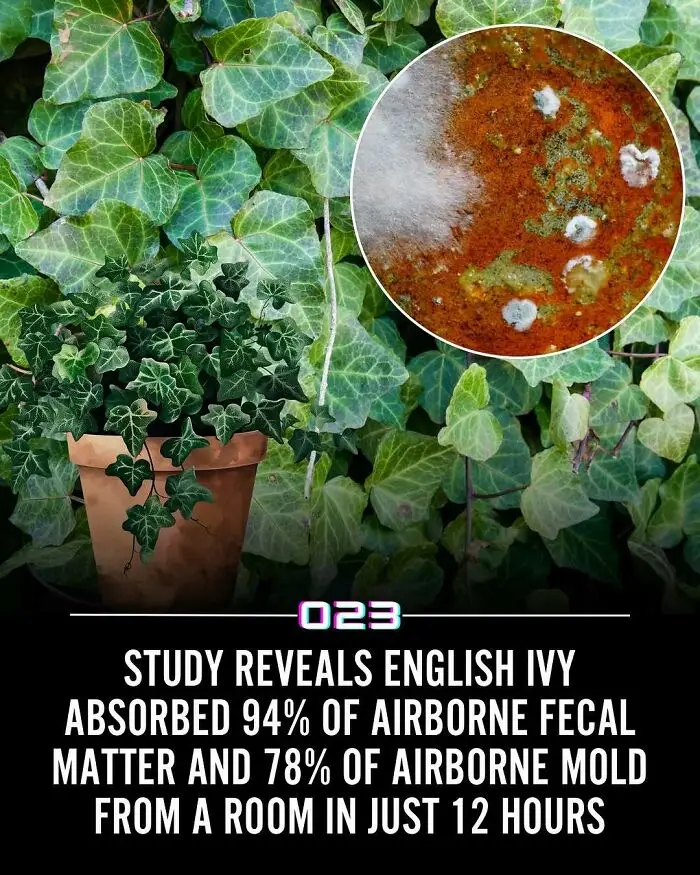
In a controlled experiment, English ivy (Hedera helix) demonstrated remarkable air‑cleansing ability by absorbing approximately 94% of airborne fecal particulate and 78% of mold spores within 12 hours. The plant was tested in sealed containers with moldy bread and canine feces, showing progressive improvement from 6 to 12 hours. While the results suggest potential for natural air purification, experts caution that scaling to real-world environments has limitations—and note that English ivy is toxic to humans and pets.
Report
16points
#56
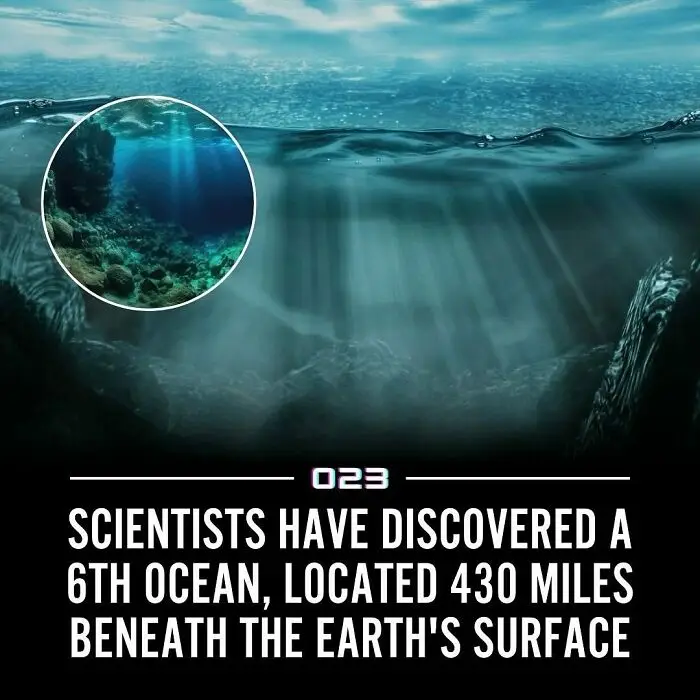
New oceans 🌊 . Scientists have identified a massive underground “ocean” 700 kilometers beneath Earth’s surface. This water, stored in a rock called ringwoodite, is potentially three times the volume of all surface oceans combined. The discovery provides crucial insights into Earth’s water cycle and deep Earth processes.
Report
15points
#57

Kawasaki built a robot goat — and yes, you can ride it. 🐐 Meet Bex, the rideable robotic goat unveiled at the 2022 International Robot Exhibition in Tokyo. Inspired by the alpine ibex, this machine can carry up to 220 lbs (100 kg) and switch between walking on four legs and rolling on wheels, making it ideal for rough terrain and industrial tasks. It’s part of Kawasaki’s plan to tackle Japan’s labor shortages using advanced robotics in agriculture, construction, and manufacturing. Bex is fully modular, meaning future versions could be adapted to carry equipment, tools — or even people. Because why build a robot dog… when you can build a robotic mountain goat?
Report
15points
#58
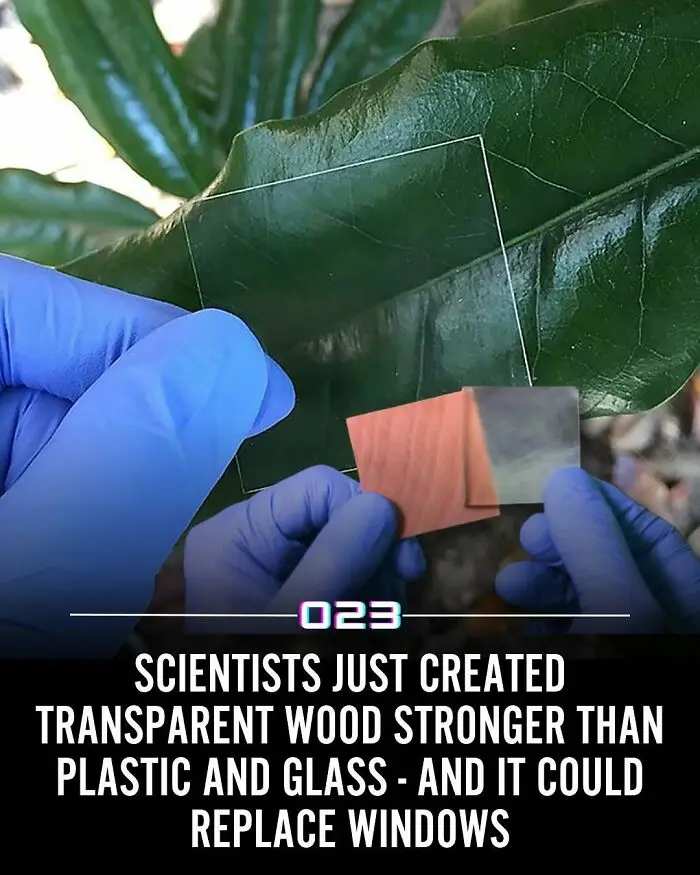
Scientists have developed transparent wood that is stronger than plastic and tougher than glass — and it could soon replace traditional window materials. By removing lignin from natural wood and infusing it with polymers like epoxy or polyvinyl alcohol, researchers created a clear, durable material with impressive strength and thermal insulation. It’s not only three times stronger than Plexiglass but also significantly more energy-efficient than standard glass.
Report
14points
#59
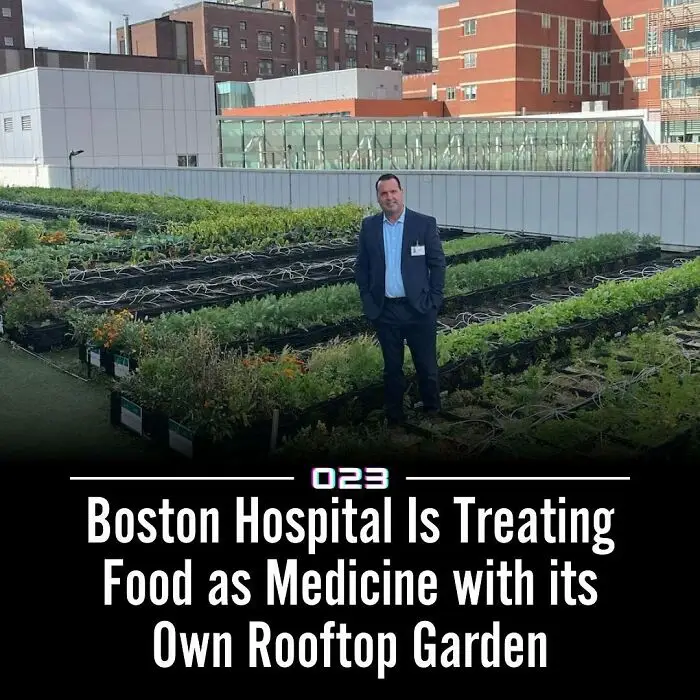
American hospital food is so bad this is a W for Boston ! . A Boston hospital is pioneering a “food as medicine” approach by cultivating a rooftop garden to provide fresh produce for patients. This initiative aims to improve patient health and recovery through nutritious, locally grown food, emphasizing the link between diet and well-being. The rooftop garden serves as a model for integrating sustainable agriculture into healthcare.
Report
12points
#60
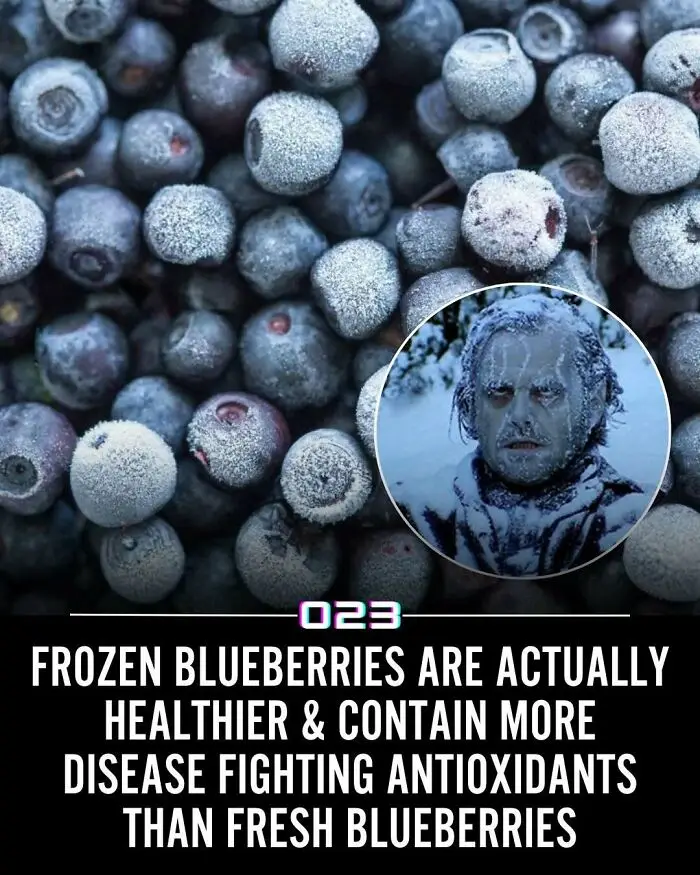
Most people assume fresh is always better, but frozen blueberries may actually be healthier! Research shows that freezing blueberries enhances their anthocyanin concentration-potent antioxidants linked to brain health, reduced inflammation, and improved heart function. • A study published in the Journal of Biomedicine & Blotechnology tound that treezing increases anthocyanin bioavailability, making them easier for your body to absorb. • Another study in the International Journal of Molecular Sciences showed that anthocyanins in blueberries help protect against oxidative stress, which contributes to aging and chronic diseases. • Research from the American Journal of Clinical Nutrition linked regular blueberry consumption to better cognitive function and lower risk of cardiovascular disease.
Report
12points